We may earn revenue from the products available on this page and participate in affiliate programs. Learn More ›
Steam cleaners use hot vapor to loosen dirt and grime, often with nothing but water. Learning how to use a steam cleaner properly can help you get more from this versatile appliance and to avoid surfaces that could be damaged by heat or moisture. Below, we’ll cover the basics, what not to steam-clean, and some of the most useful ways to get steaming around the house.
How a Steam Cleaner Works
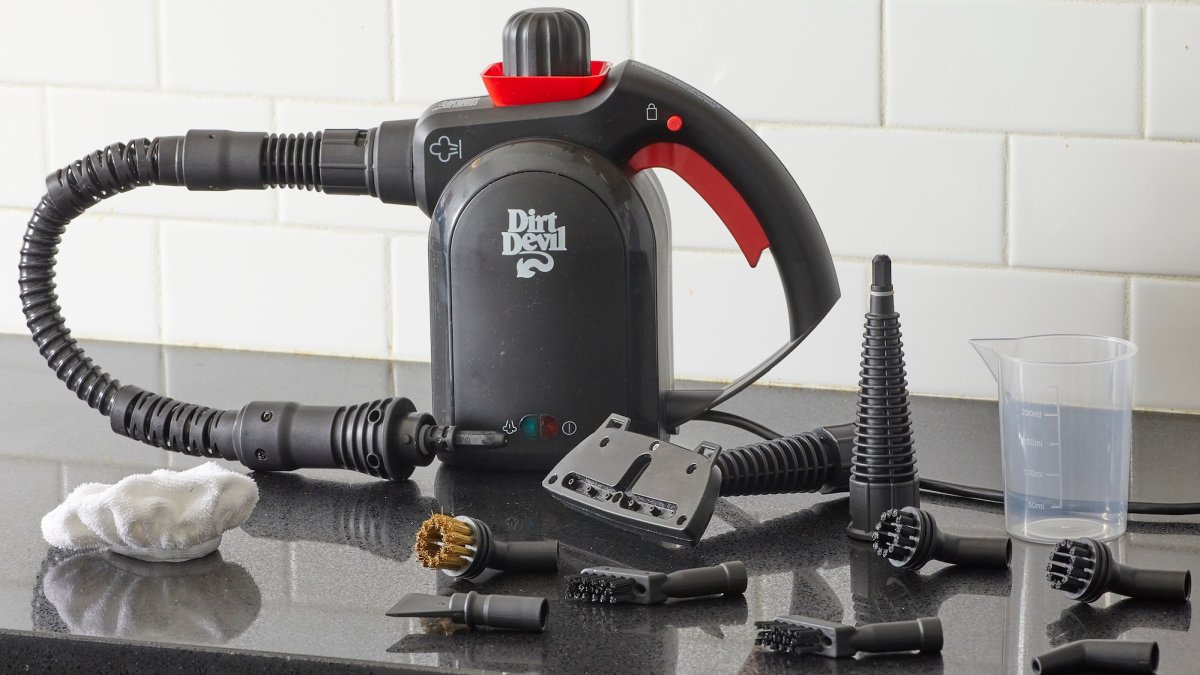
A steam cleaner heats water inside a tank until it produces hot, pressurized steam. The steam travels through a nozzle, hose, mop head, or other attachment. Directing the steam at a surface helps loosen stuck-on dirt, grease, soap scum, and other buildup so it can be wiped or lifted away easily
Unlike a carpet shampooer or other cleaning methods, most steam cleaners don’t need detergent. The combination of heat, moisture, and pressure does most of the work, though the amount of steam and the best attachment for the job will depend on what you’re cleaning.
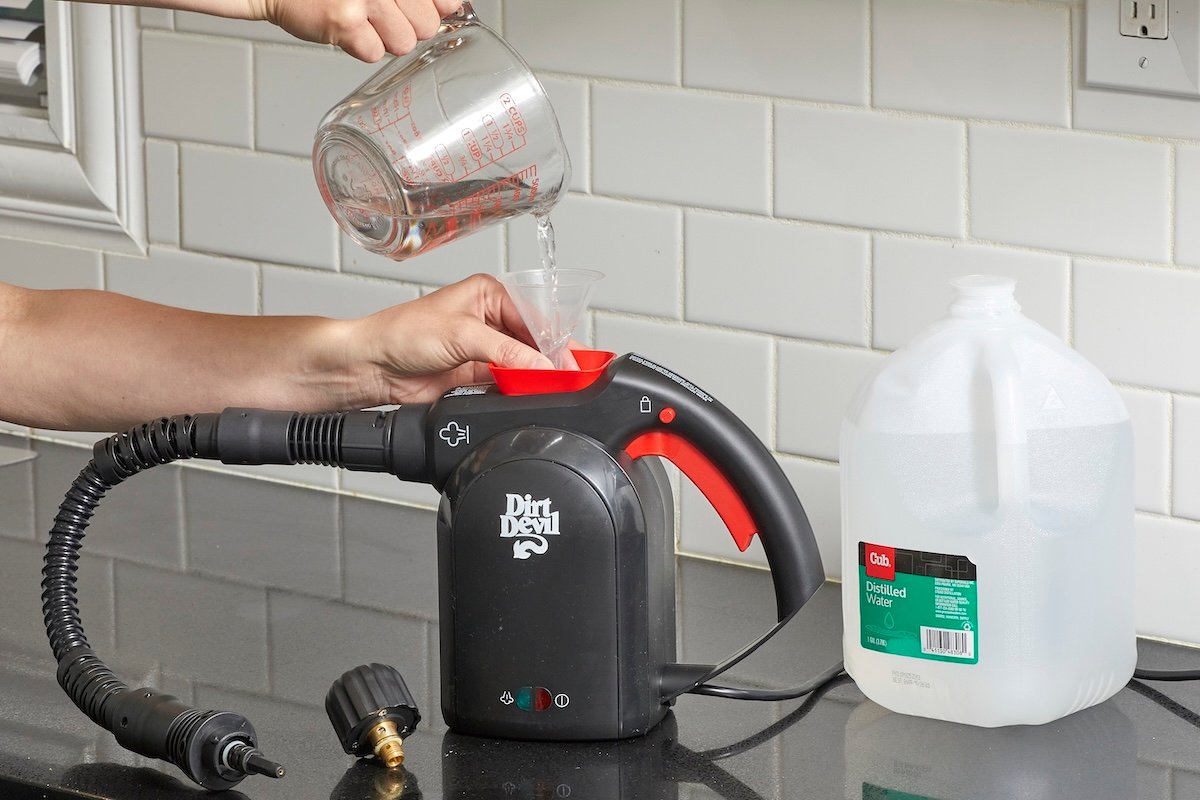
Pour distilled water into the steam cleaner’s water reservoir. | Photo: Tom Fenenga for BobVila.com 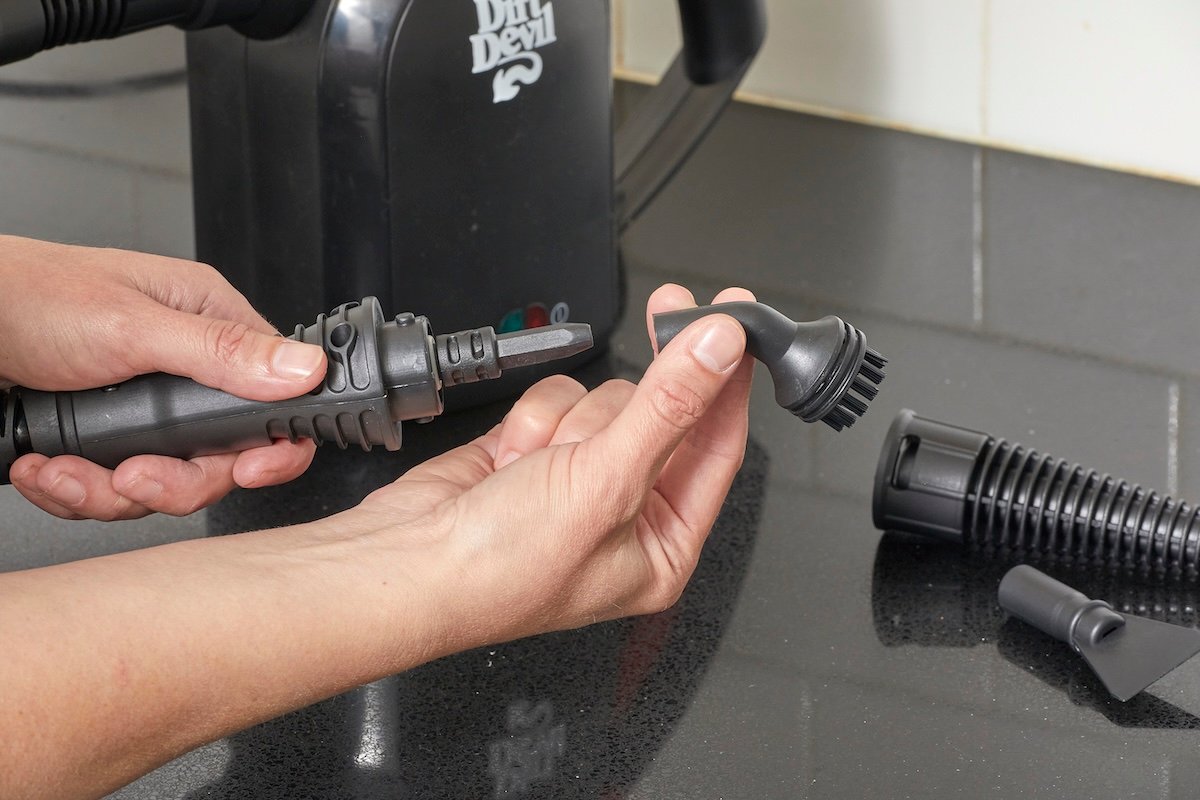
Consult the steamer’s instructions and attach the accessory that’s appropriate for the task. | Photo: Tom Fenenga for BobVila.com 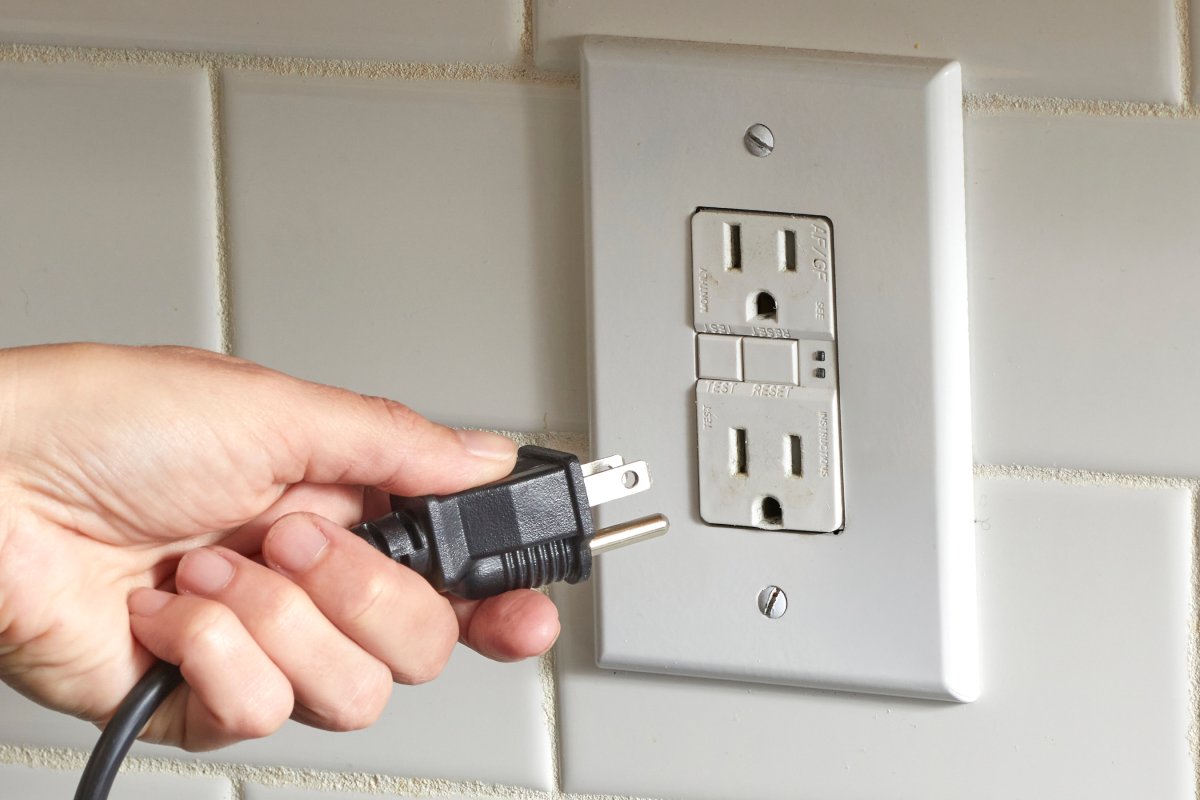
Plug in the steamer and turn it on. It may take 30 minutes for the steamer to heat up. | Photo: Tom Fenenga for BobVila.com 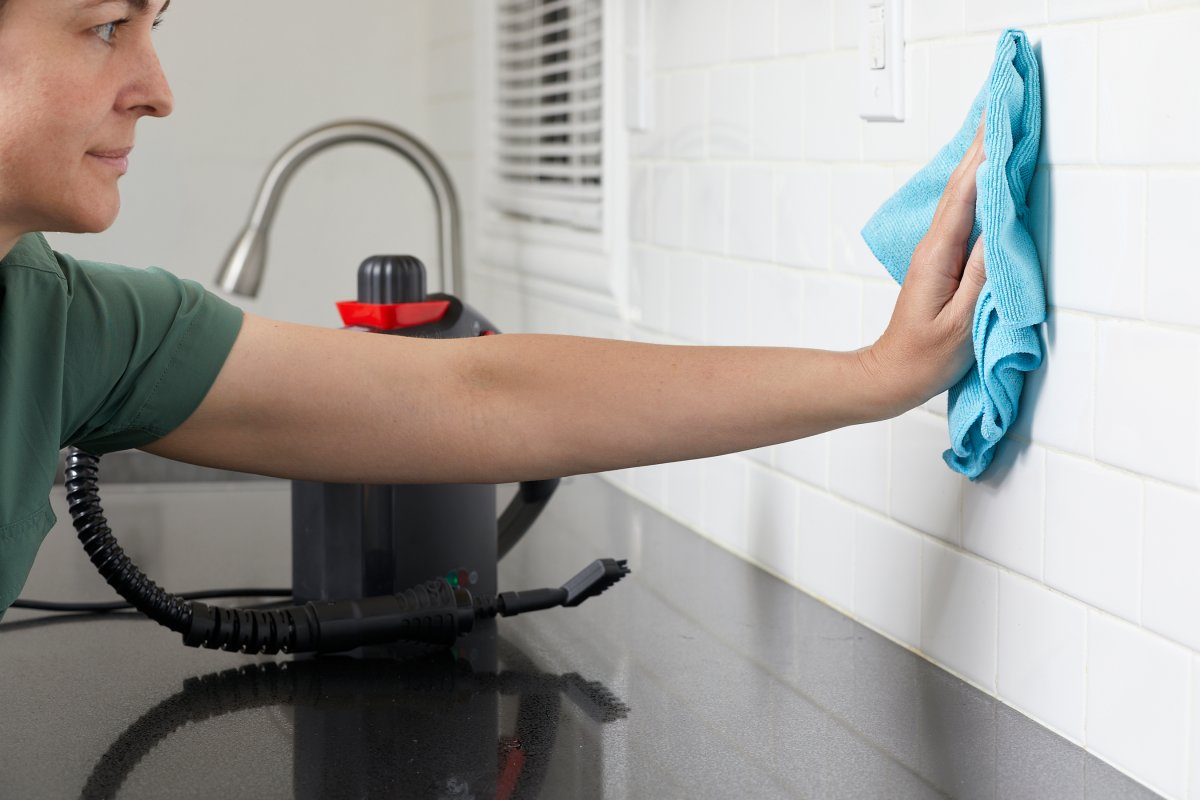
Wipe loose dirt and debris from the surface to be steamed. | Photo: Tom Fenenga for BobVila.com 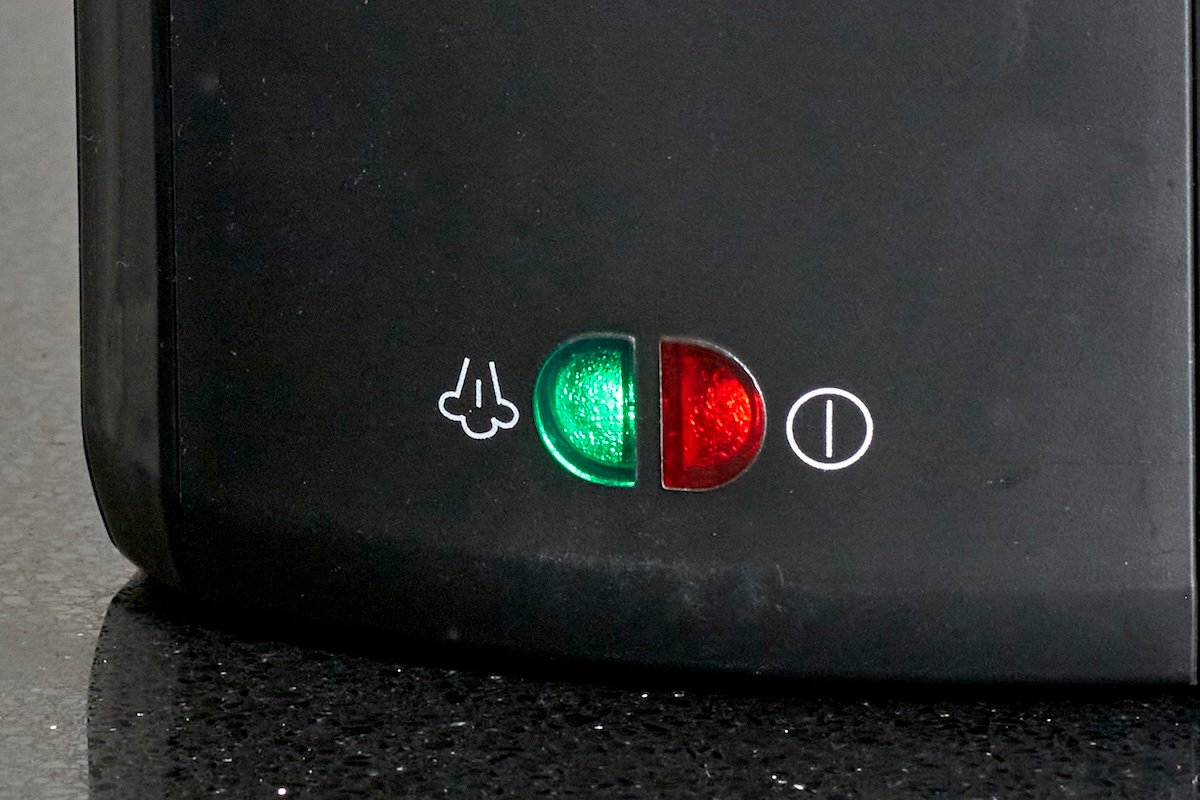
When both steamer lights are illuminated, the machine is ready to use. | Photo: Tom Fenenga for BobVila.com 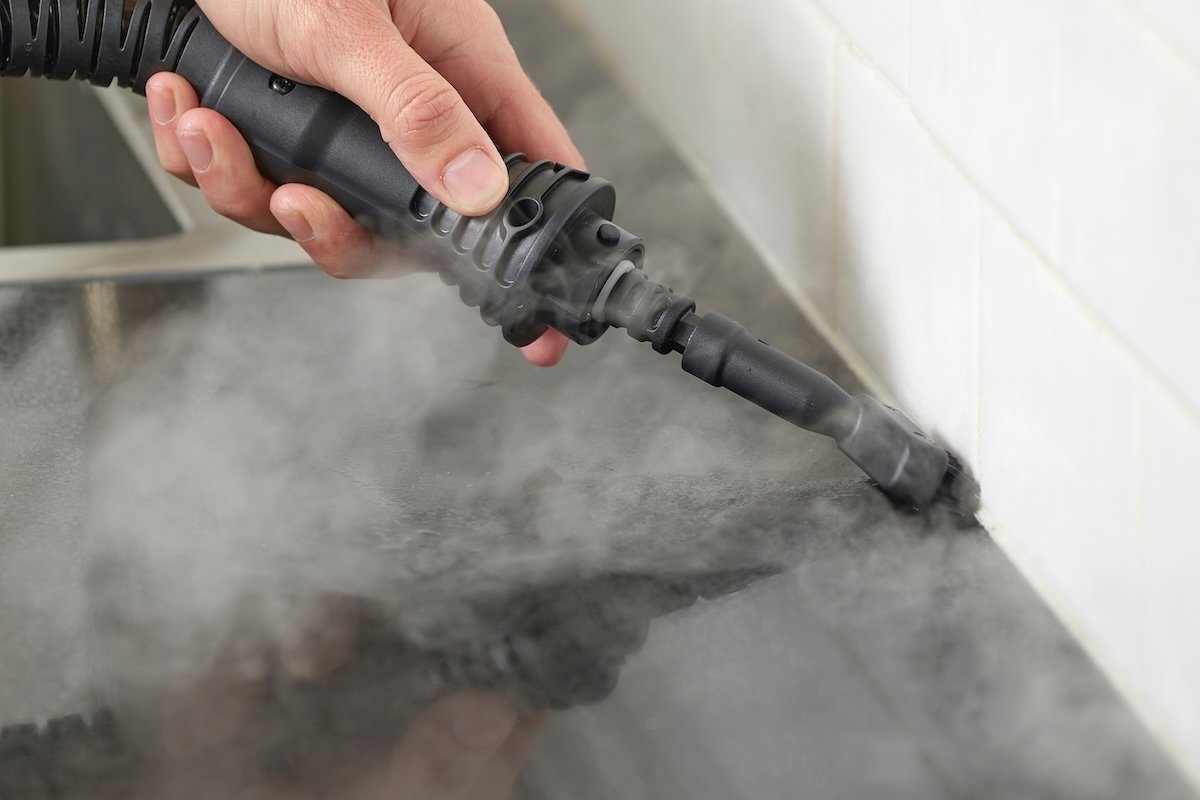
Follow the manufacturer’s instructions for cleaning the surface. | Photo: Tom Fenenga for BobVila.com 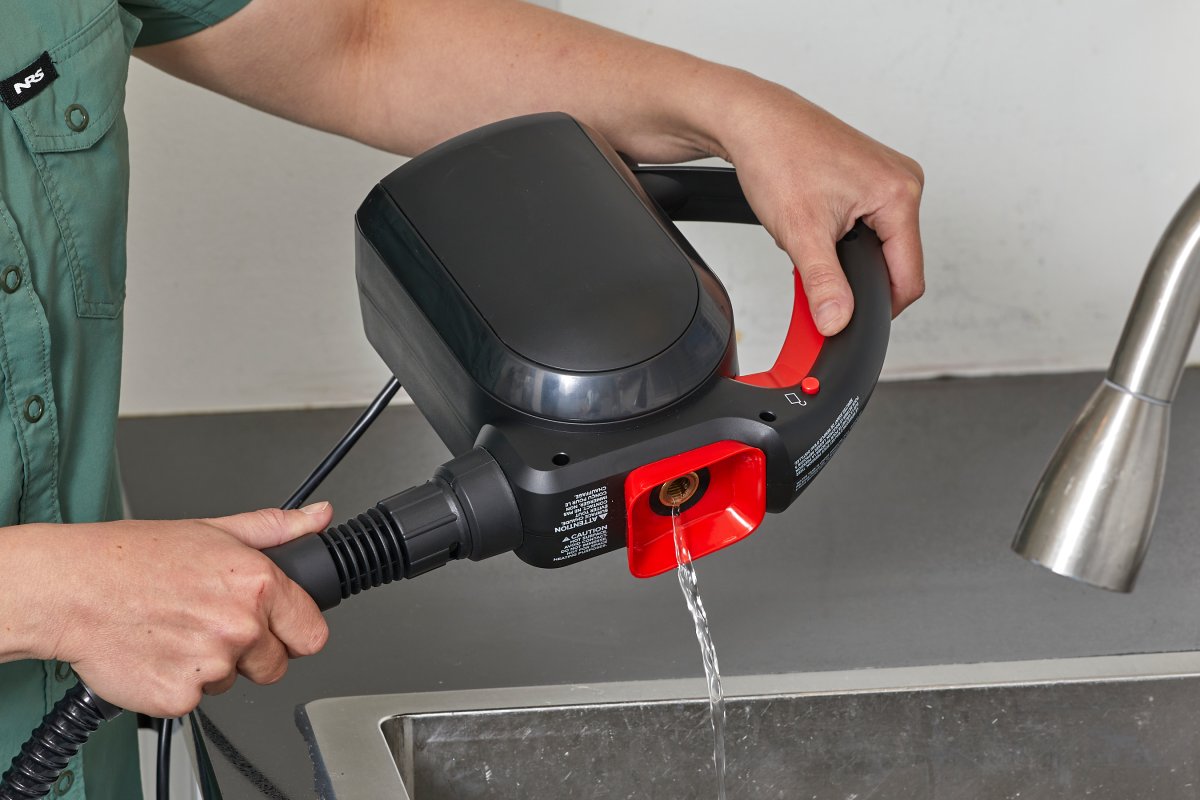
When the steamer is completely cool, dump excess water out of the reservoir. | Photo: Tom Fenenga for BobVila.com 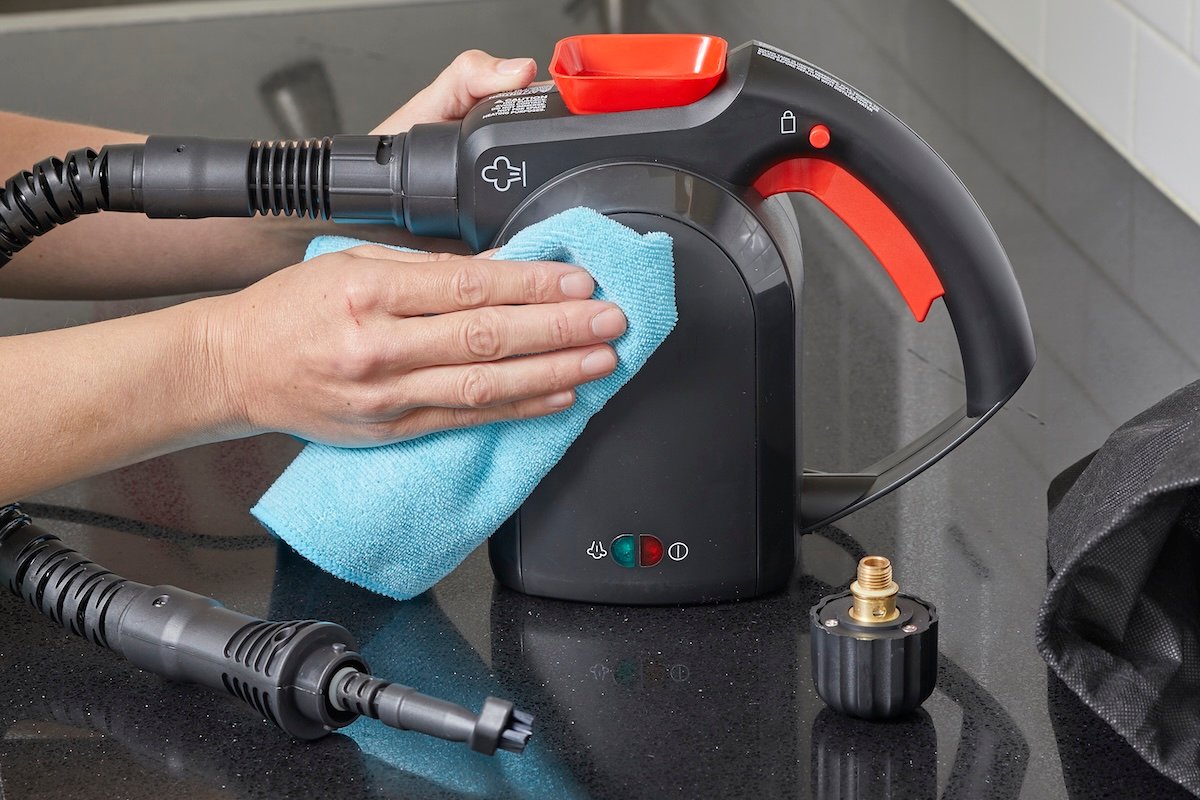
Wipe condensation from steamer before storing it. | Photo: Tom Fenenga for BobVila.com
Types of Steam Cleaners
Steam cleaners range from small handheld models designed for quick household jobs to larger commercial machines intended for frequent or heavy-duty cleaning. The most common options for home use include:
- Handheld steam cleaners: Small, portable models that work well for targeted jobs such as faucets, grout, stovetops, shower tracks, and other tight spaces.
- Steam mops: Upright cleaners made for compatible hard flooring only. Many models come with removable handheld units or attachments for above-floor cleaning.
- Canister steam cleaners: Larger machines with a water tank connected to a hose. They typically come with several attachments and can handle floors as well as kitchens, bathrooms, upholstery, and other surfaces.
- Carpet steam cleaners: These machines generally work differently from true vapor steam cleaners. Many spray hot water and cleaning solution into a carpet and then extract the dirty water. Carpet cleaners are not always technically “steam” cleaners.
- Commercial steam cleaners: Higher-capacity machines designed for larger spaces or frequent use. They can produce hotter steam, higher pressure, or longer continuous runtimes than typical household models.
Handy steam cleaners I have used around the house:
Euroflex Vapour Premium (all-around cleaner)
Bissell PowerFresh Vac & Steam (floors only)
Steamery Handheld Clothes Steamer (clothes/fabrics)
Best Steam Cleaner
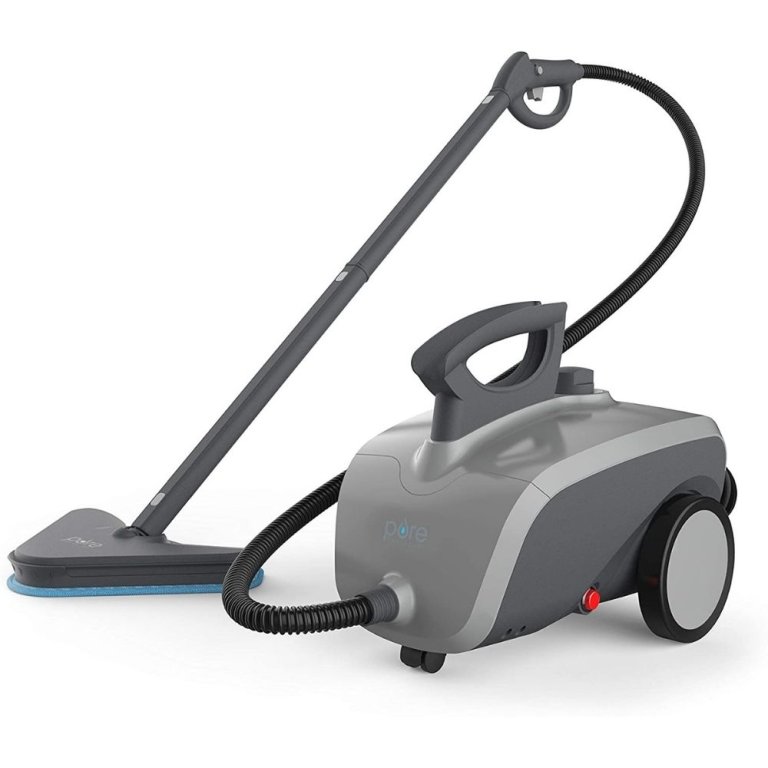
Pure Enrichment PureClean XL Rolling Steam Cleaner
The Pure Enrichment steamer allows for 45 minutes of cleaning time and comes with an 18-piece accessory kit. Read the review.
See ItWays to Use a Steam Cleaner
For most of these jobs, a handheld or canister-style steam cleaner works best, though a steam mop can handle many flooring tasks. I’ve found that the attachments make a big difference, too. Small brushes help scrub stubborn grime, while narrow nozzles are useful for getting steam into corners, seams, and other spots that are difficult to reach by hand.
Before starting, vacuum or wipe away loose dirt and debris, fill the cleaner with water according to the manufacturer’s directions, and give it time to heat up fully. Work in small sections rather than holding the steam in one place for too long.
Kitchen
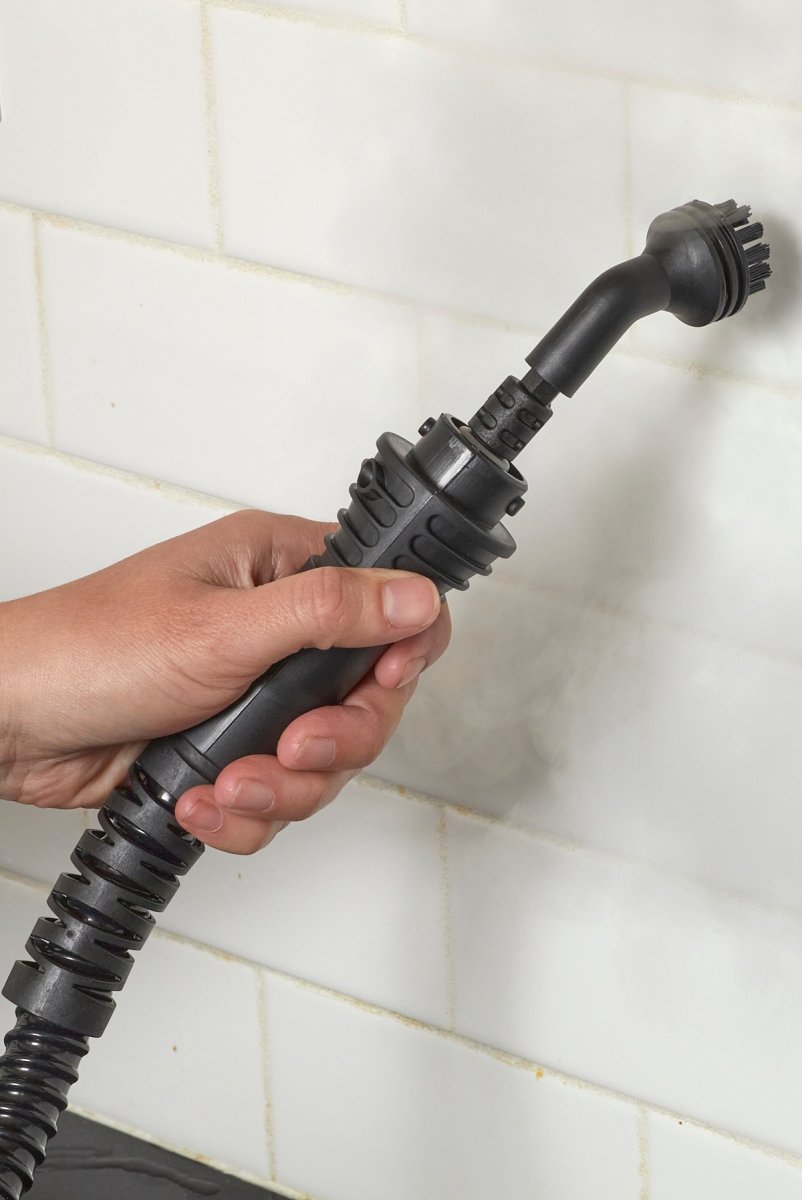
The kitchen is one of my favorite places to use a steam cleaner because there are so many small areas where grease and food residue tend to collect. Steam can soften that buildup enough that it wipes away with considerably less scrubbing.
Some steam cleaner uses in the kitchen include:
- Ovens, stovetops, and burner grates: Steam helps loosen cooked-on grease and food splatters. Let the surface cool completely before cleaning.
- Backsplashes and tile grout: A small brush attachment can get into grout lines and corners where grease tends to accumulate.
- Sink fixtures: Use a narrow nozzle around the faucet base, handles, and seams where grime and mineral buildup collect.
- Range hoods: Steam can loosen greasy residue on compatible metal surfaces and filters.
- Fridge interiors: After unplugging the refrigerator and removing the food, use steam to help loosen dried spills on compatible interior surfaces.
- Trash cans: A blast of steam can loosen sticky residue along the inside, rim, and lid before you wipe everything down.
Avoid directing steam into appliance controls, electrical connections, vents, or other openings. When cleaning around appliances, I prefer to spray steam onto the surface from a slight distance and wipe up the loosened grime rather than saturate the area.
Bathroom
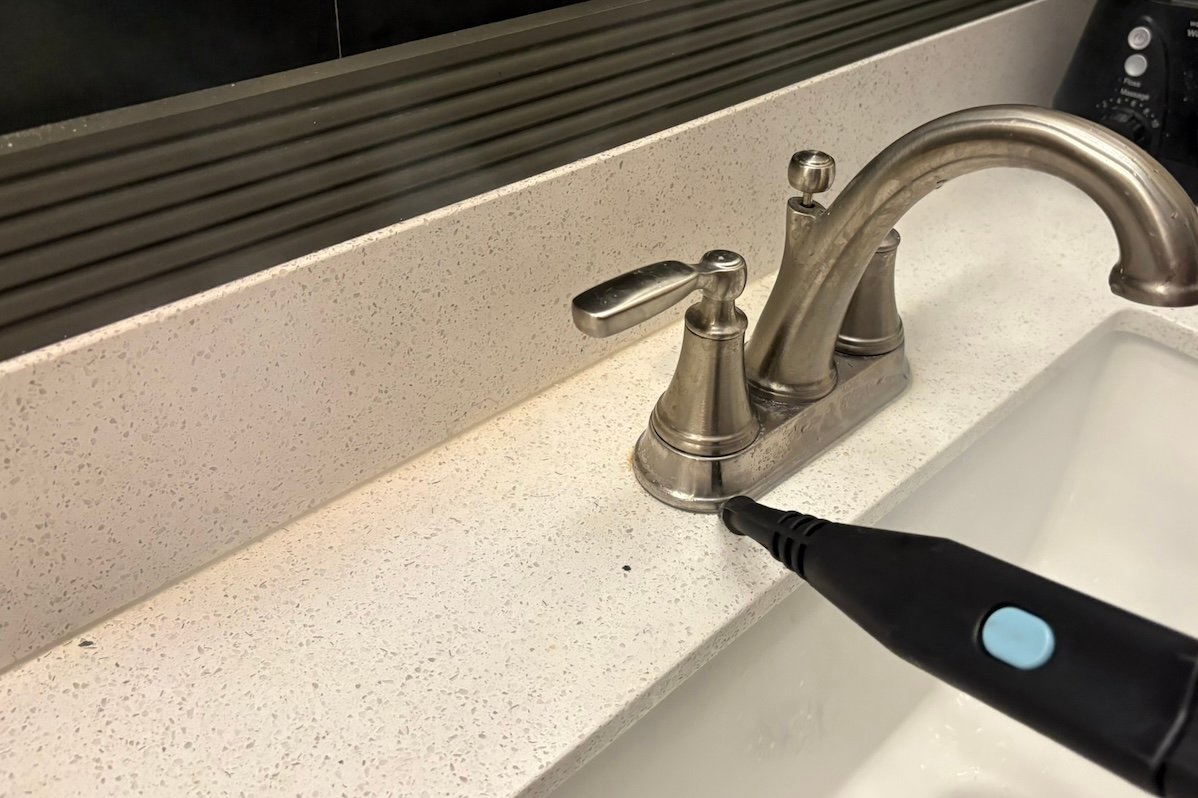
Bathrooms are another natural fit for steam cleaning. Heat and pressure help clean tight spaces where soap scum, grime, and mineral deposits tend to build up.
I use a small nozzle or brush attachment for:
- Tile and grout
- Shower doors and tracks
- Around the bathtub
- Sink basins
- Faucet bases and handles
- All around the toilet
- Other small crevices around bathroom fixtures
Steam is especially handy for grout because the narrow stream can reach into the recessed lines between tiles. For heavier buildup, I usually steam a small section, give it a quick scrub with the attachment, and then wipe away whatever has loosened.
Hard Floors
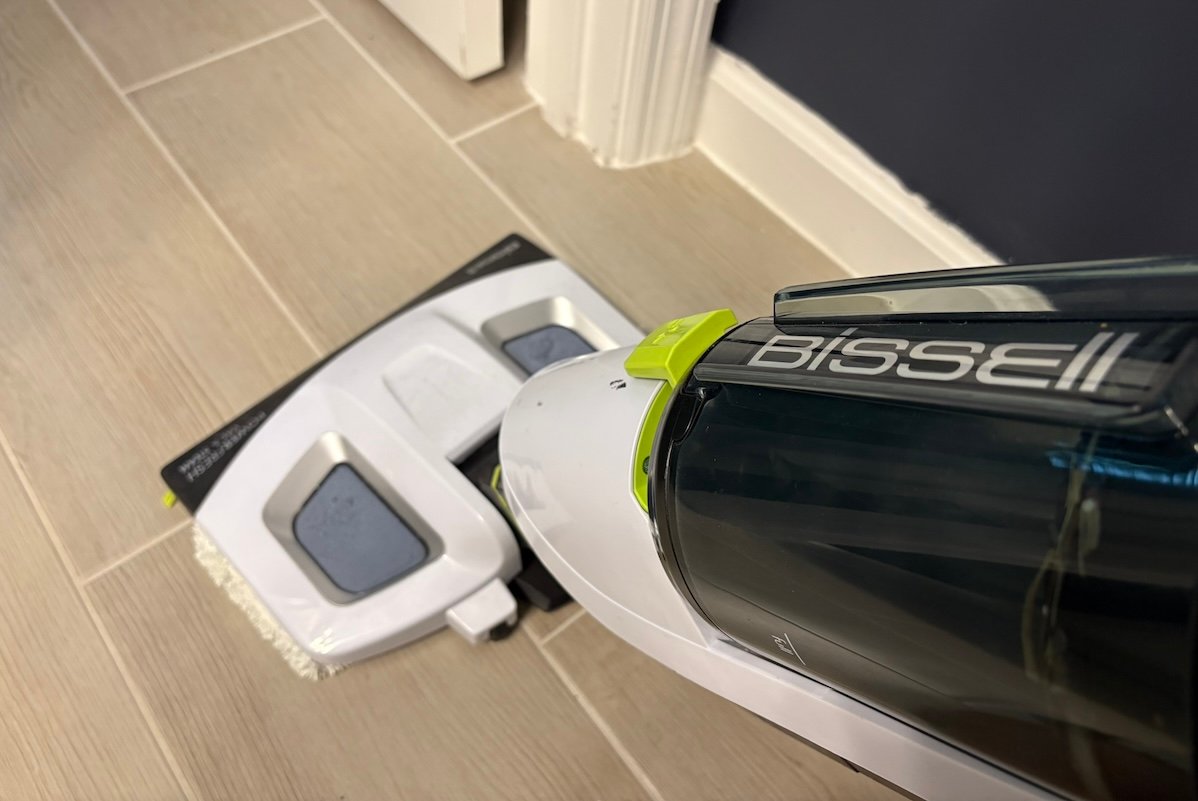
A steam mop makes quick work of large stretches of compatible tile and other sealed hard flooring. Vacuum or sweep first so you aren’t pushing loose dirt around, then slowly move the mop across the floor rather than repeatedly steaming the same spot.
Pay close attention to the flooring manufacturer’s care instructions. While ceramic and porcelain tile are generally well suited to steam-cleaning, many hardwood, laminate, and vinyl flooring manufacturers recommend avoiding steam because heat and moisture can work their way into seams or damage adhesives.
Carpets and Rugs
Some steam cleaners include carpet gliders or upholstery attachments that can be used to freshen compatible carpets and rugs. Steam can help loosen surface dirt and treat small areas without soaking the carpet the way a traditional carpet cleaner does.
However, a true steam cleaner isn’t necessarily a replacement for a carpet extractor. It typically doesn’t rinse and suction dirt from deep within the fibers in the same way. Check the rug or carpet manufacturer’s care instructions first, test an inconspicuous area, and avoid steam cleaning delicate materials or rugs with heat-sensitive backing or adhesives.
Windows and Blinds
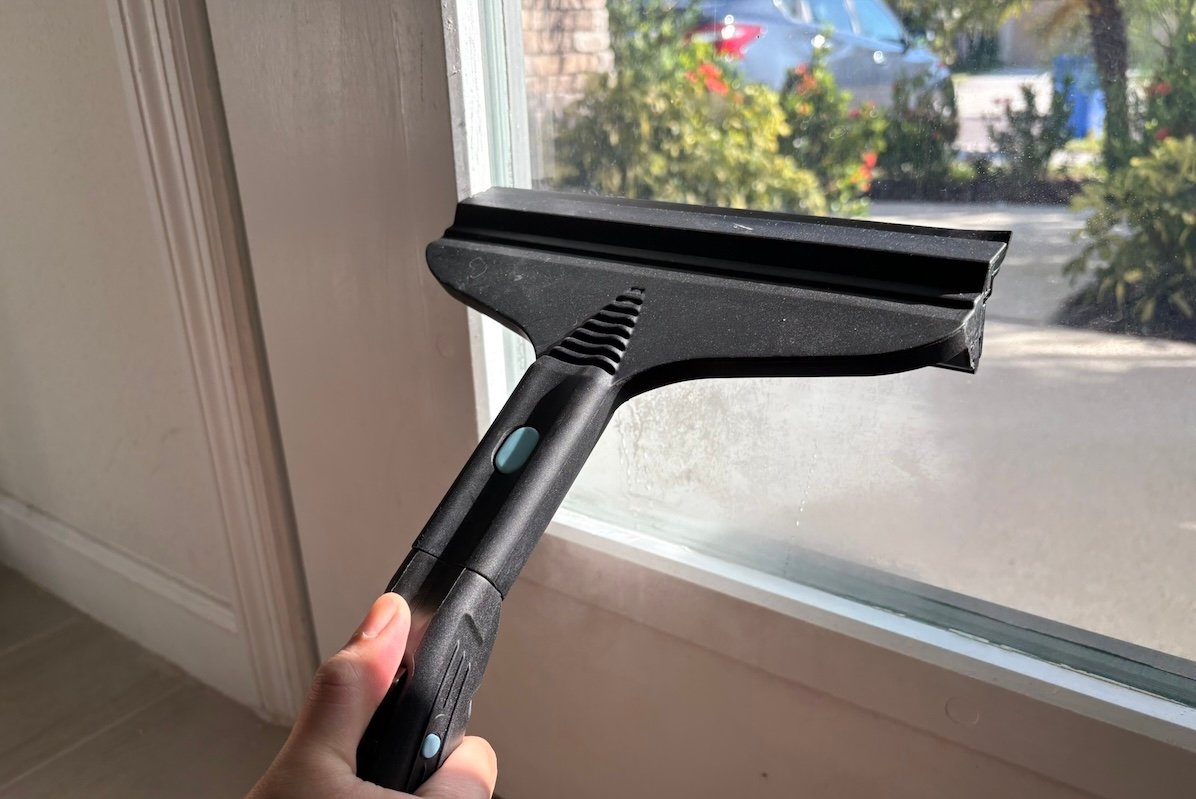
With the right attachment, a steam cleaner can simplify the particularly tedious chores of cleaning windows and blinds.
For windows, use steam to loosen fingerprints, grime, and residue before wiping the glass with a microfiber cloth or squeegee attachment. Avoid blasting very hot steam onto extremely cold glass, which can create a sudden temperature change.
For compatible blinds, work from top to bottom and use a cloth or suitable attachment to catch loosened dust and grime. Steam is especially helpful around the cords, edges, and slats that can be awkward to clean individually.
Bedrooms
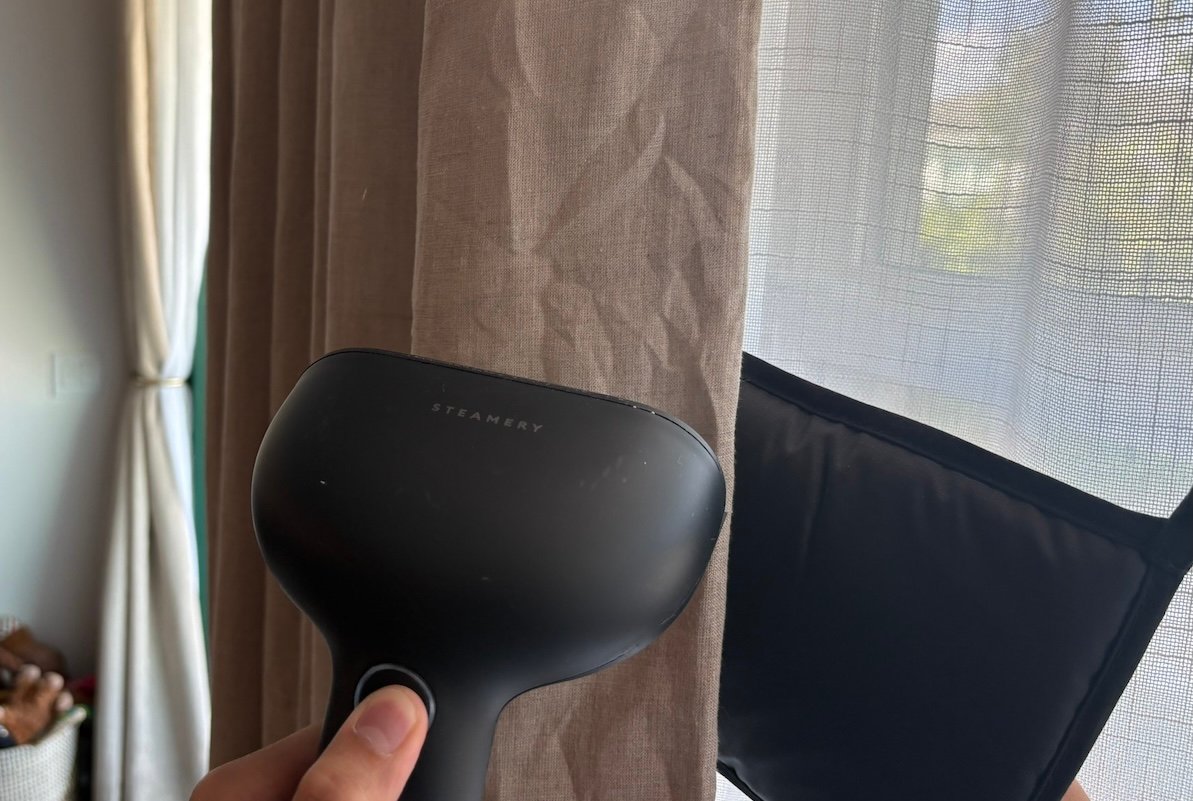
Steam-cleaning probably isn’t the first thing that comes to mind for a bedroom, but there are several places where a small cleaner can come in handy.
Depending on the materials and your cleaner’s attachments, you might be able to use steam on:
- Compatible upholstered headboards
- Mattress surfaces
- Curtains
- Baseboards
- Window tracks
- Sealed hard flooring
- Small upholstered benches or chairs
When steaming fabric or a mattress, use only as much moisture as necessary and allow the material to dry completely before covering or using it again.
Kids’ Rooms
A handheld steam cleaner can be useful for cleaning many of the hard, washable surfaces found in a kid’s room or play area. Plastic toys, play tables, sealed floors, and other frequently handled surfaces can accumulate sticky fingerprints and grime surprisingly quickly.
Always check the material first, particularly with toys. Avoid anything electronic, battery-operated, painted with a delicate finish, or made from materials that could warp under heat. Allow anything you steam clean to cool and dry completely before your kid plays with it again.
Outdoor Furniture
Steam cleaners aren’t limited to indoor jobs. They can also help loosen dirt, pollen, bird droppings, and grime from compatible outdoor furniture.
I’d mainly use one on durable materials such as certain plastics, metals, outdoor fabrics, and sealed surfaces. A brush attachment can be especially useful around textured furniture, seams, and corners where dirt collects. Avoid using steam on unfinished wood or any outdoor material whose manufacturer warns against high heat, and let cushions and fabrics dry thoroughly before putting them back into use.
What Not to Clean With a Steam Cleaner
Steam is useful in a surprising number of places, but heat and moisture can also damage certain materials. It’s important to know how to steam-clean and when to skip steam. Always check the cleaner manufacturer’s instructions as well as the care recommendations for the surface you plan to clean.
In general, avoid using a steam cleaner on:
- Unsealed or waxed wood: Moisture can penetrate unfinished wood, while heat may soften or strip wax finishes.
- Some hardwood and laminate flooring: Steam can get between boards and potentially cause swelling, warping, or damage to adhesives. Only steam-clean flooring if its manufacturer specifically says it can handle it.
- Freshly painted surfaces: Heat and moisture can soften, bubble, or lift paint, particularly if it hasn’t fully cured.
- Delicate fabrics: Silk, velvet, suede, leather, and other heat- or moisture-sensitive materials might stain, shrink, or become permanently damaged.
- Porous stone: Some natural stone and its sealers are sensitive to prolonged heat or moisture. Follow the stone manufacturer’s care instructions.
- Electronics and electrical components: Never direct steam into outlets, switches, appliances, controls, or other electrical equipment.
- Cold glass: Very hot steam applied to cold glass can create thermal stress and potentially cause cracking. Allow the glass to warm gradually and follow your cleaner’s instructions.
- Anything held together with heat-sensitive adhesive: Steam can weaken certain glues used in flooring, furniture, countertops, and other household materials.
When you’re unsure about a surface, test the steam cleaner in a small, inconspicuous spot first.
FAQ
Q. How do I use a steam cleaner properly?
It’s usually a good rule of thumb to start by removing loose dirt first before filling and heating the steam cleaner according to the manufacturer instructions. Work in small sections, keeping the nozzle/cleaning head moving, and avoid holding steam on the same spot for too long.
Q. What are common steam cleaning mistakes?
Common mistakes include using steam on surfaces that are sensitive to heat or moisture, skipping a spot test, holding the nozzle too close for too long, and forgetting to vacuum or wipe away loose dirt first.
Q. Do you need to wipe after using a steam cleaner?
Usually, yes. Steam loosens dirt and grime, but wiping it up afterward with a clean microfiber cloth can help remove the residue and excess moisture left behind after steaming.