We may earn revenue from the products available on this page and participate in affiliate programs. Learn More ›
When storms strike and the rain starts pouring down, taking shelter inside is the go-to strategy just about everyone adopts. However, not everyone takes the same approach after a storm when it’s important to check your property for any damage. Fallen tree branches and missing shingles or siding are obvious issues, but it’s also critical to be wary of standing water.
Water from a storm can seep through your foundation, build up in the ground around retaining walls, or sit in gutters and roof valleys. Even if there hasn’t been a storm recently, you may find standing water in surprising areas around your home. Check out this guide to discover the risks of standing water, where to find it in and around the home, and how to remove it.
Risks of Standing Water
Standing water can be a significant risk to your property, your house, and your health, so it should never be ignored. Hayden Slack, owner and general manager of G.L. Hunt Foundation Repair, says that “from my experience, standing water isn’t something you want to ignore because it can lead to mold, wood rot, and damage to the materials around your home. When water repeatedly collects near the foundation, it can also oversaturate the soil and contribute to foundation movement over time.” Find out more about the risks of standing water below.
- Mosquito breeding: Standing water acts as a primary incubator for mosquitoes that transmit deadly illnesses like malaria, dengue, West Nile virus, and Zika virus.
- Bacterial biofilms: Sludge-like bacterial structures form easily in non-moving water, protecting germs and spreading contamination through plumbing or pools.
- Mold and mildew: Indoor standing water promotes rapid mold growth, triggering severe allergic reactions and respiratory issues.
- Air quality degradation: Trapped humidity releases chemical byproducts from microbes, causing chronic headaches, eye irritation, and respiratory distress.
- Rotting wood and drywall: Trapped moisture breaks down structural framing, baseboards, and wall panels and may require total replacement.
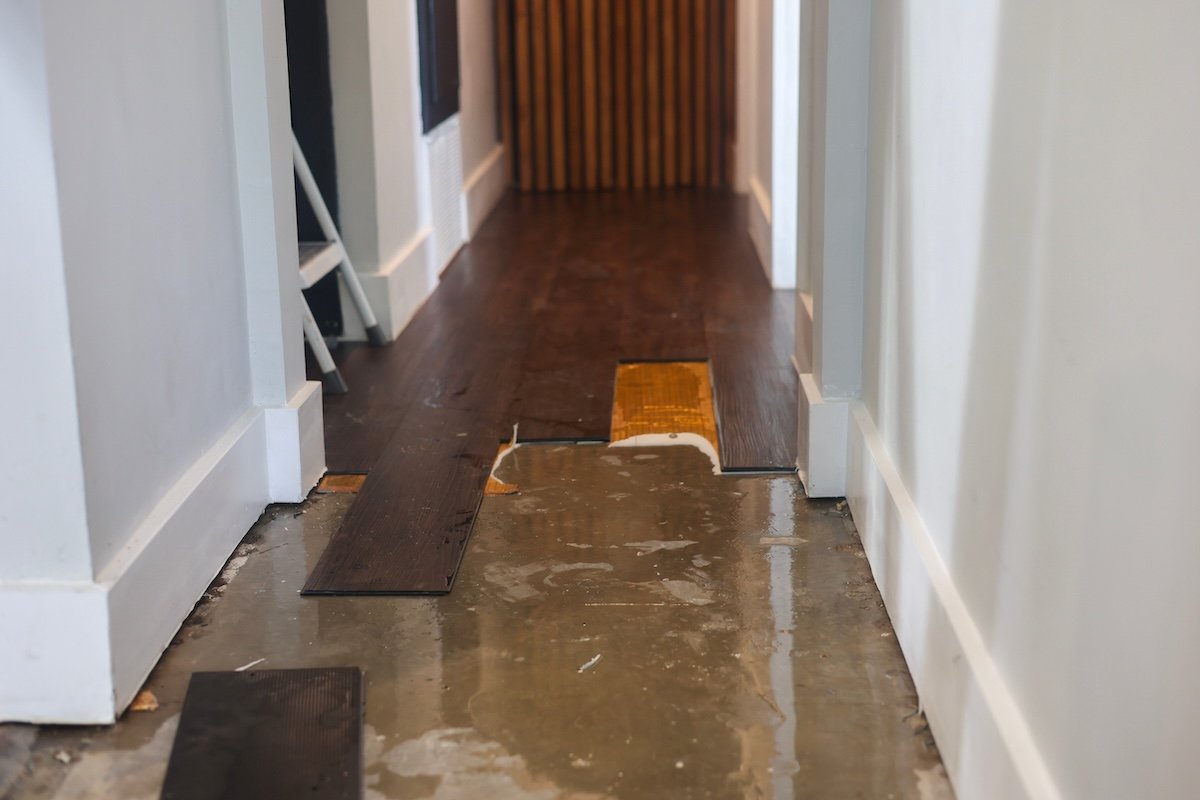
- Flooring destruction: Hardwood floors warp, buckle, and trap moisture underneath, while subfloors and carpets absorb bio-contaminants.
- Foundation compromise: Seeping water erodes supportive soil under slabs and creates hydrostatic pressure that can crack basement walls.
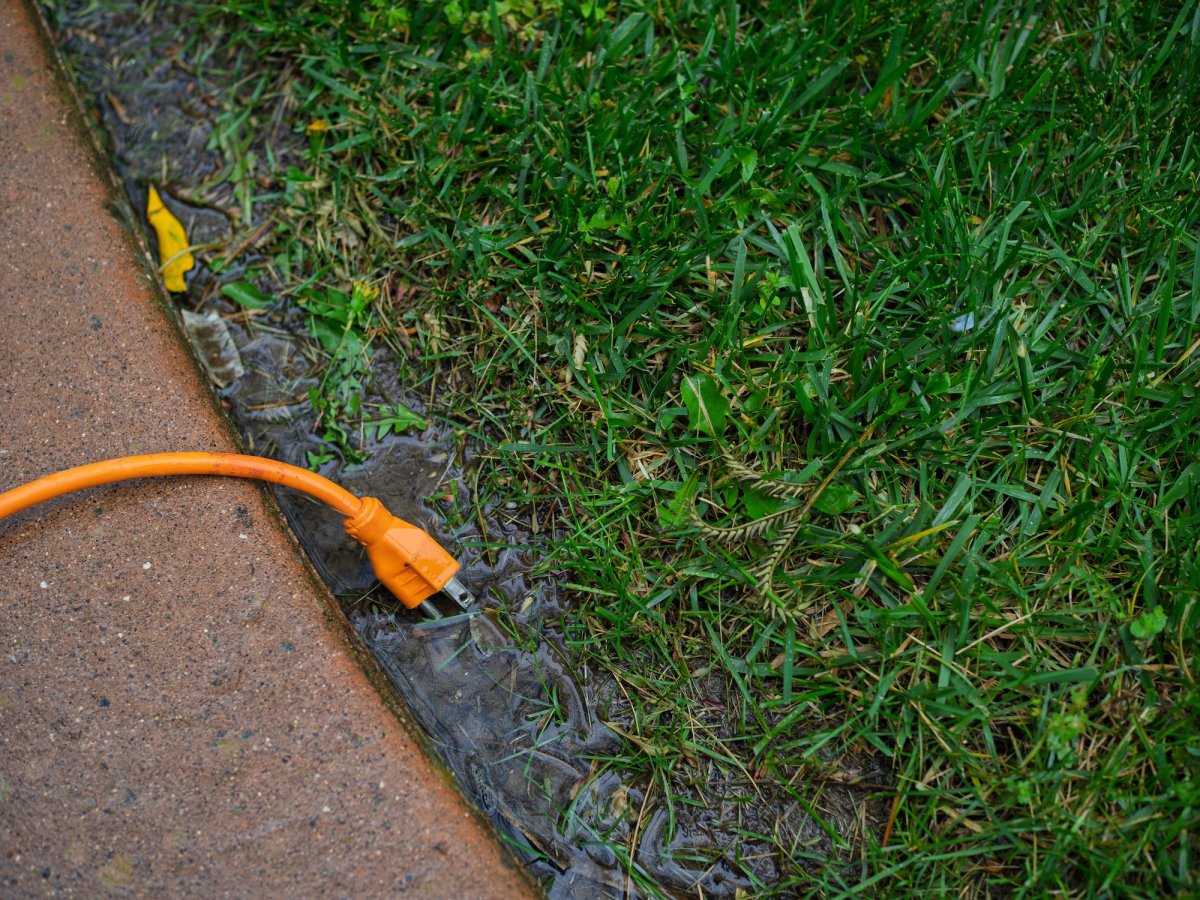
- Electrical shock: Pooling water near outlets, baseboard heaters, or appliances creates an immediate electrocution hazard.
- Pest infestations: Excess indoor moisture attracts rodents and insects seeking water and shelter.
Basements and Crawlspaces
Water often seeps through foundation cracks or rises due to a high water table, pooling under plastic vapor barriers. “Inside the home, I’d pay the most attention to the lower areas of the house where water naturally tends to collect first, like basements and crawl spaces,” Slack states. You can cut down on the risk of standing water by waterproofing the basement or crawlspace walls.
However, if standing water is already present in your basement or crawlspace, you will need to remove it before worrying about remedying the root of the problem.
- Shallow puddles: Use a heavy-duty wet/dry shop vacuum.
- Deep water: Use a submersible utility pump. Attach a garden hose or discharge pipe to the pump and direct the drainage away from the driveway and foundation, down a slope or into a street gutter.
Best Shop Vac
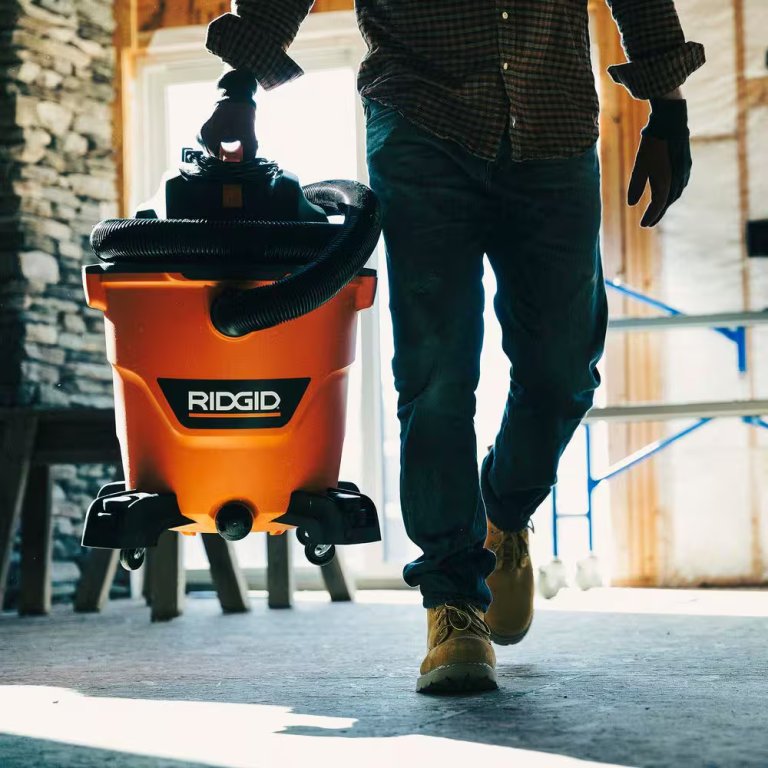
Ridgid 12-Gallon 5.0 Peak HP NXT Wet/Dry Vacuum
The large capacity and squeegee hose attachment make this shop vac ideal for cleaning up wet messes. Learn more in our tested buyer’s guide.
Buy NowWater Heater, Refrigerator, and HVAC Air Handler
Standing water also builds up under appliances, such as a water heater, refrigerator, and HVAC air handler. Typically, this is due to a leak, clogged drain line, or heavy condensation that rapidly fills the drip pan until it is overflowing. “For smaller amounts of standing water, I’d focus on safely removing it and directing it away from the home. More importantly, I’d figure out why the water collected there in the first place,” suggests Slack.
If the problem is big enough, then you can use a wet/dry vac to quickly remove large volumes of water, but most homeowners will notice this kind of pooling while it is still relatively small. Absorbent towels and sponges are usually the most effective option for cleaning up shallow water on the floor. Though, if water is trapped inside a deep safety pan beneath the water heater or HVAC unit, use a small manual siphon pump to transfer it into a bucket.
Under Sinks and Behind Toilets
Slow, hidden leaks from loose P-traps or supply valves can pool under stored items before rotting the wood. “Water can collect anywhere it gets trapped, so sometimes the problem is happening in an area you don’t regularly think about or see,” explains Slack. It’s a good idea to check under your sinks and behind your toilets every so often to catch problems early.
If you do find water pooling under your sink or behind your toilet, remove the standing water with a towel, sponge, or cloth and then place a bucket or tray under the water source. Sometimes the issue is as easy as tightening the supply hose on the toilet, but other times you may need to hire a plumber or attempt to handle a minor plumbing repair on your own, such as replacing the P-trap under the sink.
Roof Valleys and Clogged Gutters
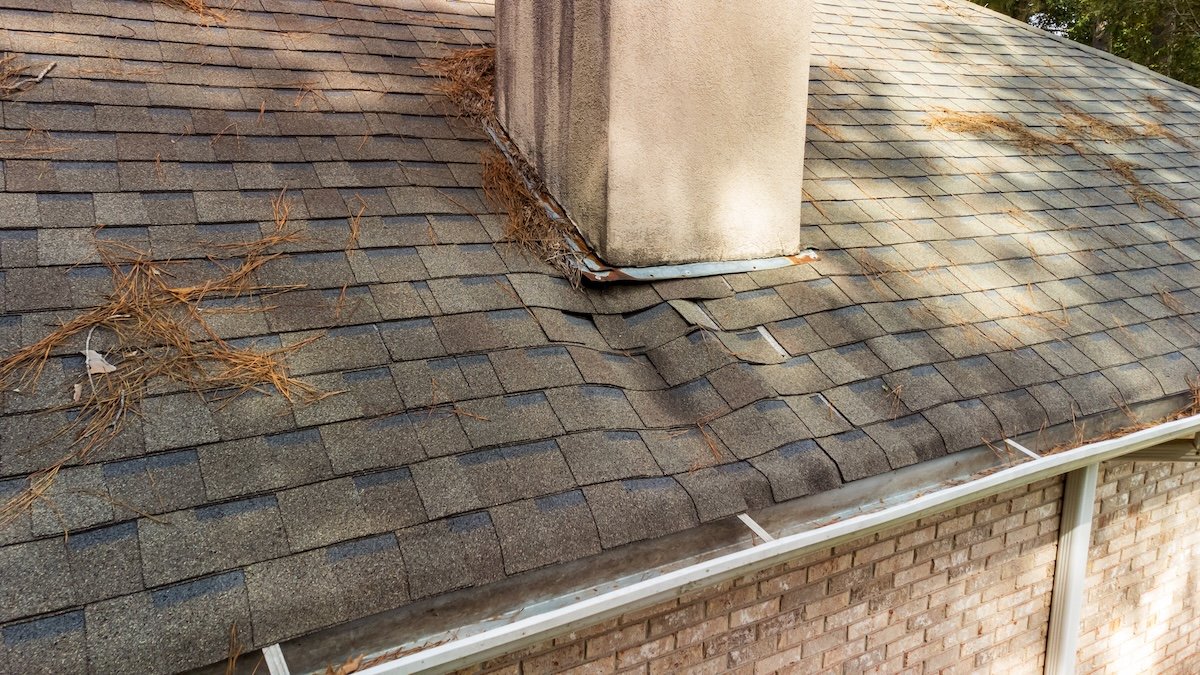
Clogged valleys or low pitches can trap large puddles of water under shingles or membrane roofing. Similarly, leaves and debris can block the flow of water through your gutters, causing water to pool and rot fascia boards. “Most of the time, I see standing water in areas where the property just isn’t draining the way it should, especially close to the home. Removing the water without correcting the drainage issue usually means it’s going to come back,” says Slack.
Start by removing any leaves, twigs, or debris from the roof valleys and gutter system. Next, inspect the roof valley flashing for rust, holes, or raised shingles that could trap water underneath the roofing material, and look for any bent, dented, or misaligned parts of the gutter. Fixing these issues will help prevent water from pooling on the roof and in the gutter system. If necessary, you may need to repitch sagging sections of the gutter or replace the roof valley flashing to correct this issue.
Behind Landscaping or Retaining Walls
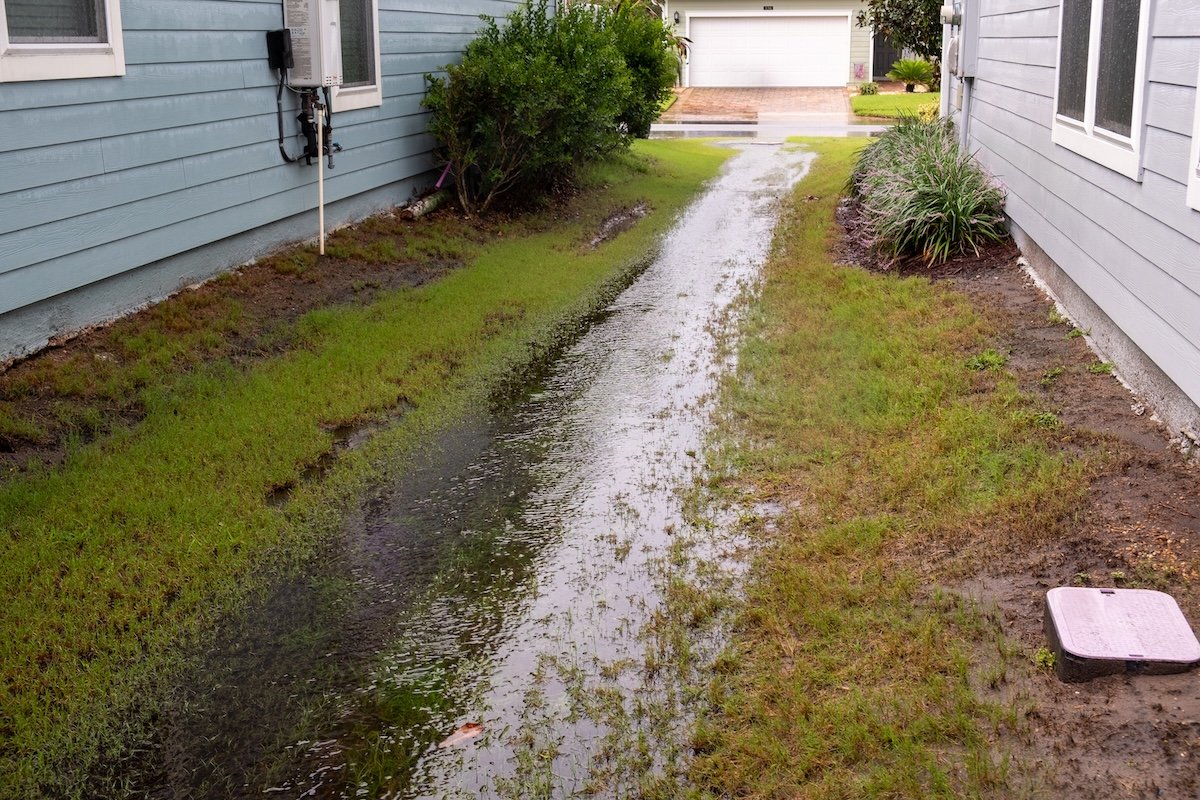
Natural dips in the lawn or heavy clay soil prevent rainwater from draining into the ground. Slack notes that “some of the less obvious places I tell homeowners to watch are underneath decks and behind landscaping or retaining walls.” Many retaining walls have small weep holes near the bottom, but if these holes become clogged, then you will need to clear them out to restore proper drainage.
If you have an older retaining wall, then you may need to core-drill or retrofit small openings at the base level to let trapped water escape. Alternatively, you could install a French drain behind the landscaping or retaining wall to capture and redirect excess rainwater. However, you should never backfill a retaining wall with native clay or dense dirt that traps moisture. Instead, use angular crushed stone to allow free water flow down to the drain pipe and to prevent soggy soil with every rain shower.
Yard Ornaments, Recreation Equipment, and Potted Plant Saucers
Water traps easily in bird baths, tire swings, plastic trays, hollow pool toys, tarps, and potted plant saucers. Slack mentions that “after a big storm, I recommend walking around the outside of the home and paying attention to where water is lingering instead of draining away. I always tell homeowners that the goal is to keep water moving away from the house instead of letting it collect nearby.”
The good news is that getting rid of the standing water in these areas is relatively easy. Typically, you can either dump or tip yard ornaments, recreation equipment, and planters to remove standing water, but the best defense for your yard is a good offense. Before a big storm, move any of these items that can catch and collect water into a safe space, like a garage, shed, or even under an awning to prevent water from building up inside them.
If you don’t have a shed, don’t have the space available, or you simply forget to store outdoor items, then just make sure to check them after every storm and empty water before it becomes a breeding ground for insects.