We may earn revenue from the products available on this page and participate in affiliate programs. Learn More ›
As our summer gardens wind down, it’s a fall rite of passage to start talking about winter heating prices, and woeing the impact that the oil, electricity, or firewood delivery bills will have on our budgets. According to the National Energy Assistance Directors Association (NEADA), the U.S. is in for a particularly rough 2026–2027 season: Natural gas costs are up 5.8 percent, propane, 8.7 percent; electricity, 9 percent. Due in large part to the war in Iran, folks who use oil for heating will shell out 31.3 percent more than they did last year. These figures represent an average U.S. increase of 8.7 percent, which is 2.5 percent the rate of inflation.
All of this to say: We’re all feeling the pinch on heating already, and it’s not even winter yet. Making these inexpensive (or free) changes and home improvements now can mean serious relief to your wallet come winter.
1. Clean the Rain Gutters
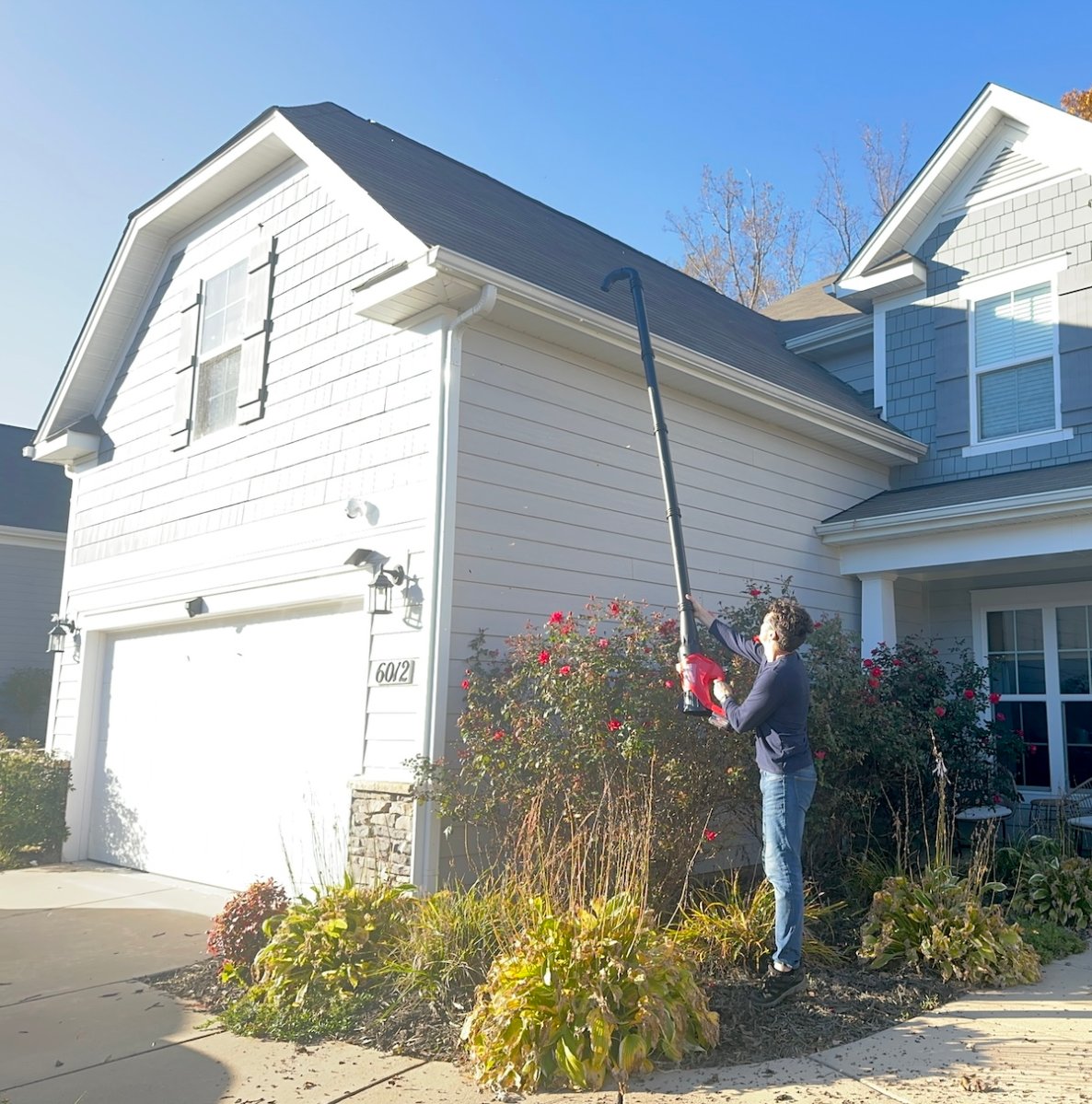
You’ve heard it before, but there’s a reason for that. Making sure that water can flow freely through your gutters will prevent dangerous icicles and ice dams from forming in winter. If you’re loath to get up on a ladder to do the work, buy a gutter cleaning attachment for your leaf blower—or hire a gutter cleaning professional.
Cost: Free
2. Flush the Water Heater
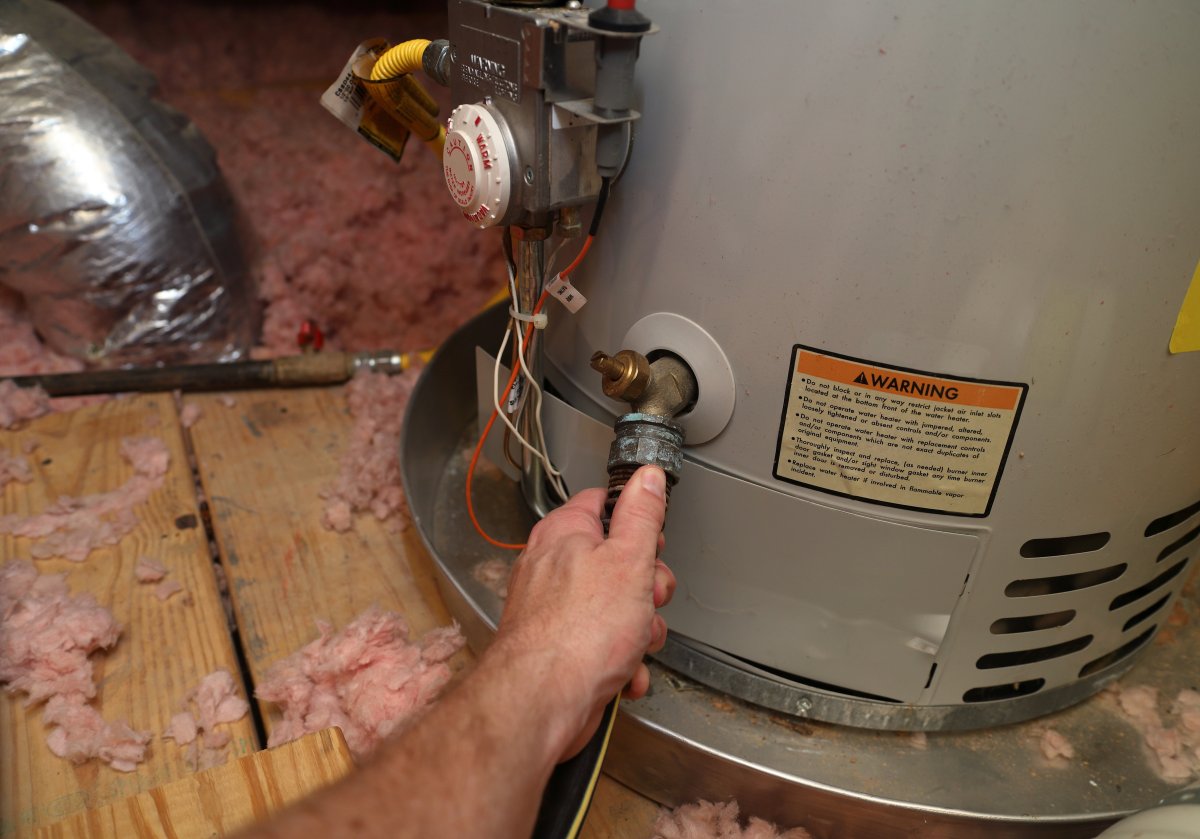
Sediment can collect over time in the bottom of your water heater, hindering the units’s efficiency. Flushing the water through the drain valve twice a year to clear out the debris will keep your heater functioning its best.
Cost: Free
3. Change the Direction of Your Ceiling Fans

Setting your ceiling fan so that it spins clockwise (the opposite direction it spins in summer) and running it at low speed creates an updraft. This action pulls cold air up to the ceiling and more evenly distributes the warmth the room receives from your central heating system, space heater, or fireplace. The fan moves the air to keep the living space cozy, rather than letting cold pockets settle.
Most ceiling fans have a switch on the housing or remote control that allows you to change the blade direction—it’s that easy to change!
Cost: Free
4. Install Window Insulation Film
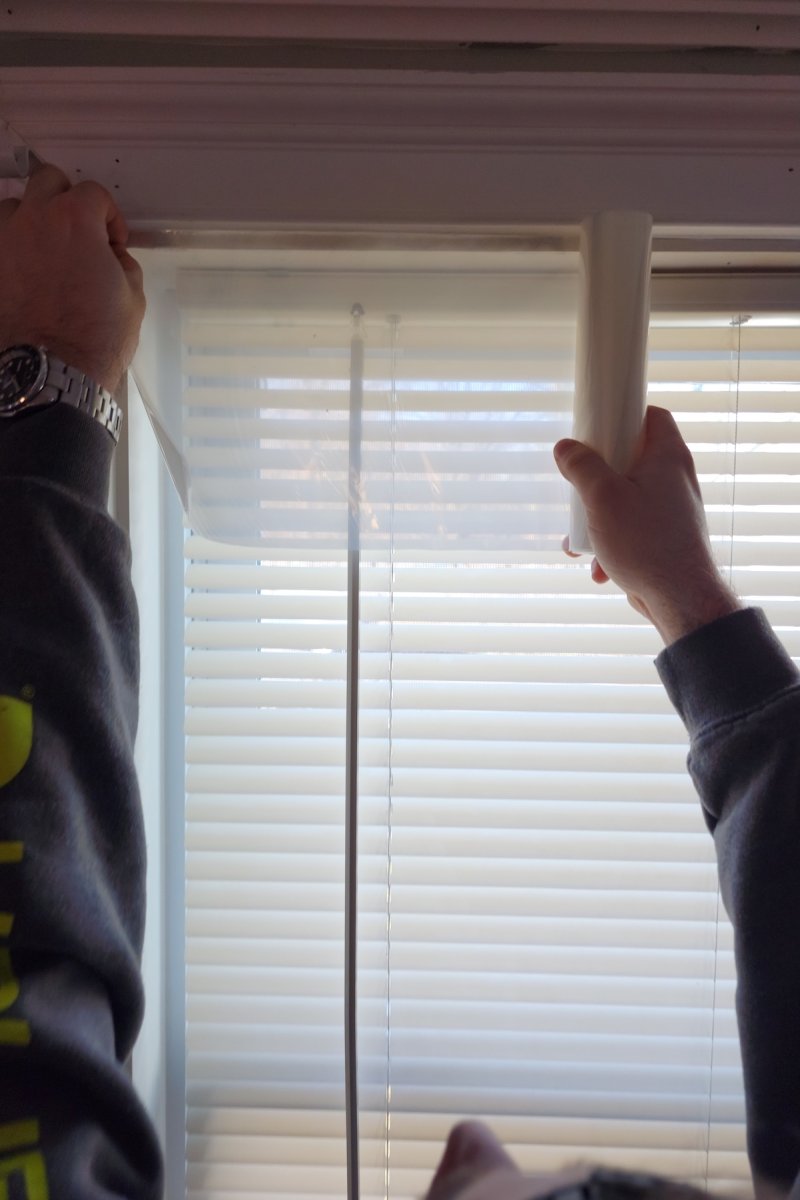
It won’t earn your home a feature in an interior design magazine, but window insulation film can keep up to 70 percent of heat from leaking out of your windows. You’ll be glad for the film when you don’t feel a draft sitting next to the window this winter.
Cost: $10 to $20 per kit; some kits cover multiple windows.
Best Window Insulation Kit
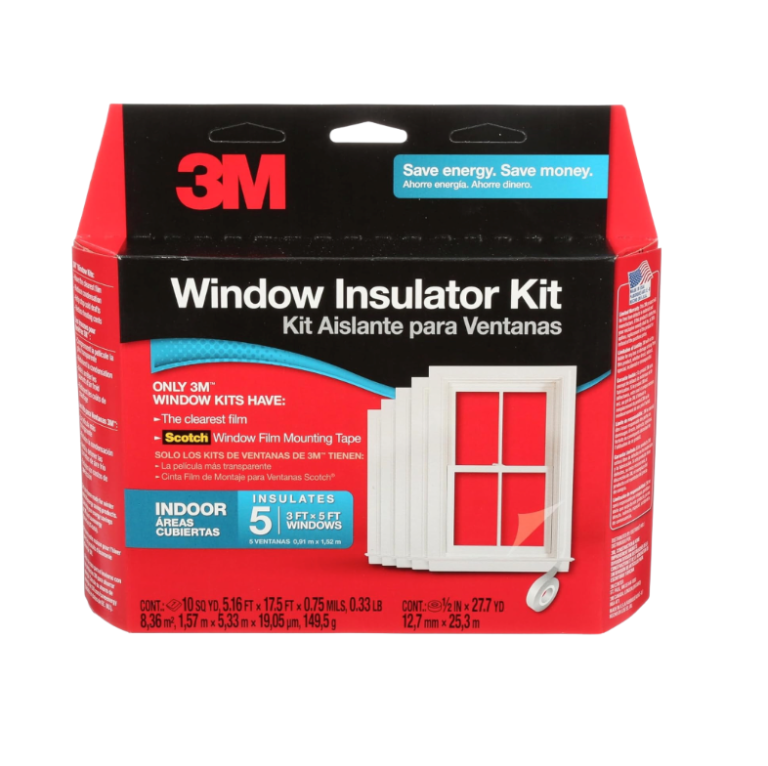
3M Indoor Window Insulator Kit
3M’s window insulation kit is repositionable, comes with enough film to cover up to five windows and comes in one cut-to-fit sheet. Read the review.
See It5. Lay Draft Stoppers in Front of Doors
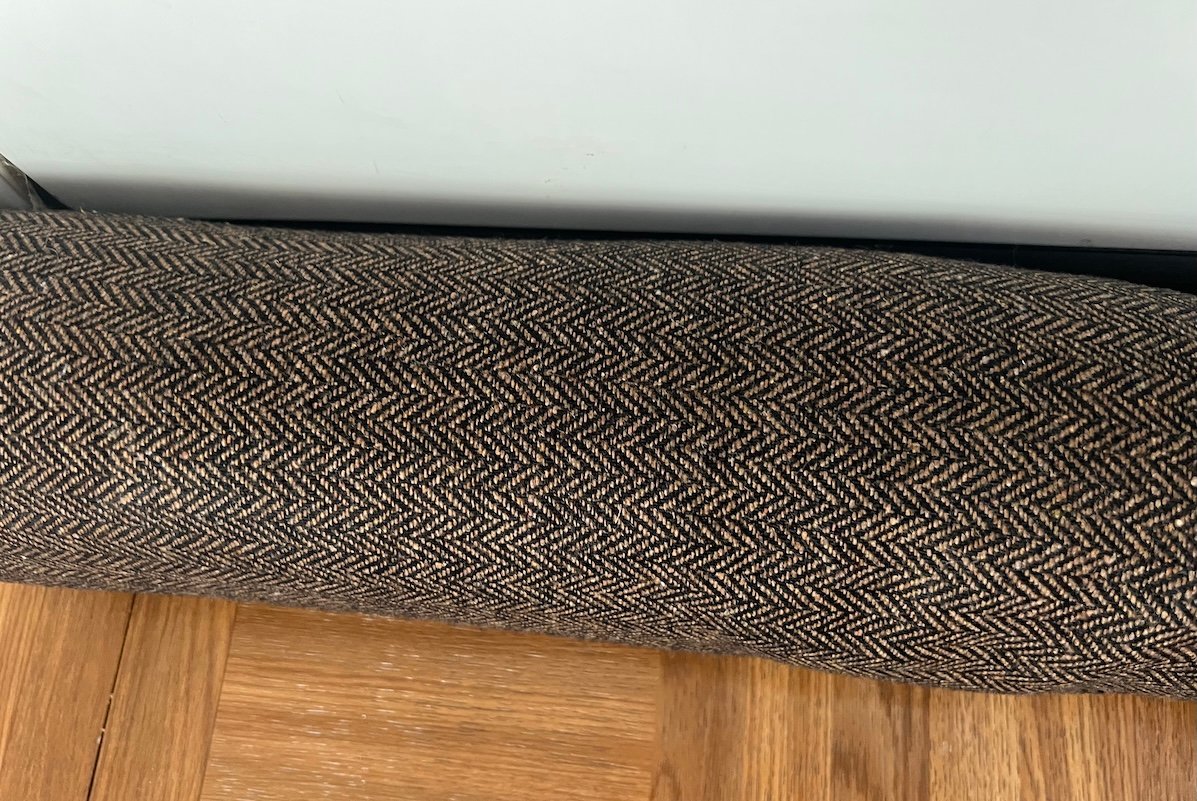
In a drafty room, heat can escape through the crack under the door. Draft stoppers (or draft dodgers) placed against the bottoms of doors can prevent heat from leaking out—no tools required. What a simple way to keep your house warm and save energy.
Cost: $4 to $24 for a draft stopper; free, if you roll up a towel and tuck it in the crack under your door.
6. Replace HVAC Filters

Regularly changing your furnace filters can significantly improve the furnace’s efficiency and longevity, which will in turn save you money on energy bills and repairs. We recommend swapping out furnace filters every 1 to 3 months.
Cost: About $15 to $25 per filter, depending on size, features, and MERV rating.
7. Weatherstrip the Doors
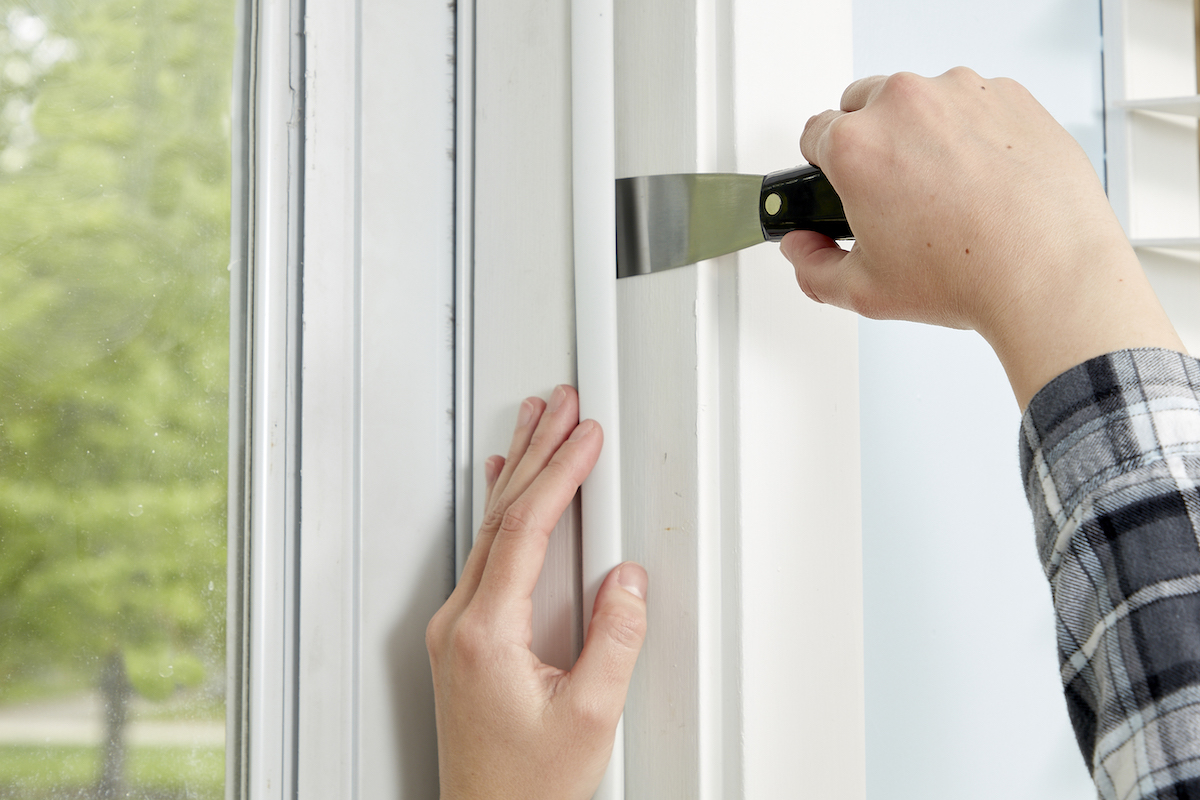
Drafts and air leaks increase heating costs and cause cold spots in an otherwise warm room. Measure your doors (and windows, too), make careful cuts, adhere weatherstripping to the perimeter, and keep cold air out.
Cost: $5 to $15, depending on type, length, and width of weatherstripping.
8. Pack In Fiberglass Insulation
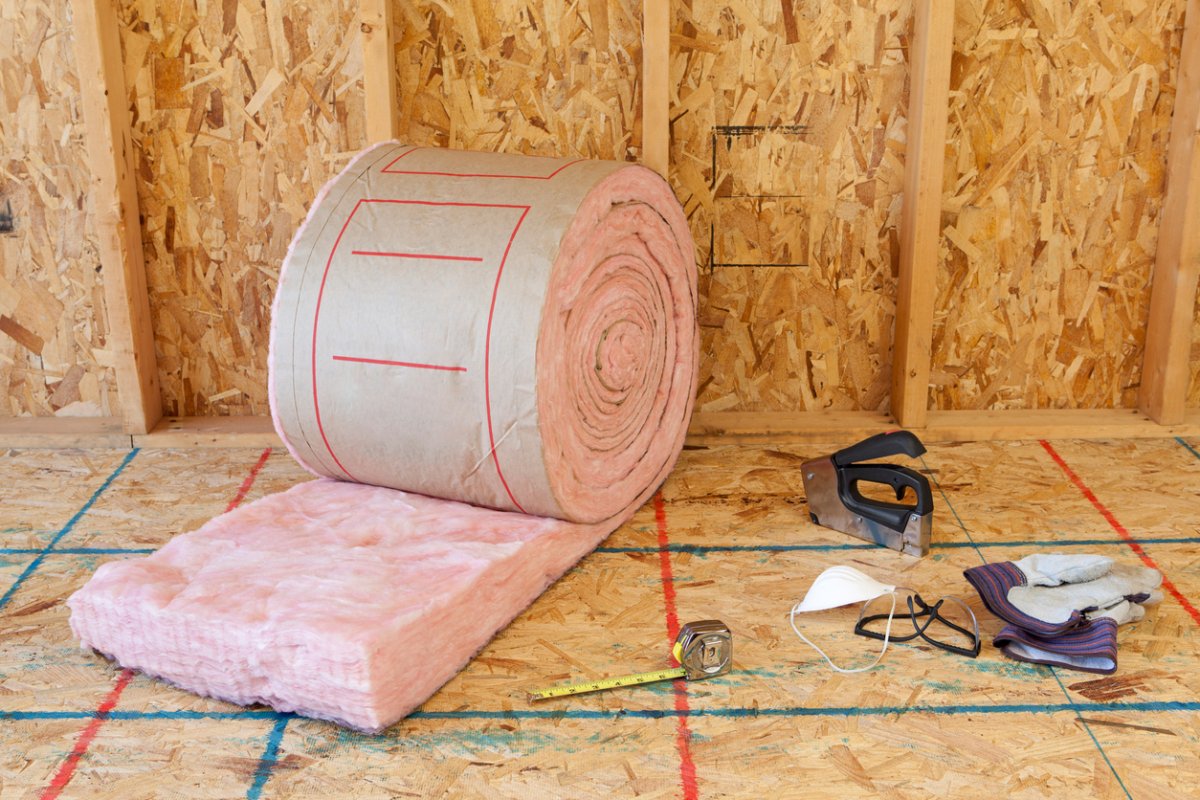
For maximum heat retention, pack fiberglass insulation around basement doors, windows in unused rooms, and window AC units. Make sure your attic floor is insulated, too. Fiberglass can irritate the respiratory tract and eyes, though, so remember to observe safety precautions and wear personal protective equipment.
Cost: About $30 per 32-foot roll
9. Install a Programmable Thermostat
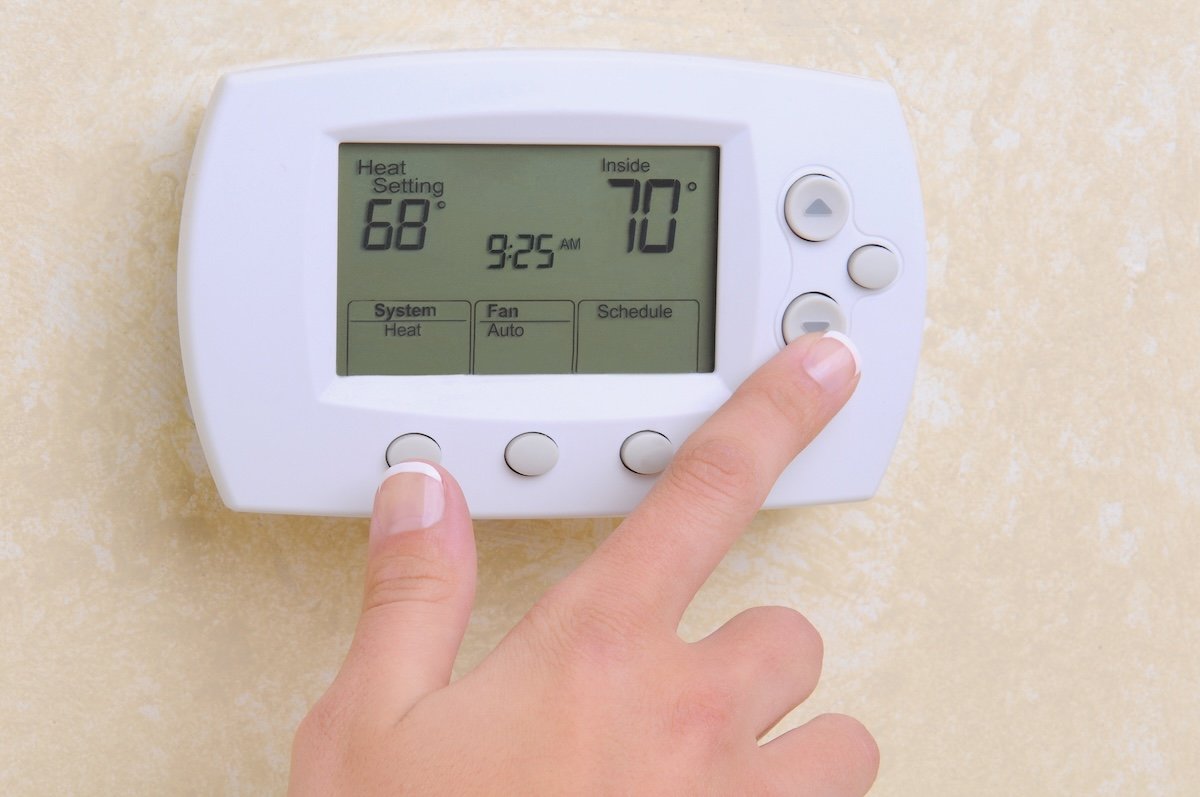
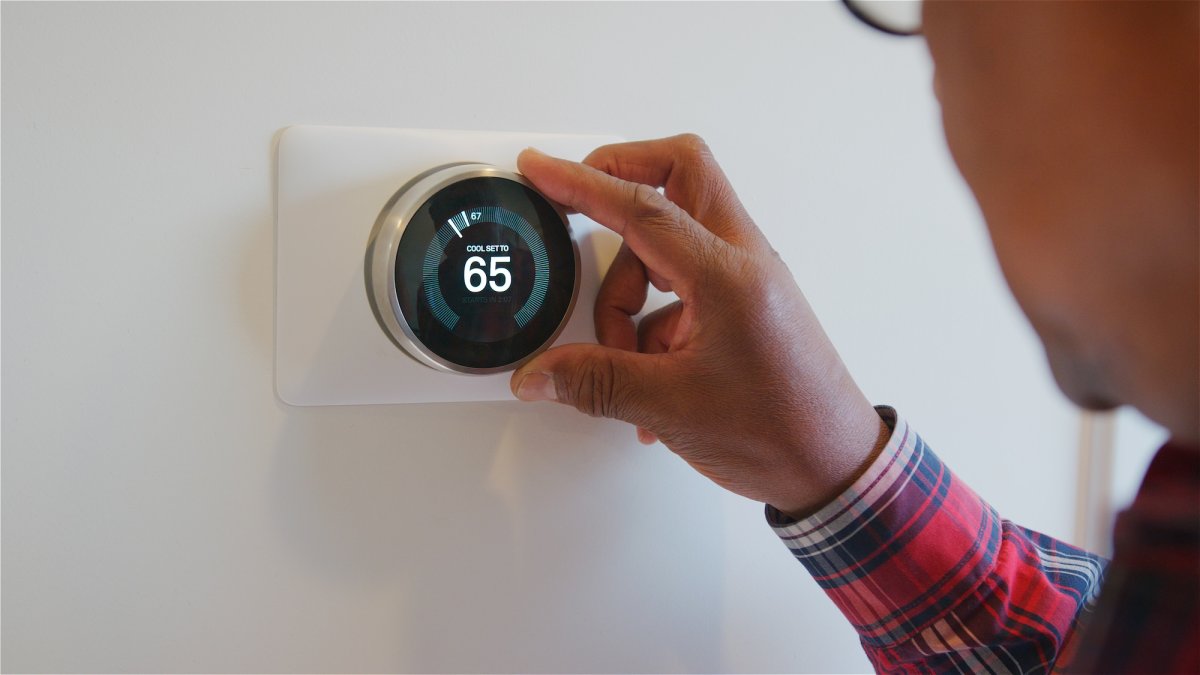
The U.S. Department of Energy estimates that you can save as much as 10 percent on heating and cooling expenses for the year by turning your thermostat down 7 to 10 degrees from its normal setting for 8 hours a day. Installing a programmable thermostat now and save money by keeping the temp down when you’re not at home.
Cost: $25 for a basic home thermostat to about $200 for a smart thermometer with a room sensor.
10. Fill Exterior Gaps With Caulk
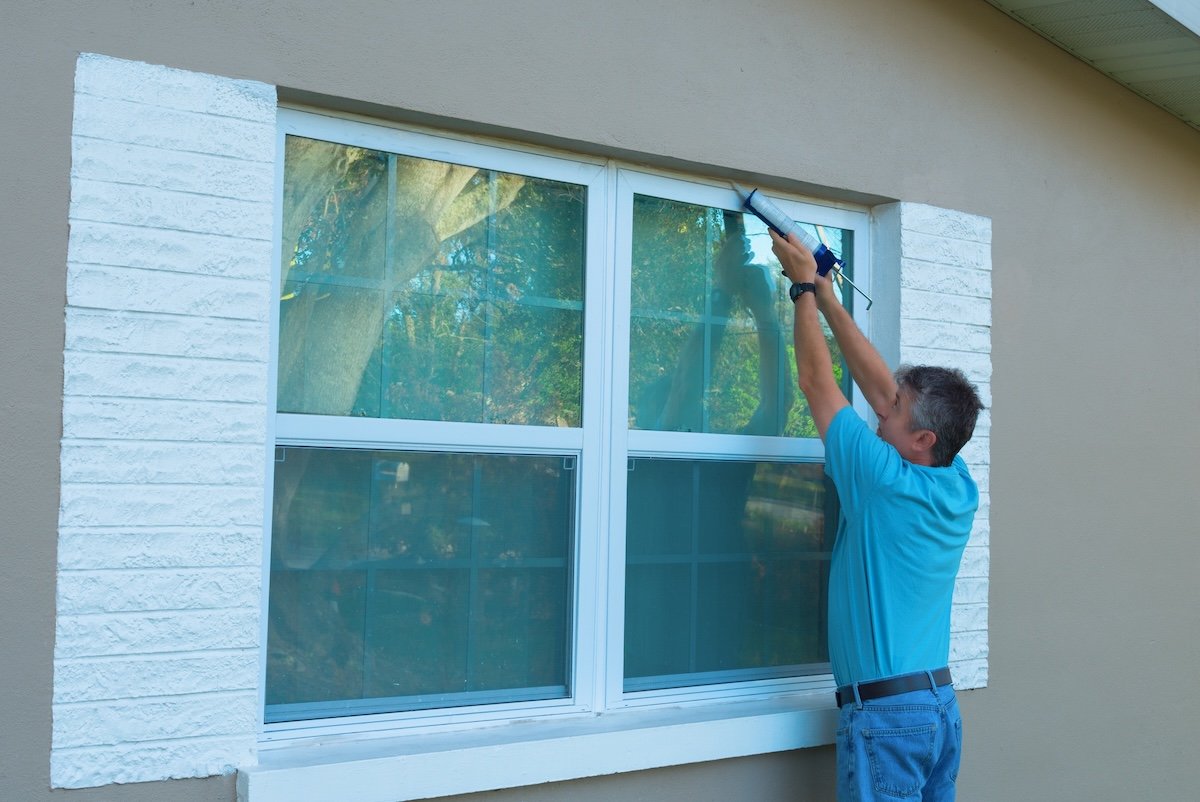
Any remaining gaps in siding, windows, or doors can be filled with caulk. For extra drafty windows and doors, caulk the inside too, pulling off moldings to fill all gaps in the insulation.
Cost: About $40 for the best caulk gun and $6 for the best exterior caulk we tested.
11. Plug the Flue
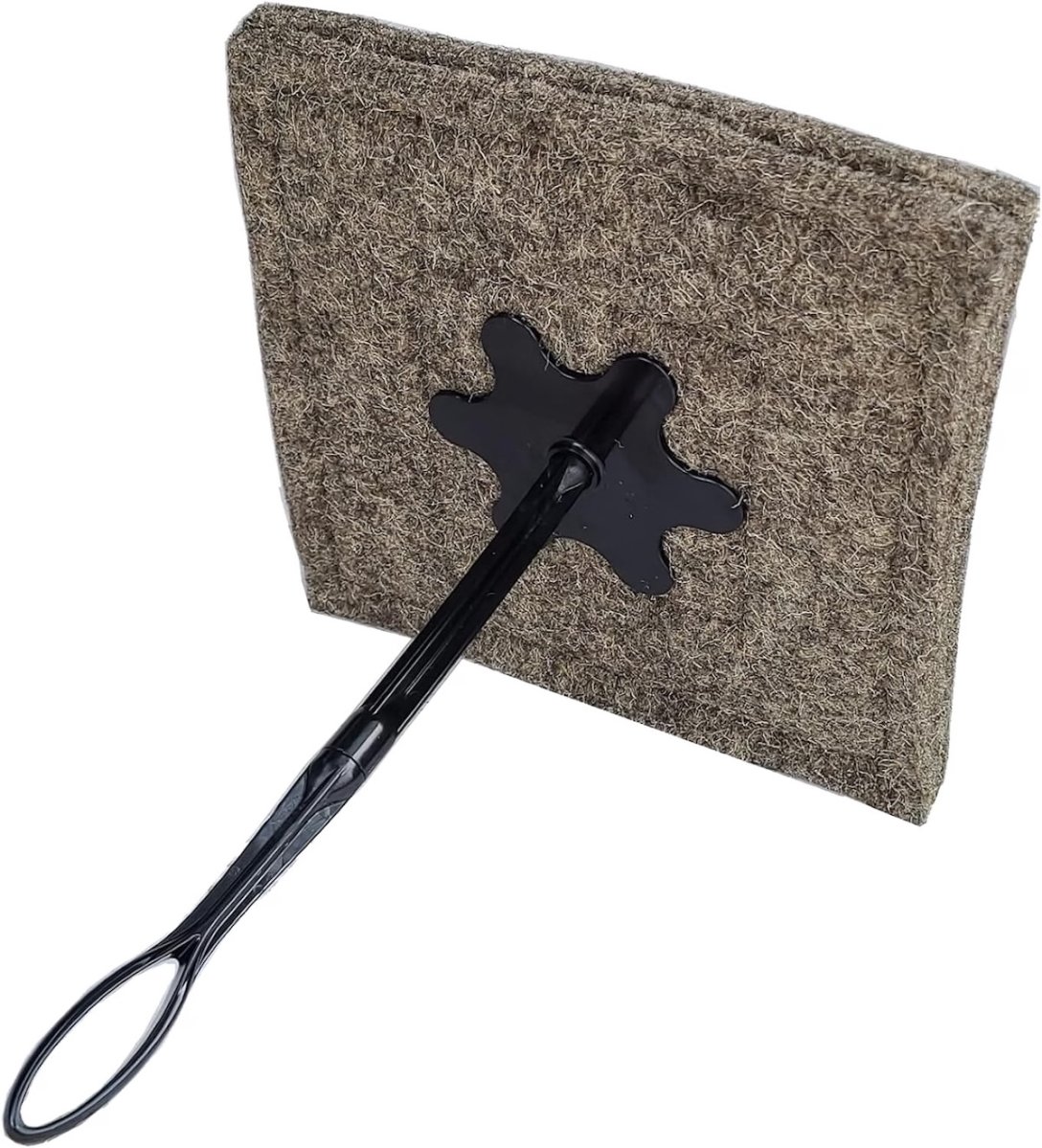
Your chimney is a huge source of heat loss in the wintertime, particularly if your damper doesn’t close properly. A Flue Blocker is a rigid wool pad made of English Herdwick wool that’s inserted in a flue when the fireplace is not in use, whether damper is defective, missing or you never had one to begin with. When you’re ready to light a fire again, pull the wool out and you’re good to go.
Cost: From $35, depending on the size of the Flue Blocker