We may earn revenue from the products available on this page and participate in affiliate programs. Learn More ›
The attic may be more important than you think when it comes to energy savings and overall comfort and health in your home. According to the EPA, you can save an average of 15 percent on heating and cooling when your attic is properly insulated.
“The attic should be seen as a critical part of the home’s thermal envelope. When it’s properly insulated, it can help maintain consistent indoor temperatures, support heating efficiency, and reduce the risk of winter issues such as drafts, cold spots, and ice damming,” says Mickey Chastain, Director, Product and Technical Training at Knauf Insulation, Inc. Neglecting to prep your attic also might increase the likelihood of pests, excess moisture, or even mold growth.
How do you know if your attic is ready for winter? Sam Gordon, Owner at Air Quality Express says: “You should be concerned if “rooms that run cold, ice-related roof issues, or heating bills climbing faster than they should usually point back to the attic.” Here’s what to look for at the top of your house, and what to do if you find an issue.
Safety note
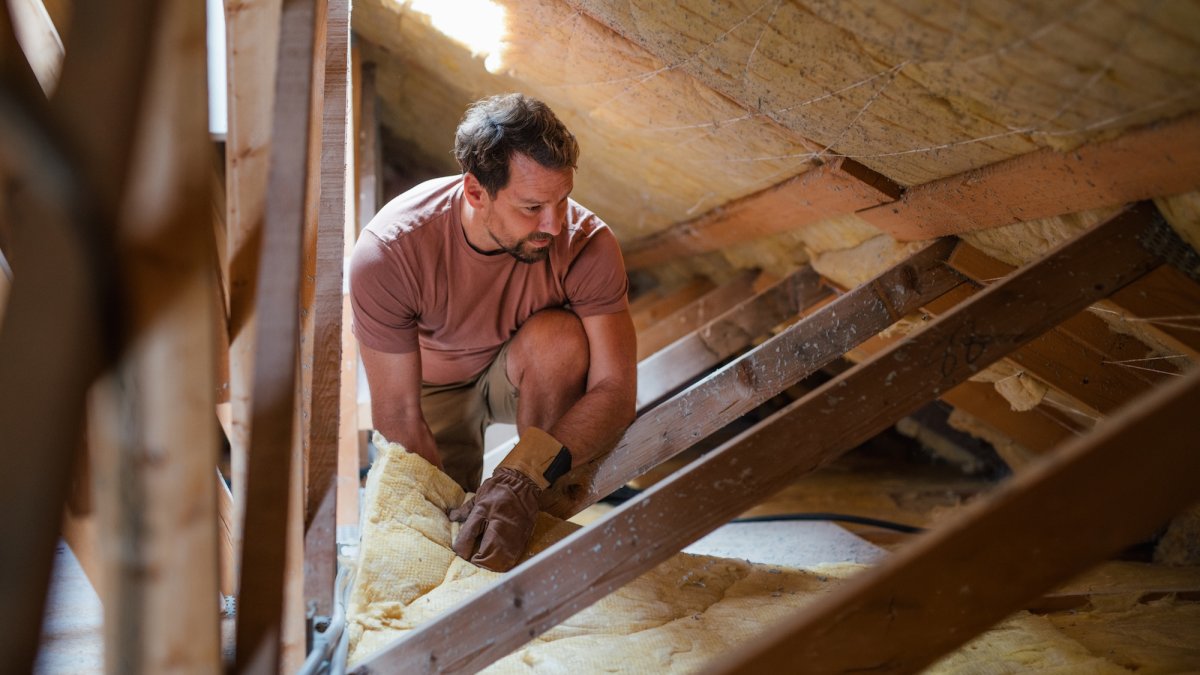
Before attempting any DIY projects in your attic, keep safety in mind. Many attics are unfinished, so navigating the space will take extra caution. Wear protective gear such as goggles, a hat, long sleeves, long pants, and closed-toed shoes to help protect you against anything unsavory like mold or fiberglass insulation.
1. Seal any leaks or cracks.
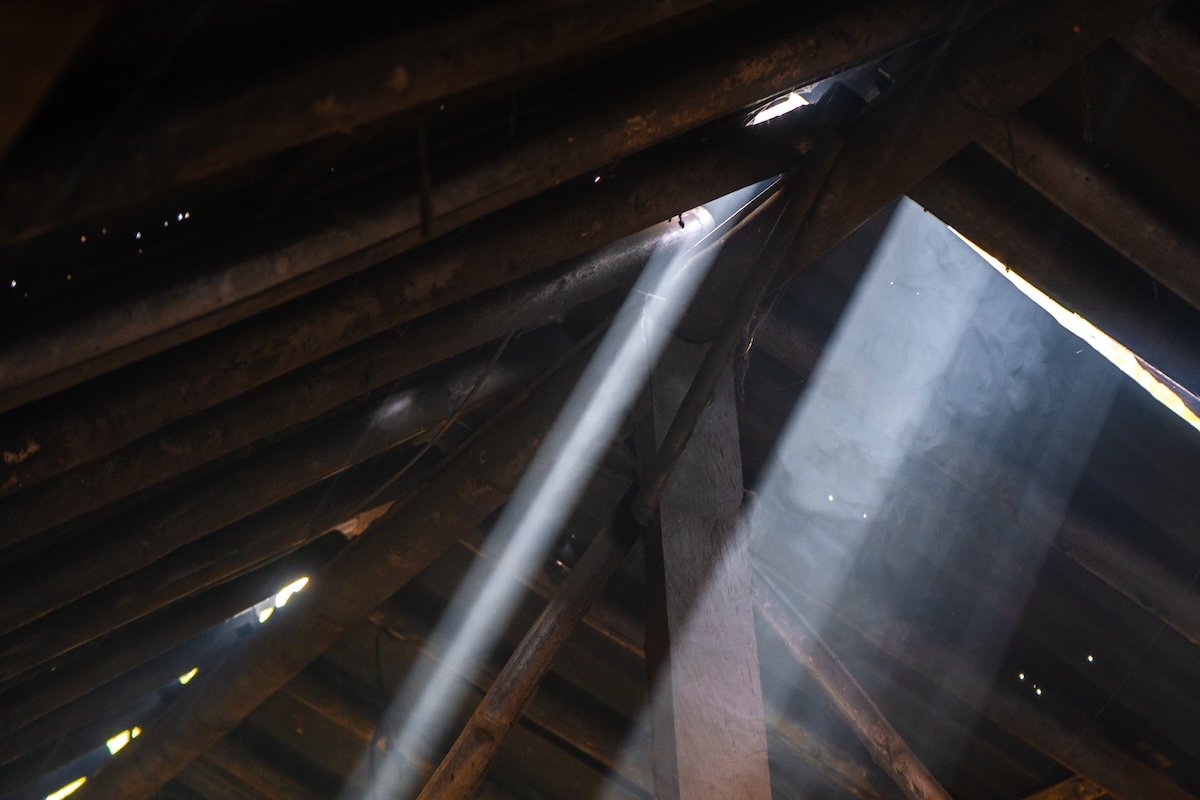
You can reduce a lot of issues by reading the amount of air leaking through leaks or cracks. “If warm indoor air is allowed to escape into the attic, it can undermine insulation performance, increase energy use, and contribute to moisture-related issues,” says Chastain.
“Check for drafts or gaps around the attic, including near light fixtures, vents, and access hatches,” says Jeff Gordun, VP of Delivery (Phoenix) at Power Home Remodeling. “You can also look for signs of air leaks inside the home. If you notice uneven temperatures or rooms that feel much colder or warmer than others, then you may have a ventilation issue in the attic that needs to be addressed before winter.”
Take action: Turn off the artificial lights, and perform a thorough inspection to identify holes on a sunny day so it’s easier to see light filtering through tiny openings. Courtney Klosterman, home insights expert at Hippo Insurance adds: “Note dusty or dirty insulation, since it can be a sign of an air leak.” Use caulk to seal holes to keep the warm air in while protecting against water and pests.
2. Check that your insulation is adequate and in good condition.
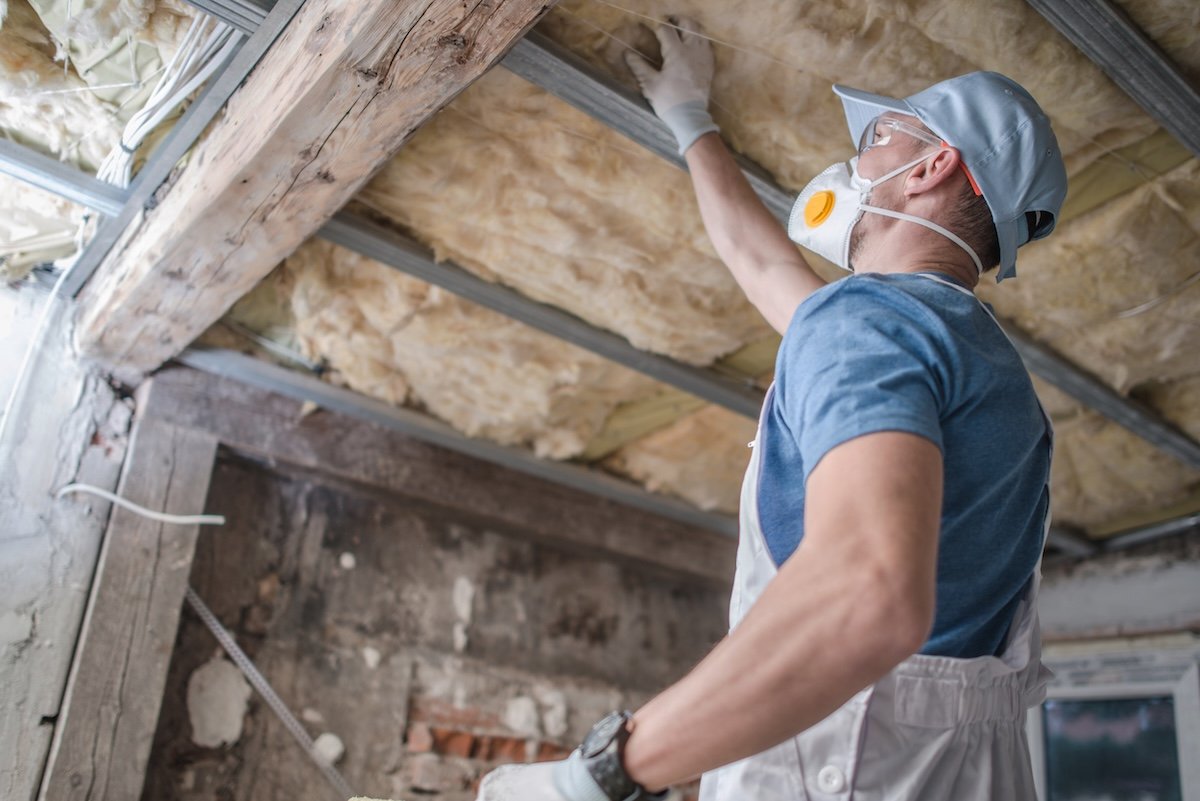
Adequate attic insulation can make it easier to keep your home at the optimal temperature, so your HVAC doesn’t have to work harder trying to keep up. So how do you check? “Look at the condition of the insulation in the attic. If it was once fluffy and full but now looks compressed or has sagged over time, then you’ll likely need more insulation to protect the home from winter temperatures,” says Gordun.
Be careful when adding insulation. “Most homeowners pile insulation on top of gaps around recessed lights, the attic hatch, and plumbing and wiring penetrations, but warm, moist air leaking up through those gaps is what drives both heat loss and winter condensation,” says Gordon. “Seal first, then insulate to the recommended depth.”
Take action: Repair or replace damaged sections and add more insulation if the level is below the floor joist in the attic. Gordun suggests: “Homeowners should also ensure their attic meets recommended insulation and R-value requirements. These can vary by climate and location, but most attics require an R-value of around R-38 or higher.”
3. Verify that your ventilation is working.
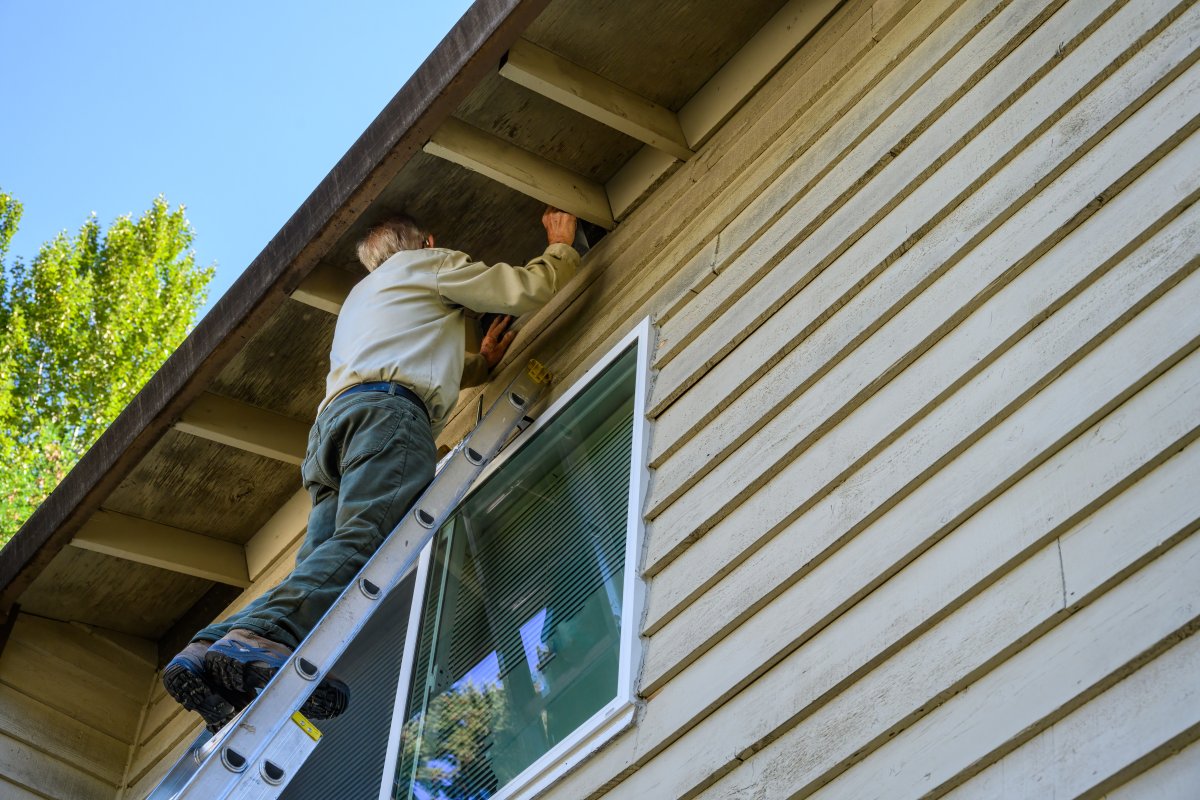
“Good attic ventilation means air flows freely throughout the space,” says Klosterman. Without adequate ventilation in the attic, moist air can get trapped in the space, potentially rotting joists and rafters, damaging the insulation, or leading to the growth of mold. Gordun adds: “Cold upper floors, high heating bills, or an HVAC system that is constantly running are also signs that the attic is not ventilating properly.”
Take action: “Check for any signs of water damage, moisture, mold or rot that would indicate improper ventilation,” says Klosterman. “Check Sheetrock or insulation for discoloration, matting, or dampness.” Also check attic vents to make sure they aren’t blocked and if you already have an attic fan, check to make sure that it is working and able to do its job. Leaves, insulation, and other debris can clog the fans and affect their performance.
Best Attic Fan

AC Infinity Airlift T14 Shutter Exhaust Fan
The wall-mounted AC Infinity Airlift has a thermostat with humidity control, timers, alarms, speed adjustments, and more. Read the review.
See It4. Keep the roof free of debris.
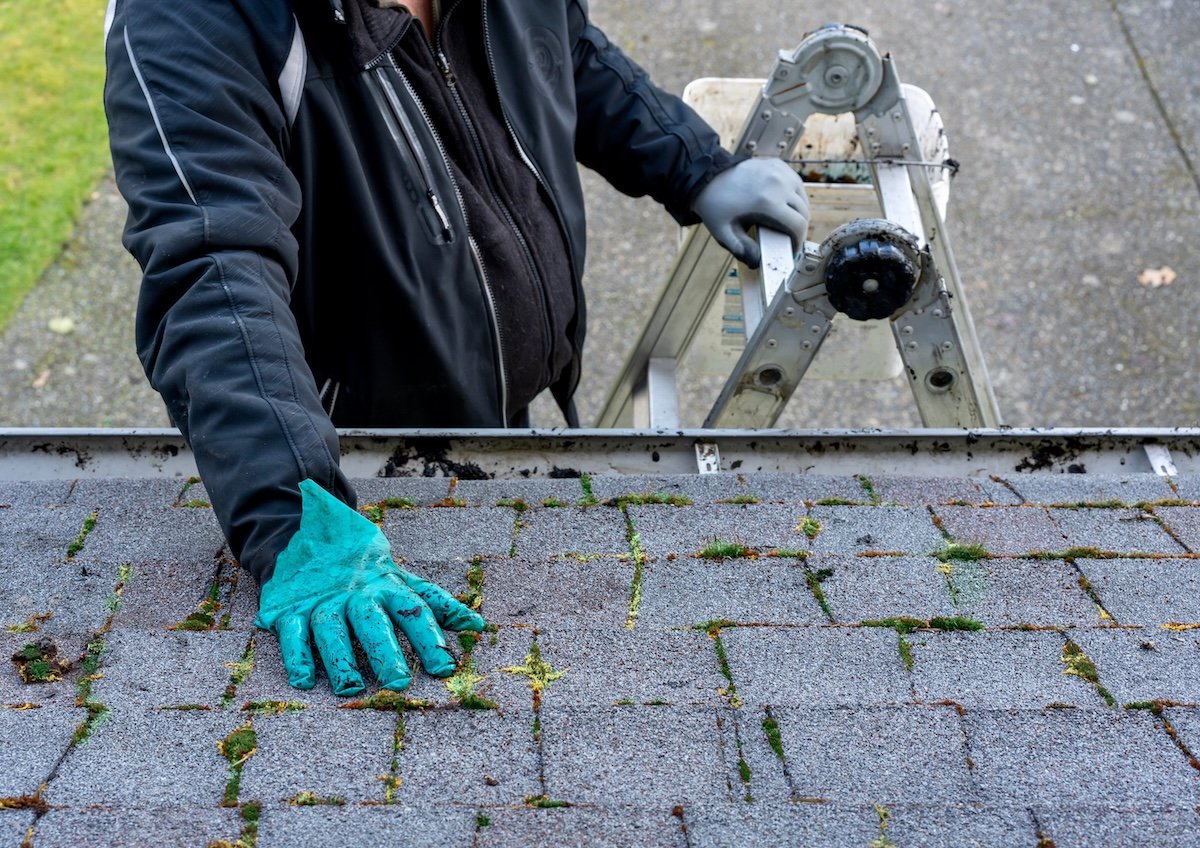
“Because attic issues often start with roof damage, keeping your roof and gutters maintained is a key part of getting your attic ready for winter,” says Klosterman. Accumulated leaves and other debris on the roof can trap rain water and cause the roofing material to break down over time, leading to a leak into the attic. Leaks in the attic can cause mold growth, damage the insulation and wood, and eventually leak through ceilings into the upper levels of a home. “A properly functioning roof supports ventilation, regulates air flow, and defends the attic against moisture and external elements,” says Gordun.
Take action: Visually inspect the roof from the ground to see if there is debris. If you feel confident on a ladder, take a closer look and only attempt to clear debris off the roof yourself if you feel safe. If not, hire an experienced professional to clear off the roof.
5. Clear out pest infestations.
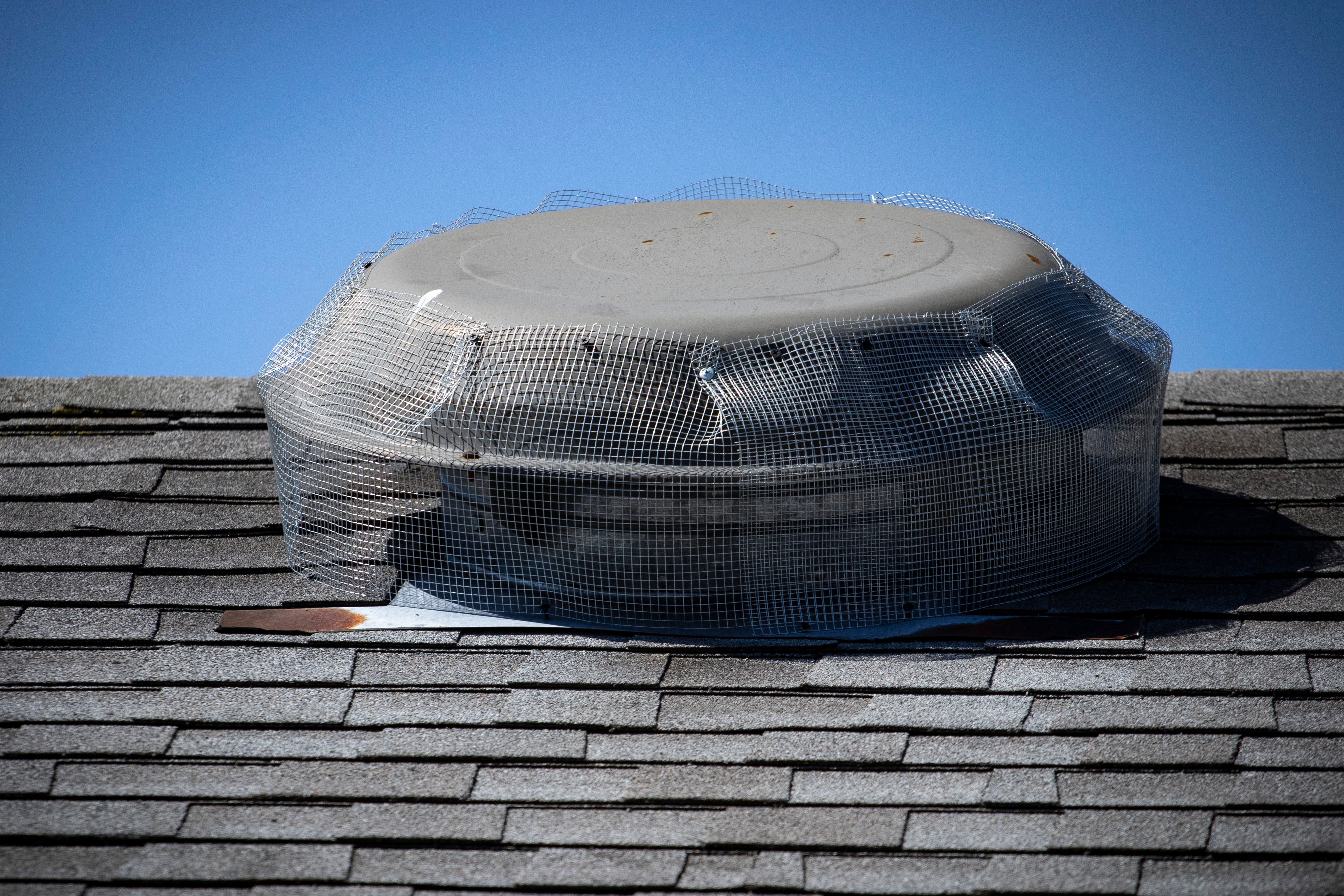
One of the more unsettling issues that can happen in a home is a pest infestation. An insect or rodent infestation can damage wood, chew through wires, chew through and break down the insulation, and more. How do you know if you have pests? “Look for droppings, damaged insulation, or dead pests or critters,” says Klosterman.
Take action: While sealing the holes and gaps in the attic should keep new pests from entering your home, insects or rodents may have already moved in. If you still see or hear signs of pests after sealing any gaps, you can set up pest traps or call a professional exterminator to remedy the problem.
6. Clean the gutters.
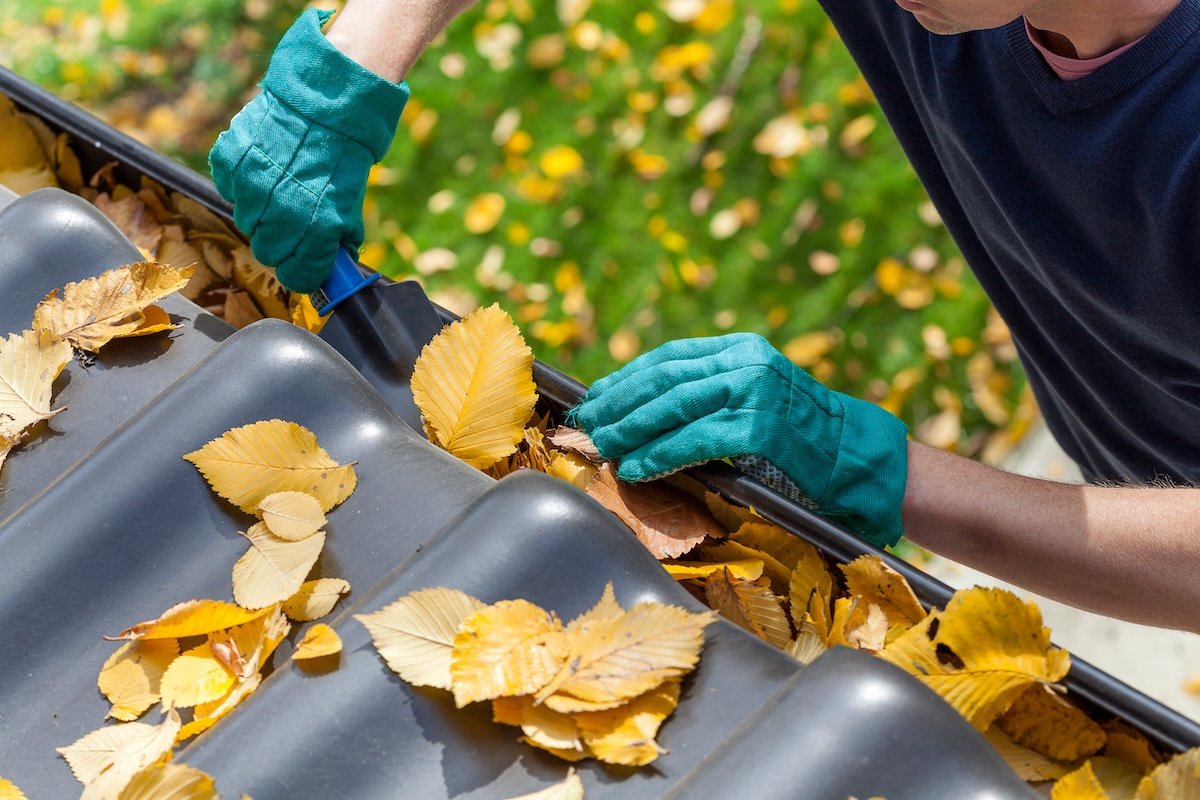
Clogged gutters can trap water and snow, which places extra weight on a roof. Roofs that are older or in poor shape can potentially collapse from the extra weight or allow water into the attic. Overflowing gutters can also damage the fascia that runs between them and your house. If the fascia deteriorates enough from the water damage, it will make the attic more prone to an insect or rodent infestation.
Take action: Take time to regularly check your gutters. Klosterman suggests doing the following:
- Remove leaves and other debris that’s impeding drainage.
- Use a brush to loosen and sweep away the buildup.
- Position downspouts away from your home’s foundation.
- Flush gutters with a hose.
- Patch tears or holes and seal gaps.
- Consider installing gutter guards to minimize debris in your drains.
- Replace gutters if needed.
7. Conduct a home energy assessment.

The more you know about your home, the better you’ll be able to care for it and the more money you’ll save along the way because there will be fewer chances for energy drains. The Department of Energy suggests that conducting a DIY or professional home energy assessment, also known as an energy audit—, an help homeowners learn more about how their home uses energy and where air is leaking into and out of the home.
Take action: Conduct a DIY energy assessment by checking if there is any damage or cracks in caulking, weatherstripping, joints between exterior materials, and other areas where there is a material change. If you notice issues and want more information, hire a local certified home energy auditor to conduct an energy audit. The audit uses specialized equipment like a blower door test and thermographic scan to identify air leaks throughout your home, giving a complete picture of energy loss and ways to improve efficiency. There may also be tax credits available when work is completed by a certified pro.