We may earn revenue from the products available on this page and participate in affiliate programs. Learn More ›
Cover crops are plants sown between growing cycles to protect the soil, prevent erosion, and retain nutrients. Much like farmers sow non-commodity crops to cover the soil after harvesting their cash crops, you can plant cover crops in fall to provide a winter living mulch, protecting the soil from wind and water erosion and suppressing weeds. In the spring, turn the cover crops into the soil as green manure to add organic matter and nutrients that enrich the soil.
Soil is meant to be covered, and cover crops are a sustainable, affordable, and effective way to protect and enrich the soil between growing seasons rather than letting it lie bare. Since most home vegetable gardens go dormant in winter, fall is usually the best time to plant cover crops. If you live in one of the hottest zones or grow cold-season plants, you might opt for a summer cover crop. Read on to learn more about the benefits and types of cover crops.
Benefits of Cover Crops
The benefits of cover crops and the green manure they supply are abundant and accessible to home gardeners, whether you have a sprawling hobby farm or a backyard container garden. In particular, cover crops for vegetable gardens help reestablish soil health after a season of depleted nutrients from growing edible plants or to keep soil active and healthy throughout the year. Cover crops can:
- Prevent erosion of soil from wind and water to preserve topsoil and reduce runoff.
- Improve soil structure by breaking up compacted soil, allowing for better root penetration.
- Improve aeration by creating channels in the soil, aiding microbial activity and soil fertility.
- Enrich the soil to add nitrogen and other nutrients to increase soil fertility.
- Conserve water and soil moisture by reducing runoff and improving filtration.
- Manage certain diseases and pests; cover crop plants like mustard help reduce fungi and control parasitic nematodes.
- Suppress weeds with a dense mass of cover crop growth that crowds out weeds.
- Provide habitats for beneficial insects, birds, and soil-dwelling organisms.
- Increase yields and reduce use (and cost) of fertilizers and herbicides.
The 8 Best Cover Crops for Home Gardens
Cover crops for gardens are different from ground cover plants, primarily in purpose. Cover crops are grown to enhance soil health and fertility (not necessarily to be eaten or to look pretty), and ground covers generally are low-growing plants that serve landscaping purposes like filling in space, crowding out weeds in decorative gardens, or replacing lawn turfgrass.
Cover crops work more as a living mulch, suppressing weeds between garden seasons and nourishing the soil. Types of cover crops typically fit into three categories: legumes, broadleaves, and grains. Each has its benefits and unique characteristics.
Note that sowing times can vary by crop, growing zone, and the season in which they’ll grow. To pick the best cover crop for your garden, consider your primary concerns: do you want to suppress weeds, control erosion, or add nutrients to the soil (a soil test can help determine low nutrient content).
1. Crimson Clover (Trifolium incarnatum)
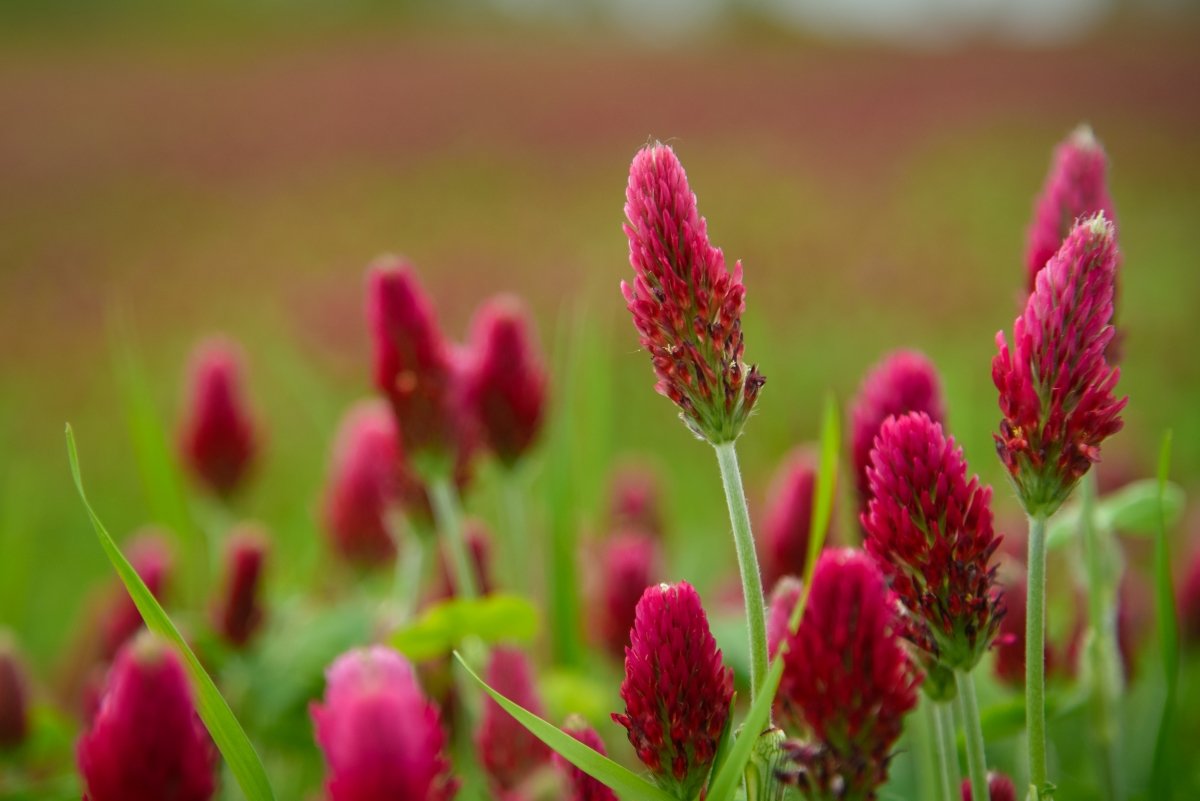
Legumes like clover, vetch, peas, and peanuts, are nitrogen-fixing cover crops, thanks to their symbiotic relationship with the Rhizobium bacteria that live on their roots. These bacteria convert nitrogen in the air into a usable form for plants. Legumes are higher in nitrogen than grasses, so they break down faster and release nitrogen and other nutrients into the soil more quickly than grains and broadleaves can.
Crimson clover is one such legume that provides excellent weed suppression. Considered primarily a winter cover crop, the annual legume grows best in cool weather. Another bonus to this cover crop is its deep red flower heads that attract bees and ladybugs. Be sure to sow it in soil that drains well. Cut or mow it after they bloom and before seeds form. To maximize the nitrogen benefit, till or dig lightly and turn the plants into the soil. Crimson clover and other legumes are attractive to deer.
Best for: Adding nitrogen for green growth in spring garden beds and providing annual flowers that attract pollinators.
When to plant: Sow seeds in late summer through mid-November for winter cover, or in early spring for weed control.
2. Hairy Vetch (Vicia villosa)
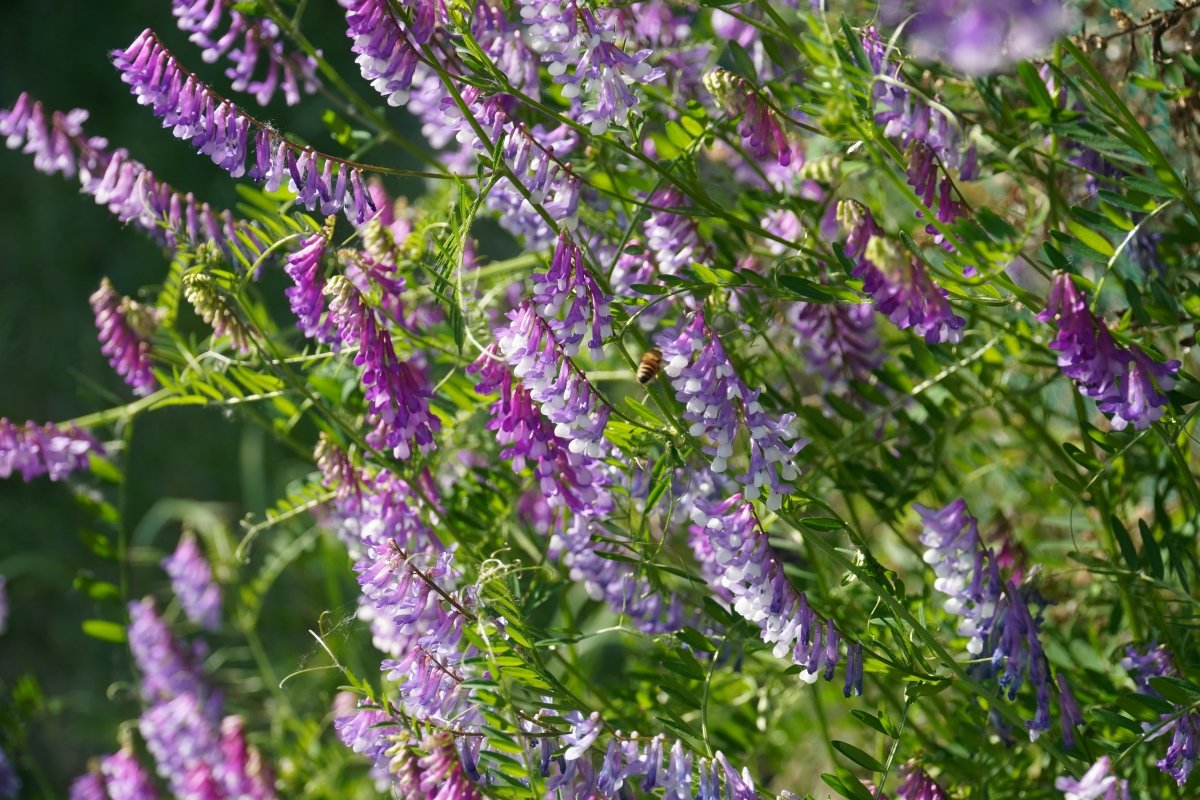
Another legume, hairy vetch can reduce erosion and add available nitrogen to soil by growing between seasons. Hairy vetch is one of the best providers of nitrogen and it is hardy to USDA Zone 4 and even cooler in some circumstances. The rapidly growing cover crop can grow vines 5 feet or longer, which helps smother weeds and anchor soil. Its purple flowers can attract pollinators.
When preparing summer beds (at least 3 weeks before you plan to plant vegetables), slice hairy vetch plants off just above ground level and let them dry in place as a surface mulch. The roots eventually will die and release nitrogen into the soil. As a downside, hairy vetch can become invasive, so check your state’s invasive plant lists and cut plants back before the flowers set mature seeds. Hairy vetch is toxic to cattle.
Best for: Adding nitrogen for green growth, especially in cooler climates, and rapid growth to suppress weeds.
When to plant: Sow seeds from midsummer to early fall for winter cover.
3. Winter Rye (Secale cereale)
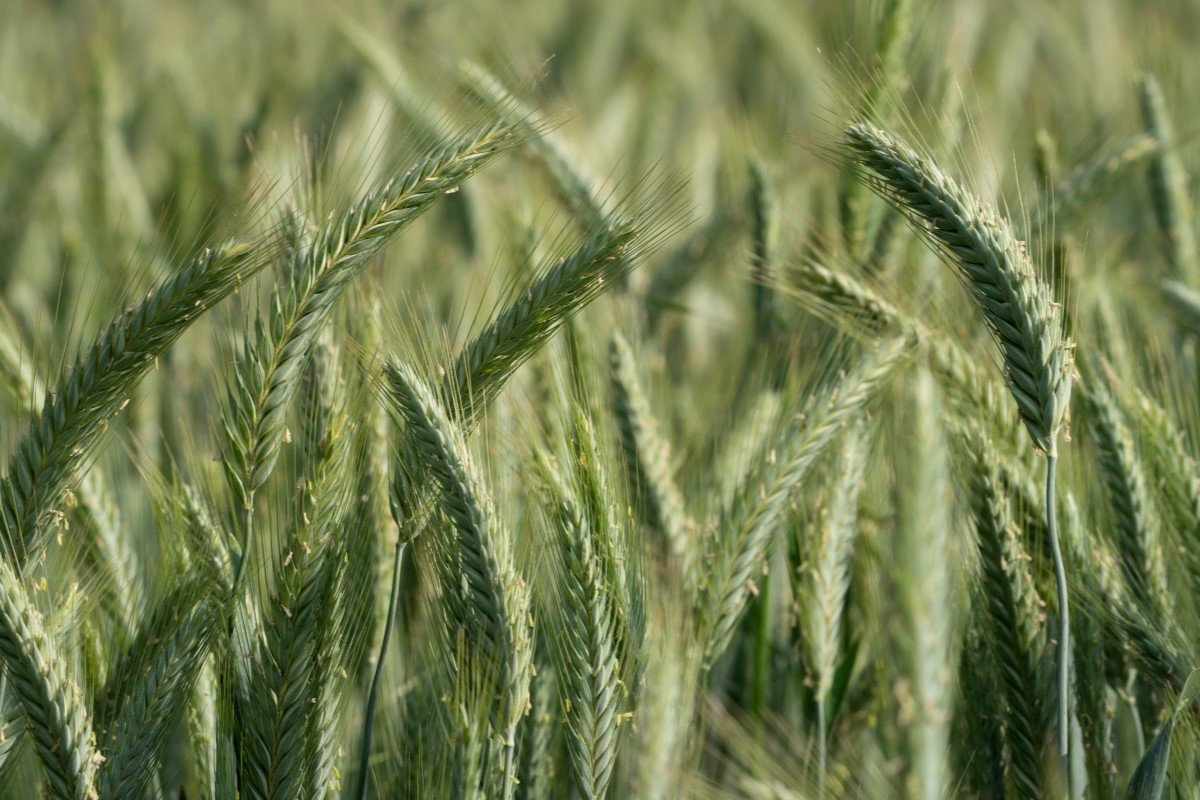
Grain cover crops include annual grasses like rye, wheat, and oats. They have large root systems, making them excellent for reducing erosion and water runoff. Winter rye is an annual grain grown in winter, and is especially useful in windy areas like coastal plains to reduce wind erosion of garden soil. Grains like rye don’t add nitrogen, but can capture nitrogen in the soil and incorporate it into plant biomass, returning the nutrient to the soil when the crops fade and gardeners work them into beds.
Although winter rye will grow best in loamy soils of garden beds, it also tolerates both clay and sandy soil conditions. It’s a good cover crop for new garden beds that lack fertility, and helps to build soil health over time. It grows best in full sun and can tolerate some drought. Be sure to cut it back and work the plant debris into the soil before it develops seeds or dries out for the best nutrient balance.
Best for: Adding biomass, suppressing weeds, and protecting soil from wind erosion, especially in sandy and coastal areas.
When to plant: Sow seeds in late summer or fall, typically mid-October to mid-November, earlier in cool regions.
4. Pearl Millet (Pennisetum glaucum)
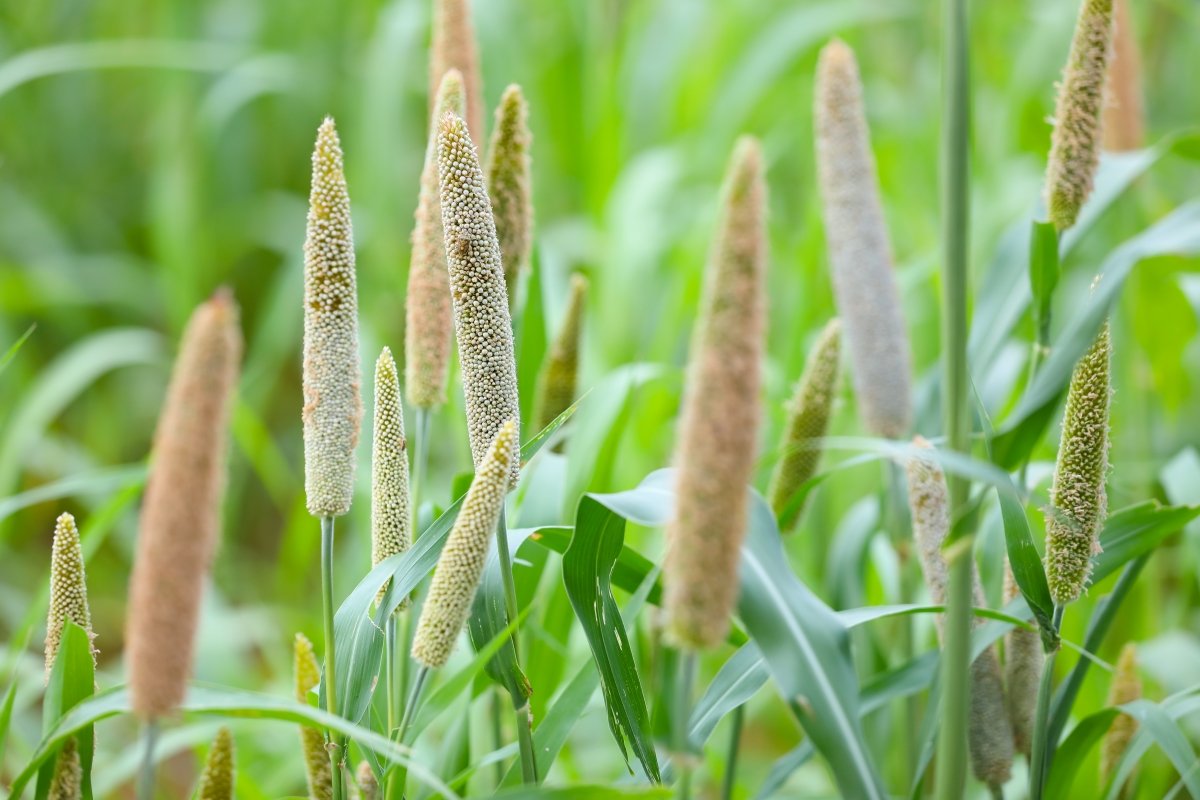
Pearl millet is a grain or grass that can grow in heat, so it works well as a summer cover crop, along with similar grains like sudangrass and sorghum-sudangrass. In some of the warmest growing zones, summer is too hot for typical home vegetables, and planting a warm-season grain can help protect soil during summer and fall. Pearl millet grows quickly in heat and helps suppress weed growth.
Pearl millet also helps fight soil compaction and can scavenge nitrogen in the soil. It’s also grown as a forage crop for cattle, horses, and goats and adapts well to low-water conditions. Mixing it with warm-season plants like sunflowers provides a diverse and attractive mix to fill beds in summer. Mow the grass as needed, and mow before it sets seed or before the first expected frost, followed by working the plant debris into garden soil.
Best for: Covering ground in summer to fight weeds and soil compaction.
When to plant: When soil temperatures warm, typically May through early August.
5. Buckwheat (Fagopyrum esculentum)
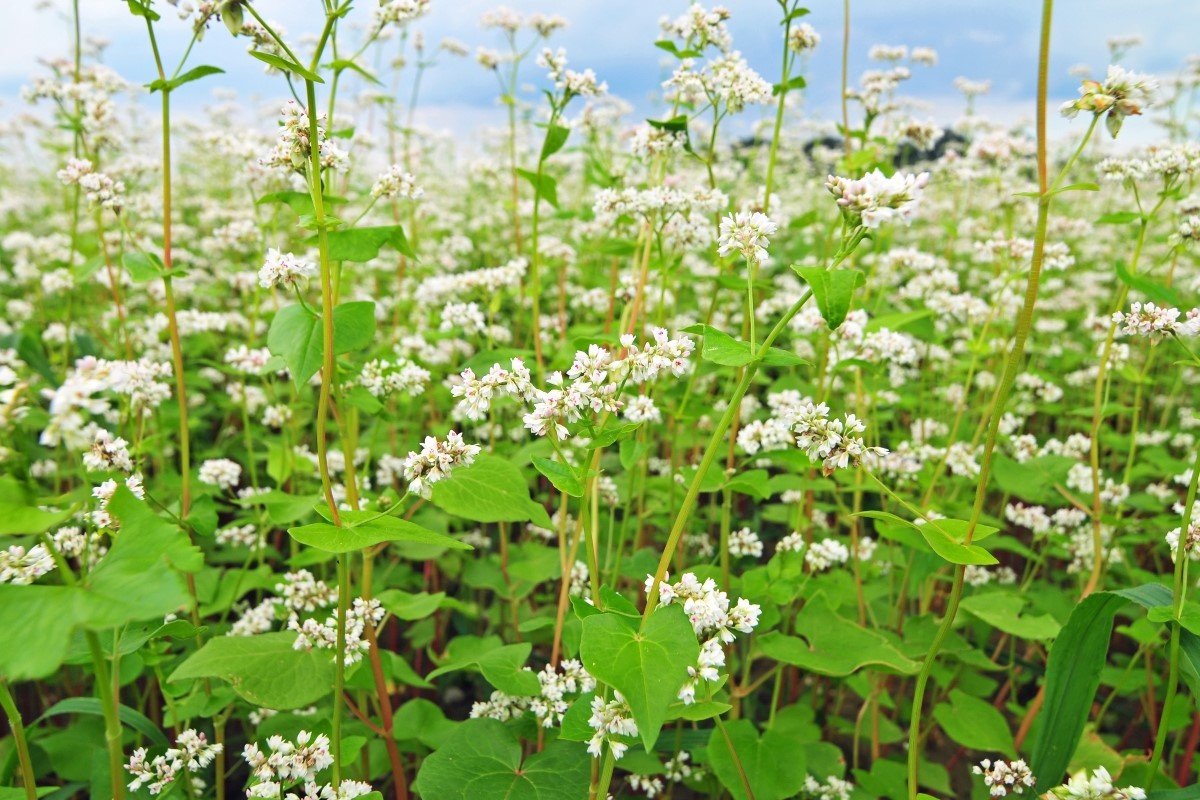
Broadleaf plants have relatively wide leaves compared to the narrow or grass-like leaves of grains. Buckwheat is a rapidly growing broadleaf cover crop for spring or summer sowing. Like other broadleaves (flax, mustard, and annuals like sweet alyssum), buckwheat has deeply penetrating roots that help break up clay and compacted soil. The plant also unlocks phosphorus in soil, which can help garden plants with root growth.
Maturing in only 70 to 90 days, buckwheat breaks down quickly when worked into the soil. In warmer climates, it works well to fill the gap between faded and worked-in legumes and spring planting, and won’t endure summer highs. In cooler climates, sowing buckwheat after harvesting early vegetables helps cover the ground until late summer or fall plantings. It produces pollinator-friendly white blooms, but be sure to kill buckwheat within a week of flowering to prevent seeding.
Best for: Unlocking phosphorus in soil to assist with root growth, improving soil structure, and suppressing weeds (especially warm-season annual weeds).
When to plant: As soon as soil warms to at least 55 degrees Fahrenheit in spring or midsummer in milder climates; avoid planting within 4 to 5 weeks of expected frosts.
6. Daikon Radish (Raphanus sativus Longipinnatus)
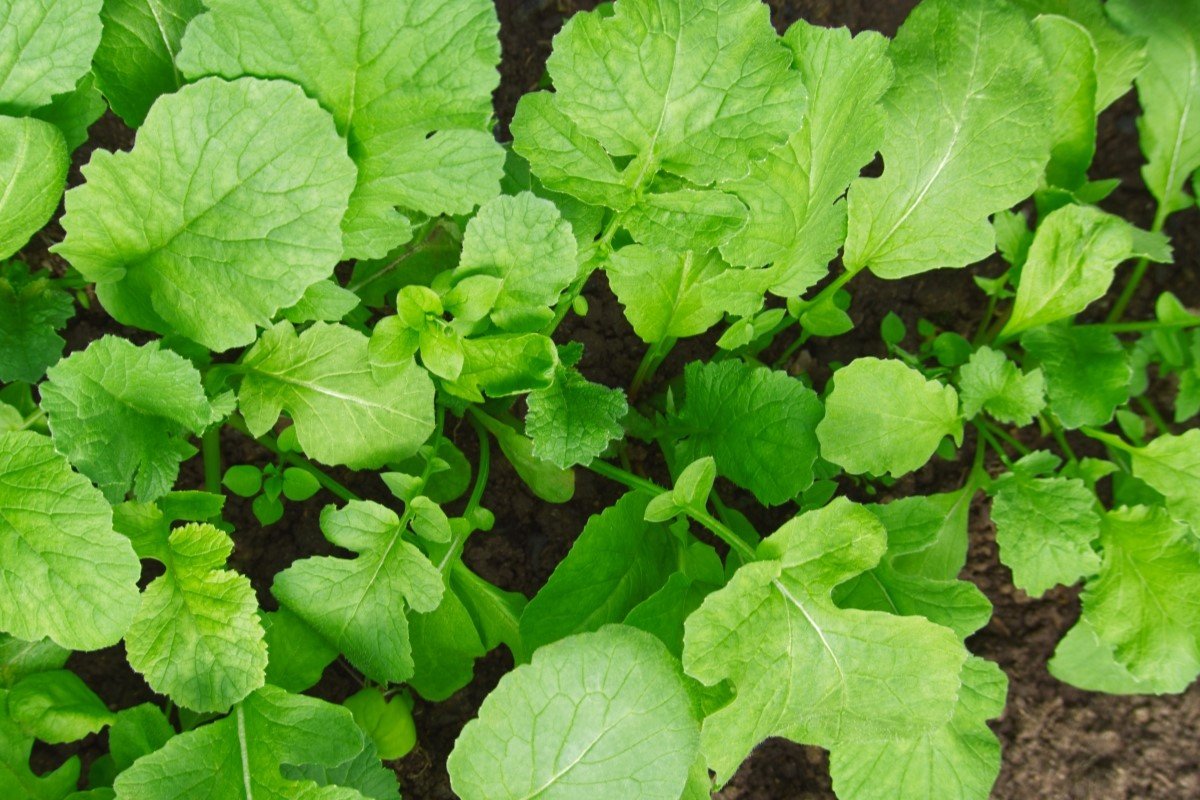
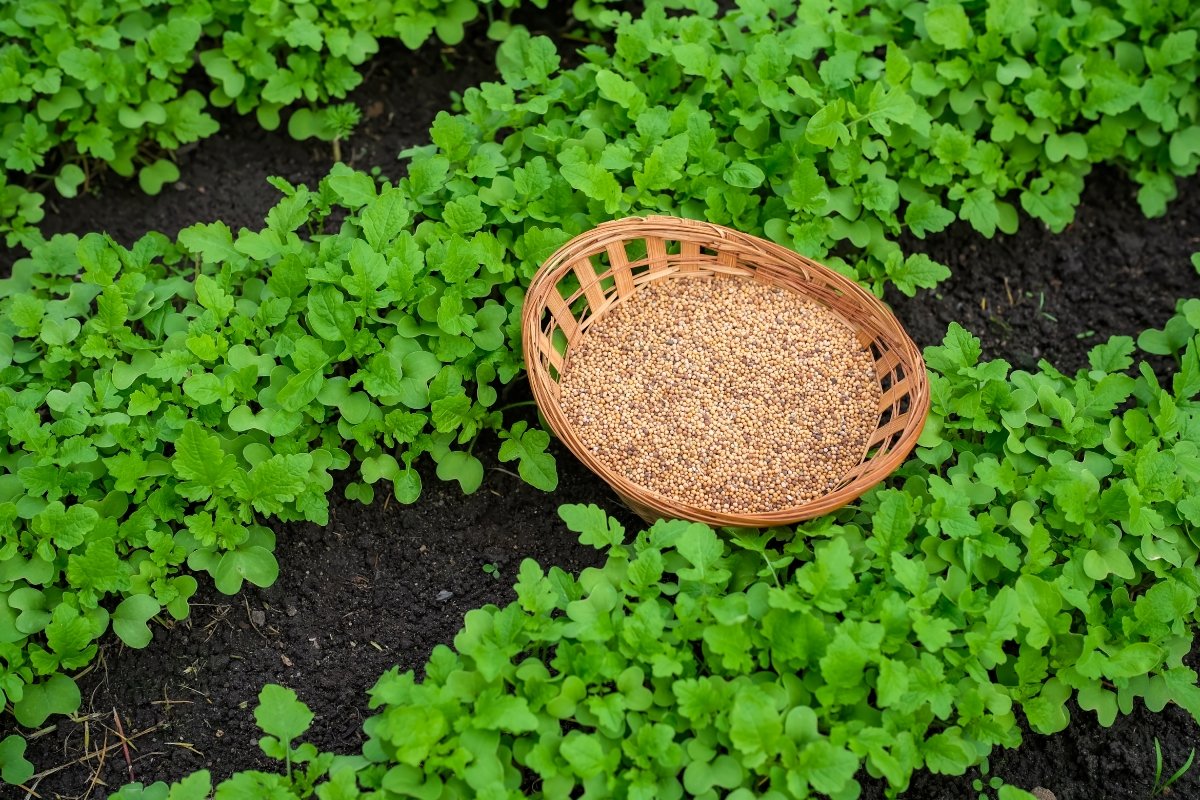
Also known as forage or tillage radish, daikon radish is a winter-hardy broadleaf cover crop from the brassica family. The plants break down quickly to supply soil nutrients come spring. Perhaps the best characteristic of radishes is their deep taproot, which loosens soil while suppressing weeds. The plant also captures nitrogen in soil, which returns to the soil as the plant decomposes. The radish can survive some winter frost, especially if covered by snow. It’s often included in cover crop mixes.
Best for: Loosening soil with its deep taproot, suppressing weeds, and capturing nitrogen in cooler climates.
When to plant: Late summer or early fall, 4 to 10 weeks before expected frost.
7. No-Till Seed Mix

High-quality cover crop seed mixes will include the seeds of several plant types to provide a variety of benefits. This is a good way to increase biodiversity in a garden and fulfill several soil-protection or improvement goals. Seed mixes can be a great choice for beginners or those wanting a cover crop for raised beds or containers. You can buy a premade seed mix or make your own cover crop mix. For example, mix pearl millet with cowpea, sunflower, and sunn hemp for a diverse summer cover crop mix.
Rather than focusing on the number of species in a mix, choose crops that address your soil conditions and climate. For most beginners, it makes more sense to purchase a premixed cover crop seed packet like Mountain Valley Seed Company’s No-Till Mix. The seed blend includes nine popular cover crops, including legumes, grains, and brassicas, providing all-purpose soil coverage, enrichment, and protection. This mix matures in 30 to 70 days, so it can work nearly any season.
Best for: Providing rapid growth and all-around protection and enhancement of soil health in gardens and raised beds.
When to plant: Varies by season and climate, but typically plant by late September or early October for winter cover, or as soon as soil warms in spring.
8. Peas and Oats Mix
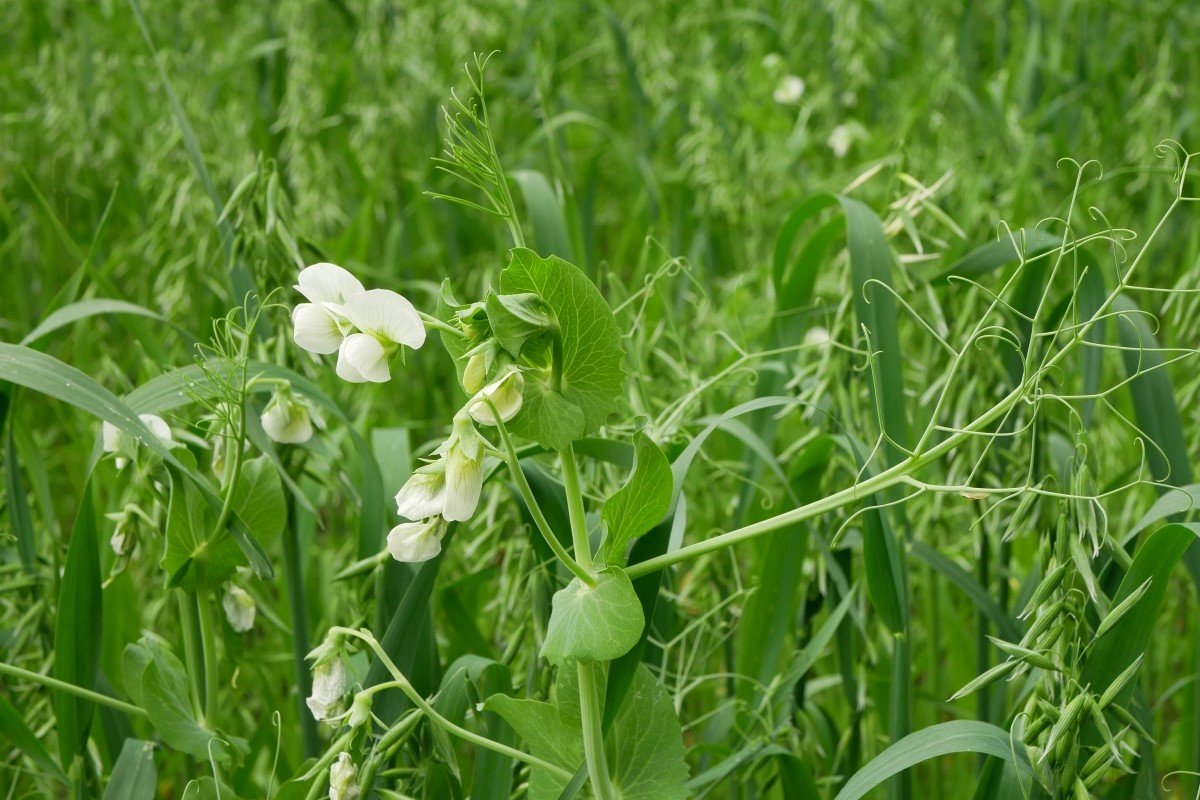
Managing a cover crop in the off-season can be difficult in some climates and for beginning or busy gardeners. Johnny’s Peas and Oats Mix helps simplify cover crop management. Made of 70 percent peas and 30 percent oats, the crop can grow in spring or fall. The tender pea shoots, tendrils, and flowers can also be harvested for salads while the plants are young.
The oats in this mix help prevent soil erosion and suppress weeds and even provide natural trellises for the peas. The peas fix nitrogen and generate biomass. Even though the plants will die back in winter, the remaining plant residue will protect the soil and enough should remain to mix or till into soil in spring, so the cover crop needs very little winter care.
Best for: Easily managed organic mix suppresses weeds and fixes nitrogen in soil with little need for care.
When to plant: Sow in late summer to early fall for winter cover, and in early spring for a spring and summer cover crop.
How to Plant Cover Crops
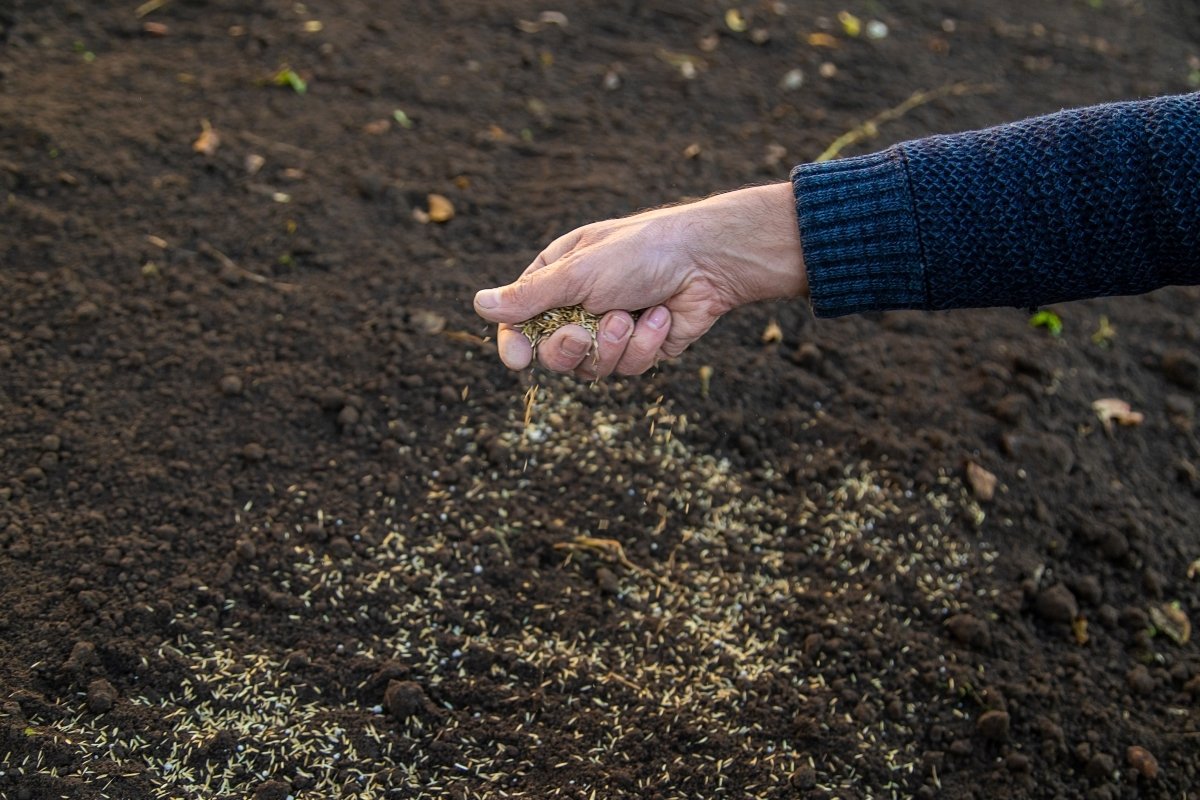
Most cover crops grow with easy preparation, but always check your crop’s label for specific growing times, seed depth, and other factors.
- Decide on a cover crop or mix and purchase the seeds.
- Remove the spent plants from your garden at the end of the growing season, about 3 to 4 weeks before the risk of hard frost for a winter cover. Loosen the soil with a garden fork and rake it smooth.
- Sow cover crops with small seeds by broadcasting, or scattering, the seeds throughout the garden bed when seeds need little depth per packet instructions. Rake the seeds gently into the soil and tamp them down.
- Other seeds like peas need an inch or so of soil above them, and you will have to bury them or create holes; alternatively, you can cover the seeds by spreading an inch of soil or loose compost with a rake after broadcasting or with a rotary cultivator.
- Water regularly until the plants are established.
- Monitor your cover crops for growth and flowering. If you plant cover crops early or if your growing season is extended, you might need to cut down the plants to keep them from going to seed.
- Stop the growth of overwintered cover crops about 3 to 4 weeks before the time to plant spring crops by mowing or cutting them down and turning them into the soil with shallow tilling or digging. If you have a small garden space, such as a raised bed or containers, simply use a shovel or garden spade to turn the cover plants into the soil.
- If you prefer a no-till or no-dig method, cut down any above-ground growth and allow the cuttings to dry in place for 4 weeks. Then sow spring crop seeds directly through the biomass.