We may earn revenue from the products available on this page and participate in affiliate programs. Learn More ›
Few things in nature are as striking as brilliant red and gold foliage in autumn. But even the most beautiful deciduous leaves eventually fall, and when too many of them accumulate in your yard, those untidy piles can smother the lawn, impede the growth of cool-season grasses, and attract pests.
While cleaning up fallen leaves sometimes feels like a chore, it doesn’t have to. Leaves can be valuable assets for both the environment and the yard.
In fact, many experts advocate leaving the leaves where they fall. David Mizejewski, a naturalist with the National Wildlife Federation, wants homeowners to keep fallen leaves on their property. “[Leaves] are an important habitat for all sorts of wildlife from songbirds to butterflies and moths; even some of our native bees rely on that natural layer of leaves that fall as habitat,” Mizejewski says. “If you throw them all away in the landfill, not only does that completely eliminate the habitat for these wildlife, it’s also throwing away a valuable resource.”
Whether you want to learn better ways to get rid of the leaves in your yard or learn how leaving them on your property can benefit wildlife, these tips will help you turn over a new…leaf.
1. Wait for leaves to finish falling.
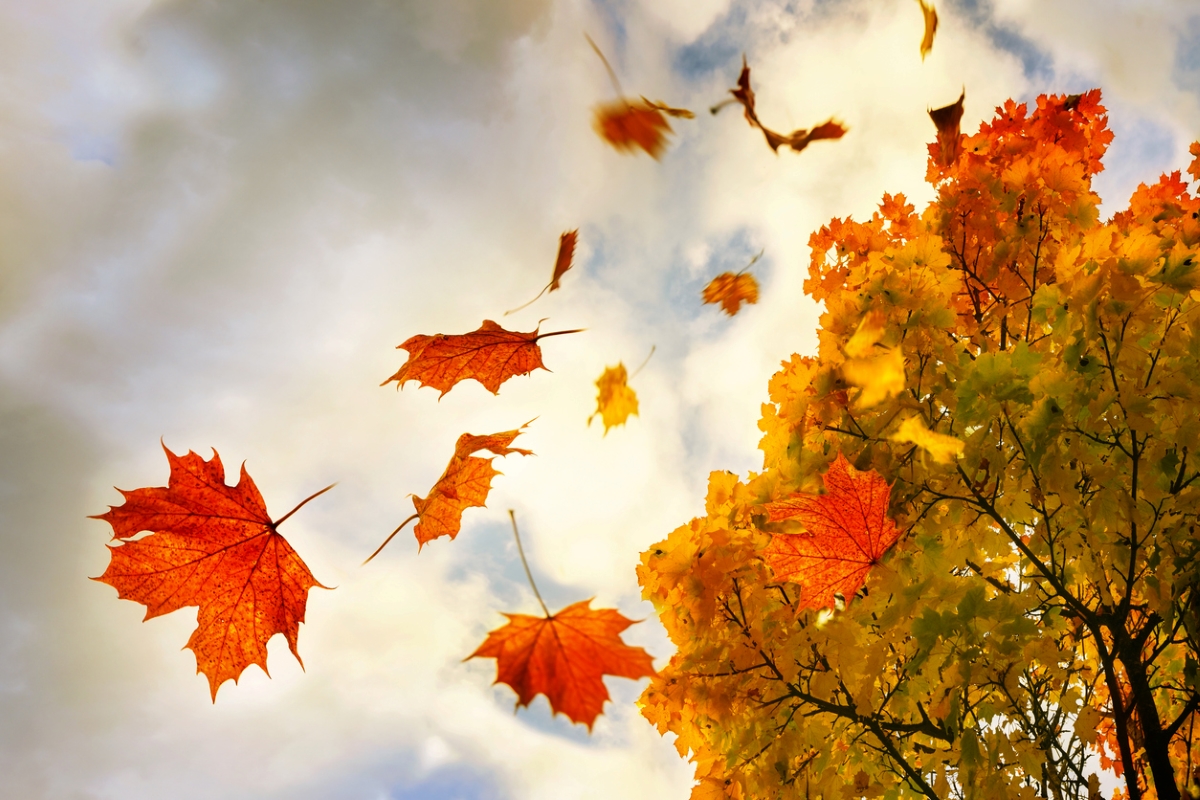
You can’t rush Mother Nature. It’s pointless to start raking when the trees are still full of leaves. Save valuable time by waiting until the trees are practically bare before tackling the job. It can take a few days or even a few weeks before all the leaves have fallen, but by waiting, you’ll only have to rake once.
2. Keep comfort top of mind.
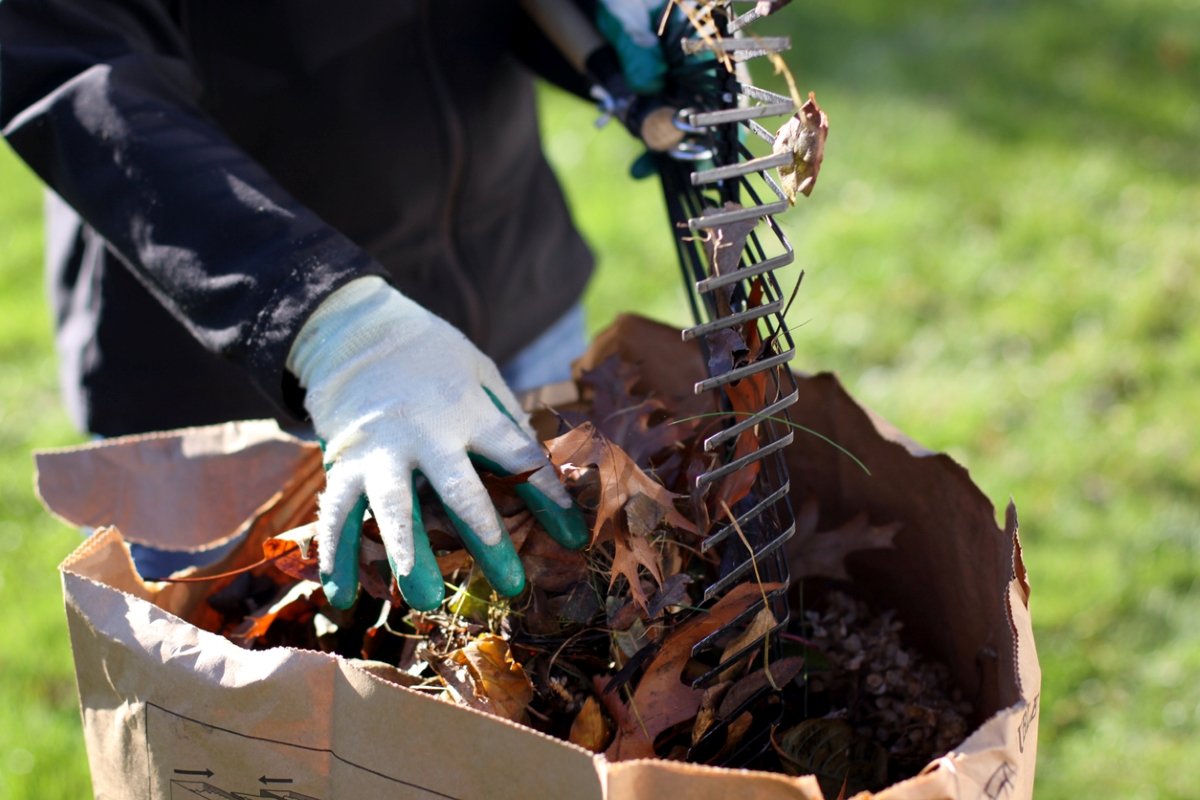
Raking is dusty business. You’ll be more comfortable if you don a hat, a long-sleeved shirt, and long pants before getting started. It’s also wise to wear a good pair of work gloves, like OZERO Flex Grip leather work gloves, to keep blisters from forming on your hands (and keep them warm on chilly fall days). Standing up straight while raking and frequently switch the leading hand on the rake can help prevent arm and shoulder fatigue.
3. Use the right rake.
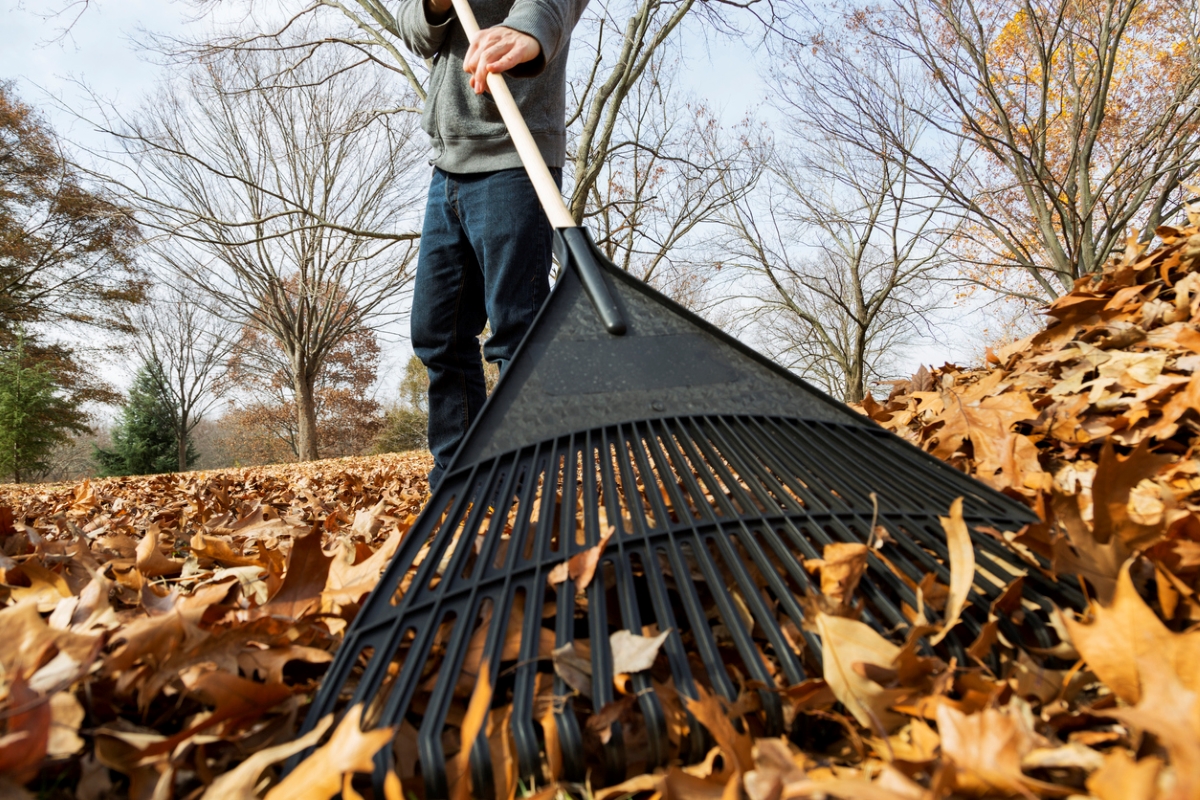
You can buy leaf rakes in various lengths and tine widths, and the best rake for one person might not be the best for another. Rakes with narrow tine spreads gather fewer leaves and add unnecessary time to the chore, so it’s best to choose tools with wider tine spreads of 30 inches or so.
Look for rakes that are labeled “no-clog,” which have angled tines that won’t pierce the leaves and create blockages. One good example is the True Temper Clog Free Rake.
Best Overall Rake
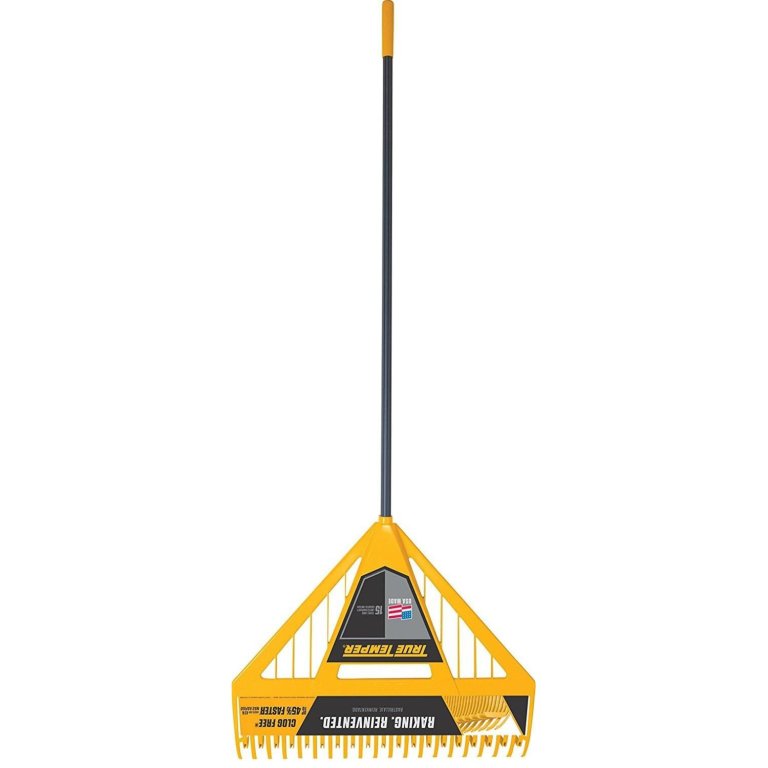
True Temper 26-Inch Dual-Tine Poly Leaf Rake
True Temper’s dual-tine rake has alternating straight and curved tines, which effectively collect leaves and debris without clogging. Read the review.
See It4. Rake with the wind.

Take advantage of breezy autumn weather by raking in the same direction that a gentle breeze is blowing. The gusts will help move the dry leaves along. If you make the mistake of raking against the wind, every stroke of the rake will lift some leaves, which can then be blown backward.
The exception to this rule is when the wind is brisk. When that’s the case, don’t rake at all. By the time you finish raking, leaves from the neighbor’s yard will likely have replaced those you raked up from yours. What’s the point?
5. Work in quadrants.
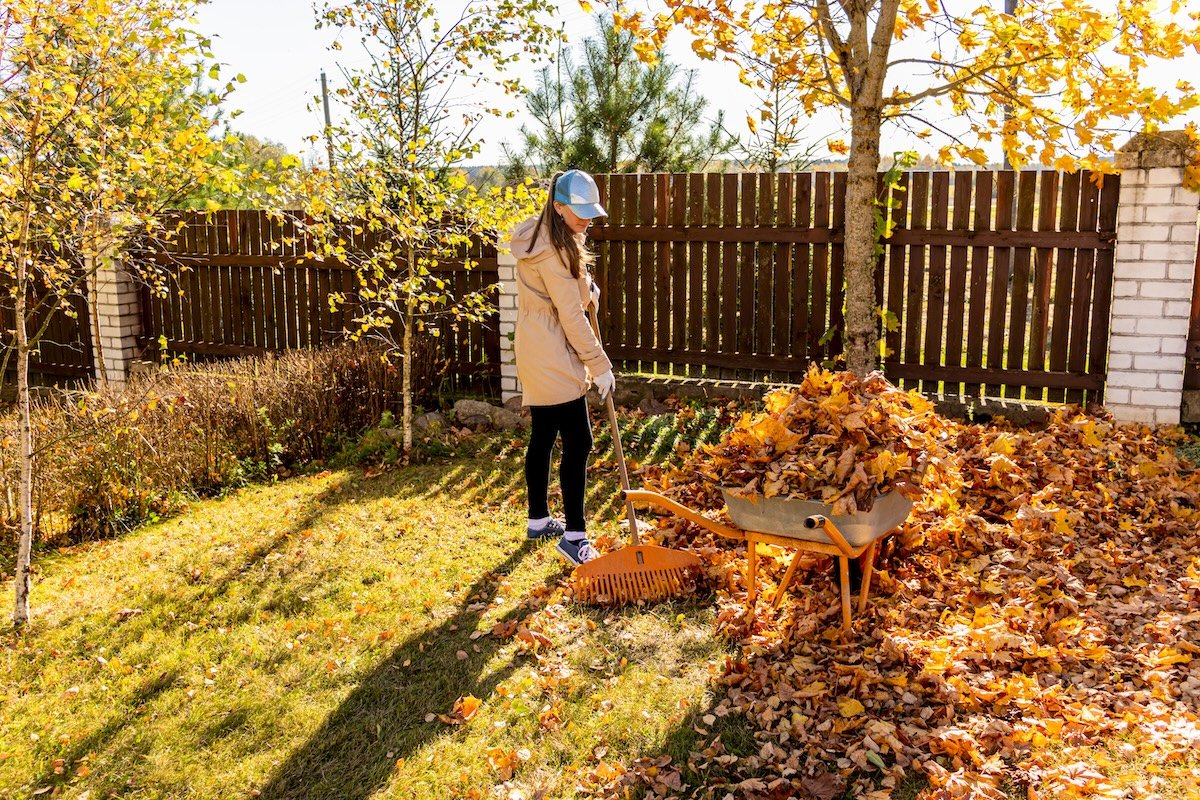
Raking all the leaves into the center of the lawn will mean constantly running back and forth, wasting a lot of time and energy. Instead, separate the lawn into quadrants, then rake all the leaves in each quadrant into rows, working from one end to the other. Raking the leaves in a grid pattern will save time and result in a cleaner lawn.
6. Tote leaves on tarps.
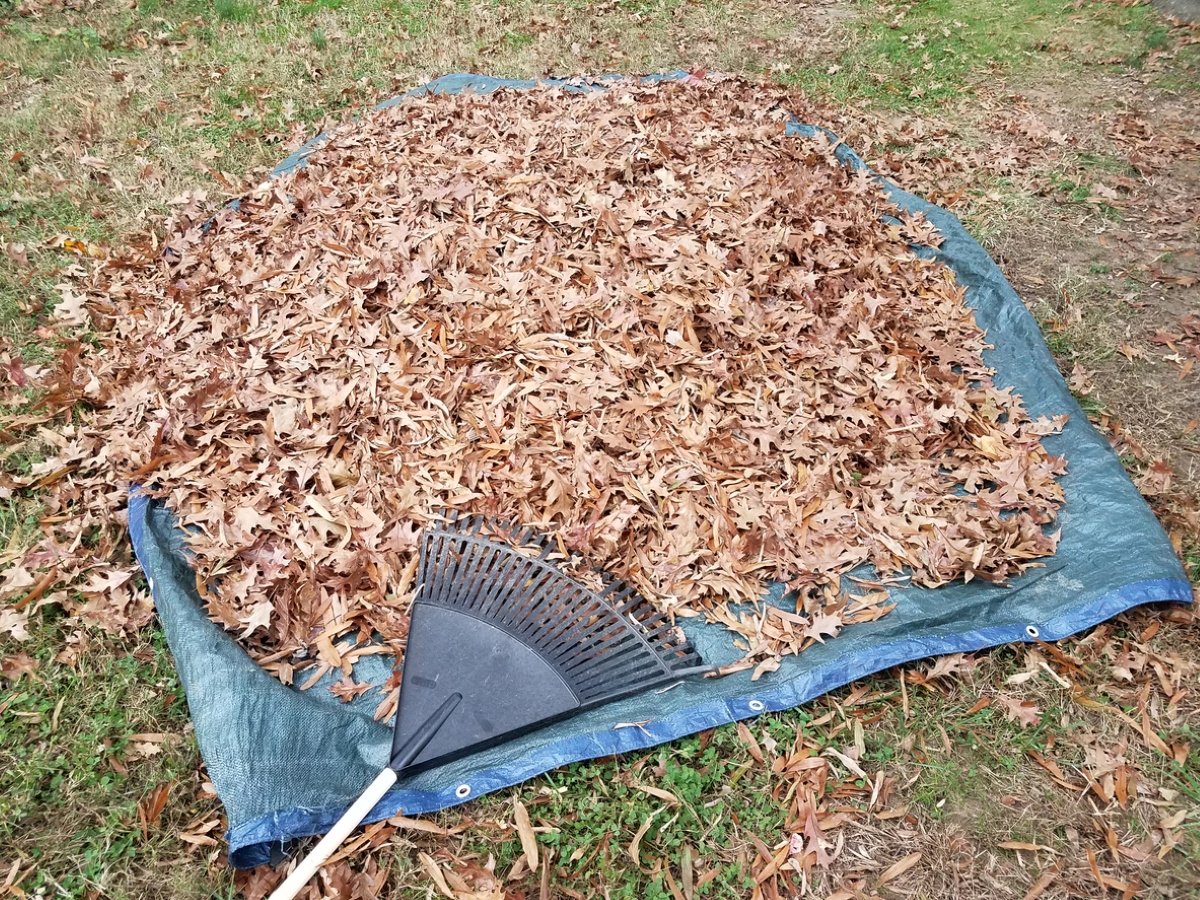
Photo: istockphoto.com
Raking leaves into piles and then getting those piles into yard waste bags is a time-consuming task. Raking leaves onto a large tarp can save you a ton of time. When you’re done raking, tie the ends of the tarp together and transport the entire “bag” to a community collection center. Alternatively, roll the tarp into a cylinder and use it as a funnel to fill individual lawn bags, or dump it into your compost bin.
A high-quality, lightweight tarp can be reused many times and will last for years. Some tarps, such as the Rocky Mountain Goods drawstring tarp, are specially designed to collect raked leaves. With its drawstring corners, it folds up into a handy bag to tote leaves away.
7. Bag smaller piles.
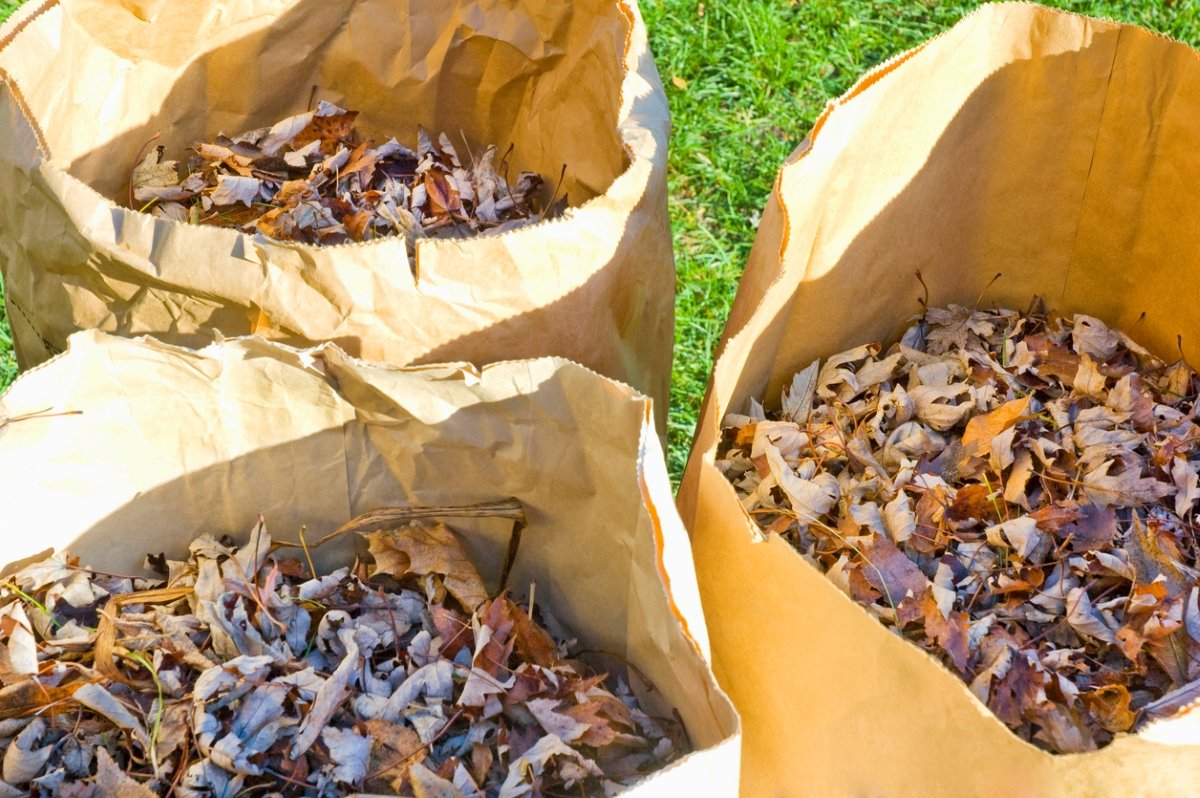
Photo: istockphoto.com
Unless you plan to rake the leaves into a large pile for the kids to jump in, it’s a good idea to bag them straight away. Otherwise, the brisk autumn breeze can undo all your hard work, and require another raking session through the same zones.
If you collect the leaves in biodegradable lawn and leaf bags, they can be tossed into a community’s leaf collection station. Some communities require dumping leaves out of plastic bags to keep the plastic, which doesn’t biodegrade readily, out of the leaf piles.
8. Invest in a leaf vacuum.
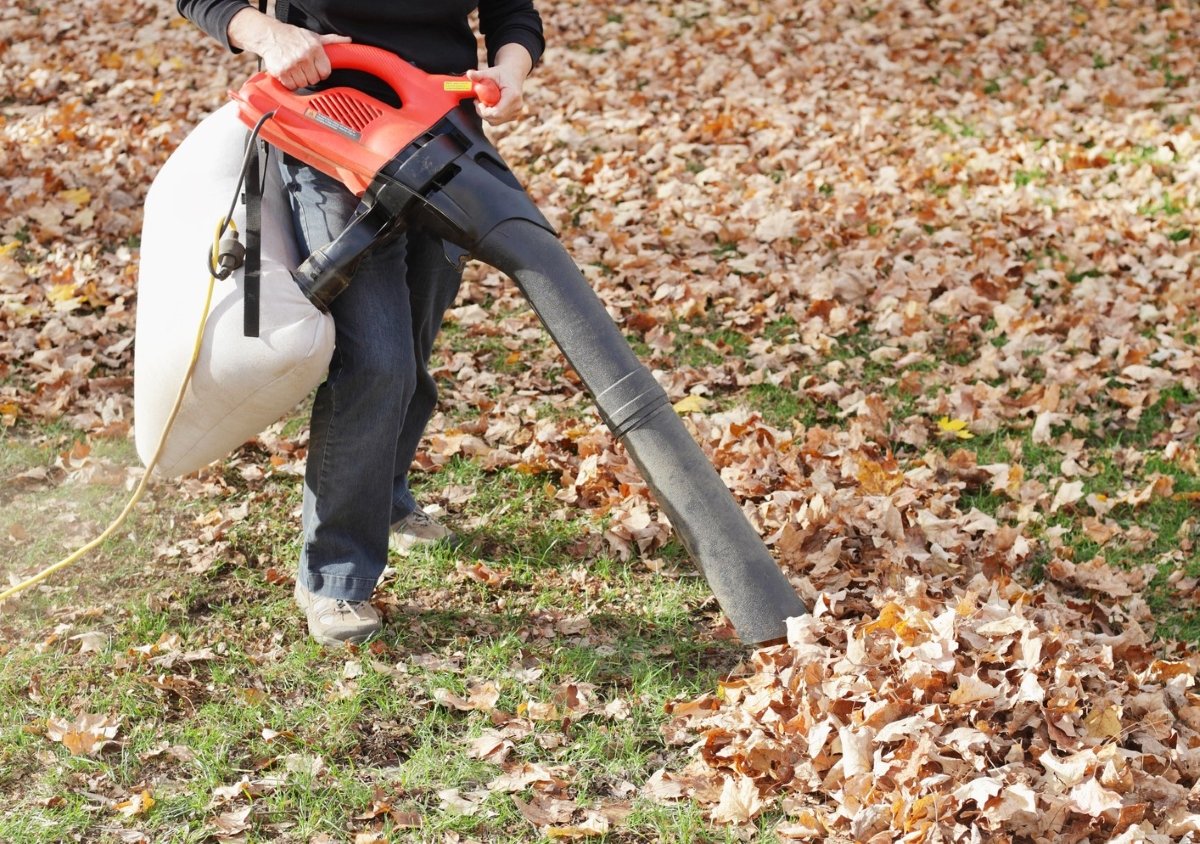
Photo: istockphoto.com
To streamline the leaf-removal process, get a leaf vacuum with a built-in shredder. The vacuum sucks up the leaves. The shredder minces them into small bits so you can either collect more leaves in fewer bags, or mulch the leaves into smaller pieces to enrich the soil and lawn.
Yard vacuums also make it easier to pick up leaves under shrubs, between bushes, and in other places where raking can be tricky. A cordless leaf vacuum, such as the Greenworks 40V Vacuum, makes this task a snap. It’s battery-operated, so you aren’t limited by the length of an extension cord or relying on gas to power the tool.
9. Mow and mulch at the same time.
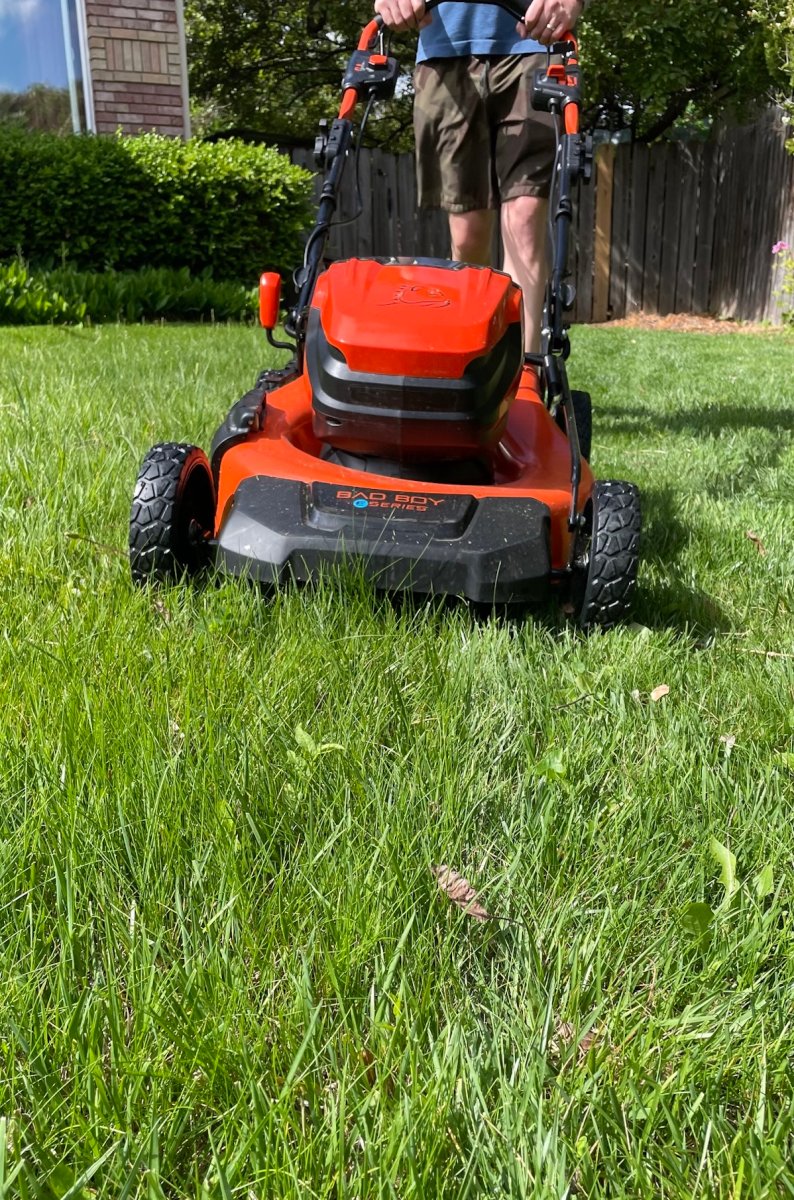
With a mulching lawn mower, you can get rid of small amounts of fallen leaves while simultaneously adding organic mulch to the lawn. Just run the leaves over with a lawn mower, ideally one with a mulching setting. The blades will chop the dry leaves into small flakes, which will decompose quickly and add nutrients to the lawn.
Homeowners looking for organic matter to add to a compost pile can attach a grass-clipping bag to the mower and collect the shredded dry leaves. Whole leaves can also go into a compost pile, but shredded leaves biodegrade more quickly.
Best Mulching Lawn Mower
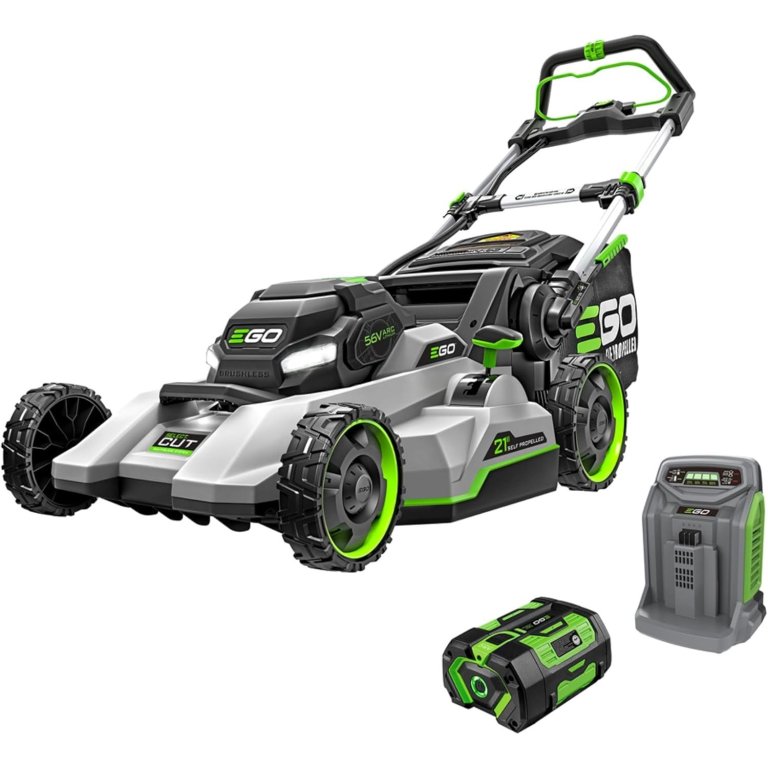
Ego Power+ 21” Select Cut Self-Propelled Mower
Ego Power+ Select Cut offers excellent cutting capability, plus an upgraded self-propel system and a specialized multi-blade deck. Read the review.
See It at Amazon See It at Lowe'sRELATED: The Best Leaf Mulchers of 2025 to Make Yard Care a Cinch, Tested
10. Use a leaf blower, with some caveats.
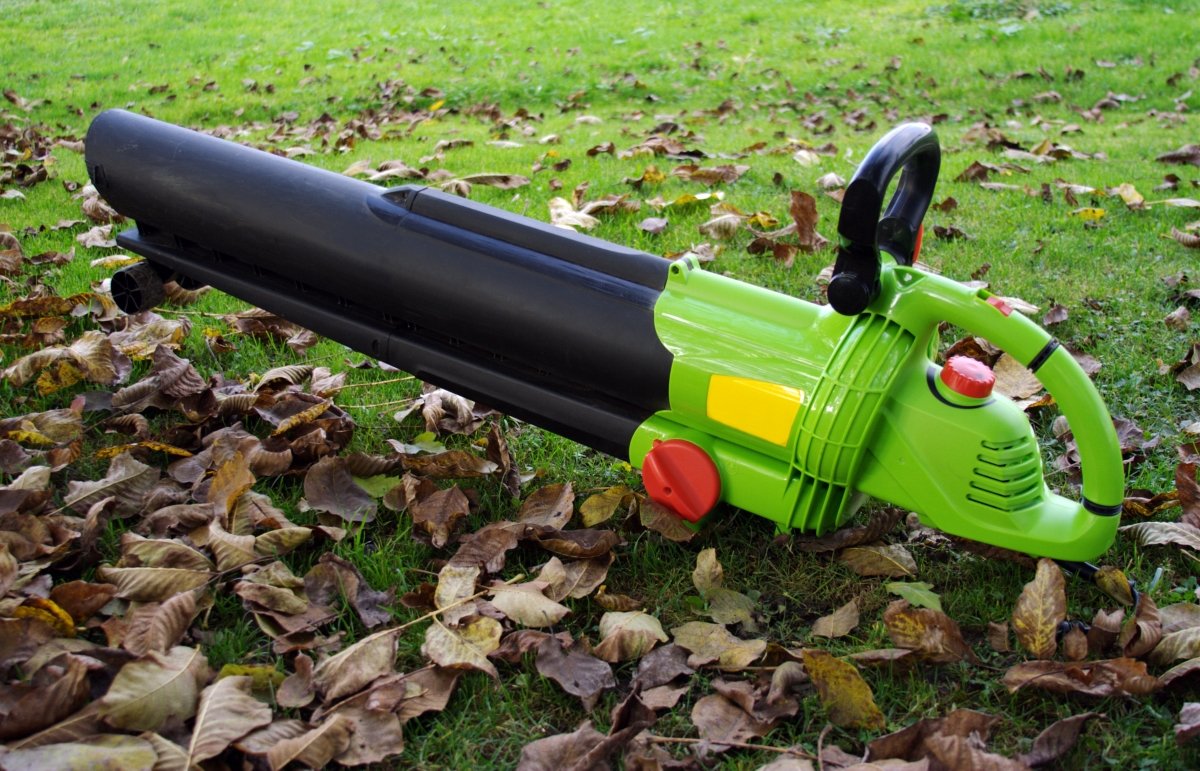
Photo: istockphoto.com
Leaf blowers can significantly reduce cleanup time after raking, but only if they’re used correctly. Start by sectioning out the yard and establishing a grid pattern, then work the leaf blower back and forth in rows. Remember that practice makes perfect with leaf blowers. At first, many people have a tendency to stand too close to the leaves, which can blow them wildly in all directions.
Those who are serious about moving a lot of leaves should consider a backpack-type blower, such as the Husqvarna Backpack Blower, that allows the user to carry the motor on the back rather than lugging it around by hand, leaving both hands free.
It’s important to note, however, that a lot of lawn and yard equipment, particularly gasoline-powered tools, can add to pollution. “Those lawn mowers, weedwackers, and blowers that are powered by gasoline are putting out awful amounts of carbon dioxide and other air pollutants,” Mizejewski says. “Our advice at the National Wildlife Federation is that if you do have to use them, you want to at least go with electric models,” he adds. He notes that electric models produce significantly less air and noise pollution.
11. Rake before it rains.
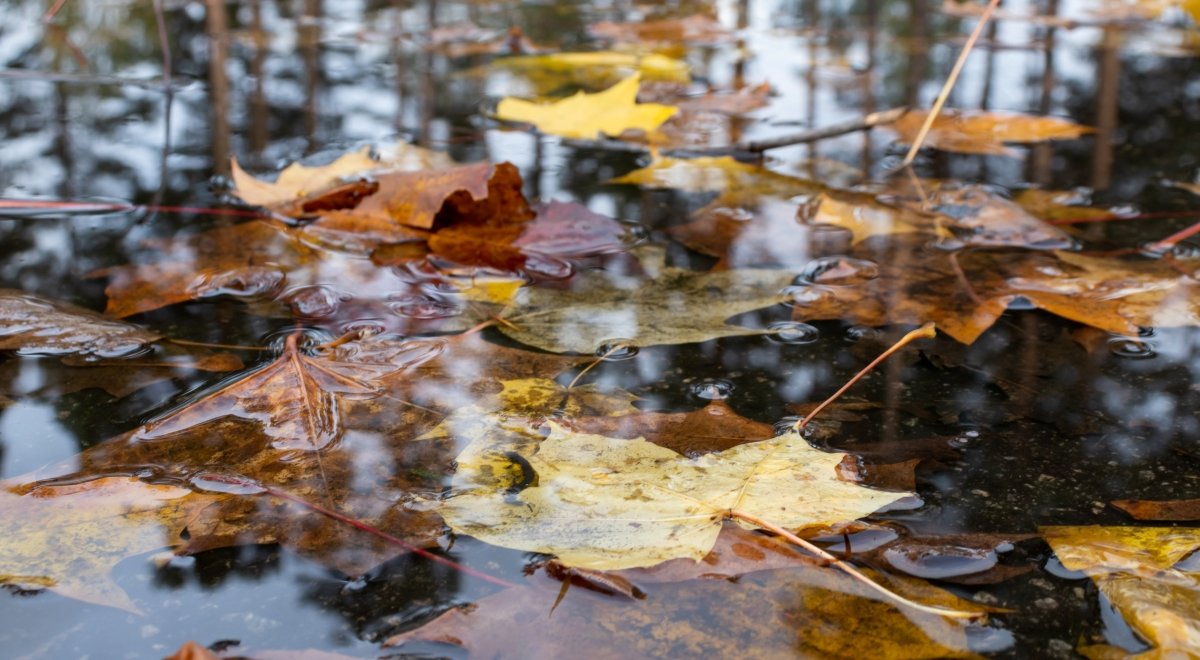
After a rainstorm, fallen leaves become soggy and dense, clumping together and clogging rakes, vacuums, and leaf blowers. If the forecast predicts wet weather and raking is on the to-do list, get moving and clean up the lawn ASAP.
If time allows, it’s also a good idea to clean leaves out of house gutters before it rains. When they’re dry, they’re so much easier to rinse away using an extendable rod that attaches to a pressure washer, such as the Orbit telescoping gutter cleaning wand.
12. Sweep with gentle motions.
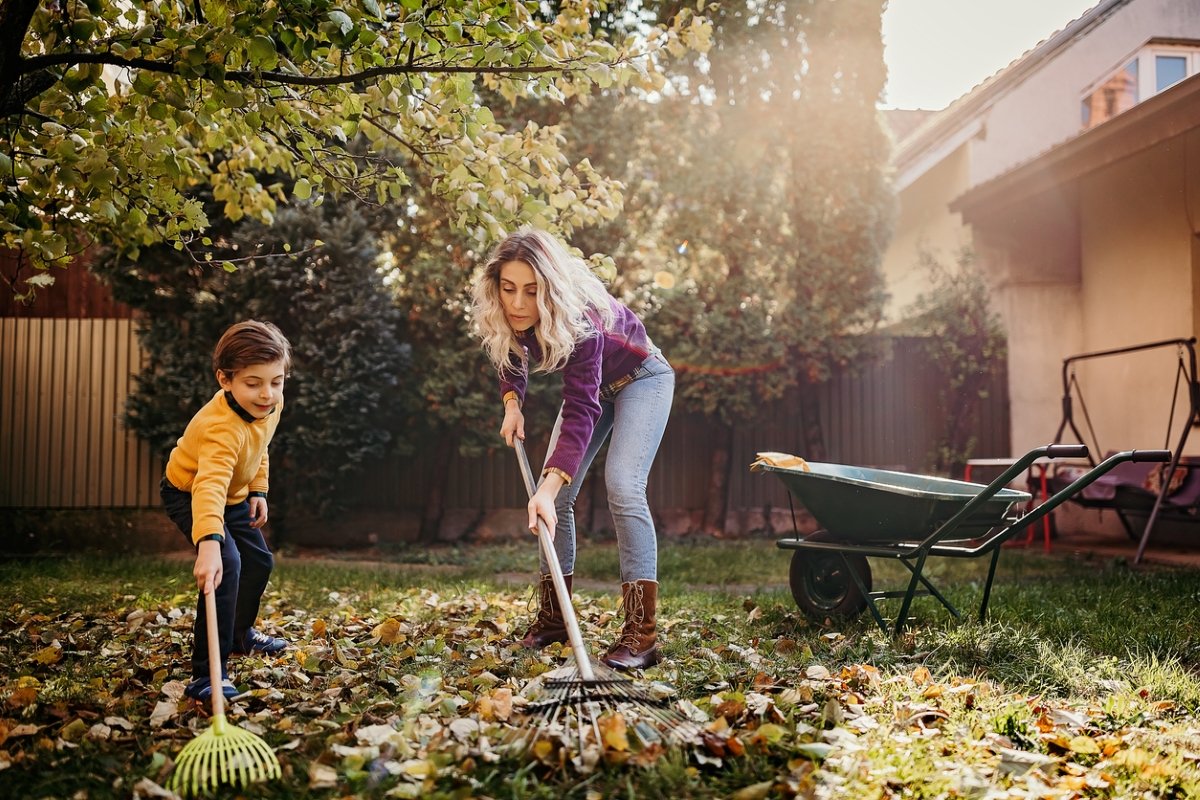
Unlike the raking done to prepare a garden bed for planting, leaf raking requires a gentle hand. The flexible tines on a leaf rake should not dig into the lawn or remove thatch. Leaf-raking is all about surface raking. Putting downward pressure on the rake head will just make the job more difficult.
Lift the rake head up and out, and let it fall softly on the surface of the leaves. Then, just pull it toward you. The bent shape of the tines is sufficient for grabbing and pulling the leaves. Using an efficient leaf-raking method will get the job done quickly and effortlessly.
13. Use leaf scoops.
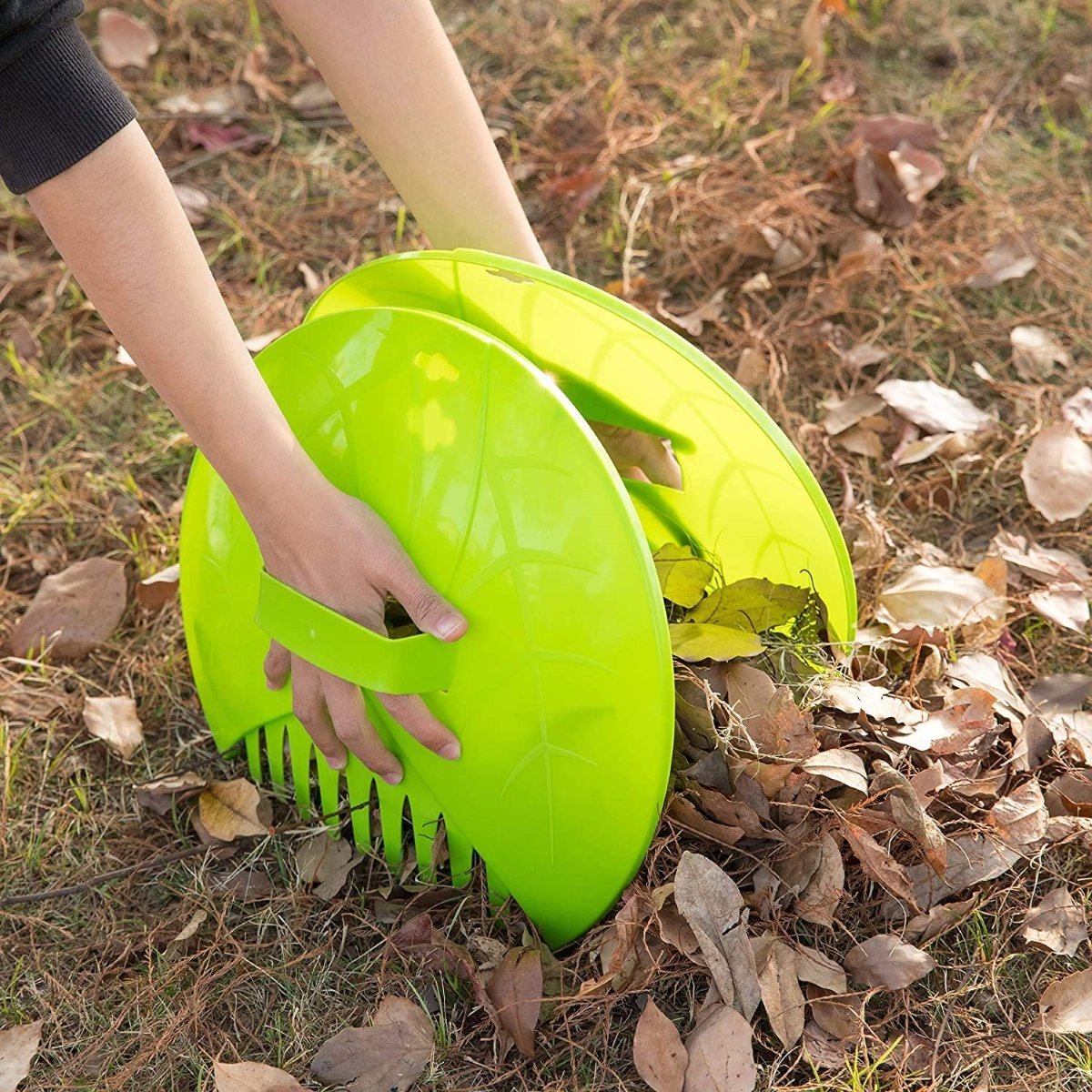
Once the leaves are all in a pile, picking them up and filling bags or boxes is often more work—and more stress on the back—than it has to be. A much simpler way to lift and load the dry leaves is with leaf scoops that look like a giant claw for each hand. When worn on both hands, the scoops make it easy to lift large amounts of leaves at a time.
Leaf scoops such as these leaf scoops from Garden HOME, will help when gathering piles of leaves and bagging or moving them in quick order.
14. Try shoveling the leaves.
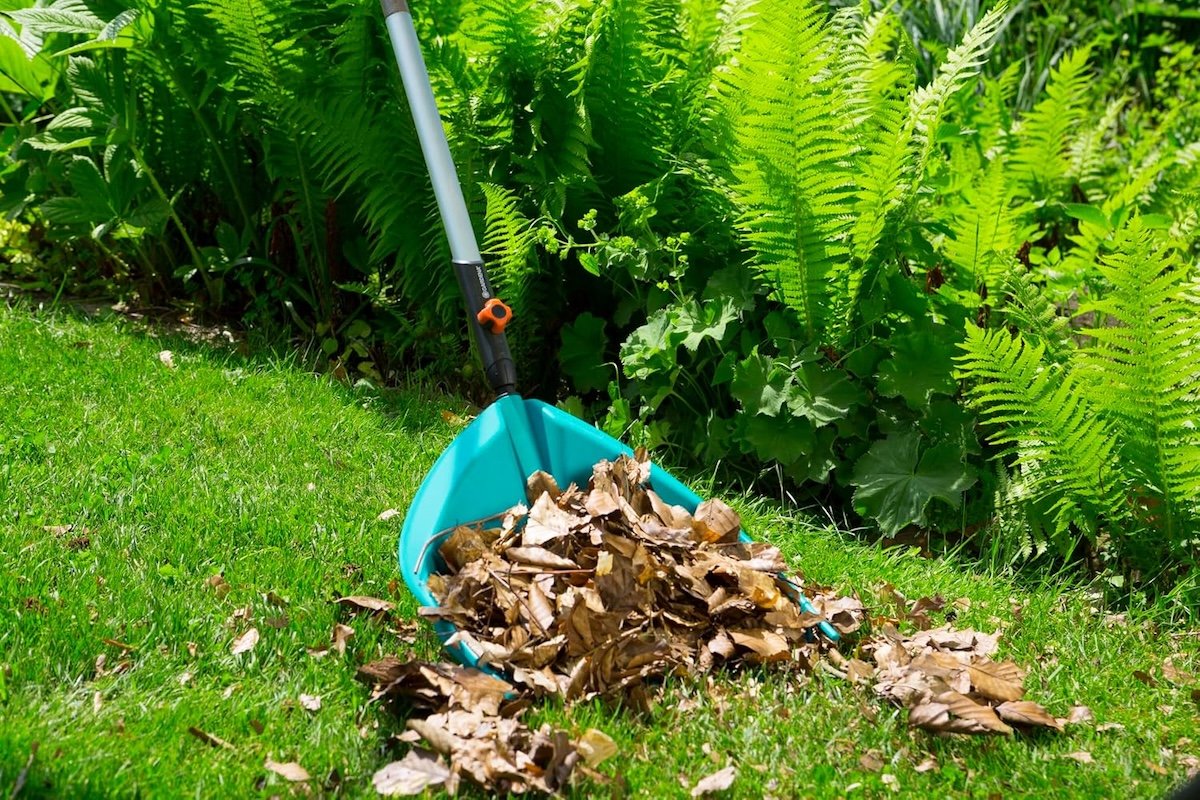
Most would never think of using a shovel to gather dry leaves from the lawn, but that may be because they’re not familiar with rake shovels. A rake shovel is different from other types of rakes. It looks a little like a snow shovel, and it’s designed to push along the surface of a lawn. Unlike a standard snow shovel blade, it has tines that glide across the lawn, picking up leaves and small twigs.
A rake shovel, such as the Gardena shovel rake, offers another way of cleaning up leaves. These tools can help reduce arm and back fatigue and are best suited for homeowners with small yards.
15. Stomp before you take a break from raking.
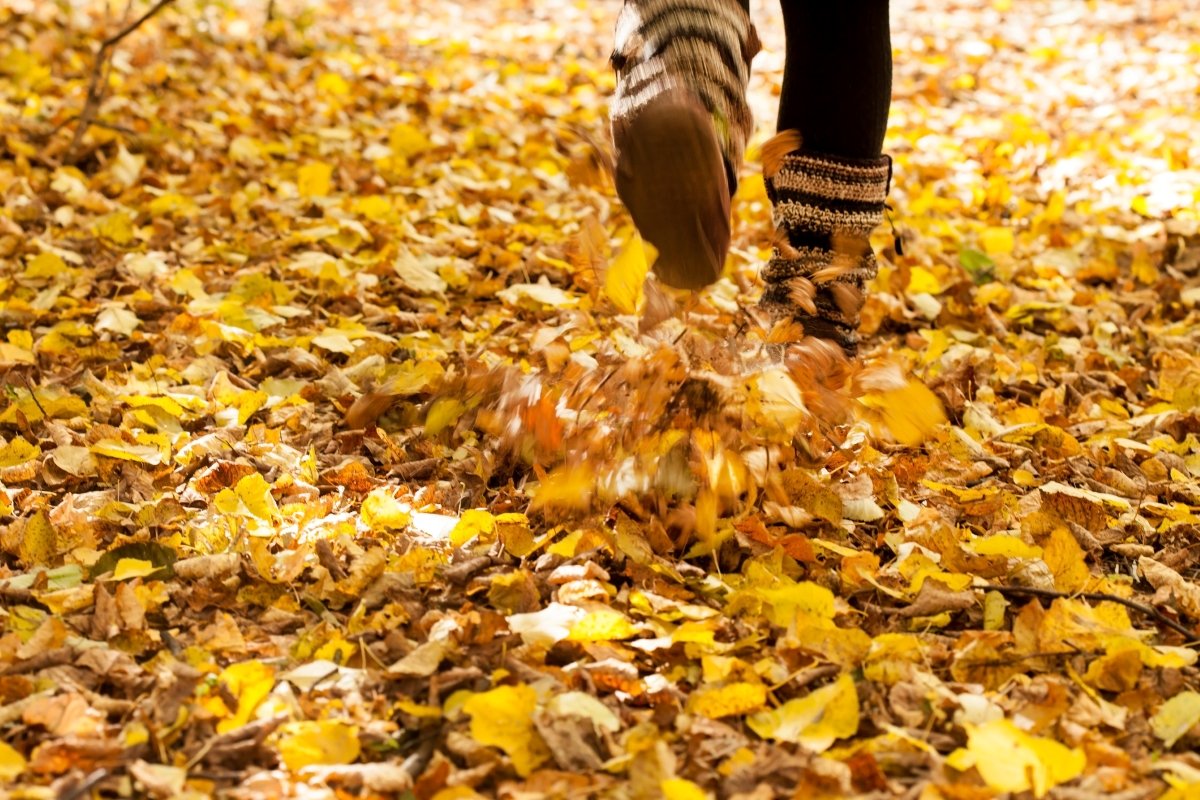
Life happens, and sometimes you’ll have to take a break from raking even if you’re not done whether to answer a phone call, pick up the kids from soccer practice, or feed the dog.
If you’ve already raked those lightweight leaves into a pile, they might blow across the lawn by the time you get back. However, there’s a little leaf-raking tip that can help: Stomp on the pile. Stomping on the leaves compacts them and helps keep most from blowing away before raking recommences.
16. …Or don’t rake at all.
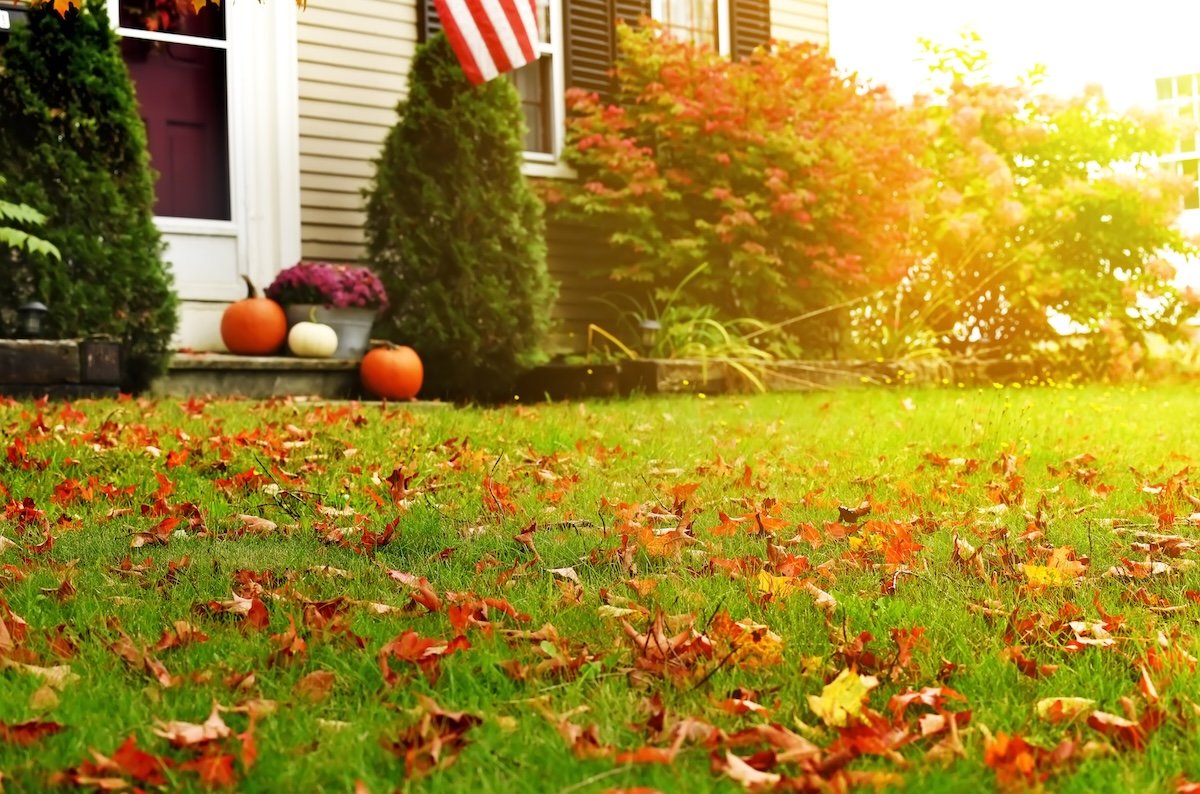
“My best advice would be to just not rake,” Mizejewski said. “Let the leaves lie where they fall. The most natural and the most beneficial thing to do is to just let your yard be totally natural.” This supports insects and small wildlife, especially in areas without lawn turf.
Leaving some leaves unraked in the yard has been shown to be quite beneficial for both property owners and the environment. According to the U.S. Department of Agriculture, leaves create a natural mulch that helps retain soil moisture, which reduces some of the need to water the lawn and promotes healthy soil. This natural mulch also can suppress weed growth, saving time and effort on weeding.
“Let your lawn turn into a natural garden bed that you can fill with beautiful wildflowers and native trees and shrubs. Use that natural leaf layer as a mulch,” Mizejewski says.