We may earn revenue from the products available on this page and participate in affiliate programs. Learn More ›
There aren’t many products I test by deliberately making myself uncomfortable, but that’s exactly what I did with the Thermacell LIV 2.0. I tested the professionally installed mosquito-repellent system for a month (and counting) around my new backyard pool area in Florida, where mosquitoes can turn an evening outside into a feeding frenzy. Since LIV 2.0 doesn’t produce a noticeable smell, mist, sound, or smoke when it’s working, I wanted to know whether it was actually protecting me or whether my backyard simply didn’t have many mosquitoes to begin with.
So I turned it off. At dusk, which seems to be prime mosquito time around the deck and patio, my family, friends, and I sat outside with the system completely deactivated. We got eaten alive. I repeated the experiment several times throughout the month, alternating between evenings with LIV 2.0 off and evenings with it running. Every time the system was off, mosquitoes found us. With it on, I never got a single bite. We even spent several evenings outside by the pool for hours at a time (4 p.m. until midnight) with LIV running and had the same result.
That’s enough for me to call LIV 2.0 the most effective mosquito-protection system I’ve tested. Unfortunately, it is also by far one of the most expensive.
Key Takeaways
- Proven effectiveness. The Thermacell LIV 2.0 kept a Florida backyard mosquito-free during testing, even in prime mosquito hours.
- High cost. The system costs around $2,500 before installation, with expensive refills adding to ongoing expenses.
- Easy operation. Simple setup with remote control via app, covering up to 1,570 square feet.
- Health benefits. Offers protection against mosquitoes that may carry diseases like dengue and Zika.
Bottom line: Thermacell LIV 2.0 is a costly but highly effective mosquito-repellent system, ideal for those who frequently enjoy outdoor spaces in mosquito-prone areas.
Thermacell LIV 2.0
Find a pro at ThermacellWhat We Like
- Exceptionally effective mosquito protection in our real-world testing
- Completely odorless, smokeless, and nearly unnoticeable while running
- Multiple mounting options; easily integrates into different outdoor spaces
- App monitoring and automatic shutoff help minimize expensive repellent use
What We Don’t Like
- Extremely expensive upfront and costly to refill
- Refill process has to go through a pro installer
- Caps on top of repellers detach too easily
- App feels basic; doesn’t match system’s premium price
Product Specs
- Coverage: About 314 square feet per repeller; up to 3,140 square feet with 10 repellers
- System capacity: Up to 10 repellers per hub
- Protection: Mosquitoes and no-see-ums/biting midges
- Control: Hub button, LIV+ 2 app, schedules, and timers
- Power: Plug-in hub connected to a standard GFCI outlet
- Refill life: Up to 180 hours per professional refill
- Automatic shutoff: 6 hours of continuous operation
Setup and Claims
My five-repeller LIV 2.0 system costs around $2,500 before professional installation, so there is no getting around the biggest downside: This thing costs an absolute fortune. Mine was installed by HomeTeam, whose installers were helpful and flexible about positioning everything around my newly completed backyard. Thermacell offers several mounting options, including ground stakes, flat hardscape bases, and wall-mount configurations. We used stakes for all five of mine, placing the repellers directly into the ground around my newly installed artificial turf.
Once installed, operation couldn’t be much easier. The wall-mounted hub plugs into an outlet, and its single button turns the system on and off. The LIV+ 2 app adds remote control, timers, monitoring, and the ability to change the LED ring colors on each repeller. After approximately 5 minutes of warming up, the units begin releasing a heat-activated repellent that I couldn’t see or smell at all. Thermacell says each repeller protects roughly 314 square feet, so my five-unit setup can theoretically cover around 1,570 square feet.
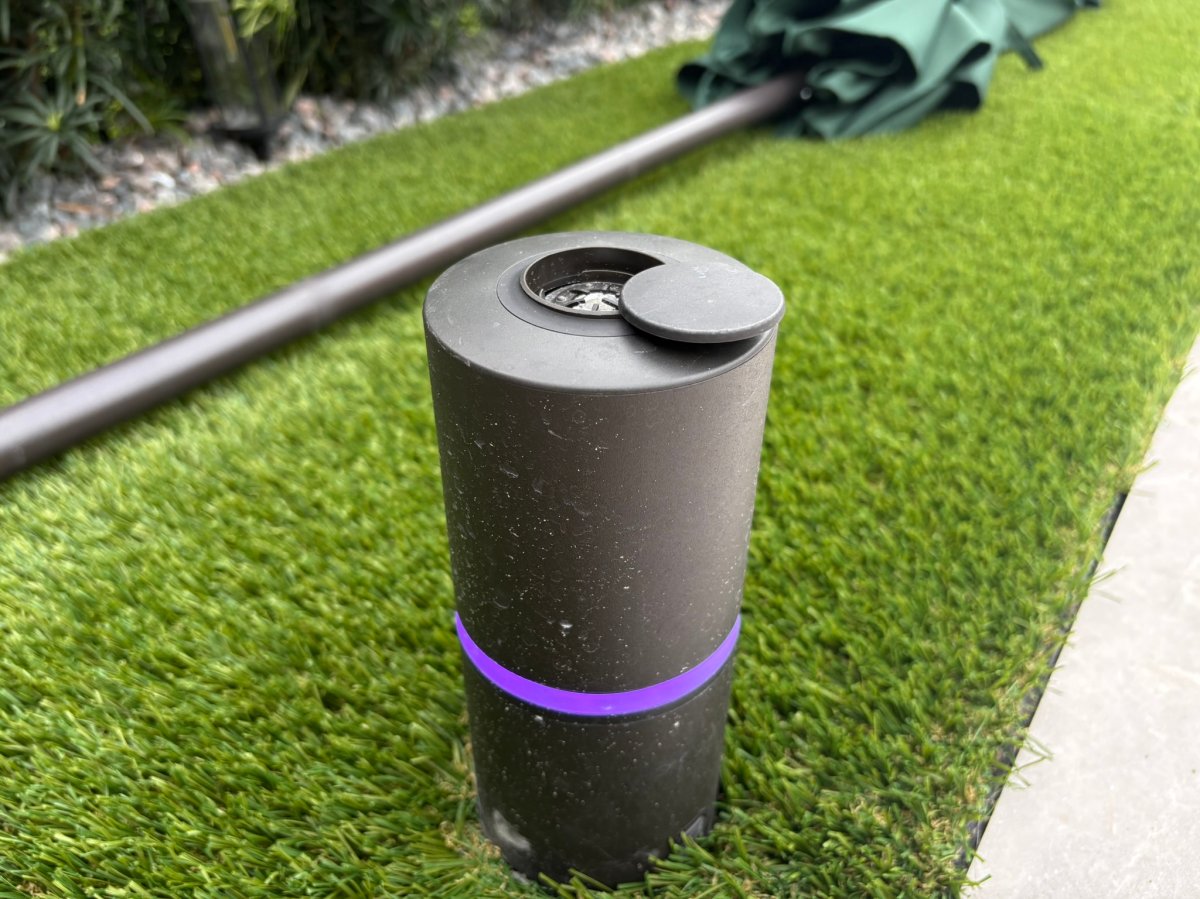
Photo: Paul Rankin for BobVila.com 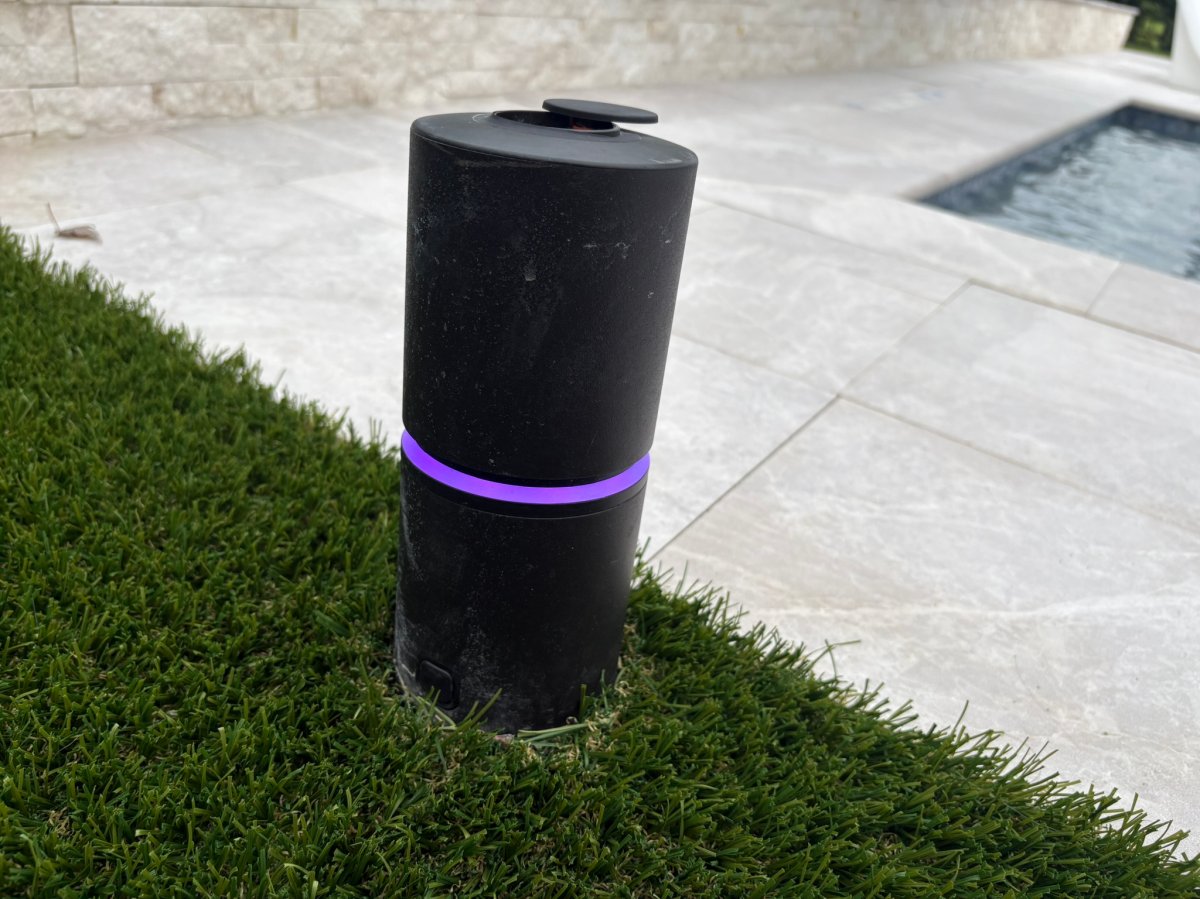
Photo: Paul Rankin for BobVila.com 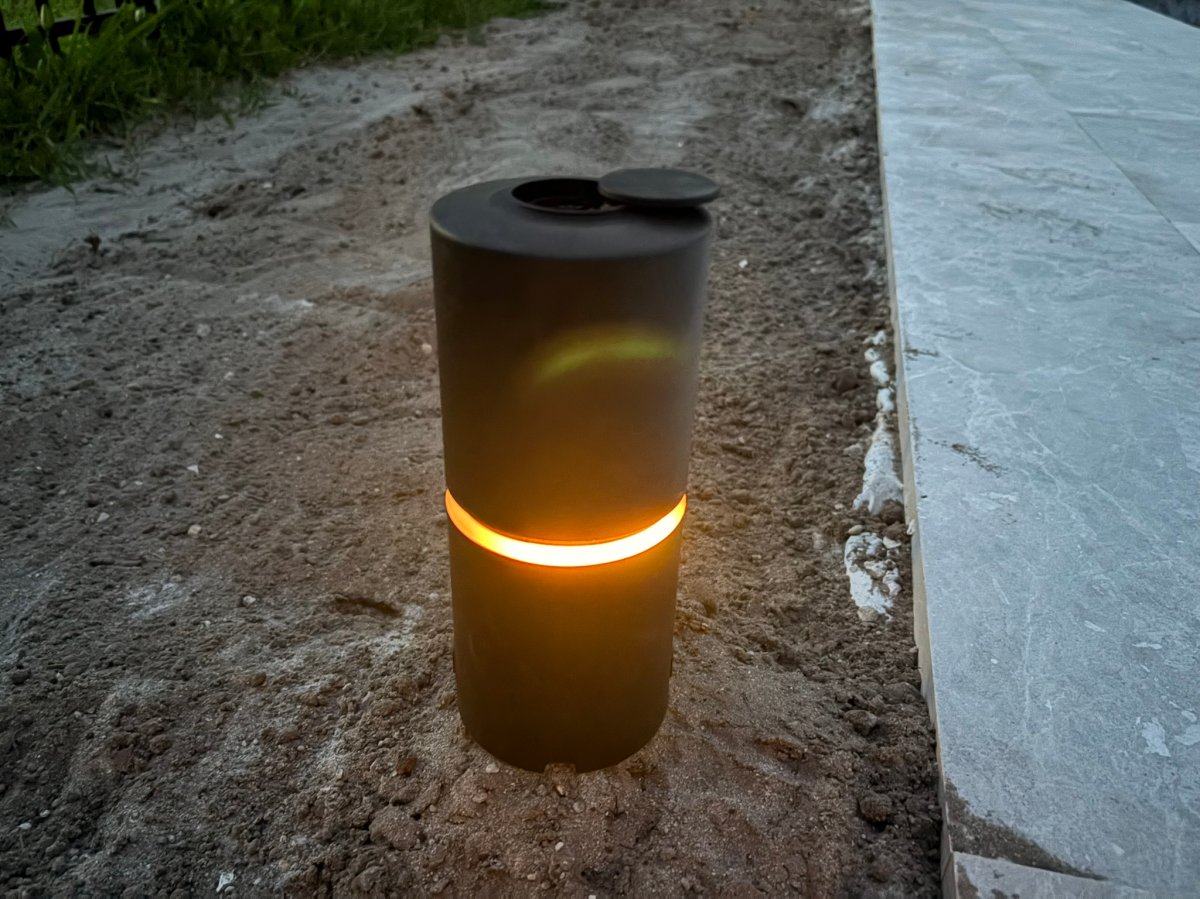
Photo: Paul Rankin for BobVila.com 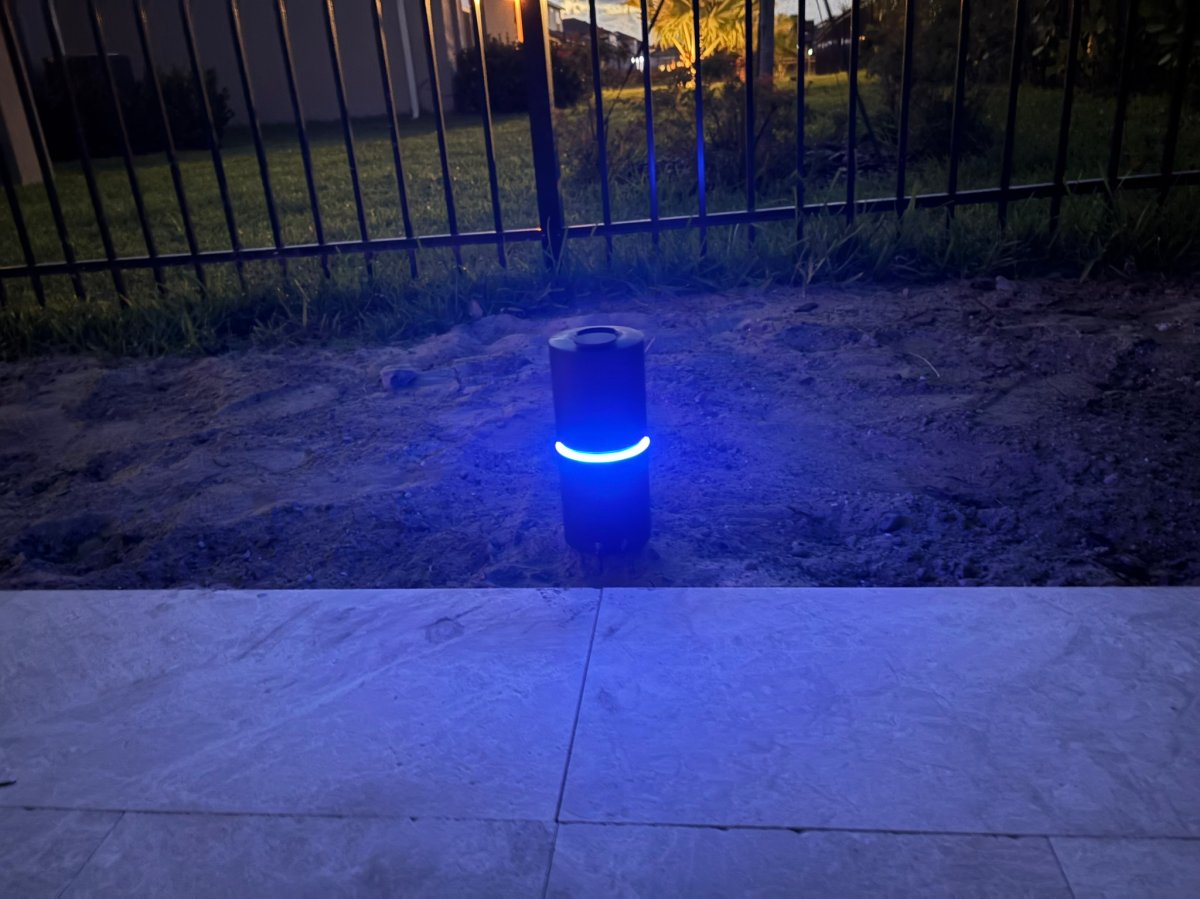
Photo: Paul Rankin for BobVila.com 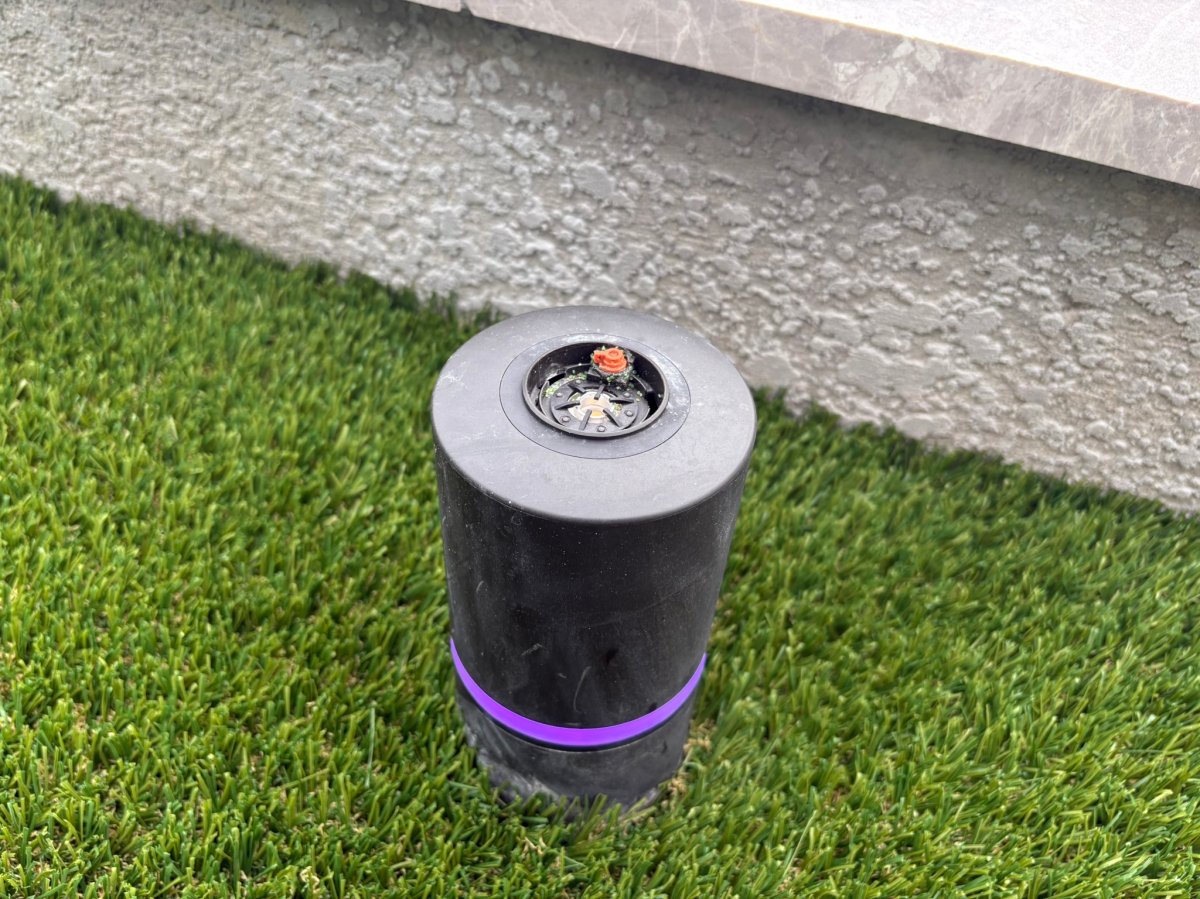
Photo: Paul Rankin for BobVila.com 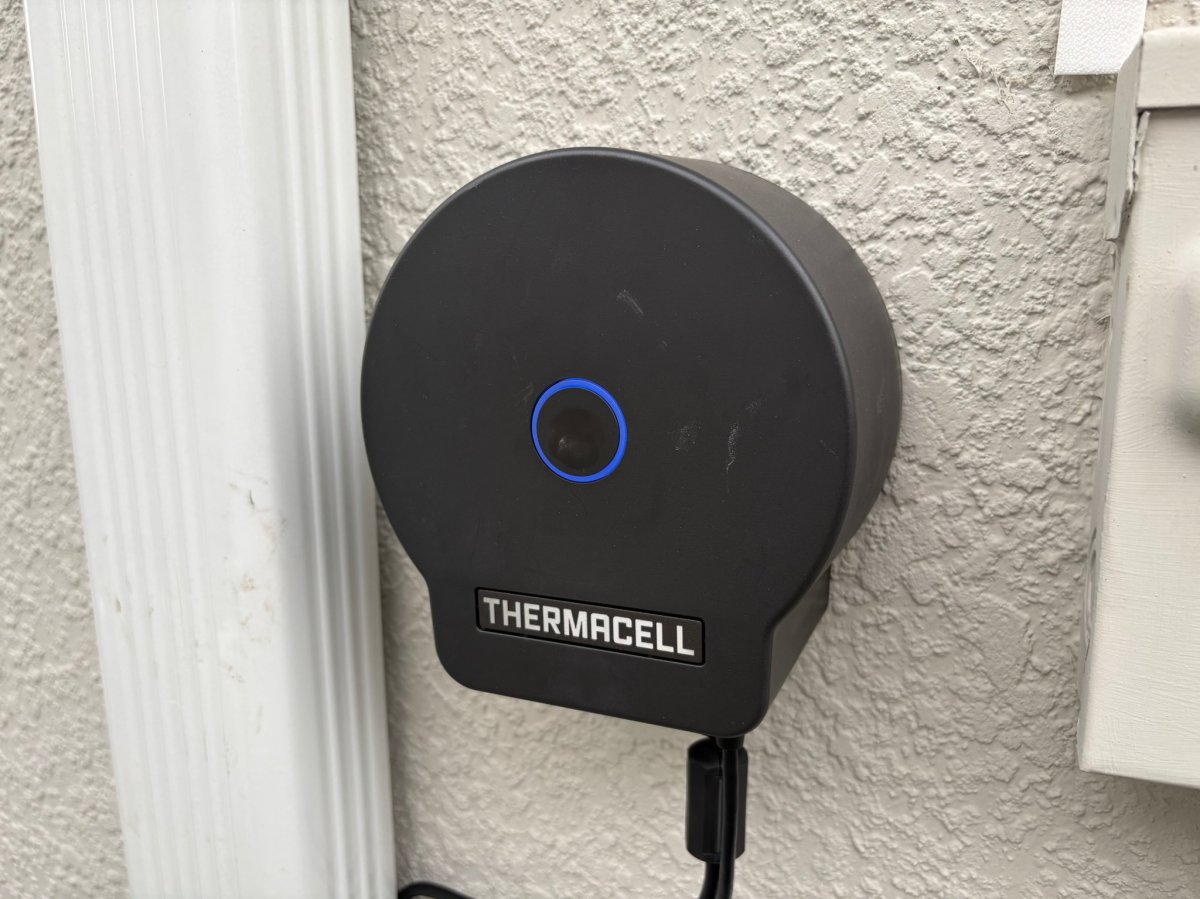
Photo: Paul Rankin for BobVila.com 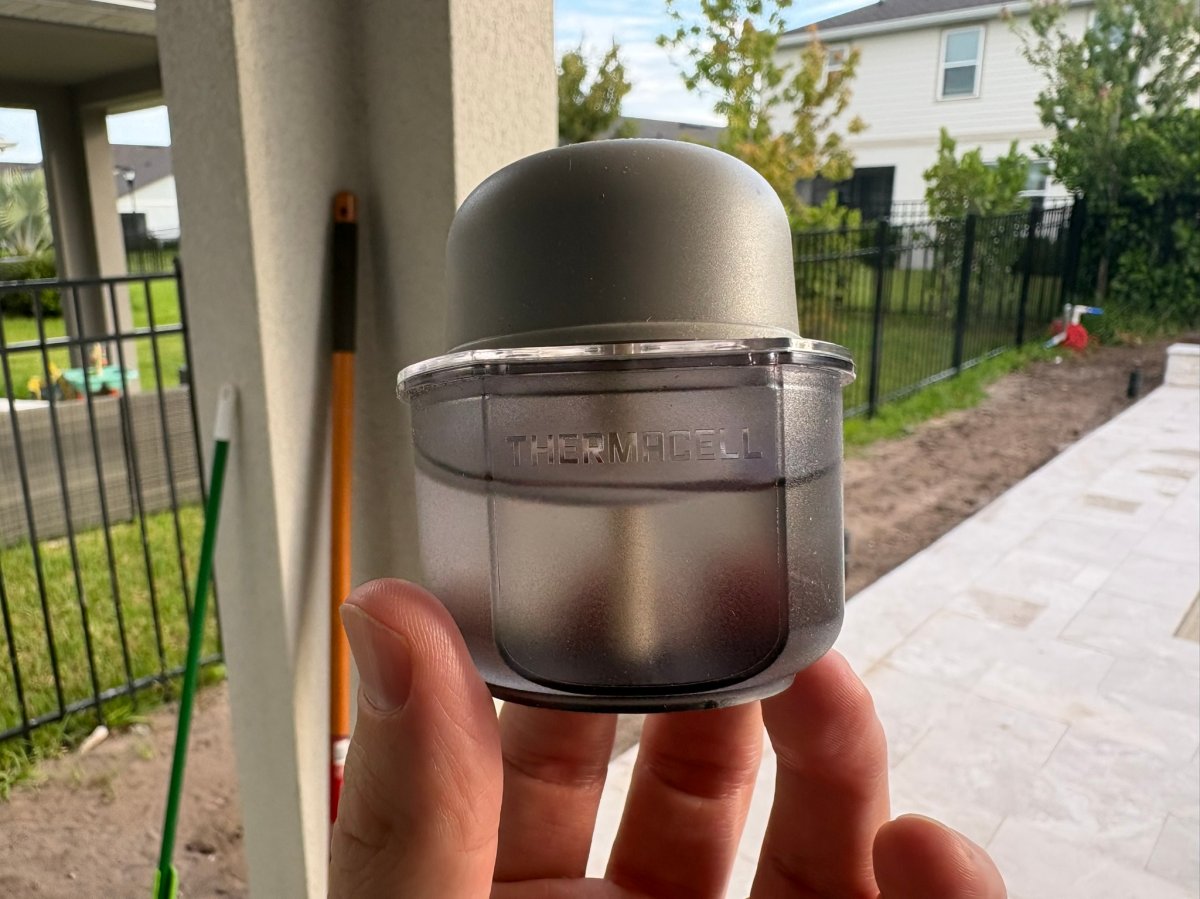
Photo: Paul Rankin for BobVila.com 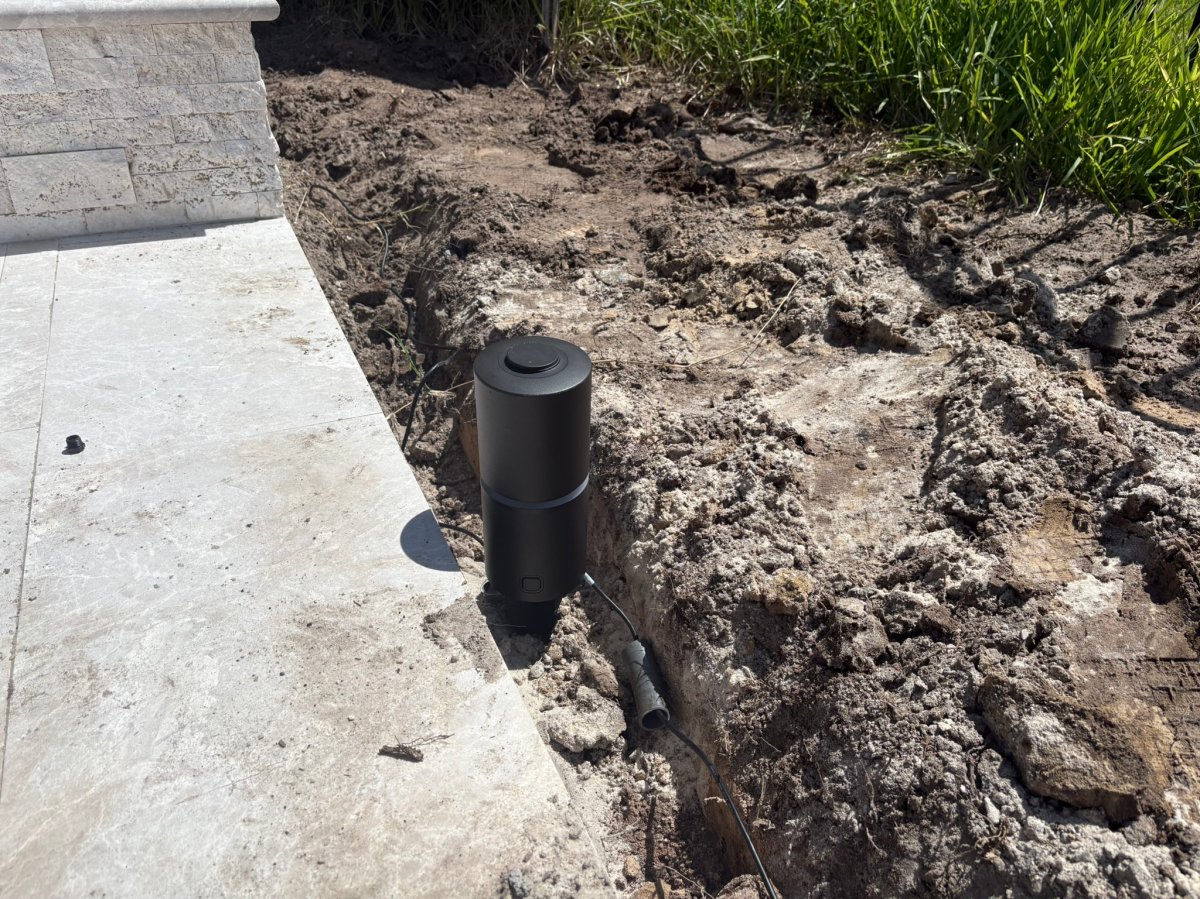
Photo: Paul Rankin for BobVila.com 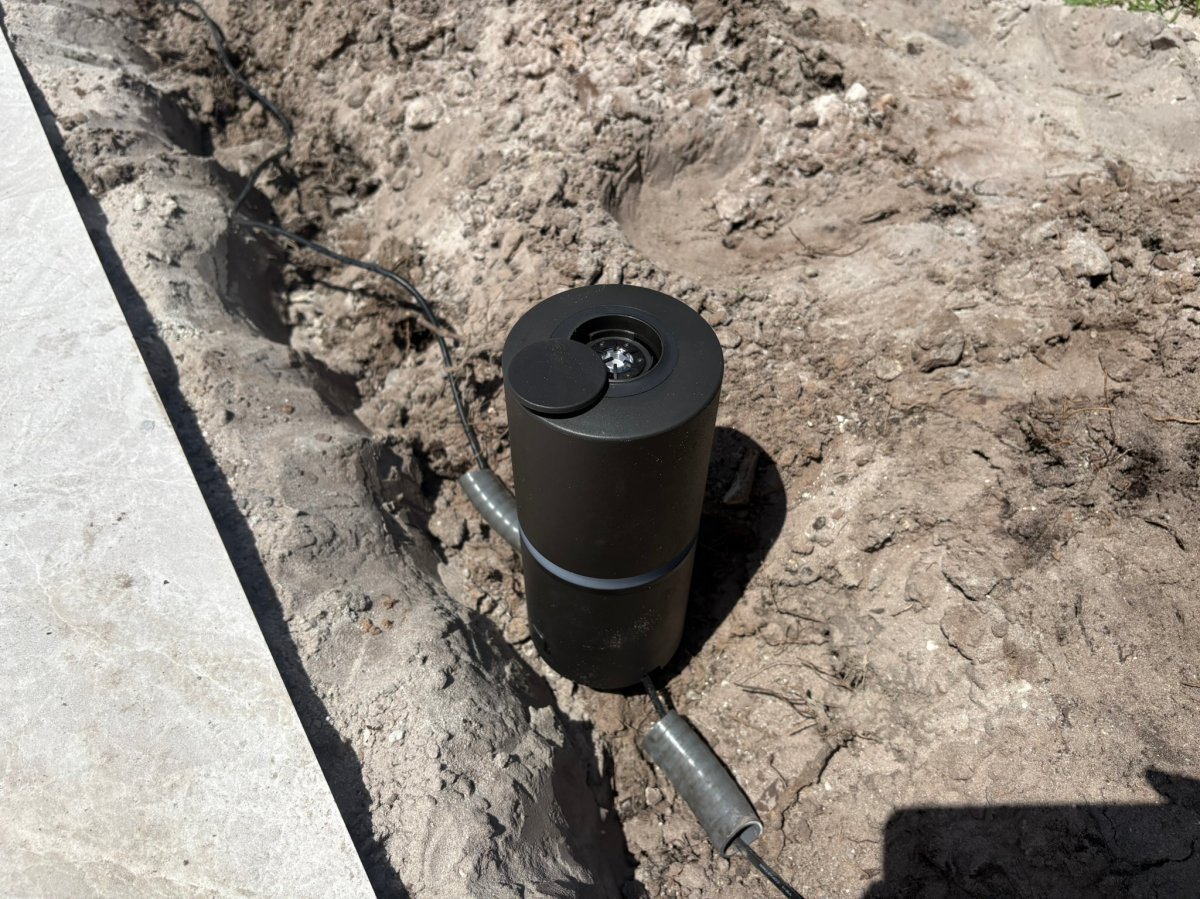
Photo: Paul Rankin for BobVila.com 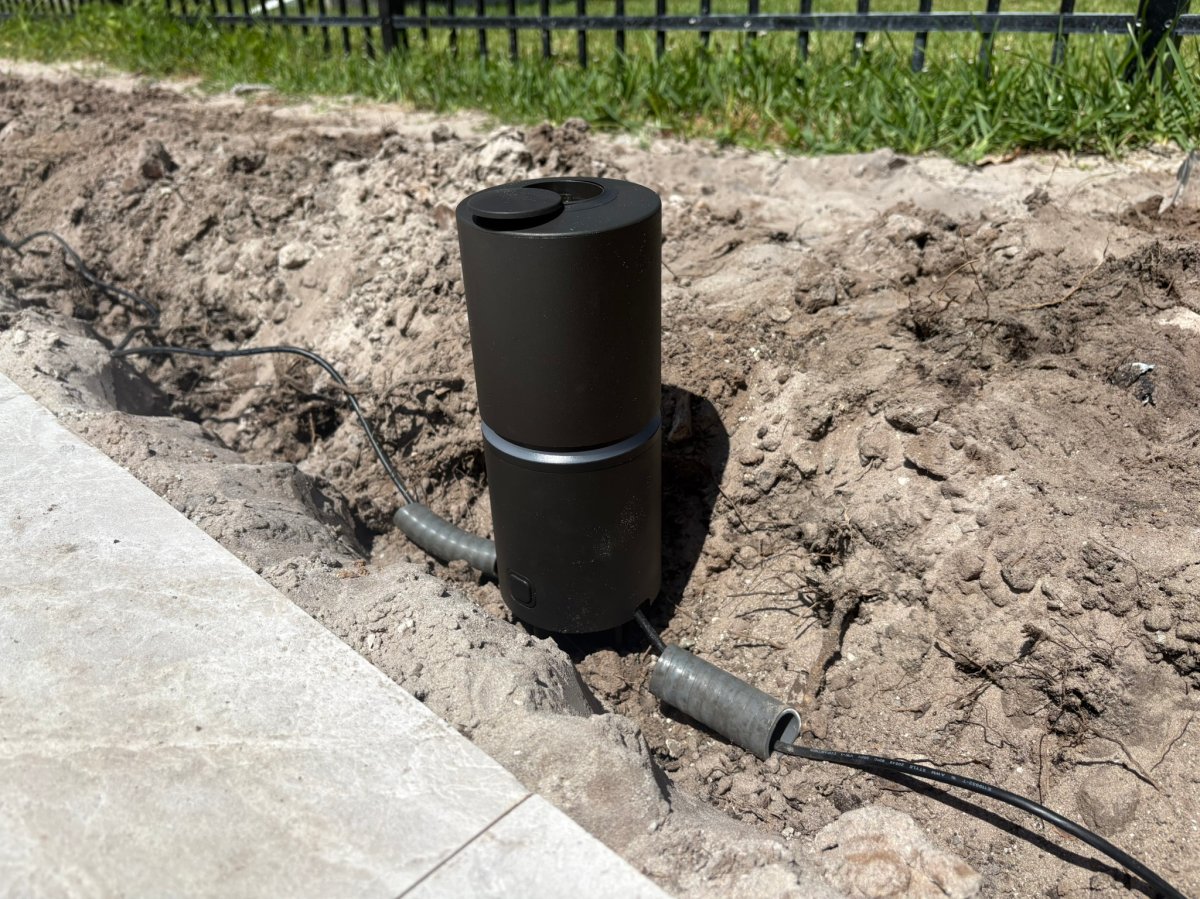
Photo: Paul Rankin for BobVila.com 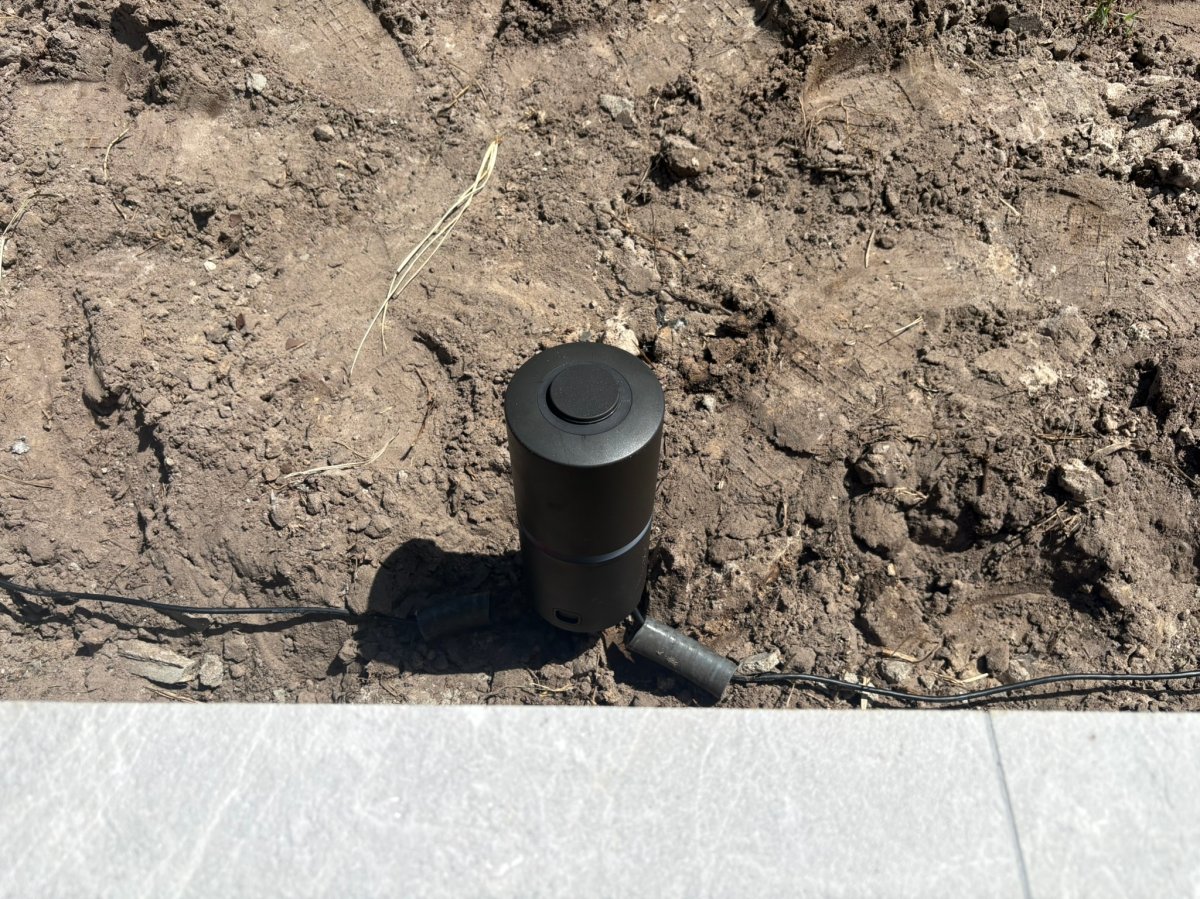
Photo: Paul Rankin for BobVila.com 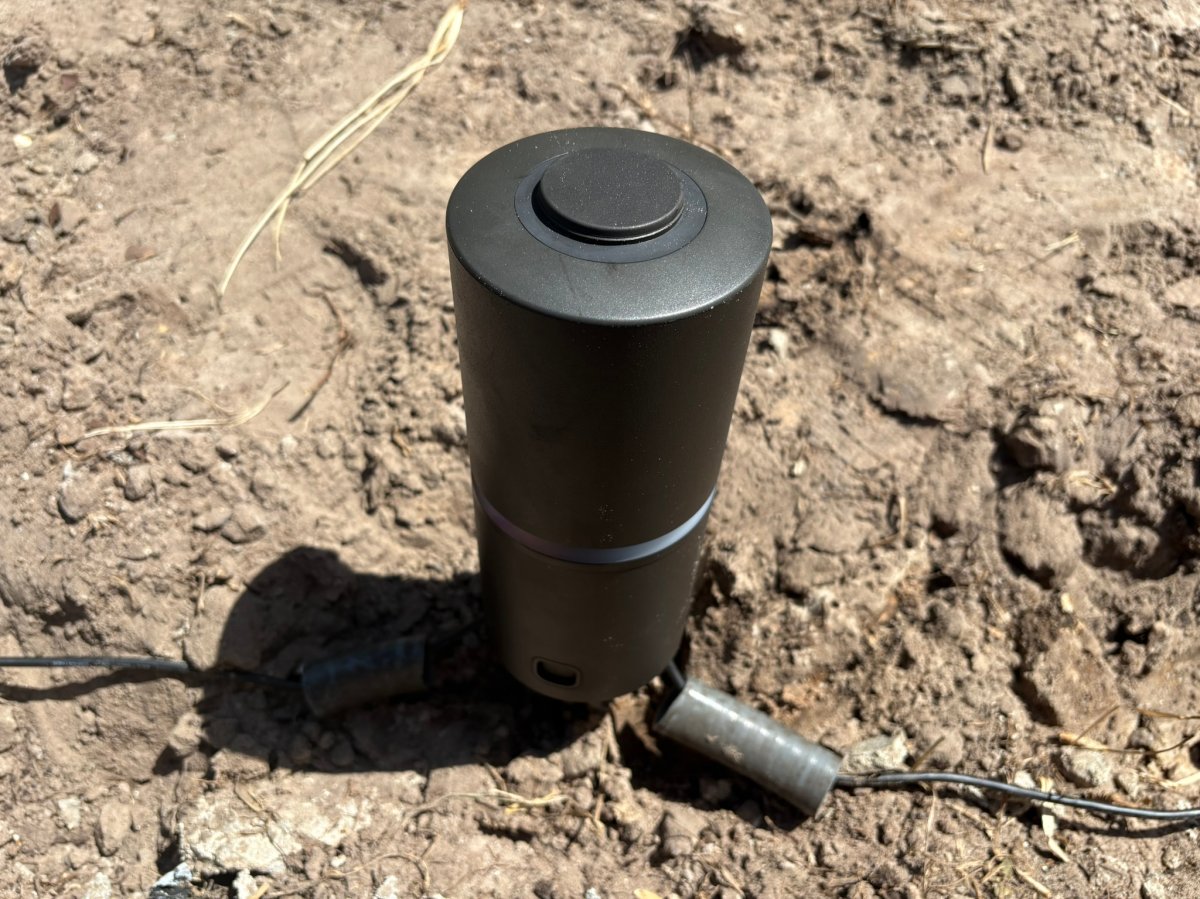
Photo: Paul Rankin for BobVila.com 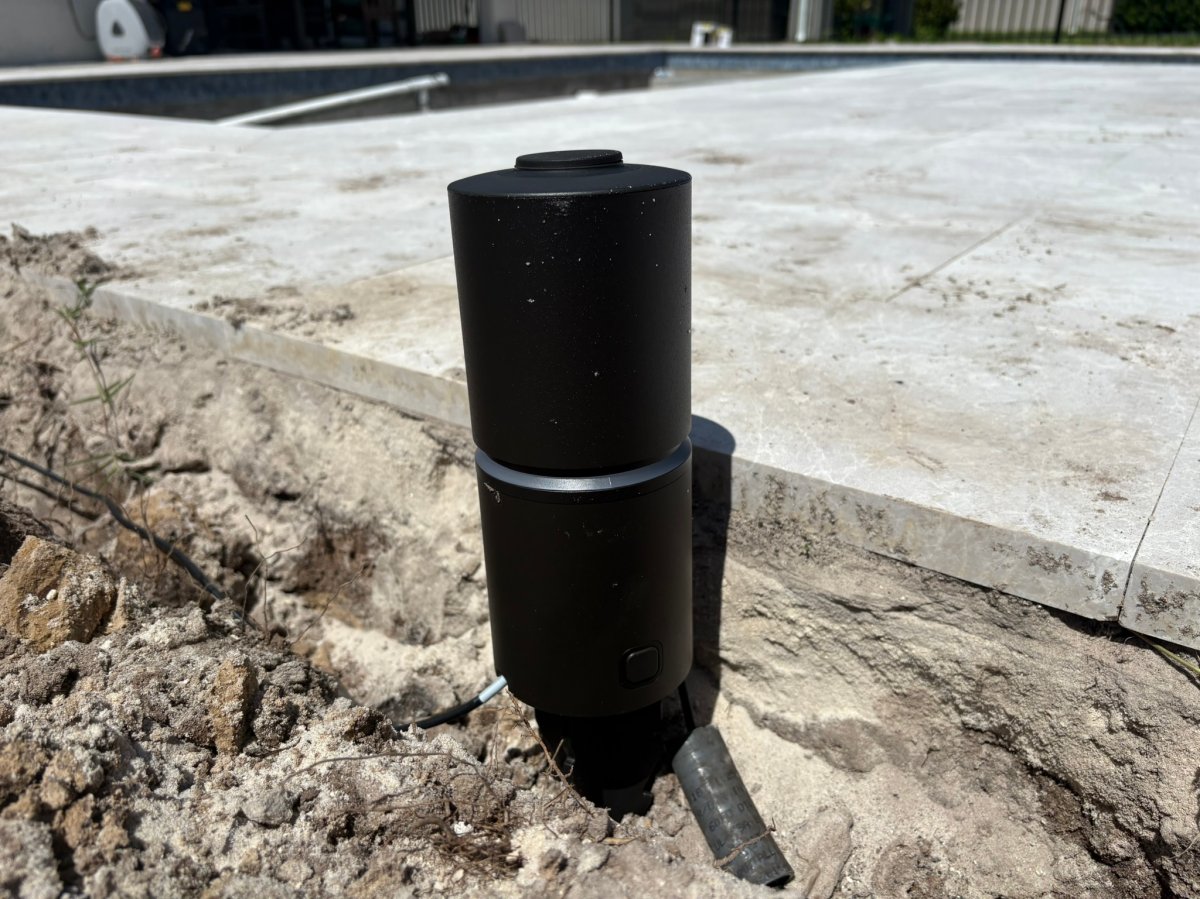
Photo: Paul Rankin for BobVila.com
LIV 2.0 also has EPA-registered claims for repelling mosquitoes that may transmit illnesses including dengue, West Nile virus, Zika virus, and Eastern equine encephalitis. That’s particularly relevant where I tested it in Florida. The state has seen an unusual increase in locally acquired dengue infections this year. Of course, LIV isn’t a substitute for public-health guidance or other mosquito precautions, but mosquito protection feels a little more consequential when you’re testing the system in an area dealing with actual mosquito-borne illness.
Drawbacks
There are a few hardware quirks I’d like Thermacell to improve. Each repeller has a small rotating disc on top that opens to expose the area where repellent is released. Those discs detach surprisingly easily. Thermacell tells me that’s intentional so the cap can pop off rather than break if it’s hit, but I think they need to stay attached more securely. I managed to lose one while finishing work was being done around my backyard. On a system this expensive, having a visible piece pop off that easily doesn’t inspire confidence.
Then there are the refills. A six-pack of the professional 180-hour cartridges runs around $250. That’s a lot of money, especially if you’re like me and want to use your backyard frequently. It’s also worth noting that, currently, you can’t just buy and install the refills yourself—you have to go through your local installer. Still, 180 hours per cartridge represents plenty of evenings outside, and after seeing how well LIV worked during my testing, I’m much more willing to stomach the refill cost. There are no citronella candles to light, no bug spray to cover myself in, and no zappers humming in the background. I press a button, wait for the system to warm up, and forget about mosquitoes. It’s legitimately miraculous how well the system performs. My friends and family couldn’t believe it.
I do wish the app felt a little more polished for a system this expensive, although admittedly there isn’t much it needs to do. One feature I appreciated much more was remote system monitoring. After one of my repellers was knocked slightly out of position during my turf installation, the app warned me that the unit wasn’t upright. HomeTeam emailed me about the same problem, confirming that the installer could also monitor the system. I’ll presumably get similar warnings when my repellent is running low and it’s time to cough up another $250 for the refills. After experiencing the system first-hand, though, it’ll be money well spent. (I never thought I’d be saying that).
Final Thoughts
The automatic shutoff might be my favorite small feature. During one particularly long afternoon and evening outside, LIV alerted me after it reached its 6-hour maximum continuous runtime and automatically shut itself down. Considering how much those cartridges cost, that’s important. If everyone goes inside and I forget LIV is still running, I’m not going to wake up the next morning realizing I burned through hours of expensive repellent protecting an empty patio.
The Thermacell LIV 2.0 isn’t something I’d recommend casually. The upfront investment is massive, installation adds another expense, and keeping it supplied with repellent isn’t cheap either. But if you spend a lot of time outside, live somewhere with relentless mosquitoes, and can justify the expense, its performance is difficult to argue with. I repeatedly tested LIV 2.0 under the exact conditions where mosquitoes normally attack us and got the same result every time: With LIV off, we got bitten. With it on, we didn’t.
For me, that’s about as convincing as mosquito testing gets.
Where to Buy
Thermacell LIV 2.0
Find a Pro at Thermacell