This Old-School DIY Reduces Drafts Inside the House (and It Looks Pretty Cool, Too)
Learn how to incorporate this centuries-old décor element into your home with a modern twist.

Learn how to incorporate this centuries-old décor element into your home with a modern twist.
Before the holidays begin, get your home presentable and ready to receive guests—and take care of tasks that will keep you warm for the winter.
Cordless, corded, and gas models are marked down, from an EGO kit with two batteries to powered shovels for walkways starting at $134.99.
Keep drafts out, hold heat in, and use less electricity to keep your home comfortable this winter.
When Old Man Winter comes calling, reduce the risk of home heating fires by using your space heater safely.
From a $199 six-tool kit to stocking stuffers starting at $4.97, these Tool Gift Center deals put useful gifts within reach of almost any budget.
Families love to gather beside a roaring fire in the winter, but unseen creosote buildup in the chimney can create serious health and home-safety dangers. The right creosote remover can help solve this problem.
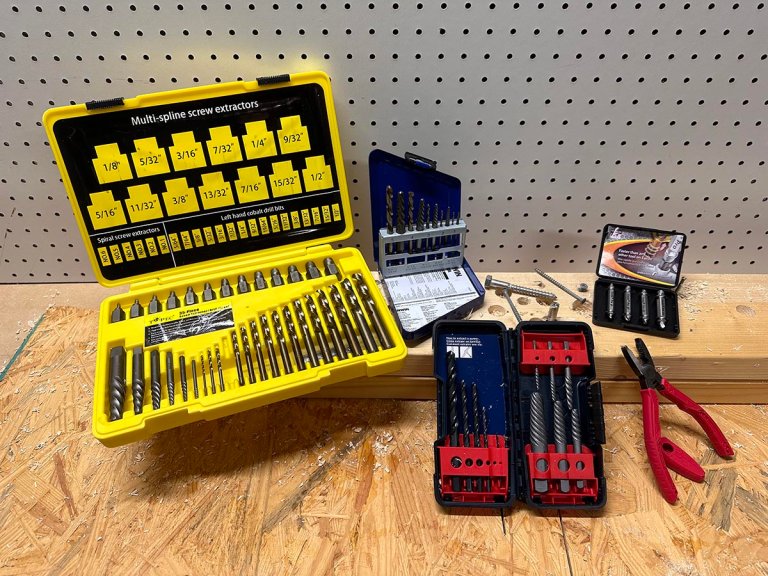
Don’t let a stripped screw or bolt slow you down—remove that obstacle quickly and cleanly with one of these top screw extractors.
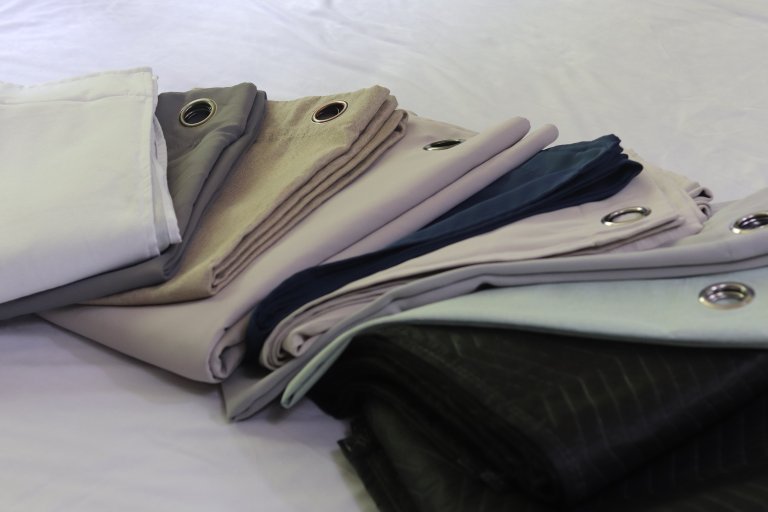
These soundproof curtains are quick to install, easy to maintain, and perfect for creating calm, quiet spaces.
Saws, sanders, grinders, and spare 20V batteries are on sale too, plus job-ready safety glasses for under $10.
Get the snow blower charged and ready before the first storm, and save on the leaf blower kit that handles the last of fall cleanup. Accessories start at $14.75.
Kits bundle tools, batteries, and a charger for less than buying them separately. Drill kits start at $54.99, and multi-tool combos from DeWalt, Bosch, and Makita are marked down too.
It's easier and less expensive than you think to achieve streak-free windows: Mix three common ingredients in a spray bottle, and get cleaning! Get the recipe here.
A seasonal and festive Thanksgiving tablescape doesn't have to be expensive. Before you set your Thanksgiving dinner table, go outside for inspiration.
Use this to-do list to ready your home, garden, car, and family for whatever winter brings.
The DeWalt 20V MAX two-battery starter kit is $199 (was $299), and you choose one of 15 free tools and accessories.
Take your bathroom from out of style to out of sight without dropping a lot of dough.
Set the mood for a romantic dinner, improve your home’s curb appeal, or enhance your holiday lighting with an LED flame light bulb.
Cleaning and sanitizing your indoor and outdoor garbage cans can eliminate grime and foul odors.