
We may earn revenue from the products available on this page and participate in affiliate programs. Learn More ›
Over the weekend, at least 20 states saw a foot or more of snowfall, according to the New York Times—and even more experienced some combination of snow and ice. (In my neck of the woods, outside of New York City, we got 16 inches.) As snow accumulates around the perimeter of your house, one spot is as dangerous as an icy walk: snow-covered exhaust vents.
Check that these three vents are clear of obstruction, especially after you shovel or snow blow, which could inadvertently cover them.
- Gas-powered furnace exhaust vents and water heater vents. Keep these clear to release carbon monoxide and other gas byproducts.
- Dryer vents. Clogged dryer vents could hamper your appliance’s performance (pun not intended) and trap lint that would otherwise be expelled, creating a fire hazard. Again, if yours is a gas-powered appliance, there’s an additional risk of carbon monoxide gas backdrafting.
- Exterior gas meters. Carefully brush these and any pipes leading to them off. New Jersey’s Public Service Electric & Gas Company cautions that damage to the meter or pipes may lead to leaks.
These vents are typically located near the foundation wall or low on an exterior wall of the home closest to your furnace, water heater, dryer, or other gas appliance.
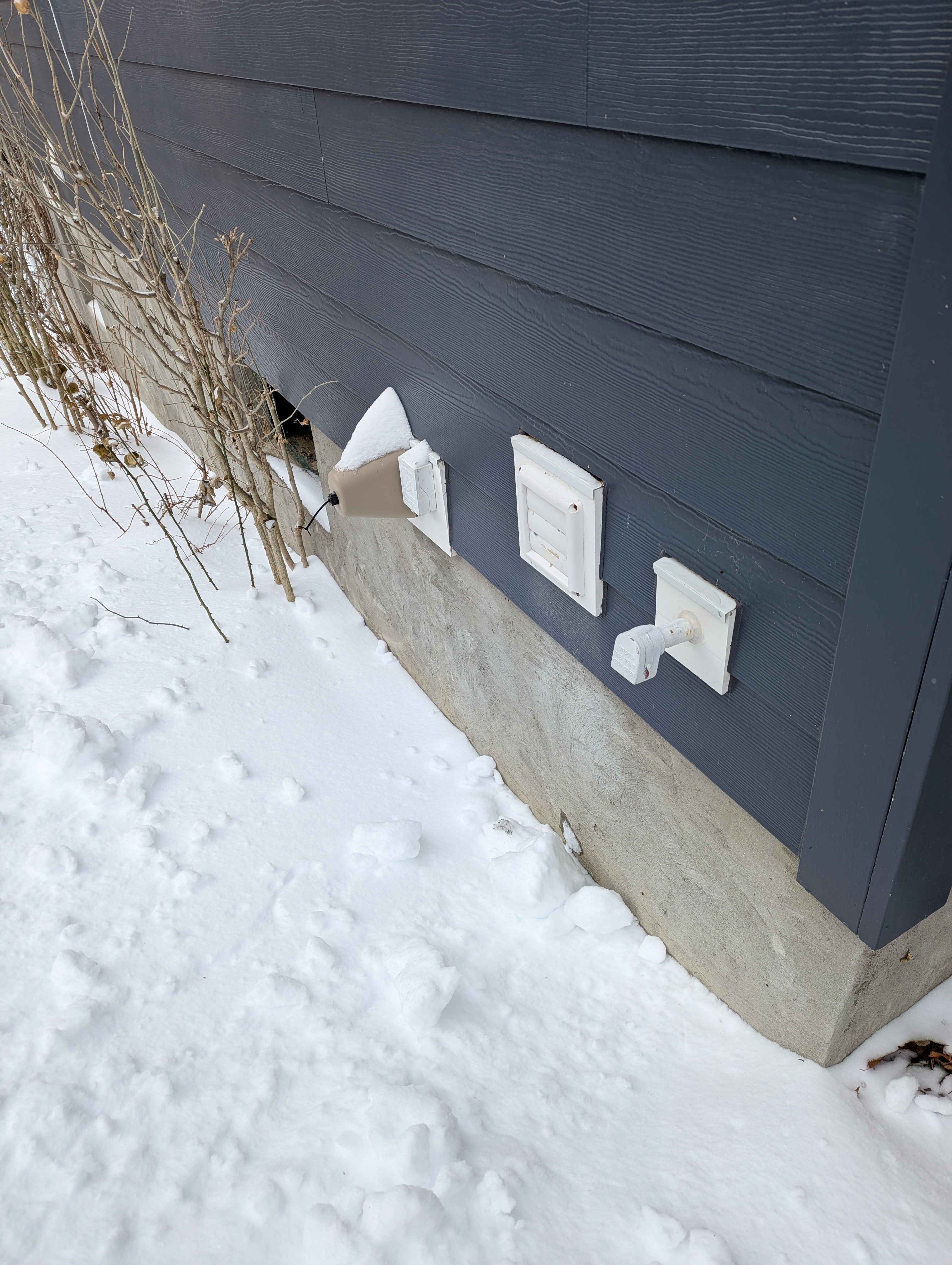
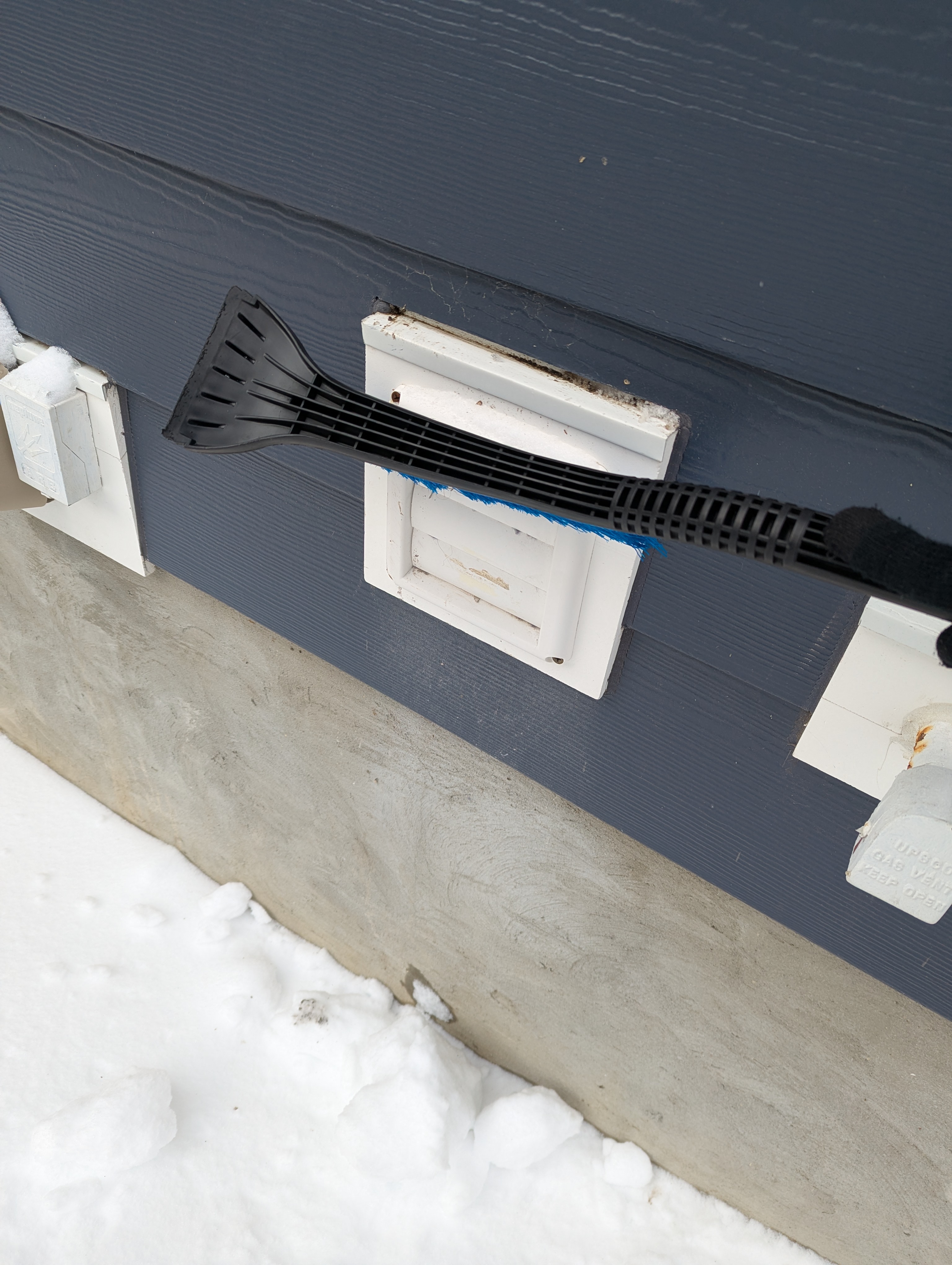
When clearing snow, go slowly and work with a brush (I used the one on my car’s snow brush) or a broom to uncover the vents and meters. Then clear a 2- to 3-foot radius to prevent obstructions. If you have icicles forming on any of these vents, try using a hair dryer plugged into an outdoor-rated extension cord or a portable power station. Skip the shovel, ice scraper, or other hard objects, and do not attempt to break the ice, which could do more damage.
Luckily, my old home has a unique setup where the boiler’s and water heater’s exhaust routes through a section of my chimney. But you can bet that I’ll be watching other exterior vents closely in future winters and checking the batteries on my home’s carbon monoxide detectors.
Our Recommendation
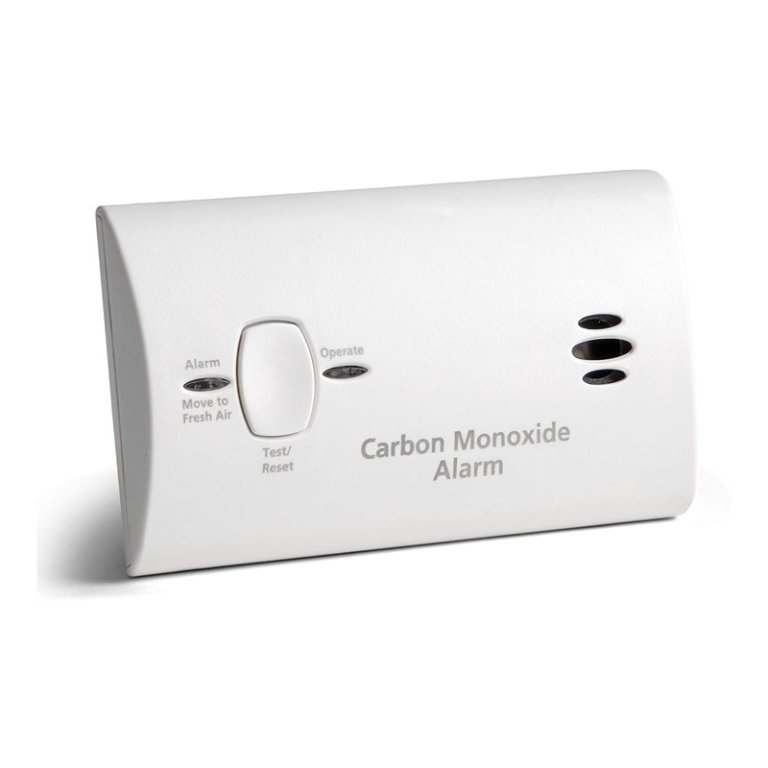
Kidde Battery-Operated Carbon Monoxide Detector
We found the beauty of the Kidde battery-operated CO detector to be its simplicity: Just insert batteries, then mount it. Read the tested review.
Buy at Amazon