

We may earn revenue from the products available on this page and participate in affiliate programs. Learn More ›

Partner Story
For energy efficiency and peace of mind, consider propane power for your new or existing home.
Electric, natural gas, propane—homeowners have a variety of energy options available to power their home, whether they’re building a new house or remodeling their current one. While many communities are encouraged to go all-electric, that may not be the best solution for every household. The electric grid is overburdened by ever-increasing demand from data centers and AI on top of increased residential needs, and its infrastructure is aging. The result? More frequent and disruptive power outages. Furthermore, homes in remote areas may be beyond the existing natural gas lines or electric grid infrastructure altogether, making those energy sources unrealistic for off-grid locations. Enter, propane.
Propane is a safe, reliable whole-home energy solution that can power water heaters, furnaces and boilers, kitchen ranges, fireplaces, clothes dryers, backup generators, and more. Increasing the number of appliances powered by propane in a home reduces the size of backup generator needed, which can help homeowners save money on up-front and long-term costs. And unlike other energy sources, propane is stored on-site and doesn’t go bad over time, providing homeowners with energy security and peace of mind.

Sizing a Propane Tank for Your House
The first step to installing propane in a new construction or renovation project is to determine the size tank that the home requires. The size of the propane tank needed depends on the energy demands of the home. “Factors such as the size of the home, number of propane appliances, efficiency of the appliances, and desired additional storage will determine the size of the tank,” say the experts at the Propane Education & Research Council (PERC).
Before construction or remodeling begins, a homeowner should consult their builder and local propane professionals to calculate the total British thermal unit (BTU) load of the home and the systems that the propane tank will support. This number will help professionals determine the appropriate tank size for the home. In some cases, a home may require more than one tank.
Determining a Location for a Propane Tank and Gas Lines
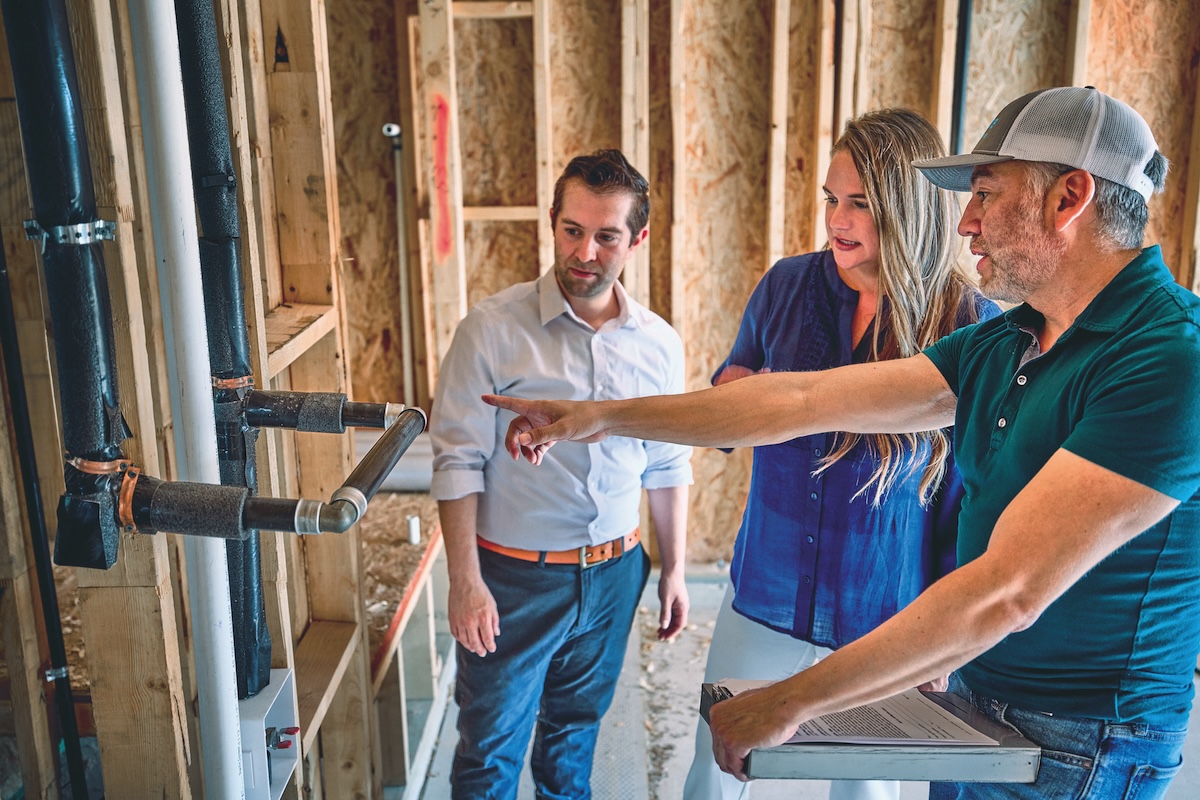
Once the home’s propane tank size is determined, the tank(s) are then installed on the property. Propane storage tanks are placed in a location that is accessible to the trucks that come to refill them and they may be placed above-ground or buried underground.
Builders will consider the space limitations of the property and the homeowners’ aesthetic preferences when determining where to place the tank. They will also follow any regulatory mandates, like the National Fire Protection Association (NFPA) 58 standards or local regulations that affect propane tank placement. Propane professionals will consult throughout the entire process to ensure proper compliance before finalizing the location of the tank and gas lines.

Connecting to Propane-Powered Appliances
As the builder and propane professionals coordinate installation details, they will determine at which point during the construction process to install the tank. The builder will then make the home propane-ready by installing gas piping and connection points to future application use points throughout the home.
Altogether, in contrast with the lengthy processes of getting the electric grid or natural gas lines extended to a new home or service area, propane infrastructure can be set up very quickly, bringing reliable power to a home in the timeframe that best meets its construction needs.
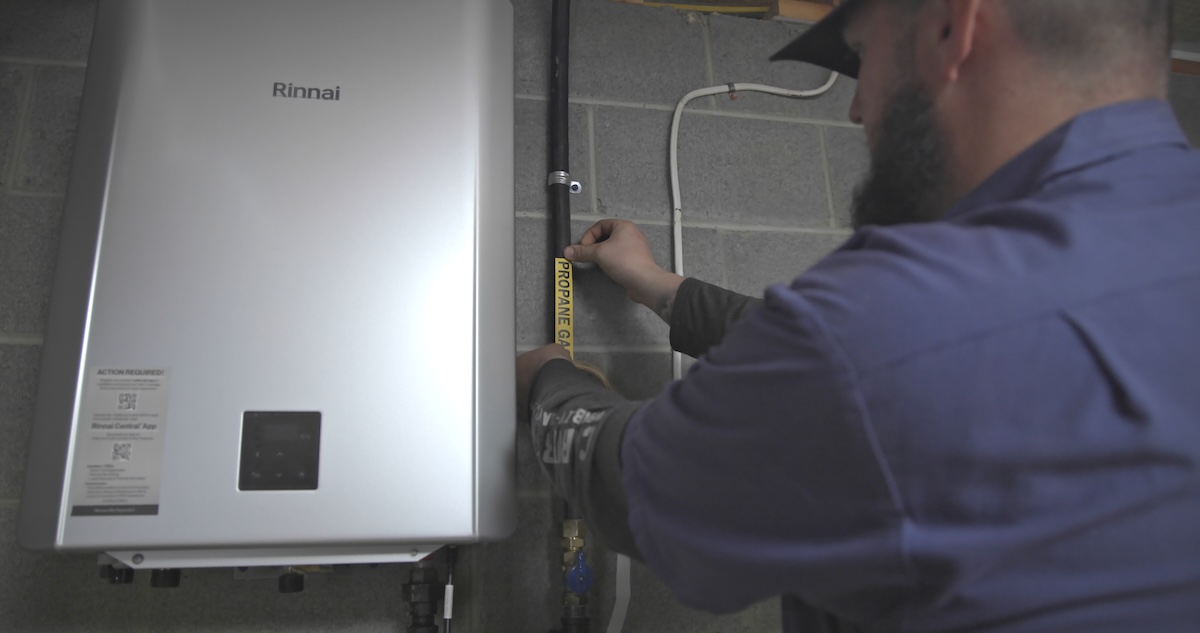
“Once a home is piped for propane, a qualified technician will make the final connections between the gas lines running from the tank to the house to begin the propane service to the appropriate appliances in the home,” says PERC. This will include conducting a safety test to ensure that the connections between the tank, the gas lines, and the home are properly installed and leak-free before turning on propane service to the home.
Seamlessly Converting an Existing Home to Propane
You don’t need a brand new house to take advantage of the benefits propane has to offer—converting an existing home’s energy systems to propane can be simple, straightforward, and speedy. Homeowners should first speak to a construction professional or their local propane retailer to determine if propane is a viable option for their home. If the home is suitable for a propane conversion, then the construction and propane experts can work together to develop a plan to install the necessary propane infrastructure. This often involves using one or more conversion kits for the home’s existing appliances, such as a hydronic heat pump solution that pairs a propane-powered water heater with an electric heat pump for maximum efficiency and improved comfort in colder climates.
PERC mentions that “with proper planning, a propane conversion should be a relatively seamless process. And once a house is piped for one propane-powered appliance like a water heater or furnace or boiler, it’s easy to boost the home’s resiliency by adding even more appliances, like kitchen ranges, clothes dryers, fireplaces, backup power, and outdoor equipment.”

Safely Using and Maintaining Your Propane System
Safety should always be a primary concern, regardless of whether a home uses electricity, natural gas, propane, or any combination of energy sources. PERC states that “homeowners should never attempt to install, modify, or repair their own propane systems or equipment.” Any energy- and propane-related projects should always be left to a qualified professional. As an additional safety measure, propane has a unique and distinct odorant called ethyl mercaptan added to it to make it easier to smell in case of a leak. However, homeowners should also install propane gas detectors in their home and make sure their appliances are maintained according to the manufacturers’ instructions and schedule. For more safety information, visit propane.com/safety.
As long as a propane system is well-maintained, it will last for many years, but homeowners should educate themselves on how the tank and delivery systems work so that they can better understand their maintenance responsibilities. Homeowners who own their tanks rather than renting them from a local propane supplier are responsible for the upkeep of the tanks, which includes finding a qualified service technician to regularly inspect and service their propane system. Many propane suppliers provide preventive maintenance and repair services to homeowners.
Saving on a Propane Setup
To get started with propane for your new home or remodel, begin a conversation with your building professional and local propane company. In some areas, rebates may be available to homeowners from individual equipment manufacturers; state propane gas associations; or local, state, or regional governments. For builders, programs like the Propane Construction Research Program offer up to $1,000 per new home and up to $500 for qualified remodels for installing propane appliances and sharing performance data.
Homeowners will see an energy advantage in long-term savings, too. In addition to protecting homes and families against power outages, propane offers stable pricing that insulates against skyrocketing energy bills. High-efficiency propane-powered appliances require less energy to operate. Even better, propane appliances tend to require less maintenance and last longer than electric counterparts, stretching a homeowner’s investment in these traditionally big-ticket items. Learn more about propane for your home and about building or renovating with propane at propane.com.