We may earn revenue from the products available on this page and participate in affiliate programs. Learn More ›
Partner Story
Metal roofing has many practical benefits compared to other materials, from energy savings to exceptional durability. But did you know it can boost your home’s curb appeal, too?
Finding the right roofing color, shape, and texture that matches your home’s style and your personal preferences can be tough—and sometimes impossible—when defaulting to asphalt shingles. That’s why so many homeowners are looking at metal roofing as a more fitting option. Metal roofing offers a wider range of colors, styles, and custom design possibilities than any other type of roofing material on the market.
“A new roof is a major commitment that should last for many decades,” says Renee Ramey, executive director of the Metal Roofing Alliance (MRA). “It pays to perform your due diligence by not only analyzing performance, maintenance, and reliability features, but also by making sure the style and look you choose maximizes the power of your home’s curb appeal potential.”
Metal roofing is now the second most popular type of roofing in the U.S., and it’s growing in popularity due to its aesthetic flexibility, sustainability, and strength. In fact, metal roofing is recyclable and proven to reduce a home’s energy use and carbon impact compared to other materials, further incentivizing homeowners to upgrade. Quality metal roofing can also last up to three times longer than asphalt roofing, especially in regions that experience severe weather.
While many associate metal roofing with its classic form—smooth, vertical panels with pronounced “standing” seams—you might be surprised to learn there are many more options available today. The following styles allow for greater self-expression in addition to the many practical benefits of choosing a metal roof.
1. Shingle
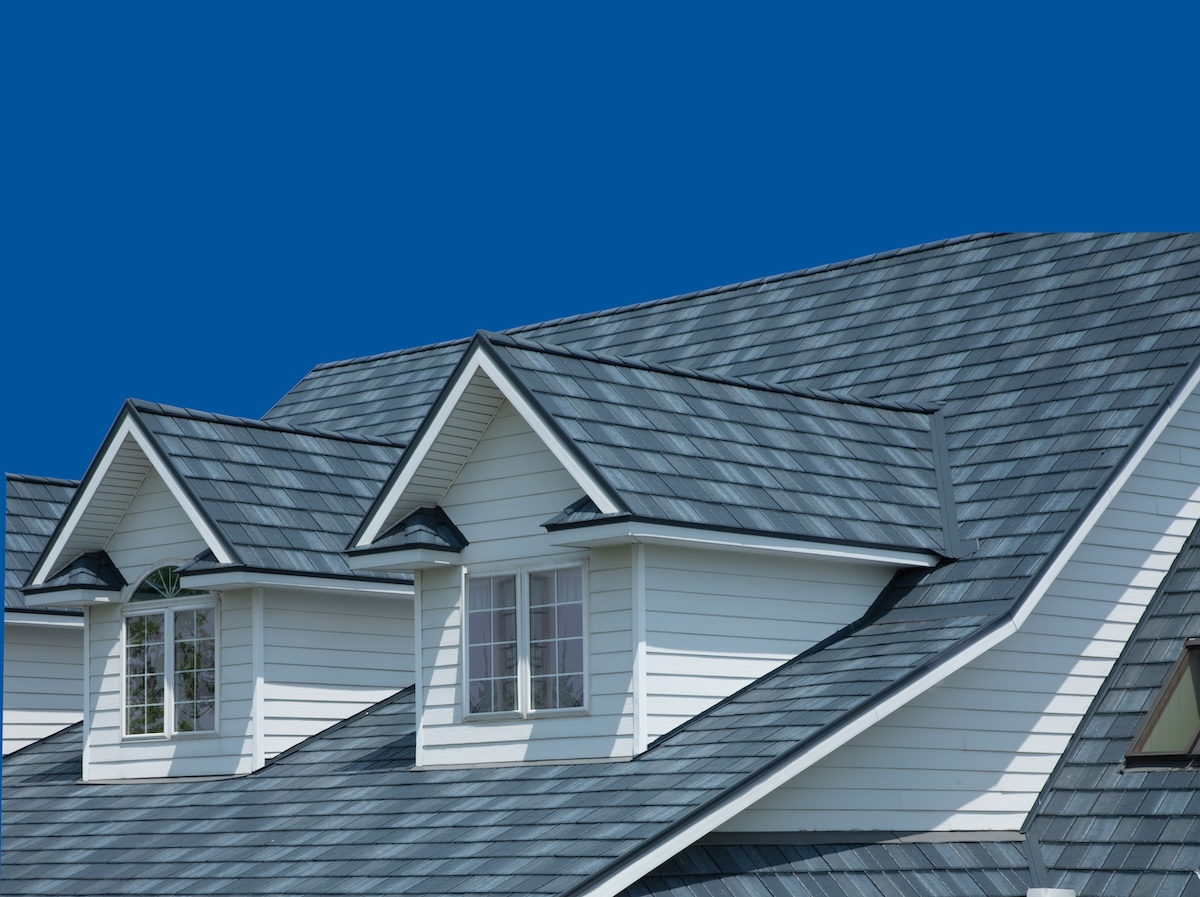
Metal shingles have been a default option for many U.S. homes. While the shingle shape is most associated with an asphalt material, it’s not the only choice and it may not be the best option for your family. It’s possible to replace a worn-out asphalt shingle roof with metal shingles that will last longer. And there’s no need to worry that the look won’t match your home. Metal roofing is available in a wide array of finishes and multicolor combinations, including a stone coating that mimics architectural shingles.
2. Shake
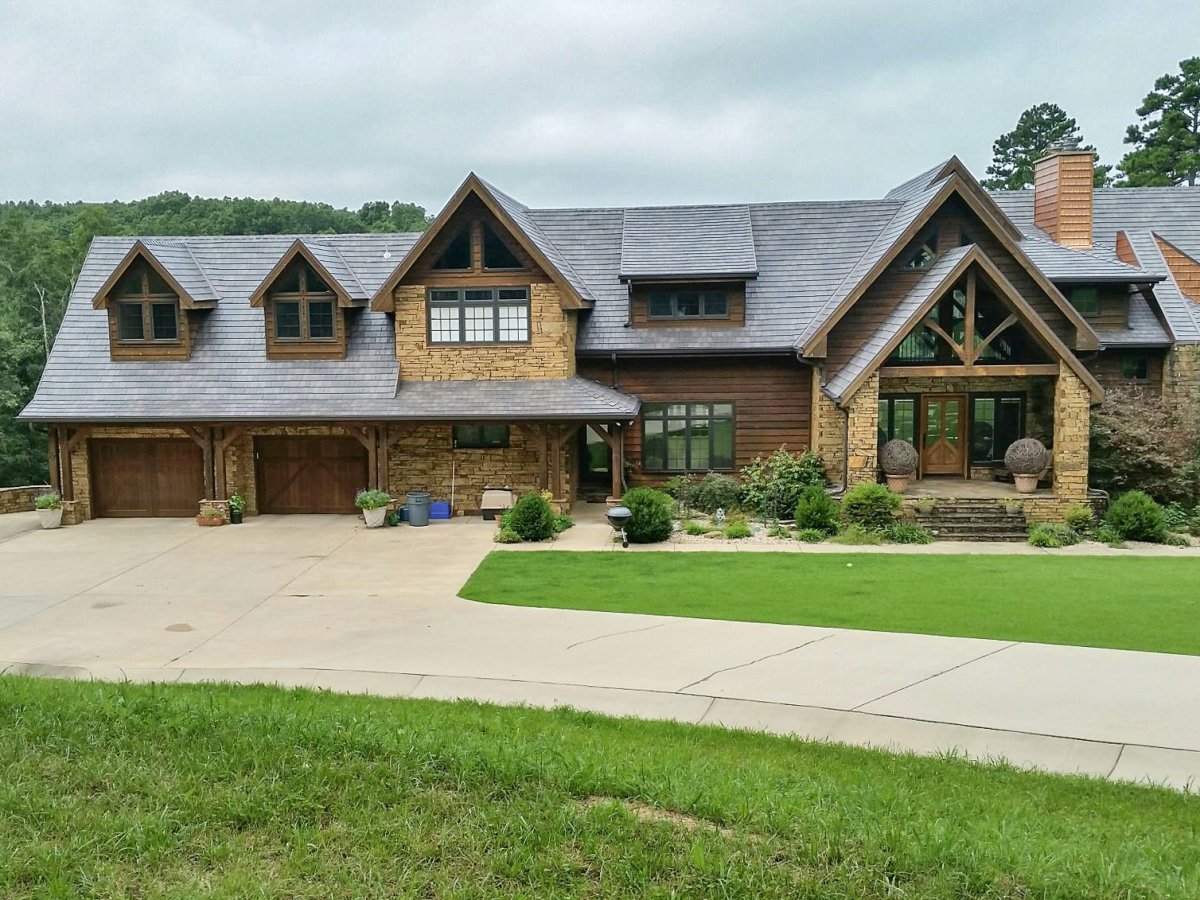
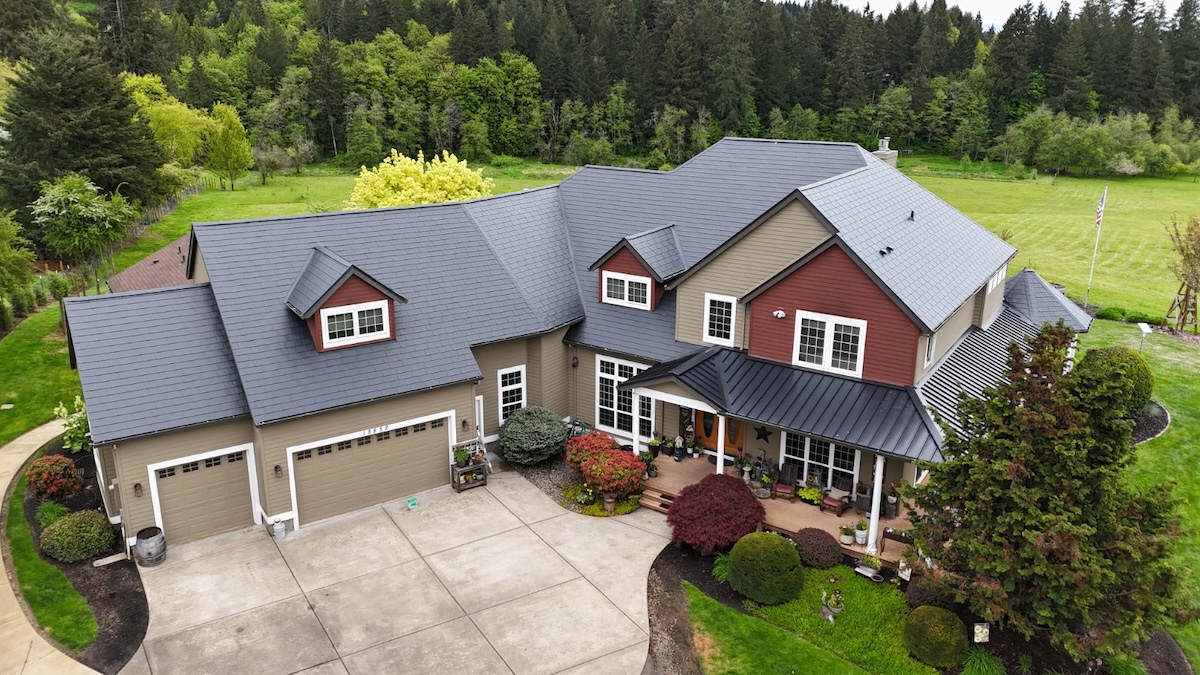
Often seen covering homes in the Pacific Northwest, New England, and in the Upper Midwest, shake-style roofing has a long history in the U.S. These days, shakes are most often associated with charming Craftsman-style homes. Traditionally made from cedar, that’s no longer the only option for shake roofing. Metal shakes are manufactured to look just like wood shakes, preserving the traditional style of a period home while upping the durability and protection against severe weather since metal can last twice as long as wood shakes. In areas where wildfires threaten, shakes made of metal also provide better protection than wood, earning a Class 4 rating—the highest possible—for resisting ignition.
3. Tile
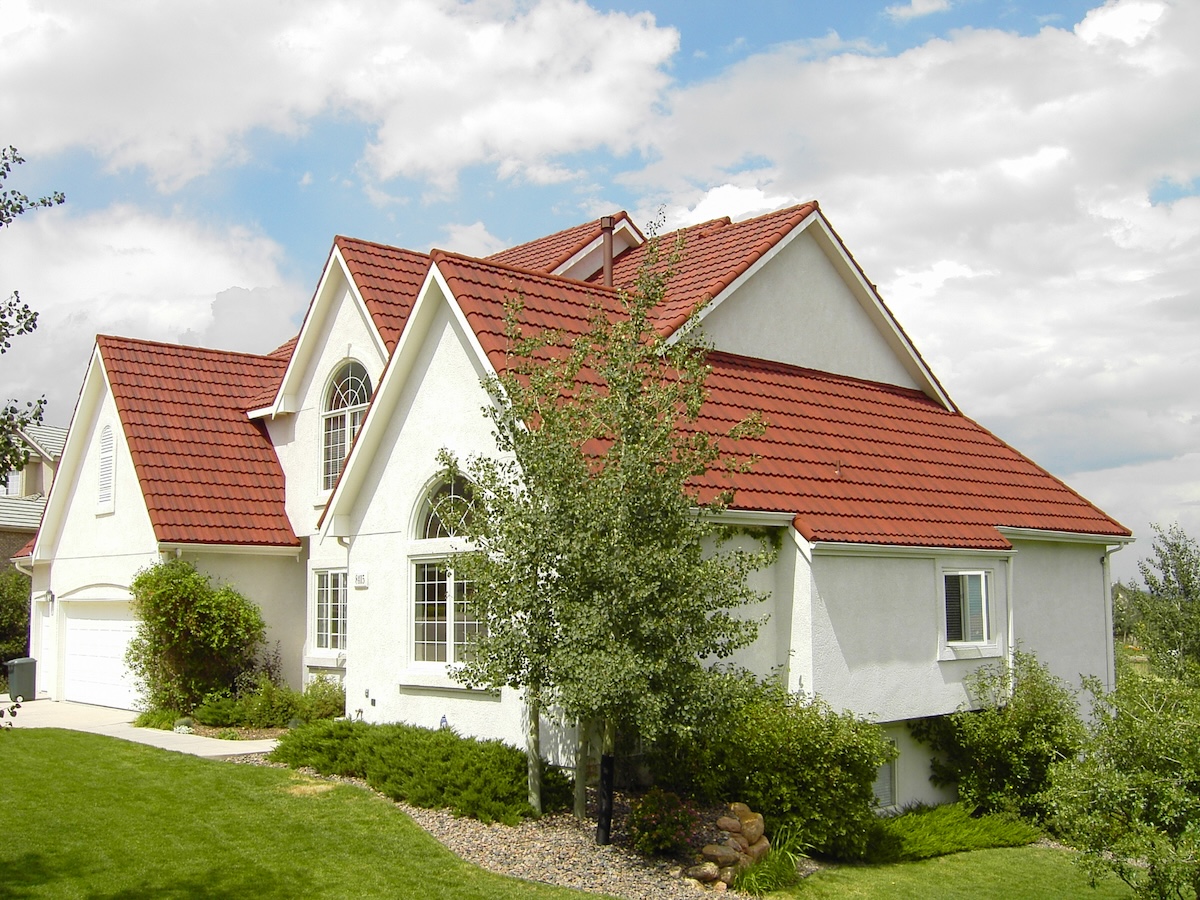
The warm look of a tile roof covering a mission or Spanish-style home is most associated with the Southwest and Gulf Coast regions. With a history of covering homes and buildings that extends back to 10,000 BC in China and the Middle East, clay tiles may be traditional but they aren’t perfect. Concrete or clay tiles are quite heavy, so installation is more challenging and the structure is under more pressure from the weight. Unfortunately, clay isn’t very impact-resistant and can break or crack; it’s also susceptible to moss and mold growth in high-moisture areas. You can achieve the look of a traditional tile roof with metal, which is lighter in weight, more durable in high winds, and easier to clean.
4. Slate
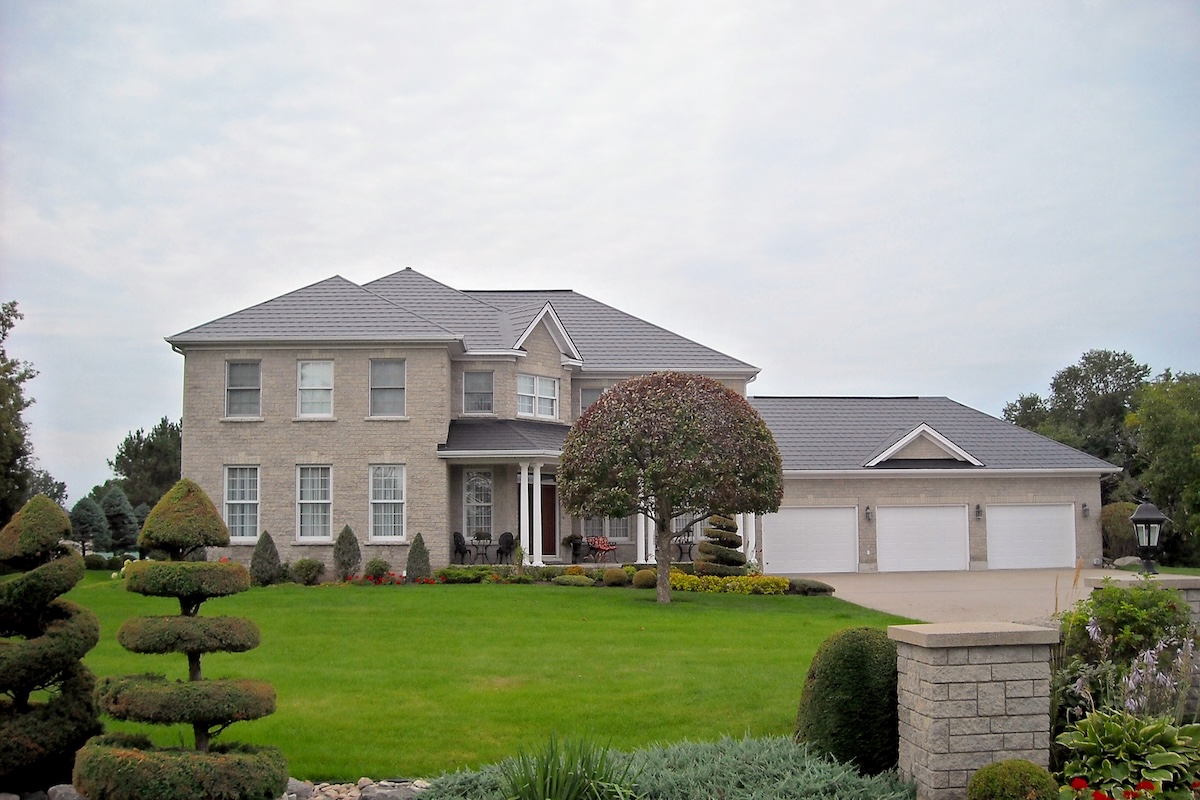
Slate is another traditional roof material that can outlast asphalt. Often covering Tudor, Georgian, or Victorian homes in the Northeast along the Appalachians, the downside with replacing a slate roof on an old home is its expense. Slate also weighs quite a lot and could require a structural inspection and reinforcement before installation. If you are considering replacing a slate roof, you can get the same look from lightweight metal that is very strong, less expensive, and easier to install. Plus, multicolor coatings can create variation and depth commonly found in natural slate.
5. Custom
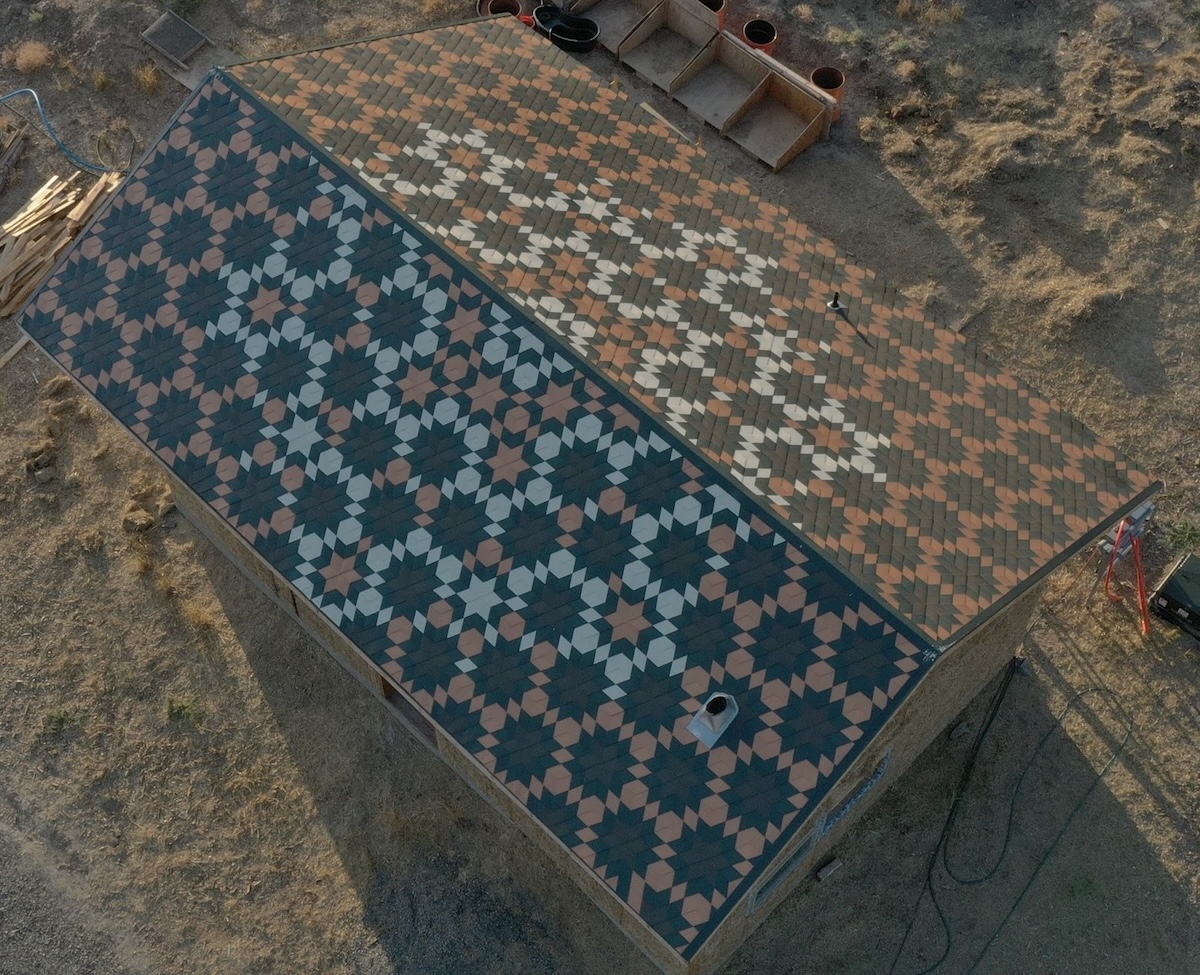
The versatility of metal means that you can create virtually any shape. So if you really want to make a major statement with your roof, you can let your imagination run wild. Metal can be curved and formed in hexagonal, diamond, dragon scale, beaver tail, and other unique shapes. It can also be embossed or stamped to match historic architecture and mimic rust. Yes, you can even get a new metal roof that looks lived-in and historic, too.
To learn more about the benefits and design possibilities available with metal roofing, check out MRA’s free online resources.