We may earn revenue from the products available on this page and participate in affiliate programs. Learn More ›
Partner Story
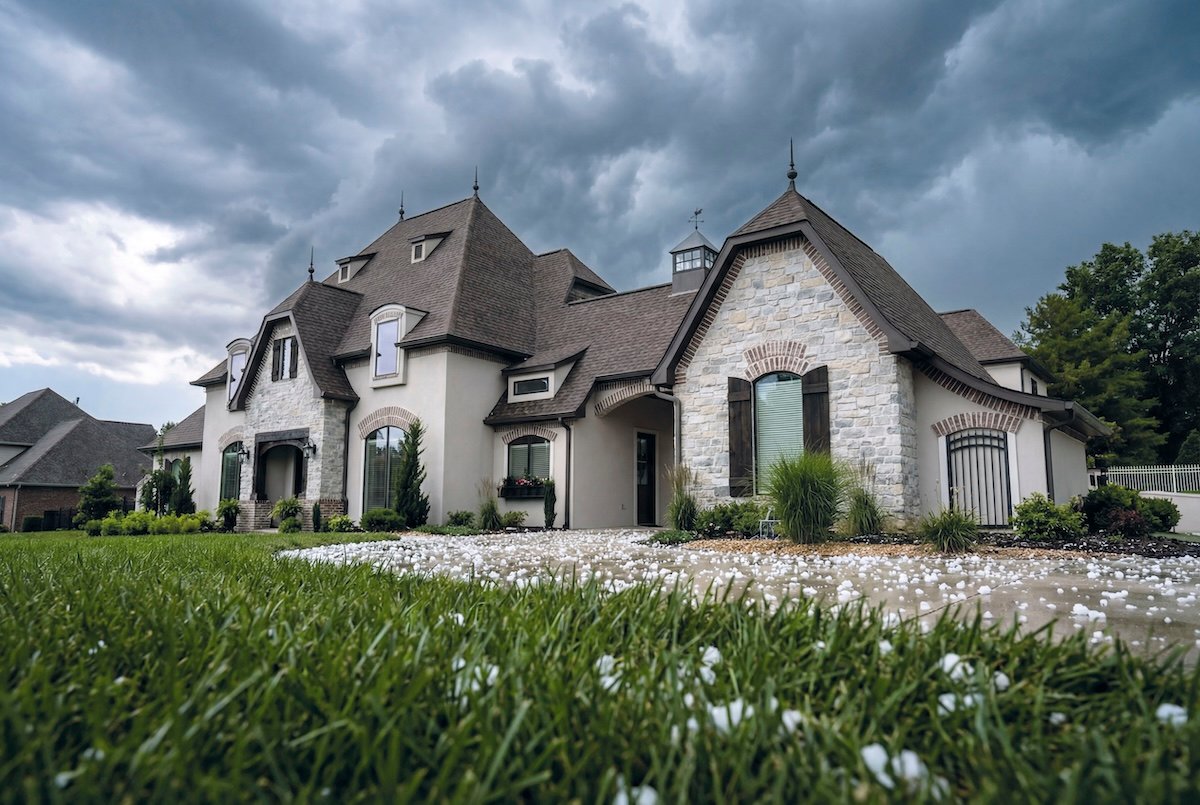
You can’t predict the next storm, but you can prepare for it with TAMKO HailguardTM shingles.
Extreme weather events are striking with greater frequency throughout the country, which means roofs must endure more hail, high winds, heavy rain, and snow than ever. With roof repair and replacement costs reaching $31 billion dollars in 2024 based on U.S. residential property claims, according to risk assessment firm Verisk Analytics, the stakes are high when it comes to choosing new shingles for a weather-resistant roof.
Knowing how to spot the early signs of wear and damage on your roof before there are bigger and costlier issues is key, as is choosing the best shingles when it comes time to replace a roof. Shingles designed to endure extreme weather events like those offered by TAMKO can be a smart investment.
Roofing Is Your Home’s First Line of Defense
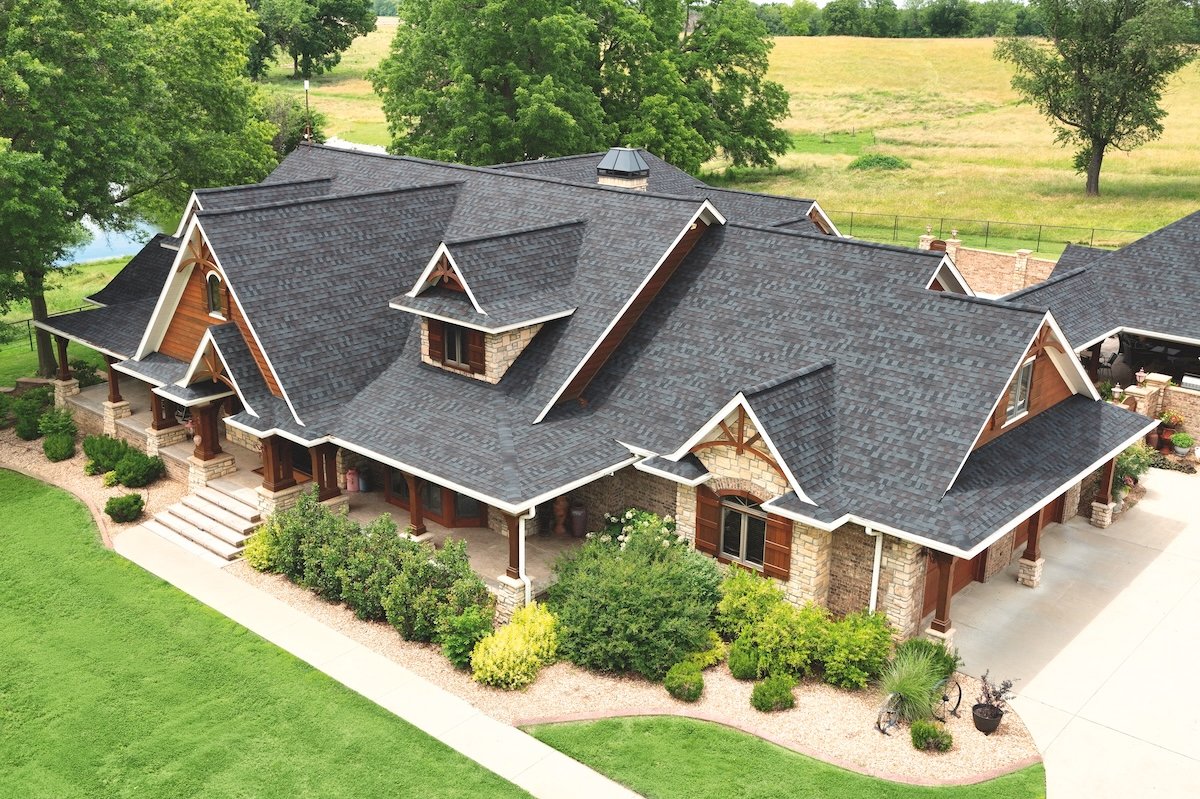
Your home’s structural integrity and ability to keep moisture out begins with your roof’s shingles.
Structural Durability
The roof is your home’s shield against water damage. It serves as a barrier that sends rain and melting snow to your gutters while preventing it from seeping into the roof decking. Should those shingles fail, there’s an opportunity for extensive damage. Moisture that reaches the roof decking can rot rafters and ceiling joists, compromising the structural integrity of the roof. This can cause the roof to sag and interior walls to bow and shift, creating cracks in drywall, distorting door and window frames. In extreme cases, the roof may fail.
Choosing roofing shingles like TAMKO’s HailguardTM shingles that are durable enough to endure heavy snow and rain that can wear out shingles, high winds that threaten to peel them off the roof, and hail that can crack their surface is crucial.
Moisture Resistance
Roofing prevents moisture from finding its way into your home’s roof decking thanks to a multilayered design that includes an asphalt layer that causes water to bead up and run off the shingles and a protective coating of granules that disperses water as it hits the roof. There’s also underlayment below the shingles that functions as a second line of defense against water.
Signs You Need A New Roof
While a leak in the ceiling is the clearest indication that you need a new roof, there are signs you can look for before the roof begins failing:
- Curling and cupping: Take a close look at the shingles. If you notice any warping or curling edges, it’s an indication that the shingles are dried out and may not be able to effectively keep water out.
- Damaged or missing shingles: Cracked shingles or shingles that are missing entirely leave your roof deck completely vulnerable to water. A missing or damaged shingle here or there can be replaced. But, if the damage is widespread, it’s time for a new roof.
- Granule deposits and bald spots: Check the bottoms of your gutters, downspout exits, and roof valleys or areas behind chimneys. If you see large deposits of granules, it’s a sign that shingles are failing and shedding their protective granules. Balding shingles are present on an aging roof that is in need of replacement.
Note: Don’t panic if you find small amounts of granules in your gutter after a roof installation. It’s common for new roofs to shed some granules in the first 2 years. - Water stains: Head to your attic and check the rafters. Look specifically for any dark stains or soft rotted wood. Both are indications that water is infiltrating your roof.
- Age: You’ll get about 15 to 20 years out of a roof if you have standard 3-tab shingles. Higher-end architectural shingles last about 20 to 25 years. If the homes in your neighborhood were built around the same time, you can also keep an eye on your neighbors’ homes for signs that your roof is ready for replacement. If your neighbors are replacing their roof, it’s likely time for a new roof on your home, too.
Choosing Weather-Resistant Roofing Materials
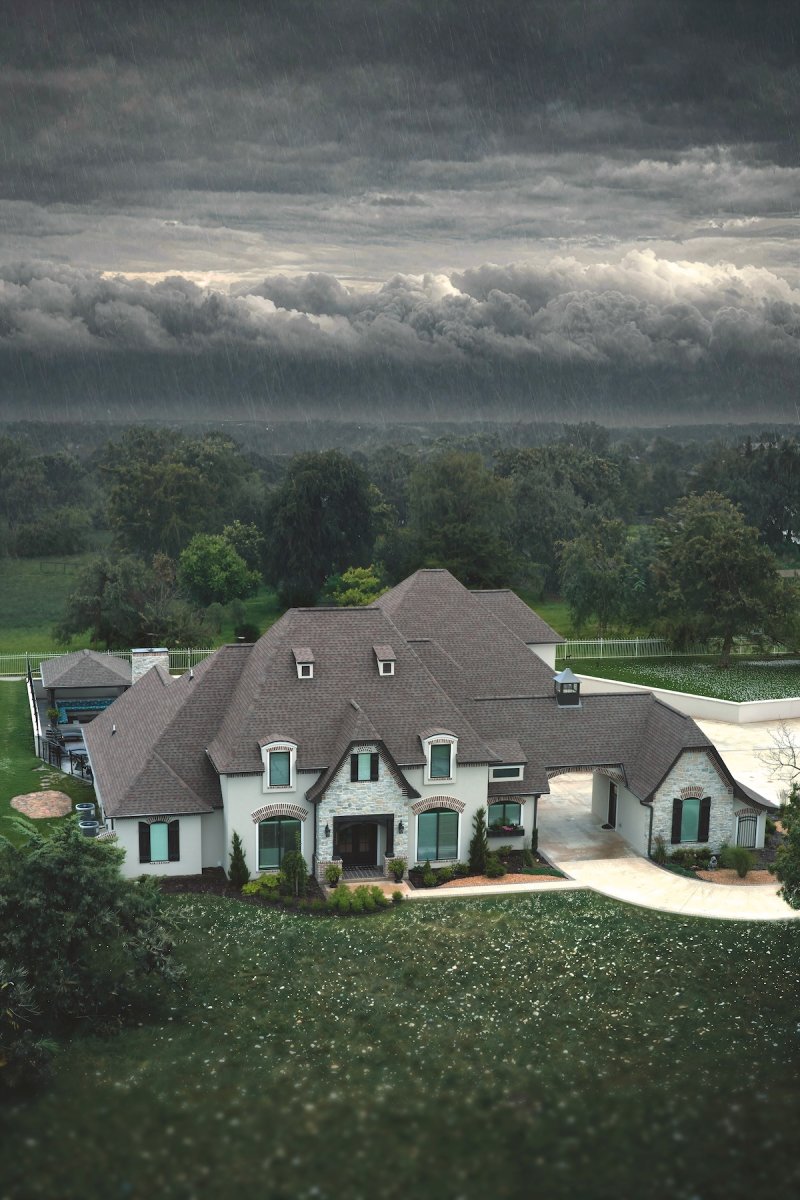
One of the best ways to protect your home is to choose shingles that are built to handle extreme weather. Few weather events can wreak as much havoc on a roof as a hail storm. If you live in an area prone to hail, high-performance shingles like TAMKO HailGuardTM shingles are a smart choice. HailGuardTM is the first asphalt shingle system with a Hail Warranty, which covers leaks caused by hail up to 3 inches in diameter for up to 20 years.†
HailGuardTM shingles are able to withstand large hail thanks to their design. Each shingle has a reinforced core coupled with next-generation polymer modified asphalt technology that absorbs and disperses the impact from hail so it causes less damage to the shingle. HailGuardTM shingles earned a UL 2218 Class 4 rating, the highest industry rating for impact resistance currently available by the Underwriters Laboratory (UL), which means the shingle withstood a 2-inch diameter steel ball dropped on it from a height of 20 feet on the same spot twice. TAMKO has shared with us, however, that internal testing reveals HailGuardTM shingles can perform well beyond the current UL testing standards, withstanding impacts from a 2.5-inch diameter steel ball from upwards of 25 feet—representing more than twice the impact energy of traditional Class 4 testing.*
Along with its impact resistance, HailGuardTM shingles also have better granule adhesion, which increases its granule retention in the shingle by 70 to 80 percent more than other shingles,‡ helping the granules stay in place even after being pummeled with hail. These shingles will also endure windy conditions, as they’re warranted to withstand wind speeds of up to 160 miles per hour.**
*“Beyond Class 4” is a marketing term and does not refer to any official UL impact rating. HailGuard™ shingles are classified by UL for compliance with UL 2218 Class 4 impact resistance. UL 2218 utilizes a dropped steel ball which may not correlate with real world rooftop experience with the impact of storm driven hail or other objects. Currently, UL testing does not extend beyond Class 4; however, TAMKO has successfully tested HailGuard™ shingles at impact energies exceeding UL 2218 Class 4. See TAMKO’s HailGuard™ Extended Limited System Warranty for complete terms and details.
†As of March 2026. See TAMKO’s HailGuard™ Extended Limited System Warranty for complete terms and details.
‡Based on internal testing conducted in accordance with applicable industry standards and procedures, which have not been independently verified.
**160 MPH wind warranty requires TAMKO® starter and TAMKO® hip and ridge. See TAMKO’s full High Wind Application Instructions for all requirements and restrictions.