
We may earn revenue from the products available on this page and participate in affiliate programs. Learn More ›

Partner Story
Build a home that’s ready for today and tomorrow. Propane offers dependable, affordable power designed to keep up with the demands of modern living.
How you power your home affects your lifestyle, from the appliances you buy to how much you spend on energy bills. With power outages and electric rates on a steady climb, relying on the wrong energy source to power your home’s systems could be extremely costly. Builders and buyers are turning to propane to provide dependable, cost-effective energy.
“Propane has always been a desirable whole-home energy solution, but growing demand for reliable, affordable energy is catching the interest of many builders and homeowners today,” says Bert Warner, Director of Residential and Commercial Business Development at the Propane Education and Research Council (PERC). Propane is stored on-site and is piped into a building independent of the fragile electric grid or natural gas main infrastructure. Because of this, the more propane appliances a home has, the more resilient that home is. “By incorporating propane instead of building an all-electric home, builders can ensure that their customers will have reliable energy for many of their home’s key systems, like heat, hot water, cooking, and standby power,” says Warner.
Keep reading to discover why propane is the perfect whole-home energy partner to provide affordable comfort and help protect homeowners from rising utility costs and the threat of power outages.

Enjoy a high-performing and safe energy source.
Propane works effectively in projects of all sizes, from single family homes to large residential communities, and provides comfort, luxury, and safety to residents. “Inside the home, propane appliances like water heaters, furnaces, kitchen ranges, fireplaces, and innovative technologies like hybrid heat pump systems appeal to homeowners thanks to their energy efficiency and performance,” says Warner. Propane-powered appliances and equipment are highly efficient, helping home systems run smoothly and often requiring less maintenance and energy than similar equipment powered by other energy types.
When it comes to safety, the propane industry is constantly innovating. “Today’s tanks are equipped with top-of-the-line safety features,” notes Warner. Many propane suppliers use remote tank monitoring systems to receive an alert when a customer’s tank level drops below a certain point, and will automatically come to refill the tank. “These systems can also be integrated with an app that notifies homeowners so they always have visibility into how much propane is left in their tank.”

Reduce dependence on the electrical grid.
A recent Department of Energy report found that the U.S. power grid is facing significant challenges due to aging grid infrastructure and unprecedented demand for electricity from homes, businesses, and data centers. By 2030, the electric grid will be unable to keep up with this demand, and an increasing number of blackouts and brownouts could occur, leaving many of us in the dark.
Choosing propane for major home systems directly alleviates pressure on local electrical grids and ensures a reliable power source. “The electric grid is becoming increasingly overloaded, resulting in more outages and higher peak demand pricing rates,” explains Warner. “By choosing propane to power a home’s appliances instead of electricity, the overall electric load is lightened, and homeowners are insulated from volatile electric rates.”
Since propane is stored directly on a home or business’s property, it can provide consistent power independent of the electric grid or natural gas lines. Therefore, having a whole home running on propane equates to greater reliability and peace of mind. Additionally, propane can be delivered and used almost anywhere, so builders and buyers have access to propane when other utilities might not be available, allowing them to build dream homes where they want, says Warner.

Backup power that’s always ready.
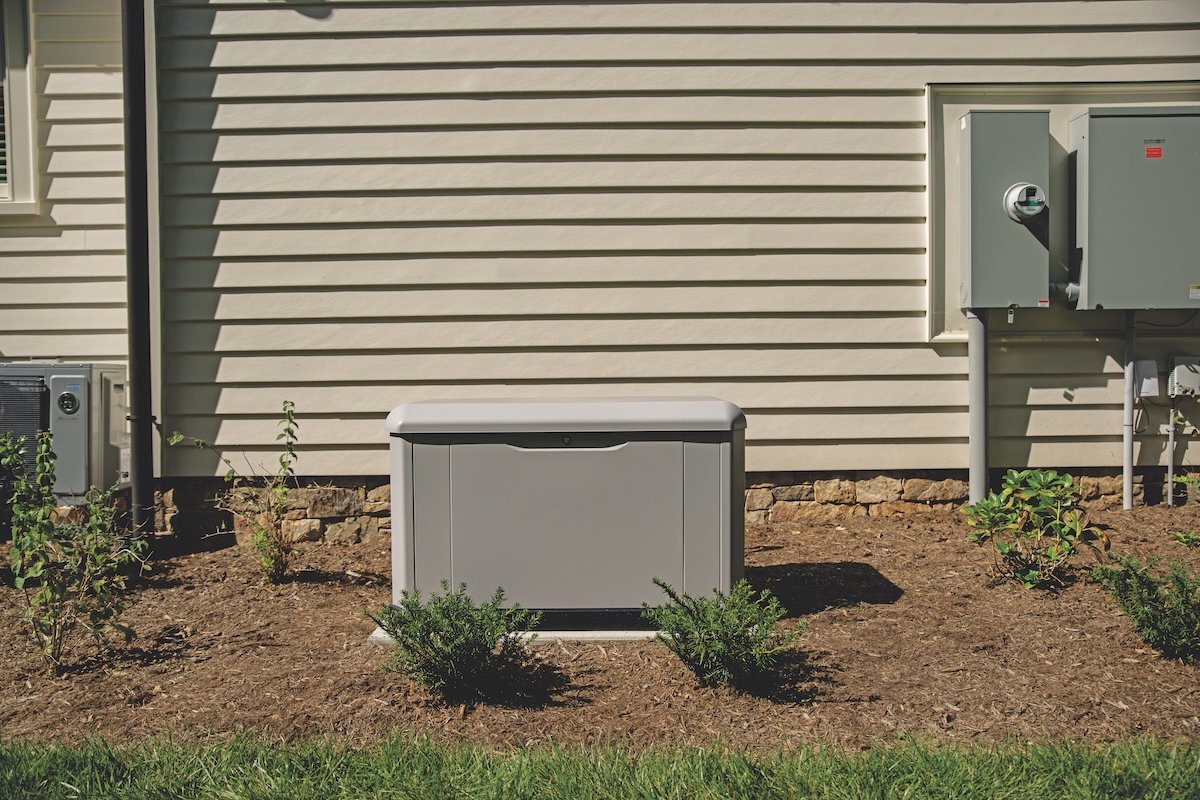
Propane is considered a superior fuel source for backup generators compared to gasoline or diesel, particularly when it comes to fuel stability and maintenance during long-term storage. “Builders are finding that propane standby generators are no longer a luxury amenity, they are essential to ensure uninterrupted comfort and security,” notes Warner.
The quality of propane doesn’t degrade over time the way diesel and other fuels do, so it’s always ready to go when it’s needed. “This makes it a perfect energy partner for standby generators,” says Warner. “Homeowners can’t predict when they’ll need to rely on a backup generator to power their home and keep their family safe and comfortable. With propane, whether it’s been two weeks or two years since their propane tank was filled, their standby generator will come to life in seconds to restore power and peace of mind.” And unlike diesel, propane doesn’t require any fuel maintenance or additives to preserve fuel quality, which reduces costs and simplifies maintenance for homeowners.
By using propane-powered appliances, homeowners can also save money on up-front generator costs. “Since a home’s electric load is reduced when propane-powered appliances are used, a smaller backup generator is needed, which results in reduced equipment cost for the homeowner,” explains Warner.
Save money in the long run.
Efficiency, stable prices, and rebates make propane an affordable whole-home energy choice. “Homeowners can expect to save hundreds of dollars on energy bills with a propane home, due to the powerful efficiency of the equipment and the historically stable pricing of propane, versus the volatility of electric rates,” says Warner. For example, propane tankless water heaters can reduce a typical family’s utility bills compared with electric heat pump water heaters, which have about one-third the hot water flow rate of a propane tankless system and a service life that is 5 to 10 years shorter than a propane system. Propane is also domestically produced and is not subject to the same fluctuations of global markets and supply chains that affect gasoline and diesel prices. “The bottom line: choosing propane to power a new or existing home can help protect homeowners’ budgets.”
Homeowners can save even more money by looking for rebates at the local, state, or regional level, as well as from individual equipment manufacturers or through state propane gas associations. For builders and remodelers, adding propane equipment provides a significant competitive advantage, and PERC offers compensation to builders who install propane appliances in exchange for performance data. With the Propane Construction Research Program, builders can earn up to $1,000 per new home by installing propane appliances and sharing data. Remodel projects that replace heating oil or electric appliances with propane may qualify for an additional $500.
Boost the resale value of your home.
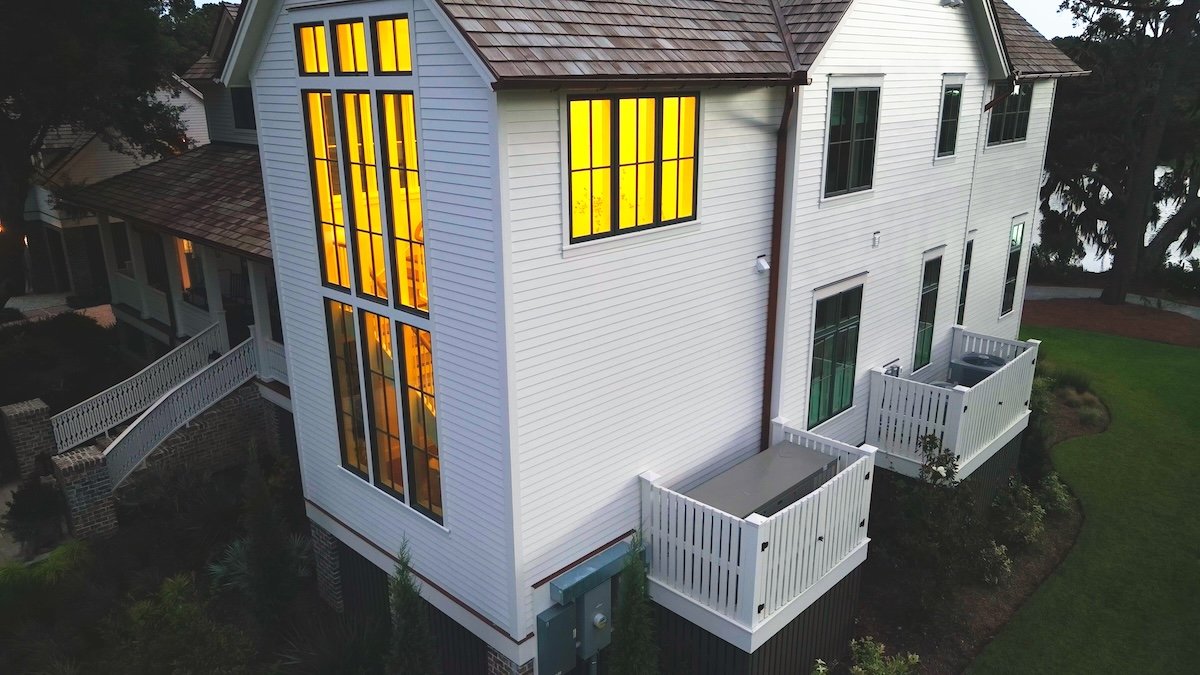
What happens if you decide to sell your propane-powered home? Fortunately, demand for gas appliances and home systems is strong. In a recent survey of more than 500 homebuilders who participated in PERC’s Propane Construction Research Program, 18 percent reported that their propane homes sold for a higher price than all-electric homes, Warner says. Additionally, 20 percent of builders surveyed reported that the propane homes they built sold faster than all-electric homes. “Especially in areas that don’t have access to natural gas, like some desirable remote coastal or mountainous regions, a home equipped with propane systems becomes even more sought after for its energy reliability, efficiency, and gas-powered comfort,” says Warner.
A whole-home solution for affordable, reliable energy.
Incorporating propane-powered appliances such as water heaters, furnaces, generators, clothes dryers, cooking appliances, and fireplaces in new builds or remodels ensures affordable comfort, improved efficiency, lower costs, and greater energy security. For houses and construction projects of all sizes, propane is a smart, whole-home solution to meet today’s energy demands.