
We may earn revenue from the products available on this page and participate in affiliate programs. Learn More ›
When it comes to home improvement, a lot of DIYers are looking for a cheaper, faster, and better way to get the job done. Many paint brands now have one-coat paint formulas, but they usually have an asterisk listing some exceptions. We spoke to several pro painters to find out what they really think about one-coat paints and if they recommend them.
Keep reading to find out if these paints perform what the brands claim. Do one-coat paints save you time and money on home painting projects?
What is One-Coat Paint?
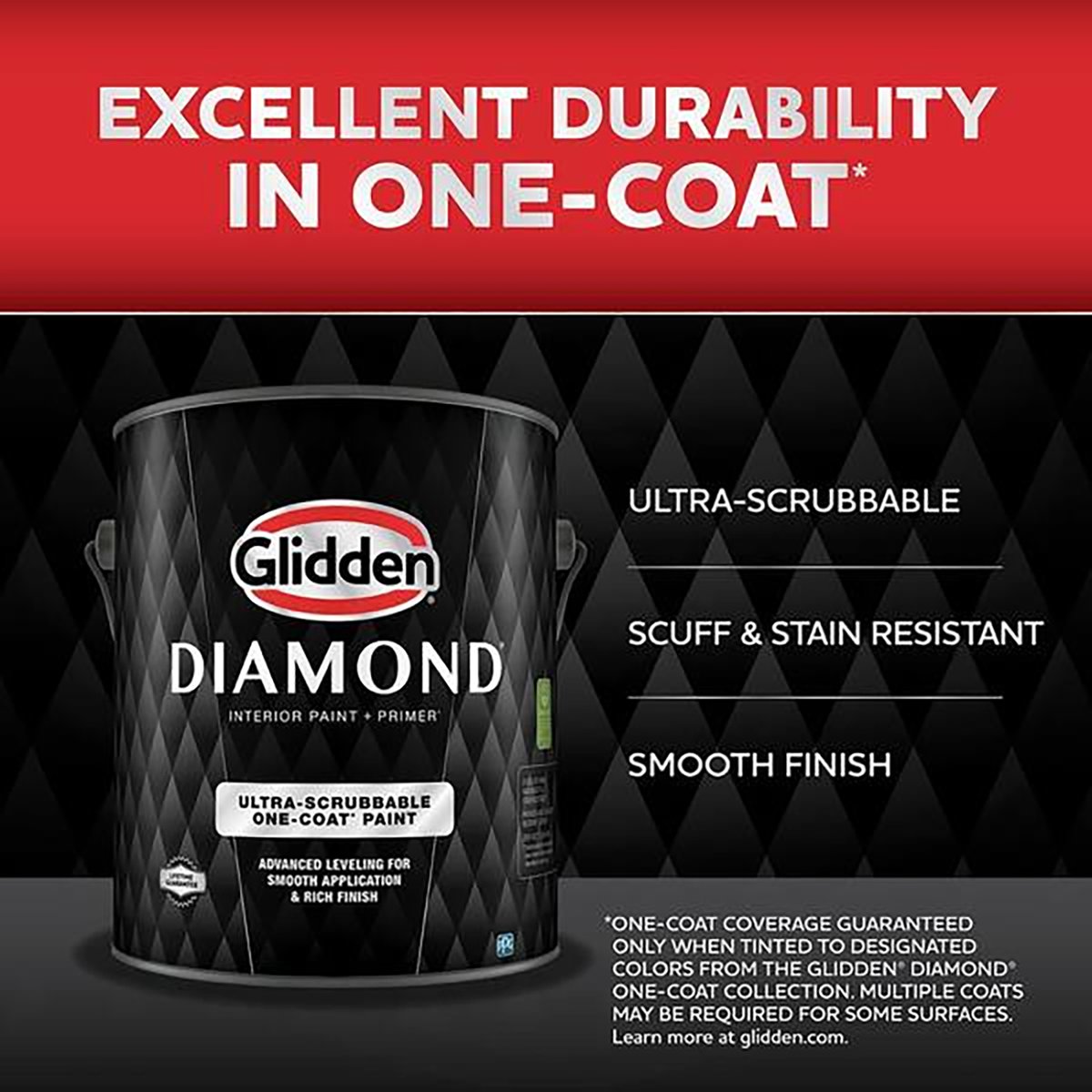
One-coat paint is specially formulated to provide full coverage with a single coat. Thicker than conventional paints, one-coat paint contains up to 20 percent more paint solids to produce a more opaque coating. Some one-coat paints include the primer in the mix, while others do not.
However, true one-coat perfection is rare, says Eric Goranson, an interior designer in Lake Oswego, Oregon, and host of The Around the House Show. “Even the best ones usually get you 80 to 90 percent coverage on the first pass with skilled rolling,” he explains. “You’ll almost always need a light second coat or targeted touch-ups for an even sheen, full color depth, and that flawless pro finish—especially under critical light where roller marks or subtle streaks show up.”
As their marketing asterisks explain, these paints don’t replace primer when needed or a second coat for pro-level results, adds Goranson. “Two coats still win for the best outcome, but a high-end one-coat paint gets you way closer than standard paint ever could.”
When to Use One-Coat Paint
Most experts agree that two or more coats of paint should be applied for the best result. However, certain conditions are appropriate for choosing one-coat paint. Before deciding which type of paint to use, assess the details of your project, including color choice, preferred sheen, surface material and texture, and how much traffic, wear, and tear you expect.
Follow these guidelines to determine if a one-coat paint is right for your project:
Color: Stick to similar colors when painting over a surface with one-coat paint. “It’s much easier to cover a light color with a dark color than the opposite,” explains Luke Hass, head of sales at Pearl Painters in Tigard, Oregon. “Still, any big color change is going to increase the likelihood that one-coat just won’t quite do it. If it’s close in color, or the same color being used as a maintenance coat, it can be a realistic possibility.”
Sheen: One-coat paint works best on flat or matte finishes. “Anything higher in sheen and you’ll need additional coats to even out the finish,” notes Will Jo of Soho Painters in New York City.
Surface: Choose one-coat paint for smooth, primed surfaces. “Porous walls or patched areas absorb more paint, which can lead to uneven results,” says Chuck Reger, franchise business coach at Five Star Painting, a Neighborly company in South Bend, Indiana.
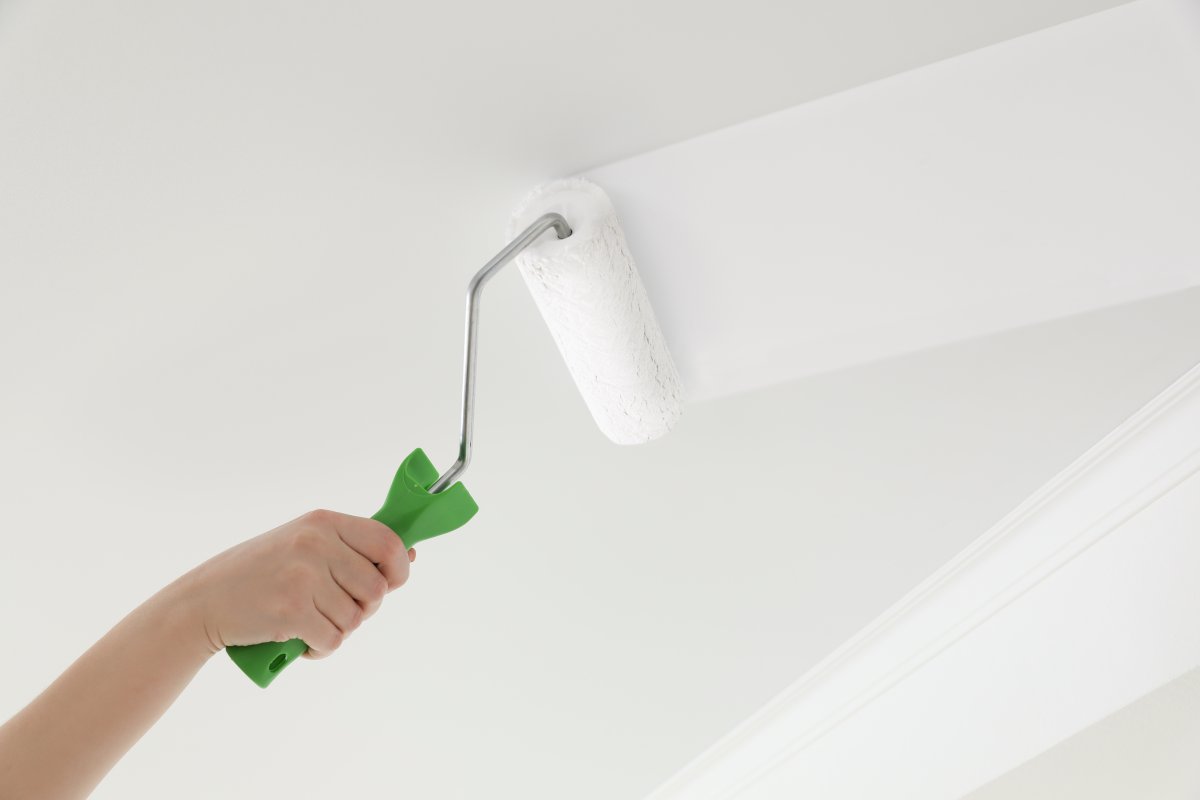
Wear and Tear: Use one-coat paint in low-traffic areas that don’t require as much upkeep, such as on ceilings or on walls in living rooms, formal dining rooms, and guest bedrooms. Avoid using only one coat in high-traffic areas like hallways, bathrooms, playrooms, and kitchens.
When One-Coat Paint Doesn’t Work
Unfortunately, one-coat interior paint is more likely to not work. Here are some of those situations.
Bold Color Changes: “If you’re doing a color change, I really wouldn’t recommend relying on one coat to get the job done,” warns Jo. “I would stay away from these one-coat paints, especially if you’re using reds, yellows, greens, or blacks, which are notoriously difficult to cover even with two coats in certain instances.” Anytime you’re changing from a dark to light hue, you’re going to need multiple coats so the first color doesn’t show through.
High-Sheen Finishes: “One-coat paint will most likely have the worst outcome on a gloss finish because the higher sheen reflects light and highlights unevenness,” explains Reger. “If you are painting on an eggshell, satin, or gloss finish, you may want to use a primer in addition to the paint.”
Stains and Discolorations: One-coat paints are not effective enough to cover up stains and markings on walls and ceilings, such as water damage, scuffs, and children’s marker drawings.
Textured Surfaces: If you have textured walls or ceilings, such as a popcorn ceiling or knockdown, spray sand, or orange-peel textured walls, it’s best to avoid one-coat paint. These types of rough surfaces require multiple coats of paint to get the best look possible.
New Drywall: Avoid one-coat paint for new surfaces, as they need a drywall primer and possibly two coats of paint for the best protection and result.

Application Tips
If you choose one-coat paint for your project, be sure to consider these pro tips to ensure optimal coverage.
Test the paint: Before you commit to a specific paint type or color, test it out on a small section of your wall to see how it will look, advises Reger. It’s also important to remember to stir the paint before using it, as one-coat paint formulas contain high levels of hiding pigments that sink over time and settle at the bottom of the paint can.
Prep the area: It’s vital to make sure a wall is prepped and cleaned before starting any paint job, says Reger. “One-coat painting can already highlight imperfections, and painting over a surface that has grease or dust buildup can cause the paint to apply unevenly, leading to a bubbly or rough texture.” Proper preparation, which includes filling in and sanding down cracks and washing the walls, can ensure the paint can be applied smoothly so no flaws are highlighted. You’ll also want to apply a coat of primer if the formula doesn’t already include it.
Use a quality roller: To get the best coverage and most professional look when using one-coat paint, use a high-quality paint roller. Goranson recommends a good roller (⅜-inch nap for smooth walls) and extension pole for even pressure. For proper technique, he suggests working in sections, keeping a wet edge, and avoiding overloading the roller.
Apply generously and evenly: Don’t skimp on the paint. “Dip frequently to keep the roller fluffy and loaded,” says Hass. “Don’t try to roll every last ounce of paint out of the roller until it’s matted down and dry; that will quickly have a negative effect.”