We may earn revenue from the products available on this page and participate in affiliate programs. Learn More ›
From seasoned gardeners to those just looking to boost their yard’s curb appeal can look to hydrangeas, which remain a favorite for homeowners and professional landscapers alike. Thanks to their fast-growing nature and low-maintenance care, these beloved woody-stemmed shrubs fill outdoor spaces with months of vibrant, show-stopping color from late spring into autumn. With about 80 species and more than 600 cultivars available, there are plenty of options for every garden design.
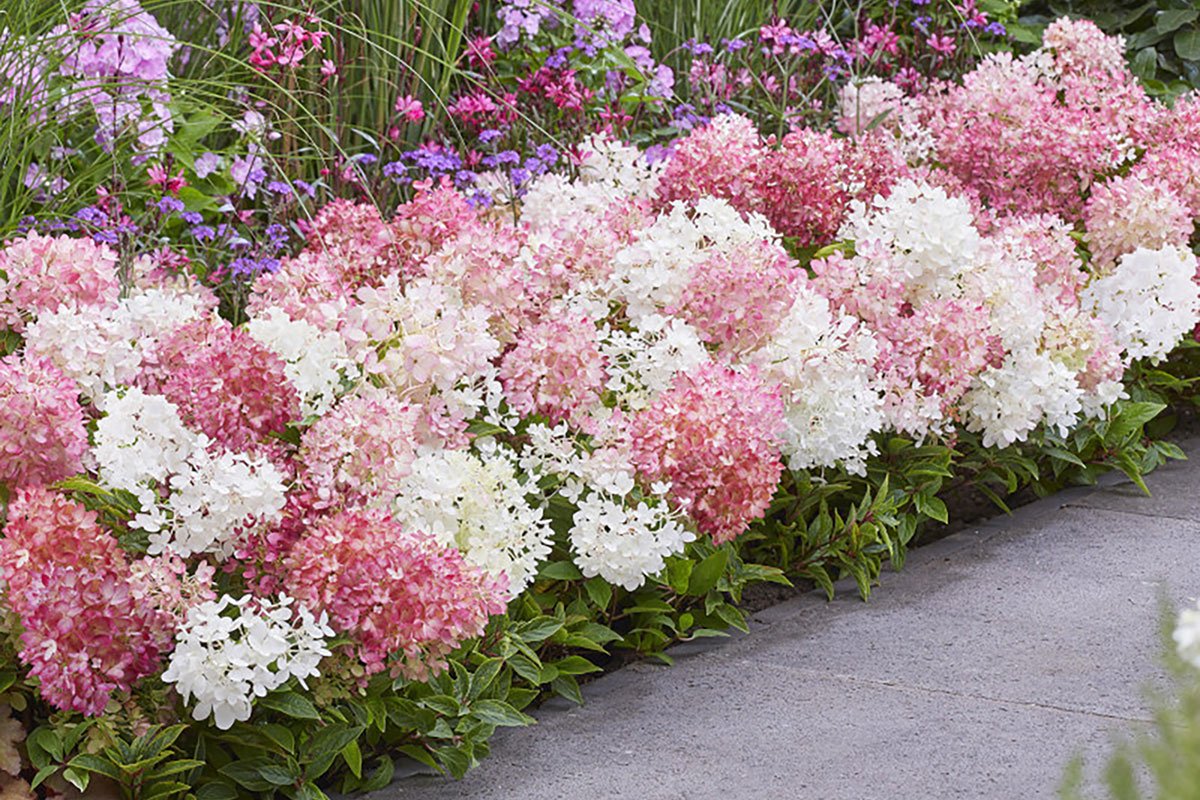
Now, excitement is building around a new low-growing variety from Plant Addicts that promises to reimagine how we use these classic blooms. Offering a soft carpet of delicate white and blush pink hues, these ground cover hydrangeas might be the top landscaping trend to watch for in 2027.
Announcing Groundbreaker Blush Hydrangea
Plant Addicts is releasing a new low-growing variety for the 2027 spring season. Groundbreaker Blush Hydrangea (Hydrangea paniculata ‘LC NO21’ PBR) is a first-of-its-kind panicle hydrangea with a low, naturally spreading habit that creates a flowering ground cover unlike traditional upright varieties, according to the company. Panicle hydrangea is a dwarf variety that grows to only about 2 feet high, making it a smart choice for ground cover in any yard.
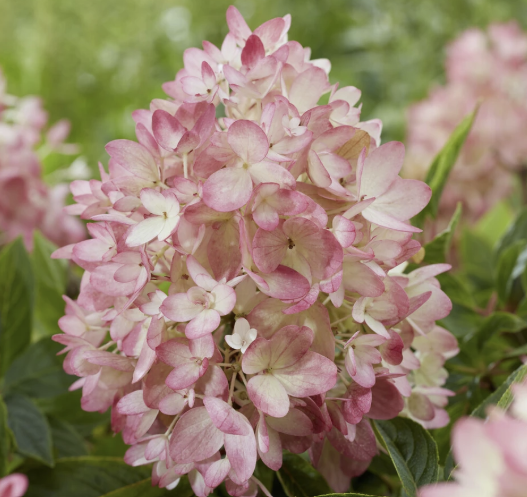
Thriving in full sun to partial shade in USDA Hardiness Zones 5 to 8, this gorgeous dwarf shrub produces large white flowers starting in midsummer. The blooms gradually develop soft blush pink tones, often giving the plant white and pink tones simultaneously. The blooms can last up to 100 days, showcasing calming pops of color from summer into fall. You also can enjoy the flowers longer by drying hydrangea blooms in a vase.
Tips for Planting
The best time to plant nearly all types of hydrangeas is in the fall, while the second-best time to plant them is in the spring. During these seasons, there is time for them to develop a healthy root system before producing any flowers. Plant during the early morning or late afternoon since temperatures are cooler and won’t stress the new plants as much.
Where to Plant Hydrangeas
Choose a location that receives full sun to partial shade, with afternoon shade in hot southern climates. Also, make sure the area is protected from the wind. This variety grows best in fertile, moist, well-draining soil with compost mixed in. Slightly acidic to neutral soil is ideal.
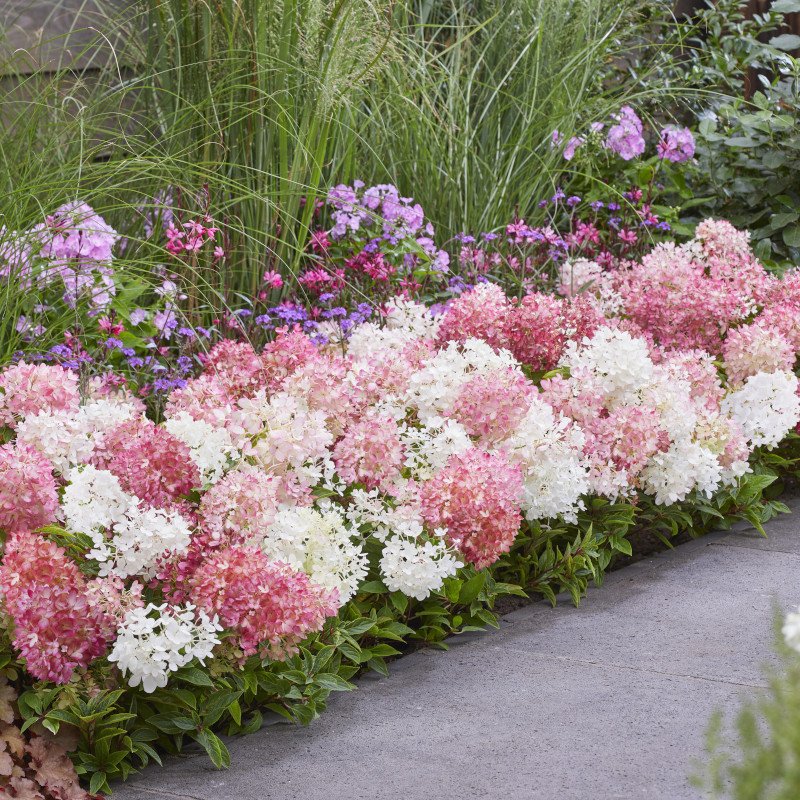
Popular spots include right next to the house or in front of a fence. Avoid placing them directly below trees where they will end up competing for water and nutrients. Since they form a ground cover, Groundbreaker Blush Hydrangeas will show best along borders or hardscape, not at the back of a garden bed.
Spacing Hydrangeas
Keep the hydrangea plants 24 to 30 inches apart for a full ground cover effect. If you want each plant’s mound to show separately rather than touch, increase spacing to about 30 to 36 inches between plants. For growing in containers, choose a pot at least 16 inches wide with drainage holes, or place the small shrub in a deep window box where the spreading stems can cover the edge.
Step-by-Step Instructions for Planting Hydrangeas
- Dig a hole 2 feet wider than the root ball and as deep as the root ball, so it sits level with or slightly higher than the soil in order to encourage drainage.
- Remove the plant from its pot and loosen the roots.
- Fill the hole halfway with soil.
- Water the plants.
- After the water has been absorbed, finish filling the hole with soil.
- Water thoroughly again.
- Add mulch.
How to Care for Groundbreaker Blush Hydrangea
To ensure that Groundbreaker Blush Hydrangeas flourish in your yard, take note of the following plant care guidelines:
- Watering: Water deeply after planting to settle the root ball, and try to keep the soil evenly moist during the first growing season.
- Fertilizing: Add a balanced slow-release fertilizer in spring, and stop applying fertilizer by late summer so new growth can harden before winter.
- Pruning: Prune the hydrangea in late winter or early spring before new growth begins. Cut back lightly to simply shape the mound, or cut stems shorter to jump-start fresh, compact growth for the new season. Deadheading is optional after flowers fade, especially in containers or formal edging.
Ways to Incorporate This Plant into Your Landscape
Given the Groundbreaker Blush Hydrangea’s ability to spread low near the ground, it’s best planted in decorative containers and as part of borders, mass plantings, slopes, or the front of landscape beds. In sunny borders, place them near allium and catmint. In partial shade, use coral bells and liriope to frame the hydrangea with foliage that has similar moisture needs. For containers, add bacopa or lobelia around the edge of the hydrangea.