

We may earn revenue from the products available on this page and participate in affiliate programs. Learn More ›

Having a verdant lawn that’s the envy of your neighbors is many a homeowner’s dream. But achieving that can be challenging. Among the many elements that go into making the perfect lawn are watering properly and treating the lawn with the right fertilizer. Other factors also play a role, including soil structure, lawn density, and grass type. There are also threats to your lawn that must be dealt with to keep the grass healthy and thriving, including weeds, pests, drought, and intense summer heat. We tapped Brian Feldman, senior director of technical operations at TruGreen, which offers services to address all these concerns, to learn more about the science behind a perfect lawn.
Good Soil Structure and Nutrients
Much of what goes into achieving a healthy lawn lies in the composition of the soil beneath the grass. “Soil that is compacted, low in fertility or has a pH imbalance can limit both root growth and blade density,” Feldman says. In order to counteract, the right approach should start with an inspection of the soil condition, and perhaps a soil test. Often, these inspections reveal the need for applications of seasonally timed balanced nutrients, core aeration to alleviate compaction and thatch accumulation, and soil conditioners to adjust the soil pH into the right zone for maximum health.
After testing your soil, TruGreen addresses those issues in a variety of ways:
- Core aeration: Aerating helps to break up the soil compaction, improving air, water, and nutrient flow to roots, vital for overall lawn health. Core aeration also benefits natural microbes in the soil, which help to break down thatch naturally over time. Thatch is that unwanted spongy layer of dead grass tissue that can choke your lawn if left unabated.
- Soil amendments: Adding soil conditioners helps to balance the pH to a range where your grass can thrive. Depending on what grass type you have, and the starting pH of the soil, the process may involve adding lime to raise the pH or sulfur to lower it.
Like the plants in your garden, grass also requires nutrients to grow and thrive. Depending on what your soil needs, TruGreen will add a seasonal specific custom blend of fertilizer that includes a mix of the following essentials:
- Nitrogen: The most vital nutrient for plants, nitrogen drives growth by making it possible for the grass leaves to turn sunlight into energy.
- Phosphorus: Phosphorus is key to helping grass grow deep root systems that are drought tolerant.
- Potassium: This nutrient makes your grass hardier, so it can better resist disease, endure foot traffic, and survive harsh temperatures and drought.
Growing the Right Grass
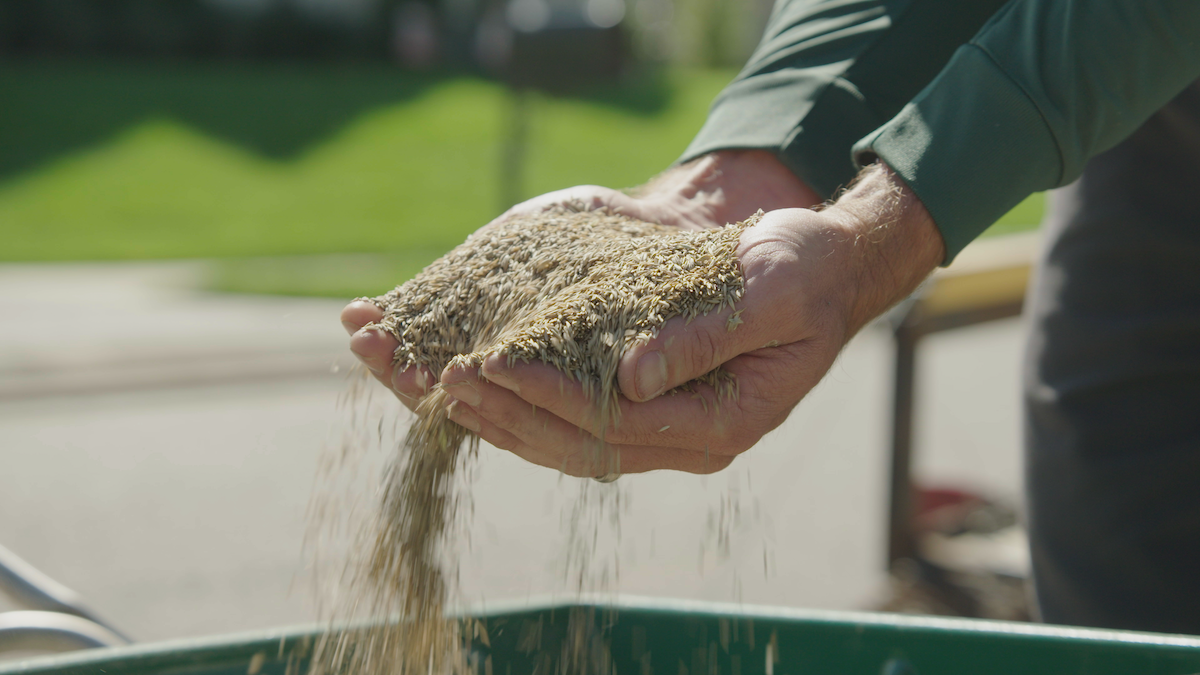
Soil and fertilizer are major parts of achieving the perfect lawn, but other factors also play a role. The type of grass that makes up your lawn can determine how well it thrives in your yard. The density of your turf also makes a big difference in how well your lawn defends itself against weeds, drought, and intense heat.
Grass Type
Choosing a grass type that suits your climate and fits with the time and effort you’re willing to commit to watering and fertilizing is crucial:
- Climate: Climate plays a huge role in the type of grass you should choose. Go with a cool-season grass, such as tall fescue, Kentucky bluegrass, fine fescue, or ryegrass, if you live in a northern region. For southern regions with warmer climates, your best bet is to choose a warm-season grass like Bermuda grass, zoysia grass, or perhaps St. Augustine, each offering advantages depending on the agronomic zone you live in.
- Resource demands: The type of grass you choose also dictates how demanding it is when it comes to fertilizing and watering. A shallow-rooted cool season grass like Kentucky bluegrass requires more watering than fescues that have roots that grow much deeper into the soil. Grasses that develop deep root systems, like fescues, Bermuda grass, and zoysia grass, require less water for survival and attractiveness.
Kentucky bluegrass, rye grass, Bermuda grass, and St. Augustine grass are heavy feeders, which means they require more fertilizer to grow dense and maintain a deep green color. In comparison, grass varieties such as fine fescue, tall fescue, centipede grass, and zoysia grass require much less fertilizer in order to flourish.
Density
A dense lush lawn can better defend itself against weeds and drought, which translates into less time watering and treating it. Thicker lawns are also more durable.
- Weed control: Thick turf crowds out weeds, blocking sunlight so that weeds can’t germinate and grow. A lush lawn also steals vital nutrients, water, and space away from encroaching weeds.
- Durability: Dense turf also provides a buffer that prevents the crown of the grass plants from getting damaged by foot traffic and lawn equipment.
- Drought resistance: Dense grass provides shade for soil, allowing it to retain moisture for longer during intense summer heat.
TruGreen helps to promote grass density by feeding your lawn with just the right amount of fertilizer to promote thicker, healthier grass.
Growing Season Maintenance
Keeping your lawn on the right mowing and watering schedule, fertilizing at the right intervals throughout the year, and helping it to grow thick through overseeding are all necessary to achieving and maintaining the perfect lawn.
Proper Mowing
Good mowing practices help to create a healthy lawn. Cool season grasses do the best when maintained at a height of between 3 and 4 inches, while warm season grasses thrive when kept at 2 to 3 inches. When setting your mower’s deck height and the frequency you mow, always follow the one-third rule, which means you should cut grass high enough and frequent enough to never remove more than one-third of the grass blade at a time. Doing so can shock and scalp the grass. If you lose color after a mowing, or produce excessive clipping clumps, you probably didn’t follow the one-third rule. Keeping the grass blade at the right height also allows the grass to capture sunlight energy efficiently, required for next level results.
Watering Schedule
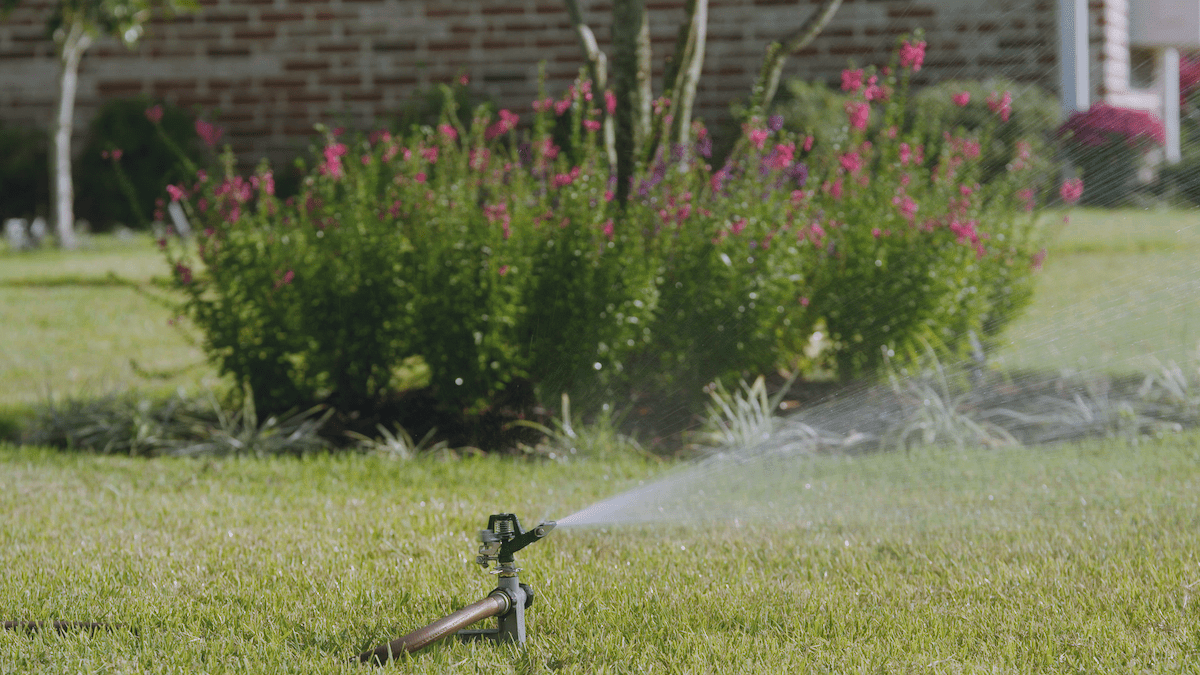
Water too little and the soil will dry out, causing the grass to wilt and turn brown. Water too much, or at night increases the conditions ripe for diseases like dollar spot, brown patch, and other patch diseases. A good strategy for keeping the soil moist but not saturated is to conduct deeper infrequent waterings rather than short daily waterings. Water about 1 inch per watering, enough water to fill an empty tuna can. The time it takes to fill the tuna can is how long you should irrigate each zone of the lawn. Remember to make adjustments for rain to avoid overwatering. Feldman also recommends watering early in the day. “Morning watering helps grass conserve moisture longer and prepares it to withstand the day’s heat, and it also lessens disease incidence” he says.
Weeding
An ounce of prevention is worth a pound of cure when it comes to protecting your lawn from weeds. Feldman recommends applying a pre-emergent herbicide in the early spring to create a barrier over your lawn that prevents germinating weed seed from establishing. If any weeds appear during the summer, pull them or spray them with a selective weed control that will kill the weeds without harming your grass.
Fertilization
Your yard requires more than just sunlight and water to thrive. If you want the perfect lawn, you’ll need to fertilize it periodically. “Consistent fertilization promotes new blade and root growth, increases grass density to crowd out weeds naturally, and improves drought and disease resistance,” Feldman says. TruGreen performs seasonally timed fertilizer applications throughout the year that are designed to promote growth, build root strength, and create a more resilient lawn.
Overseeding
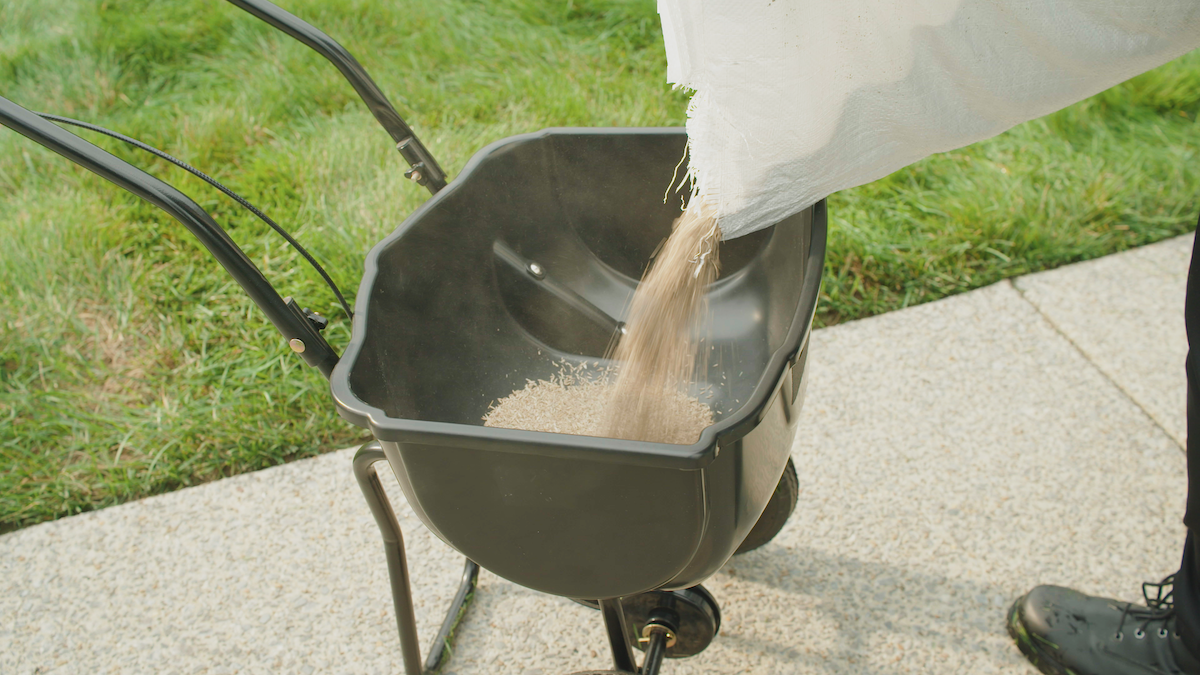
Spreading new grass seed over your lawn is a major part of creating a full and healthy lawn. Overseeding repairs damage your lawn suffered throughout the year and helps to thicken turf so that it not only looks better, but makes it more drought- and weed-resistant. Feldman recommends overseeding in the fall for cool-season grasses, in combination with aeration. Early spring can also be an effective time to overseed in order to establish the new grass before the heat of the summer months.
Pest Control
Pests aren’t just a potential problem for the health of your lawn. Biting insects can also make it more difficult to enjoy your yard. After a winter of heavy snowfall and widely fluctuating temperatures, experts are predicting a major boom in bugs, which is why it makes sense to bundle TruGreen’s insect control services with its lawn care services.
Lawn-Damaging Insects
Insects like grubs, chinch bugs, sod webworms, and armyworms can lay waste to your lawn if not kept in check, according to Feldman. “Assessing your lawn regularly and scouting for issues—especially after warm, wet periods of time—is the best way to catch problems before they reach damaging levels,” he says. TruGreen offers preventive applications that kill grub larvae right after they hatch and inspection then treatments to control aboveground pests like chinch bugs and sod webworms.
Nuisance Insects
Mosquitoes, ticks, and fleas might not hurt your lawn, but they can ruin enjoyment of outdoor living spaces. TruGreen offers a mosquito control service that keeps these nuisance insects at bay. They also offer perimeter pest control for insects that can invade your home, like ants, centipedes, and earwigs.