We may earn revenue from the products available on this page and participate in affiliate programs. Learn More ›
Partner Story
LetPot’s new all-in-one system takes the guesswork out of starting seeds and growing healthy seedlings indoors.
Starting seeds indoors is one of the best ways to get a jump on the growing season, but the earliest stage of growth is also the easiest to disrupt. Many beginner seed-starting problems can be traced to five common causes: light, root-zone temperature, nutrient timing, moisture, and spacing. When any of those conditions fall too far outside of their ideal ranges, seedlings may sprout unevenly, stretch, stall, or struggle before they ever make it outdoors.
Fortunately, modern technology has made seed starting much easier. Systems like the LetPot SS-Pro Smart Seed Starter Kit address the major needs through a 24W full-spectrum grow light, a 24W heated base, a humidity dome with adjustable vents, and built-in electrical conductivity (EC) and temperature monitoring in a single setup. Keep reading to learn how you can curb common mistakes and maintain more consistent conditions for young seedlings.
1. Not Providing Enough Light
A very common seed-starting mistake is relying on natural window light. While a bright windowsill might seem sufficient, seedlings typically need far more light than most indoor locations can provide. Insufficient light often leads to leggy seedlings, slow growth, and weak stems that struggle to support the plant later in the season.
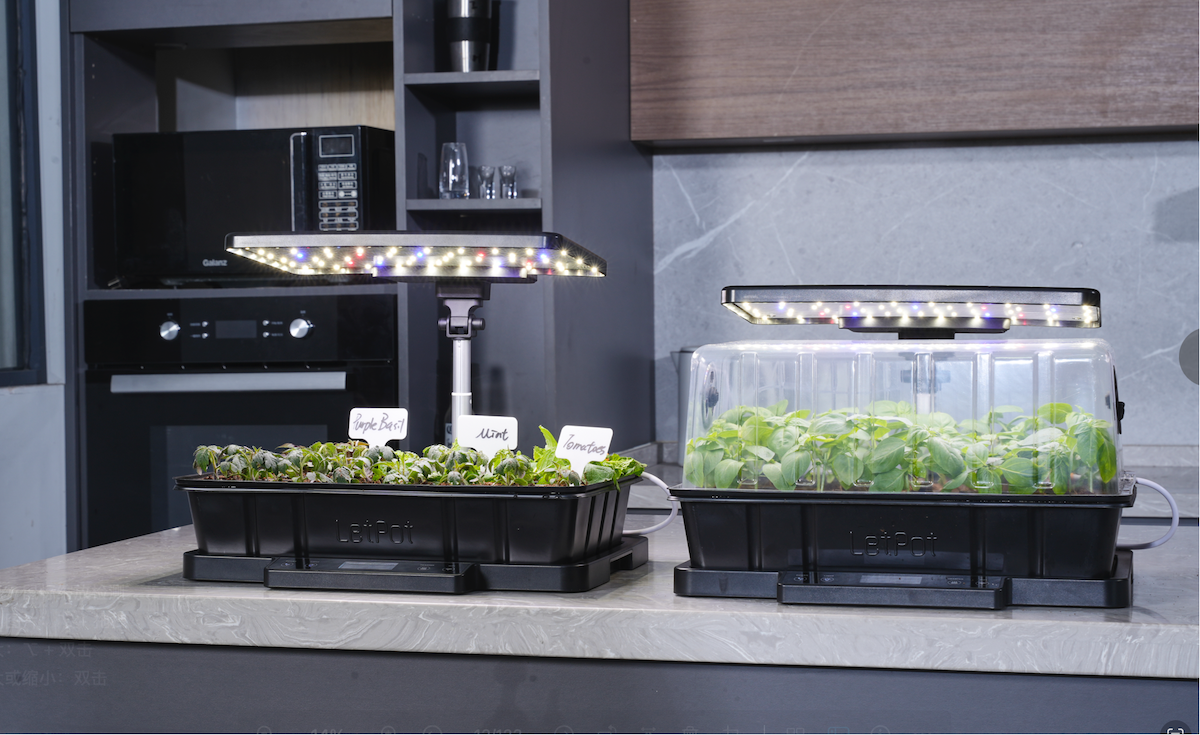
This problem happens frequently in late winter and early spring when daylight hours are shorter, and the sun sits lower in the sky. Even south-facing windows might not provide consistent intensity throughout the day, and shadows from buildings or trees can further reduce available light. Many inexpensive grow lights also fall short because they lack the full-spectrum output needed for strong early growth. Dedicated seed-starting systems can help address this by pairing stronger full-spectrum lighting with adjustable panels that allow gardeners to control both light intensity and coverage as seedlings grow.
The all-in-one LetPot SS-Pro Smart Seed Starter Kit includes a 24W full-spectrum LED grow light designed specifically for seedlings, providing stronger and more even tray-wide coverage than typical small grow lights. The adjustable light panel helps gardeners to keep the light at the proper distance as plants grow, while automatic day and night cycles mimic natural lighting and temperature patterns. Providing steady, high-quality light from the beginning helps seedlings grow compact, sturdy stems and prepares them for successful transplanting later in the season.
2. Ignoring Temperature Requirements
Nearly all seeds need consistent warmth in the root zone to germinate. For most seeds, germination is most effective when soil temperatures range between 65 and 80 degrees Fahrenheit. Unfortunately, indoor environments rarely stay that consistent. Seeds started on windowsills or countertops might experience temperature fluctuations due to cold glass, drafty rooms, or nighttime temperature drops. These changes can slow germination, cause uneven sprouting, or prevent seeds from emerging altogether.
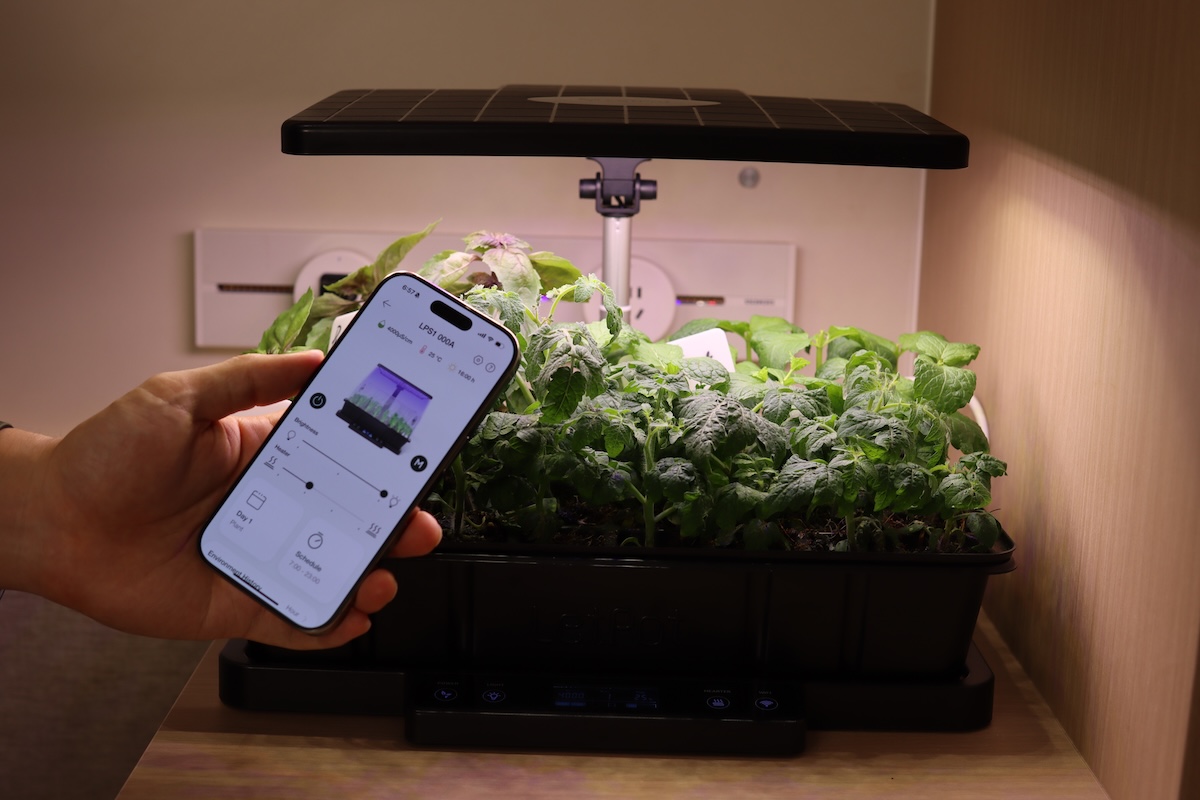
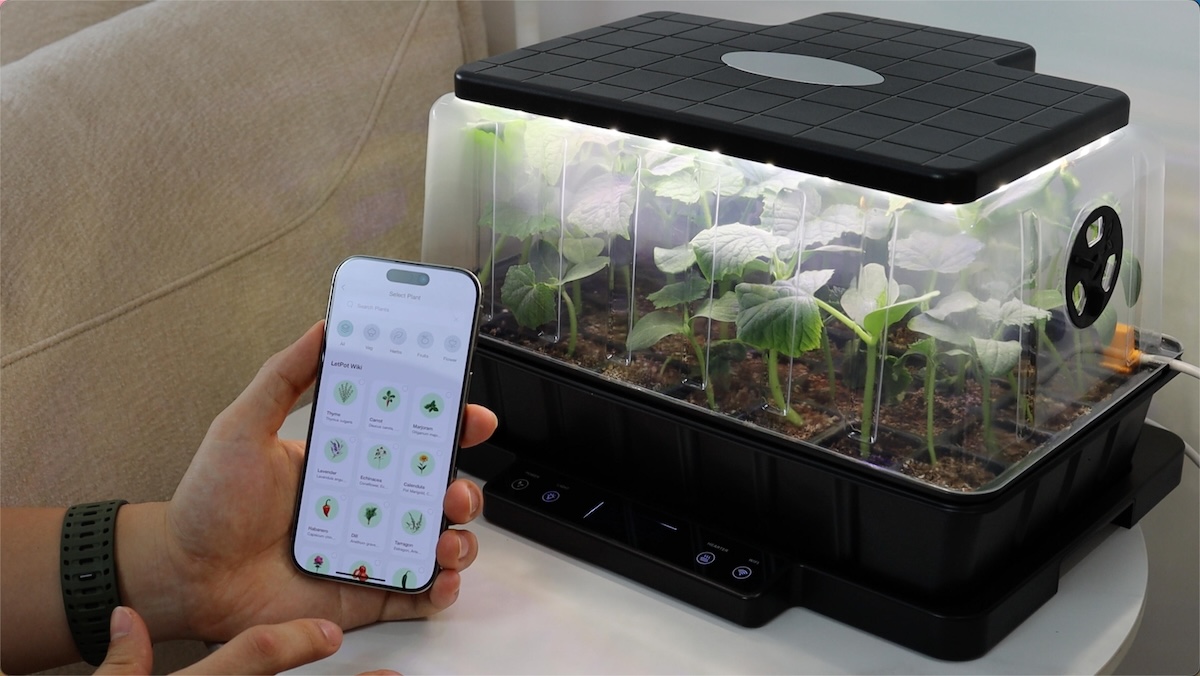
To help stabilize soil temperature, many gardeners use seedling heat mats. While helpful, the heat from basic mats can fluctuate unless they are paired with a thermostat, so it is difficult to maintain a steady environment. Some newer seed-starting systems combine heating with built-in controls that growers can monitor and adjust from the same device rather than relying on separate tools. The SS-Pro Smart Seed Starter Kit uses a 24W integrated heating base that gently warms the soil and maintains a consistent temperature during germination. The system connects to a smartphone app, allowing gardeners to monitor root-zone temperature in real time, set automatic day/night fluctuations, and make adjustments if needed.
3. Fertilizing Too Early or Incorrectly
Young seedlings have delicate nutrient needs, yet many beginners assume they should apply fertilizer as soon as seeds sprout. Overfertilizing at this stage can damage tender roots, slow growth, and even kill young plants.
In the early stages, seedlings do not need added fertilizer. Seeds contain their own stored nutrients that support the plant through germination and the first stage of growth. Fertilizer typically becomes useful only after the plant develops its first set of true leaves, which signals that the seedling has begun actively growing and can use additional nutrients.
Before that stage, the most important factors are stable growing conditions such as consistent light, warmth, and moisture, which help seedlings develop strong roots and sturdy stems and better prepare them to handle nutrients later in their development. The LetPot SS-Pro Smart Seed Starter Kit helps create a balanced environment while allowing gardeners to monitor growing conditions and nutrient data through its EC sensor. This helps take the guesswork out of knowing when to fertilize.
4. Inconsistent Moisture
Seeds also need consistent moisture to germinate. When a seed absorbs water, it activates enzymes that initiate growth and allow the first root to emerge. If the soil dries out during this stage, germination can stall. If it stays too wet, seeds can rot before they ever sprout. The goal is evenly damp soil that supports early growth without becoming saturated.
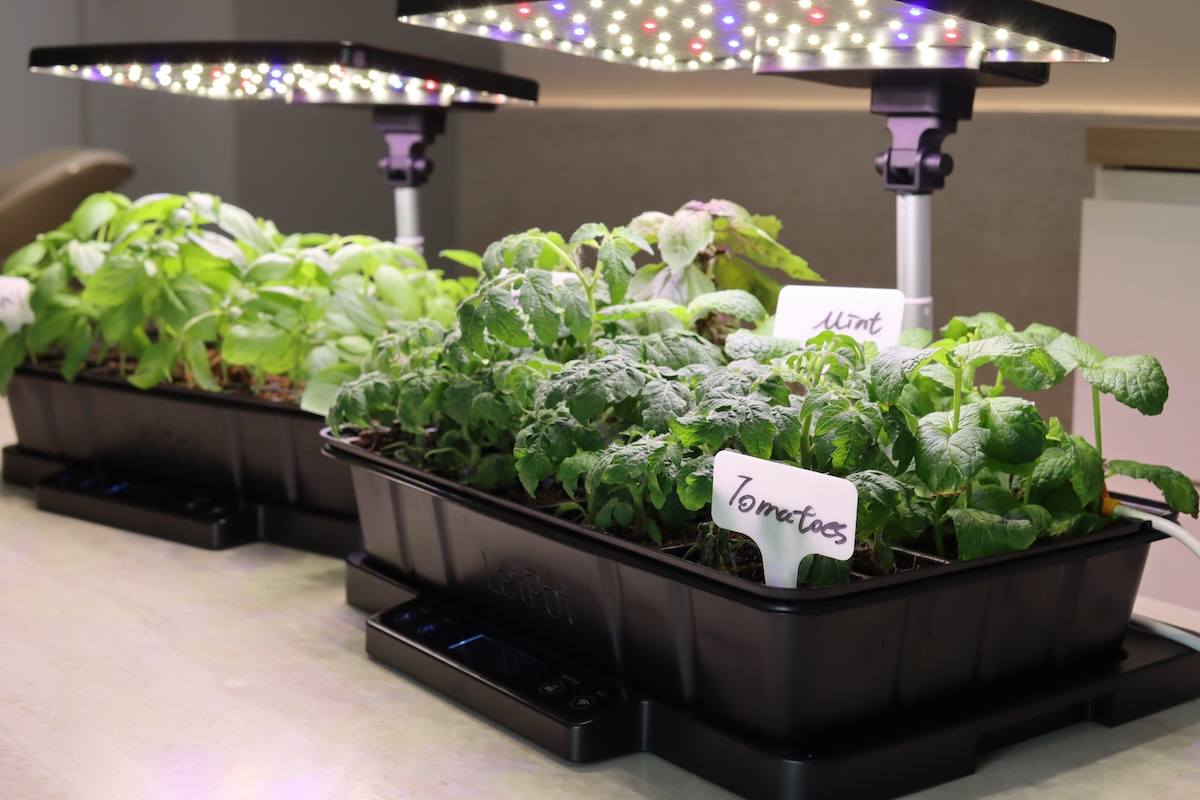
The LetPot SS-Pro Smart Seed Starter Kit helps regulate humidity, making this stage easier to manage. It includes a humidity dome with adjustable vents that helps maintain a stable microclimate around seeds. The dome slows moisture loss while the venting allows gardeners to gradually increase airflow as seedlings emerge.
Beyond germination, watering mistakes are among the fastest ways to kill seedlings. New gardeners often assume more water equals better growth, but excess moisture can lead to root rot, fungal issues, and damping-off disease. The opposite problem can happen just as easily. Seed trays are shallow and can dry out quickly, especially under grow lights or in heated homes. Because the surface soil might look dry while the lower layers are still wet, moisture levels can be difficult to judge by sight alone.
Tools that monitor growing conditions can help reduce that guesswork. The LetPot system includes sensors and monitoring tools that track seedling conditions and display the data through its app. Gardeners can keep an eye on moisture and environmental changes in real time and receive alerts if conditions move outside the optimal range.
5. Overcrowding Seedlings
Planting too many seeds in a small space is a frequent mistake when starting seeds indoors. When seedlings grow too close together, they compete for light, water, nutrients, and airflow. This competition often results in leggy plants, weak stems, and a higher risk of disease as crowded plants trap moisture and limit air circulation.
Overcrowding usually happens because growers want to maximize space or ensure that at least some seeds sprout. However, once seedlings begin growing, too many plants in one container quickly become difficult to manage. The best approach is to start seeds in trays that provide clear spacing from the beginning.
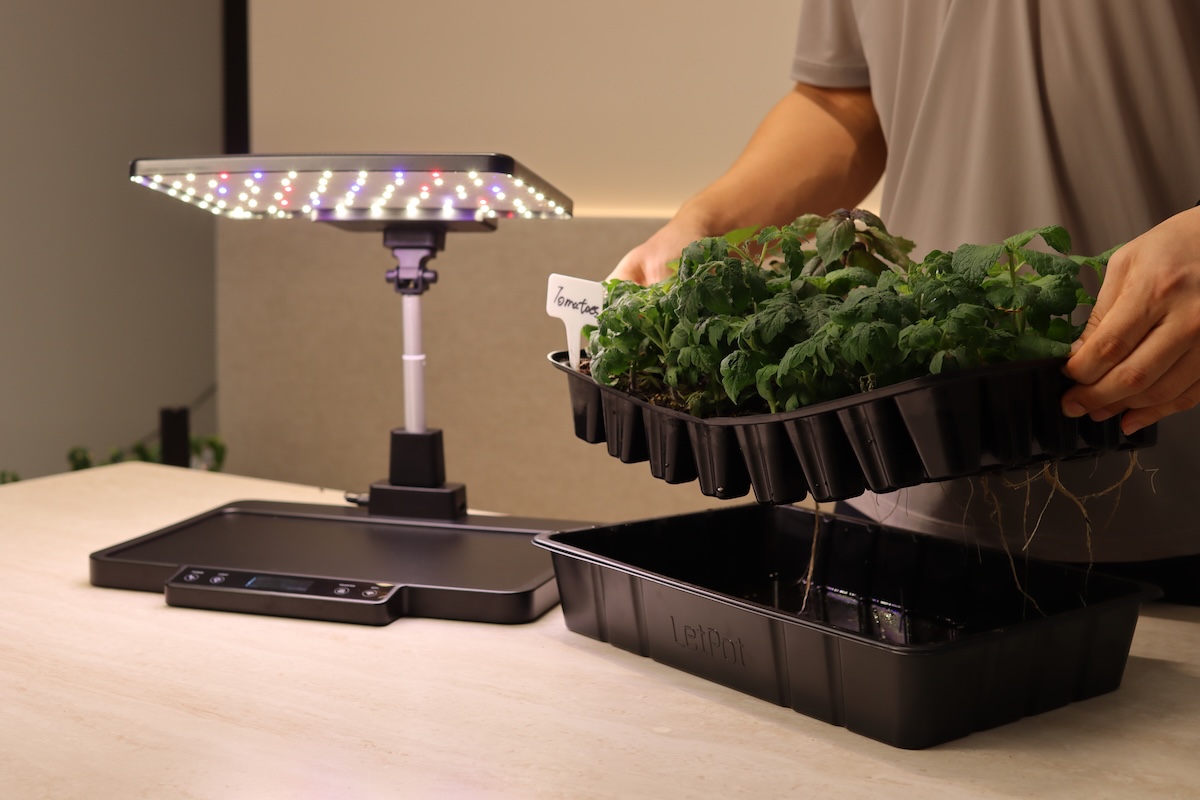
Systems designed with individual planting cells can help prevent this problem. The LetPot SS-Pro Smart Seed Starter Kit includes a 40-cell seedling tray that allows each seedling to grow in its own space. Separate cells reduce competition and make it easier to monitor growth and moisture levels. They also simplify transplanting because individual plants can be removed without disturbing neighboring roots.
A More Complete Solution for Successful Seed Starting
Starting seeds indoors doesn’t have to be complicated, but avoiding common seed-starting mistakes is essential for success. Modern tools like the LetPot SS-Pro Smart Seed Starter Kit combine lighting, heating, and environmental monitoring into a single system instead of requiring several separate tools. Through the app, users can select a plant type to kick off automatic light and temperature settings. At the same time, the SS-Pro retains app-based and on-unit touch controls for those that want to make their own adjustments. For beginners and experienced gardeners alike, this type of all-in-one solution removes much of the guesswork from indoor seed starting while helping plants grow faster and stronger.