

We may earn revenue from the products available on this page and participate in affiliate programs. Learn More ›

Partner Story
Take the guesswork—and physical work—out of crucial seasonal chores with the help of TruGreen lawn care services.
A healthy, lush lawn adds beauty, value, and comfort to your home. It’s where you and your family, friends, and neighbors can relax, play, and connect with nature, adding to your overall quality of life and well-being. But lawn care involves more than just occasional mowing and watering. Sometimes you might notice warning signs that your lawn is struggling, and basic DIY care just isn’t enough.
Lawns are complex living systems, so it can be challenging to decipher what is actually going on below the surface and how to fix it. “If problems aren’t corrected early, they often become harder and more expensive to fix later,” says Dr. Roger May, director of operations support at TruGreen. Knowing when to call in a professional can save you time, money, and frustration in the long run. TruGreen’s locally trained experts can create a customized lawn care plan for you that includes everything from aeration and fertilizer applications to overseeding and pest control, taking these tedious seasonal chores off of your plate. Below are some of the most common symptoms of a lackluster lawn and the best solutions to tackle them.
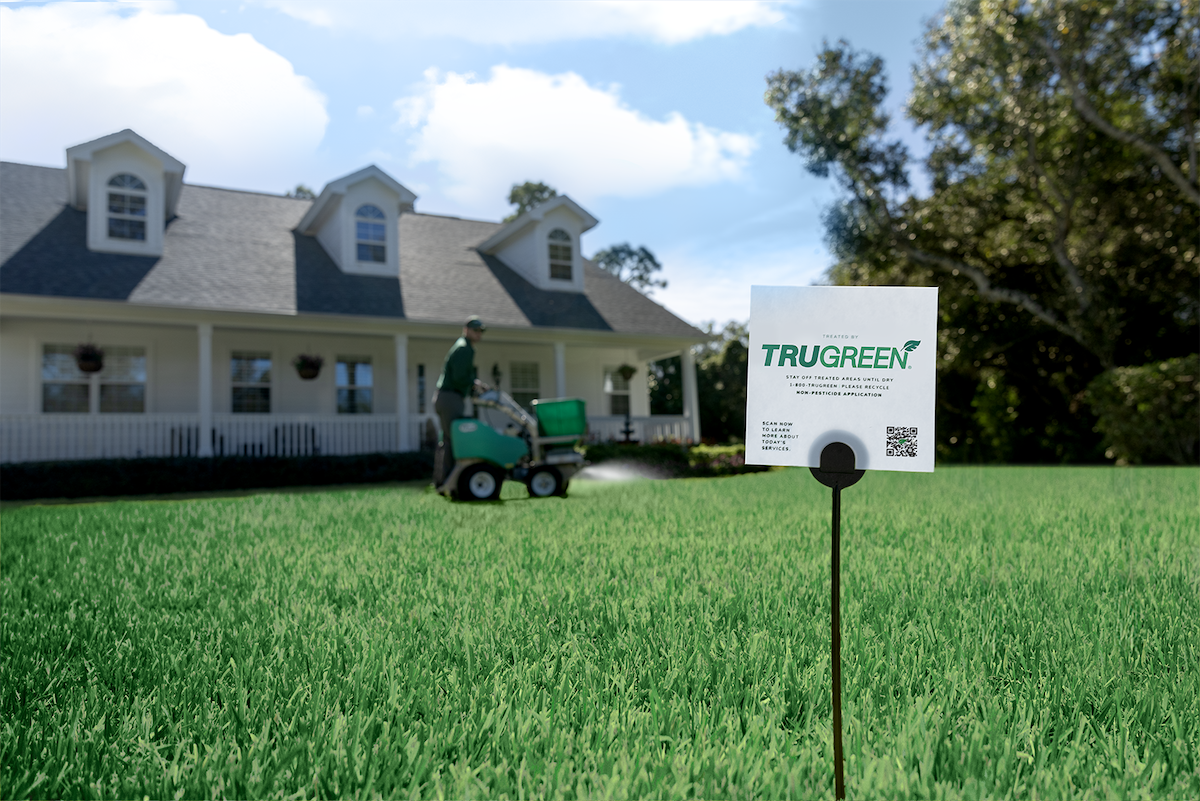
Pooling Water or Spongy Feel
If your lawn is healthy, it should absorb water after a rainstorm fairly quickly and not stick around for hours or days. But finding puddles of water on your lawn can be problematic; lingering moisture can potentially lead to fungal diseases, grass root suffocation, and pest infestation. Soil compaction is the most common reason that lawns become waterlogged. Over time, foot traffic, heavy equipment, and even natural settling can pack soil so tightly that water and air can’t penetrate through it. This causes water to remain on the surface, saturating the ground and often killing the grass.
Similarly, a spongy look and feel to a lawn is a warning sign. For example, if you walk across the grass and see your footprints linger, this could be due to overwatering or a buildup of excessive thatch, a dense layer of dead plant material that accumulates between the grass blades and the soil surface. This thatch layer can prevent water, air, and nutrients from reaching the roots of the grass, increasing the risk of disease and attracting pests.
Both of these issues can be resolved with lawn aeration, in which a machine (called an aerator) removes small, cylindrical cores from your lawn that consist of thatch and compacted soil. The plugs of soil are then left on your lawn, where they break down naturally. This process allows water, oxygen, and nutrients to penetrate deep into the root zone to stimulate root growth, and encourages microbial growth to help break down thatch. Ultimately, aeration helps build thicker, more resilient grass, and the pros at TruGreen can help you determine if and when it’s necessary for your lawn.
Yellow Spots and Thinning Grass
A well-nourished lawn depends on a careful balance of nutrients, but more isn’t always better. Overfertilizing can cause grass to develop yellow tips and take on a sparse, worn appearance. When nitrogen levels are too high from fertilizer, the result is what’s commonly known as “fertilizer burn,” a damaging condition that leaves your lawn looking scorched, with patches fading to yellow that can eventually die off entirely.
Proper fertilizer application that delivers essential nutrients can help repair your lawn so it stays thick, green, and healthy. Once you know your grass type, soil, and climate, you can choose a fertilizer with the right N-P-K ratio (the amount of nitrogen, phosphorus, and potassium) and schedule applications at the best time to promote growth while avoiding over-application. Keep in mind that environmental factors such as drought, heavy rain, or unexpected freezes can impact how effective your fertilization will be, so you’ll want to adjust your schedule as needed to keep your lawn thriving year-round. Better yet, let the experts at TruGreen do it for you.
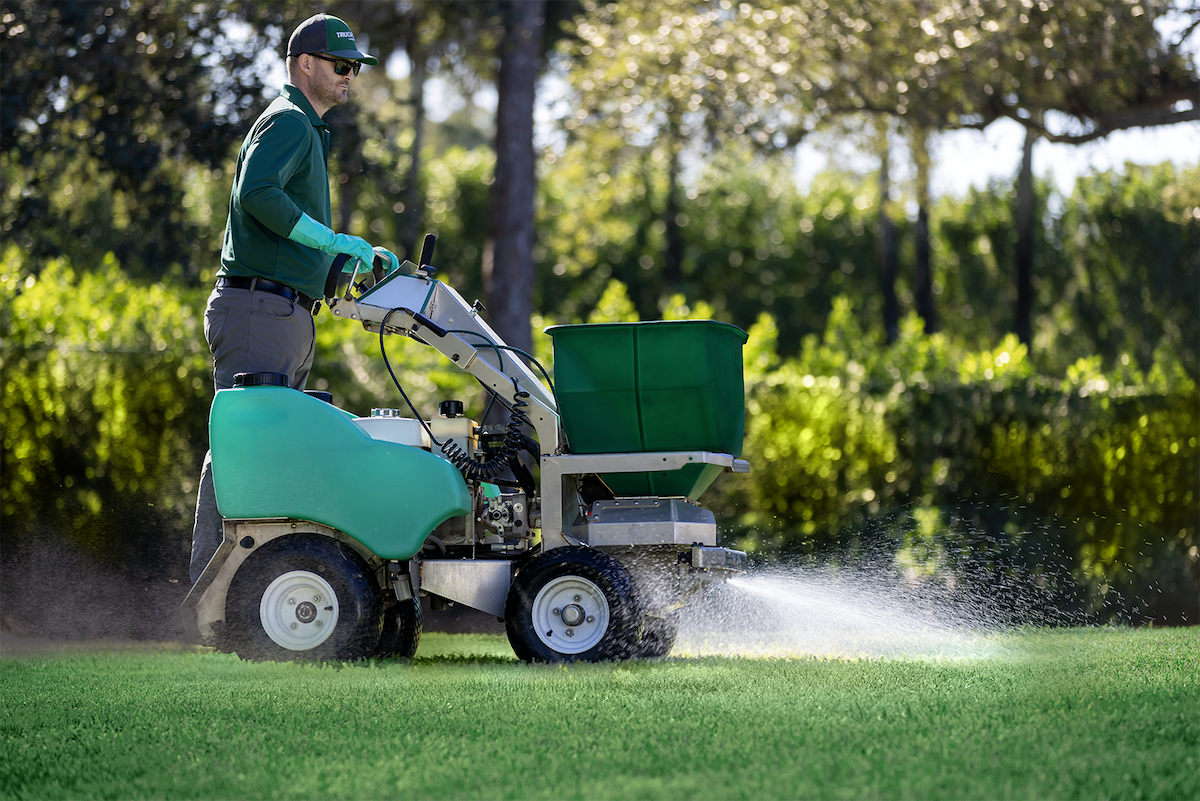
Excess Weeds
While the occasional weed is a perfectly normal part of any lawn, a sudden surge of unwanted weeds is often a telltale sign that something deeper is wrong. A thriving, vigorous lawn naturally crowds out invaders, so when weeds begin to take over, it typically signals that the grass is weakened and unable to compete. This can be due to compacted soil, nutrient deficiencies, or improper care. Beyond being an eyesore, excessive weed growth can prevent grass from getting the water, sunlight, and nutrients it needs to recover.
Using the right weed control strategy at the right time helps maintain a healthy, thriving lawn. TruGreen recommends a combination of pre-emergent weed control and post-emergent weed control. Pre-emergents address newly germinated weed seeds by stopping them before they appear. Apply pre-emergent herbicides before the soil temperature reaches 55 degrees Fahrenheit, as this is when weed seeds begin to sprout. Post-emergents target existing weeds that have already sprouted, helping to eliminate them and prevent further spread. It’s imperative to choose a product designed to tackle the specific weeds in your region for the best results.
Brown Patches, Wilting Grass, and Increased Wildlife Activity
While it’s common for grass to change color during extreme heat and drought, prolonged brown patches can be a red flag, especially if you have been consistently watering your lawn. Often, insects like grubs can cause this damage. Grubs are the larvae of various beetle species that burrow in soil and feast on grass roots. They can devastate the root system, causing wilting grass, brown patches, and an increase of hungry raccoons, birds, and other animals with an appetite for grubs. The best way to find grubs in your lawn is to use a spade to lift a section of sod to look for them beneath the surface.
“TruGreen specialists inspect the lawn for signs of insect feeding and identify the pests responsible for the damage,” May says. “Once they know what they’re dealing with, they apply targeted pest control treatments to reduce damaging populations.” TruGreen uses both dry and liquid products, depending on the time of year and what is best for your lawn. All products are registered for use by the U.S. Environmental Protection Agency (EPA), and in many cases exceed EPA criteria.

Bare Spots and Thinning Grass
A healthy lawn should look full and dense. If yours has bare spots and appears to be thinning, it might be struggling to grow properly. Look for these symptoms: visible soil between grass blades, grass that pulls up easily by hand, and high-traffic areas that never seem to recover and thrive. Unfortunately, this type of grass can become more vulnerable to weeds, pests, disease, soil erosion, and drought.
“TruGreen specialists assess turf density and identify areas where grass coverage has declined,” says May. “They may recommend overseeding with high-quality seed varieties suited to the region and existing turf type.” Overseeding is the process of spreading grass seed across an existing lawn without tearing up the turf or soil. It is commonly used to restore bare spots, thinning turf, or patchy grass, while also improving density and enhancing color in cool-season grasses like Kentucky bluegrass, fescue, and perennial ryegrass. Overseeding is most effective when combined with aeration, which helps seeds germinate faster and grow stronger.