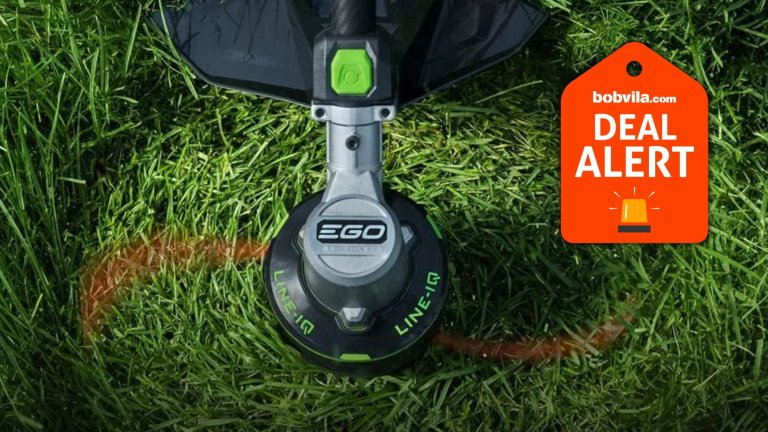
Lowe’s Drops Ego Tools Up to 29% Off for Ego Days—Save on Mowers, Leaf Blowers, Chainsaws, and More
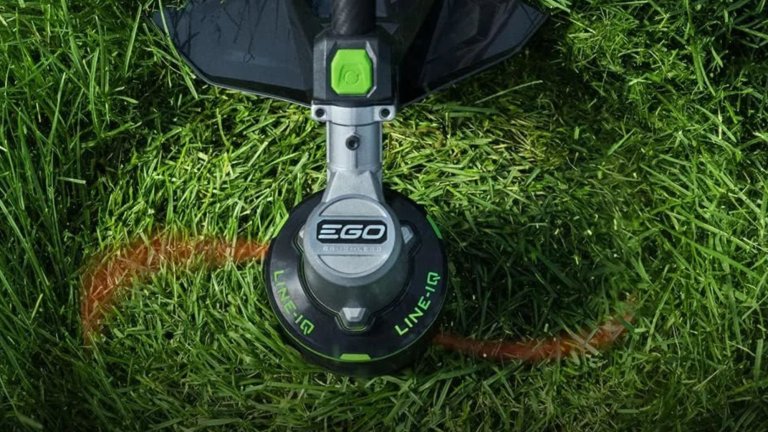
Save on Ego 56V tools that share one battery platform, from leaf blowers to self-propelled mowers, during Ego Days at Lowe’s.

Save on Ego 56V tools that share one battery platform, from leaf blowers to self-propelled mowers, during Ego Days at Lowe’s.
A bug-free home doesn't need to cost you a lot of money or time. These are our favorite DIY solutions for ridding your home and garden of pests.
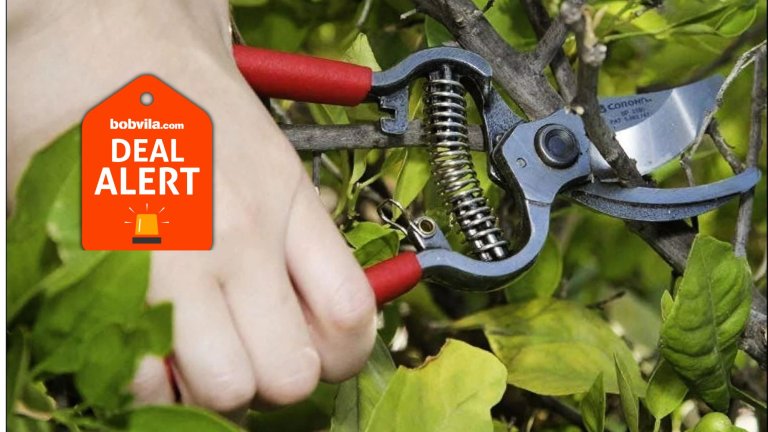
Save on hand pruners, loppers, and cordless pole saws from Corona, Fiskars, Husqvarna, Worx, and Ego, starting at $8.19.
If the water coming out of your faucets looks or smells funny, or leaves strange residue behind, it’s time to do some troubleshooting.
Add luxury and health benefits to your bath with a top-notch towel warmer that suits your style, space, and budget.
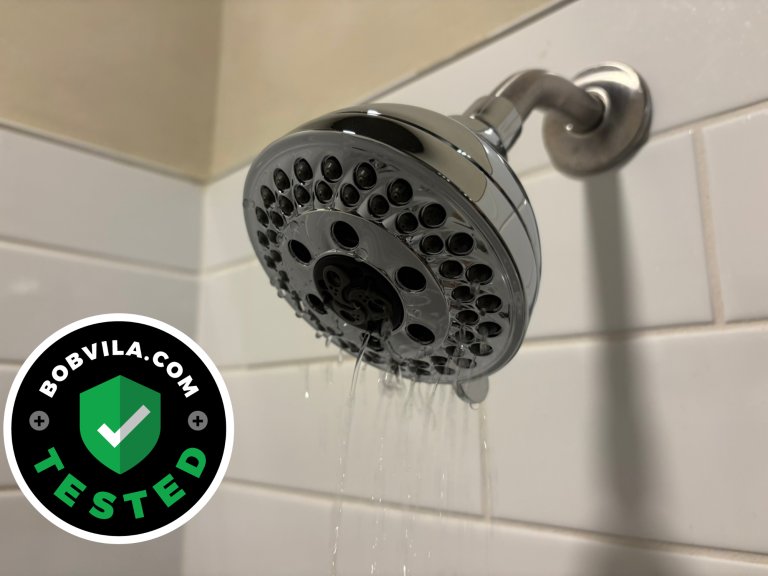
For showers with low water pressure, installing a high-pressure shower head can transform the bathing experience from “barely rinsed” to “fully refreshed.” We rounded up some of the market’s best options.
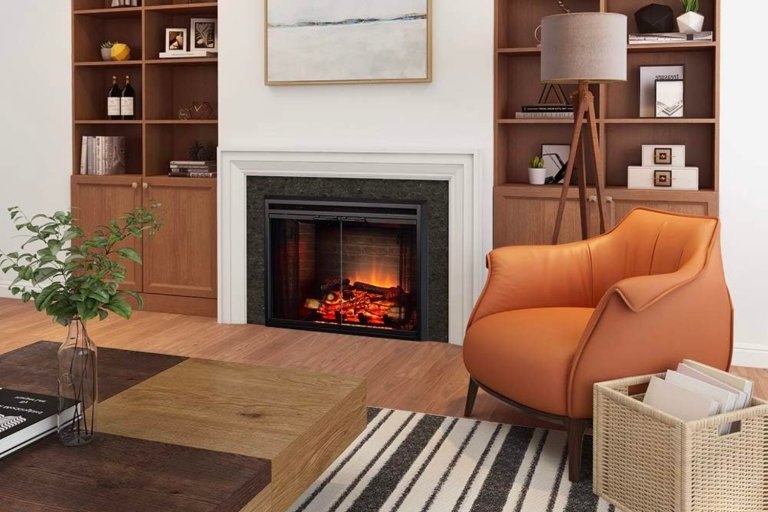
These top-rated electric fireplace inserts deliver realistic flames, adjustable heat, and effortless charm—all without smoke, mess, or maintenance.
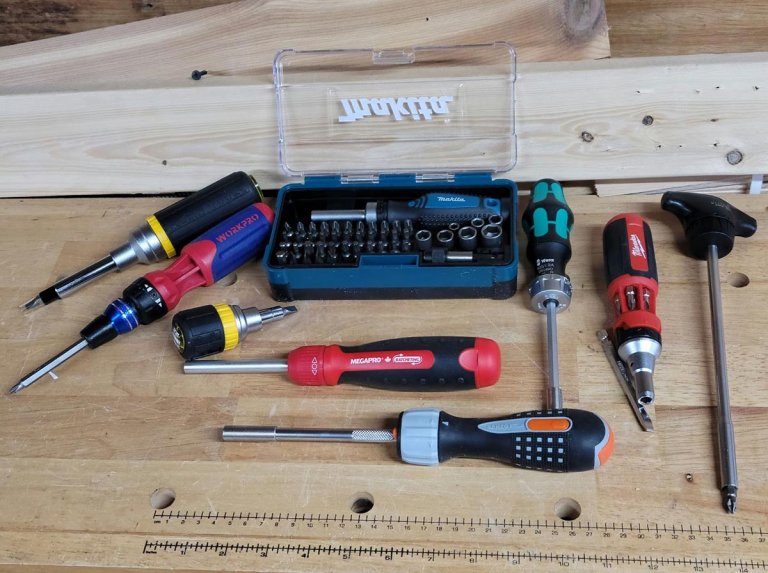
Don’t get twisted up over buying a quality ratcheting screwdriver. We put the top models through their paces to find out which ones are worth their price.
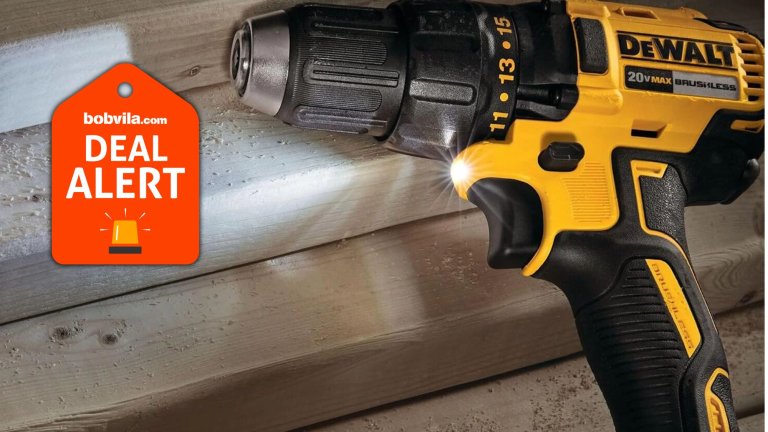
From a 66% off bit set to a 38% off drill and impact driver combo kit, DeWalt tools are still on sale at Amazon after Prime Day.
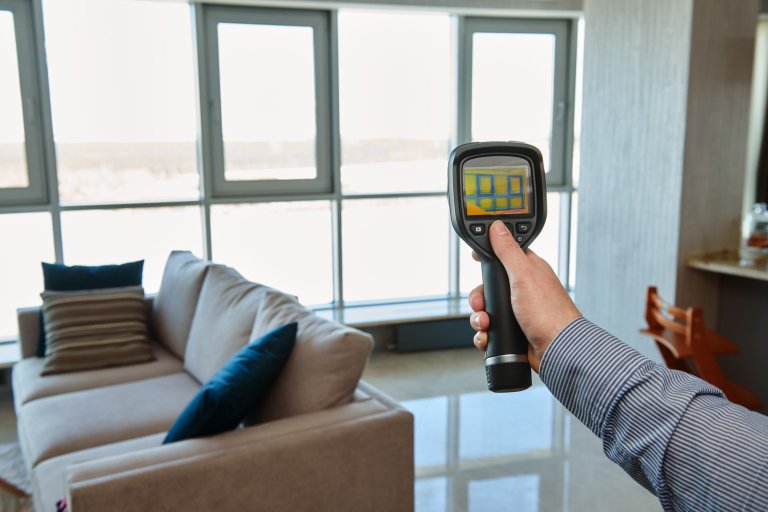
Try these expert-approved tests to pinpoint where heat loss is occurring in your spaces.
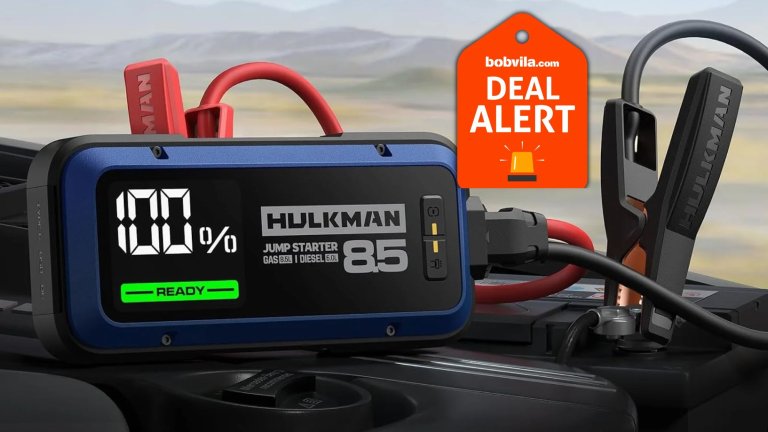
A portable jump starter gets you going without a second car or jumper cables. These picks also charge phones, and some inflate tires too.
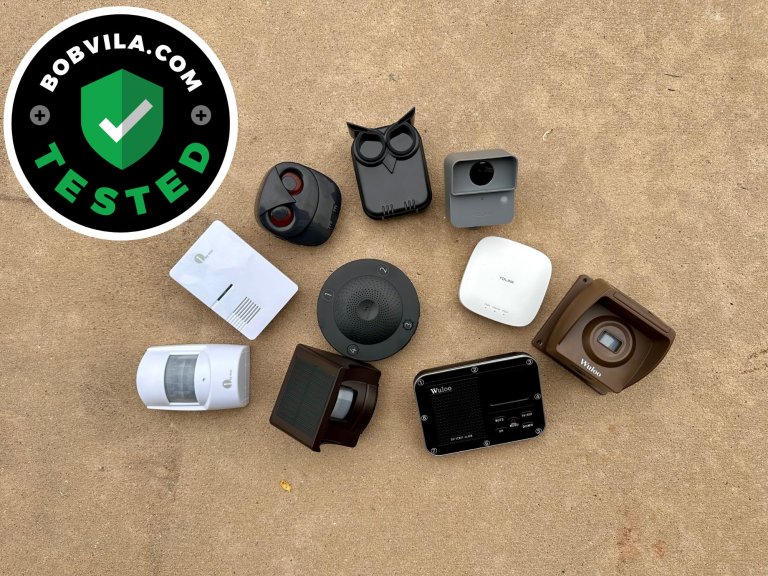
With the help of a driveway alarm with infrared lights and other smart technology that you can control with your phone, you’ll sleep more soundly knowing that your family is a little safer.
These five warning signs can help you figure out what needs attention.
Ego leaf blowers, chainsaws, trimmers, and batteries start at just $29.99 at Amazon.
You don't have to shiver all winter in your lower-level rec room or office.
Powerful air bursts can do a lot more than just move leaves around.
Don’t let standing water linger if you want to keep your home and yard protected from mosquitos, mold, foundation damage, and other problems.
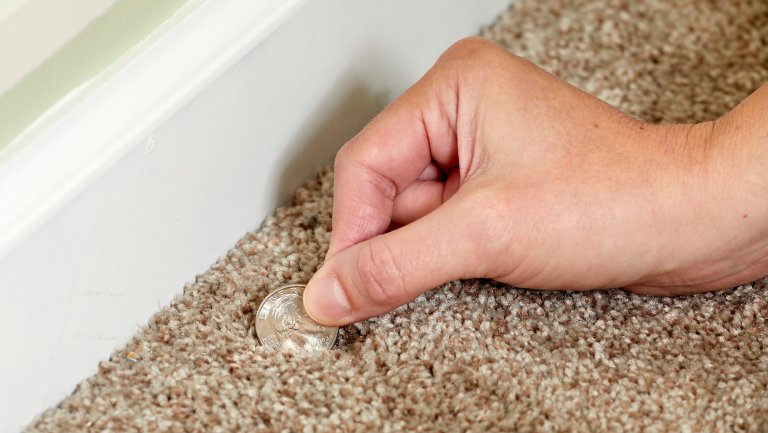
Leaving furniture in place for a long time can leave its mark on your carpets, but these tricks can help you coax your carpet back into place.
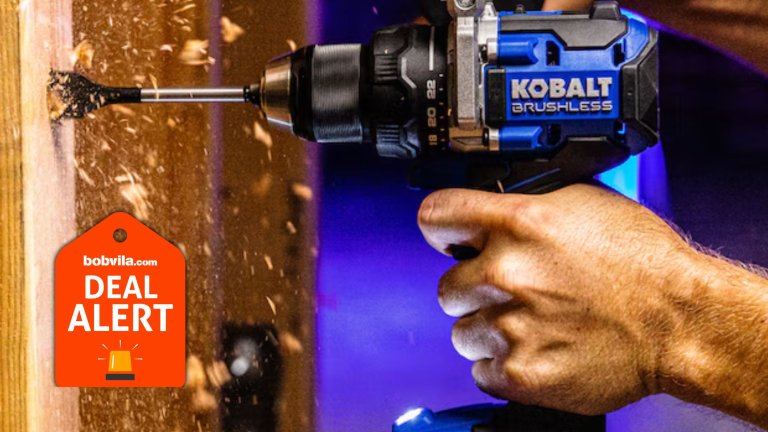
Kobalt batteries, combo kits, mechanics sets, and leaf blowers start at just $11.98 at Lowe's.
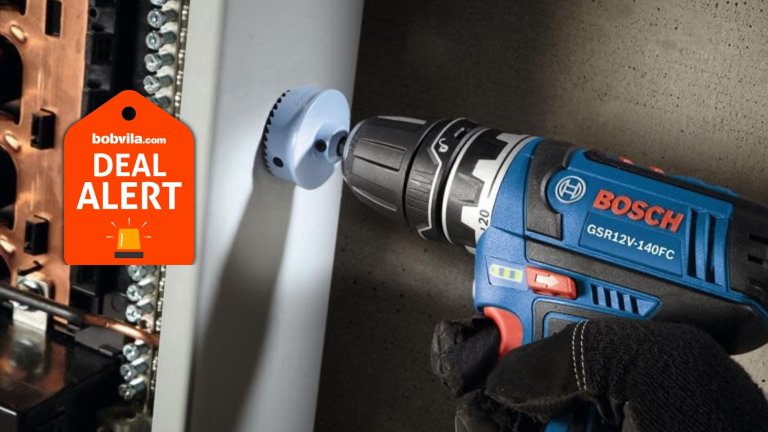
Save on cordless power tools, mechanics sets, hand tools, and tool chests from DeWalt, Craftsman, Greenworks, Bosch, and more, starting at just $7.99.