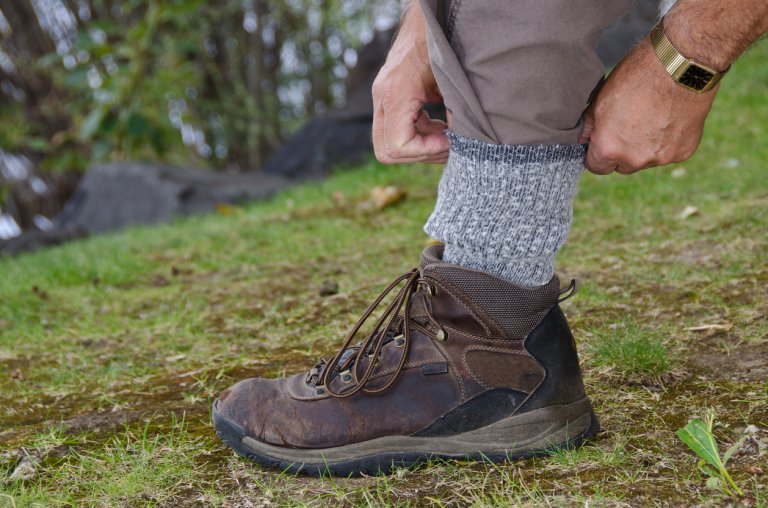
Early Black Friday Workwear Deals Start at Just $8.99
Stay comfortable, stay protected, and save big on early Black Friday discounts on workwear that includes gloves, hats, coverall, respirators, safety gear and more.

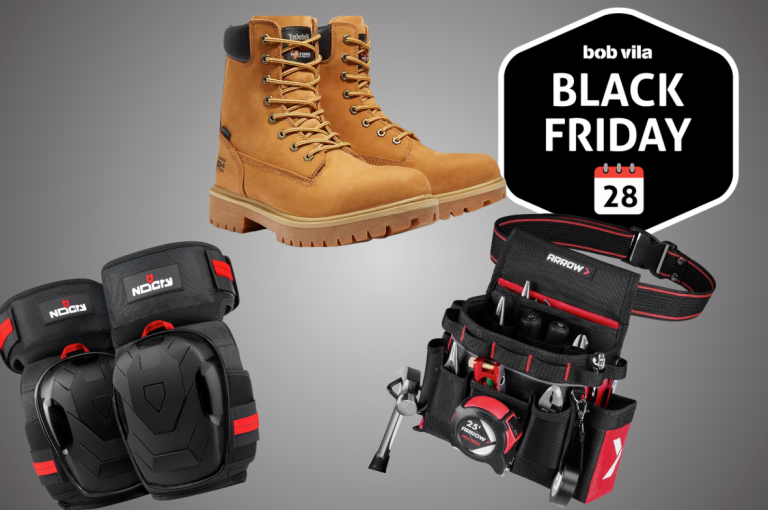
Stay comfortable, stay protected, and save big on early Black Friday discounts on workwear that includes gloves, hats, coverall, respirators, safety gear and more.
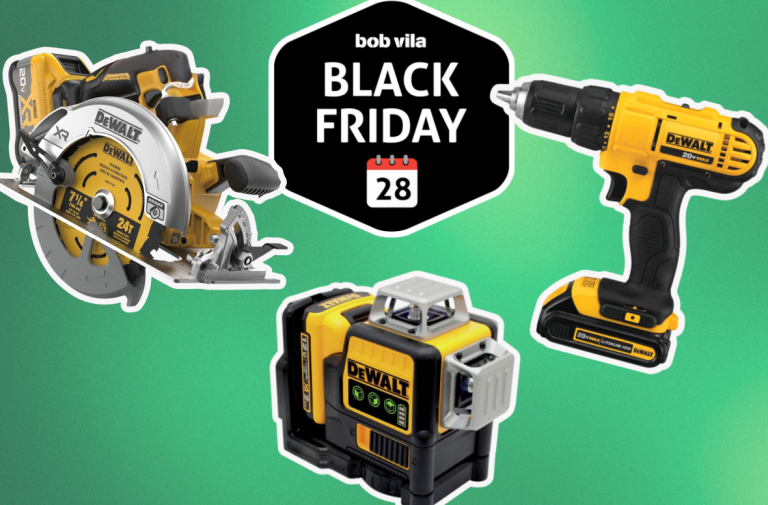
Amazon’s early Black Friday markdowns include socket sets, 20V tools, and accessories that handle real repair and project work at home.
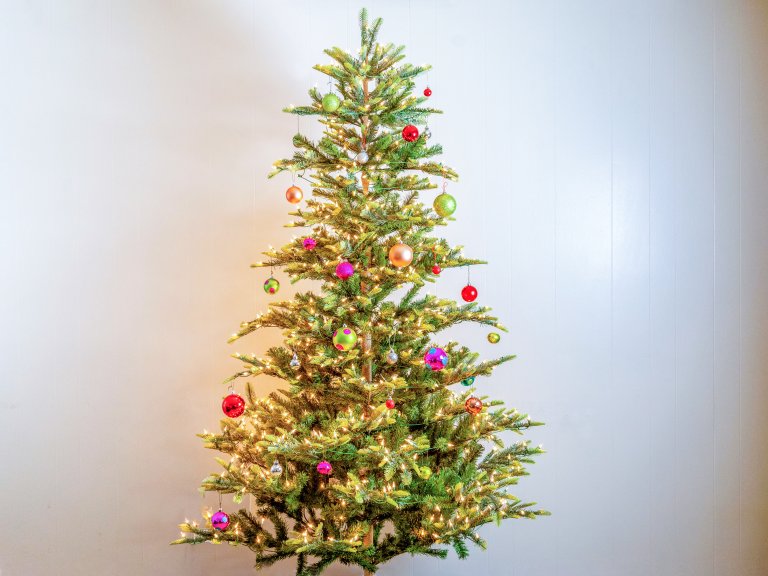
The Bob Vila team tested today’s most popular holiday trees to find the most realistic, durable, and festive options for your home.

Give your guests the five-star treatment so that they can unwind in comfortable privacy while you focus on entertaining.
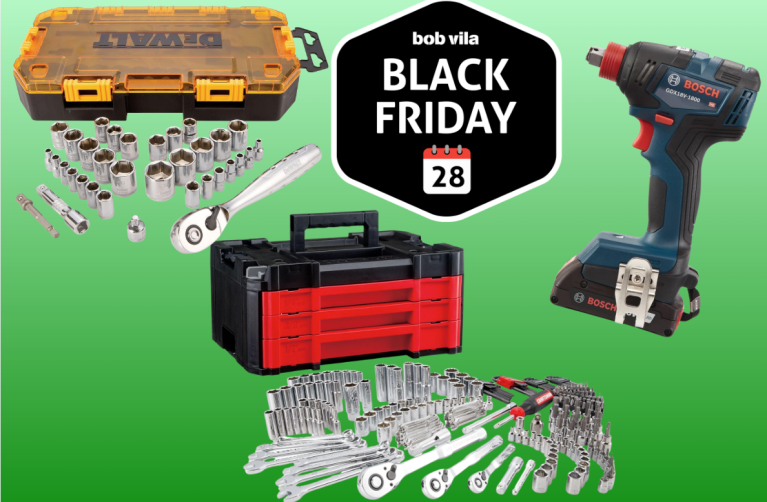
Build a garage setup that gets the job done. From socket sets and torque tools to impact wrenches and OBD2 scanners, these Amazon early Black Friday picks help mechanics handle auto maintenance – and they make great gifts for the favorite fixer on your list.
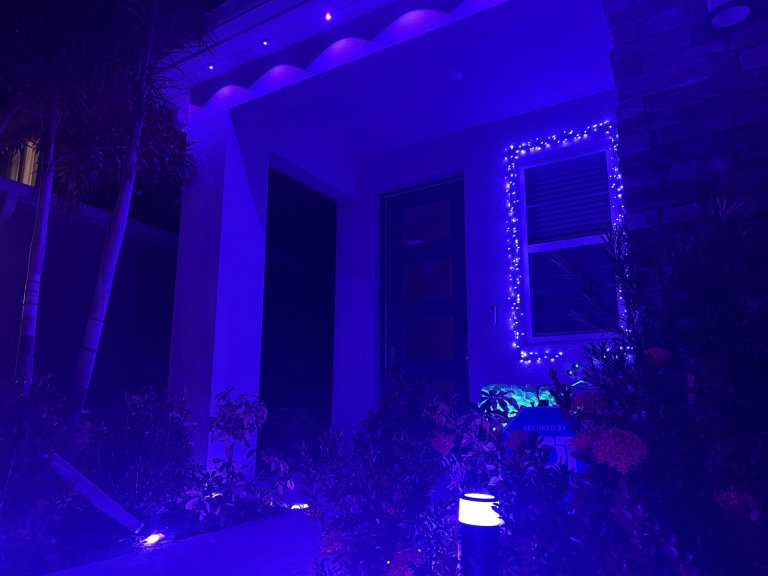
We tested some of the market’s top smart outdoor lights. Not only do they add functional and decorative illumination to the porch, patio, or garden, but they're also easier to control than ever.
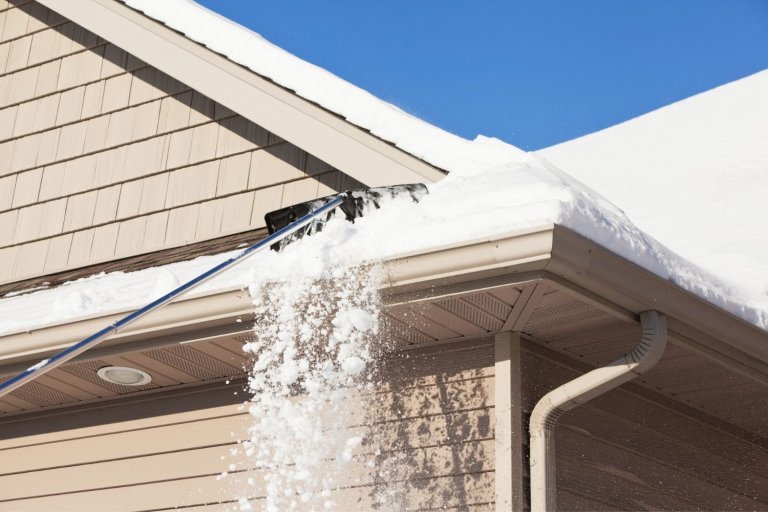
Avoid a leak or other disaster this winter with these important items that will protect your roof.
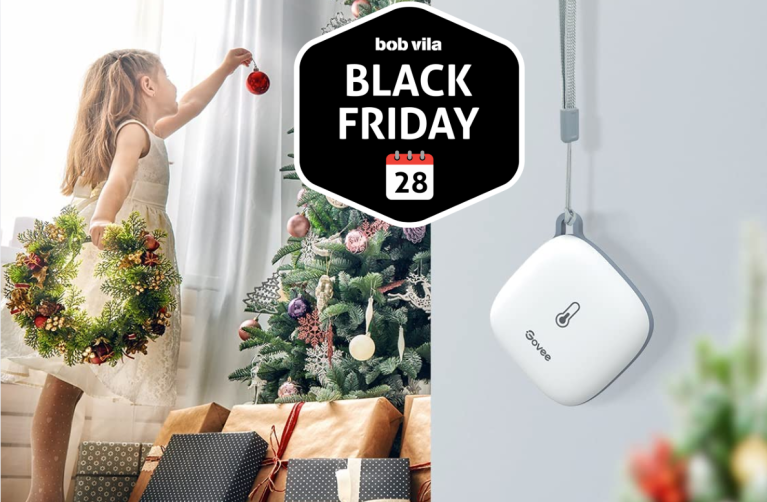
Take 20% off this top-rated sensor and track your home’s conditions in real time.
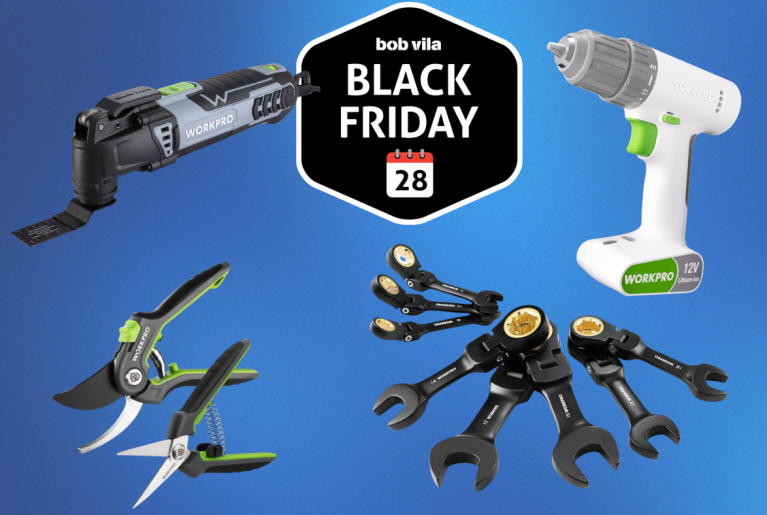
Whether you're filling a tool bag, tackling DIY repairs, or gearing up for next spring’s gardening, Amazon’s early Black Friday markdowns on WorkPro tools deliver top performance at budget prices.
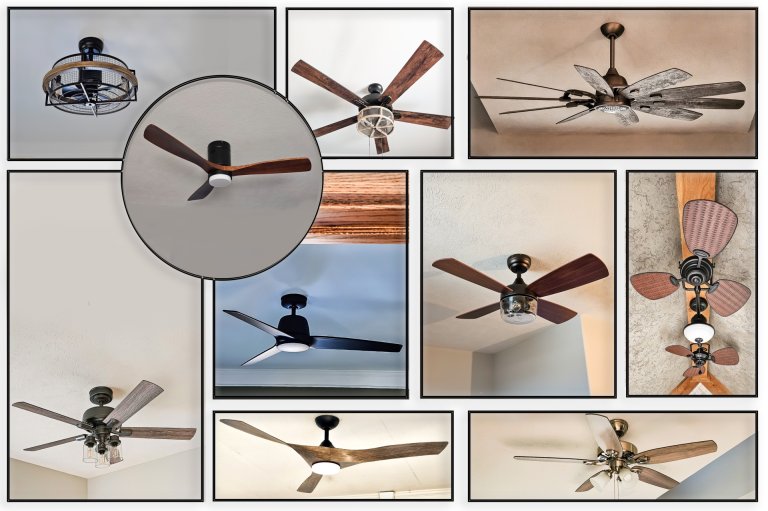
A good ceiling fan can help cool a home while lowering energy costs. We tested today's top-selling models to find out which ones blew the competition away.

Protect your home from mold and other airborne pollutants with an air purifier designed to keep indoor air clean and healthy.
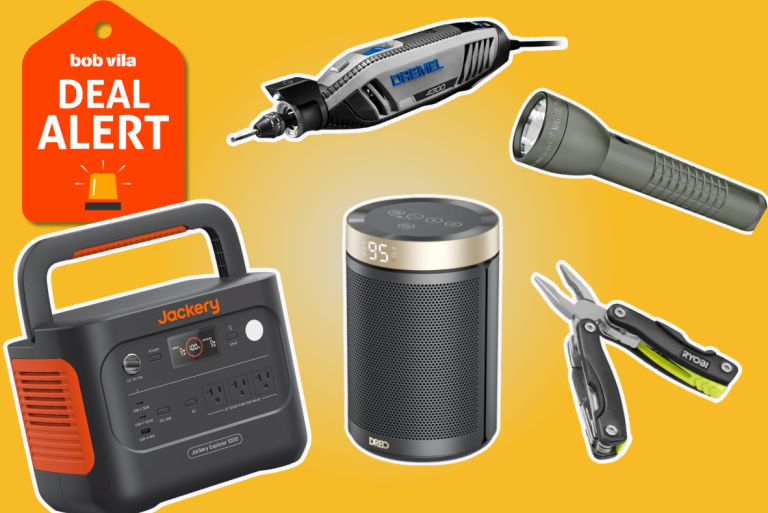
From $5 screwdrivers to $999 generators, find the best deals this week ahead of Black Friday.
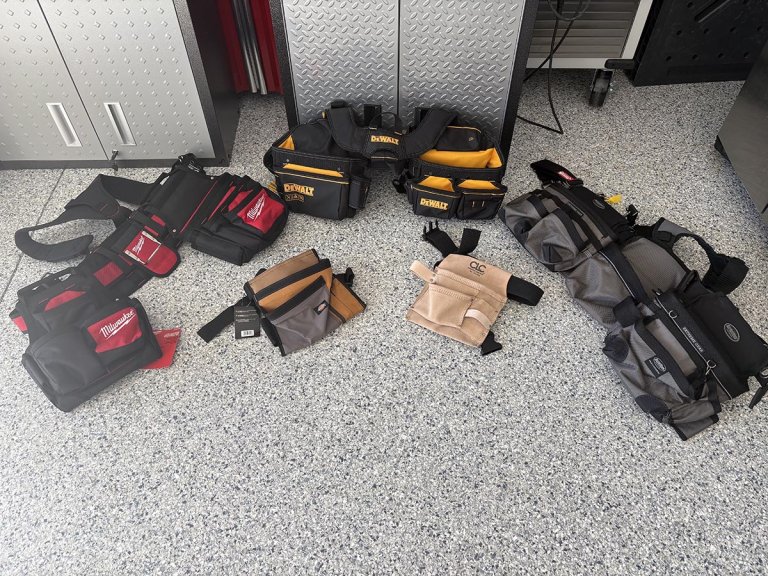
Keep your essentials organized and in reach with the best tool belt for your tasks, work style, and budget.
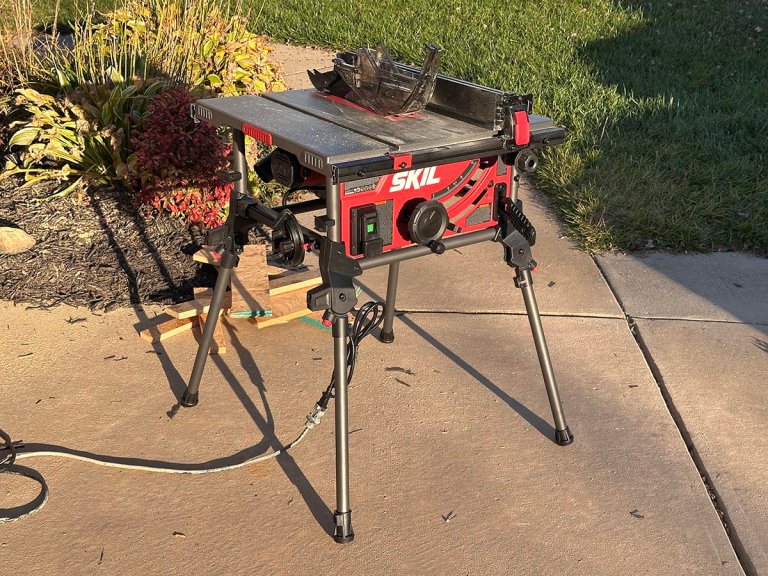
The best table saws for beginners are not only safe and powerful, but they also make precise cuts.

Buy the $299 Atomic 20V MAX 2-Tool Combo Kit and choose a free bonus tool.
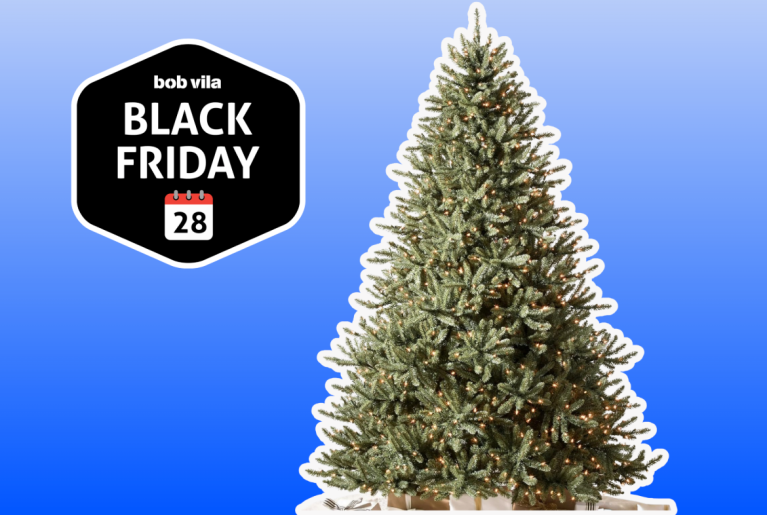
Score this realistic 4.5-foot pre-lit tree with Easy Plug technology for under $300, down from $549.
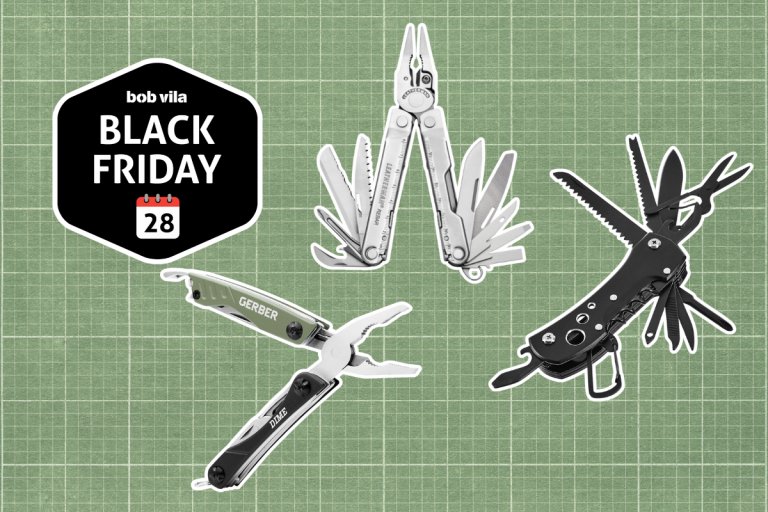
Whether it’s for camping trips, quick fixes, or glove box emergencies, a good multitool is the ultimate practical gift—and Amazon’s early Black Friday deals make them more affordable than ever.
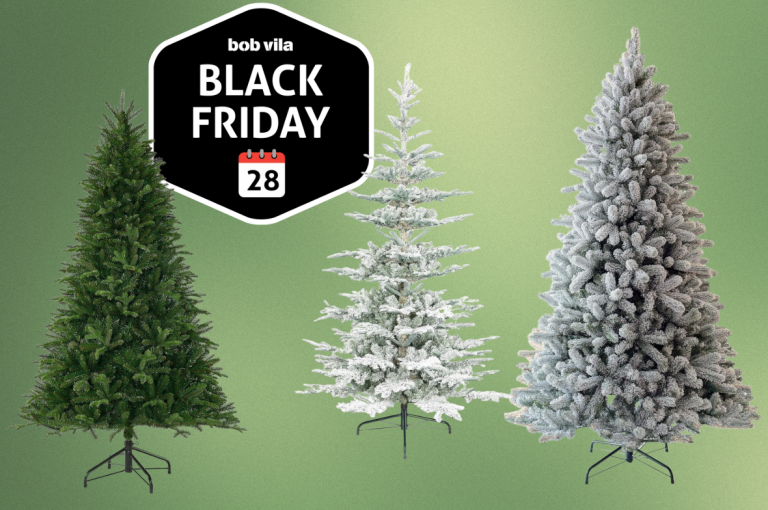
King of Christmas trees are up to 40% off during Amazon’s Early Black Friday event, making it the perfect time to upgrade your holiday décor. Here are the best deals available now.
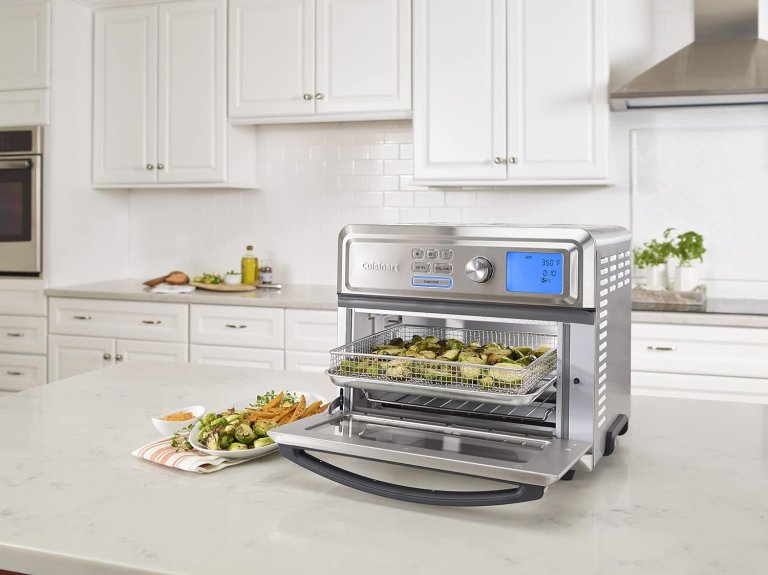
Enjoy crispy, delicious foods without loads of fat thanks to a quality air fryer that fits your kitchen, tastes, and budget.