Milwaukee Tools Are Up to 56% Off at Walmart—Batteries, Drills, Saws, and More
From M18 batteries at 56% off to impact wrenches and storage, Walmart is running steep Milwaukee discounts for spring.

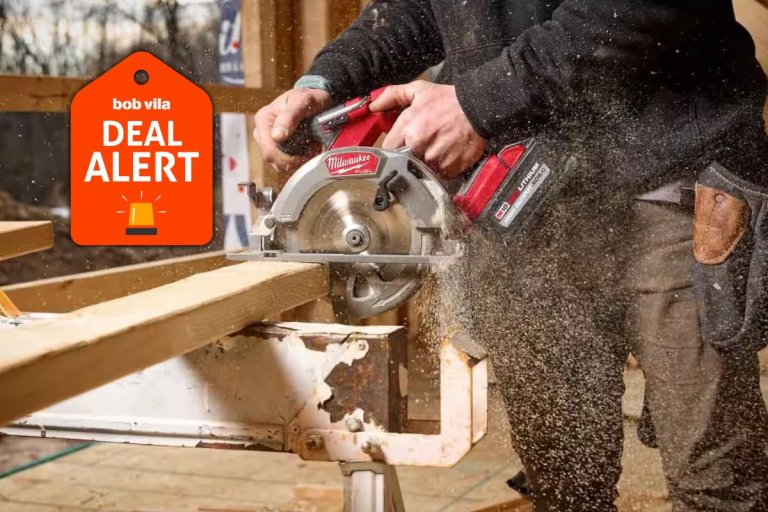
From M18 batteries at 56% off to impact wrenches and storage, Walmart is running steep Milwaukee discounts for spring.

These discounts include all the essentials for building a comfortable, outdoor entertaining space without overspending.

Check out what happened in our hands-on tests to find the most accurate, durable, and easy-to-use measuring tape for your needs.
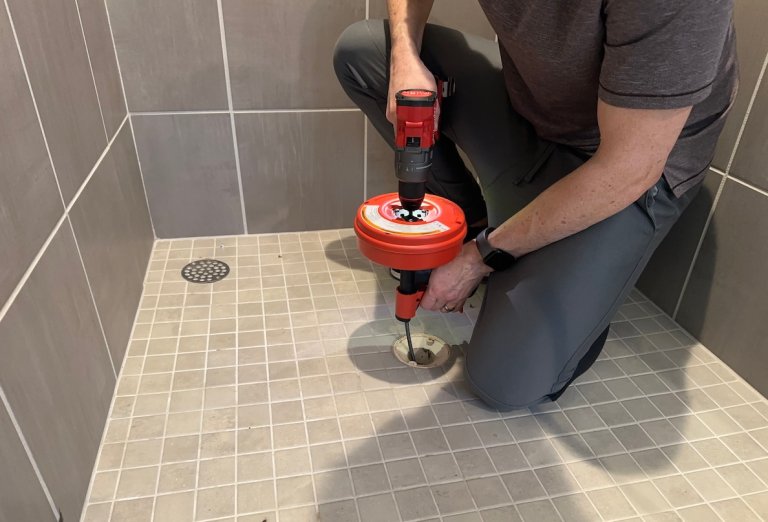
Struggling with a tough clog? Learning how to use a drain snake is simple—and can save you the cost of a plumber's visit.
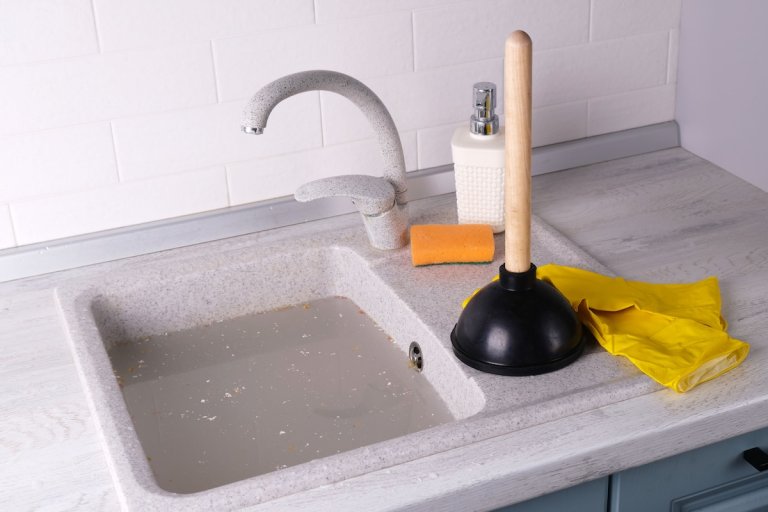
Save yourself a costly plumber’s visit by trying these methods to clear your sink drain.
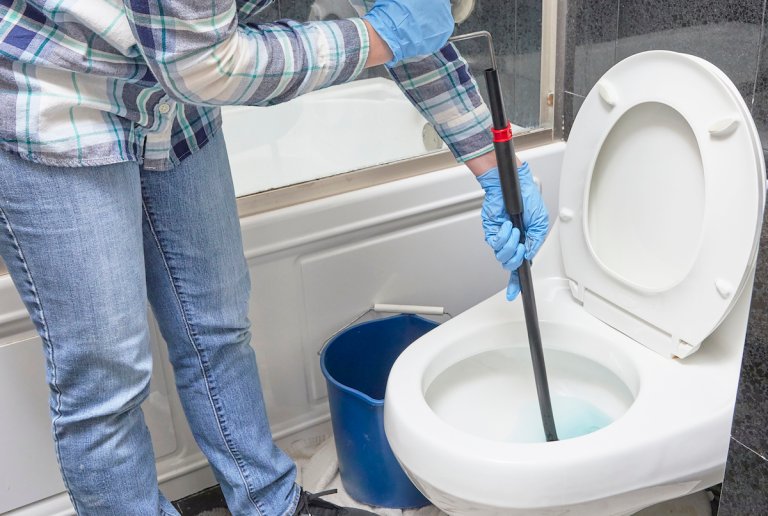
When plunging doesn’t clear up a clogged toilet, it’s time to bring out the drain snake. Learn how to use the tool to clear clogs effectively.
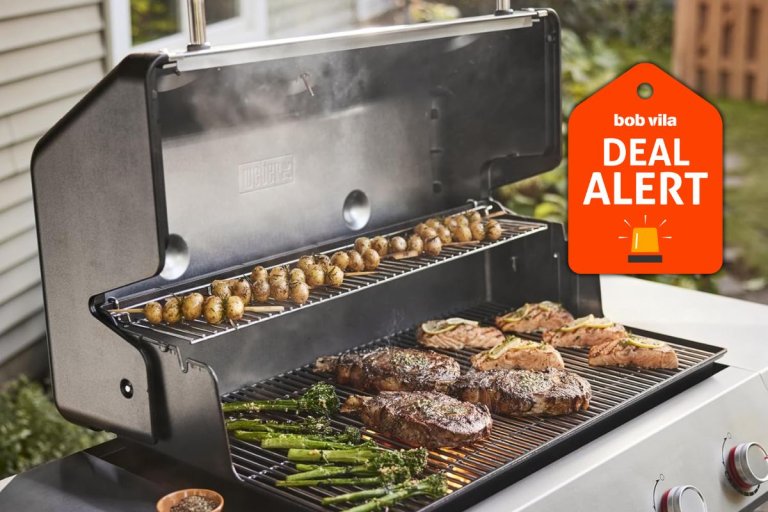
From portable charcoal grills to full-size gas models, these deals are still hanging on—find deals on Weber, Char-Broil, and more.
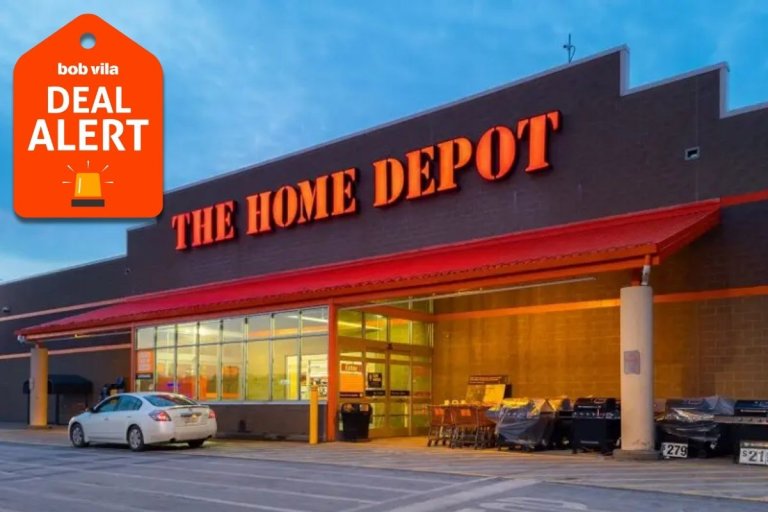
Home Depot is rolling out strong tool deals across top pro and DIY brands, with standout discounts on combo kits, saws, nailers, and outdoor power equipment.

Forget the 6-hour sun rule with these low-maintenance culinary herbs that flourish in partial shade.

Garden carts can carry everything from soil and plant trays to bricks and power tools. Our top picks highlight the ones that performed best in our tests.
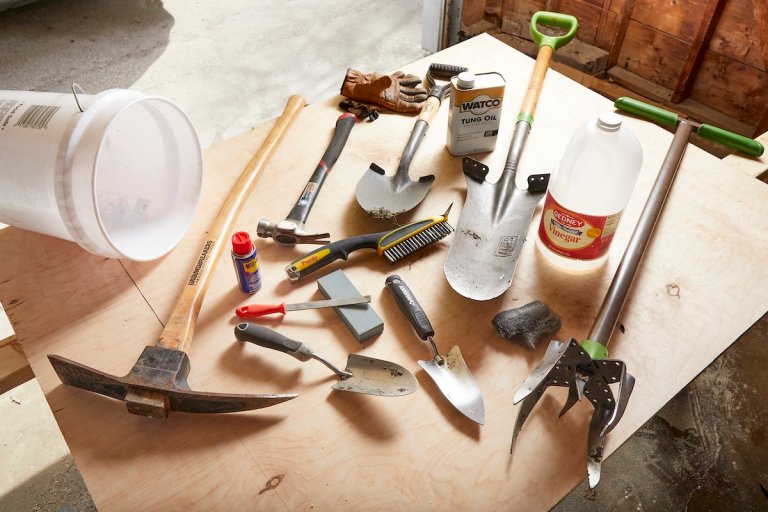
There's more to gardening than tending to weeds and plants. It also requires proper tool maintenance and care.

Depending on the look you want to achieve, you may want to use the rule of threes or odd-numbered groupings in your landscape.
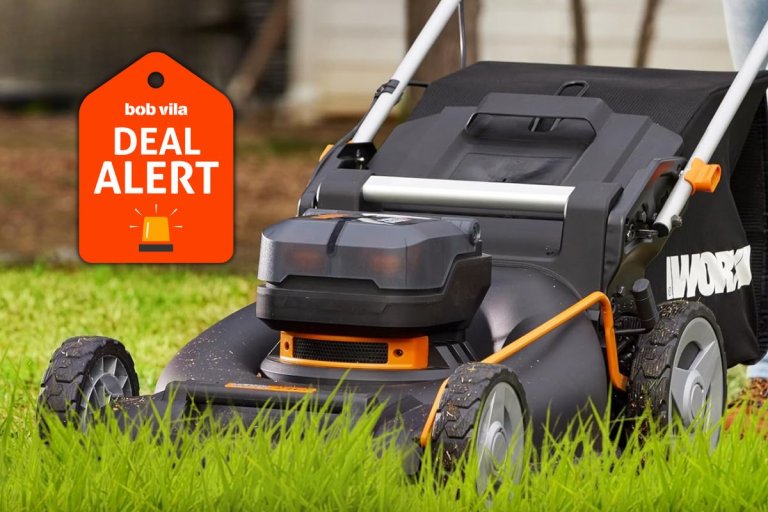
From string trimmers and blowers to mowers and chainsaws, Worx tools are seeing solid price cuts just as seasonal yard work ramps up.

Don’t worry, there’s a bright side.
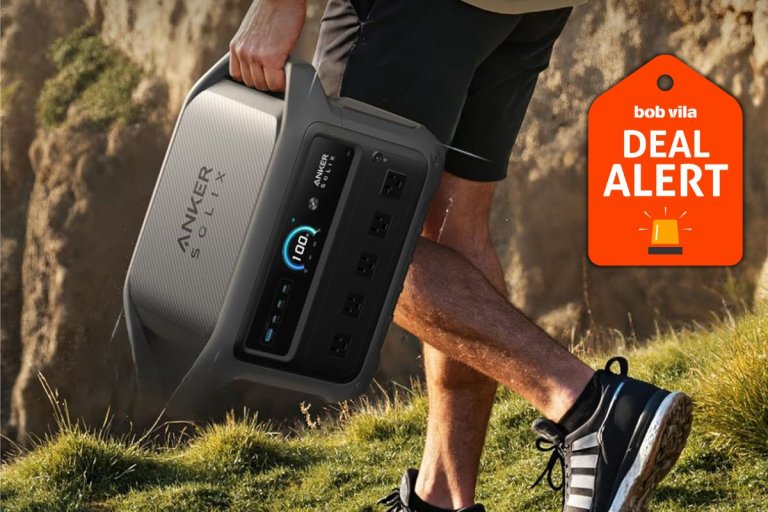
From compact backup units to high-capacity home power stations, these deals cover everything from charging essentials to running appliances during outages.

Walmart is discounting everything from patio furniture and grills to garden tools and lighting, making it easier to clean up, set up, and enjoy your outdoor space this spring.
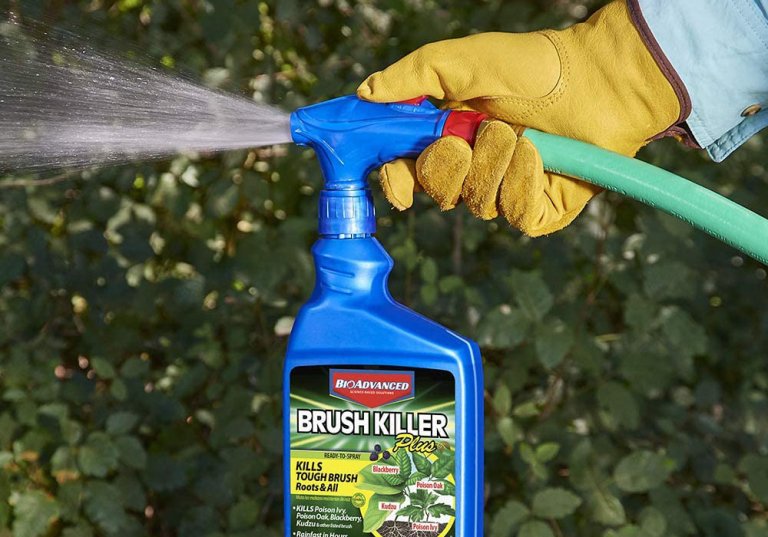
Woody, thorny, and vining weeds can get out of control quickly. Get rid of them once and for all with the right brush killer for your property.

Leatherman’s new “From the Vault” event brings back rare Garage tools in limited daily drops, with some available to buy and others locked behind a lottery system.

Affordable tools can still perform well. These budget-friendly picks from the our testing deliver dependable results for common DIY projects and home repairs.
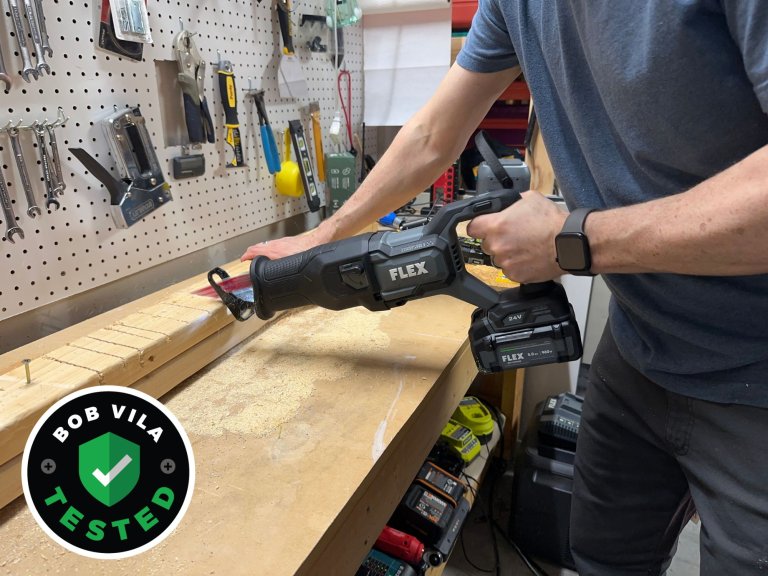
Looking for an all-around can-do saw? We tested today’s top models to determine which perform best in real-world settings.