We may earn revenue from the products available on this page and participate in affiliate programs. Learn More ›
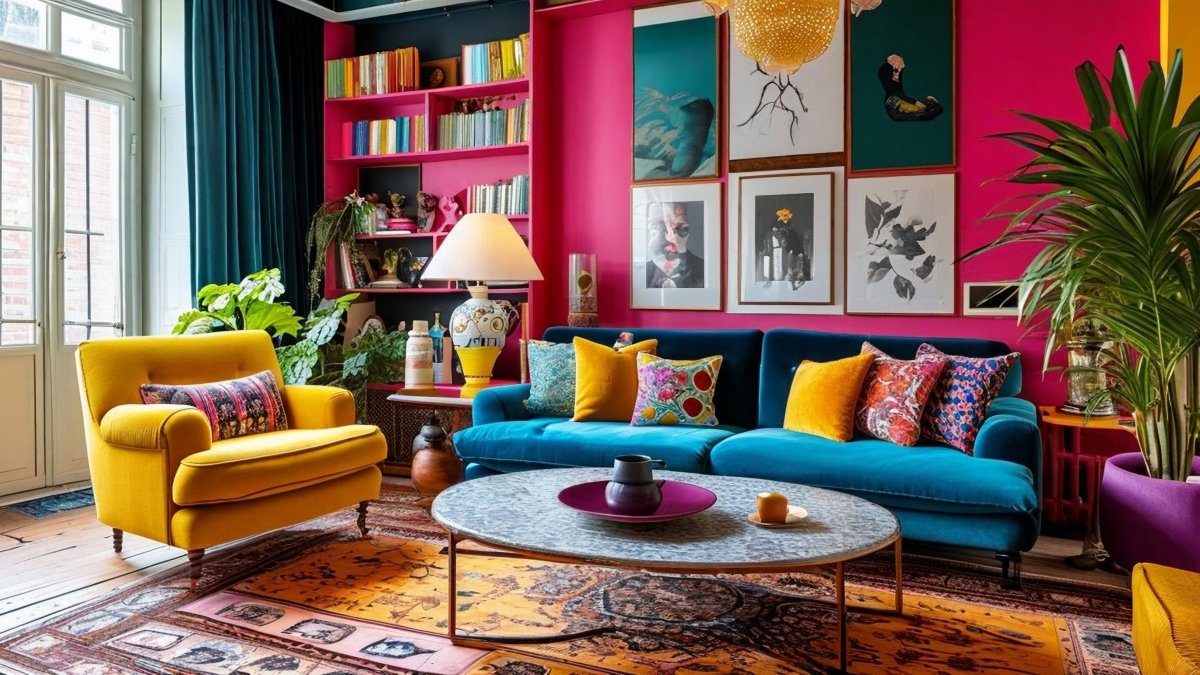
While searching for top home design trends for 2026, I noted that maximalism again gets the spotlight, much to my chagrin. Maximalist spaces are decorated using bold colors, brightly patterned wallpaper, and ornate accents like chandeliers, layered fabrics, and statement pieces. Think mixed patterns with contrasting motifs like animal print, geometric shapes, or florals. Layering in objects, vivid colors, and striking patterns is encouraged to spur energy, excitement, and pleasure.
I prefer minimalism for its refined, soothing, seamless, and fully coordinated attributes. In fact, my goal when choosing the interior décor for my new house a couple of years ago was to create a modern, spa-like vibe that would feel quiet, comfortable, and long lasting. I highlight five reasons why I avoid maximalism in my own home and share a few interior designers’ takes on maximalism making a comeback.
Maximalism is trending again.
Interior design experts agree that maximalism is gaining serious momentum as a major trend in interior design as 2026 begins. “After years of stark, cool minimalism dominating the scene, the pendulum has swung hard toward more is more,” says Eric Goranson, interior designer in Lake Oswego, Oregon, and host of The Around the House Show. “Post-pandemic, people are craving warmth, personality, and self-expression in their homes, and maximalism delivers that through layered textures, bold colors, patterns, vintage pieces, and collected art that tells a personal story.”
Goranson sees maximalism in action regularly with clients. “While they might not always call it maximalism, when they pull up their Pinterest boards or inspiration photos, it’s clear that’s the direction they’re heading—rich, eclectic, and full of life.”
Still, minimalist design is not going to fall out of style anytime soon, says Leslie Ward, real estate professional and interior design expert at Raleigh Realty in Raleigh, North Carolina. “It is simply that more often than not, people are more interested in trying out other fashion-related choices as well, like adding textures, tones, and incorporating their valuables into the room as well.” More of her clients are asking for spaces that reflect their personality instead of wanting to stick with a traditional, clean look. “There definitely appears to be a shift in wanting home spaces that are curated and fun, and not just like they’ve been staged.”
I won’t choose maximalism for these 5 reasons:
Even after learning about the pros of maximalism, I still prefer to stick with a minimalist approach to my home décor. Here are my top reasons:
Maximalism looks messy.
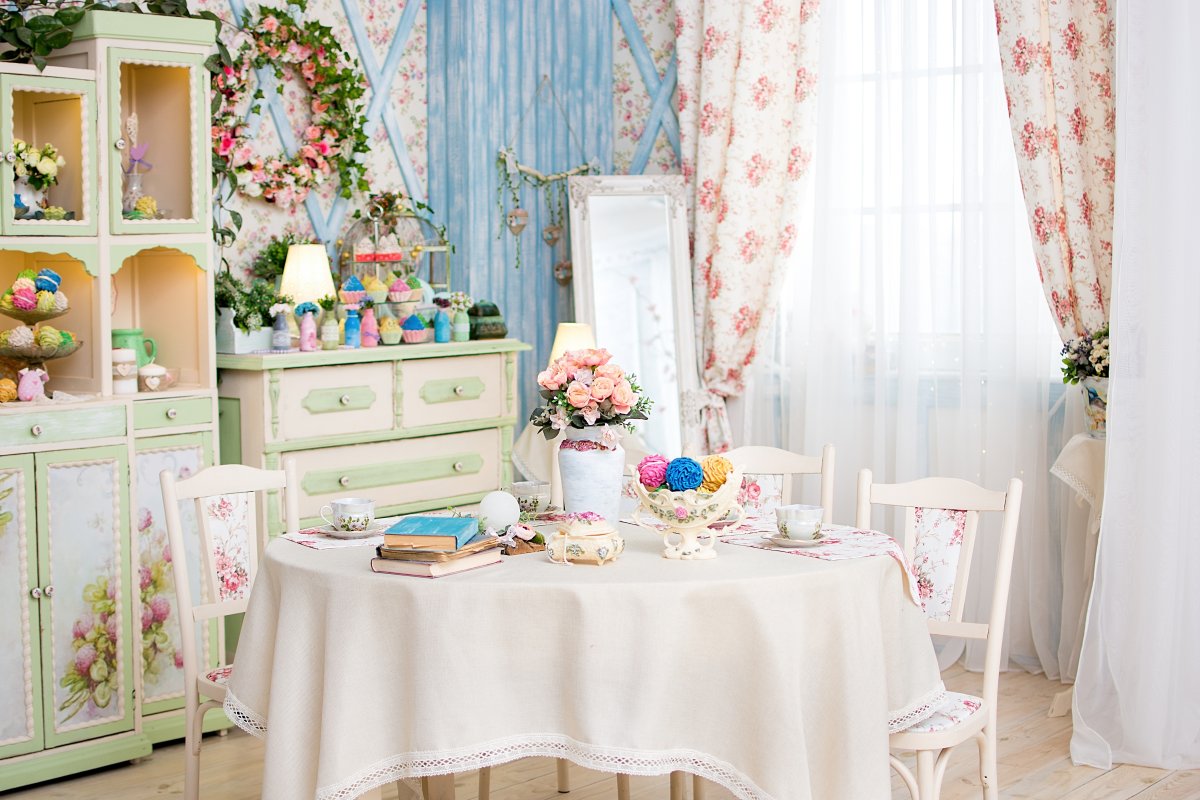
When I see photos of rooms decorated with a maximalist approach, they appear so messy and cluttered to me. Too many patterns or points of interest without a definite vision can cause a room to look disorganized, says Ward. “When a room lacks a sense of balance, the end effect is a room that appears to be messy,” she explains.
Instead of clutter, I like everything put away. Clutter is maximalism’s biggest enemy, warns Goranson. “This style thrives on high-level curation and intention, so if you’ve got overflowing shelves packed with every family photo and knick-knack, it can kill the vibe.” All that messiness and clutter stresses me out, so it’s not the best approach for me.
I find maximalist decor overstimulating.
All the bold colors, patterns, and textures overpower my senses. Maximalism can easily veer into looking chaotic or like a flea-market overload, says Goranson. It’s common for a busy space like this to feel dizzying, adds Ward. I prefer calmer, more orderly environments with muted palettes. I am also not a fan of that eclectic, mismatched look.
It feels unsettling.
Life is stressful enough. When I’m at home in my own personal space, I want it to feel calming, not chaotic. “The downside to maximalism is that, without a strong foundation, it can quickly lead to clutter, stress, and spaces that feel hard to maintain,” says Abby Powell, LEED Green Associate and founder of House of AP, an interior design studio in Charlotte, North Carolina. “From a wellness standpoint, too much visual input can actually make a home feel less restful over time.”
Maximalism is not modern enough.
From my experience, maximalist rooms don’t look very modern. They often include antiques and collectibles as opposed to sleek accessories and furniture with clean lines. I have never been a fan of antiques, so this doesn’t appeal to me.
Maximalist choices can quickly become outdated.
Another hesitation for me is that some of the maximalist design choices are bold and require a long-term commitment. Bright paint colors, for example, can quickly become irritating or outdated. Just because lime green is a hit this year doesn’t mean that it will resonate next year. That means more work and money to repaint and maybe even swap out accessories. I prefer home décor that outlives the trends from year to year.
It’s OK to stick with minimalism.
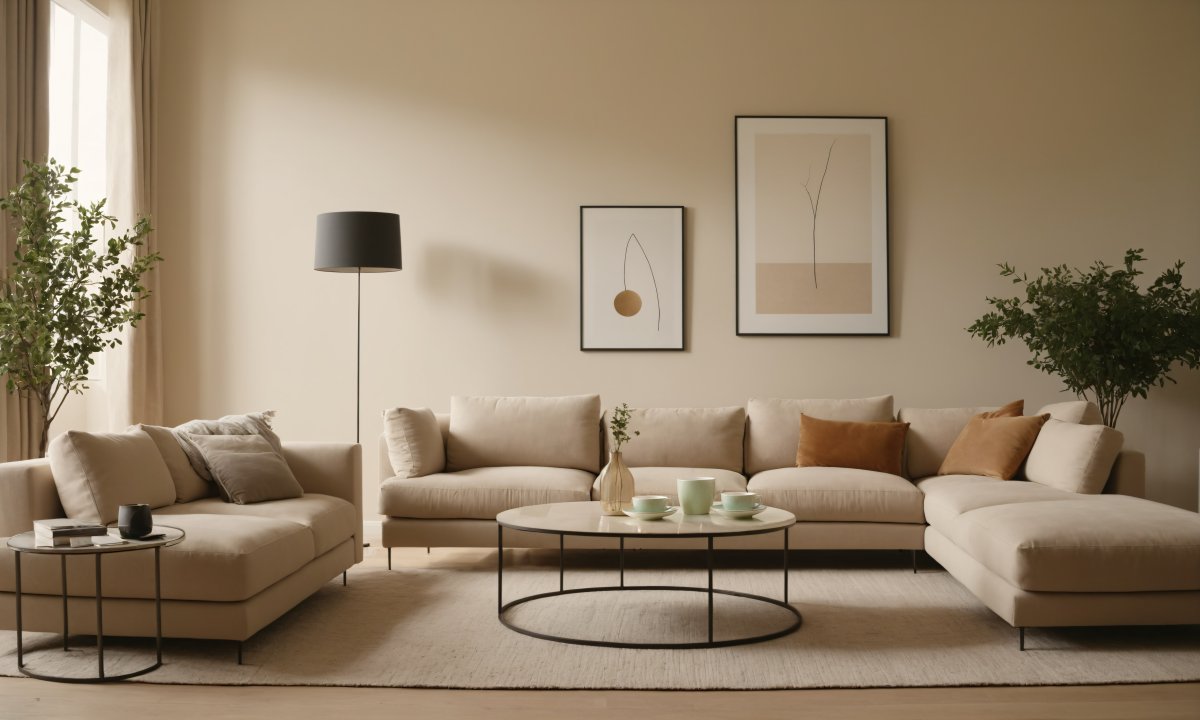
Fortunately, there’s a great deal of flexibility when it comes to interior design choices, no matter the size of your room or home. Some people will be more attracted to maximalism, while others will prefer minimalism or something in between. “At the end of the day, though, this is your home,” explains Goranson. “Trends come and go, but personal taste lasts. If you still love clean, minimal lines and that’s what makes you happy, own it!” He believes that minimalism will likely circle back in a fresh form someday anyway. But if something isn’t trending in your soul, don’t force it—authenticity and comfort should always be the priority.
If you are like me and want to retain your minimalist home but keep it fresh, then choose warm tones, lighting with warm bulbs and dimmers, natural materials, subtle contrast, and textural elements to introduce some coziness into a clean space. Some examples include modern wood paneling; plants or a living wall; fiber wall hangings; and linen or cotton drapery in light, neutral tones.