We may earn revenue from the products available on this page and participate in affiliate programs. Learn More ›
While most of us recognize that a chaotic environment filled with clutter can trigger stress, anxiety, and constant sensory overload, few realize the true cost of clutter from a financial standpoint. Accumulating endless stuff in our homes quietly adds up as a result of duplicate purchases, forgotten late fees, and wasted space.
We spoke to Lori Bailey, founder and owner of Miss Organized in the New York/New Jersey area, to shed some light on the true financial price tag of your extra possessions and the best solutions to keep clutter at bay and more money in your bank account.
1. Missed Returns
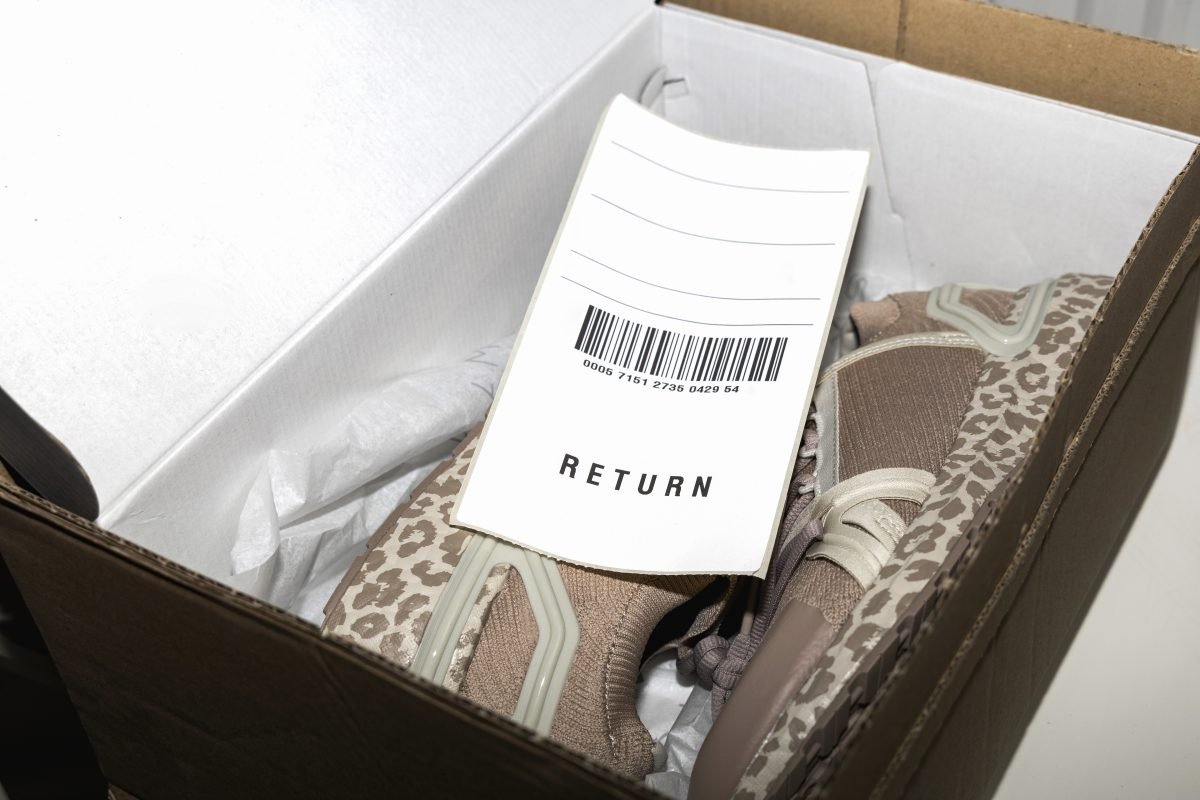
Having clutter delays decisions, and delayed decisions ruin the opportunity to return items you no longer want or need, says Bailey. “Clients will often toss a purchase in a pile or in the backseat of the car meaning to return it soon, but soon turns into months. By the time they rediscover it, the return window has closed, and money that could have come back to them is gone for good,” she explains.
She offers the following solutions to avoid this dilemma:
- Keep a return basket or bin by the door.
- Immediately place any items you intend to return into your car. Avoid putting them in your trunk where you won’t see them. “If you place it on your front seat, you’ll be reminded to return it immediately,” says Bailey.
- Tape the receipt of the item you want to return to the box or item itself. “This eliminates searching for the receipt or losing it completely, which helps make the return process easier.”
- Set a reminder on your phone or calendar app for the date the return window closes.
2. Expired Goods Thrown Away
Clutter hides food in the pantry, medications in the cabinet, and skincare and makeup in drawers until they go bad, says Bailey. “People paid full price, and now they’re paying the ‘waste tax’ of throwing it out and re-buying.”
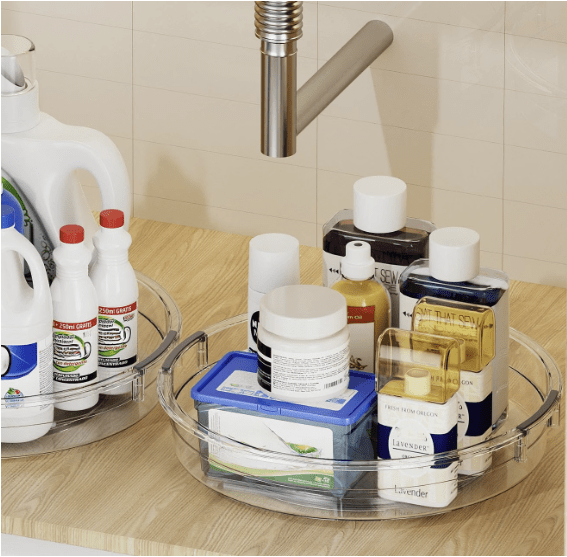
Her favorite solution for this issue is to use lazy Susans, like this set of four available at Amazon, throughout the home. While they are typically found in the pantry, placing them inside refrigerators and bathroom cabinets can keep more items organized. Because it spins, a lazy Susan helps you see exactly what you have. “Hopefully, this will allow you to not be wasteful with expired products,” says Bailey.
She suggests placing brand new purchases to the back so older ones get pushed to the front. “That way, you’re always grabbing and eating the older food first.” She prefers clear acrylic bins instead of baskets so you can always see what you have. It’s also helpful to label each item with purchase and expiration dates to avoid guessing.
3. Late Fees and Missed Refunds
Unorganized bills and other paperwork can end up costing you. “Bills buried in paper piles get paid late or not at all, racking up penalty fees,” notes Bailey. “Also, rebate forms, warranty claims, and return windows expire because the paperwork or receipt was never findable in time.”
Here are some tips to keep these materials in order:
- Declutter your desktop and determine what belongs there and what you can store elsewhere or discard.
- Clear out desk drawers to get rid of old and unnecessary paperwork.
- Create a filing system that uses labeling or color-coding, ensuring everything can be easily found and accessed as needed and before deadlines.
- Consider signing up for automatic bill pay to take the burden off you.
- Create a mail station near your front door with different folders or bins that say “To Pay,” “To Do,” “To File,” etc., to declutter your home’s stacks of paper.
4. Duplicates Purchased
Clutter can also lead to overpurchasing. “When clients can’t find something, they buy it again rather than dig through their mess,” explains Bailey. “Multiplied over years, this shows up as three sets of scissors, five phone chargers, and a pantry with four half-used bottles of olive oil.” This is both a waste of money and a waste of time.
Adopt an organizational system for each room so you know what you have and can find it easily. “My philosophy is always a home for everything and a place for everything,” notes Bailey. “If you assign a very specific spot for each category (scissors, oils, etc.) you’ll always have a spot to check and look before you buy anything again.” Group like items together by category and label storage bins.
5. Storage Units
Another hidden cost of clutter is if you have so much stuff in your home that you need to put some of it in a storage unit. “You’re often paying more than the stuff is worth,” warns Bailey. “People rarely do the math on this: $150/month for 3 years is $5,400. It’s often more than what’s actually inside would sell for or cost to replace.”
Here are some tips to prevent clutter in your home from accumulating to this point:
- Purge your home regularly, starting with the most obvious items like stacks of paper, expired food, broken tools, and extra hangers in bedroom closets.
- Prevent items from entering your house to begin with by assessing what you truly need.
- Shift your gift wish list to experiences vs. products that take up space.
- Say no to other people’s junk.
- Use hidden storage solutions, such as ottomans with built-in storage space, to keep your goods organized and out of sight.