We may earn revenue from the products available on this page and participate in affiliate programs. Learn More ›
When winter winds blow, some homeowners dread the accompanying—and often outrageous— heating bills that Jack Frost brings with him. Heating oil prices for 2026, which are topping $6 a gallon, are particularly painful; overall, according to the National Energy Assistance Directors Association (NEADA), homeowners can expect to pay an average of 8.7 percent more to heat their homes than they did last winter.
While you probably won’t get away with not turning on the heat at all this winter, these smart solutions can help minimize winter’s impact on your budget.
1. Bubble Wrap Your Windows
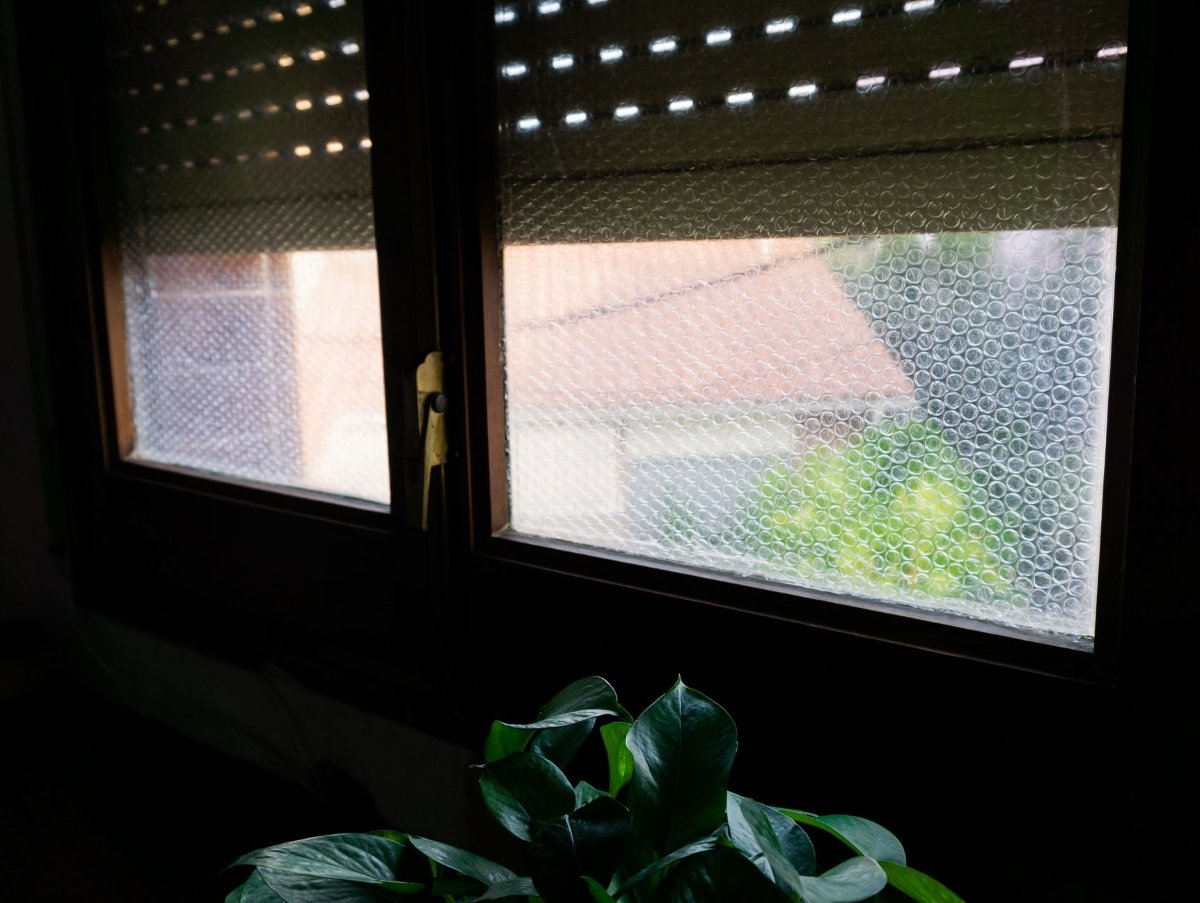
Drafty windows are some of the biggest culprits when it comes to heat loss, which is why it’s important to insulate them properly. For an inexpensive fix, cut a piece of bubble wrap to fit perfectly inside the window frame, spray a thin film of water on the window, and press the bubble wrap into the glass. The layer of plastic will let the sunlight in while keeping the warmth where it belongs: inside.
Best Window Insulation Kits
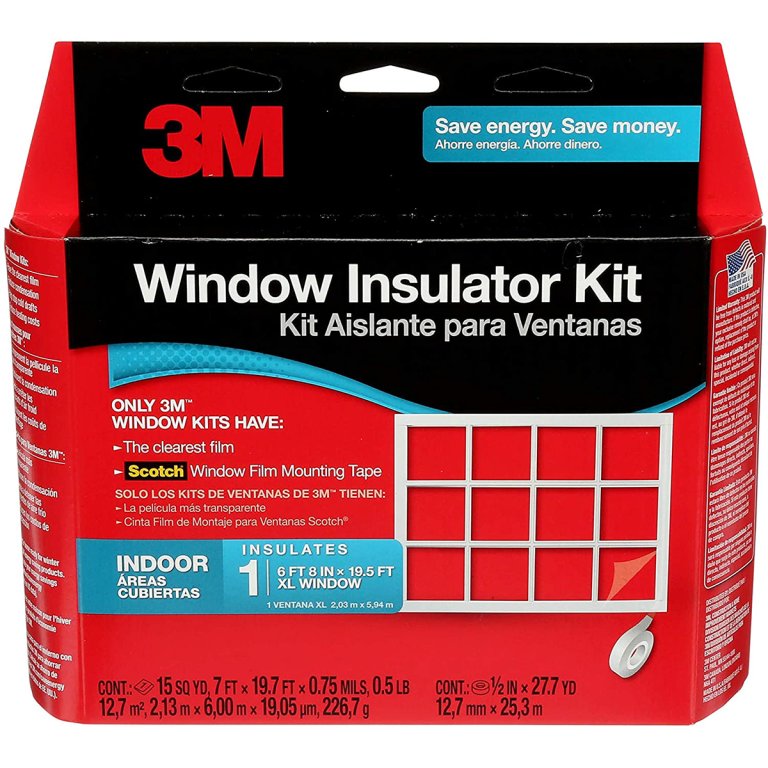
3M Indoor Window Insulator Kit
The 3M window insulation kit is 0.75 mils thick and comes in one cut-to-fit sheet that measures 17.5 feet long by 5.16 feet wide. Read the review.
See It2. Switch Your Fan’s Direction
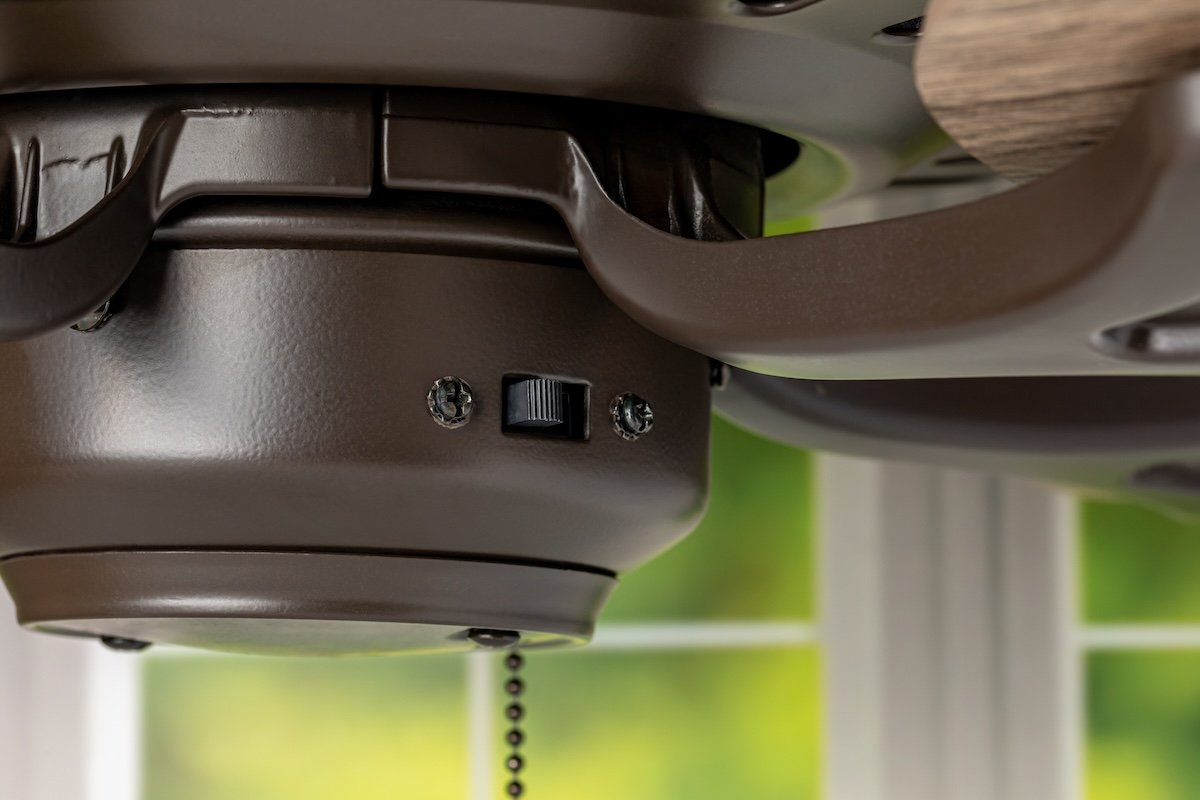
Warm air rises, which isn’t great news for our heating bills. Although it might seem as though switching your ceiling fan on would make your room colder rather than warmer, turning on the fan can actually make a room toastier so long as you set the blades to spin in a clockwise manner.
To reverse the direction of your ceiling fan, check for a switch at the base of your fan. This change of direction creates a slight updraft that will push the warm air toward the walls and back down into the room.
3. Stick on Weatherstripping
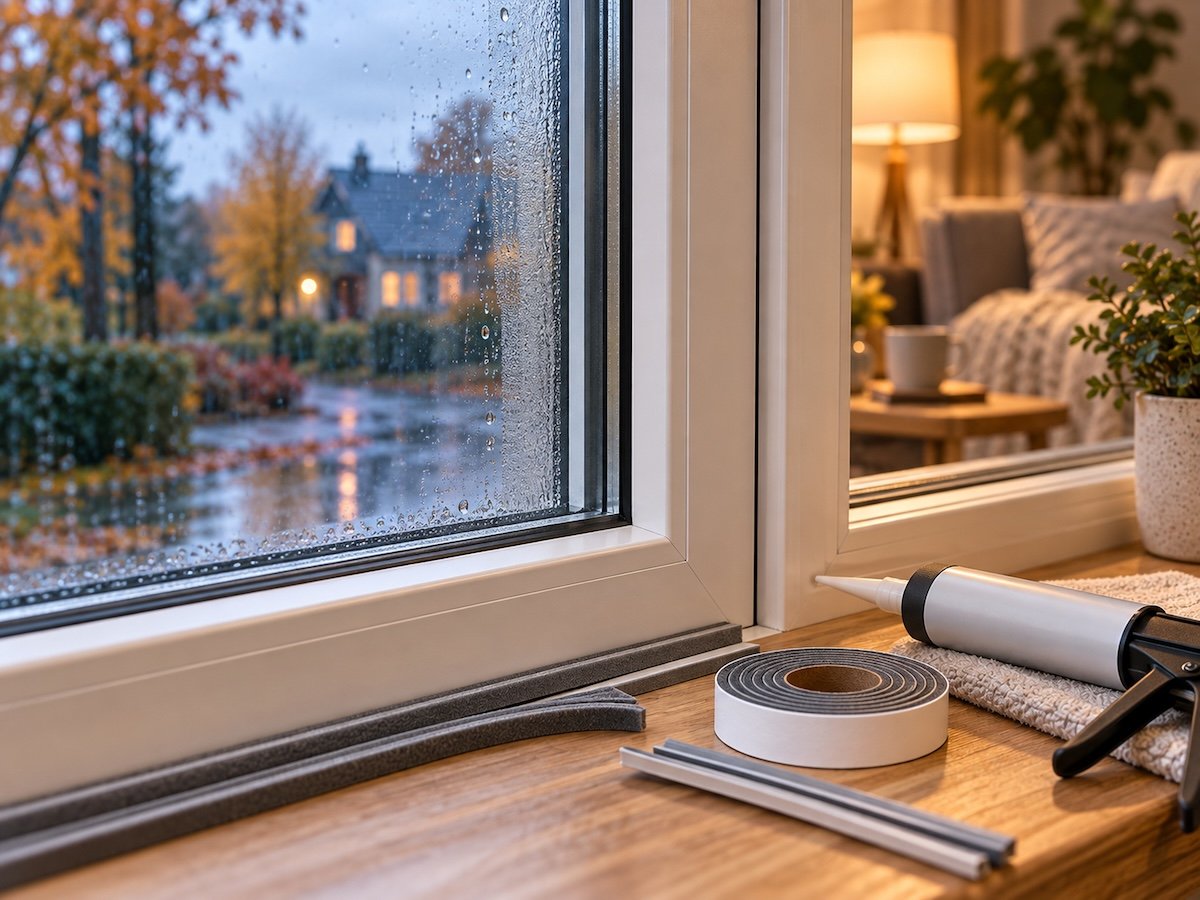
Air leaks are a major source of heat loss. Check your home for possible gaps with this easy test: Hold a piece of toilet paper in front of your window and door frames. If the toilet paper moves, you’ve found a crack that needs to be sealed. Use weatherstripping to fill the gaps so that the heat stays tucked inside, and consider adding foam insulation to outlets to reduce heat loss even more. Caulk, too, is a useful weapon against leaks. “Use caulk for stationary cracks and gaps, especially around window frames or where siding meets the home’s foundation,” says HVAC technician Josh Mitchell, who works with AirConditionerLab in Nevada City, Calif.
RELATED: The 20 Best Products for Surviving Winter
4. Reflect Your Radiator’s Warmth
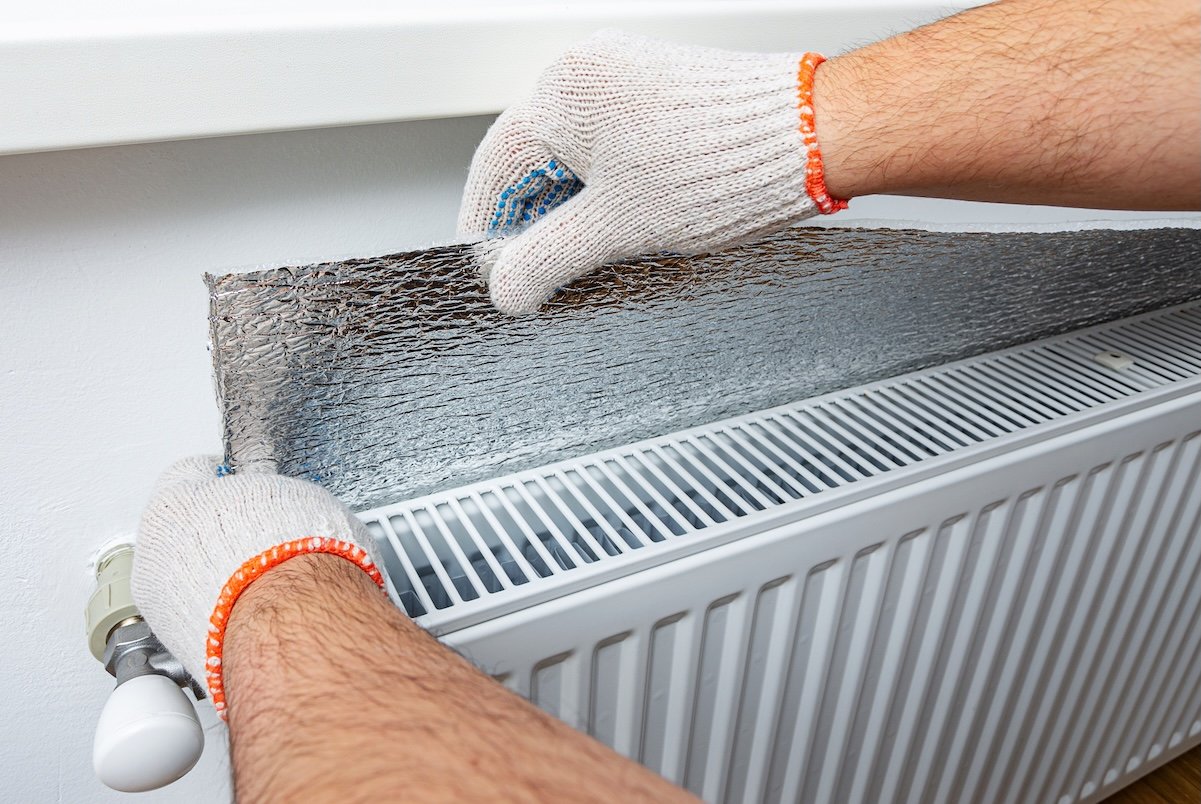
If you have radiators in your home, try fashioning reflective plates out of aluminum foil and placing one behind each unit. Instead of just heating up your wall, the radiator will heat the foil, which will reflect warmth back into the room and allow you to maximize the unit’s output.
5. Use Steam to Your Advantage
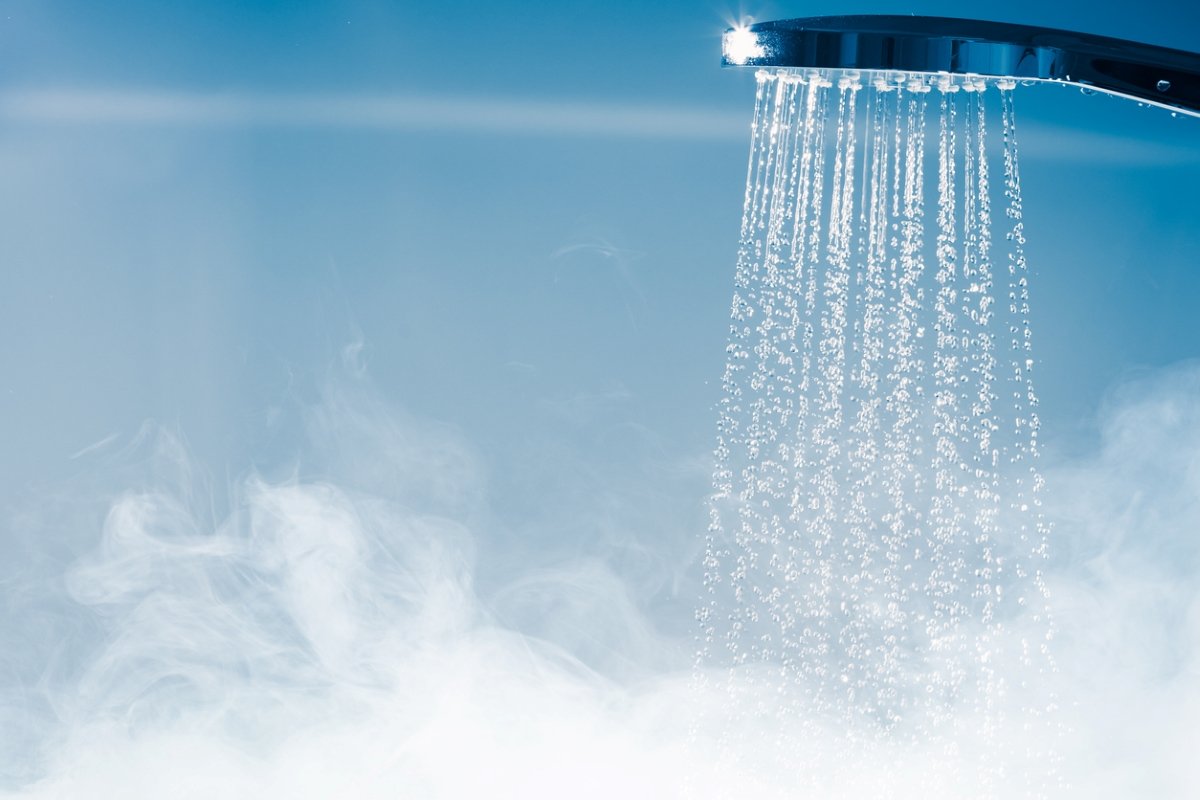
Exhaust fans are effective at ridding your bathroom of humid air during and after a hot shower. But leaving the fan off altogether when you shower is a good strategy for room heat generation, one that works particularly well if you leave the bathroom door open while you shower. The steam warms the air in the bathroom, and in adjacent halls and rooms.
6. Stop Drafty Doors
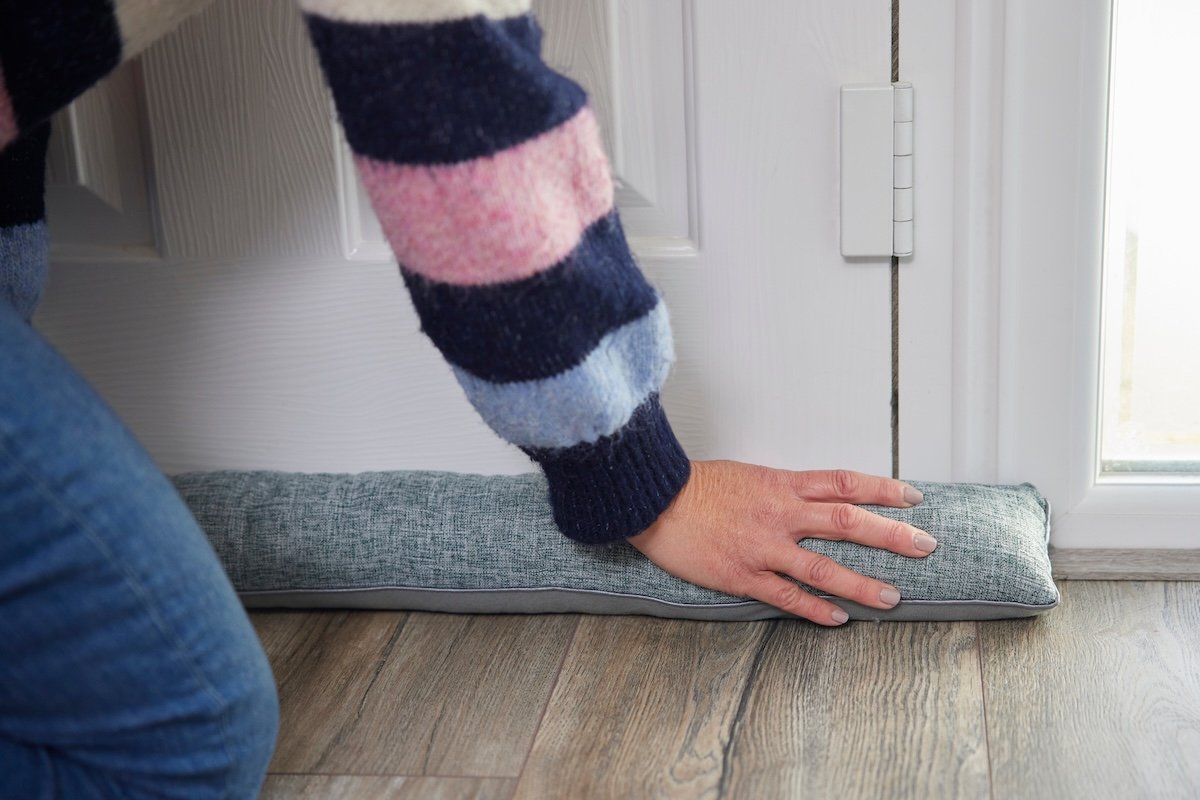
If you have drafty doors, craft an inexpensive DIY fix from foam pipe insulation. Cut the foam to size, and wrap it around the bottom of your doors—yes, even the interior ones!—to prevent heat from escaping and utility costs from going up. If you’re not up for a project, there are plenty of affordable draft dodgers you can purchase. Draft dodgers are easy to slide off the door when the weather warms up, so you have no excuse not to try this budget-saving solution.
7. Insulate the Water Heater
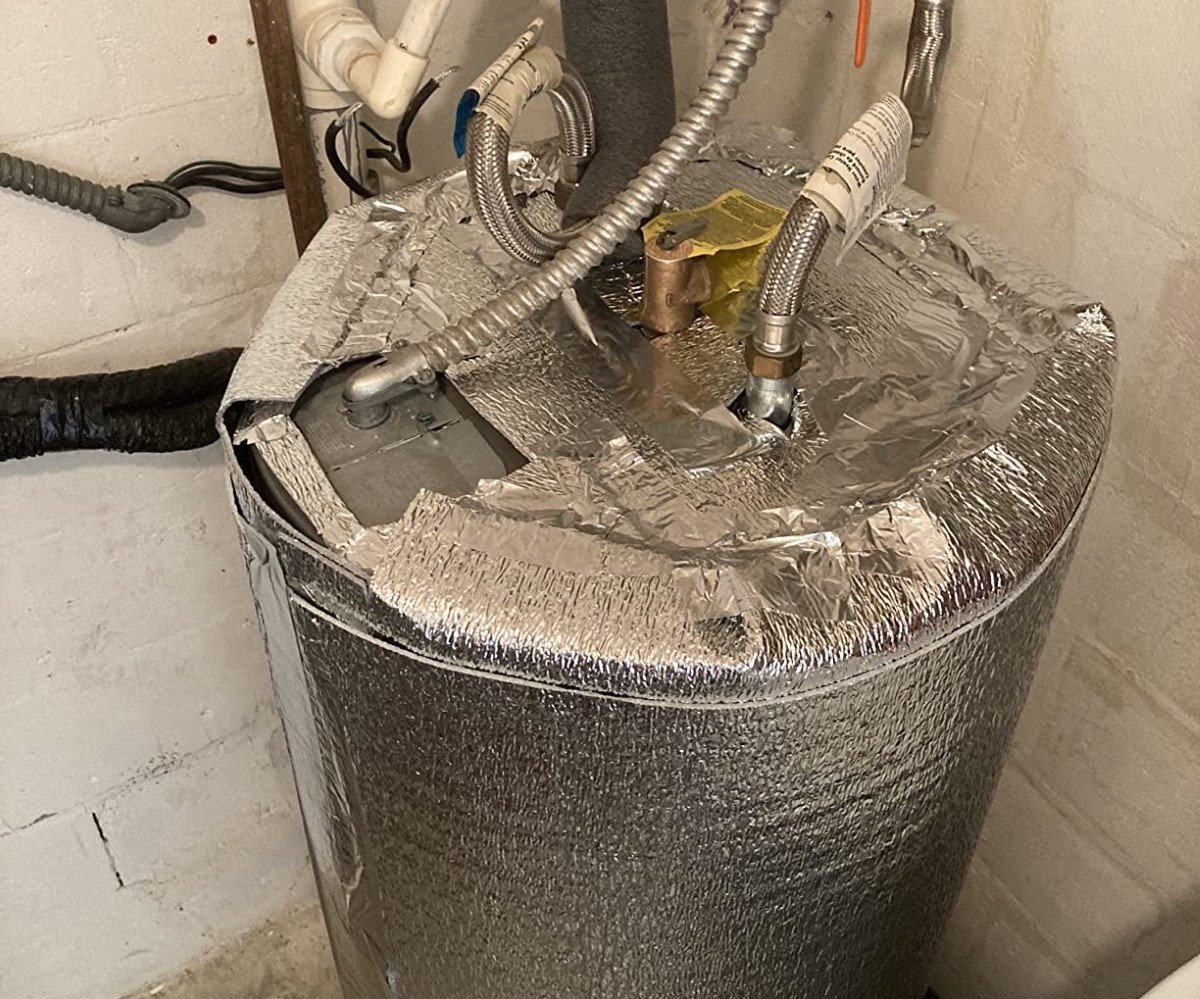
If you don’t have a jacket for your water heater, odds are you’re letting its warmth go to waste. Consider insulating your unit to reduce heat loss and save a little cash—about $20 a month, according to the U.S. Department of Energy. To see if your water heater needs additional insulation, just touch it. If it feels warm, it could probably use a water heater blanket, but check your owner’s manual first to make sure it’s safe to cover your model.
RELATED: Solved! When to Replace a Water Heater, Explained
8. Let the Sunshine In
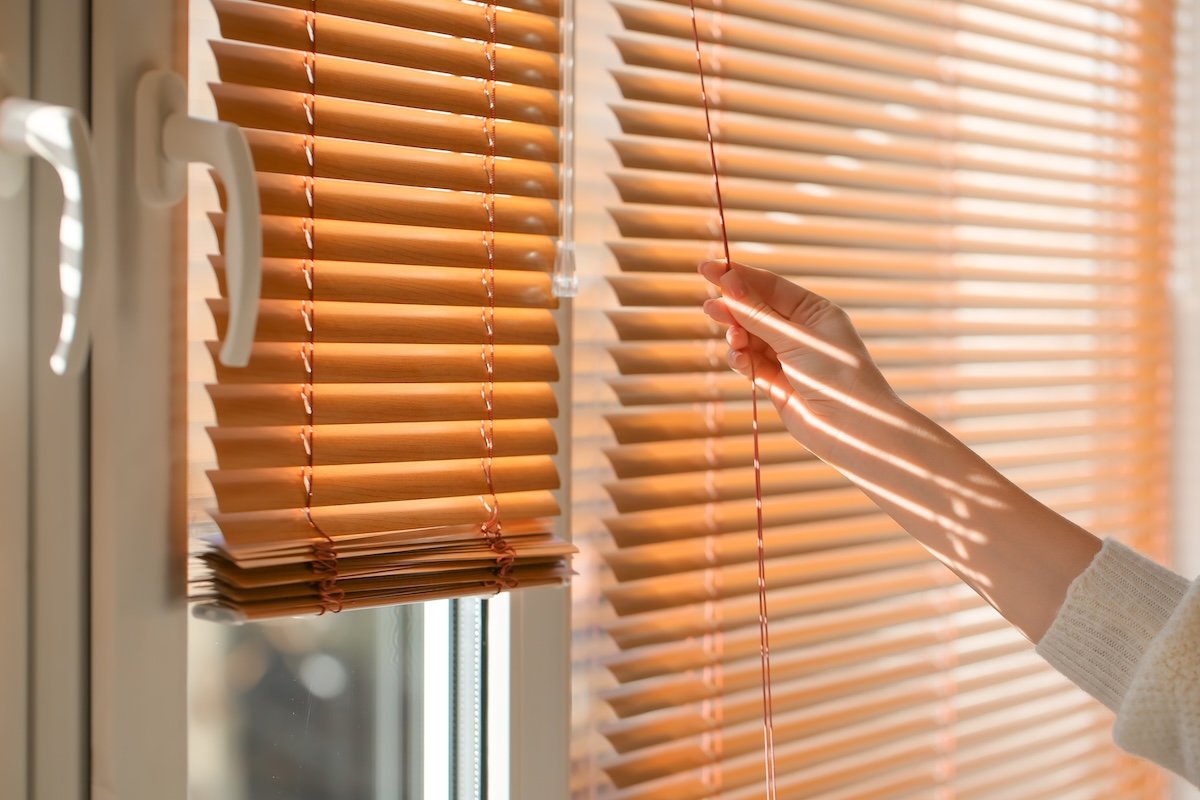
This is by far the easiest thing you can do to lower home heating bills: Raise the blinds and open the curtains when the sun is out. It’s especially important to keep window coverings open on south-facing windows, because they bring in the warmest afternoon sun. Just remember to close your curtains again at night to keep all the toasty air inside until the sun returns.
9. Upgrade to a Smart Thermostat
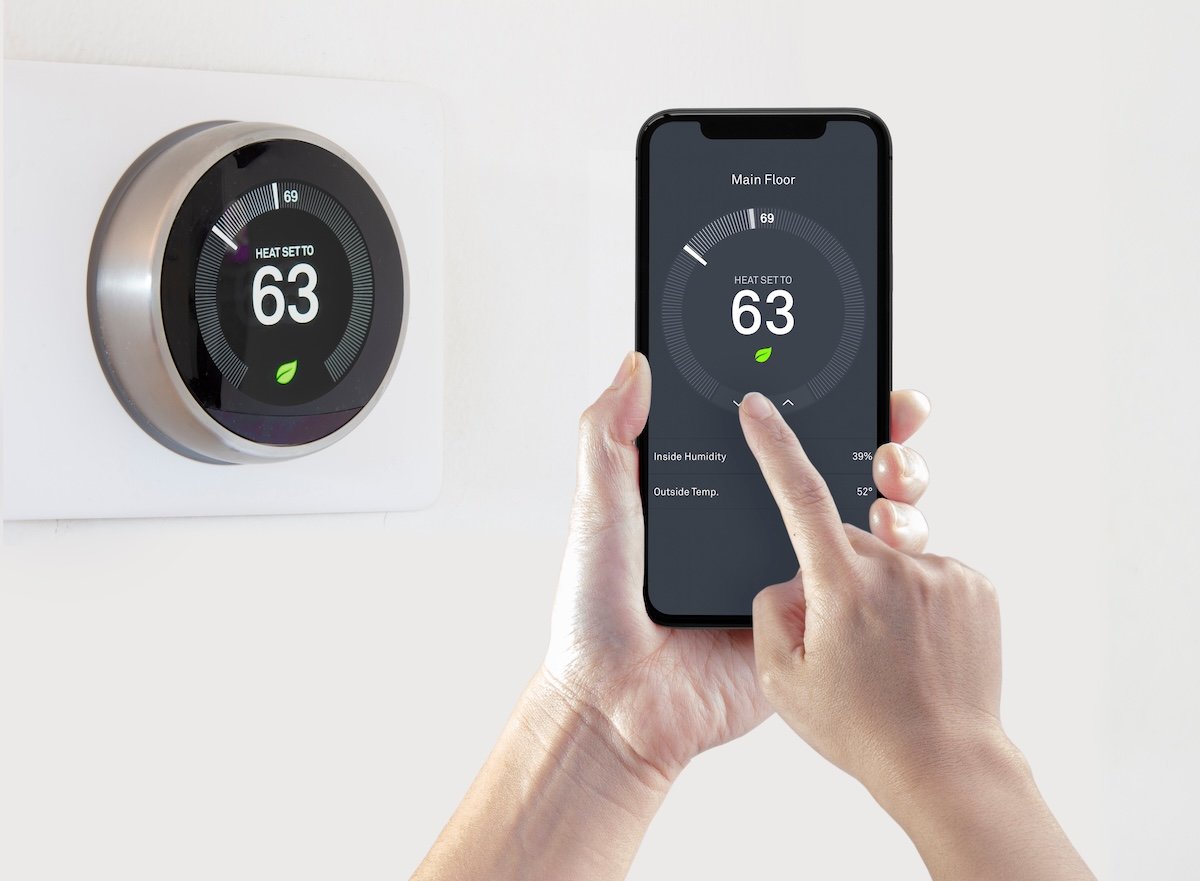
Consider replacing your thermostat with a smart thermostat, which “allows you to set different temperature schedules throughout the day based on your occupancy patterns,” according to Justin Bohannon of Affordable Solutions HVAC & Electrical in Durham, North Carolina. “By utilizing setback temperatures during times of lower demand, such as when you’re at work or sleeping, you can save energy and reduce heating costs,” he adds.
Best Touchscreen Smart Thermostat
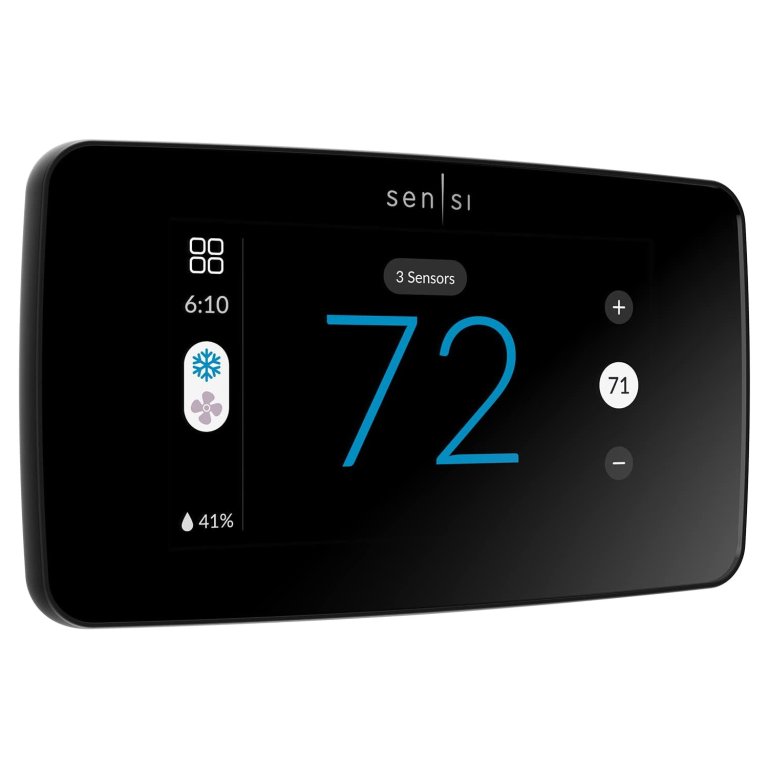
Sensi Touch 2 Smart Thermostat
Sensi Touch 2 Smart Thermostat is for those who want a clean interface, dependable performance, and thoughtful privacy protections. Read the review.
See It10. Pour a Hot Drink

Iced coffee or iced tea may be your go-to beverage to help you get through the day, but come winter it might be time to make the switch to a warmer beverage. Hot cocoa, tea, and coffee will warm you up on the inside and still give you that kick of caffeine you need.
11. Layer Your Bedding
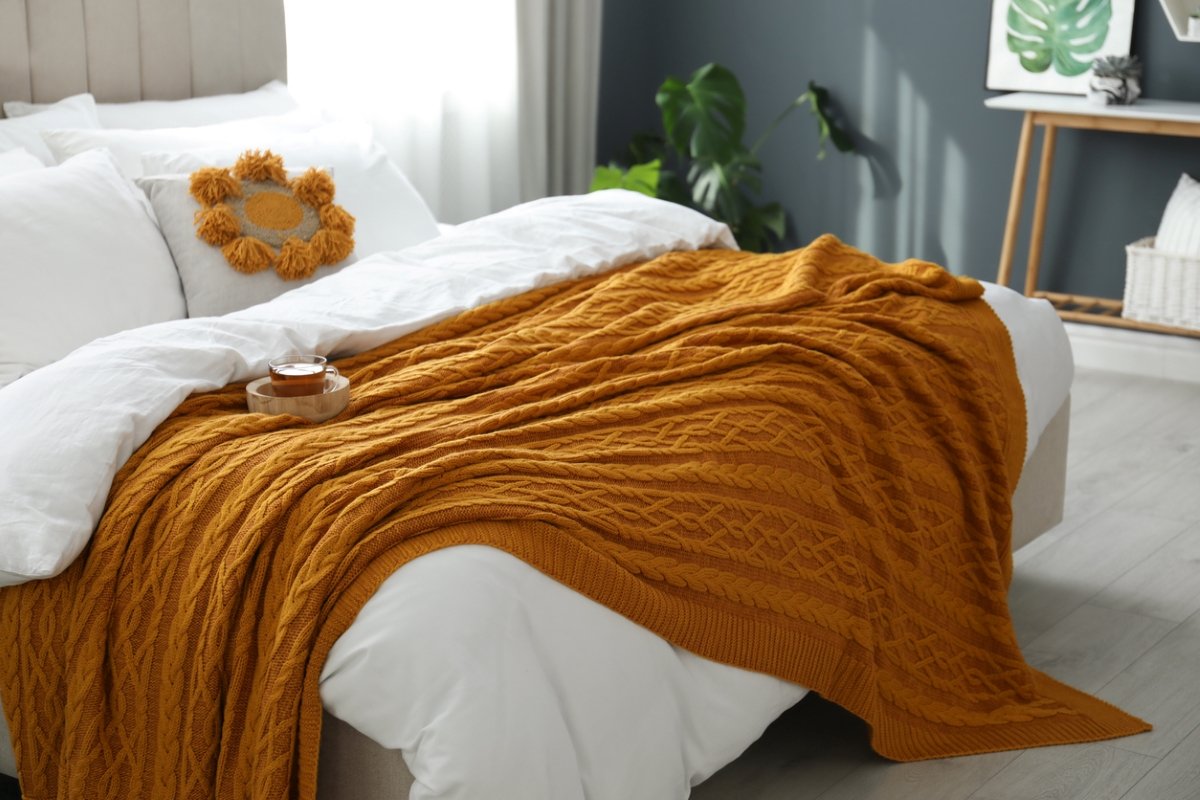
A top sheet and comforter might be plenty comfortable from spring to fall, but in winter, it’s time to burrow under multiple layers. Try making your bed with flannel sheets and fleece or electric blankets, then drop your thermostat down a couple of degrees at nighttime to stay warm without burning through extra cash.
12. Start a Fire. . . or Not
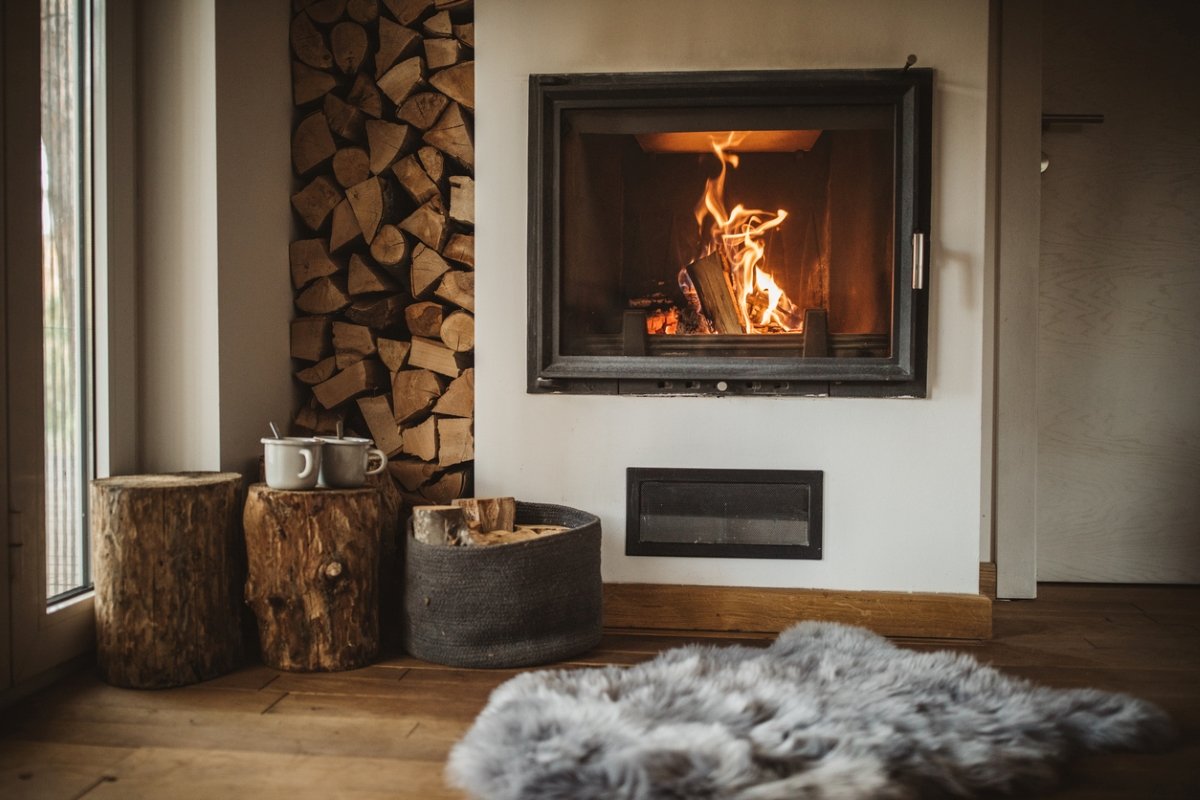
Cozying up next to a roaring fire is a way to warm up that comes with a caveat. In traditional fireplaces, about 80 percent of the heat generated escapes up the chimney. In fact, an open fireplace can even suck warm air out of the room. So while you do get some warmth from a fire in the fireplace, it may be less than you might think. To maximize your fireplace’s heat output, consider upgrading it with energy-efficient, wood-burning inserts.
13. Close the Flue
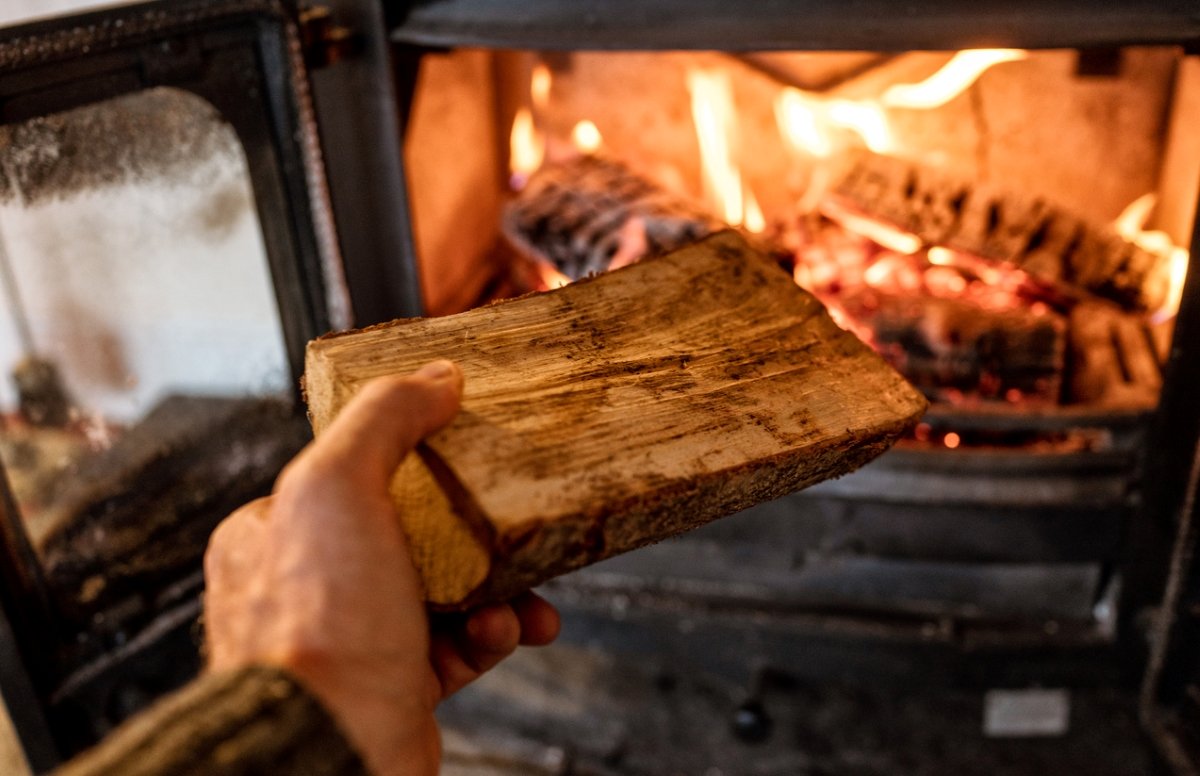
If you do light a fire in the fireplace, remember to close the flue after you have put the fire out (keep the flue open, of course, while the fire is burning). Otherwise, all the warm air will go up and out of the house and let in the frigid air from outside.
RELATED: 11 Mistakes You Should Never Make With Your Fireplace
14. Bundle Up

Layering clothing can goes a long way toward keeping you warm. While you’re at home, wear long sleeves, and wear socks (maybe even heated socks) and slippers around the house. Fashion retailer Uniqlo sells shirts, undershirts, long underwear, leggings, and socks with Heattech technology that traps heat to keep you warm. When you can’t shake a chill, throw your sweatshirt in the dryer for a quick spin to warm it up.
15. Don’t Block the Air Vents
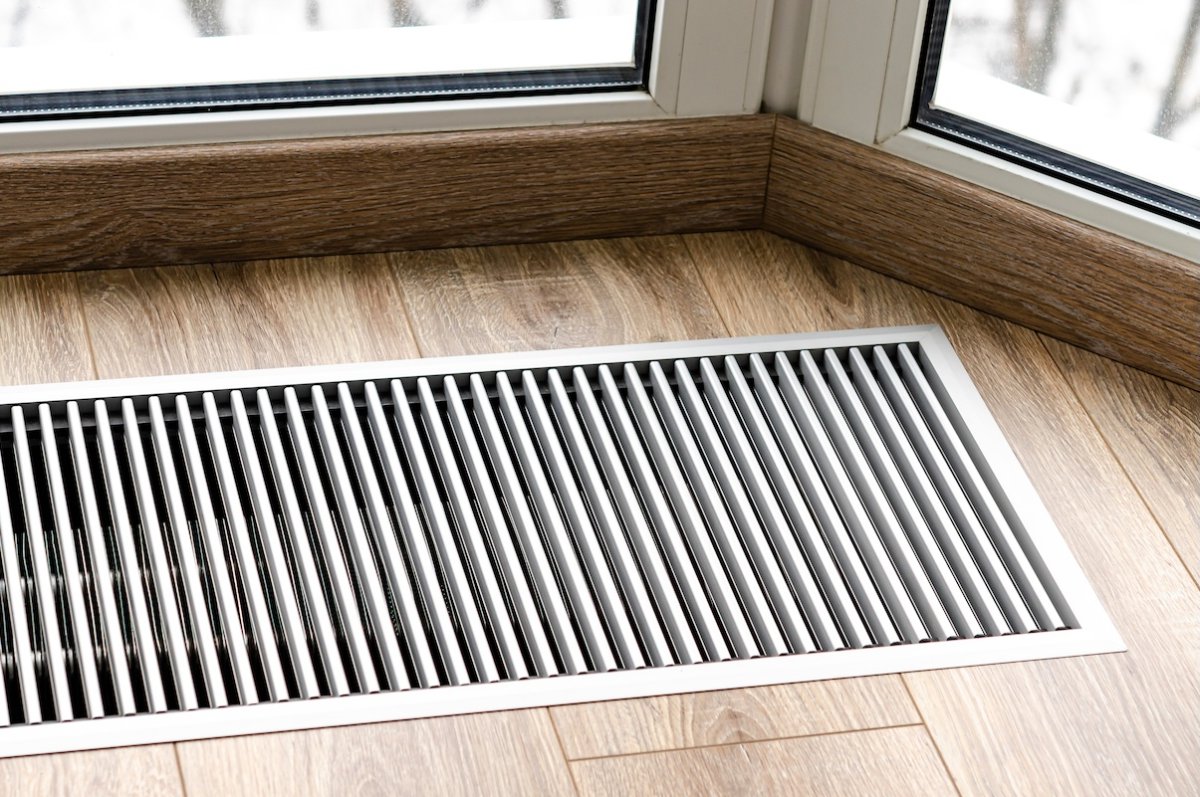
Check all your air vents to make sure they aren’t covered by window treatments or furniture. “Rearranging furniture is a surprisingly effective way to reduce home heating bills,” says Guy Sharp, a relocation manager at Andorra Guides who help residents settle into new homes, with a special focus on staying warm on a budget in the chilly temperatures that characterize the small European country nestled in the Pyrenees mountains.
“When you position your furniture away from radiators, baseboard heaters, and vents, you allow the heat to circulate freely throughout the room,” he adds. Blocked vents also makes your furnace work harder than it should and increases air pressure in the ductwork, which can lead to cracks. If it’s not possible to rearrange your furniture, you can use vent extenders to direct air around obstructions.
16. Check the Insulation in Your Attic
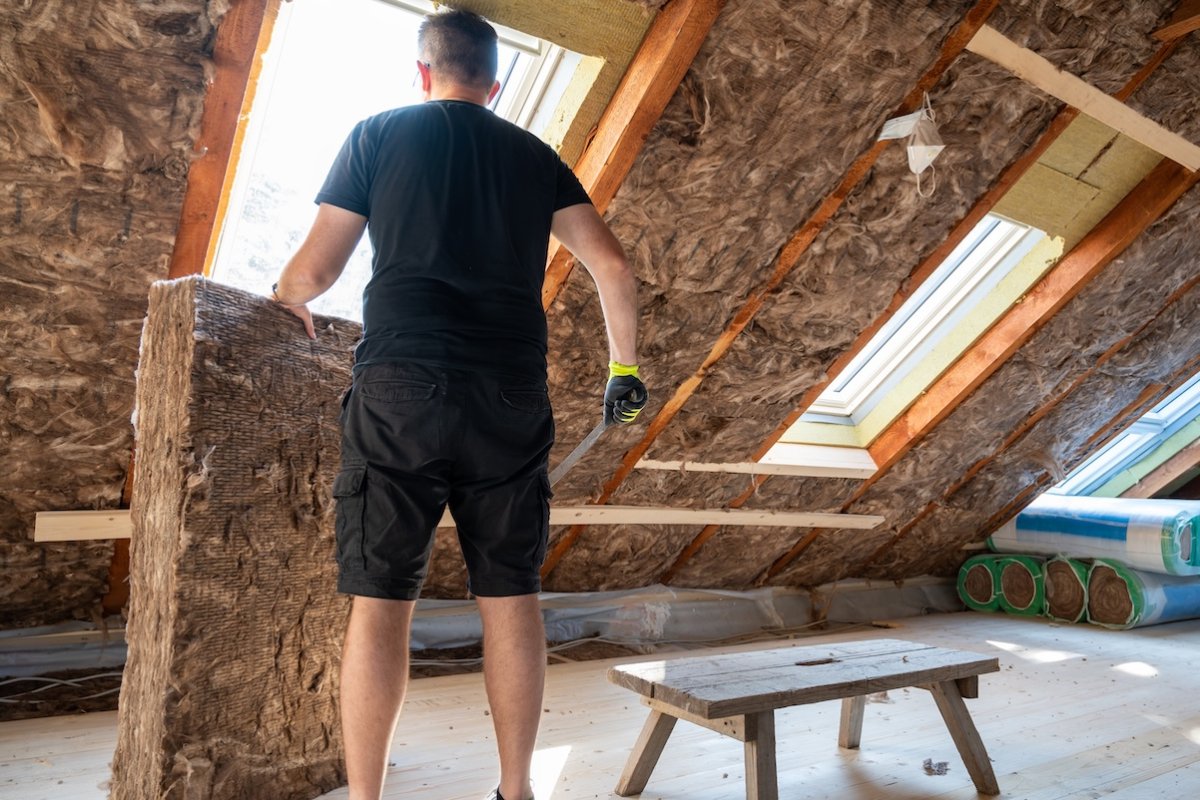
If you have an attic, it’s a good idea to confirm that there’s sufficient insulation up there and that the insulation is properly affixed. Look for gaps around pipes and ducts, and make sure that there aren’t any loose bits. Add more attic insulation if you find that what’s there could use some shoring up.
17. Cover Hard Flooring With Rugs

If your floors feel cold, throwing down some area rugs can will warm your feet up in a jif. Rugs offer a barrier against chilly air rising up from your concrete foundation, or from the crawl space under your home. For even more insulation (and to keep the rugs from slipping), use rug pads under your rugs.
18. Close Off Unused Rooms
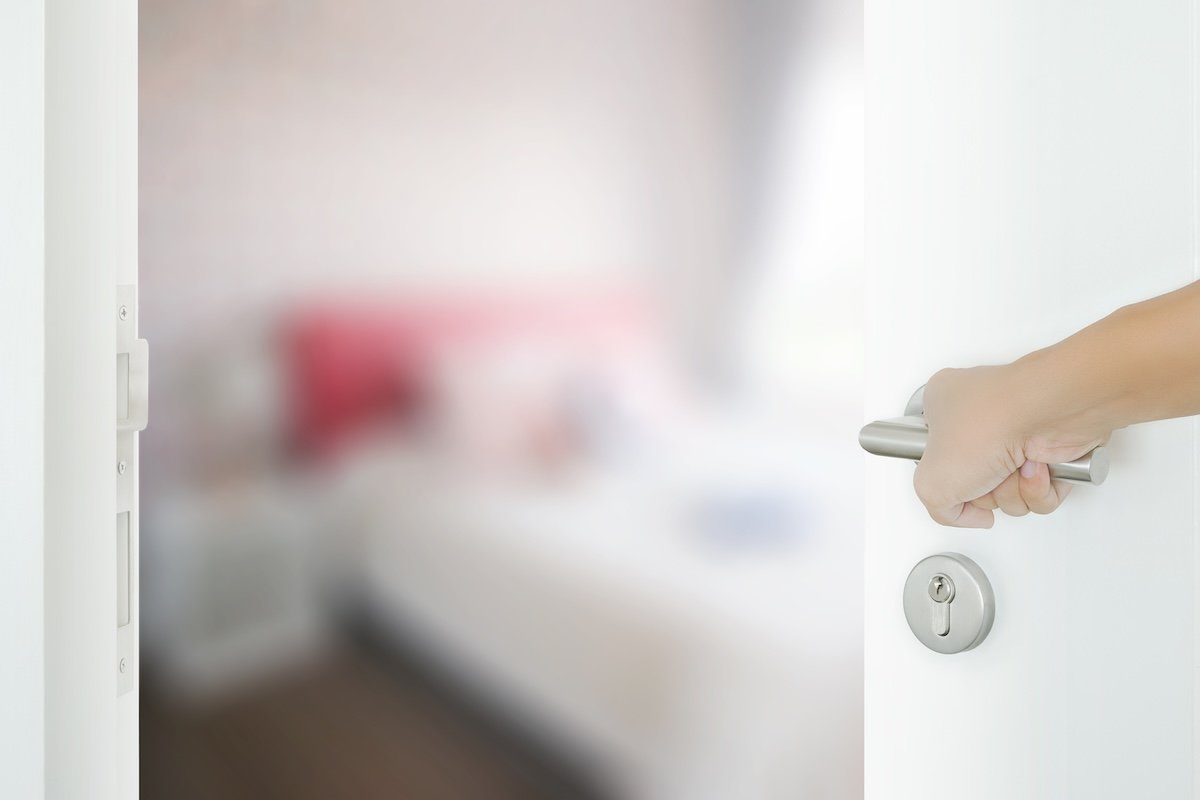
If your home has seldom-used rooms, close them off. There’s no sense in heating the guest room, for example, if you’re not expecting visitors for a while. “Also make sure that you close any vents in little-used rooms,” says Leonard Ang, CEO of iPropertyManagement, an online company that offers advice for landlords, investors, and tenants throughout the United States.
19. Schedule a Home Energy Audit
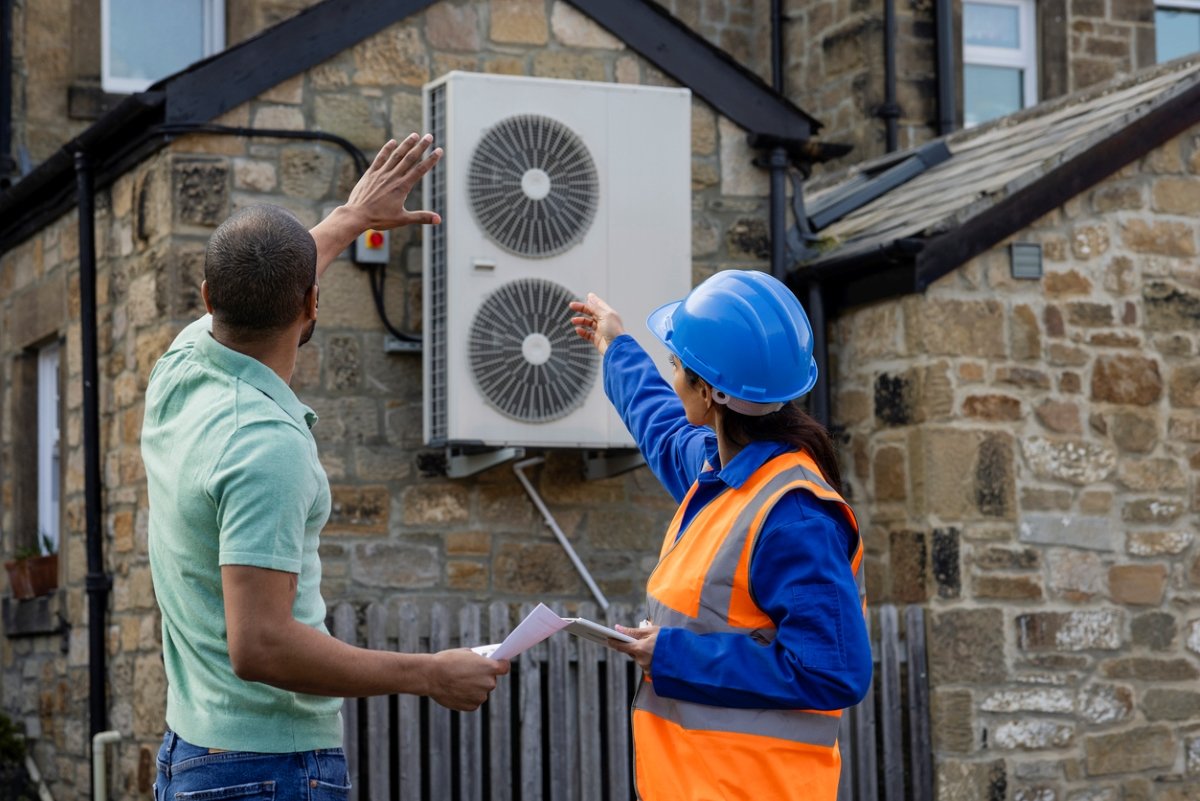
For a thorough evaluation of how to best protect your home against winter’s chill, consider scheduling an energy assessment or energy audit. In such an audit, professionals use special equipment that draws in air through any gaps in your home’s exterior, allowing them to pinpoint areas that should be sealed or insulated.
20. Service the Furnace
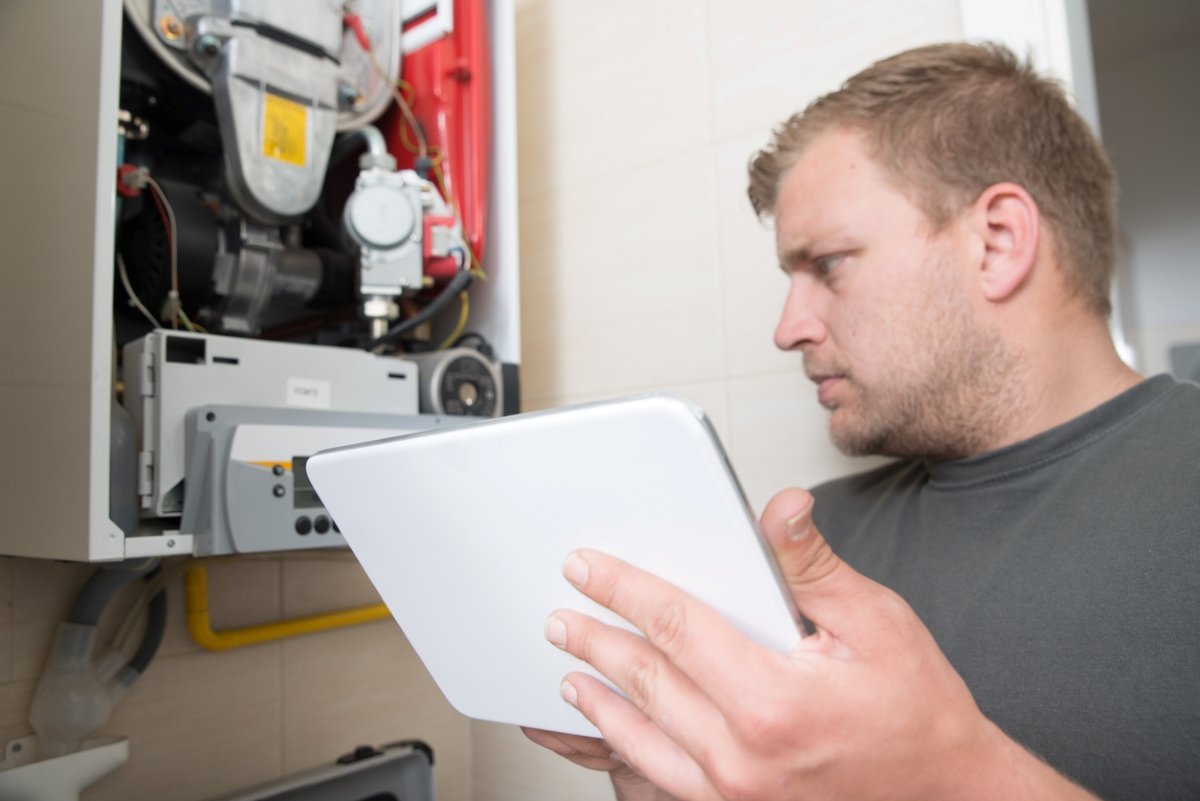
When you do eventually turn on the heat, make sure your furnace is ready for a season of use. Having your furnace serviced in the fall is an often overlooked step that can help you save money on winter heating costs. “Regular maintenance of your heating system ensures it operates at peak efficiency,” says Brad Roberson, president of Aire Serv, an HVAC service company that has locations around the country.