We may earn revenue from the products available on this page and participate in affiliate programs. Learn More ›
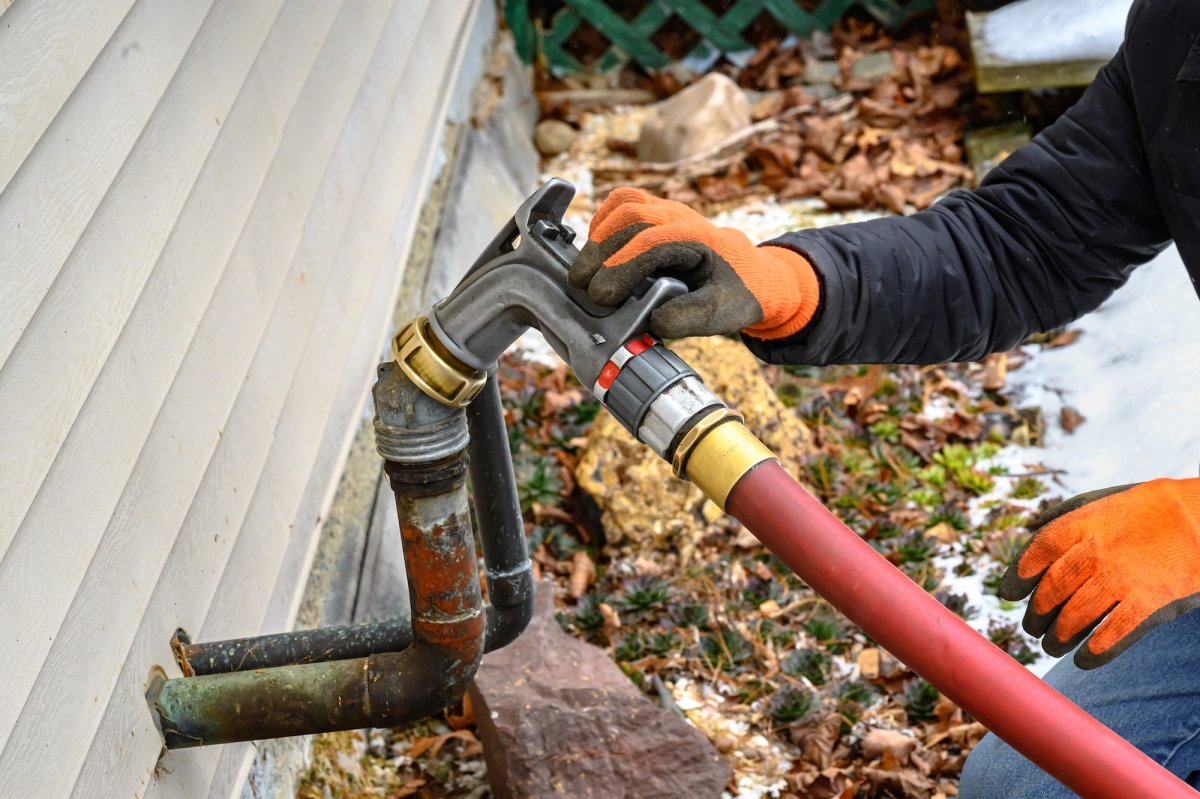
If you are one of the 4 million households in the United States that rely on heating oil to power furnaces, boilers, and water heaters, you might be experiencing sticker shock when it comes to heating oil prices this season. The price has risen to about $6 per gallon compared to last year’s $3 per gallon.
According to the National Energy Assistance Directors Association, the cost to heat a home using heating oil is expected to rise by at least 50 percent across the region, including states like Maine, Massachusetts, and New York. In fact, Maine has been getting a lot of attention lately since the state relies heavily on this type of fuel, and prices have already reached 80 percent higher than just a year ago. Learn why heating oil is so expensive this year and what you can do to manage the “pain at the tank.”
Reasons Heating Oil is So Expensive This Year
Heating oil prices typically rise during the winter as demand increases heading into the heating season, says Lowell Richard, director of fuel operations at Townsend, a home service company based in New England that offers fuel delivery as well as HVAC and electrical services. “Over the past several months, global events and geopolitical uncertainty have driven significant increases in the cost of heating oil, propane, gasoline, diesel fuel, and other forms of energy,” he explains. With a shift in shipping traffic in the Strait of Hormuz due to the war with Iran, the cost of heating oil has gone up. The conflict between Russia and Ukraine has also impacted the global supply, leading to price hikes.
By comparison, propane prices are relatively unchanged from last year because propane has a different supply structure than heating oil. “Propane is a byproduct of both crude oil and natural gas processing, so its price is linked to both—natural gas prices tend to be steadier, while crude oil does fluctuate,” says Richard. “Additionally, propane has lower wholesale prices and adequate inventories. As a result, propane prices are typically steadier than heating oil prices.” It’s worth noting that propane prices vary by supplier and delivery volume, so Richard recommends checking with your local supplier for the current price.
Ways to Find Relief
If you are struggling to pay your heating bills, consider tapping into available resources in your area. “Every supplier is unique, but at Townsend, we offer several ways to help our customers spread out or control their costs,” explains Richard. “We have a variety of budget plans to help fit our customers’ financial needs. For example, automatic delivery is something we encourage because it typically offers better pricing and helps homeowners avoid emergency delivery fees.”
Here are some additional ideas:
- Ask your local utility company if they provide discounts, payment plans, payment deadline extensions, or a free home energy audit to help implement cost-saving measures.
- Contact the Low Income Home Energy Assistance Program (LIHEAP), a federal program administered by state governments to help low-income families afford their energy bills. To see if you qualify, view the LIHEAP Eligibility Tool or call 866-674-6327.
- Apply for assistance from a state weatherization program.
- Look for residential rebates and incentives for insulation and HVAC equipment.
Tips to Conserve Energy and Save Money This Winter
Fortunately, there are several ways for you to help offset high heating oil prices on your monthly bill. Try making one or more of the following changes in your home to keep heating costs manageable, and if suspect damage to your oil tank, have the tank checked and replaced if necessary.
Adjust and upgrade the thermostat.
Set your thermostat to a comfortable temperature, but keep in mind that setting it even a few degrees lower can save a noticeable amount on your energy costs, says Richard. “Intentionally setting your thermostat 7 to 10 degrees lower when you are sleeping or away can save up to 10 percent on annual heating costs,” Richard explains. Investing in a programmable or smart thermostat will help you set temperature preferences and schedules, even when you are not home.
Seal leaks around your home.
Check all the doors, windows, and exterior walls for drafts, since your home can lose heat if air is leaking out. “Replace old or missing weatherstripping around doors, windows, and pipe entry points, and seal cracks in your foundation if you have any,” suggests Richard.
Set up a space heater.
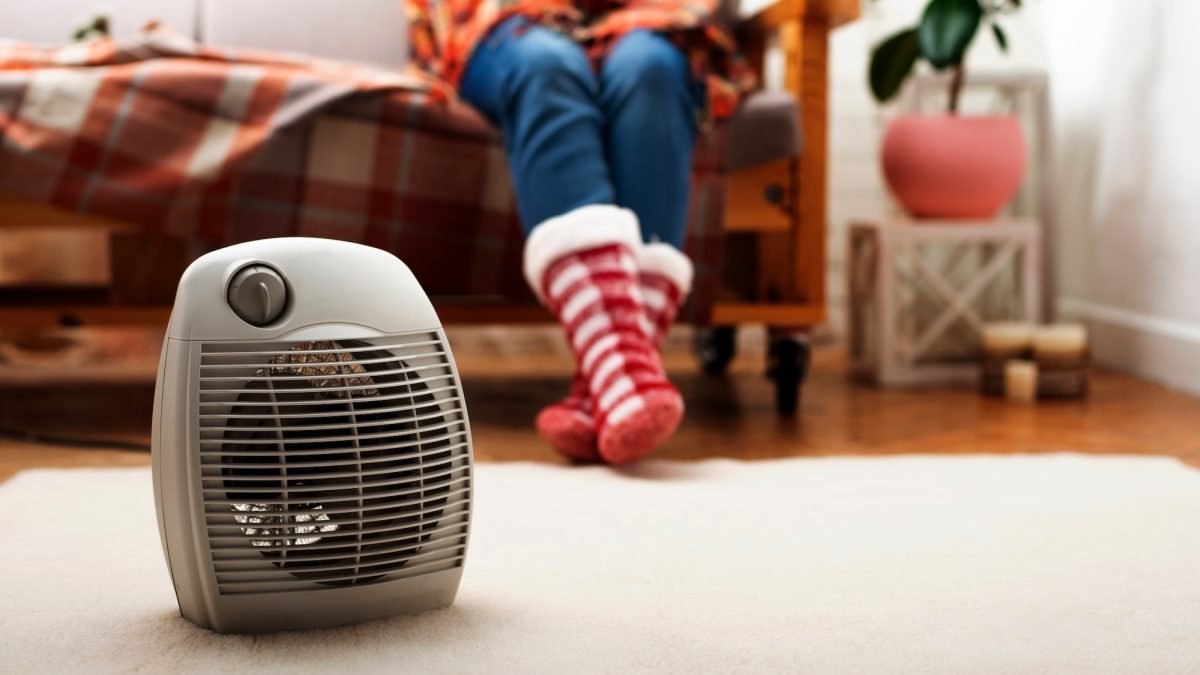
Use a space heater so you can lower your thermostat a few degrees. Choose an energy-efficient model that has a thermostat, adjustable heat settings, sleep mode, and auto-off timers to avoid wasting energy. Always turn a space heater off when you leave the room.
Best Overall Space Heater
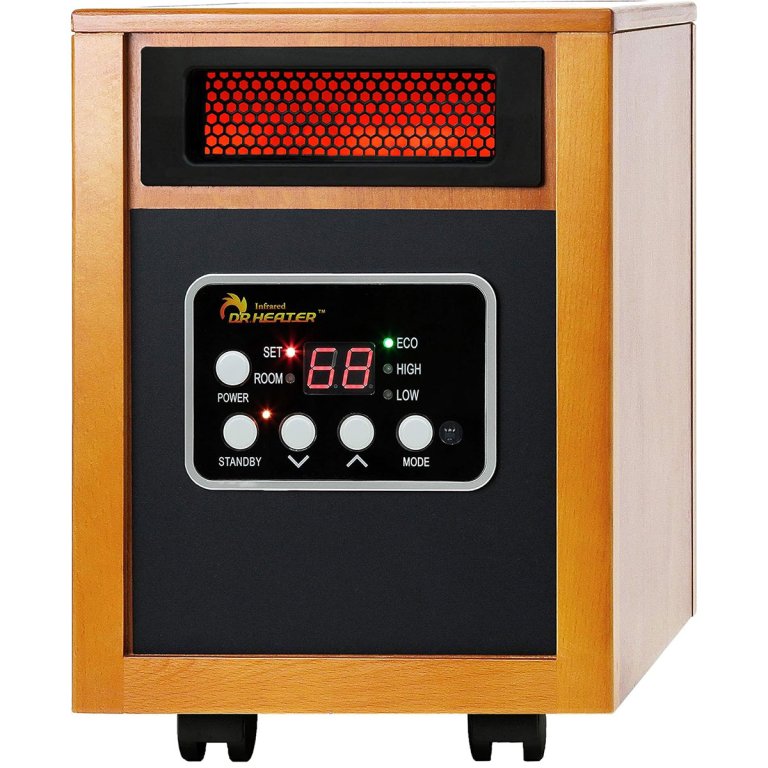
Dr. Infrared Heater DR-968 Portable Space Heater
Featuring three heating modes, quiet operation, and an attractive look, this efficient space heater earned “best overall” in our hands-on testing.
Buy NowChange air filters.
“Change your air filter every 30 to 90 days,” says Richard. “A clogged air filter will significantly impact how efficient your system is, so make this a regular habit.”
Schedule HVAC maintenance.
Maintain your heating system to ensure it is running as efficiently as possible, which in turn requires less energy to heat your home. “Get a fall tune-up to catch small problems before they become bigger, and therefore pricier, problems,” says Richard.
Adjust your water heater.
“If your water heater runs on heating oil, keep it set to 120 degrees Fahrenheit for safety and to save on energy costs,” notes Richard.