
We may earn revenue from the products available on this page and participate in affiliate programs. Learn More ›

Partner Story
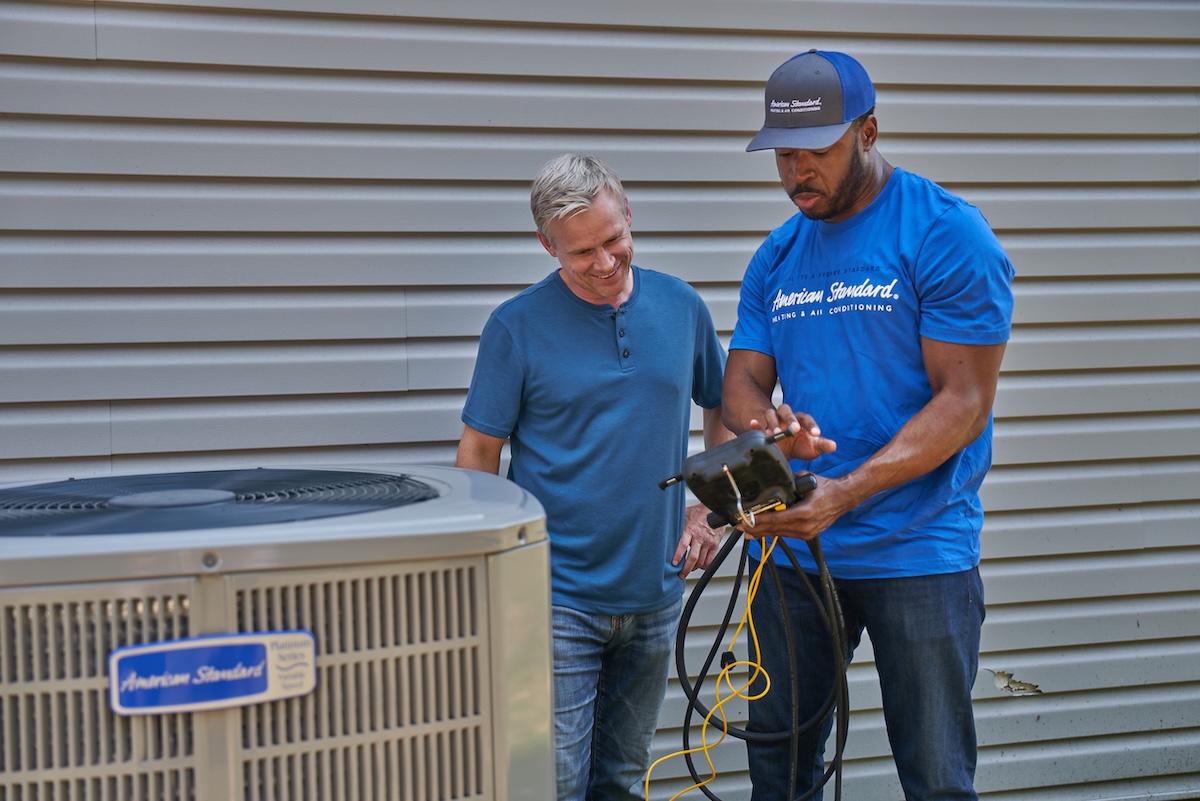
American Standard Heating and Air Conditioning’s advanced electric heat pump technology can deliver efficient, year-round heating and cooling tailored to your home.
When it comes to home heating and cooling, more Americans are choosing heat pumps than ever before. The most recent data from the U.S. Energy Information Administration shows that 17 million homes now use central or ductless heat pumps for space heating and cooling, up from about 12 million in 2018. It’s a great option for homeowners looking for a versatile heating, cooling, and humidity control alternative to furnaces and air conditioners, as heat pumps both heat and cool the air from a single unit. Overall, this dual-purpose, energy-efficient system is often an attractive option since it can help save space, energy, and money in the long run.
“Most, but not all, residential heat pumps are electric, and their adoption really accelerated in 2022, when local, state, and federal incentives expanded significantly and customers became impressed by how much the technology advanced during the previous 10 to 20 years,” says Mark Woodruff, Senior Product Manager, Ducted Outdoor at American Standard Heating and Air Conditioning. “These programs encouraged homeowners in regions traditionally dominated by air conditioners and gas furnaces to try heat pumps for the first time,” explains Woodruff. “Now, even as many of those initial rebates and tax credits begin to phase out, the perception has shifted, and homeowners increasingly see heat pumps as a strong option.”
Keep reading to learn more about why heat pumps are gaining popularity as the go-to HVAC system for home comfort.
Eco-friendly and flexible, heat pumps save energy and money.
Here are several benefits of switching from a natural gas, oil, or propane HVAC system to an electric heat pump.
Easy Installation and Flexibility
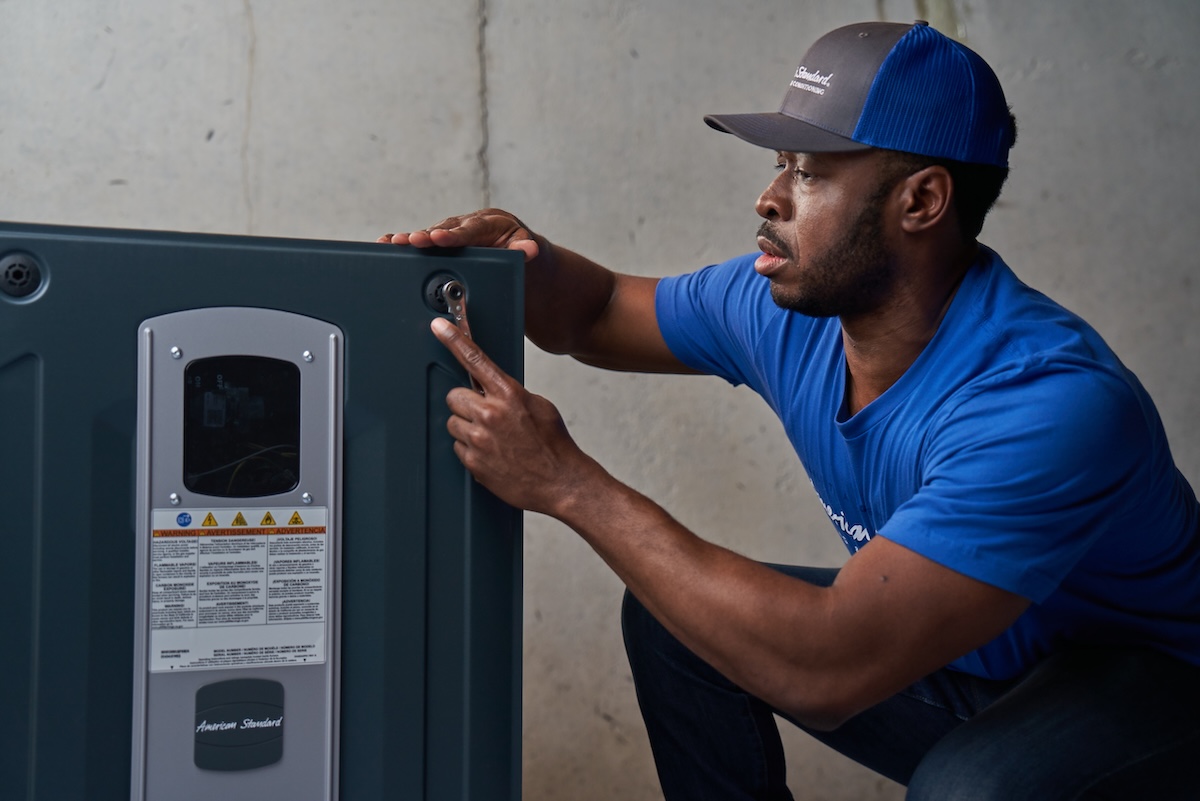
Replacing an existing HVAC system with a heat pump is generally a simple and familiar process for installers. It also gives homeowners a great deal of flexibility, whether they want an all‑electric heat pump or a dual‑fuel setup that pairs a heat pump with a furnace, Woodruff shares.
For most homes with existing ductwork, the installation is similar to replacing a traditional furnace and air conditioner. “In some cases, the installer may need to make electrical upgrades or small system adjustments based on the age of the home and the equipment being replaced,” explains Woodruff. He recommends working with a qualified dealer who can evaluate your home, recommend the right system combination, and handle any updates needed for optimal performance.
For homes without ductwork, ductless mini‑split heat pumps offer an efficient, less invasive solution that can often be installed more quickly, says Woodruff. He recommends working with an American Standard Customer Care Dealer who can evaluate your home; properly size the system; and address factors like insulation, square footage, and local climate.
Energy and Money Savings
While many homeowners worry that switching to an electric heat pump means higher utility bills, in many cases the opposite is true. “What many homeowners don’t realize is how efficient today’s heat pumps have become—especially variable‑speed systems that deliver far more heating capacity than older models,” explains Woodruff. Heat pumps improve efficiency by moving heat rather than generating it, which provides dependable heating and cooling while using energy more effectively. “Heat pumps can deliver up to three times more heating energy than the electricity they use, making them significantly more efficient,” notes Woodruff.
Heat pumps transfer energy rather than creating it, in an efficient process that can have efficiencies as high as 300 percent, making it a great investment given the heating and cooling capabilities. Gas furnaces on the other hand have efficiencies measured by the annual fuel utilization efficiency (AFUE), which indicates how efficiently the furnace is at converting fuel into energy. Expressed as a percentage, it indicates how much fuel used in the furnace becomes heat. The higher the AFUE, the more efficient the furnace is at heating your home. Most new oil furnaces have AFUE ratings between 80 and 90 percent, while gas and propane units typically reach ratings between 89 and 98 percent.
American Standard’s AccuComfort variable‑speed technology adjusts in extremely precise increments down to 1/10 of one percent, which allows the system to maintain your set temperature without the frequent on‑and‑off cycling that wastes energy or relying heavily on supplemental electric heat,” says Woodruff. “By constantly matching its output to the home’s real‑time comfort needs, the system reduces energy waste, avoids temperature swings, and runs at lower, more efficient speeds for longer periods.” This results in steady comfort and better energy use inside the home, helping dispel the old myth that heat pumps cost more to operate than other types of HVAC units.
Eco-Friendliness
Not only are heat pumps more energy-efficient, but they are also cleaner and safer for the environment. They don’t rely on combustion or burning fossil fuels like natural gas or propane to generate heat. In fact, heat pumps pair well with solar panels, helping to reduce a home’s carbon footprint even more.
Customization boosts the effectiveness of an HVAC system.
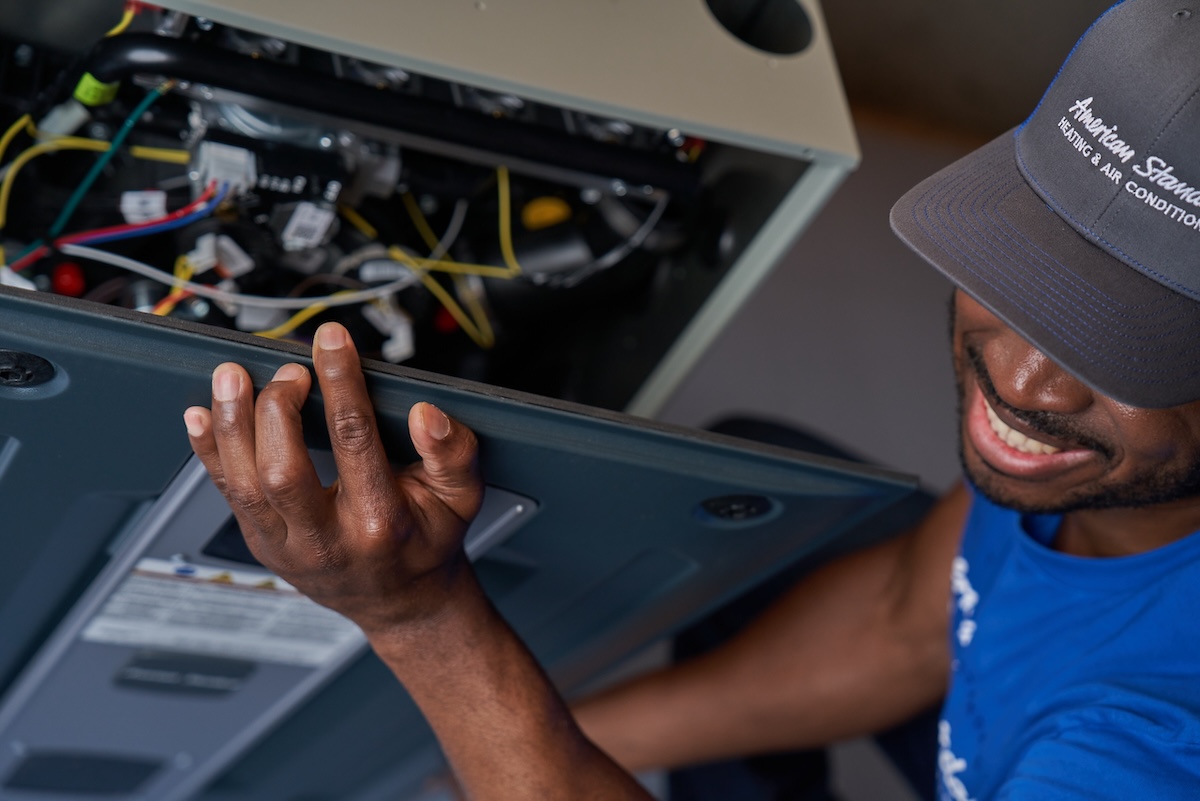
American Standard’s variable-speed heat pumps offer the following customizations that can help enhance heating and cooling in your home.
Smart Thermostat and Connectivity
American Standard’s Link Communicating system uses smart technology and connectivity to improve the control and performance of a heat pump. It serves as the hub for a connected comfort experience, allowing HVAC components to automatically communicate and configure themselves to operate at peak performance, says Woodruff. “By continuously sharing data, the system can make real‑time adjustments that optimize efficiency, comfort, and reliability.”
With the American Standard Home App, homeowners can monitor and control their system from anywhere, while built-in diagnostics and proactive alerts help identify maintenance needs early. Woodruff says: “This kind of smart connectivity takes the guesswork out of home comfort and allows the system and dealer to help keep everything running smoothly with minimal effort from the homeowner.”
Zoning for Temperature and Humidity
Pairing your heat pump with an American Standard Link Zoning system allows users to set up zones throughout the home to customize temperature and humidity, ensuring optimal comfort in each room. Better humidity control also minimizes concerns like dry skin in the winter and stickiness during the summer.
Air Quality
Heat pumps also help ensure optimal air quality in a home. In addition to managing humidity, high-efficiency whole-home air cleaners are available that effectively reduce allergens from the air, such as pollen, dust, and pet dander. American Standard heat pumps also integrate seamlessly with indoor air quality solutions that help manage humidity and reduce airborne particles.
“Systems such as the AccuClean Air Cleaner provide whole‑home filtration that supports cleaner, healthier air,” notes Woodruff. This results in enhancing daily comfort, supporting well‑being, and helping create a home environment that feels better during every season.
Cold Climate and Supplemental Heating and Cooling
For homeowners in colder regions, a hybrid dual-fuel system offers a high-performance solution by pairing an electric heat pump, like the AccuComfort Variable Speed Platinum 20 Heat Pump, with a gas furnace to optimize both comfort and efficiency. While modern cold-climate heat pumps maintain impressive capacity at temperatures well below 0 degrees Fahrenheit, their efficiency and the amount of heat that they can deliver will naturally decline as the thermometer drops.
Yet in a hybrid setup, the furnace automatically takes over during extreme cold to ensure reliable, even heating. This seamless transition allows the heat pump to handle milder conditions, and then the furnace is a backup, which maximizes energy savings regardless of the outdoor climate.
If you’re looking to make the switch to heat pumps or simply learn more about them, contact your local American Standard Customer Care Dealer, who can provide you with more details and personalized heating and cooling recommendations.