We may earn revenue from the products available on this page and participate in affiliate programs. Learn More ›
I knew my husband (who I call a “rock whisperer”) had a problem during a move from one home to another. On a trip to bring last-minute items we had stored, we had a flat tire on the interstate. To reach the spare tire in the truck bed, we had to move several large rocks we’d saved and hauled along as traffic sped by and the temperatures rose. My fingers have healed…
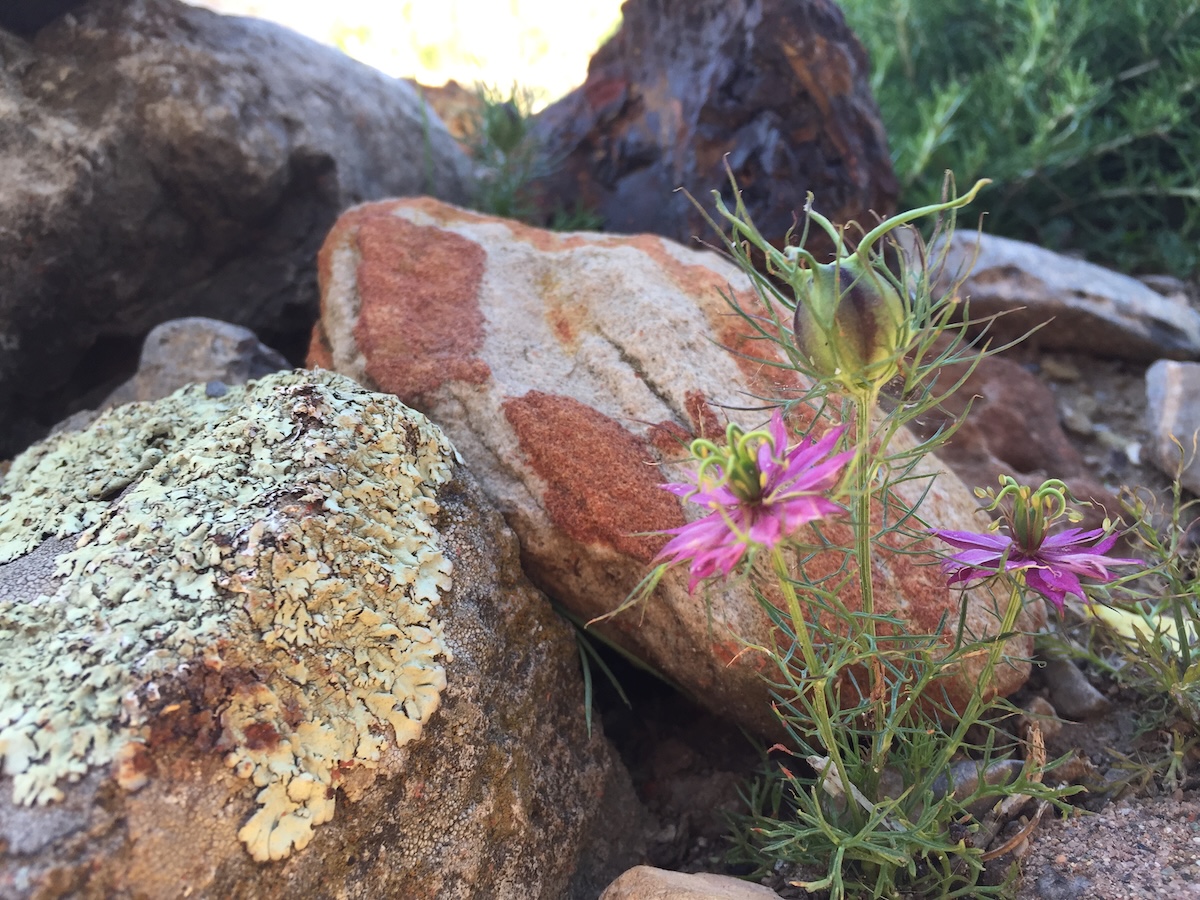
Yet, sometimes you know a rock is perfect for a use in the garden, maybe as a backdrop for a favorite plant, as a foothold on a slope, or just “planted” in the soil to highlight its shape, color, or texture. Free rocks are fairly easy to come by, and with a few tips and tricks, you can add to your landscape with found or purchased rocks and boulders.
Why We Love Gardening With Big Rocks
To quote Jan Johnsen from her book The Spirit of Stone, “I have a soft spot for hard rock.” She points out the timelessness of stone as the building block of our world. In areas like the Southwest, rock can seem more abundant than vegetation, and many of us have rocky yards. For hardscaping, large rocks are low-maintenance materials and are durable, needing no replacement once set, whereas other materials can break down. Even gravel can migrate and need some refilling over years of walking or erosion.
Even though many rocks seem plain on the surface, there are always a few exceptions with interesting shapes, colors, or veining. Johnsen points out that using local stone can connect you to a place. And replacing synthetic hardscaping materials with locally sourced rocks is a more sustainable approach to gardening.
Uses for Big Rocks in the Landscape
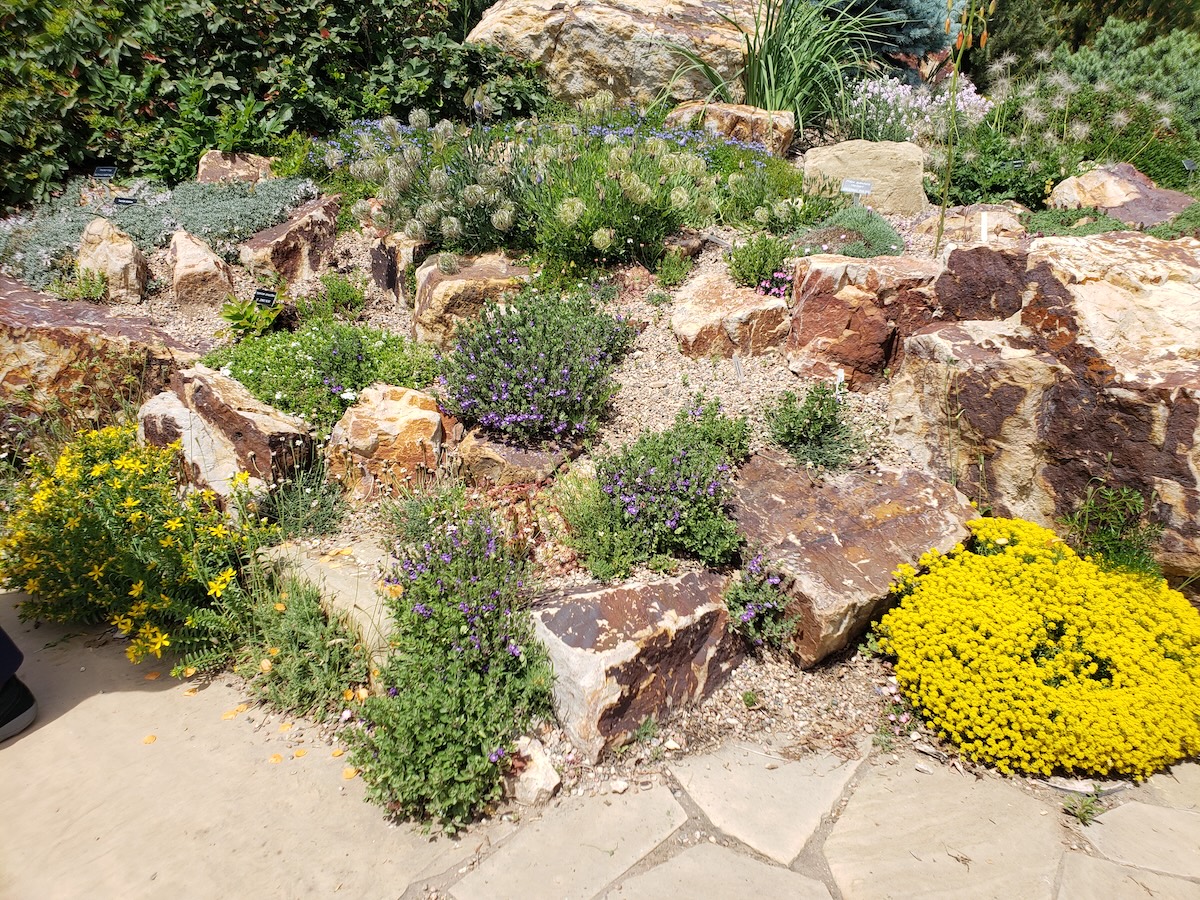
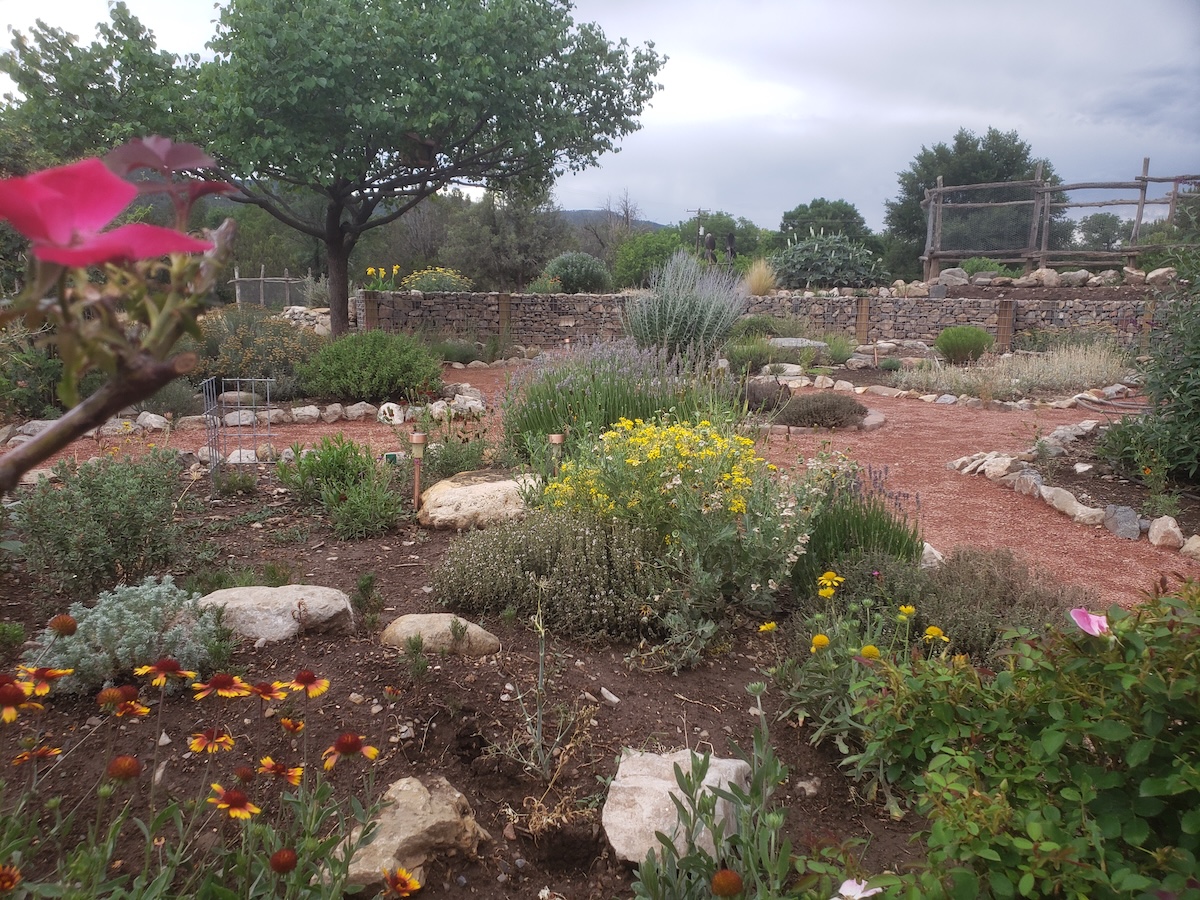
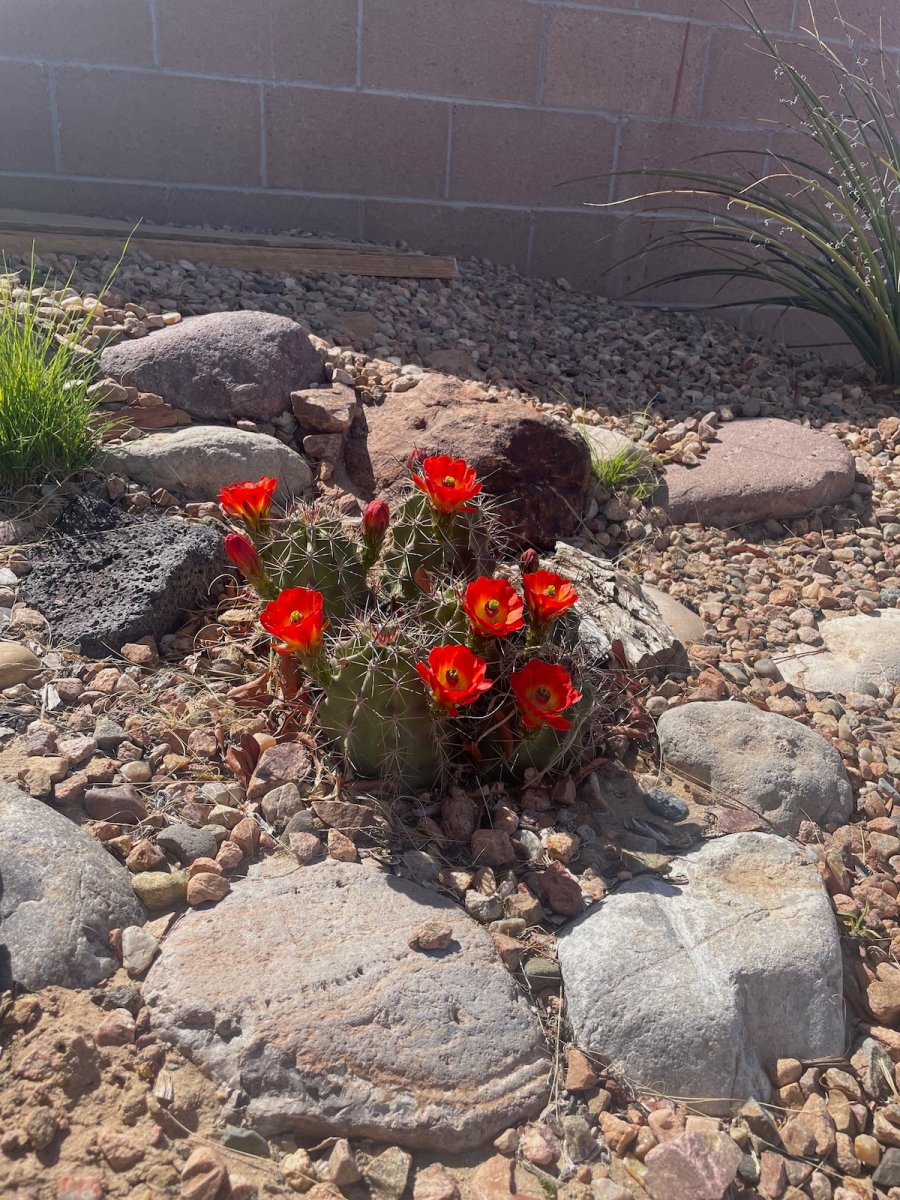
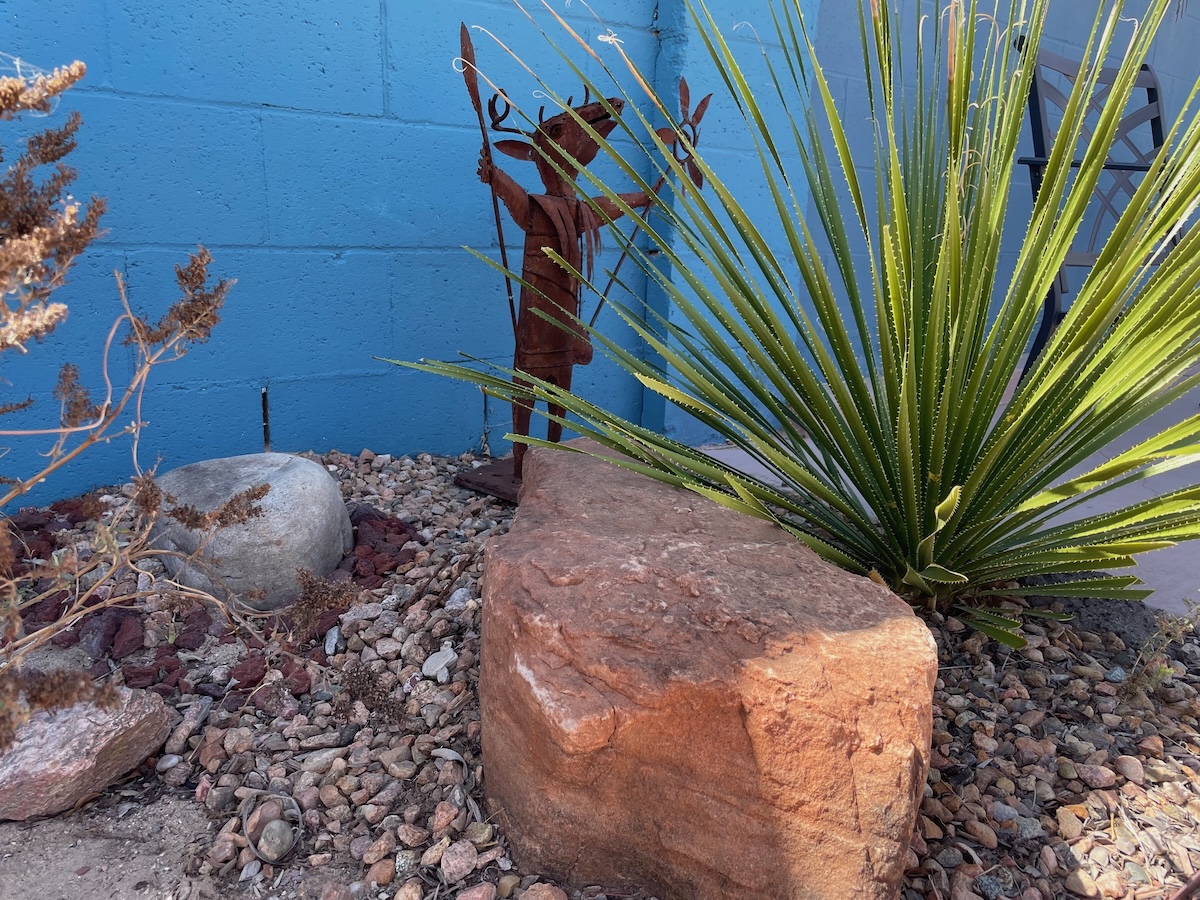
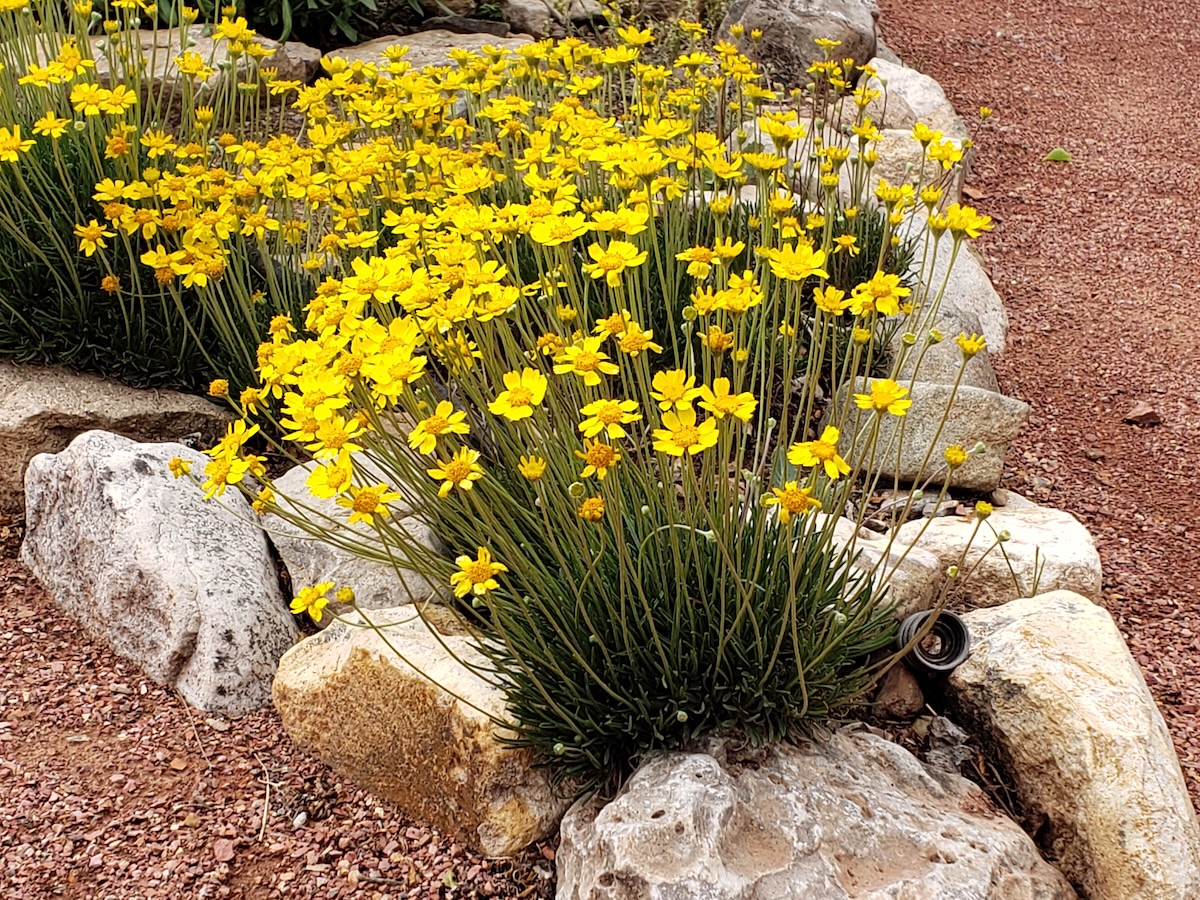
Aside from common uses for landscape rocks as gravel mulch, stacked stone steps, or gabion walls, large rocks can work in small groups or as single focal points. Our favorite projects when gardening with big rocks have involved placing a large rock beside or behind a plant as a wall or backdrop, creating niches for tiny plants to nestle in, and using large medium or large rocks to border a planting or bed. Here are other uses for large rocks and boulders in the landscape:
- As a design element (even in sets of three), such as contrasting color to a fence or surrounding mulch
- To shore up a gentle slope or terraced area
- To create a structure for a rock garden with plantings
- As a “table” for yard art or small containers
- To create division in a bed between plants
- As a way to divert or control flow of rain or irrigation
- For a single focal point, such as a stone standing on end (like Stonehenge)
Where to Find Landscape Rocks and Boulders
To be honest, most of the rocks we’ve used in landscaping came from beneath our home’s foundation during construction or when digging up a garden bed. But we’ve hunted plenty of rocks on our property and have had no qualms about asking friends or family members to do the same if they have natural areas on large properties.
We’ve also hunted rocks with rock collecting permits from nearby national forests. Many districts allow rockhounding within certain borders and with limits. For instance, they must be for your own use (not commercial use or resale) and limited to a certain total amount per permit. This example from Stanislaus National Forest in California gives more information, but each forest and ranger district issues permits for specific areas and might have their own policies. Our permit cost only $5 and lasted for several weeks of collecting.
Of course, you can purchase large rocks or boulders from a landscape contractor or stone supplier, and most should have locally sourced materials. They’re typically priced by weight, costing an average of $250 per ton or about $50 to $160 per cubic yard. You likely will pay more for certain types of stone and for delivery and installation, which can include site preparation and use of cranes or other special equipment.
How to Move Large Rocks Around the Yard
Having to move and place large rocks and boulders is daunting and could be an excellent reason to turn to a pro instead. Just know your limits and be safe. I’ve included some of the ways we have moved large rocks, but do not necessarily recommend them for everyone, since you can harm your back or crush a toe or finger if anything goes wrong. Always wear good work gloves with an excellent grip to protect from slips and abrasions, as well as anything that might be living under a rock you turn.
You can roll a large rock through short, relatively flat distances by turning the rock on end, twisting it in the direction you want to go, and laying it down again. Repeat this until it is near your destination. We have moved large rocks longer distances with a wheelbarrow or a 4-wheeled garden cart. We would stand the cart up so that the outer flat edge rested on the ground, while one of us would roll the rock onto the flat edge, steadying it while the other slowly lowered the cart to its wheels.
Another option is to use a sturdy hand truck or dolly; if you use these, be sure to secure the rock to the dolly body with a tight bungee or lashing strap. A tree dolly is a nice option, since it has curved sides to help steady the rock. Commercial products are available that distribute the weight of a boulder between two people; most can handle up to 350 pounds. A potlifter works on similar principles, with handles for two people, but can manage closer to 200 pounds. In a pinch, we have used a heavy tarp, rolled the small boulder on top, and drug the tarp.
How to Set Rocks
Use many of the same safety precautions when setting rocks. Rolling, twisting, and sliding them into place should not be too difficult if you can get them near their placement spot. Follow these steps:
- First, get to know your rock and its best features so you already know which side will be up and how to best highlight its color, shape, or marks.
- Then, prepare the area for the rock. Measure and approximate the direction of the rock, etc., so you can clear obstructions, gravel or other mulch, and dig a shallow space to lay the rock in so it looks planted but not buried.
- Roll, lift, or slide the rock into the shallow hole.
- Adjust the rock as needed to get the desired natural look; you might have to dig more soil under one side or replace some under another spot so it looks as natural as possible in the space.
- If you need the rock to be level, place a level on it in both directions and adjust; we have found that a rubber mallet comes in handy for slight lowering of a side.
- When adjusting how the rock sits, you can use a crowbar, digging bar, or shovel to tilt the rock up so you can get soil under it.
- If planning to plant near large boulders, get the rocks set before planting or even dig up small plants in the way and replant them when done.
- Fill in soil around the rock and place or return gravel or organic mulch if desired for the spot.
- After “planting” a rock, we usually water it, just to help settle the soil and check our work.
Tips for Making Rocks Look Natural, Not Contrived
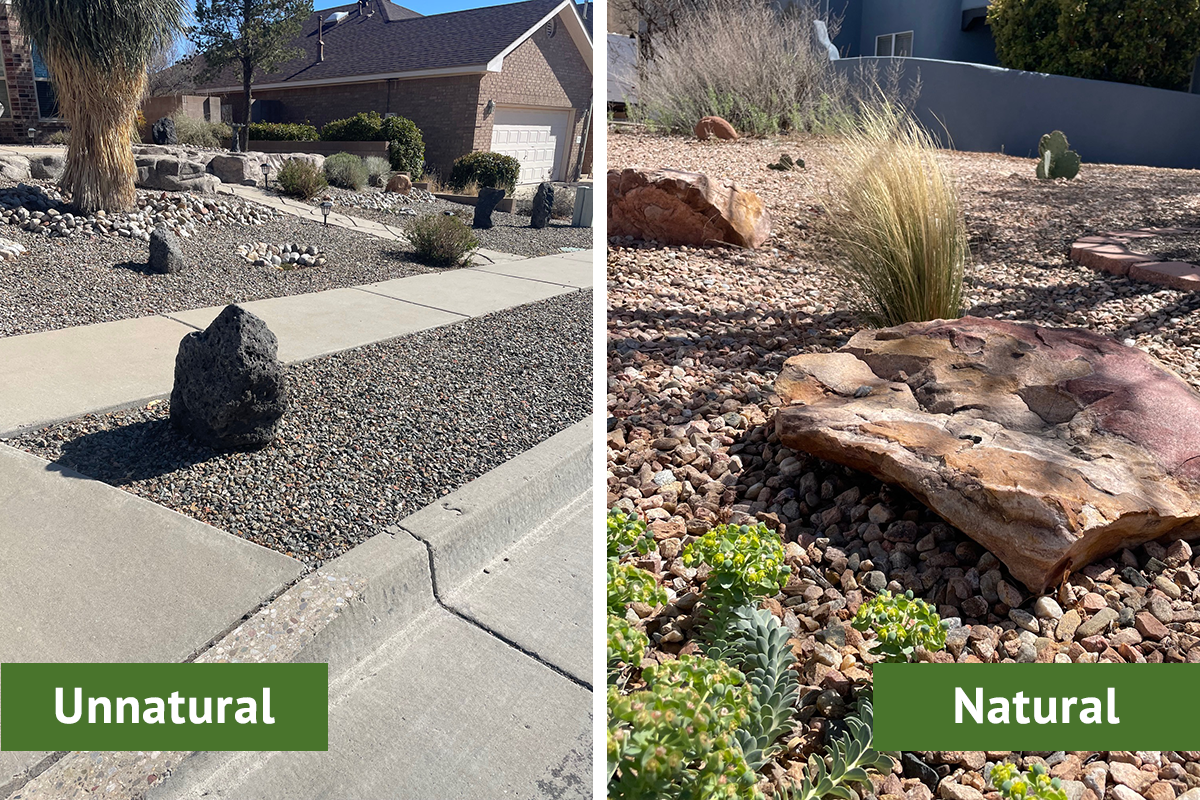
Here is my pet peeve about using rocks and boulders in the landscape and the biggest tip I can offer for making a large rock look natural in your yard, not like a crane dropped it on top of the ground and left it there. If you can see the bottom side of the rock, it likely looks out of place and unnatural. If you’ve ever pulled a pretty rock from the ground where it’s lain for years, you know it leaves a slight indent or even resists. You want to mimic that natural state.
- Above, I suggested digging a shallow hole for your rock. We typically dig several inches down and up to a quarter or third of the rock’s total height, depending on the boulder’s size.
- Vary the depth of the hole to slightly tilt the rock to highlight a feature or provide a higher backdrop for a plant.
- Typically, we tilt a boulder slightly forward rather than lower in the back, so you can see the top of the large rock. In a rock garden, the tilt also helps with water flow.
- Sometimes, a rock looks better sitting vertically on a short end, but keep most of them horizontal. Be sure to bury the bottom of a tall boulder well so it will remain stable.
- If placing a rock on a slope, you can adjust your hole depth and even dig into the slope so the back of the rock is covered.
- Have a few hand trowels nearby. We use these to scrape away small areas or tiny rocks to set our boulder as we like. We also use the handle tip of these to pat dirt under the rock edge (rather than fingers).
If you really want to make the most of rocks and boulders as hardscaping elements in your landscape, I highly recommend Johnsen’s book, The Spirit of Stone. I bought it for my rock whisperer as a gift several years ago and it includes tips and creative ideas for stone in the landscape.