

We may earn revenue from the products available on this page and participate in affiliate programs. Learn More ›
In most parts of the U.S., we are past the point at which we can spend all day puttering around outside. It’s just too darned chilly. Many of our to-do projects this month are indoors and have to do with preparing the home for cold weather; those that are outdoors can be done relatively quicly. Because October is Fire Safety Month, smoke detector maintenance is also on our agenda.
1. Patch Cracking Concrete
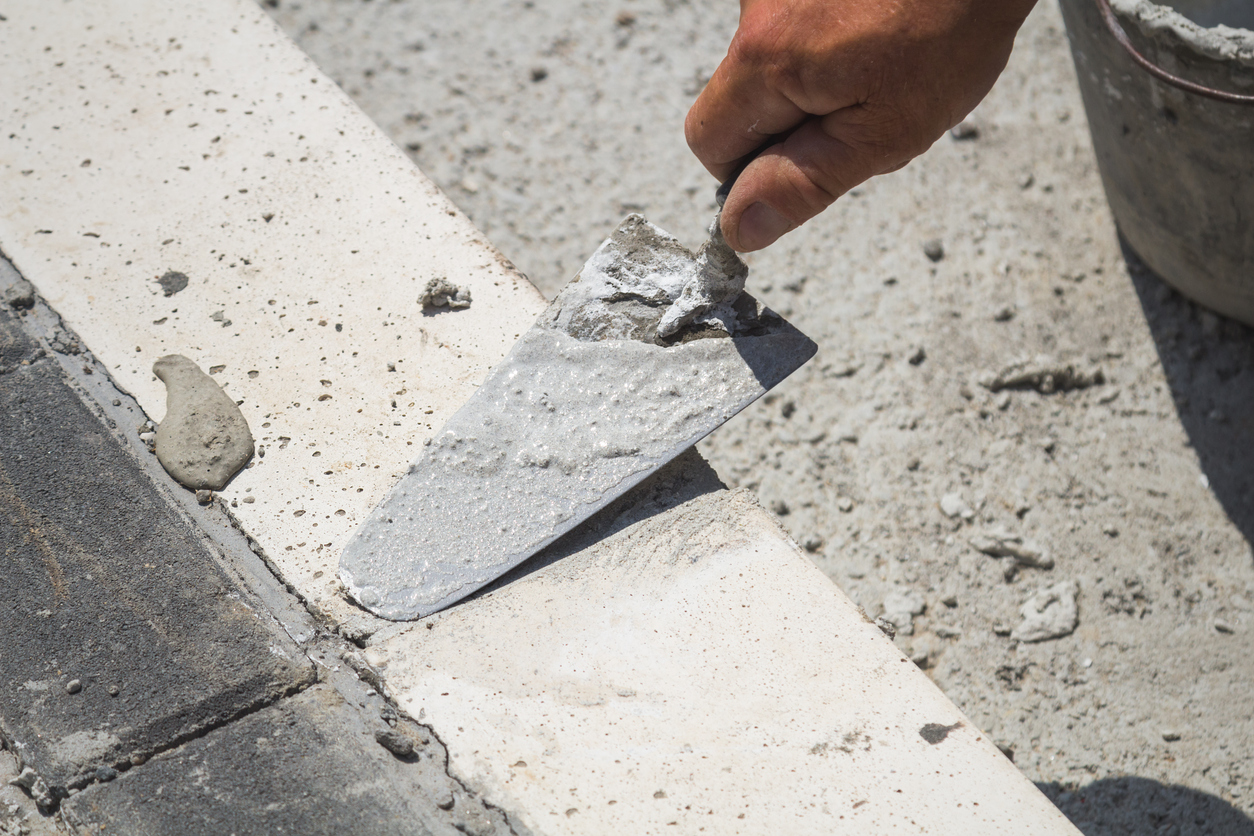
Cracks in concrete driveways, walkways, and foundations will only worsen over the winter, and when that happens fixing the damage will cost you big time. Make repairs now before the weather takes a turn and you’ll save time, money—and you’ll probably have fewer pests indoors to show for it.
To fix cracks in concrete, remove loose debris first. Apply repair material with a trowel or float, and let the mixture cure. Our expert-tested guide to the best concrete crack fillers will help you select the right product for your project.
Best Concrete Patch
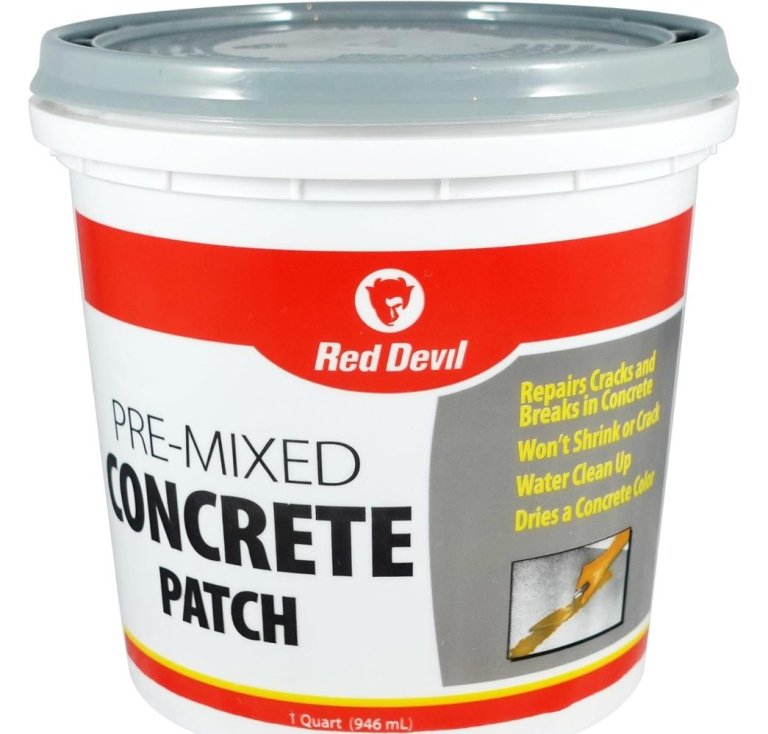
Red Devil Premixed Concrete Patch
Red Devil concrete patch is easy to apply, suitable for repairing concrete, masonry, brick, or block, and works indoors and outdoors. Read the review.
See It2. Insulate the Attic
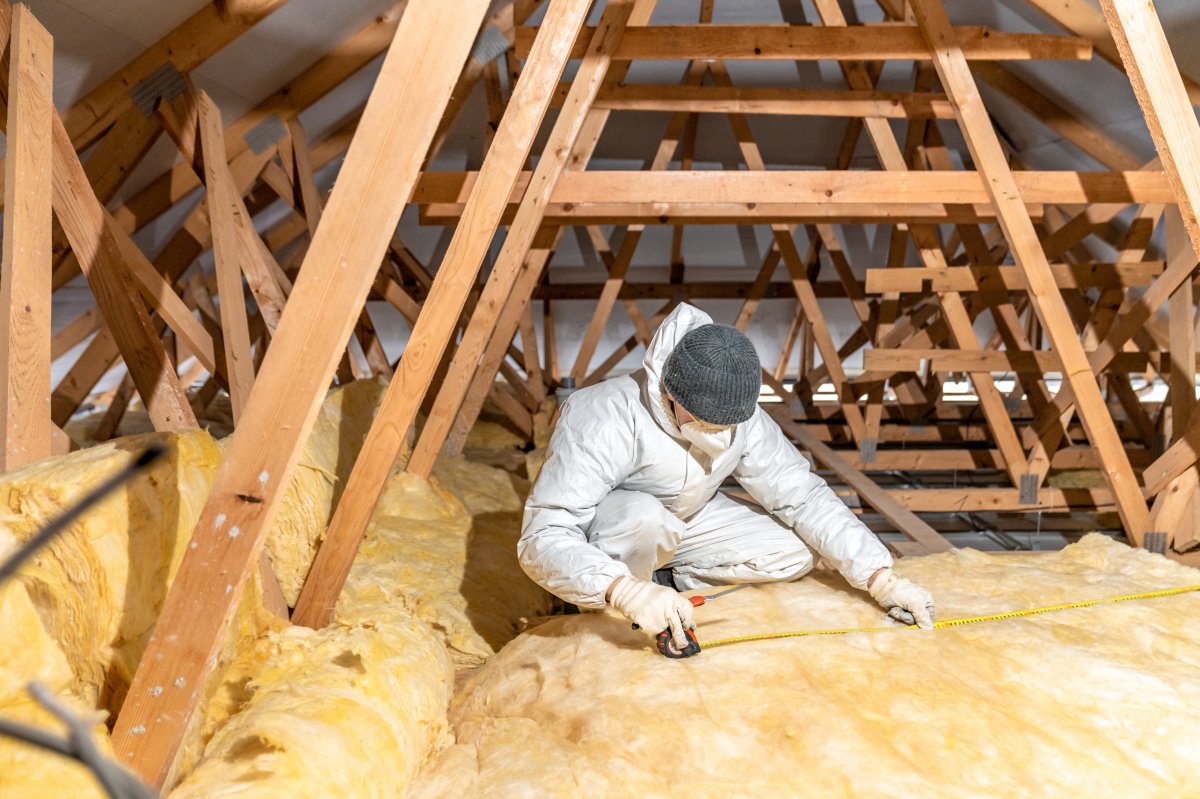
Much of a home’s energy is lost through leaks in the attic. Prepare your attic for winter by installing loose fill or batt attic insulation before the cold weather hits.
3. Update the Mudroom

October is the time to pull out boots and heavy jackets, but you’d better have a place to store them first. If you have a mudroom, update it with a fresh coat of paint or new wicker baskets. If you don’t have a mudroom, consider placing a boot rack in the entryway and cleaning out the hall closet so there’s plenty of room for coats. Cold-weather dwellers should consider Peet electric shoe and boot dryer, a splurge you’ll be especially grateful for come January and February.
4. Winterize the Lawn
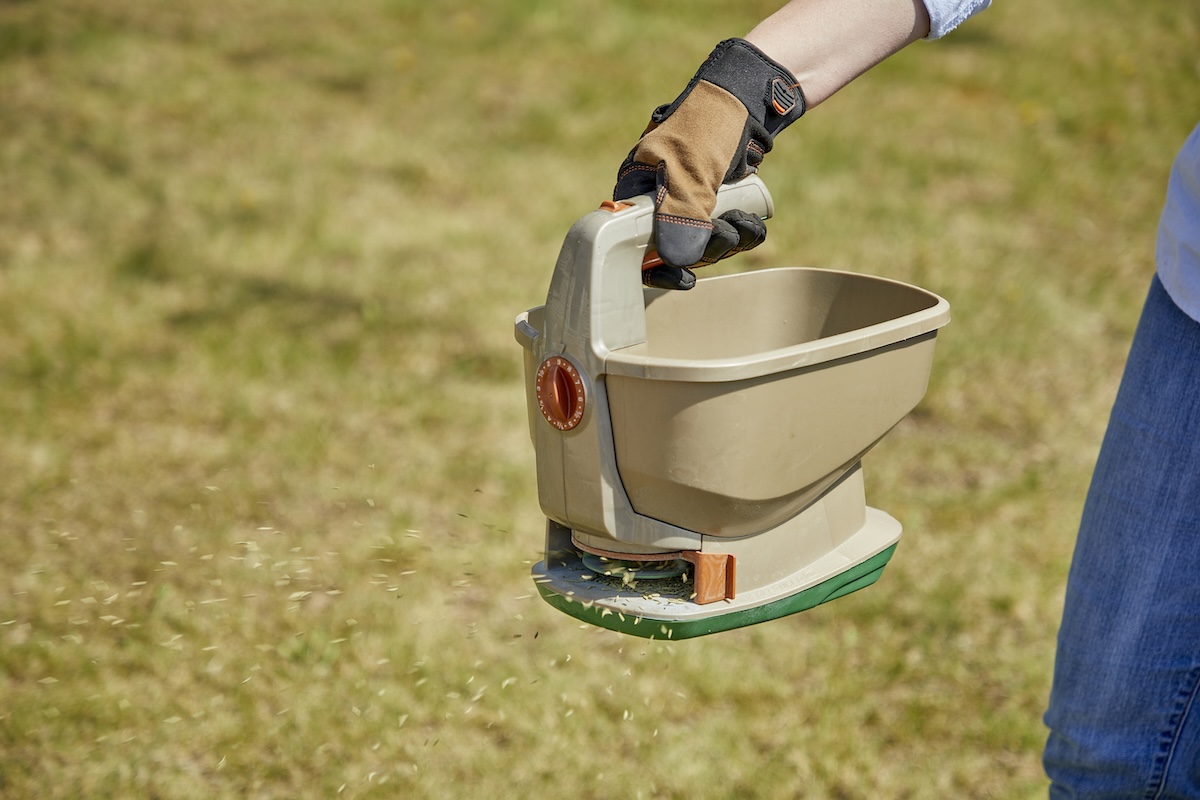
Tending to your lawn before it goes dormant for the winter will have it growing better than ever in spring: Spread a thin layer of fertilizer, and fill in thin patches with cool-season grass seed. Be sure to aerate your lawn to prevent thatch build up and keep air, moisture, and nutrients flowing to your lawn’s roots. The Yard Butler manual coring aerator, one of the top picks from our editors’ tested guide to the best lawn aerators, can help you get the job done without spending a bundle.
5. Reverse Your Ceiling Fans
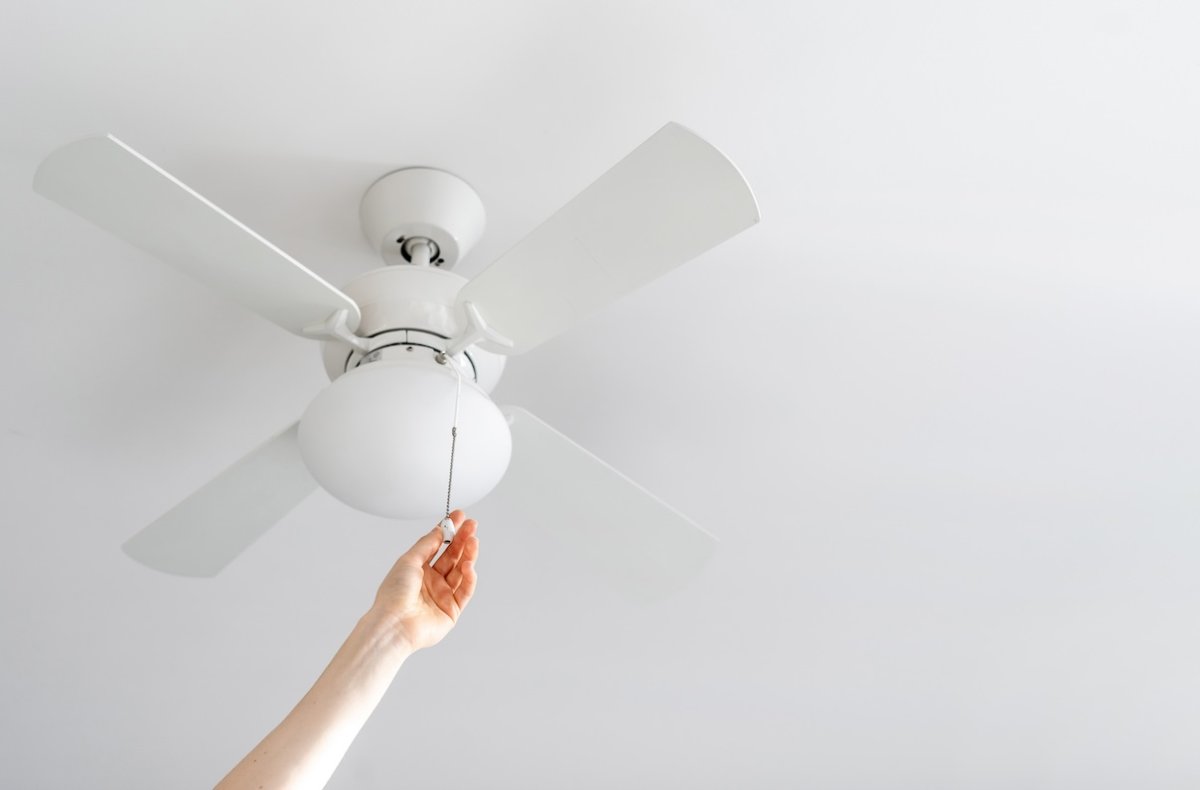
Heat rises, which is why it’s a good idea to change the direction of your ceiling fan in the fall. You want it to spin clockwise now, which will push hot air down and help it circulate throughout the room. This change is easy to make on newer ceiling fans, which usually have a switch that reverses the blade direction.
6. Disconnect the Garden Hose
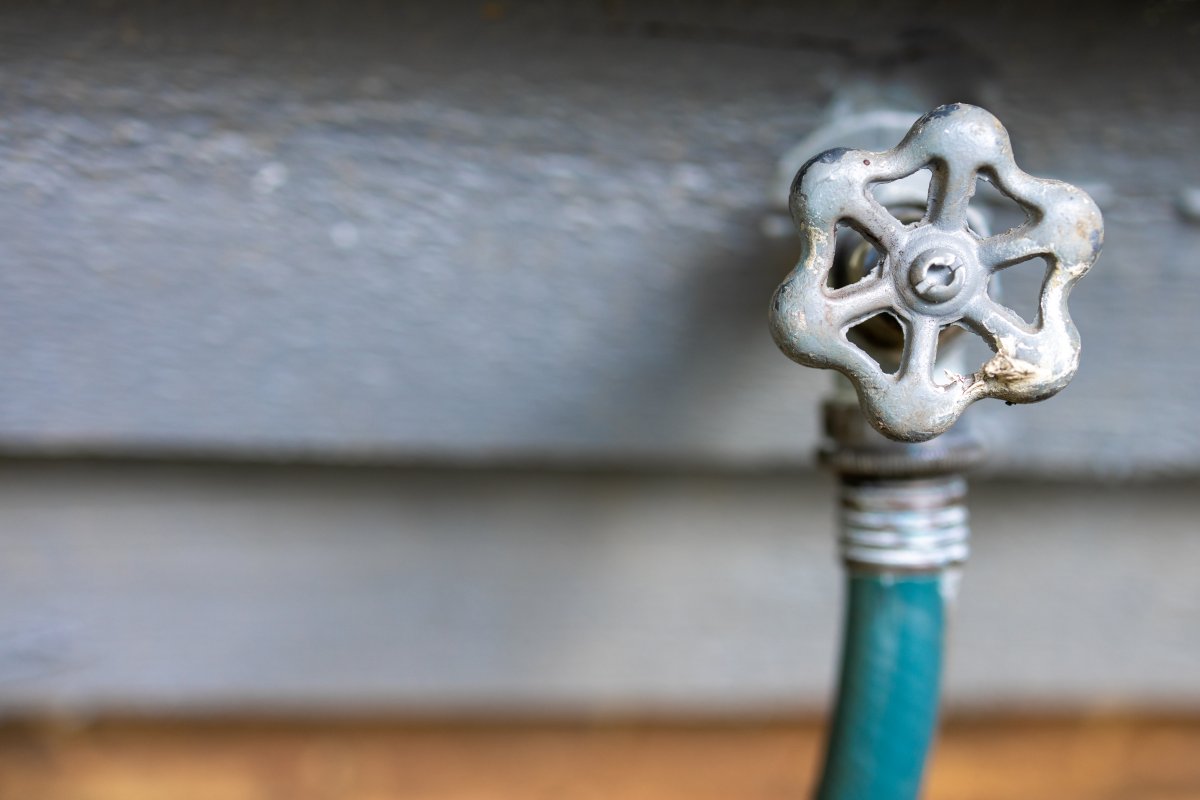
As gardening season comes to an end, so does the need to water our plots. While you’re outside fertilizing and aerating the lawn this month, be sure to disconnect your garden hose from the exterior spigot. Forgetting to do so can cause any water left in the hose to expand, freeze, and damage the spigot, and perhaps even damage the walls and pipes it’s attached to.
7. Seal the House
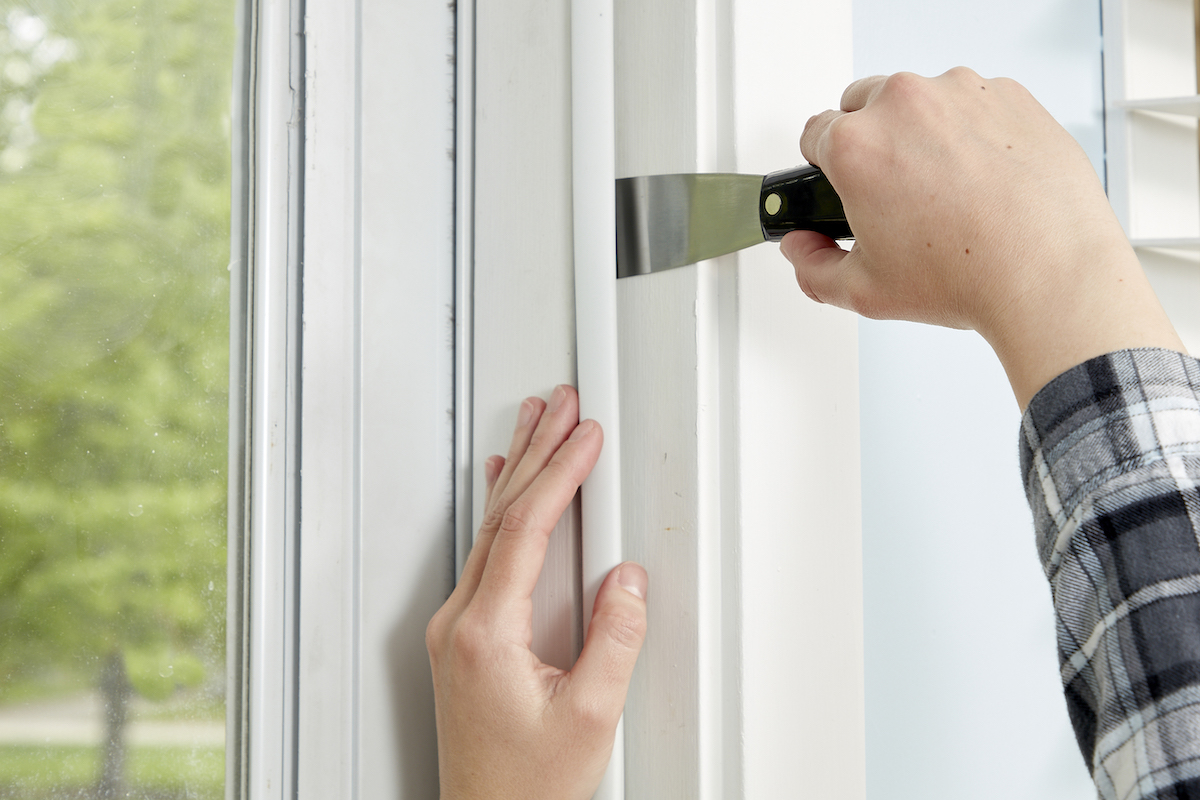
It costs more to heat a drafty house than a weatherproofed one. That’s why it’s a good idea to deal with drafts before you even switch on the furnace. Inspect window frames and door jambs, both inside and out, for holes, cracks, or crumbling caulk. Install weatherstripping to fill gaps in door frames and windows, and apply fresh exterior caulk where needed to seal up your home. In a few months’ time, you’ll be glad you took the time to keep whistling winter winds at bay.
8. Check the Smoke Detectors
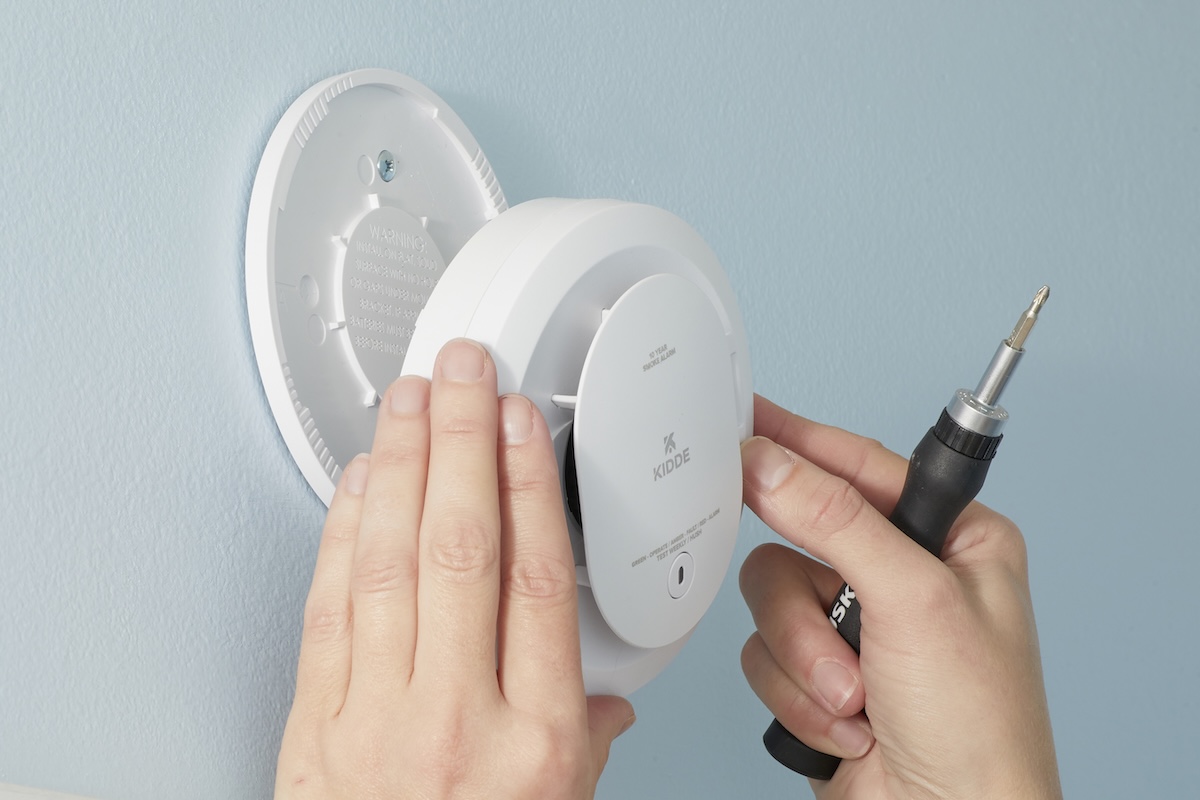
October is National Fire Prevention Month, so take the time to review your home safety plan. Do you have smoke detectors installed in every bedroom, and outside sleeping areas? How about in the basement? Install additional smoke detectors if needed, and then make sure they’re always fully powered by checking batteries monthly. (Of course, you’ll also want fire extinguishers at the ready on every floor of the house.)
Best Fire Extinguisher
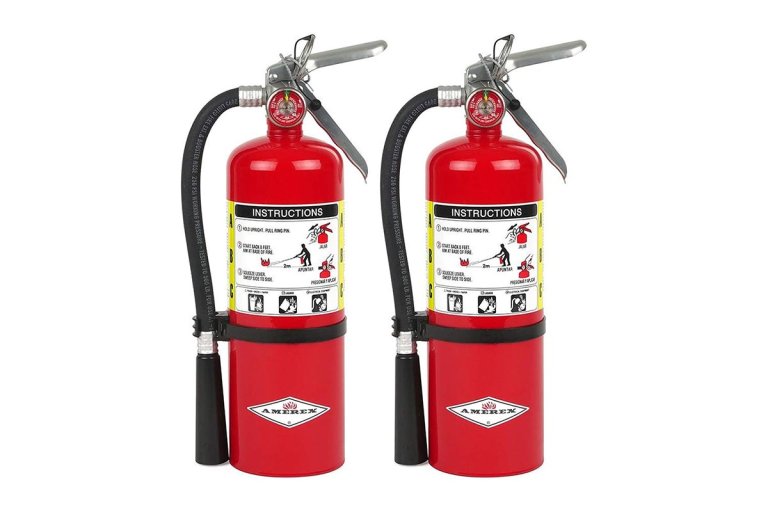
Amerex 5-Pound B500 ABC Fire Extinguisher
This set of two Amerex ABC fire extinguishers have easy-to-see pressure gauges and come with wall mounting brackets. Read the review.
See It9. Ready the Fireplace
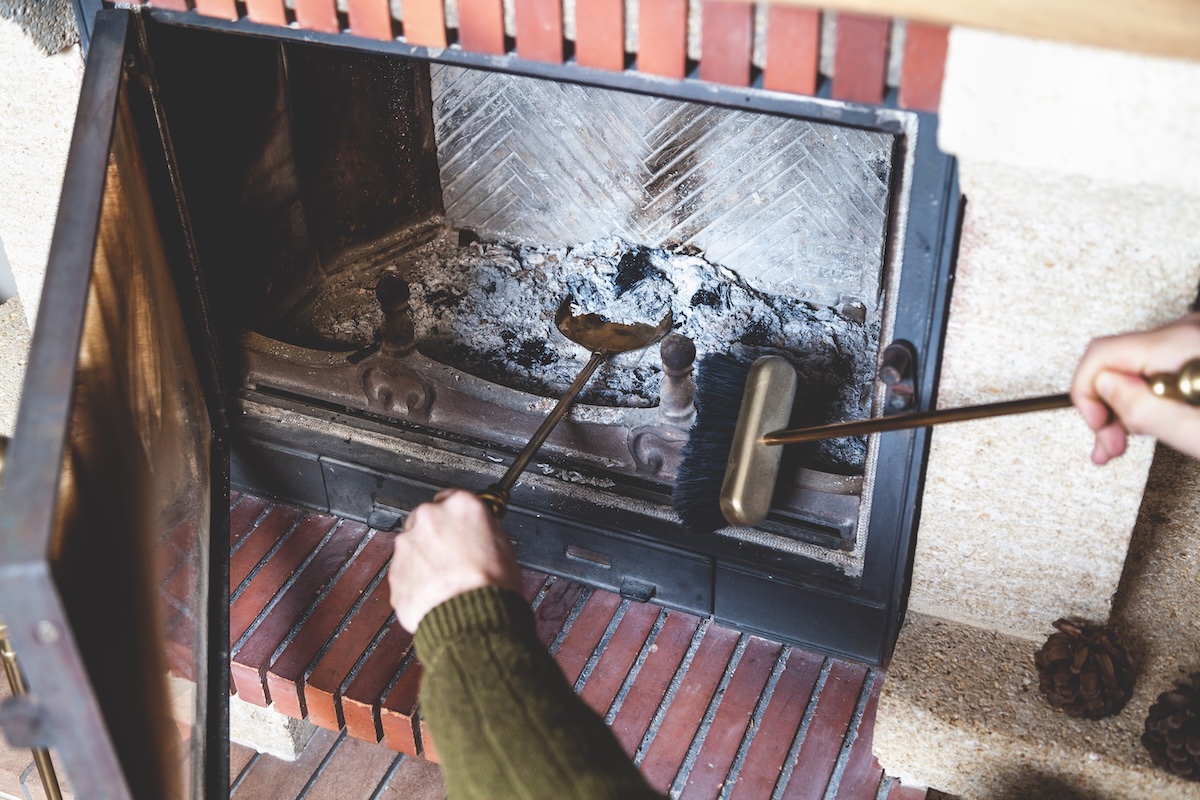
Chances are pretty good that your fireplace wasn’t used much during the summer, so give it a thorough maintenance checkup before you light the season’s first fire. First, assess the chimney from the outside. Chips, cracks, or corrosion are signs that you’ll need to call a repairman. Inside, check the flue for soot buildup, and ensure the damper closes and opens with ease. If ash and creosote are present, cleaning the fireplace will ensure that your fire burns safely.
10. Empty the Rain Barrel
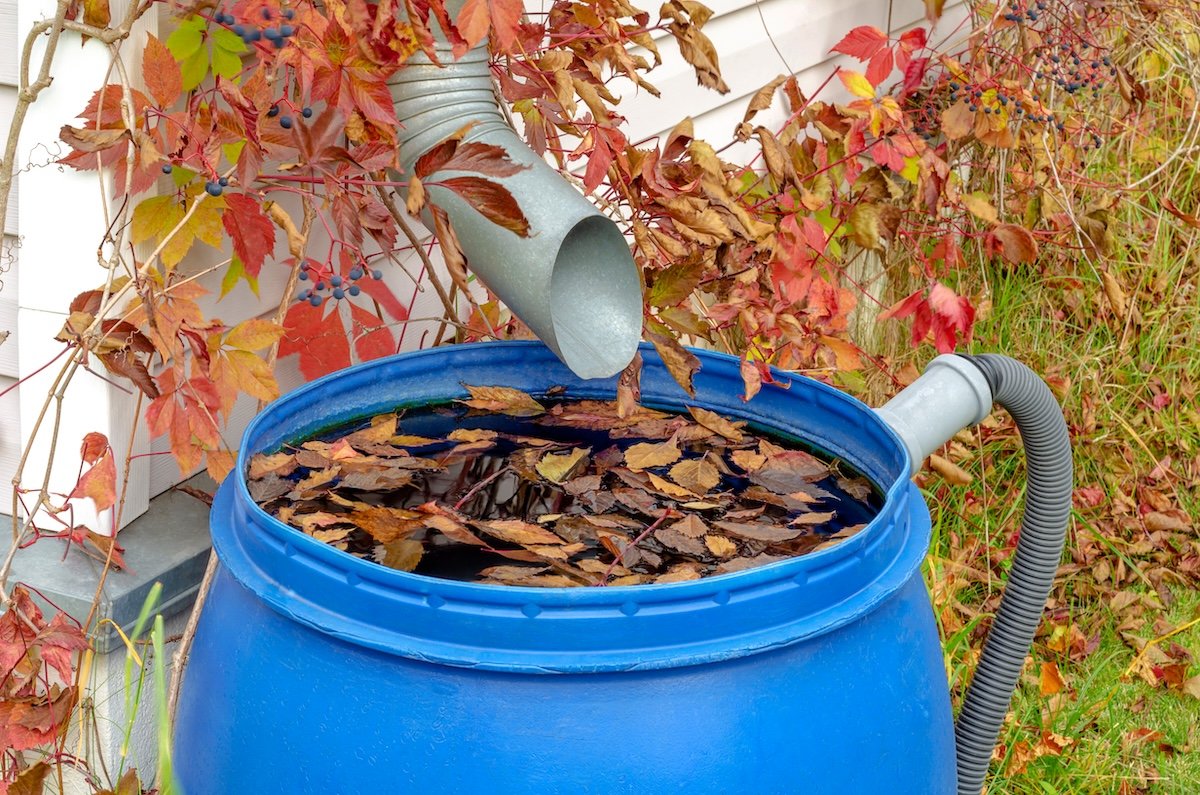
Word to the wise: Don’t put off emptying and winterizing your rain barrel. Most rain barrels hold 50 or so gallons of water, and emptying that much water is not easily done all at once. After you drain the barrel, disconnect it from the gutter, and clean the inside with bleach or vinegar. The last thing you want is a 50-gallon barrel of water that expands and cracks during the first fall freeze. Ask us how we know…