We may earn revenue from the products available on this page and participate in affiliate programs. Learn More ›
Your front yard leaves a powerful first impression. “A front yard is a quiet, early stage of conversation that your house is having with the world,” says Loren Taylor, a seasoned expert in landscaping and gardening and owner of Soothing Company in Camas, Washington. “Long before anyone even steps through the front door, the front yard and garden have already said a lot.”
But a few mistakes can be a real turnoff. We spoke to several landscaping pros to determine five common front yard eyesores that can lead to bad curb appeal. Once you recognize these gaffes, you can implement changes to boost the aesthetic value of your property.
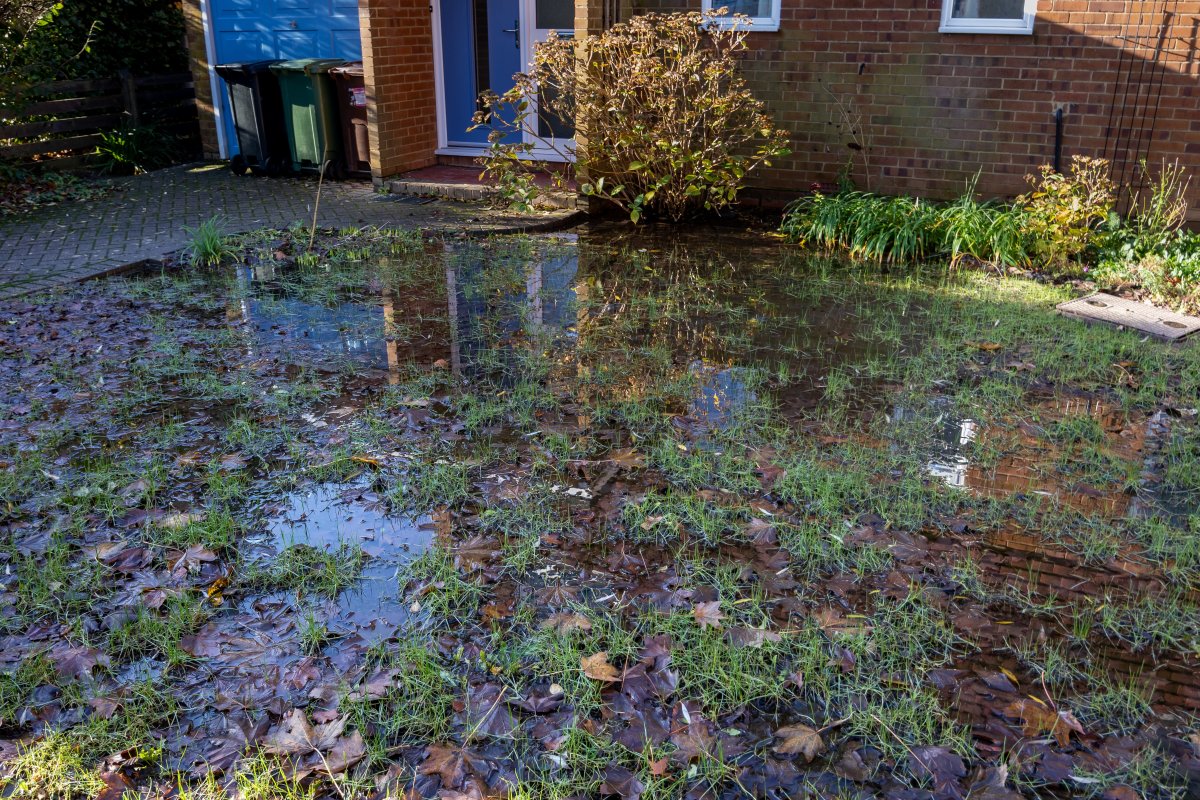
Standing Water
Excess water—due to poor grading, clogged or undersized drainage systems, heavy clay soil that absorbs water poorly, or downspouts and gutters overflowing—can be problematic by causing safety risks, mosquito infestation, and damage that hurts home value. “Adding drainage not only improves your yard’s appearance but also protects your foundation and landscaping,” explains Sam Forline, a landscaping, construction, and home improvement contractor and owner and founder of Blue Collar Scholars in Bethesda, Maryland.
To resolve this issue, Forline recommends properly grading at a minimum 2 to 3 percent slope, regrading low spots to redirect runoff, and/or installing the proper drainage system for your property. There are several types of drainage systems to choose from, such as a curtain drain, catch basin, French drain, or drywell. You can also use a rain barrel to collect water coming off your roof into your gutters or create a rain garden, which consists of plant beds that fill depressions in the ground with porous soil and plants (like Japanese silver grass and ferns) that thrive in standing water to boost curb appeal.
Poor Lighting
Outdoor lighting can also make or break the look of your yard. Light makes a big difference and is an opportunity to set your home apart, says Taylor. “Soft lights along a path feel like an invitation to come home in the evening, while warm lights under trees transform them into living sculptures,” explains Taylor. “When light is gentle, the yard feels safe, warm, and almost magical.” Brundage suggests adding or refreshing front yard lighting with warm LED lights along front walkways to add ambiance, brighten pathways, and highlight architectural features.
Plain Concrete Driveway
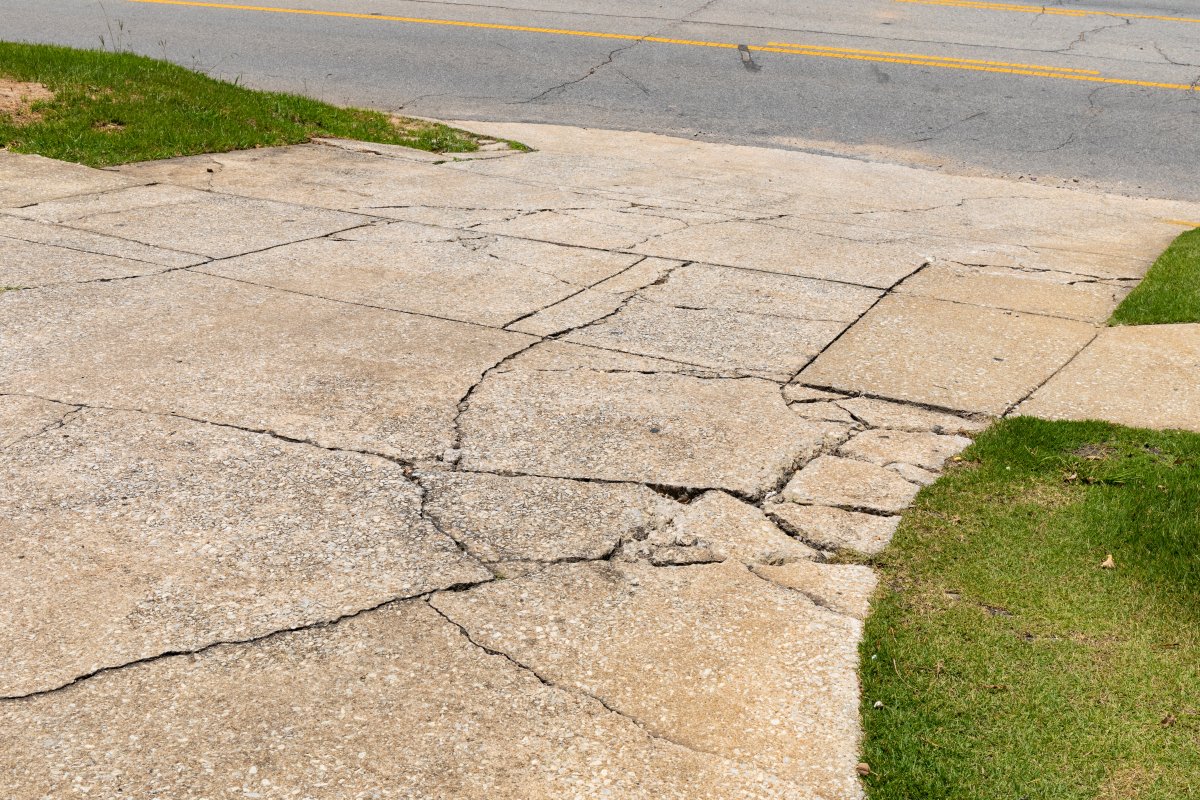
You’ll also want to avoid a lackluster driveway, which is often the case with those constructed of plain concrete. “Building a bland, cookie-cutter concrete slab driveway that lacks personality and cracks easily is a quick way to take away from good curb appeal,” says Aaron Brundage, director of operations at System Pavers in Orange, California. “Instead of concrete, opt for paving stones, which come in endless design options to elevate curb appeal and stand the test of time.” The most attractive, durable pavers that can transform the look of your driveway include cobblestone, limestone, flagstone, travertine, and porcelain.
Chain-Link Fence
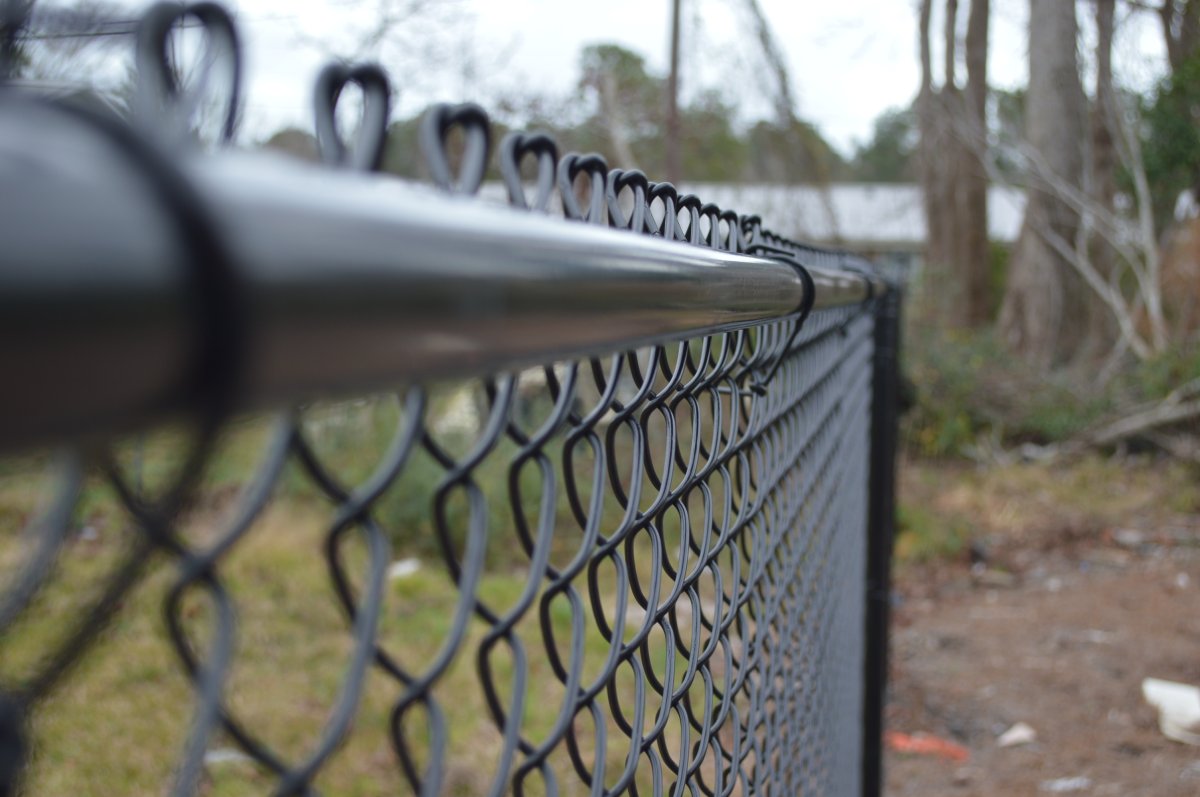
Another faux pas that can quickly reduce the value of your home is to keep a chain-link fence around the perimeter of your property. “Chain-link fences are never pretty and will instantly lower curb appeal,” warns Jake Anderson of Stone Ridge Outdoor Experiences in Newton, New Hampshire. Chain-link fences are unappealing for several reasons: the mesh design doesn’t provide as much privacy as other types of fencing; the basic design is simply not as attractive as wooden panels or decorative fences; and it doesn’t offer any soundproofing benefits.
Replace your chain-link fence with a more upscale option, such as a wooden fence like cedar; vinyl to mimic wood; an ornamental metal like powder-coated aluminum or wrought iron; composite fencing blends using polymers with wood fibers or recycled materials; or a natural fence by planting hedges, bamboo, or trees. “If you must keep the fence, try growing climbing plants on it to create a more natural barrier,” suggests Anderson as a last resort.
Weeds in Mulch Beds
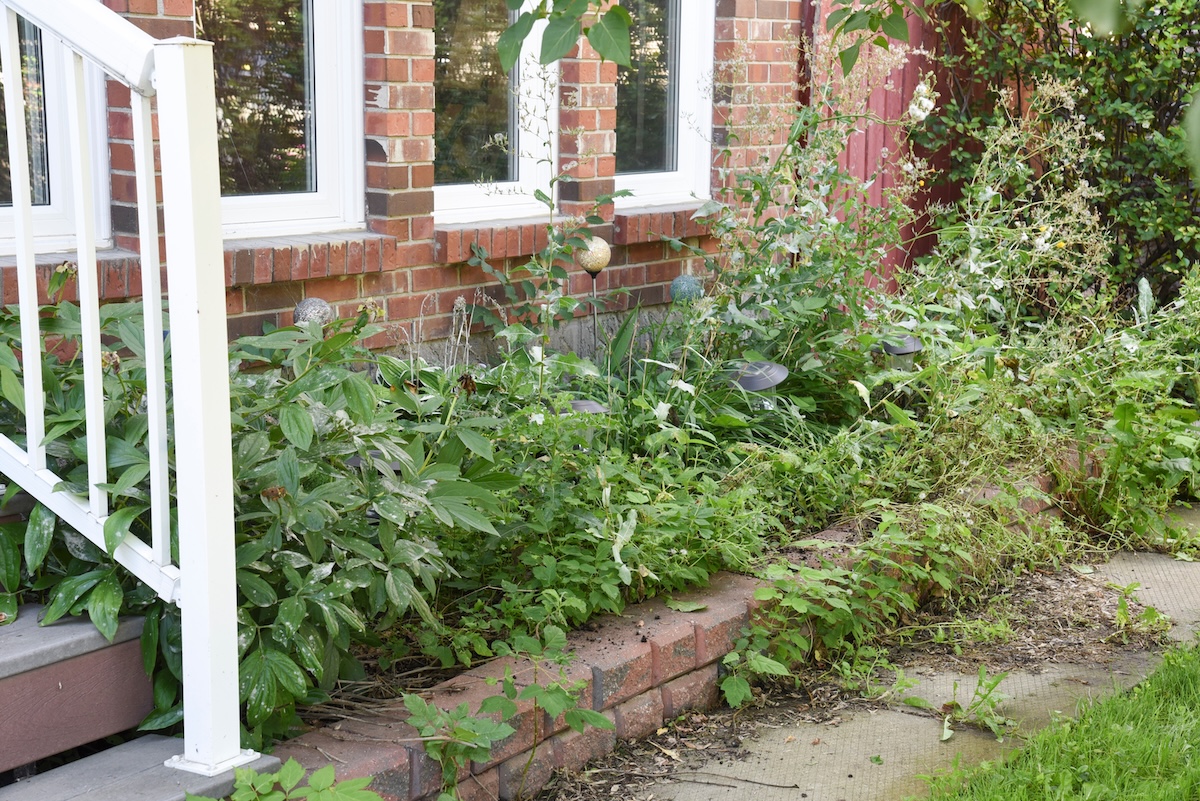
Out-of-control weed growth is another eyesore for visitors and people passing by your home. Forline is especially concerned about weeds growing in mulch beds due to a lack of maintenance. “Structured, well-maintained beds instantly make a property look more intentional and polished,” says Forline. He recommends pulling weeds at least every 2 weeks to keep your yard looking clean and attractive.