We may earn revenue from the products available on this page and participate in affiliate programs. Learn More ›
Draining a hot water heater is an essential part of the ongoing maintenance for your home plumbing system, but many homeowners still don’t know how often to drain a water heater or even why you need to do it. In most cases, it’s recommended to drain a water heater about every 6 months to a year in order to get rid of sediment buildup. Older water heaters may need to be drained more frequently due to the increased wear inside the tank.
Ideally, you should drain your water heater during the spring or fall season when the temperatures outside are relatively comfortable. While this isn’t strictly necessary, it does reduce the amount of energy you need to spend to reheat the water when you are refilling the tank. Though, timing is everything for this job, so you don’t necessarily want to drain an 80-gallon tank while the drainage system is handling a rainstorm.
We consulted with plumbing pros to answer the question: how often should you drain your water heater? Read on to find out.
Why is it important to drain your water heater?
After asking are you supposed to drain your water heater, the second question might be, why do you need to drain it? “You need to flush your water heater tank about once a year to prevent any sediment buildup. Calcium and magnesium settles at the bottom of the tank over time and becomes an insulation barrier between the burner and water. That layer acts like insulation between the burner/heating element and the water, forcing the system to work harder,” explains Dean Christian, Plumbing and Operations Manager at Awesome Home Services.
Even the best water heaters need to be drained every six months to a year, depending on the age and the hardness of your water. Otherwise, the sediment build up can reduce the efficiency of the water heater, increase your energy bills, and even shorten your water heater’s lifespan. Even other types of water heaters require similar maintenance to prevent scale buildup from affecting efficiency. While tankless water heaters don’t have a tank that needs to be drained, they benefit from a process called descaling. A pro will use a pump and a cleaning solution to flush the tankless system.
What happens if you don’t drain your water heater?
Understanding the basic reasons for water heater maintenance is important for the health of your plumbing system, so after learning why are you supposed to flush your hot water heater, it’s not uncommon for homeowners to wonder what exactly happens if you don’t? Will the water heater explode if this maintenance task is neglected?
Steve Clemente, President and COO at Benjamin Franklin Plumbing, notes that “if you don’t drain your water heater, sediment continues to build up inside the tank, making the system less efficient and forcing it to work harder. Over time, that can lead to higher energy use, added strain on the system, and potential leaks or even system failure.”
The buildup of sediment in the system can also lead to a weakening of the tank, lukewarm water, or your water heater making noise. Though, if your water heater is 10 years old and has never been drained, it is generally safer not to drain it, as disturbing the sediment can cause leaks and valve failure. Instead, start saving up to replace the water heater, as typical lifespans are 6 to 12 years.
Signs You Need to Drain Your Water Heater

Ideally, you should plan to drain and flush your water heater about once every six months or once a year, depending on the age of the tank and the hardness of your water, but if you haven’t drained the water heater in a while or aren’t sure when the last time the tank was drained, then you should look for signs that could indicate it’s time. Christian provides the following list of signs that typically indicate you need to drain your water heater:
- Lukewarm water: If your showers aren’t as hot as they used to be, this is a sign your water heater isn’t operating as well as it could.
- Noisy water heater: Popping, rumbling, or other noisy sounds coming from your system may indicate sediment buildup or potential mechanical issues.
- Discolored water: If you notice rusty or discolored water from your taps, your water heater may have a corrosion problem.
- Water leaks: Puddles around your water heater are a red flag that there’s a leak, signaling the need for immediate attention from a licensed technician.
- Fluctuating temperatures: Inconsistent water temperatures in your home can indicate a failing heating element.
- Surging utility costs: If you notice an unexplained increase in your monthly bills, this is a clear sign that your water heater isn’t performing as efficiently as it should.
Steps for Draining a Water Heater
After you figure out how often you should flush your water heater, the next step for most homeowners is to tackle this often neglected aspect of plumbing system maintenance. Draining a water heater isn’t a complicated job. If you have some basic plumbing experience, you can quickly learn how to drain a water heater by following the simple steps below.
Step 1: Drain the tank.
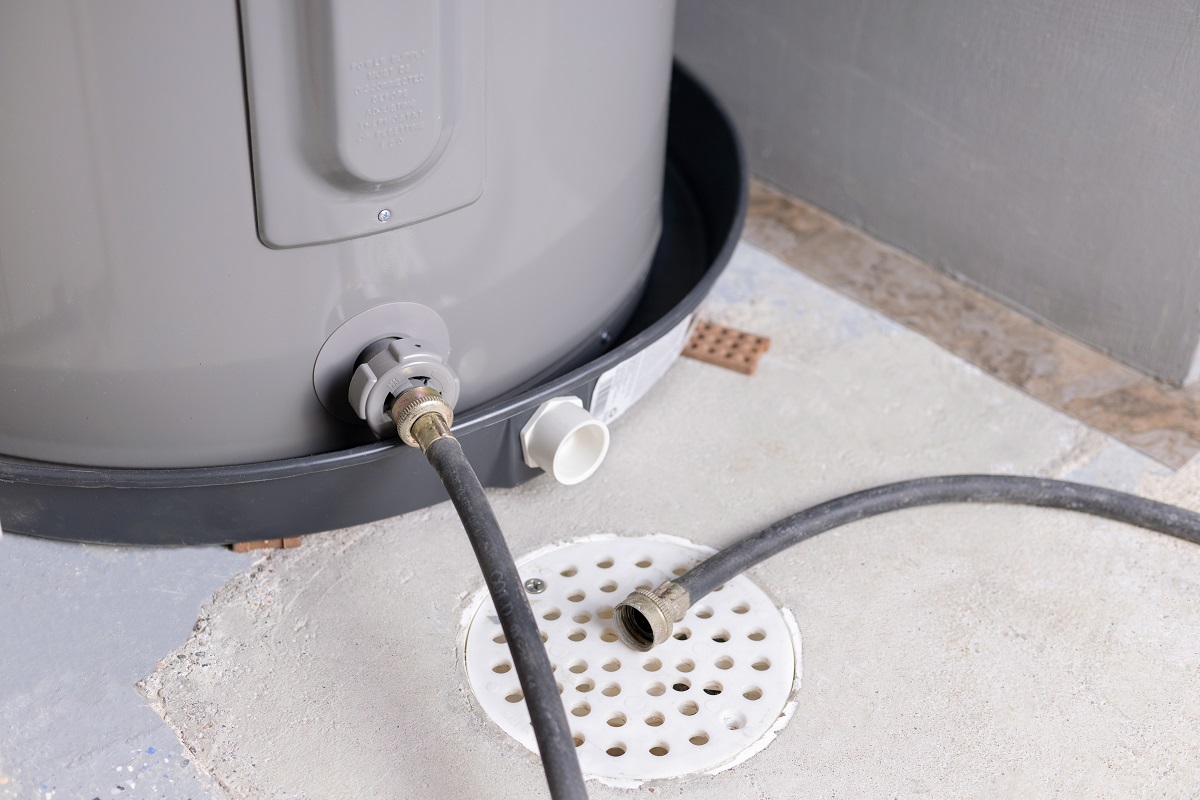
You will need to set aside about 20 to 60 minutes just to drain a standard residential unit.
- For an electric heater, turn off the circuit breaker. For a gas heater, turn the gas valve on a gas water heater to the “pilot” or “off” setting.
- Close the cold water inlet valve located on the top of the tank.
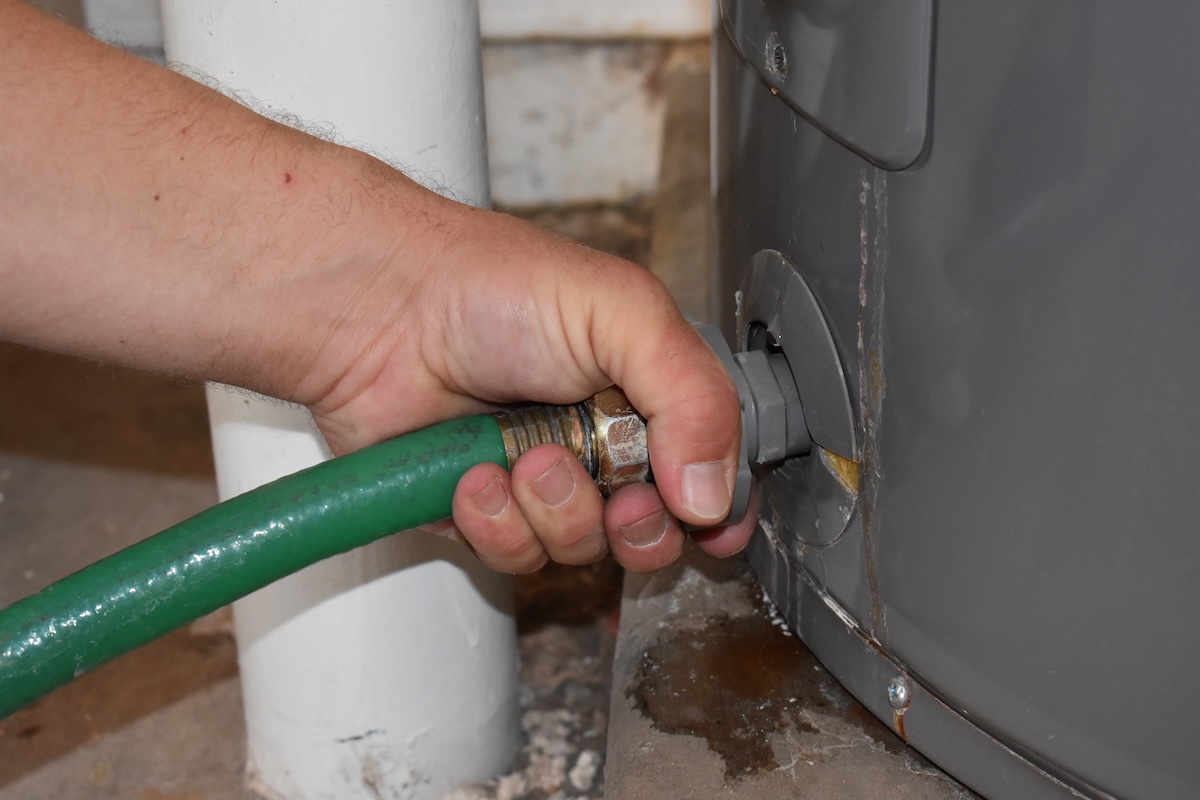
- Connect a garden hose to the drain valve at the bottom of the tank.
- Run the other end of the hose to a suitable drainage location.
- Open the drain valve at the base of the tank.
- Open the pressure relief valve at the top of the tank.
- Turn on a hot water faucet inside the house to begin efficiently draining the tank.
Step 2: Flush the tank.
Once the water heater is empty, you will need to flush out remaining sediment. The flow of water into the tank physically forces the small bits of sediment out through the garden hose, cleaning out the bottom of the tank.
- Turn the cold water supply back on for about 20 to 30 seconds to flush out remaining sediment.
- After letting the water run for a half hour, shut it off and let the tank drain fully again.
- Repeat this process until the water runs clear.
Step 3: Refill the tank.
The final step in the process is refilling the tank. Due to the lengthy process, it’s not uncommon to ask how long for a hot water tank to refill? Ultimately, this depends on the size of the tank, but generally it will take about 30 to 60 minutes to refill and reheat, though electric heaters can take between 60 to 120 minutes to reach full temperature.
- Close the drain valve, remove the garden hose, and turn the cold water supply back on to begin refilling the tank.
- Before turning the power back on or turning the gas valve back from the ‘pilot’ or ‘off’ setting, turn on a hot water faucet inside the house, and let it run until all air is out of the lines and water flows smoothly.
- You can then turn off the hot water faucet and close the pressure relief valve.
- Switch the breaker back on or turn the gas valve to “on” to allow the water heater to resume heating normally again.
When should you call a professional to drain your water heater?
As much as you may want to handle every aspect of home maintenance on your own, you may not have the skills, comfort level, or time available for draining your water heater. If you fall into one of these categories, there is no reason to force yourself to tackle this job without professional help.
“For homeowners who aren’t comfortable handling maintenance themselves, it’s always a good idea to tap a licensed professional. A trained plumber can properly inspect the system, remove any buildup, and make sure everything is running as efficiently as possible,” says Clemente. “Regular checkups like this can help catch small issues early and keep your water heater operating reliably over time.”