
We may earn revenue from the products available on this page and participate in affiliate programs. Learn More ›

Partner Story
Don’t sweat another summer. Turbo mini-split systems deliver flexible, efficient cooling right where you need it.
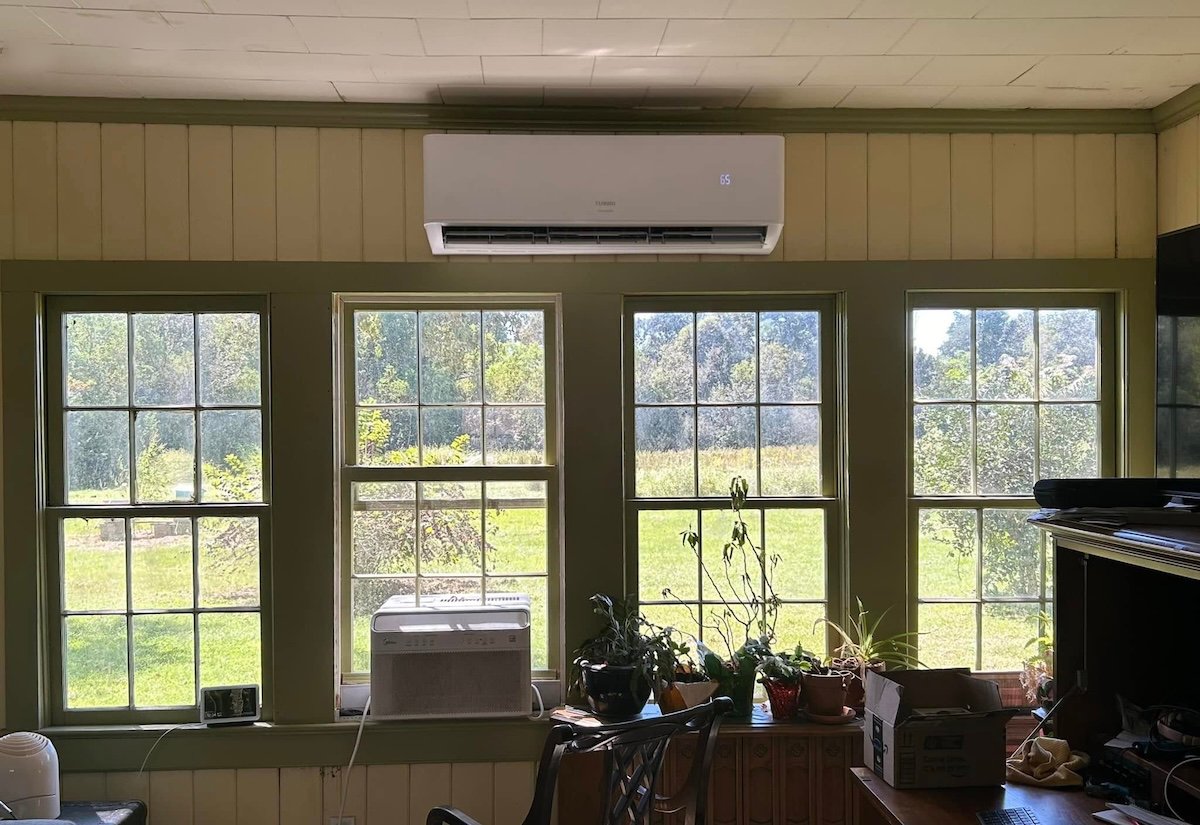
Central air conditioning might be the go-to solution for cooling most homes in the summertime. But what if your home lacks the ductwork necessary for central AC? You don’t need to turn to window units to keep your home cool in the summer nor do you need to pay a fortune to retrofit your home with ductwork. A heat pump air conditioning system like the mini-splits offered by HVAC solutions company Turbro is a smarter option.
This type of HVAC system does not require ductwork, which is a big plus. Mini-splits also are far more efficient than central air conditioners, especially if you opt for a system that uses inverter technology, like Turbro’s mini-splits. Plus, mini-splits don’t just cool your home in the summer. Since they use heat pump technology, they also serve as your home’s primary heat source in the winter. If you’re looking for an alternative to a central air conditioning unit, a mini-split system is a great choice.
Benefits of a Mini-Split Heat Pump
From easier, more affordable installation to more efficient operation, mini-splits offer many benefits over central air conditioners:
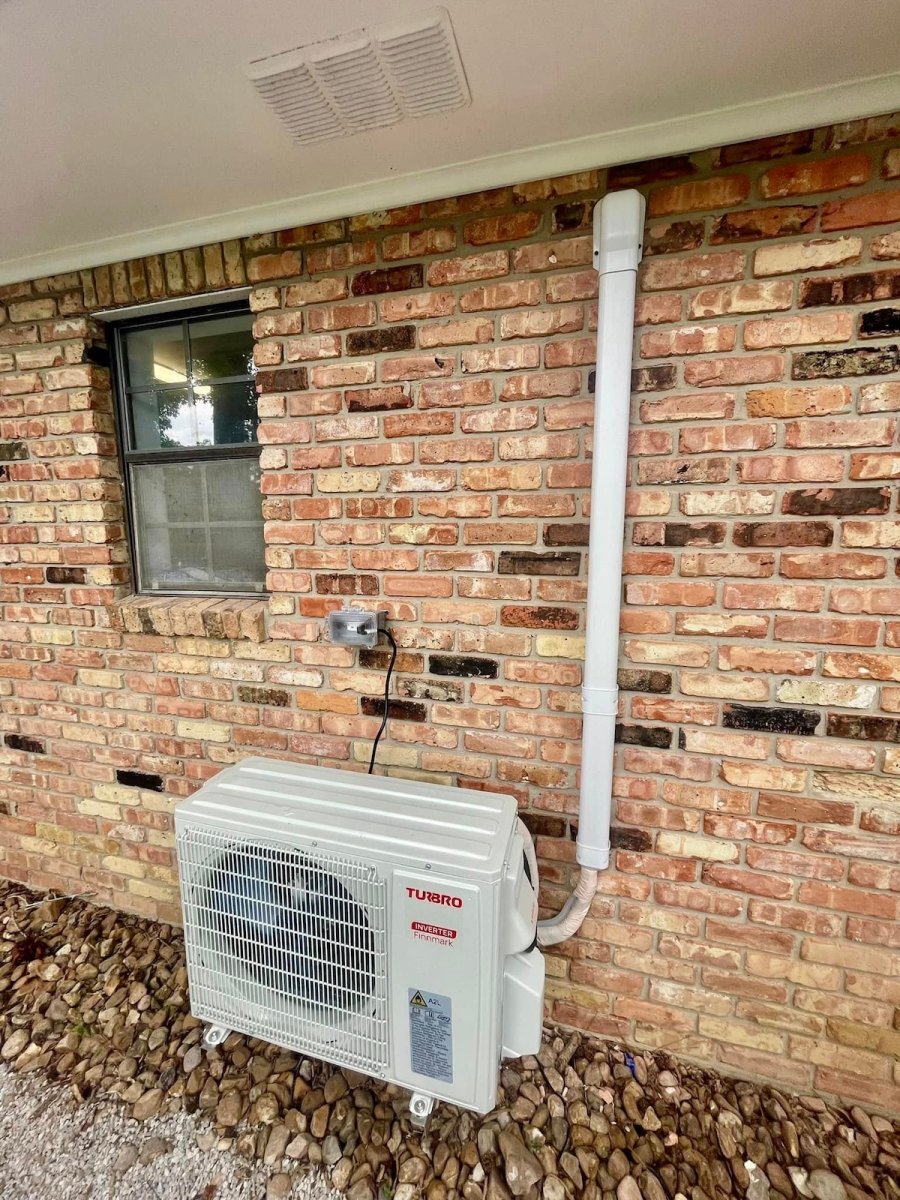
- Easier installation. Mini-split systems like Turbro’s Greenland, Lapland, and Finnmark lines consist of an outdoor compressor and an indoor air handler that mounts directly on the wall or ceiling, so there’s no need for ductwork. Since the two units are connected by a thin refrigerant line, installation usually only involves drilling a small 3-inch hole in the wall to run the line. In comparison, installing central AC in a home that has no existing ducts involves tearing apart walls, ceilings, and floors to run new ductwork. That’s a major project that can run $10,000 to $20,000 depending on the size of the home.
- Better efficiency. Central AC units rely on ductwork to circulate air throughout a home, so they aren’t very efficient. In fact, a central AC unit can lose as much as 30 percent of the cool air it creates in the ductwork. As a result, the system has to work harder to cool a home’s living space, driving up the utility bill. Since mini-splits distribute cool air directly from the unit, there’s no cool air loss in ductwork, making them 20 to 30 percent more efficient than traditional central AC units.
- Consistent comfort. Those that use inverter technology like Turbro’s mini-splits have compressors that adjust speed to match the cooling (or heating) demands in the house. Turbo’s mini-splits even have a Smart Hold feature that maintains a consistent comfortable temperature automatically while maximizing efficiency. These design features make them extremely efficient. Turbro’s mini-splits, for example, have SEER2 ratings that reach as high as 25 (SEER2 is a standard created by the U.S. Department of Energy to measure HVAC efficiency). Most central air conditioning units have a SEER2 rating of 15 to 17.
- Handles extreme temperatures. A mini-split’s high efficiency makes it capable of maintaining consistent indoor temperatures even when the outdoor air temperature is extreme. Turbro’s mini-splits, for example, can keep homes cool when outdoor temperatures reach as high 125 degrees Fahrenheit. Most central AC units struggle to maintain indoor temperatures when the outdoor temperature reaches 95 degrees Fahrenheit. This makes mini-splits ideal for desert climates and other regions that experience scorching hot summers.
- Superior air quality. Ductwork is a repository for pet dander, dust, mold spores, pollen, and other allergens, all of which then circulate through the home when the HVAC system is running. Since mini-splits don’t use ductwork, they don’t circulate these particles throughout the home, resulting in better air quality.
- Zoned air conditioning. Most central air conditioning systems are limited to one zone per unit. Many homes have one or two central AC units and air handlers to condition the upstairs and downstairs. A single outdoor mini-split unit, such as the multi-zone systems in Turbro’s Greenland line, can support up to five indoor zones. That means you can tailor the temperature in each room for maximum efficiency and comfort.
- Heats and cools. While a traditional AC unit only cools your home, a ductless mini-split functions like a heat pump, which means it can transfer cool air in the summer and warm air in the winter, making it a four-season HVAC system.
3 Turbro Mini-Split Series for Efficient Heating and Cooling
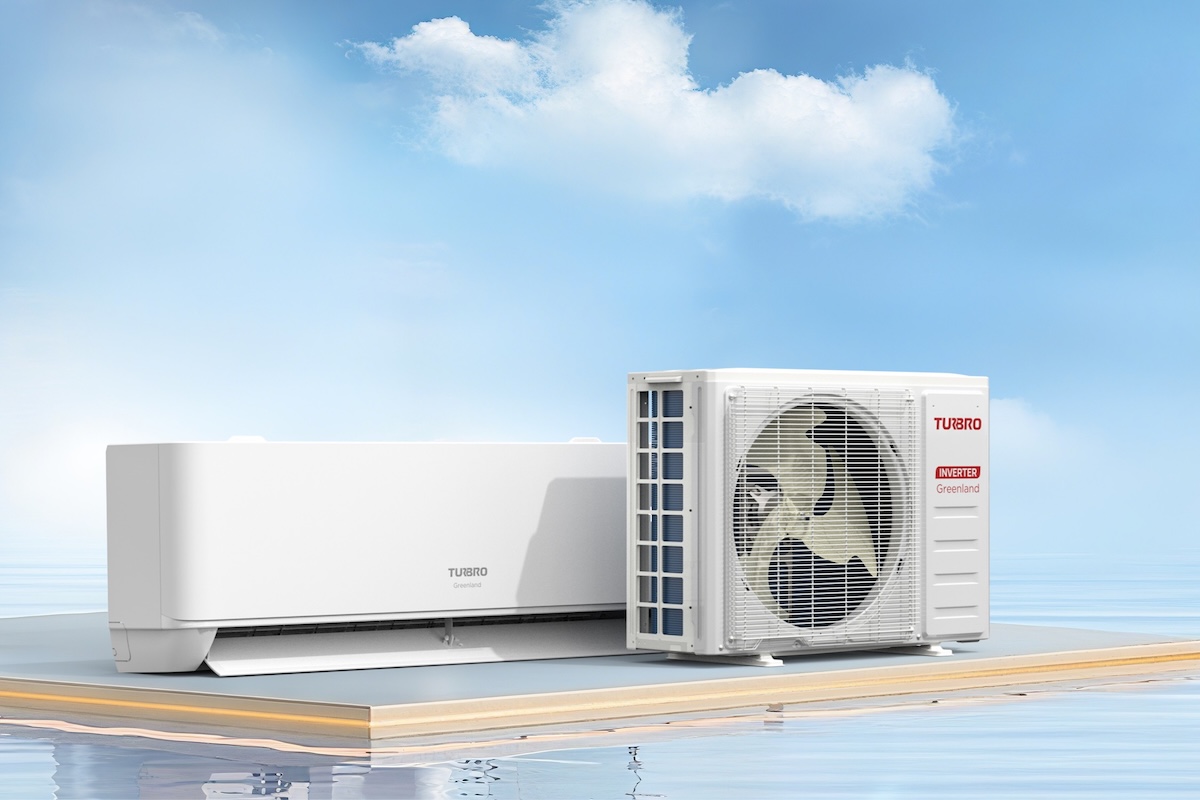
The following mini-split systems deliver efficient, flexible home comfort without the expense and hassle of installing a traditional central air conditioner.
Lapland
Homeowners looking to cool their home efficiently should consider Turbro’s Lapland line. This highly efficient single-zone heat pump boasts a SEER2 rating of up to 25 (depending on the specific model), which is an extremely high efficiency rating. This makes the Lapland mini-split a great choice for homes in climates that experience extreme heat or cold and for homeowners who want to keep their energy bills as low as possible. The Lapland mini-splits come in 12,000 British thermal unit (BTU), 18,000 BTU, and 24,000 BTU models, so you can size the unit to meet your home’s needs.
Greenland
If you have multiple rooms to cool (or warm), then Turbro’s Greenland line is the way to go. The Greenland comes in two-zone to five-zone systems that use a single outdoor unit and multiple indoor air handlers. As a result, this line is a good option for multi-room homes and even commercial spaces. And since all of Turbro’s mini-splits can be programmed and controlled via the AIR.ai smartphone app, it’s easy to set programs to change the temperatures for when the rooms are and aren’t in use to maximize energy efficiency.
It’s far more affordable to add climate control to individual rooms than to run separate systems for each space. Like the Lapland, the Greenland line is also highly efficient with SEER2 ratings ranging from 22 to 24.
Along with its multi-zone options and efficient operation, the Greenland mini-splits are more environmentally friendly than most AC units. The entire line uses R454B refrigerant, which has a much lower environmental impact than the R32 refrigerant used in most air conditioning units.
Finnmark
Turbro’s most budget-friendly line, Finnmark, includes single-zone units ranging in power from 9,000 BTUs for small studio apartments and single rooms up to 24,000 BTUs. Its smaller size is a great option for those looking for an affordable way to add air conditioning to a studio apartment or one-bedroom home.