
We may earn revenue from the products available on this page and participate in affiliate programs. Learn More ›

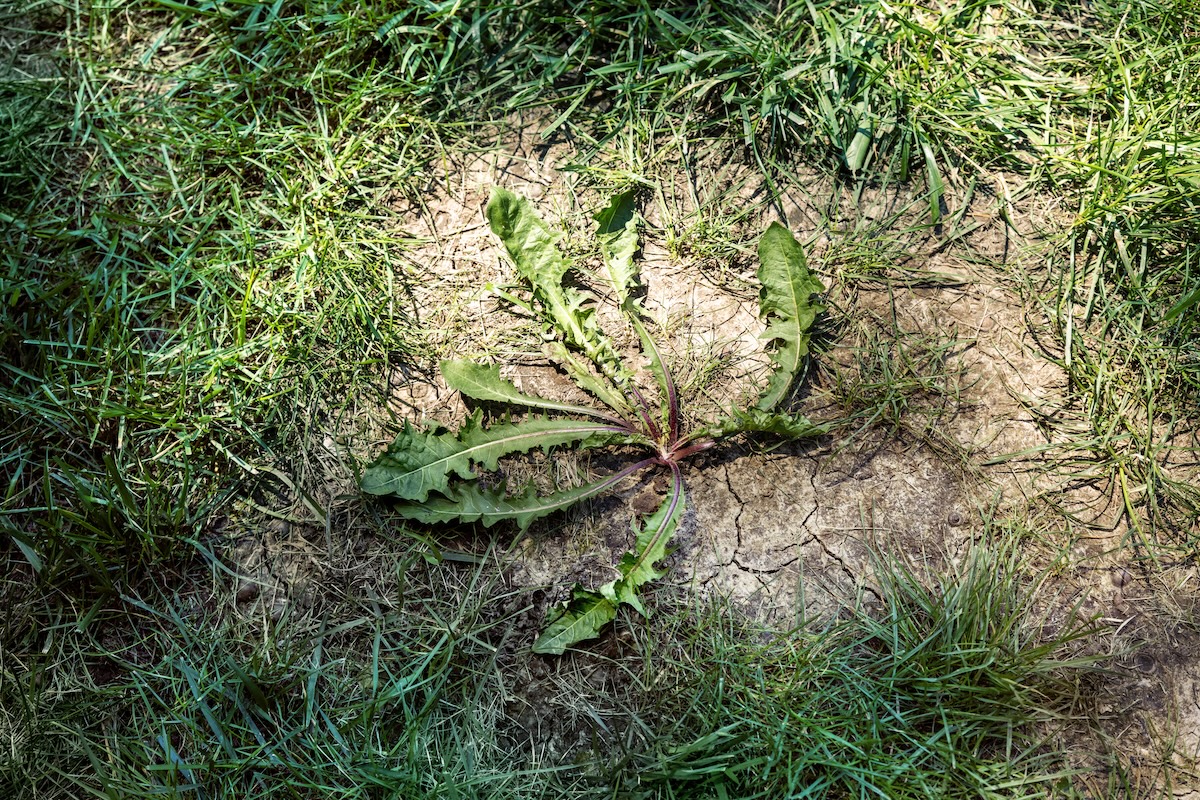
As the temperature outside warms up and flowers bloom, you’ll want to turn your attention to your lawn to ensure a healthy growing season ahead. One of the biggest challenges for DIY landscapers is keeping weeds at bay. If left unchecked, common culprits like dandelions and crabgrass can quickly spread and become an even bigger problem to deal with later on. A pristine lawn doesn’t happen on its own; it requires the right combination of seasonal maintenance, nutrient support, and a plan tailored to your lawn’s unique needs. This is achievable with a TruGreen lawn care service that starts from the ground up, helping to cultivate an overall healthy turf that continuously works to reduce weeds throughout the year. The steps below outline the most important tasks to focus on now to set the foundation for a thriving, weed-free lawn.

Step 1: Spring Cleanup
As the outdoor season emerges, you’ll want to take the time to remove debris that has collected on the ground during the off season. If fallen leaves, twigs, acorns, and other items aren’t removed, they can smother grass and cause thinning or patchy areas. This occurs as a result of blocking essential sunlight, air, and water the lawn needs to grow. Worse yet, these bare spots invite weeds in.
Step 2: First Cut of the Season
Your lawn mower needs to be in tip-top shape before you give your lawn its first mow, says Brian Feldman, senior director of technical operations for TruGreen. Tune up your lawn mower by cleaning or replacing the air filter, changing the oil, draining the fuel, sharpening the blade, and checking the spark plug. “These few simple steps now help ensure your mower runs efficiently and sets your lawn up for healthy maintenance all season,” explains Feldman.
Once your mower is ready to go, you can start cutting your lawn. The right time for your first mow depends on your climate zone. “In cool‑season regions, you can typically start mowing right after you’ve cleaned up any remaining winter debris and once the lawn is dry and starting to grow,” advises Feldman. “In warm season and transition zones, the first mow should happen when the grass actively begins growing again, which often begins around March.” Also, for the first mow of the season, cut the grass slightly shorter (roughly ½ inch) than the recommended growing-season height to help remove dead grass blades from the prior season.
Step 3: Pre-Emergent Treatments
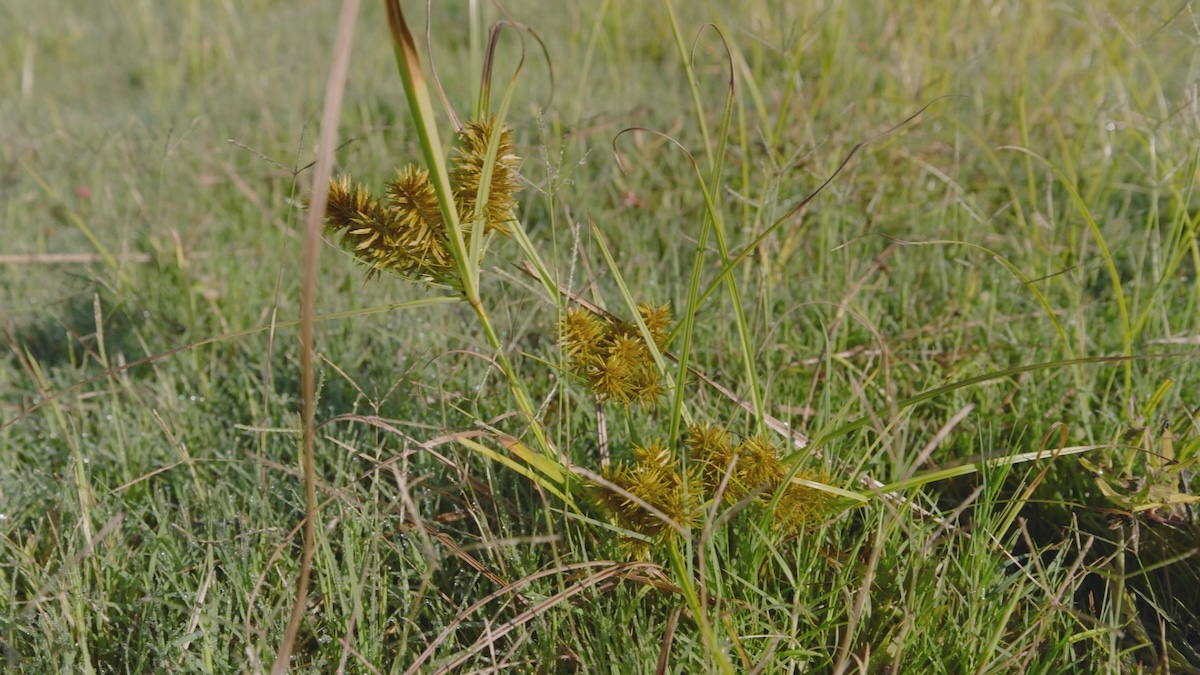
TruGreen recommends applying pre-emergent treatments during spring as a proactive solution to prevent annual weeds before they take root. “Starting these treatments at the right time and under favorable conditions is essential for effective lawn upkeep,” says Feldman. In most areas, spring application targets summer weeds like crabgrass, foxtail, and goosegrass, which typically start germinating once soil temperatures reach about 55 degrees Fahrenheit for several days in a row. Applying a pre-emergent just before this time gives you the best results. “Regional climate also affects how often you’ll need treatment: Southern lawns need spring and fall pre-emergent applications because of the longer growing season, and northern lawns often do well with one or two carefully timed treatments in the spring,” explains Feldman.
Step 4: Fertilizer
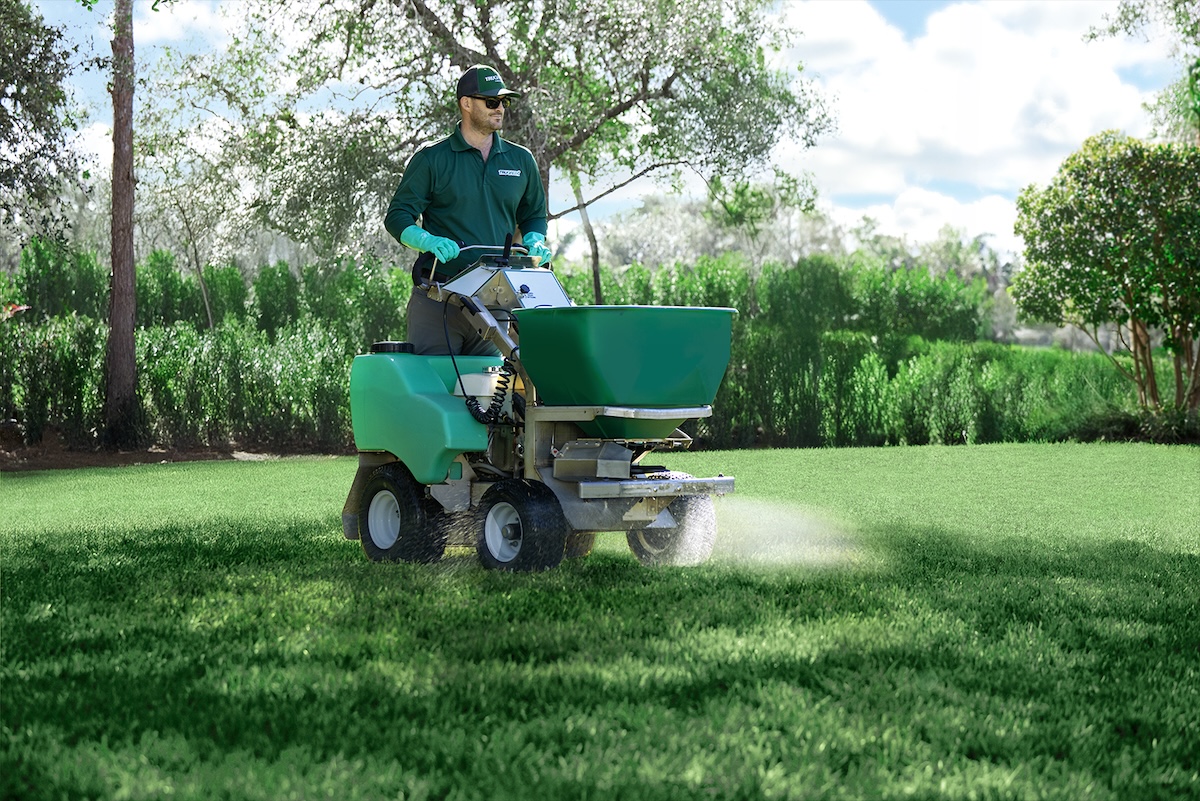
Late spring is the opportune time to achieve a thick and healthy lawn that naturally crowds out weeds, says Feldman. “Fertilizers provide important nutrients that your lawn needs to grow and produce a dense, green surface that you can enjoy,” he explains. Every lawn is unique, and the frequency and type of lawn fertilization depend on factors like the climate, time of year, and grass type. A professional lawn care service can ensure that this treatment is administered at the optimal time and in the right amount for your lawn.
Step 5: Core Aeration
Aeration is an important part of maintaining a healthy, resilient, weed-resistant lawn. Over time, foot traffic, precipitation, and gravity cause the soil around the roots of grass to become compacted, limiting the amount of air reaching the roots. Core aeration—removing small plugs of soil from the turf—helps resolve this issue. “Aeration works by relieving soil compaction and creating small openings that allow air, water, and nutrients to reach the root zone,” explains Feldman. The result is thicker, resilient grass and reduced puddling in your yard.
The best time to aerate your lawn depends on the type of grass you have. If you have a cool weather variety of grass, such as Kentucky bluegrass, fescue, or perennial ryegrass, aeration should ideally be done in the fall. For warmer season grasses, such as Bermuda grass, Zoysia, St. Augustine, and Centipede, aeration is best done in late spring or early summer when the grass is actively thriving.
Step 6: Overseeding
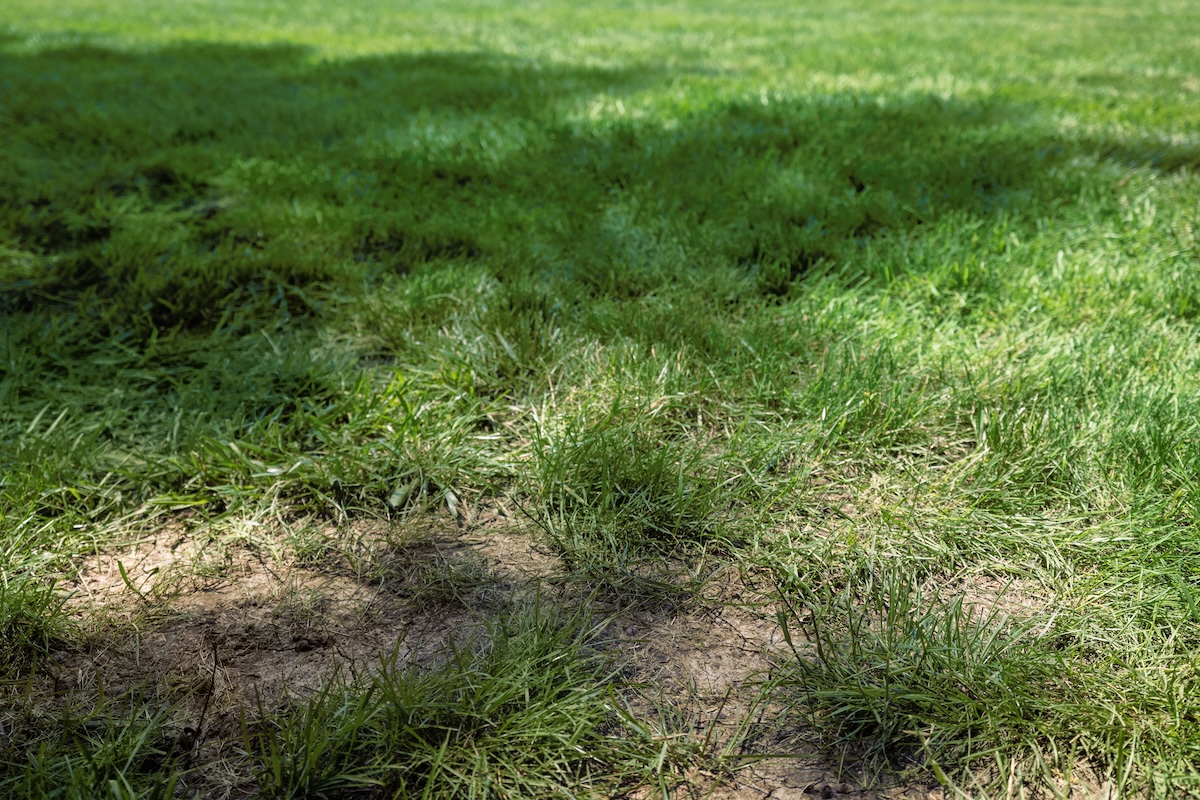
Overseeding, which involves spreading grass seed on top of your existing lawn, can make a noticeable difference in the thickness, health, and appearance of your lawn. However, timing and technique matter. “Overseeding at the wrong time can significantly reduce seed germination, and compacted or poorly prepared soil can restrict root development,” says Feldman.
Fall is the very best season for seeding as new grass will not have to contend with competing weeds, and the soil and air temperatures are most conducive for growth, especially when combined with aeration. However, if you miss that timing, you can seed now but note the window for successful rooting is narrow, especially if seasonal heat starts early. Whatever season you choose, notes Feldman, focus on overseeding damaged or sparse patches and choosing a seed blend that matches your region’s climate for the strongest results and a cadence that will keep your lawn dense and reduce weeds year-round.
Step 7: Consistent Watering
Finally, to keep your lawn thriving, make sure it is watered on a regular basis. Most lawns benefit from about 1 inch of water per week during springtime. However, the exact amount will depend on your climate zone and natural rainfall. “While late spring showers often provide a good portion of that moisture, homeowners may need to supplement during dry periods,” suggests Feldman.
“In cool‑season regions, regular watering usually doesn’t need to begin until June unless rainfall drops below that 1-per‑week mark,” says Feldman. “In warm-season and transition zones, however, you may need to start supplemental watering early in the season as temperatures rise and grass growth picks up.”