We may earn revenue from the products available on this page and participate in affiliate programs. Learn More ›
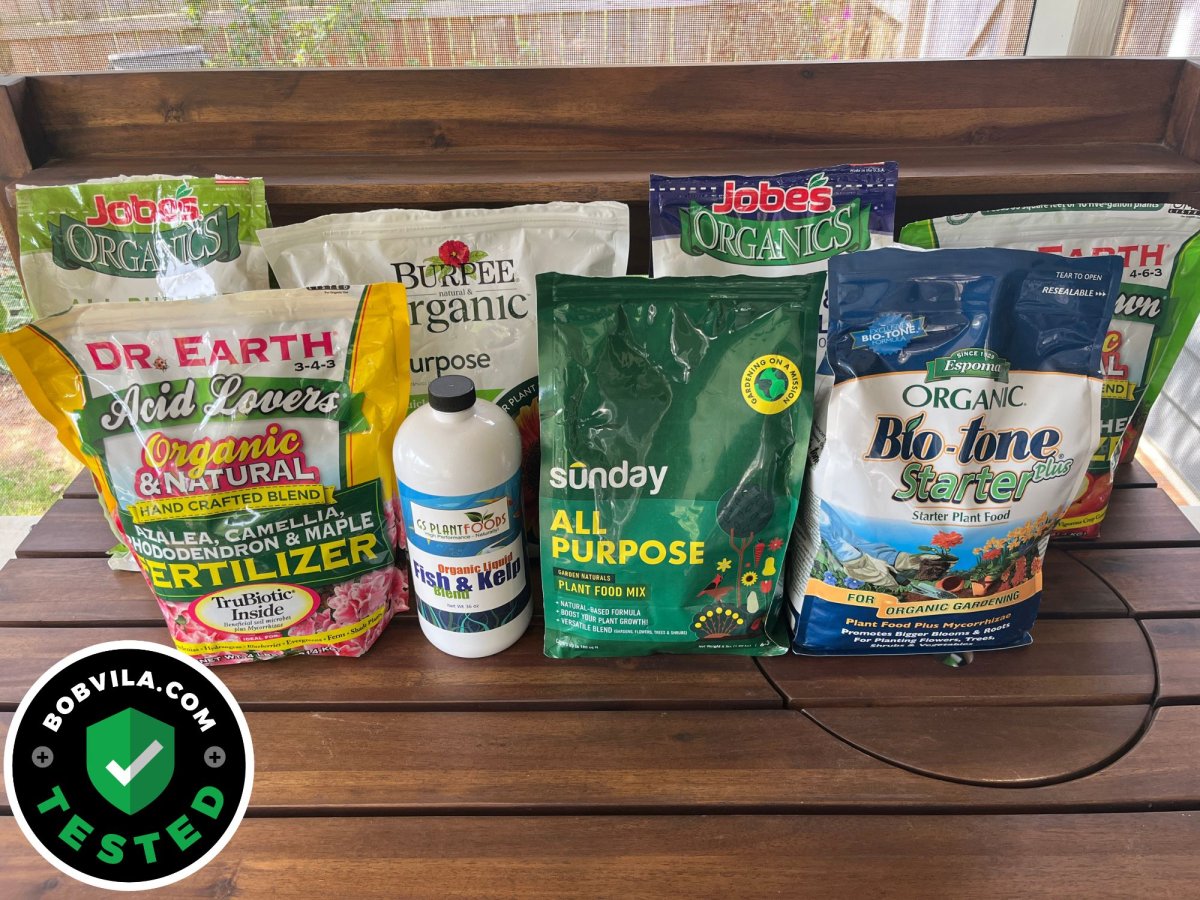
Garden fertilizer is a critical tool for building and maintaining soil health. It supplies concentrations of nutrients that plants need to grow and thrive, making up for deficiencies in the native soil and replenishing those depleted by previous crops. The problem is, there are so many different fertilizer types and formulations that even experienced gardeners sometimes find it difficult to choose confidently. This guide will cut through the confusion and showcase safe, effective fertilizers to sustain your garden. We tested eight organic fertilizers in our own vegetable, herb, and flower gardens to find the safest, most effective, and easiest to use options.
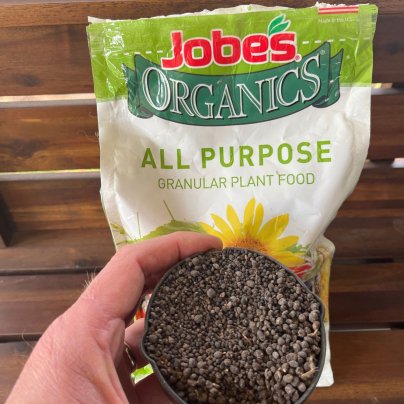
Jobe’s Organics All-Purpose Granular Fertilizer took the top spot in our tests. The low-odor granules were easy to apply, delivered noticeable results within a week, and fed our garden for more than a month per application. That being said, all of the products we recommend in this guide proved their value in different ways. Read on to find out why we recommend them and how they performed in our garden trials. Then keep reading to learn about our shopping considerations and how to choose the best garden fertilizer for your garden.
Key Takeaways
- Top fertilizer choice: Jobe’s Organics. Easy to apply, low-odor granules that show results within a week and last over a month.
- Best value: Burpee Natural Organic. Offers a balanced formula with beneficial microbes, feeding plants for up to 3 months.
- Fast greening: Sunday Plant Food Mix. Noticeable plant improvement within days, ideal for nitrogen-hungry plants.
- Liquid option: GS Plant Foods Fish and Kelp. Safe for all plants, supports soil health with a 2-3-1 NPK ratio.
Bottom line: Organic fertilizers offer safe, effective solutions for diverse gardening needs, with Jobe’s Organics leading the pack.
- BEST OVERALL GARDEN FERTILIZER: Jobe’s Organics All-Purpose Granular Fertilizer
↓ Jump to Review - BEST BANG FOR THE BUCK: Burpee Natural Organic All-Purpose Plant Food
↓ Jump to Review - BEST FOR FAST GREENING: Sunday All-Purpose Plant Food Mix
↓ Jump to Review - BEST LIQUID: GS Plant Foods Organic Fish and Kelp Blend
↓ Jump to Review - BEST FOR VEGETABLES: Dr. Earth Organic and Natural Home Grown Fertilizer
↓ Jump to Review - BEST FOR FLOWERS: Jobe’s Organics Annuals and Perennials Plant Food
↓ Jump to Review - BEST PLANT-STARTER: Espoma Organic Bio-tone Starter Plus Fertilizer
↓ Jump to Review - BEST ACIDIC: Dr. Earth Organic and Natural Acid Lovers Fertilizer
↓ Jump to Review
Before You Buy Garden Fertilizer
Before buying and applying a plant fertilizer, consider performing a soil test to determine the soil’s pH level and nutrient content. Use these test results to determine which type of fertilizer, including which nitrogen-phosphorus-potassium (NPK) ratio, is the best fit. In addition, take stock of your garden plants and research their nutritional needs. Flowers have different nutritional needs than vegetables, and seedlings have different nutritional needs than mature plants.
Quick Comparison: The Best Garden Fertilizers
| Product | Type | NPK ratio | Quantity | Our Rating |
| Jobe’s Organics All-Purpose Granular Fertilizer | Granular | 4-4-4 | 4 pounds | 5/5 |
| Burpee Natural Organic All-Purpose Plant Food | Granular | 4-4-4 | 4 pounds | 4.8/5 |
| Sunday All-Purpose Plant Food Mix | Granular | 6-3-7 | 4 pounds | 4.6/5 |
| GS Plant Foods Organic Fish and Kelp Blend | Liquid | 2-3-1 | 32 fluid ounces | 4.6/5 |
| Dr. Earth Organic and Natural Home Grown Fertilizer | Granular | 4-6-3 | 4 pounds | 4.6/5 |
| Jobe’s Organics Annuals and Perennials Plant Food | Granular | 3-5-4 | 4 pounds | 4.8/5 |
| Espoma Organic Bio-tone Starter Plus Fertilizer | Granular | 4-3-3 | 4 pounds | 4.8/5 |
| Dr. Earth Organic and Natural Acid Lovers Fertilizer | Granular | 3-4-3 | 4 pounds | 4.6/5 |
Our Top Picks
Organic fertilizers are the safest and most versatile for most landscapes and home gardens. They are unlikely to harm plants from accidental over-application, are generally people- and pet-safe, and pose a lower risk for water pollution when used according to directions. That said, be sure to feed plants consistently for the best results.
Best Overall
Photo: Mark Wolfe for BobVila.com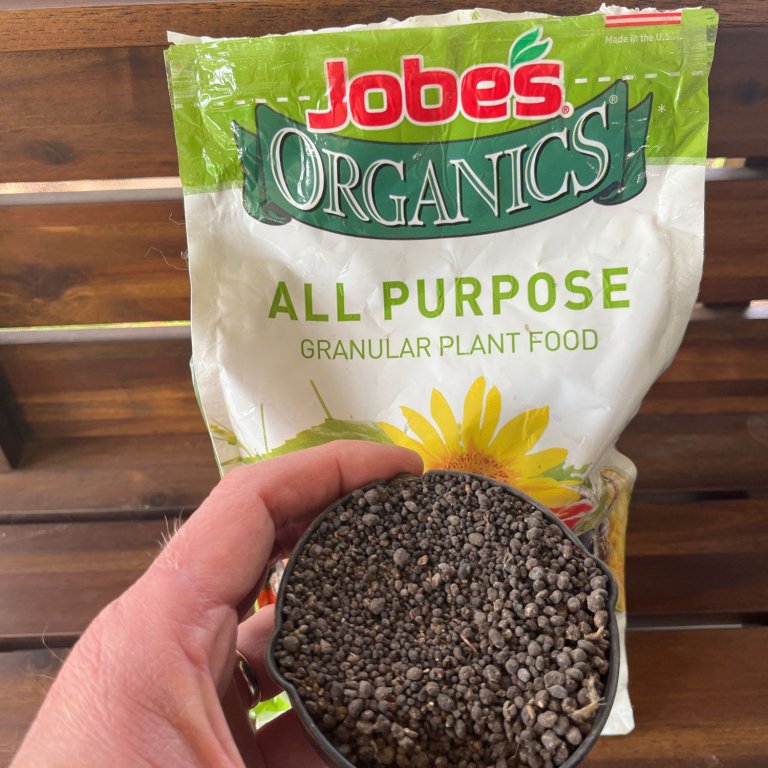
What We Like
- Suitable for most landscape and garden plants
- Blend of fast-acting and gradual feeding ingredients
- Includes micronutrients, beneficial microbes, and mycorrhizae
- Granular formula is easy to apply
What We Don’t Like
- Requires frequent applications for best results
Product Specs
- Type: Granular
- NPK ratio: 4-4-4
- Quantity: 16 pounds
Our Ratings
| Application | 5/5 | Effectiveness | 5/5 | Value | 5/5 |
Jobe’s Organics All Purpose Fertilizer Granules features a blend of soil-building ingredients, including bacteria, mycorrhizal fungi (fungi that form a symbiotic association with plant roots), and archaea (a microorganism that aggressively breaks down organic material) with a balanced NPK ratio. It checks the boxes for basic plant needs, plus it is Organic Materials Review Institute (OMRI)-listed for organic gardening.
The beneficial microorganisms in the fertilizer help to improve soil quality, increase root mass, and make it easier for plants to absorb nutrients. The 4-4-4 nitrogen-phosphorus-potassium makes it a suitable maintenance fertilizer for flower beds, vegetable gardens, shrubs, trees, and houseplants. This product also includes calcium, magnesium, and sulfur, but it lacks other micronutrients found in some of the fertilizers we tested.
Jobe’s fertilizer stimulated deeper greening and new growth on our onion and cabbage plants within a week after application. As the new growth emerged and hardened off, it appeared strong and sturdy, not lanky or top-heavy, which is exactly what we wanted. The granules were uniform in size and appearance, which made application as simple as possible, and there was minimal odor.
What our tester says: “Jobe’s Organics All Purpose gave our plants what they needed for deep greening and a nice healthy flush of new growth, and we’ll only have to use it a few times through the growing season.”—Mark Wolfe, Product Reviews tester and writer
Get the Jobe’s Organics garden fertilizer at Amazon, Lowe’s, Target, or Ace Hardware.
Best Bang for the Buck
Photo: Mark Wolfe for BobVila.com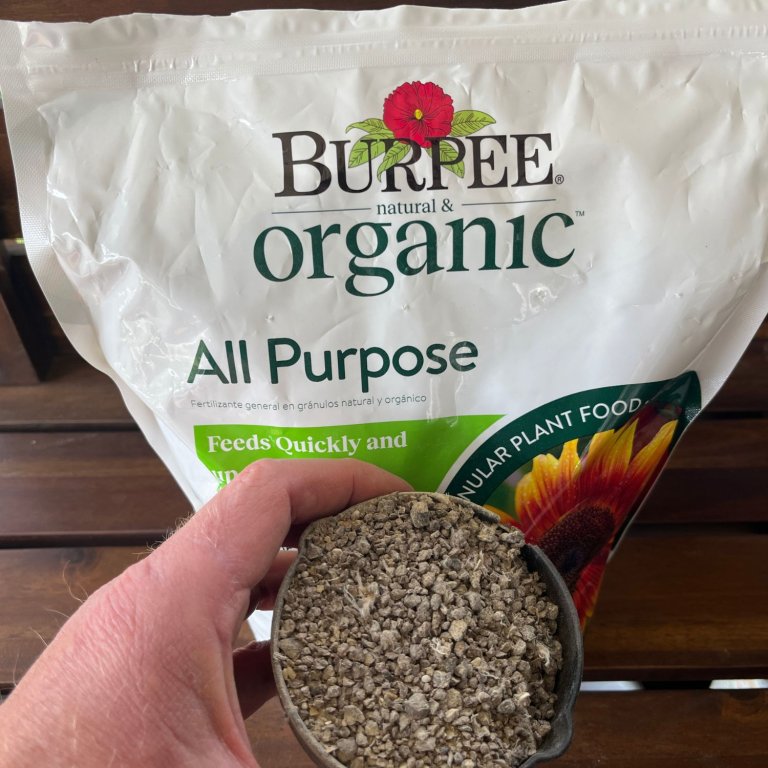
What We Like
- Value price point for quality organic plant food
- Includes 5-percent calcium and other micronutrients
- Blend of water-soluble and water-insoluble nitrogen
- Feeds up to 2 months per application
What We Don’t Like
- Less quick-release nitrogen than other options
Product Specs
- Type: Granular
- NPK ratio: 4-4-4
- Quantity: 4 pounds
Our Ratings
| Application | 4.5/5 | Effectiveness | 5/5 | Value | 4.8/5 |
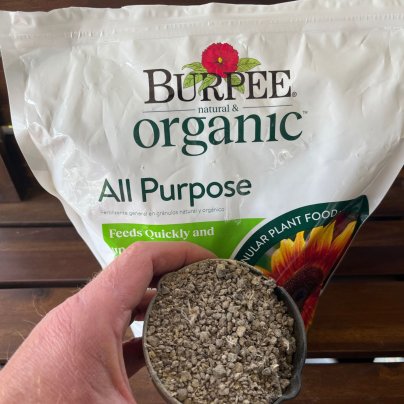
Burpee Natural Organic All-Purpose Plant Food offers excellent value for a high-quality natural plant food. It contains a balanced 4-4-4 formula of NPK plus 5 percent calcium, as well as traces of magnesium, sulfur, iron, and manganese, plus beneficial microbes. While 1 percent of the nitrogen is released immediately, one application of the product continues to feed plants for up to 3 months.
The texture of this product varied from fine powder to particles up to .25-inch in diameter. It sent up a small cloud of dust as we applied it, but there was no bad smell. There was no sudden change in appearance of the plants after the application, but they continued to grow steadily while maintaining deep green foliage and good stem rigidity. At the end of the testing period, they were noticeably larger and more mature than the non-fertilized group.
This versatile formula is suitable for seed starting, bedding plants, vegetable gardens, trees, shrubs, and container gardening. It comes in a 4-pound resealable bag that’s easy to store between applications.
Get the Burpee garden fertilizer at Amazon or Burpee.
Best for Fast Greening
Sunday All-Purpose Plant Food Mix
Buy at SundayWhat We Like
- Great for container gardens and raised beds
- Higher nitrogen content supports lush foliage
- Extra potassium boosts plant health and drought tolerance
- Includes calcium, sulfur, magnesium, and iron
What We Don’t Like
- Premium price point
Product Specs
- Type: Granular
- NPK ratio: 6-3-7
- Quantity: 4 pounds
Our Ratings
| Application | 5/5 | Effectiveness | 5/5 | Value | 4.3/5 |
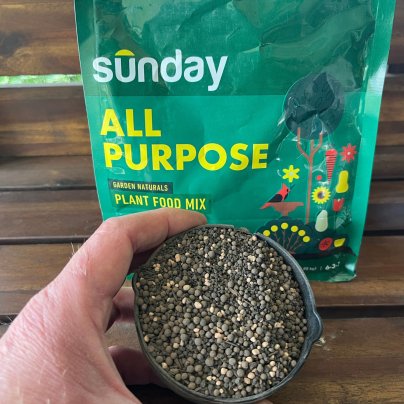
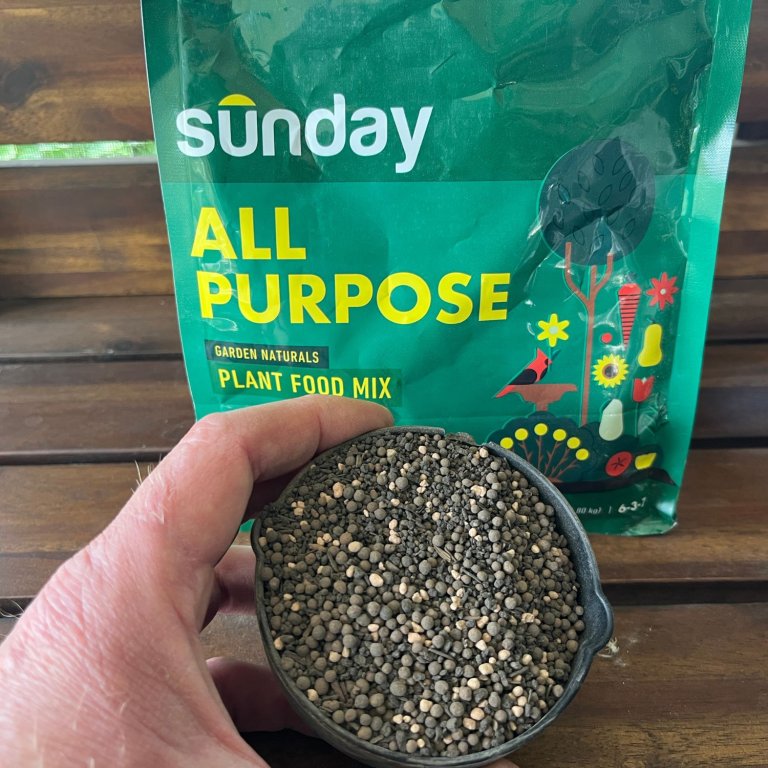
Sunday is known for its all-natural plant care products, and this all-purpose plant food mix is a star performer. This product has an NPK ratio of 6-3-7, providing higher levels of nitrogen and potassium than many other organic fertilizers on the market. The fertilizer also contains ingredients like turkey litter and feather meal to improve soil health.
We noticed deep greening within 3 days after applying Sunday plant food, and new leaves began to emerge after 5 days. It was more of a “night and day” difference than we saw from any of the other fertilizers, and the flush was sustained for another week and a half. After that, the plants still looked beautiful, but growth slowed noticeably ahead of the next scheduled application. Our nitrogen-hungry onions and cabbage appreciated the boost.
Because half of the nitrogen content is water-soluble and, therefore, quickly released, this fertilizer needs to be applied every 4 to 6 weeks. However, the recommended application rates are lower than for other products we tested. It’s also suitable for both indoor and outdoor plants, making it a versatile pick for those with a variety of plants to feed.
Get the Sunday garden fertilizer at Sunday.
Best Liquid
Photo: Mark Wolfe for BobVila.com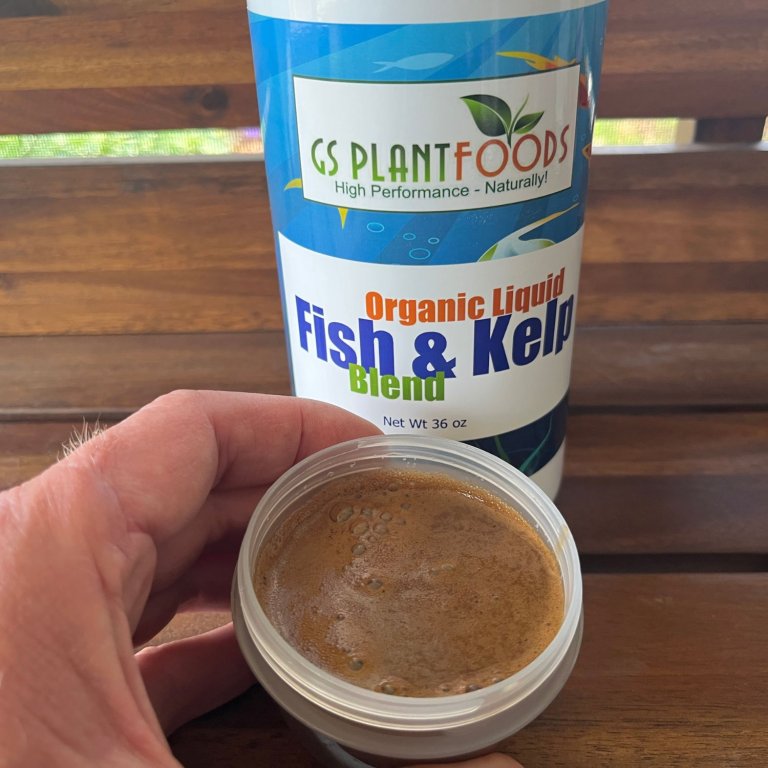
What We Like
- Fast-acting soil soak or foliar feed
- Concentrated, makes 16 gallons of plant food
- Includes enzymes, amino acids, trace minerals, and phytohormones
- Low odor formula
What We Don’t Like
- Spills can stain concrete
Product Specs
- Type: Liquid
- NPK ratio: 2-3-1
- Quantity: 32 fluid ounces
Our Ratings
| Application | 4.5/5 | Effectiveness | 5/5 | Value | 4.5/5 |
Water-soluble fertilizer penetrates the soil where plant roots can take up the nutrients immediately. GS Plant Foods’ organic liquid fish and kelp blend delivers these nutrients in a 2-3-1 NPK ratio, so it is safe for any type of plant. This non-burning plant food is even safe to apply as a foliar fertilizer. It is made with fish emulsion and kelp—two excellent natural sources of nitrogen, phosphorus, and potassium, along with micronutrients and trace minerals.
We included a liquid fertilizer for garden maintenance for several reasons, and this product covered the spectrum. Unlike chemical fertilizers, it is made with ingredients that support both plant health and soil microbial life. Mixed at a rate of 1 tablespoon per gallon of water, it made an effective and easy-to-control weekly plant food for our container gardens and house plants. We used a 2-ounces-per-gallon mixture as a soil drench and foliar fertilizer for our in-ground garden plants. It didn’t produce a strong fishy smell, and the plants responded well.
Organic liquid fish and kelp blend is a concentrated formula that needs to be diluted before applying. Recommended dilution rates range from 1 tablespoon to 4 ounces per gallon of water, depending on the application. It comes in a 1-quart, 1-gallon, 5-gallon, or 55-gallon container. It’s compliant for use in organic gardening and OMRI listed for organic use.
What our tester says: “This fish and kelp fertilizer offers more flexibility than any other option we tested. It gave us excellent results as a supplemental liquid fertilizer for vegetables that need an extra boost, but it also works as an all-in-one plant food for container gardens and house plants.”—Mark Wolfe, Product Reviews tester and writer
Get the GS Plant Foods garden fertilizer (various sizes) at Amazon or Walmart.
Best for Vegetables
Dr. Earth Organic and Natural Home Grown Fertilizer
Buy at Amazon Buy at The Home Depot Buy at Lowe'sWhat We Like
- Biologically active vegetable garden fertilizer
- Phosphorus boost for root, flower, and fruit development
- 7.5 percent calcium fights blossom end rot
- Includes beneficial microbes, mycorrhizae, and humic acids
What We Don’t Like
- Premium price point
Product Specs
- Type: Granular
- NPK ratio: 4-6-3
- Quantity: 4 pounds
Our Ratings
| Application | 4.5/5 | Effectiveness | 5/5 | Value | 4.5/5 |
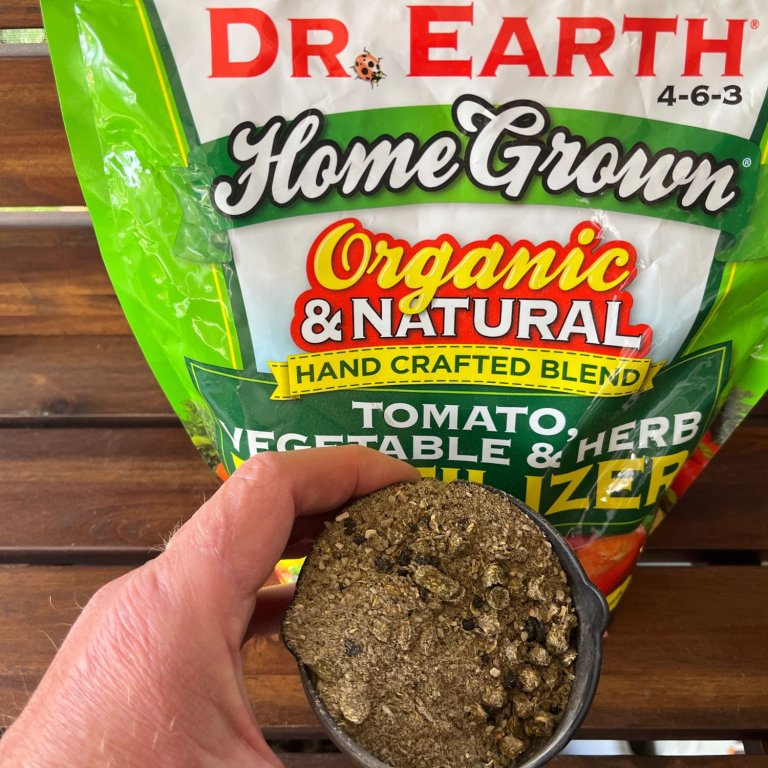
The best-tasting tomatoes and vegetables come from healthy, nutrient-rich soil. Dr. Earth Home Grown tomato, vegetable, and herb fertilizer is made with non-GMO organic ingredients and enriched with soil-building microbes and enzymes that build soil and sustain plants naturally. The 4-6-3 NPK ratio supports healthy foliage, robust root, flower, and fruit development and strong stems.
The texture of this natural fertilizer for garden areas was less consistent than that of others we tested. It consisted mostly of power-sand-size particles with larger pelletized material mixed in. We had to use caution in windy conditions, otherwise the fine material would blow away. The benefit of the small particles was that they worked more like a fast-acting fertilizer, stimulating a deep greening effect within 2 days. The testing timeframe was not long enough to see noticeable changes in our garden soil structure, but the influx of humic acid and beneficial microbes should improve tilth over time.
Dr. Earth fertilizer contains no synthetic chemicals, chicken manure, or toxic ingredients, so it’s safe for pets and people. This fertilizer is sustainably made in the United States and carries the OMRI seal.
Get the Dr. Earth Home Grown garden fertilizer at Amazon, The Home Depot, Lowe’s, or Walmart.
Best for Flowers
Photo: Mark Wolfe for BobVila.com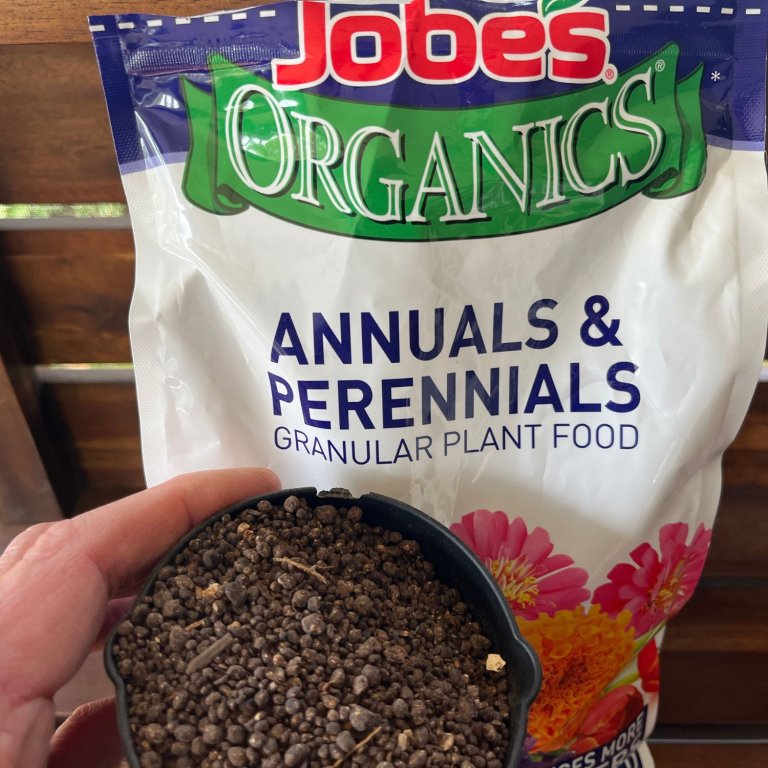
What We Like
- Phosphorus supports flowering
- Potassium builds strength and drought tolerance
- Includes soil-building microbes and mycorrhizae
- Feeds up to 6 weeks per application
What We Don’t Like
- Heavy feeders may require a liquid fertilizer supplement
Product Specs
- Type: Granular
- NPK ratio: 3-5-4
- Quantity: 4 pounds
Our Ratings
| Application | 5/5 | Effectiveness | 4.5/5 | Value | 4.8/5 |
Plants grown for their flowers use less nitrogen and more phosphorus than foliage plants. The fertilizer analysis for this Jobe’s product is 3-5-4, which makes it a good source of nutrients for flowering annuals and perennials. This granular formula works on all kinds of flowering plants such as impatiens, begonias, marigolds, zinnias, daylilies, peonies, and more.
We used Jobe’s annual and perennial fertilizer on container plantings of pansies that were getting leggy and tired. After pruning back the plants, we sprinkled the fertilizer over the top and gently worked it into the soil surface before watering. The recovery time was faster than we expected. The plants filled in and started flowering again within a week, with blooms as big and brilliant as they were when we first planted them.
Featuring Biozome with archaea (Jobe’s proprietary microbe package), this fertilizer rapidly breaks down nutrients in the soil for faster results and improves soil condition over time. It boosts microorganism activity for a healthier, living soil. Made from all-natural materials and certified for organic use, Jobe’s Organics fertilizer is pet- and people-friendly, will not cause fertilizer burn, and is safe for the environment.
Get the Jobe’s Organics annuals and perennials garden fertilizer at Amazon or Ace Hardware.
Best Planter-Strater
Photo: Mark Wolfe for BobVila.com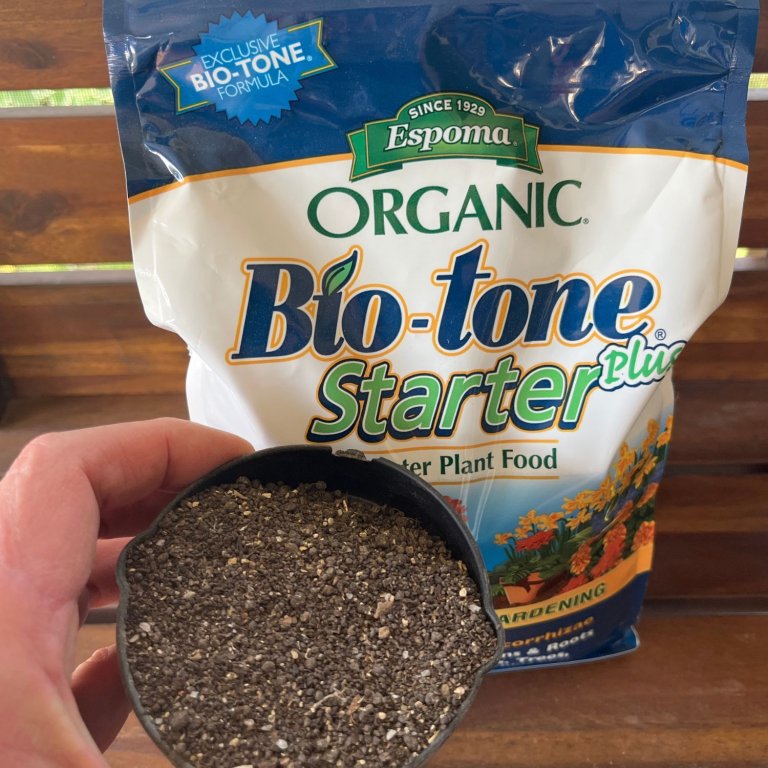
What We Like
- Helps establish a strong root system
- Blend of soluble and insoluble nitrogen
- Includes calcium, magnesium, and sulfur
- Includes soil-building microbes, beneficial fungi, and humic acids
What We Don’t Like
- Calcium content may be unhelpful for acid-loving plants
Product Specs
- Type: Granular
- NPK ratio: 4-3-3
- Quantity: 4 pounds
Our Ratings
| Application | 4.5/5 | Effectiveness | 5/5 | Value | 4.8/5 |
Newly planted trees, shrubs, annuals, and perennials benefit from a light application of balanced fertilizer. Espoma Organic Bio-tone Starter Plus fertilizer is enhanced with beneficial bacteria and starter cultures of seven different beneficial mycorrhizal fungi that promote rapid root development after transplanting. Mycorrhizal fungi work symbiotically with the root system of the plants to greatly increase the amount of water and nutrients a plant can use.
Our testing timeframe coincided with spring planting season, and we used Bio-tone liberally on new bedding plants and shrubs. After a 4-week comparison with plants that did not receive the Bio-tone treatment, we are convinced that it significantly reduced transplant shock and expedited root growth. The treated plants wilted less frequently and produced new growth faster than the non-treated plants.
Use Bio-tone Starter Plus during planting to help seedlings develop a healthy colony of mycorrhizae so the plants will settle into their new homes more quickly and thrive in the long run. With an NPK ratio of 4-3-3, Bio-tone Starter Plus is a good all-purpose starter fertilizer that gardeners can use for all types of plants.
Get the Espoma fertilizer at Amazon, Ace Hardware, or Walmart.
Best Acidic
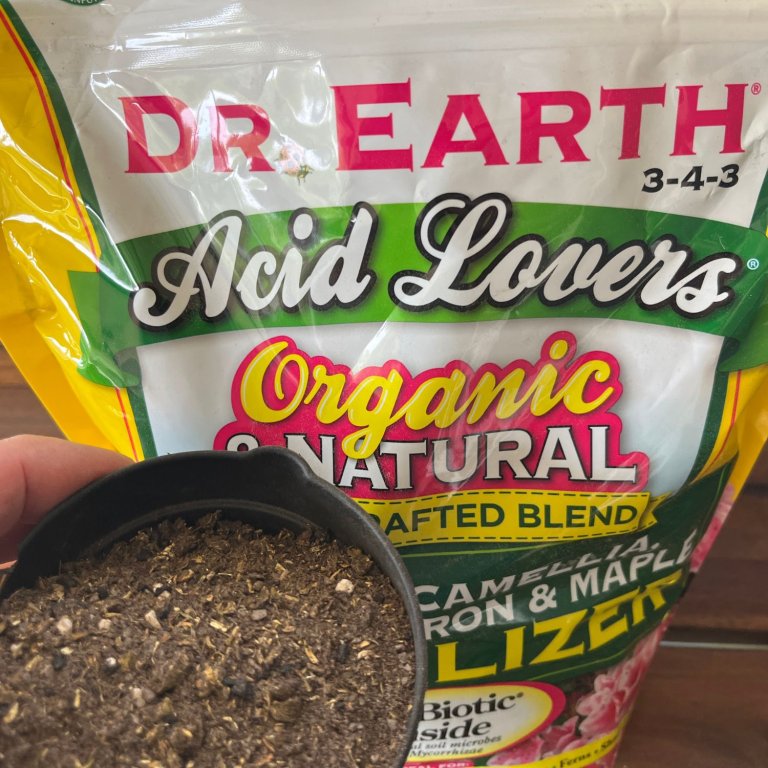
Dr. Earth Organic and Natural Acid Lovers Fertilizer
Buy at Amazon Buy at The Home Depot Buy at WalmartWhat We Like
- Formulated for plants that require acidic soil
- Gradual feeding with 3 percent insoluble nitrogen
- Includes beneficial microbes, fungi, and humic acids
- Does not include potentially-damaging calcium
What We Don’t Like
- Premium price point
Product Specs
- Type: Granular
- NPK ratio: 3-4-3
- Quantity: 4 pounds
Our Ratings
| Application | 4.5/5 | Effectiveness | 5/5 | Value | 4.5/5 |
Soil pH determines nutrient availability for plants, and plants that are adapted to grow in acid soils have unique nutrient requirements. Dr. Earth Organic and Natural Acid Lovers fertilizer is formulated for plants like azaleas, blueberries, camellias, gardenias, hollies, hydrangeas, and rhododendrons. It lowers soil pH and delivers the nutrients they need for healthy foliage and bigger blooms.
The texture of this fertilizer for vegetable gardens was sufficiently light enough to blow in the wind, so we used extra caution to avoid drift while applying it. We used it on blueberries, deciduous azaleas, and evergreen hollies, just as the buds began to swell before new growth in spring. Since the shrubs had been well maintained previously, it was difficult to determine the precise effects of the fertilizer, but we did note deeper green foliage on the blueberries and a quicker flush of new growth on the azaleas.
This fertilizer is specially designed to release a portion of nutrients quickly and provide continuous feeding for several months of long-lasting results. It’s also safe to use people and pets when used as directed.
Get the Dr. Earth Natural Acid Lovers garden fertilizer at Amazon, The Home Depot, or Walmart.
Or, DIY Your Own Garden Fertilizer
We recommend a multifaceted approach to fertilizing a garden. Applying compost is one of the best things you can do for your garden soil. It adds beneficial microbes and traces of nutrients for plants, and improves the soil texture. You can make it at home with vegetable scraps, grass clippings, and yard debris. Unfortunately, it takes time to make it and the plant food elements are not concentrated enough to make up for soil deficiencies.
The following fertilizer recipe provides a good nutrient mix for flower beds and vegetable gardens. The dry ingredients blend easily, are readily available, provide essential NPK and micronutrients in a gradual-release form, and improve the soil as they feed plants. Mix three parts blood meal, three parts bone meal, one part kelp meal, and four parts alfalfa meal. Apply at a rate of 2 ounces (¼ cup) per square foot of garden space at planting time.
Jump to Our Top Picks
How We Tested the Best Garden Fertilizers
| Products tested | 8 |
| Time spent testing | 4 weeks |
| Tests performed | 5 |
| Price range | $9 to $35 |
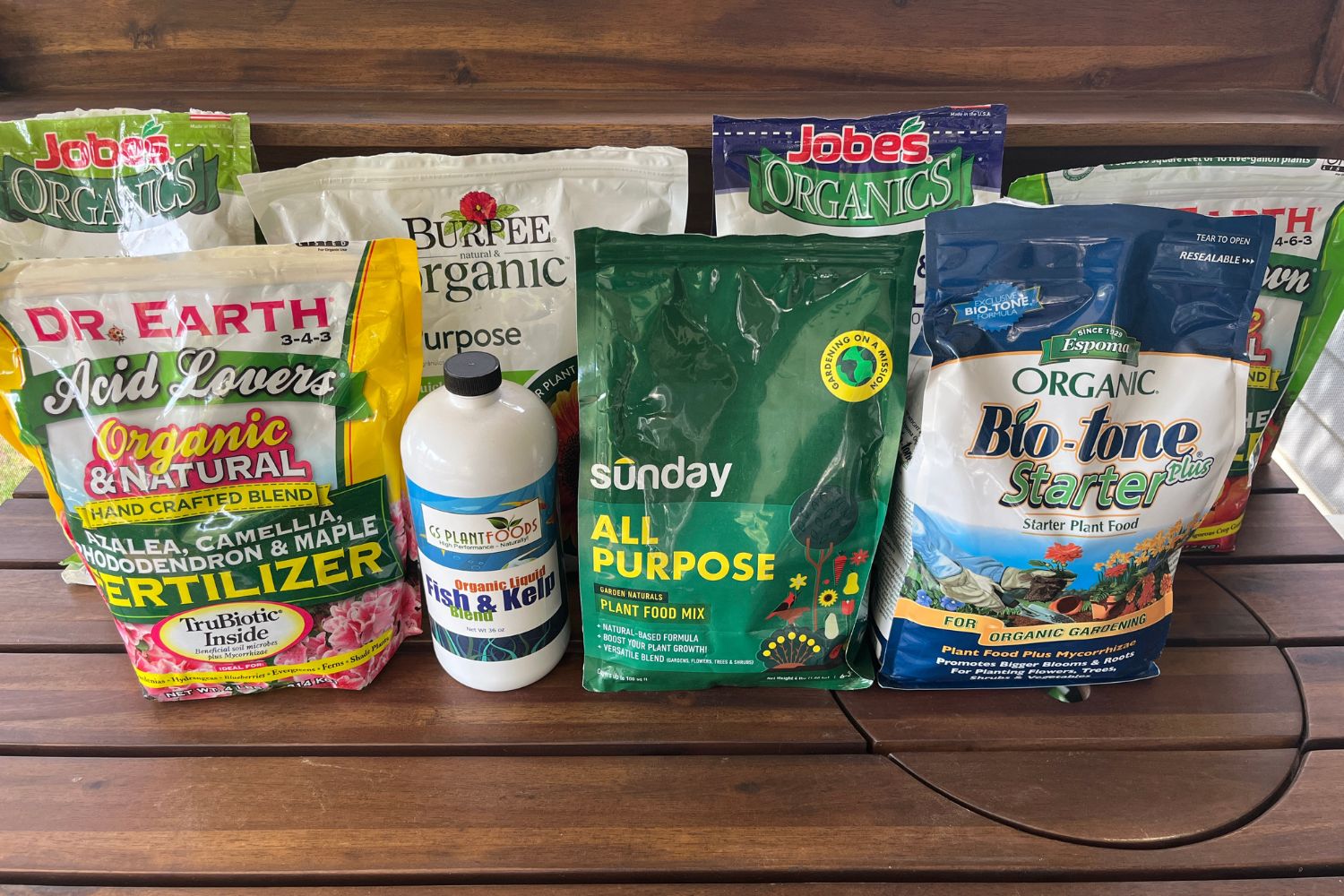
With different gardening styles and thousands of plant types to consider, we narrowed our search for the best garden fertilizers to natural and organic products for in-ground and container gardening. We spent a week researching ingredients, brands, and products, analyzing nutrient ratios and the purpose of various products before narrowing our list to eight highly rated fertilizers for testing. We tested them by applying them according to the directions on the label, then monitoring plant growth and appearance for a month. Each of the products we recommend in this guide proved to be effective, easy to use, and easy to store between applications.
Our Testing Scores
| Product | Application | Effectiveness | Value |
| Jobe’s Organics All-Purpose Granular Fertilizer | 5/5 | 5/5 | 5/5 |
| Burpee Natural Organic All-Purpose Plant Food | 4.5/5 | 5/5 | 4.8/5 |
| Sunday All-Purpose Plant Food Mix | 5/5 | 5/5 | 4.3/5 |
| GS Plant Foods Organic Fish and Kelp Blend | 4.5/5 | 5/5 | 4.5/5 |
| Dr. Earth Organic and Natural Home Grown Fertilizer | 4.5/5 | 5/5 | 4.5/5 |
| Jobe’s Organics Annuals and Perennials Plant Food | 5/5 | 4.5/5 | 4.8/5 |
| Espoma Organic Bio-tone Starter Plus Fertilizer | 4.5/5 | 5/5 | 4.8/5 |
| Dr. Earth Organic and Natural Acid Lovers Fertilizer | 4.5/5 | 5/5 | 4.5/5 |
What to Consider When Choosing Garden Fertilizer
As you can see, not all fertilizers are the same. While there may be considerable similarities from one option to the next, the following considerations will help you choose the best one for your garden.
Type
Fertilizer comes in three basic forms: granules, liquid, and stakes. Each type of fertilizer can be classified as either organic or inorganic.
Granule Fertilizers
Gardeners apply fertilizer granules by either mixing them into the soil at planting time or by “top dressing.” Top dressing simply means sprinkling the granules on the soil surface over the plant’s root zone. Granular fertilizers are available in either slow-release or quick-release formulas.
- Slow-release fertilizers provide a steady flow of nutrients for an extended time, up to a full growing season. These fertilizers comprise organic or inorganic ingredients. Soil microbes break down organic slow-release fertilizer and make it available for plants to use. Manufacturers coat inorganic slow-release fertilizer pellets to slowly dissolve as water moves through the soil.
- Quick-release fertilizer is inorganic. It should dissolve fully into the soil within just a few weeks, giving plants a quick burst of nutrients.
Liquid Fertilizers
Liquid fertilizers include ready-to-mix dry granules and liquid concentrates. They can consist of either organic or inorganic ingredients. Water-soluble fertilizers can soak the roots, or in some instances, spray right onto plant foliage. These formulas are available to the plant immediately.
Fertilizer Spikes
Fertilizer spikes also come in either organic or inorganic formulas. They act similarly to slow-release fertilizers. Calculate the number of spikes needed for a plant based on plant size and manufacturer directions. Space the spikes evenly around the edge of the plant’s root zone and push them into the soil.
Organic vs. Inorganic Fertilizers
There are two major differences between organic and inorganic fertilizers: ingredients and the way nutrients become available to the plant.
- Organic fertilizers add vital organic matter to the soil and work with the living microorganisms in the soil to feed plants. These fertilizers come from plant and animal sources: composted chicken manure, bone meal, blood meal, alfalfa meal, cottonseed meal, and kelp meal.
- Inorganic fertilizers are highly concentrated and feed plants directly. Manufacturers make inorganic, or synthetic, fertilizers from the synthesized chemicals of nitrogen, phosphorus, and potassium, sometimes as byproducts of other industrial processes.
NPK Ratios
It is usually best to begin with a soil test to determine the natural fertility of a garden soil before applying fertilizer. Contact the local Cooperative Extension Service to submit a soil sample for testing. The results will show which nutrients the soil might lack, so those nutrients can be provided in the form of fertilizer.
The major nutrients in fertilizer are nitrogen, phosphorus, and potassium. Fertilizer products list these elements on the bag as a ratio, such as 10-10-10 or 4-3-4. The package listing always appears in the order NPK.
Determining the right fertilizer numbers for a garden depends on what the specific plants need.
- Nitrogen supports foliage plants’ growth. High-nitrogen fertilizer is useful to help grass start growing in spring or to help leafy greens produce a heavy yield.
- Phosphorus helps plants establish roots, produce flowers, and develop fruit. High-phosphorus fertilizer is useful as a starter fertilizer or to spruce up annual flower beds.
- Potassium is an important element for rigid stems and overall plant health. Potassium helps plants get through drought and other growing stresses.
Plant Needs
Different kinds of plants, and plants at various stages of life, have different nutrient requirements. Flowering and fruiting plants need plant food with higher phosphorus content, while plants grown for foliage need more nitrogen.
Vegetables and Fruit
For fruit and veggies, choose fertilizer with a lower, balanced NPK ratio. Higher phosphorus and potassium content aid in flowering and fruit development, while a moderate amount of nitrogen limits leafy growth to only the necessary amount. Micronutrients like calcium, sulfur, and magnesium help prevent nutrient deficiencies and boost immunity to plant diseases.
Herbs
Since culinary herbs are grown mainly for their foliage, slightly higher nitrogen content is in order. These plants often benefit from lean soil, so there is little need for additional phosphorus or potassium. The best herb fertilizers provide slow-release nutrients that support leafy growth and production of essential oils within plant tissue.
Flowers
Ornamental plants that are grown for their flowers also have unique nutrient requirements. The best flower fertilizers deliver a boost of phosphorus with lower nitrogen content to prioritize flower production over leafy growth. Flowering plants also benefit from micronutrients like iron and magnesium that enhance flower color and overall plant strength.
Quantity
Regular fertilizer applications keep plants vigorous and productive. How often fertilizer should be applied depends on the soil type and whether the plants are in raised beds or containers. Most plants growing in porous, well-drained soil or in containers need more frequent feeding, about every 3 to 4 weeks throughout the growing season. Plants growing in clay soils typically require less fertilizer. One application every 4 to 6 weeks after planting is usually enough.
Typically, granular fertilizer will go further than a liquid fertilizer. To determine how much fertilizer is needed, look at how much area one bag or bottle covers and divide that by the square footage of the garden beds. The result will indicate how much fertilizer will be needed for the plants through the growing season.
FAQs
The best time to fertilize outdoor plants is when they are placed in the ground, beginning with added compost or a starter fertilizer. After that, plants need nutrients during their peak growing season, typically spring through summer. When fertilizing a garden with a long-acting or continuous feeder, you can apply it less often.
We recommend Dr. Earth Home Grown garden fertilizer for vegetable and herb gardens. It is made with natural slow-release nutrients for extended feeding, and includes beneficial microbes that boost drought resistance in plants and improve nutrient uptake.
Most annual flowers, vegetables, herbs, fruit, and nut crops benefit from a balanced fertilizer (for example, 4-4-4). We recommend Jobe’s Organics all-purpose garden fertilizer for general garden feeding.
The best time to start fertilizing the vegetable garden is at planting time for transplants, or after the first set of true leaves appear for seed-grown plants. Reapply as necessary during the growing season. Since different fertilizers break down at different rates, it’s important to follow the label instructions.
To provide natural fertilizer for plants, start by building up the organic matter and maintaining it with mulch. Soils with higher organic content host more of the nutrient-cycling microbes, earthworms, and other organisms that convert plant waste into plant food. Organic soils also use store-bought organic fertilizer for garden plots more efficiently, so you’ll spend less money over time.
Yes, eggshells are an excellent source of slow-release calcium, which helps to strengthen plant cell walls and aids in root development. Before using eggshells in the garden, they should be rinsed, heat-treated to kill harmful microbes, and crushed.
Meet the Tester
Mark Wolfe is a multimedia reporter and 20-year green industry veteran. After decades of mowing, edging, planting, pruning, irrigating, and renovating landscapes, he now tests and writes reviews about the latest hand tools, plant care products, outdoor power equipment, and other outdoor living goods.
Additional research provided by Debbie Wolfe and Savannah Sher.