We may earn revenue from the products available on this page and participate in affiliate programs. Learn More ›
Lead test kits are used to quickly detect the presence of lead in paint, dust, water, soil, and even on surfaces, such as toys, ceramics, and vinyl blinds. The goal of testing for lead in these places is to prevent exposure to this toxic heavy metal. A water lead test kit tests your drinking water for lead, while lead testing surface swabs test walls, trim, doors, window frames, and other surfaces.
Lead paint testing is essential for homeowners, DIYers, and contractors who are renovating homes built before 1978. Even if your home was built after this period, there may be fixtures or materials used during construction or renovation that contain lead. If you are planning a renovation project or you are concerned about lead in the drinking water, then don’t hesitate to pick up one of the best lead test kits to detect lead in your home and take the appropriate steps to mitigate the problem.
- BEST OVERALL: LeadCheck Disposable Lead Test Kit
↓ Jump to Review - BEST BANG FOR THE BUCK: AAwipes Lead Test Kit 30 Swabs
↓ Jump to Review - BEST EPA-RECOGNIZED: D-Lead Professional Paint Lead Test
↓ Jump to Review - BEST FOR WATER: Safe Home DIY Lead in Drinking Water Test Kit
↓ Jump to Review - BEST WITH LAB ANALYSIS: Safe Home Lead in Solids Combo Test Kit
↓ Jump to Review
How We Chose the Best Lead Test Kits
To choose the best home lead test kits, it was necessary to research how at-home lead test kits are typically used, and to review the current information available from trusted governmental organizations, such as the CDC and the EPA. We learned that two specific brands are recognized by the EPA, so we chose them as reliable options for our list.
We then looked into the various types of lead test kits and selected several that were specifically designed for testing water and surfaces. We also selected kits that offer laboratory analysis so that readers have a variety of options to choose from based on their needs. This list was then compiled from the top choices in each category based on reliability, cost, EPA recognition, and lead test type.
Our Top Picks
The products below have been selected based on the type of test, the accuracy of the test, and the overall quality. Any of these lead tests should help screen for the presence of lead in your home.
Best Overall
Photo: Lowe’s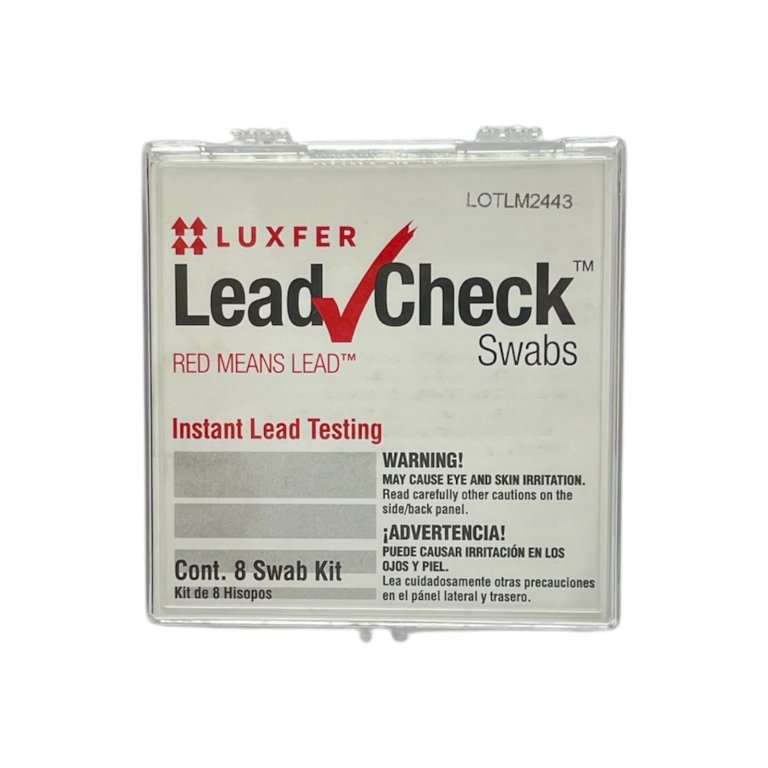
What We Like
- EPA-recognized product
- Only 30 seconds to get results
- Comes with 8 swabs in a durable case
What We Don’t Like
- Only suitable for surface-level testing
- False positives possible with iron, rust, other materials
Specs
- Test Type: Paint and surface swabs
- Surface Compatibility: Drywall, metal, paint, plaster, plumbing solder
- Detection Time: 30 seconds
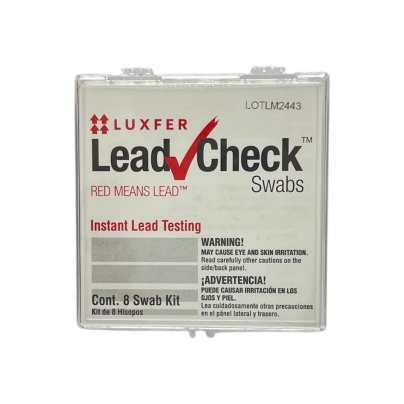
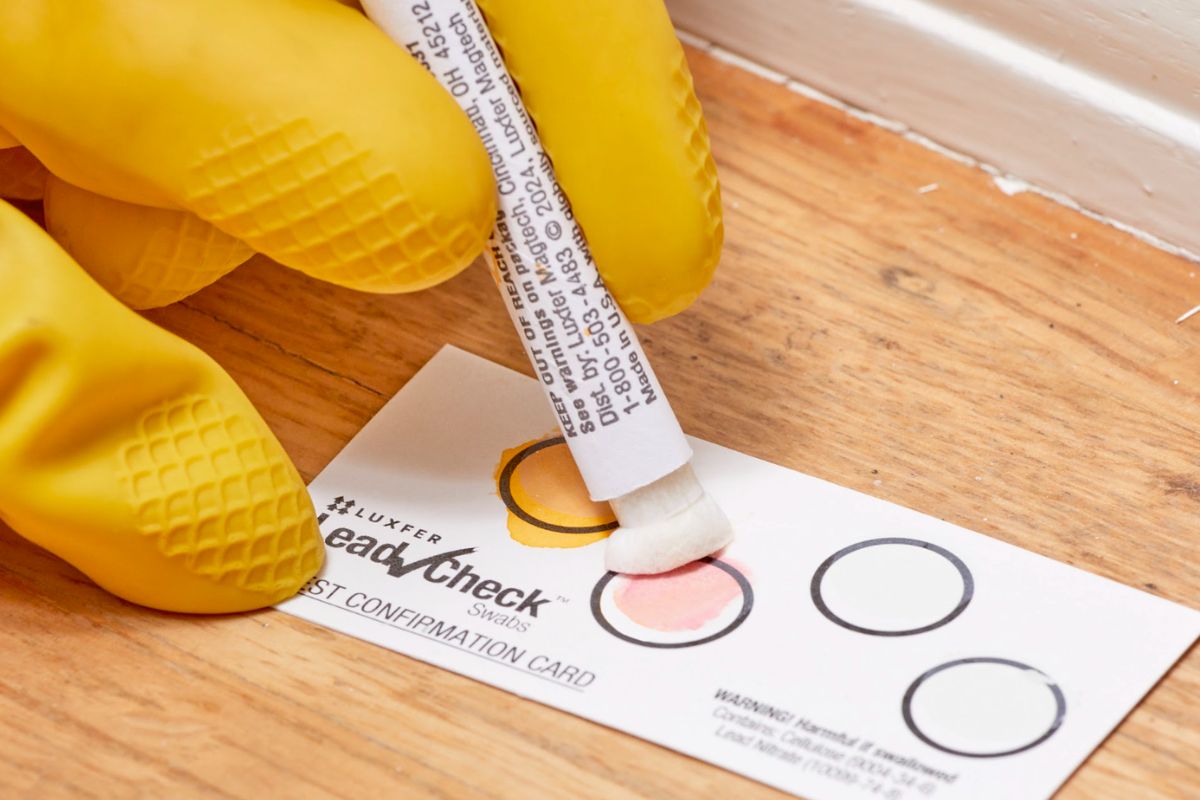
As one of only two lead test kits recognized by the EPA, LeadCheck’s disposable lead test kit comes in a durable crystal case with eight testing swabs so that you can double check your test in a single area or test multiple surfaces around the home. The test takes just 30 seconds and is incredibly easy to do. After taking your sample, if the swab turns red, this means that lead has been detected.
It should be noted that even an EPA-recognized test like this one isn’t guaranteed to be 100 percent accurate. There is a chance the test may not detect lead that is buried deeper in the walls or under multiple layers of paint. Similarly, you may end up with false positives if you attempt to use these swabs on iron, rust, dirt, or other red-colored substances. Still, all in all, this is a reliable, easy-to-use option.
Get the LeadCheck lead test kit at Lowe’s, Walmart, or Strobels Supply.
Best Bang for the Buck
Photo: Amazon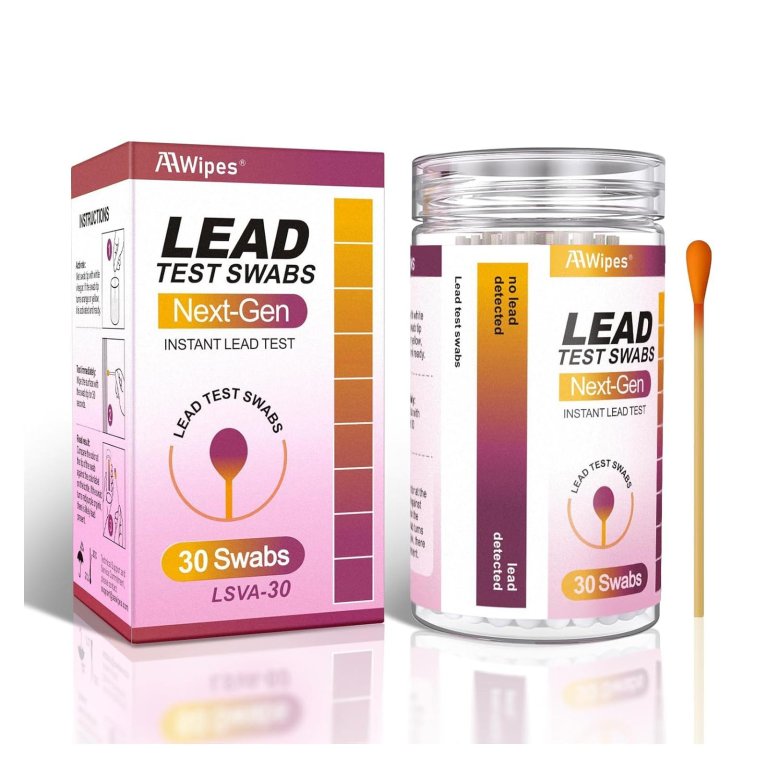
What We Like
- Takes just 30 seconds for results
- Clear, easy-to-follow instructions
- Comes with many extra swabs for additional testing
What We Don’t Like
- Results can be inconclusive
- Requires vinegar for enhanced accuracy
Specs
- Test Type: Paint and surface swabs
- Surface Compatibility: Paint, ceramics, wood, metal
- Detection Time: 30 seconds
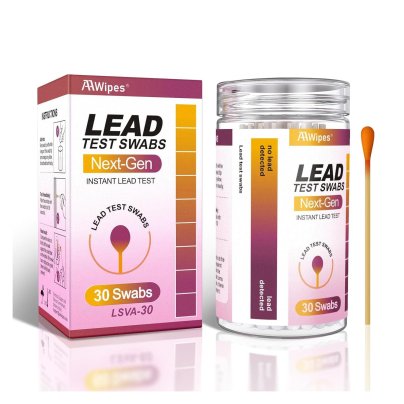
One major drawback of at-home lead test kits is that they aren’t always accurate. Even this test kit by AAwipes does not promise 100 percent accurate results, but instead of investing in a more costly lead test kit, you can get 30 swabs with this affordable product, allowing you to test and re-test multiple areas around the home to ensure your results are as accurate as possible with this testing method.
The test is simple to complete, and the kit comes with easy-to-follow directions, reducing the risk of user error. Additionally, it takes just 30 seconds for your results to appear, so you won’t need to stand there waiting for a long time to find out what the test says. Also, if you want to improve the accuracy of the test, you can add vinegar to the swab before swabbing the target surface.
Get the AAwipes lead test kit at Amazon or Walmart.
Best Epa-Recognized
Photo: D-Lead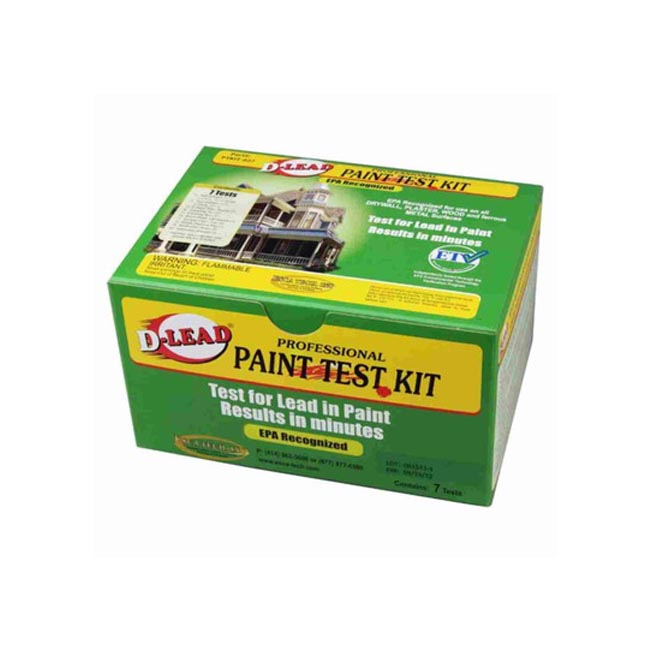
What We Like
- EPA-recognized product
- Comes with a sampling tool and prep towels
- Highly accurate for surface-level samples
What We Don’t Like
- Minor destructive sampling required
- May not detect lead beneath multiple layers of paint
Specs
- Test Type: Liquid solution
- Surface Compatibility: Steel, paint, aluminum, concrete, brick, stucco, siding, and more
- Detection Time: 10 minutes
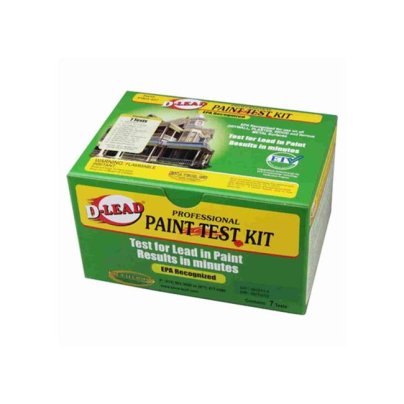
This lead test kit is the second EPA-recognized option for home lead testing. In fact, this test kit is considered even more accurate than the aforementioned LeadCheck swabs, primarily due to the sample collection method. Instead of simply swabbing the surface of the paint, you use the included sampling tool to scratch paint chips from the wall or another surface, then mix the collected sample with the liquid reagent.
Results will begin to appear within 3 minutes, but the manufacturer recommends waiting the full 10 minutes to confirm a negative result. Just keep in mind that even if you scratch paint from the surface of the wall, it may not provide accurate test results for any lead paint that is buried under multiple layers of paint.
Get the D-Lead Professional lead test kit at D-Leador Walmart.
Best for Water
Photo: Amazon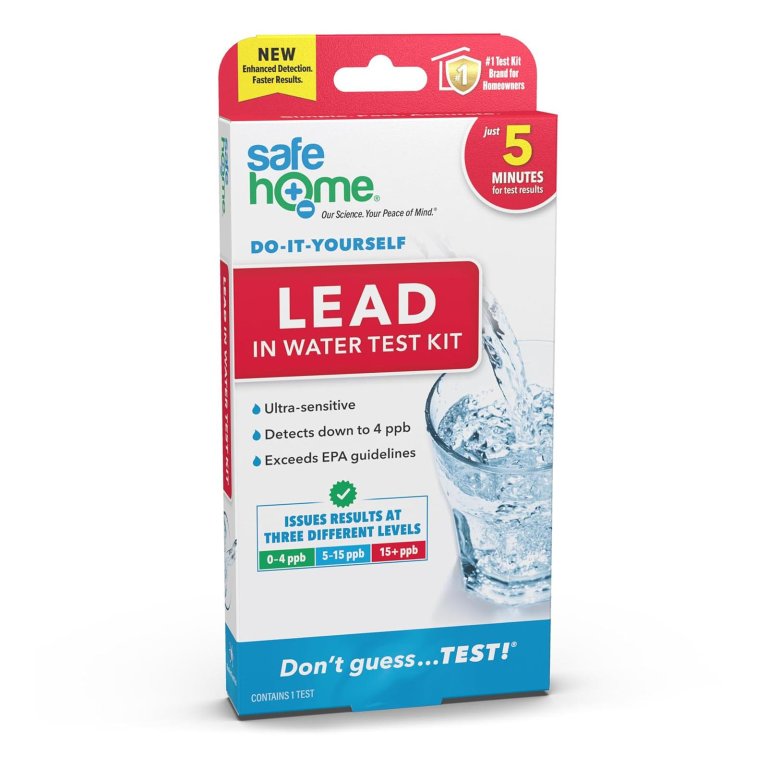
What We Like
- Fast and easy-to-follow instructions
- Lab analysis is available
- Customer support available before, during, and after testing
What We Don’t Like
- Only provides qualitative, not quantitative results
- May miss very low or trace lead levels
Specs
- Test Type: Water and lab analysis
- Surface Compatibility: Water
- Detection Time: 5 minutes for water; about 7 to 10 business days for lab testing
Paint, metal, toys, and tiles are not the only substances that should be tested for lead. Water is just as important to test, especially in older homes that may have lead pipes. This DIY test takes just 5 minutes to complete and comes with easy-to-follow directions in multiple languages so that you can test your drinking water for lead.
If you’re concerned about the testing method or your ability to interpret the results, customer support is available throughout the entire testing process. Additionally, you have the option to gather a sample and send it to a lab to have it professionally analyzed. There are test fees associated with a lab-testing request, so just be aware that it will cost you a bit more for this optional service.
Get the Safe Home Lead in Drinking Water Test Kit at Amazon, The Home Depot, or SafeHome.
Best with Lab Analysis
Photo: Amazon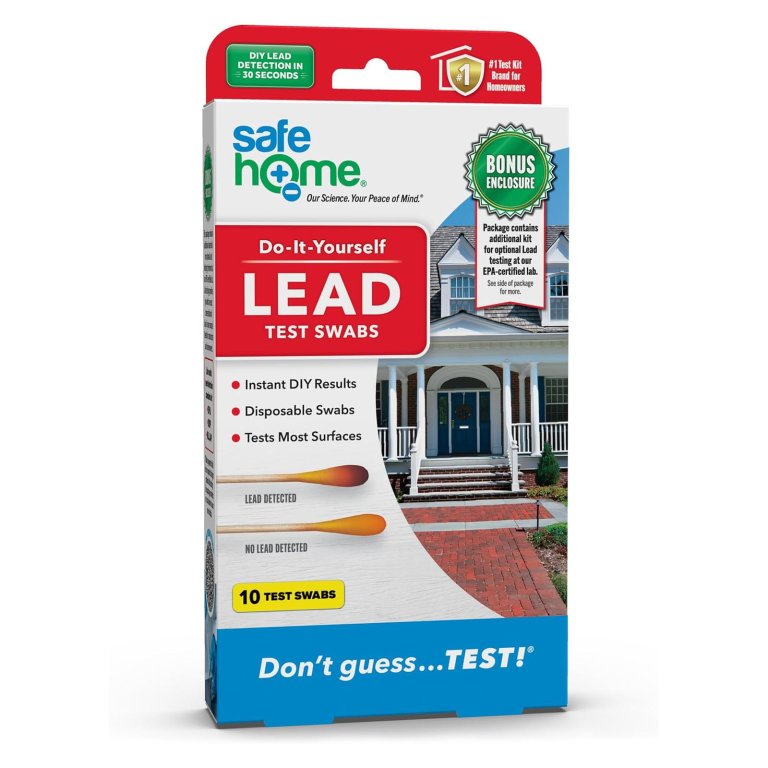
What We Like
- Provides fast screening results in 30 seconds
- Highly accurate results in 7-10 business days
- Lab testing meets EPA, NLLAP, RRP, PPE guidelines
What We Don’t Like
- Additional lab fees are required for lab analysis
- 30-second test may miss lead in deep paint layers
Specs
- Test Type: Paint and surface swabs, and lab analysis
- Surface Compatibility: Paint, dust, wood, metal, plastic, ceramics, soil, fabric, and vinyl
- Detection Time: 30 seconds for swab and about 7 to 10 business days for lab testing
A quick, 30-second surface swab is incredibly convenient, but it doesn’t promise the most accurate results for your lead test. This combo test kit includes the materials needed to conduct a 30-second swab test, along with instructions for collecting a sample and sending it to a professional lab for analysis.
The lead sample submission kit is analyzed at an EPA-certified lab that meets the standards set out in the EPA, NLLAP,RRP, and PPE guidelines. You will end up paying an additional fee for the lab tests, but this extra fee helps to ensure the accuracy of your results, so you aren’t left guessing about whether the 30-second swab was a false positive or false negative.
Get the Safe Home Lead in Solids lead test kit at Amazon, Lowe’s, or Target
Jump to Our Top Picks
What to Consider When Choosing Lead Test Kits
The most important thing to keep in mind when you are choosing a lead detection kit is that even the best test for lead paint may not be 100 percent accurate, so it’s always a good idea to test the surface more than once. When choosing lead test kits, prioritize EPA-recognized brands for accuracy, see if the kit detects lead on the medium in question (paint, soil, or water), and verify whether it requires destructive sampling, like removing paint chips or brick samples.
Types of Lead Test Kits
Before using a paint stripper on your walls, it’s recommended to test for lead in your paint and drywall, especially if the home was built prior to 1978. There are several lead test types to choose from depending on exactly what and how you would like to test for lead. Lead test kits primarily consist of chemical-based swabs, liquids, and lab-analyzed kits designed to detect lead in paint, dust, water, and surfaces like toys or ceramics.
Paint and Surface Lead Test Kits
Before proceeding with professional lead paint removal, homeowners most commonly use paint and surface lead test kits to test materials like paint, toys, ceramics, and metal. These tests come in two different formats: swabs and liquid solutions.
- Swabs are used by wiping a swab on the target surface. They are fast (often 30 seconds), portable, and user-friendly. They detect lead on painted walls, woodwork, toys, and metal, turning red or pink to indicate a positive result.
- Liquid solutions typically require destructive sampling, in which the user mixes the liquid reagent with a paint chip, a piece of mortar, or a brick sample. This offers higher sensitivity than swabs and is often used for more detailed testing.
Water Lead Test Kits
Paint and building materials are not the only potential sources of lead exposure in your home. Older homes may even have lead water lines leading into the home or running throughout the house, so if you suspect there might be lead in your drinking water, you can use these water testing strips to check.
Water lead test strips take about 5 to 10 minutes to produce results and will generally turn a different color based on the content of the water being tested. The way a positive or negative result is displayed can vary between products, so it is essential to read and follow the directions.
Laboratory Analysis Lead Kits
While at-home lead tests can provide some basic information about the possibility of lead in your water, walls, and other areas of the home, they are not as conclusive as a laboratory analysis. “The most effective type of test for lead in paint is laboratory analysis of a paint chip sample,” states ML Tanner, Regional Vice President for Region 7 on the National Environmental Health Association Board of Directors.
These tests involve taking a paint, soil, or dust sample (using swabs or tape) and sending it to an EPA-certified laboratory for precise, quantitative results. This method tends to take about 7 to 10 business days for the lab to run tests and return the results, but it is the most conclusive way for a DIYer to find out if they have lead paint they need to remove without calling in a professional testing service.
EPA Recognition
There aren’t many products that have the EPA’s recognition for lead testing. The Renovation, Repair, and Painting (RRP) rule requires that contractors working in pre-1978 homes, schools, and child-care facilities be certified to follow lead-safe work practices. When it comes to lead tests, only two kits are currently recognized for testing surfaces like wood, drywall, plaster, and ferrous metal: LeadCheck and D-Lead. There is also a State of Massachusetts kit, but this is only for use by certified individuals.
False Negatives
While generally reliable at detecting the absence of lead, consumer kits can sometimes produce false negatives if they do not reach deeper layers of paint. This is one of the biggest risks when using an at-home test kit—especially when you may be dealing with layers of paint or hidden plating. However, there is also the possibility of a false positive due to the colors of paint, iron, tin, dirt, or other chemicals, which may mimic a positive result, leading to unnecessary concern.
When in doubt, you should test the area more than once with a couple of different methods, or even call in the pros to perform a comprehensive test.
Limitations
Lead test kits have limitations that are important to be aware of, including false negatives, false positives, inability to quantify lead levels, poor performance with layered materials (like paint over metal), and unreliability with certain materials, making them best for simple screening only, not definitive risk assessment.
If you do choose to use a lead test kit to screen your home, Tanner says to “follow the directions carefully. Since there will be a color change involved if lead is present, test in an area with good lighting. That will make it easier to determine if there is a color change. Test in an area that is not easily accessible to young (under the age of 6) children.”
Cost
Most at-home lead test kits are relatively affordable, ranging from around $10 to $40 for simple surface swabs and liquid solution tests. More comprehensive test kits for water or paint analysis with lab confirmation can be more expensive, primarily due to the shipping and lab fees associated with these products. Generally, the more accurate the test, the higher the cost, which is why you may end up spending significantly more to have a professional inspection completed, but this is also the most effective way to get precise, accurate results.
FAQs
Using an at-home lead detector test kit can help identify whether your walls, ceilings, floors, and other surfaces contain lead, but it’s important to understand that these tests have limitations. Learning more about lead testing and the potential risks of lead poisoning can help you use these tools as effectively as possible. With this in mind, check out these frequently asked questions about lead and lead test kits.
The most effective lead test kit needs to be reliable. Tanner notes that “there are currently only two test kits recognized by the Environmental Protection Agency.” The two recognized by the EPA are LeadCheck and D-Lead test kits. While other test kits may provide discernible results, they have not currently proved to be as effective as these two EPA-backed lead test kits.
At-home test kits are not generally considered to be highly accurate for definitive, quantitative analysis, though they can be convenient for quick screening of paint or surfaces. “Home test kits provide only qualitative analysis. They do not quantify the amount of lead present. The directions must be followed carefully, and most require destructive testing. Many kits can give false negative results,” states Tanner.
If you suspect lead poisoning, the CDC recommends a blood test to screen for lead. The test typically involves pricking the finger to draw a blood sample for screening, and if elevated levels are found, a doctor may follow up by drawing blood from the vein to confirm.
According to the CDC, lead poisoning develops slowly, with symptoms appearing over weeks or months as lead gradually accumulates within the body. Symptoms include irritability, fatigue, abdominal pain, forgetfulness, increased blood pressure, nausea, and altered moods or behaviors.
UV light can detect lead when combined with a chemical spray called methylammonium bromide. However, the reliability of this testing method remains unclear. Tanner says, “I am aware of a lead test kit that has been developed using UV light. I think this method is promising, but I am not comfortable answering ‘yes’ or ‘no’ at this juncture.”