
We may earn revenue from the products available on this page and participate in affiliate programs. Learn More ›
I’ve painted enough furniture, trim, doors, and siding to know this: Paint is not the place to save a few dollars. Whether you’re doing the work yourself or paying a painter, the labor and prep take far more effort than buying the coating. A cheaper paint that fails in a couple of years is not a bargain. It just means sanding, priming, and painting all over again.
That’s why I wanted to test the Sherwin-Williams Forte Interior & Exterior Urethanized Acrylic Coating. I’m already a fan of several Sherwin-Williams exterior paints—especially Duration and SuperPaint—so Forte caught my attention because it’s formulated for both interior and exterior use, as well as for vertical and horizontal surfaces. I tested it on a small outdoor side table that was still structurally sound but had rust stains around the screw heads and a few damaged spots where bare wood showed through. Ahead, find out what happened.
Key Takeaways
- Invest in quality paint. Cheaper paints may lead to costly rework due to early failure.
- Sherwin-Williams Forte excels. Suitable for interior and exterior use, providing a smooth, durable finish.
- Preparation is key. Sanding and priming ensure better adhesion and prevent stain bleed-through.
- Worth the cost. Forte’s finish quality justifies its higher price, offering long-lasting results.
Bottom line: Sherwin-Williams Forte delivers a superior, durable finish, making it a worthwhile investment for both interior and exterior projects.
AI assisted, editor reviewed
Best Multi-Surface Paint
Photo: Glenda Taylor for BobVila.com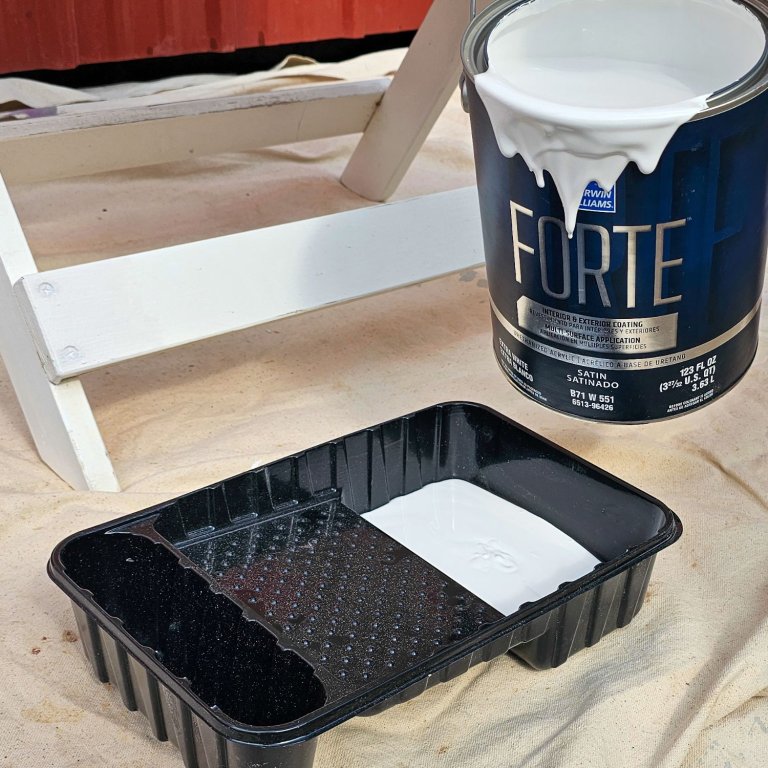
What We Like
- Smooth, self-leveling finish
- Hard surface after curing
- Works indoors or outdoors
What We Don’t Like
- Priced higher than many DIY paints
Product Specs
- Type: Interior/exterior urethanized acrylic coating
- Sheens: Satin, semi-gloss, gloss
- Application: Brush, roller, or spray
- Coverage: 350 to 400 square feet per gallon
- Recoat time: 2 hours under stated conditions
Should you prime before painting over stains?
I started by sanding the entire table, including the underside and the tight gaps between the tabletop slats. That step matters. Sanding smooths rough areas and removes surface sheen, which helps the new coating bond. I used a sanding sponge for the open surfaces and folded sandpaper between the slats where the sponge wouldn’t fit. After sanding, I wiped the table with a tack cloth to remove dust. Skipping that step can leave grit trapped under the paint and ruin the finish before the first coat even dries.
Should you prime before painting over stains?
Because there was a chance the rust stains could bleed back through, I brushed Sherwin-Williams Extreme Stain Blocking Primer over the stained screw areas and let it dry for 24 hours. Forte is self-priming on some properly prepared substrates, but I prefer not to take any chances with rust. If you see rust, tannins, water marks, or other discoloration, use a stain-blocking primer first. It’s a small step that can save the whole project.
For the paint, I used a 2-inch brush, a velour mini roller, and a foam wedge to reach between the slats. I applied two thin coats of Sherwin-Williams Forte, waiting 24 hours between coats because I had the time and prefer a longer dry window when I’m testing finish quality. Sherwin-Williams lists a shorter recoat time (2 hours), but I’d rather give the coating more time to settle and harden.
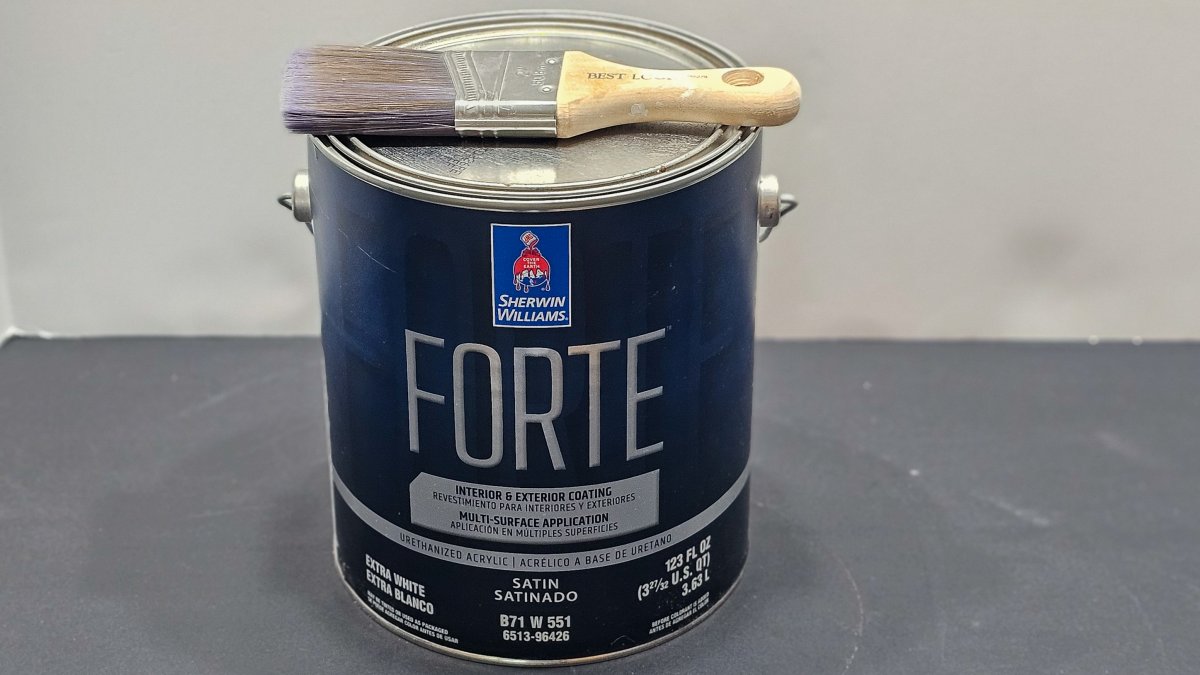
Photo: Glenda Taylor for BobVila.com 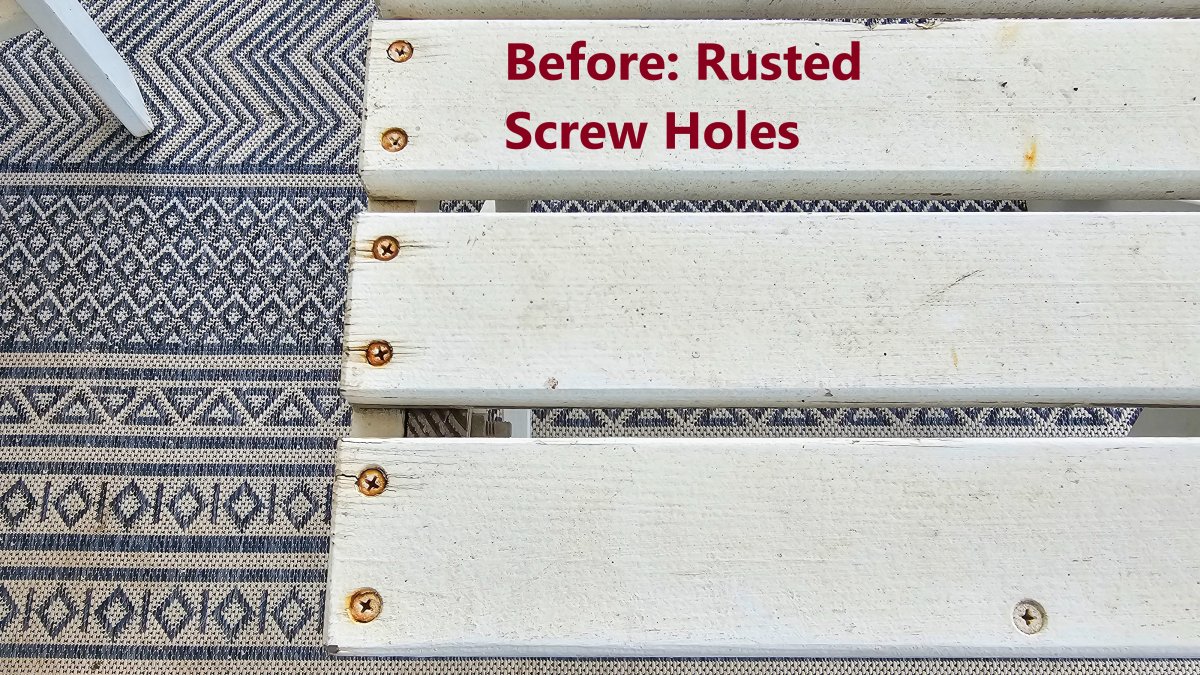
Photo: Glenda Taylor for BobVila.com 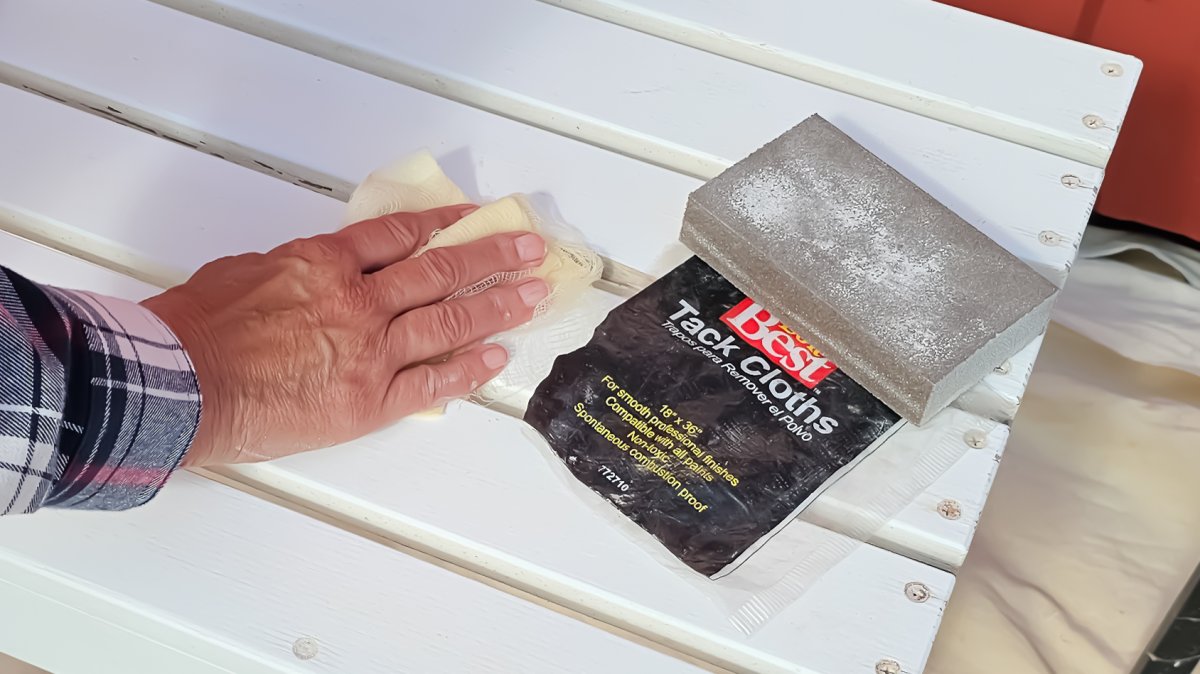
Photo: Glenda Taylor for BobVila.com 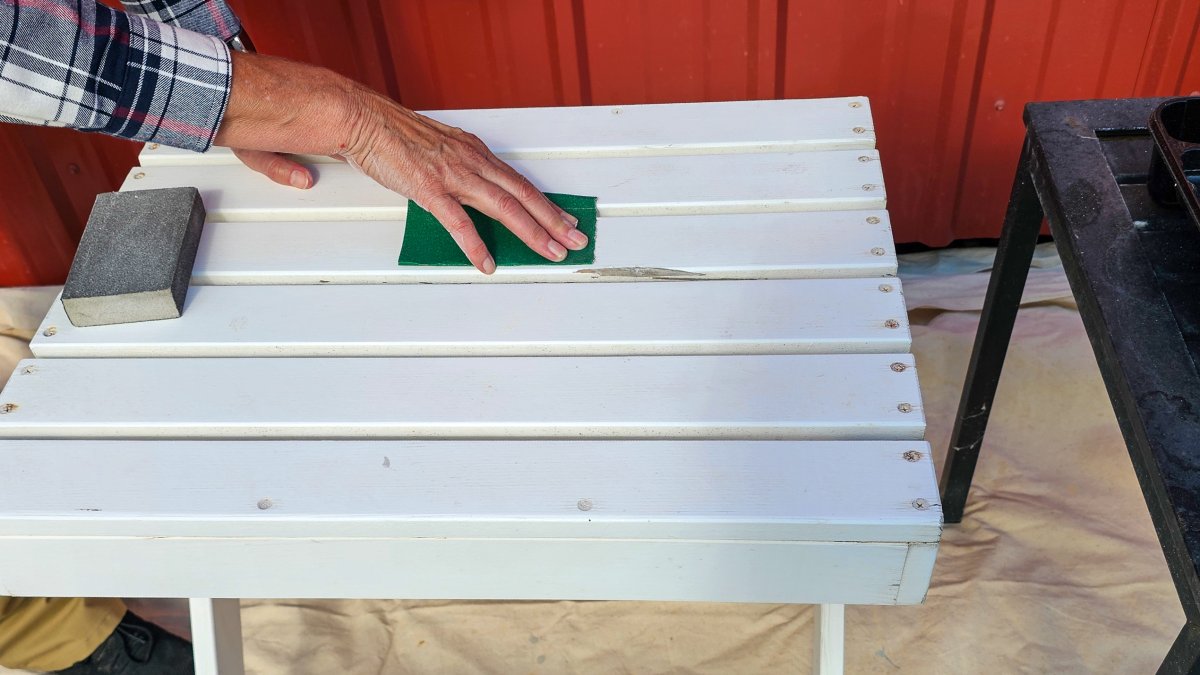
Photo: Glenda Taylor for BobVila.com 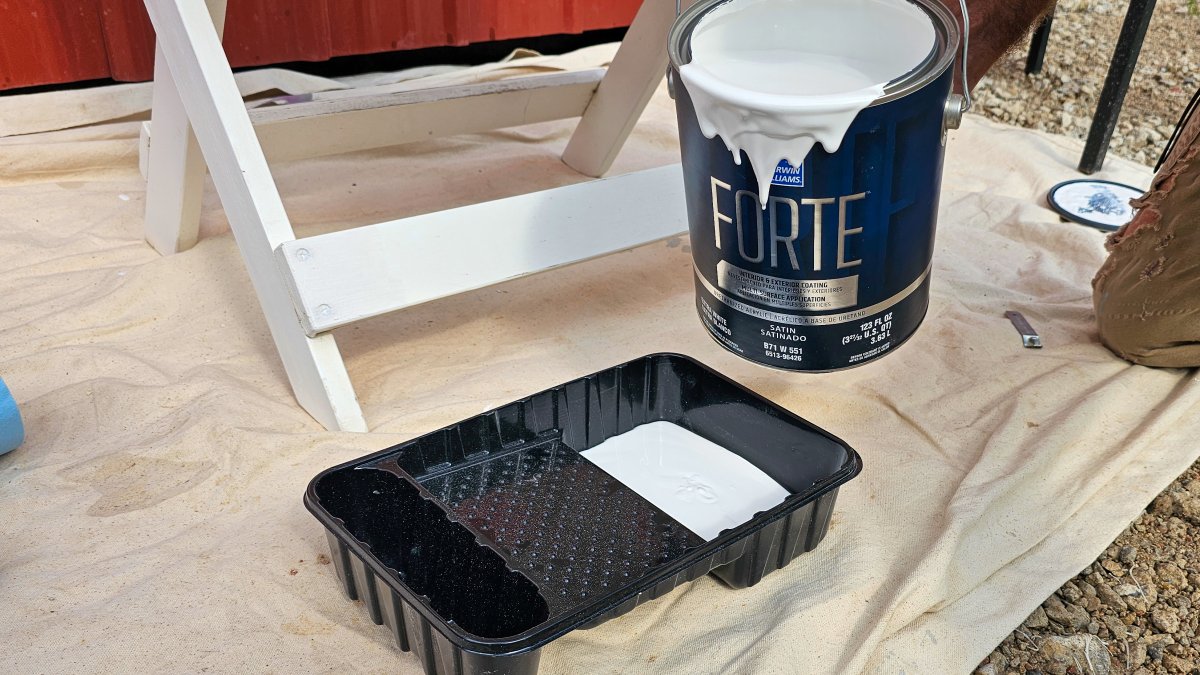
Photo: Glenda Taylor for BobVila.com 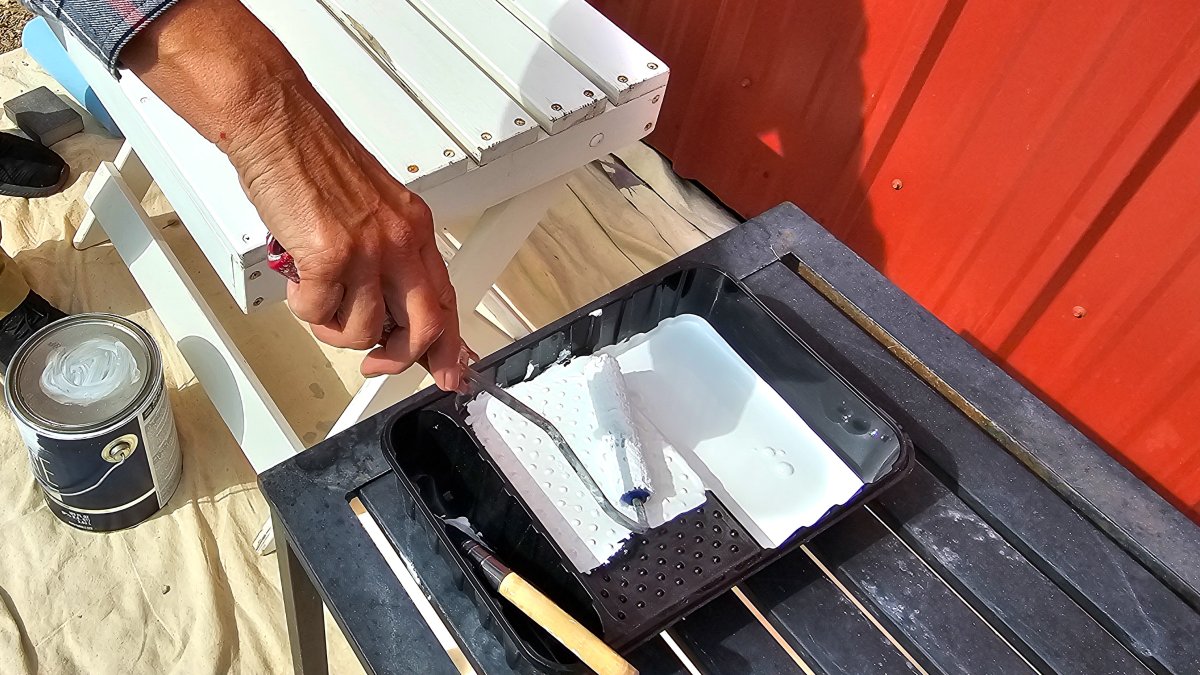
Photo: Glenda Taylor for BobVila.com 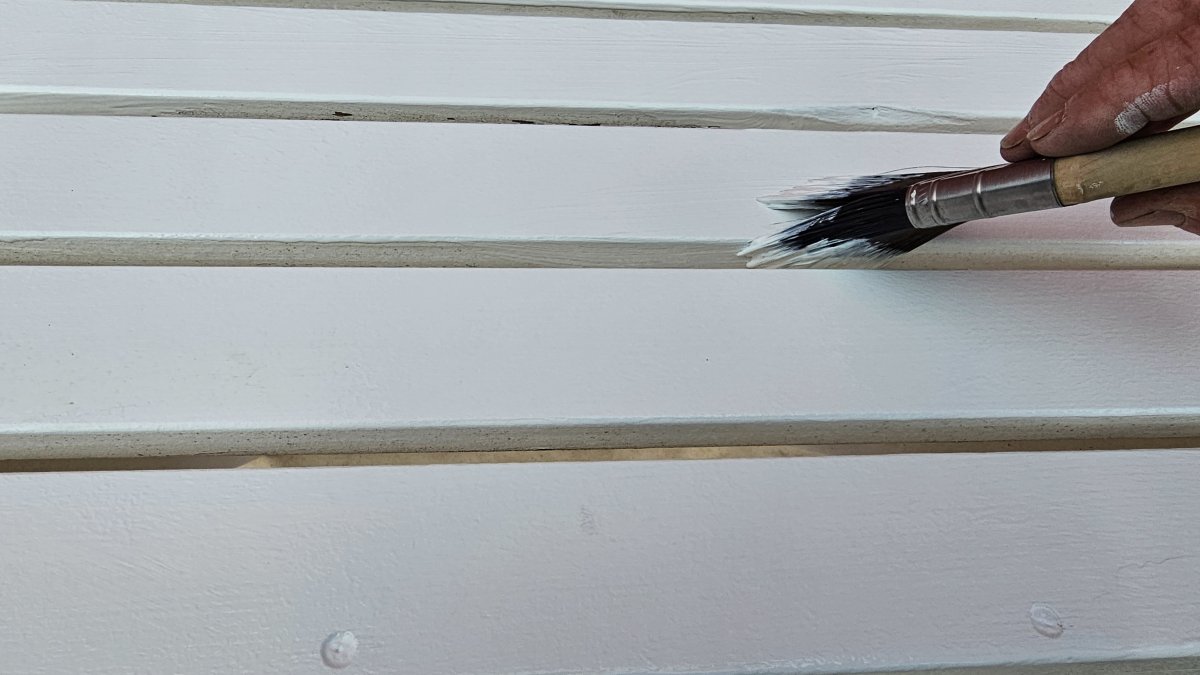
Photo: Glenda Taylor for BobVila.com 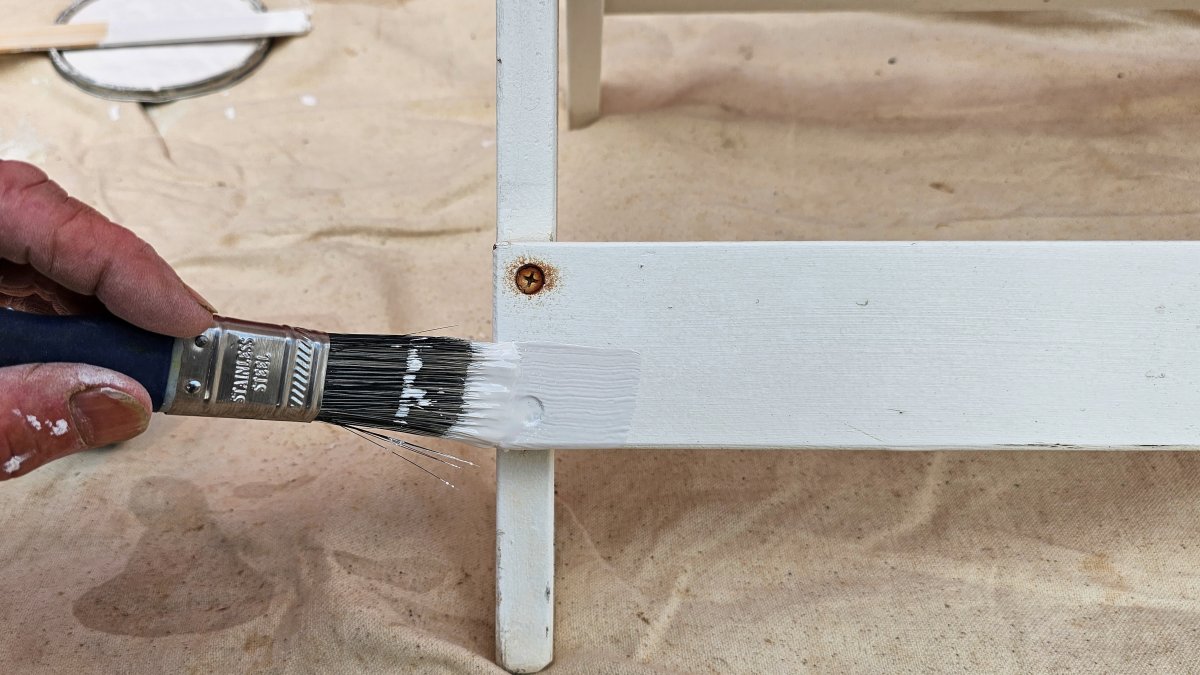
Photo: Glenda Taylor for BobVila.com 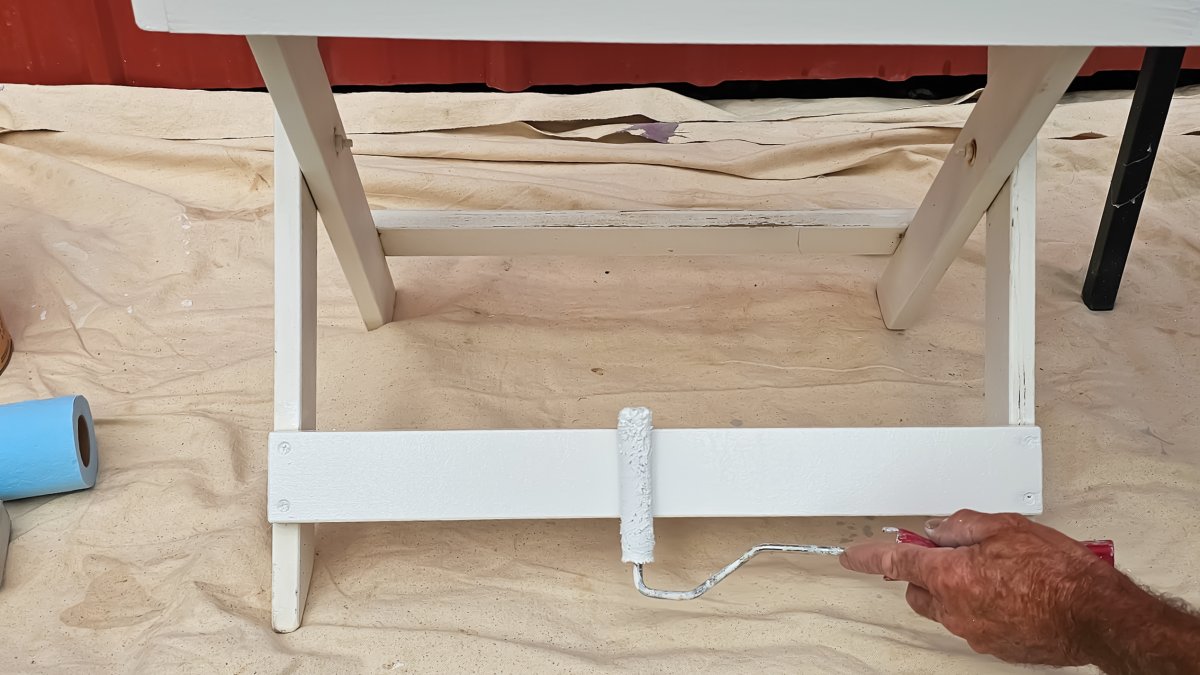
Photo: Glenda Taylor for BobVila.com 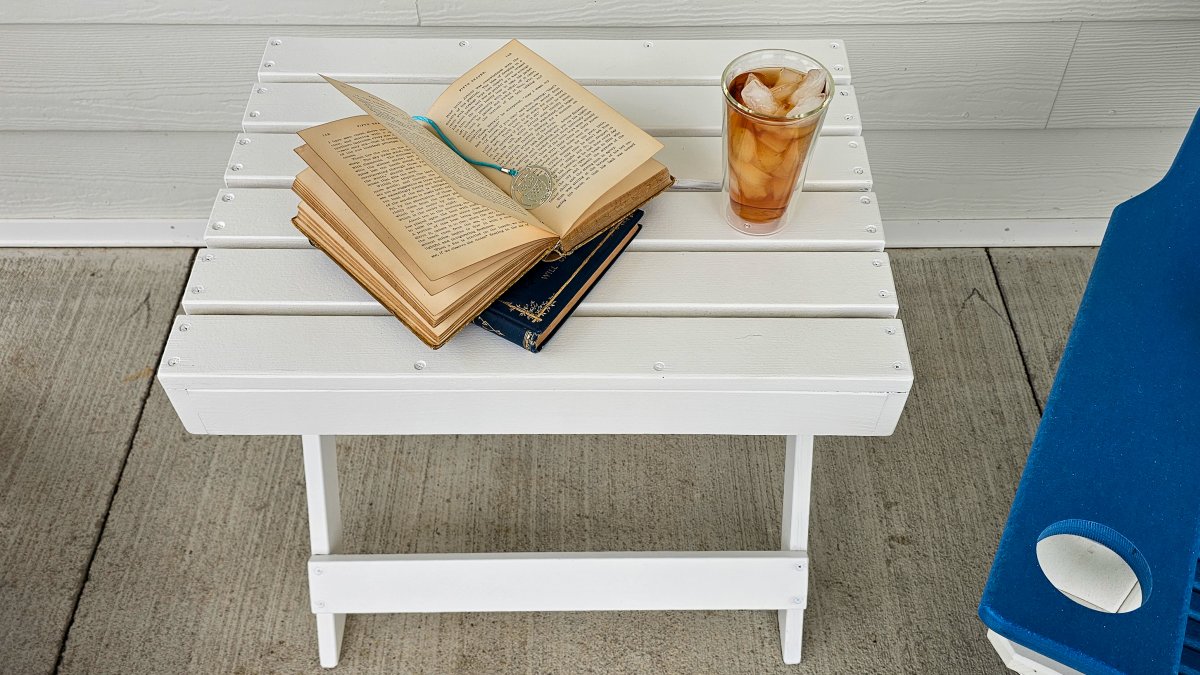
Photo: Glenda Taylor for BobVila.com
How smooth is the finish?
Forte went on smoothly and leveled out faster than I expected. The brush worked well in tight spots, but the velour roller gave the tabletop the cleanest finish. The trick is keeping the coats light. Heavy coats are where drips, sags, and soft spots develop. After the second coat dried another 24 hours, the finish was even, clean, and virtually mark-free. I pressed my fingernail into the surface and it didn’t leave an indentation, which told me the coating had formed a hard, durable film.
Is Sherwin-Williams Forte worth $139?
This is not the cheapest paint I’ve used, but the finish quality was excellent, and I’d use it again. In fact, I’m planning to repaint the matching chair and porch swing the same way. If I were doing a full restoration, I’d disassemble the pieces, sand and paint all sides, then reassemble them with stainless steel screws to prevent future rust stains. For a quicker refresh, though, Forte gave this table a crisp, durable finish that more than justifies the per-gallon price.
Where to Buy
Sherwin-Williams Forte
Buy at Sherwin-Williams