We may earn revenue from the products available on this page and participate in affiliate programs. Learn More ›
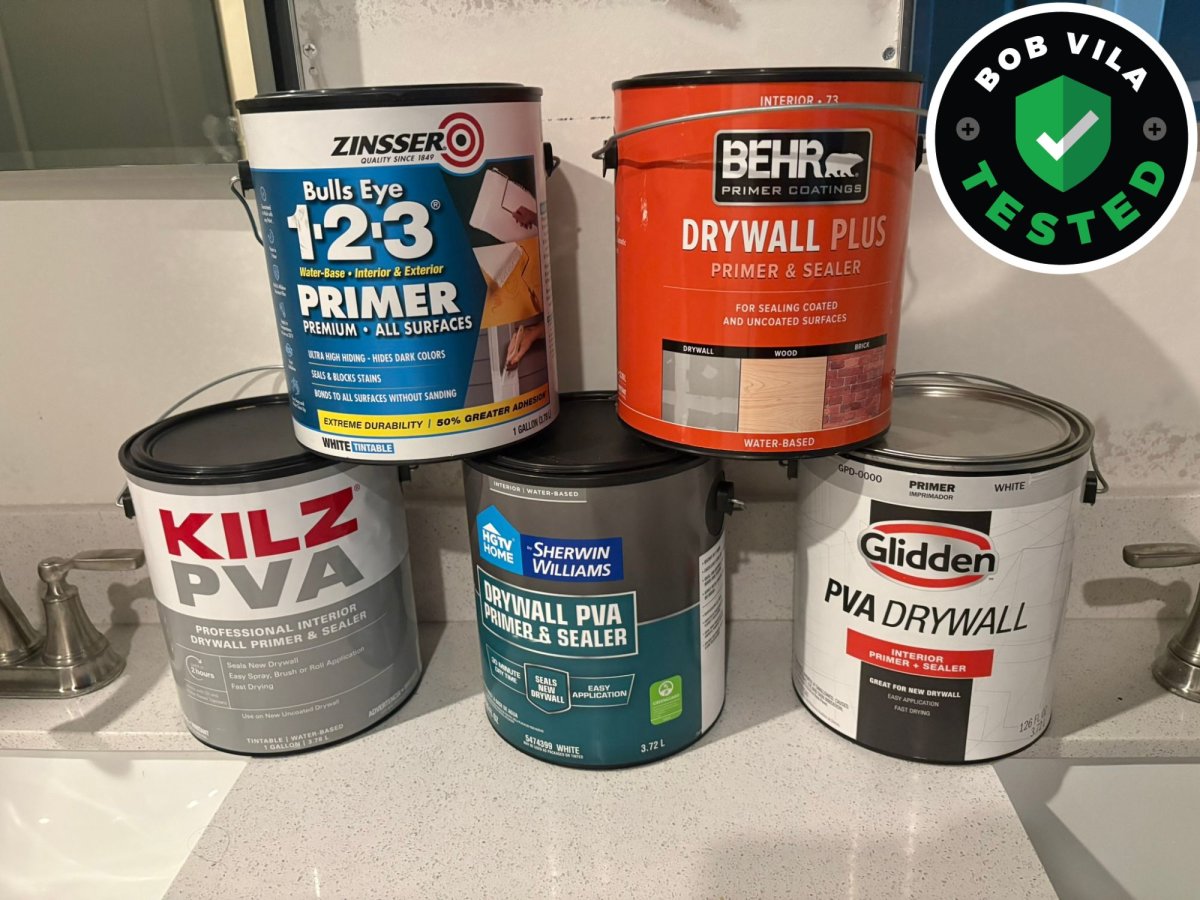
Fresh drywall is extremely porous and can soak up expensive paint like a sponge. It can also make it difficult to drag a paintbrush or roller smoothly across the surface for a professional-looking finish. Drywall primer helps seal those pores and create a more uniform surface, allowing paint to spread evenly and adhere better. To find the best options, we tested five drywall primers on newly sanded drywall, evaluating their consistency, ease of application, and first-coat coverage.
Just as it’s important to prime fresh drywall, it’s also crucial to choose a high-quality product that effectively seals and fills small pores while still being easy to apply. Some primers go on thin and smooth but require additional coats, while thicker formulas provide stronger coverage right away. In our testing, Zinsser Bulls Eye 1-2-3 stood out as the most balanced option, giving you smooth application with solid first-coat coverage. Keep reading to see how it compares to the other primers we tested.
Key Takeaways
- Seal and smooth your drywall. Drywall primers seal pores and create a uniform surface for better paint adhesion.
- Zinsser Bulls Eye 1-2-3 leads the pack. Offers balanced consistency and strong first-coat coverage.
- Budget-friendly option available. Glidden PVA Primer provides cost-effective coverage for large projects.
- Consider primer type and application needs. Choose based on drying time, VOC levels, and surface compatibility.
Bottom line: Choosing the right drywall primer ensures smooth, even paint application and can save time and money on your project.
- BEST OVERALL: Zinsser Bulls Eye 1-2-3 Primer and Sealer
↓ Jump to Review - BEST BANG FOR THE BUCK: Glidden PVA Drywall Primer and Sealer
↓ Jump to Review - UPGRADE PICK: Behr Drywall Plus Primer and Sealer
↓ Jump to Review - BEST WATER-BASED: HGTV Home by Sherwin-Williams PVA Primer
↓ Jump to Review - BEST PVA PRIMER: Kilz PVA Drywall Primer and Sealer
↓ Jump to Review
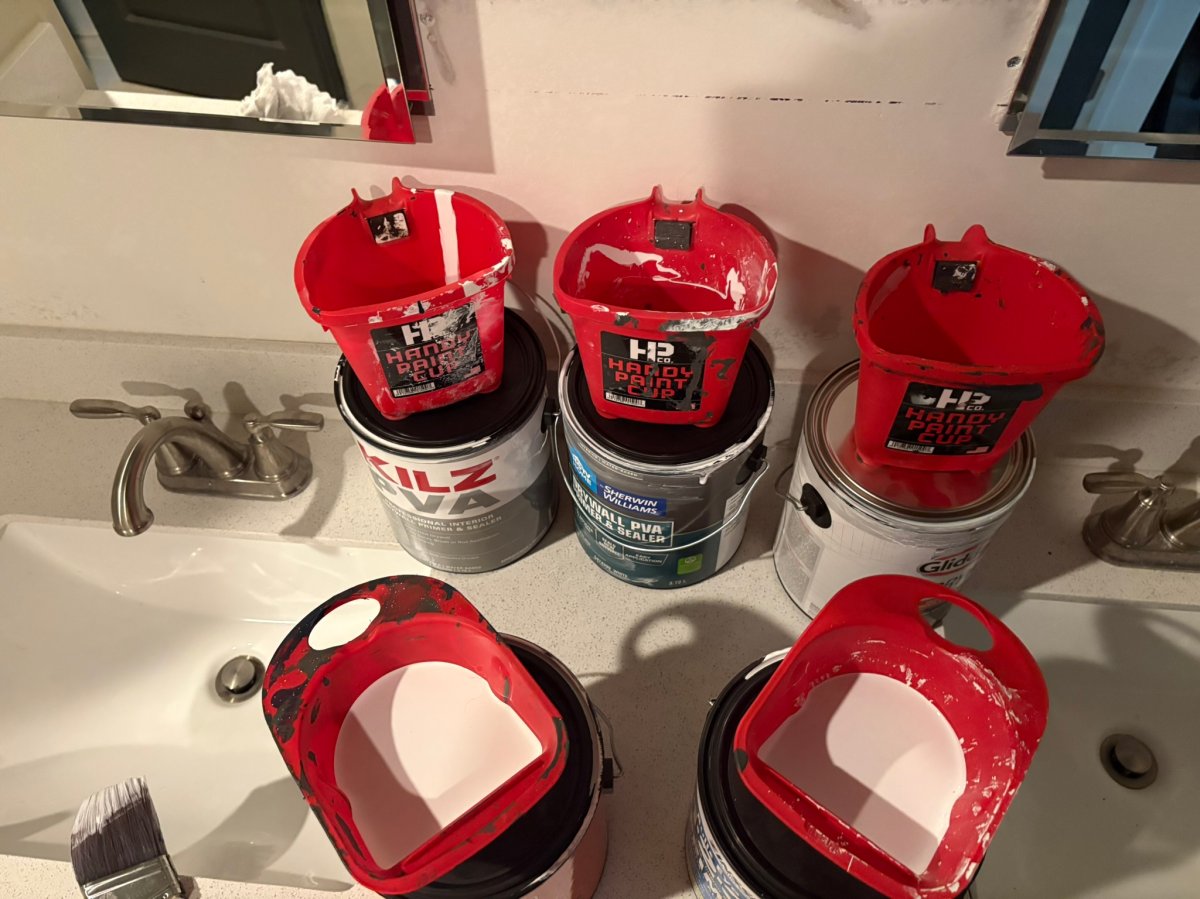
Our Top Picks
Even with all that background on the drywall paint primer, shopping might seem a bit overwhelming. The following list of products should help, since there’s a choice for nearly every situation. Just be sure to keep the top considerations in mind when comparing these products.
Best Overall
Photo: Paul Rankin for BobVila.com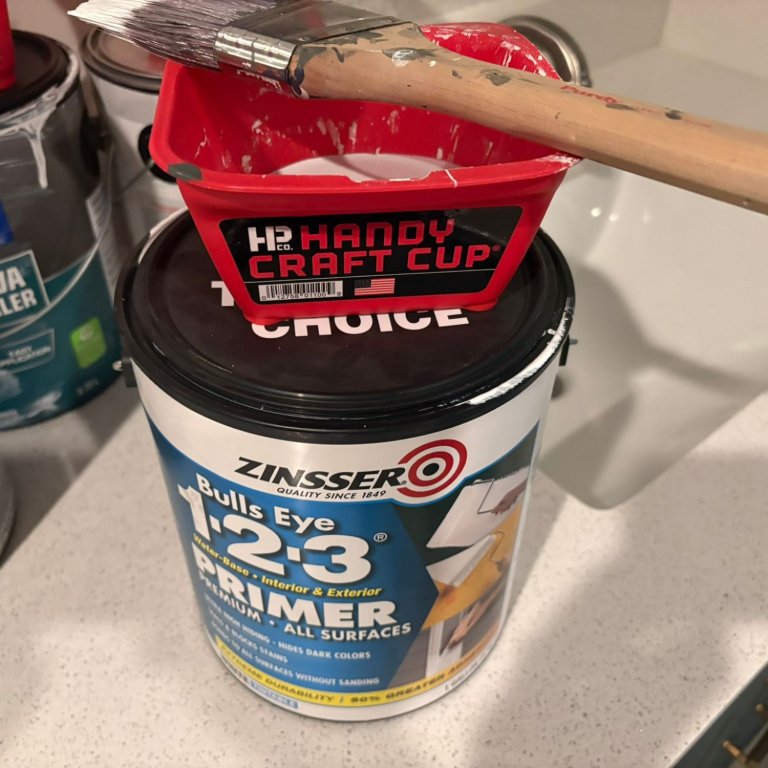
What We Like
- Smooth, easy application
- Balanced consistency for good control
- Solid first-coat drywall coverage
- Versatile primer for many surfaces
What We Don’t Like
- Slightly thinner than some drywall primers
- May require multiple coats for full coverage
Product Specs
- Type: Water-based
- Dry time: 35 minutes
- Low-VOC: Yes
Our Ratings
| Application | 5/5 | Coverage | 4.5/5 | Adhesion | 5/5 | Value | 5/5 |
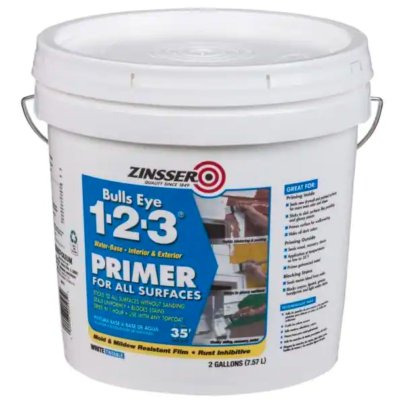
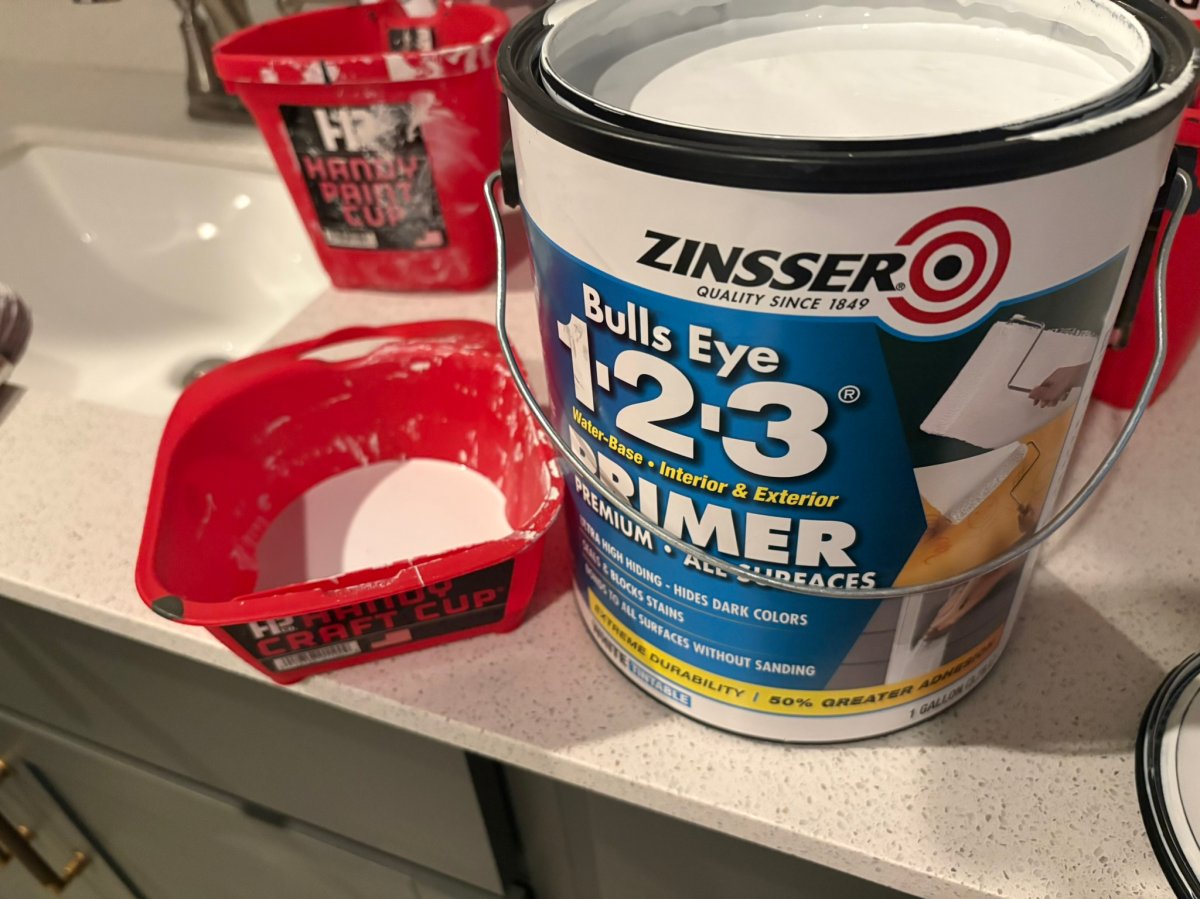
Some DIYers prefer one primer that can do it all—from drywall to concrete and wood—and Zinsser Bulls Eye 1-2-3 is designed to cover all the bases. This water-based primer is available in several sizes, such as a 2-gallon bucket, which can cover up to 800 square feet. It prepares surfaces for final coats of latex or oil-based paint as well as wall coverings.
During testing on fresh drywall, this primer had a balanced consistency that was slightly thinner than some competitors but still thick enough to provide solid first-coat coverage. It brushed on smoothly and was noticeably easier to move across the surface than thicker formulas, making it simple to apply an even coat without excessive drag on the brush.
Beyond drywall, Bulls Eye 1-2-3 can also help protect against mold and mildew while sealing stains, graffiti, wood tannins, and other discolorations. It has a 35-minute dry time and can be applied in temperatures as low as 35 degrees Fahrenheit. While it may be slightly thick for some paint sprayers, its water-based formula can be thinned if needed.
Get the Zinsser Bulls Eye drywall primer (various sizes) at The Home Depot or Lowe’s.
Best Bang for the Buck
Glidden PVA Drywall Primer and Sealer
Buy at The Home DepotWhat We Like
- Very smooth and easy application
- Budget-friendly price for large projects
- Low-VOC, water-based formula
- Good choice for renovation drywall
What We Don’t Like
- Very thin consistency
- Requires multiple coats for good coverage
Product Specs
- Type: PVA
- Dry time: 2 hours
- Low-VOC: Yes
Our Ratings
| Application | 5/5 | Coverage | 5/5 | Adhesion | 5/5 | Value | 5/5 |
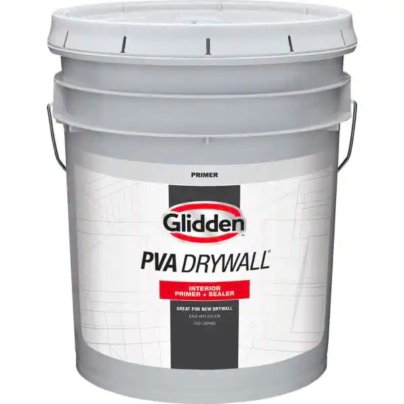
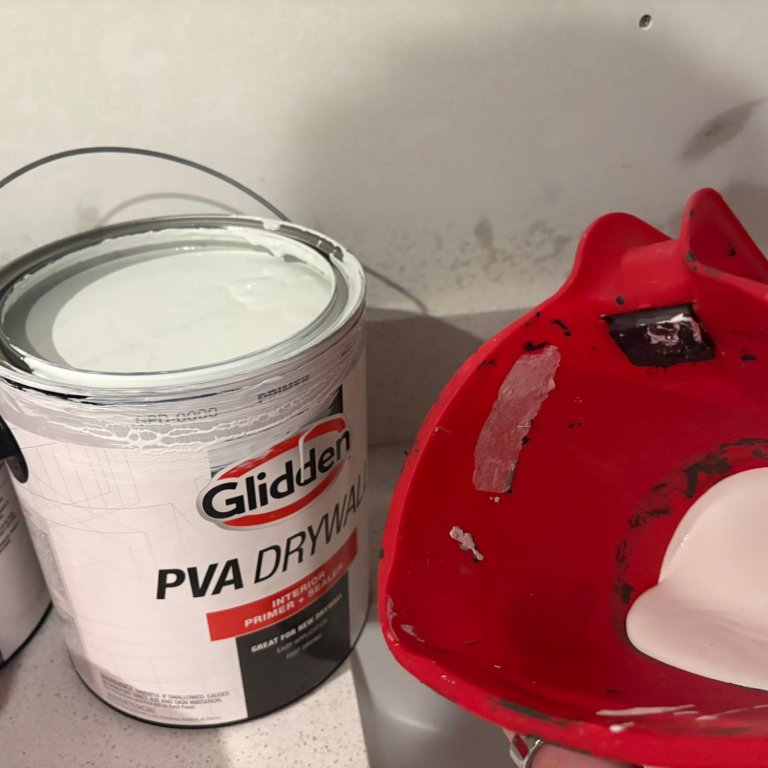
For DIYers on a budget, Glidden’s PVA Drywall Interior Primer is a practical option. A 5-gallon bucket provides enough coverage for up to 45 sheets of drywall, making it a cost-effective choice for large projects. This water-based primer features a low-VOC formula, which may appeal to those looking to minimize odors and fumes while working indoors.
During testing on fresh drywall, this primer had the thinnest consistency of the products we tried. It brushed on very smoothly and spread easily across the surface, making it simple to apply an even coat. However, that thinner consistency also meant the drywall showed through more after the first coat compared with thicker formulas, so additional coats would likely be needed to get full coverage.
This primer-sealer combo is designed to seal the pores of new drywall while also covering existing paint, making it useful in renovation projects where new drywall meets older walls. It can also help seal out moisture from affecting the drywall surface. Although the manufacturer describes it as a quick-dry formula, expect to wait at least 2 hours before applying a top coat.
Get the Glidden drywall primer at The Home Depot.
Upgrade Pick
Behr Drywall Plus Primer and Sealer
Buy at The Home DepotWhat We Like
- Thick formula with strong first-coat coverage
- Smooth, consistent finish on drywall
- Seals porous surfaces effectively
- Versatile for multiple surface types
What We Don’t Like
- Thicker consistency harder to brush
- More expensive than basic drywall primers
Product Specs
- Type: Water-based
- Dry time: 30 minutes
- Low-VOC: Yes
Our Ratings
| Application | 5/5 | Coverage | 5/5 | Adhesion | 5/5 | Value | 5/5 |
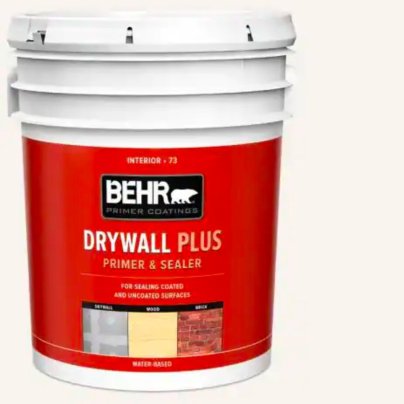
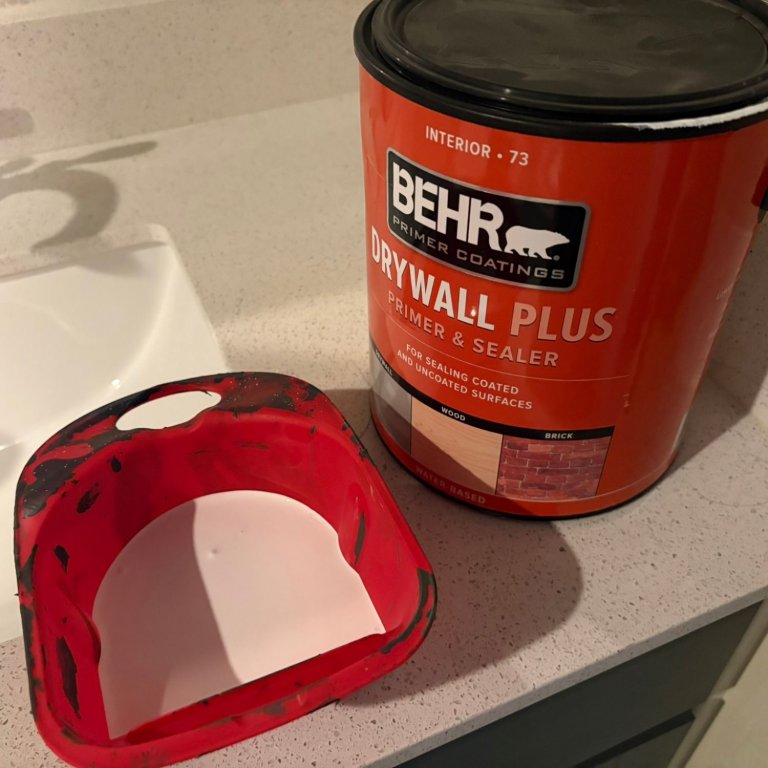
For a premium drywall priming and sealing solution, Behr’s Drywall Plus Primer and Sealer is designed to handle more than just drywall. This water-based primer has a low-VOC formula that can be used on drywall, brick, wood, metal, and even glossy surfaces. It helps block stains and seal porous materials, allowing paint to spread further and produce a more consistent finish.
In testing on fresh drywall, this primer stood out for its thick, bright-white consistency. It provided strong first-coat coverage and helped hide the drywall surface better than thinner formulas. The trade-off for that thickness is that it takes a little more effort to apply with a brush than lighter primers, but the heavier build can reduce the need for multiple coats.
Behr’s 5-gallon bucket of Drywall Plus Primer and Sealer can cover between 1,250 and 2,000 square feet, making it suitable for large projects such as renovations or new construction. Its 30-minute dry time also helps keep work moving along. The only real drawback is the higher price compared with more basic drywall primers.
Get the Behr Drywall Plus drywall primer at The Home Depot.
Best Water-Based
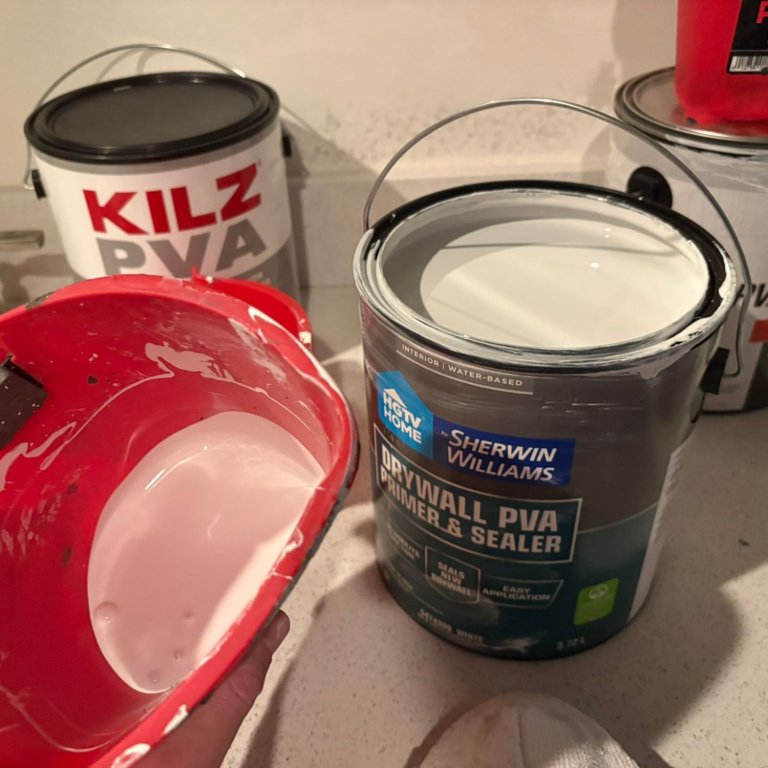
HGTV Home by Sherwin-Williams PVA Primer
Buy at Lowe'sWhat We Like
- Thick formula prevents drips
- Smooth, even application with a brush
- Easy-to-see coverage while painting
- Good flow and leveling
What We Don’t Like
- Very thick consistency
- Needs a lot of mixing before use
Product Specs
- Type: Water-based
- Dry time: 30 minutes
- Low-VOC: Yes
Our Ratings
| Application | 4.5/5 | Coverage | 4.5/5 | Adhesion | 4.5/5 | Value | 5/5 |
This primer-sealer combo is formulated specifically for new drywall and other porous surfaces. Designed to seal the surface and create a reliable basecoat, it works with both latex and alkyd topcoats. The primer can be applied with a sprayer, roller, or brush and is known for its strong flow and leveling, helping create a smooth foundation before painting. It also offers “enamel holdout,” meaning it prevents topcoats from soaking unevenly into porous drywall. Under typical conditions, it can be recoated in about 1 hour.
During testing on fresh drywall, this primer stood out for having one of the thickest consistencies in the lineup. While that might sound like a drawback, it actually made the product easier to control with a brush. The thicker texture helped prevent drips and made it simple to see exactly where primer had already been applied, allowing for a smooth, even coat across the drywall surface.
That thickness also helped produce a more uniform first coat compared with thinner primers. However, the heavier consistency may make it less ideal for some sprayers unless thinned slightly. For DIYers looking for a water-based drywall primer that offers strong coverage and excellent control during application, this Sherwin-Williams option is a solid choice.
Get the HGTV Home by Sherwin-Williams drywall primer at Lowe’s.
Best PVA Primer
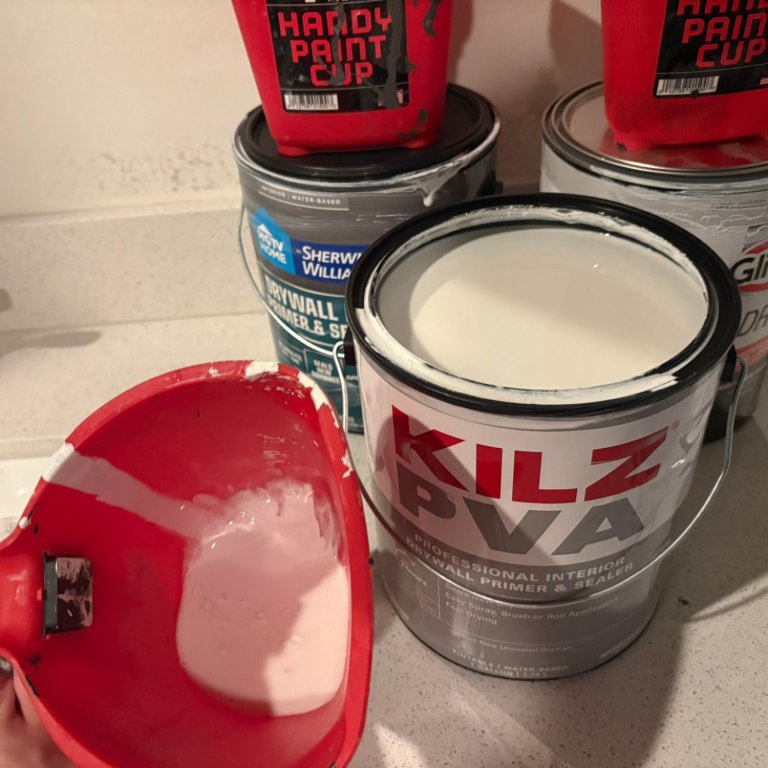
Kilz Drywall Primer and Sealer
Buy at The Home DepotWhat We Like
- Easy to brush and roll
- Designed specifically for new drywall
- Affordable coverage for large projects
- Low-VOC water-based formula
What We Don’t Like
- Very thin, slightly watery consistency
- Can drip during application
Product Specs
- Type: PVA, water-based
- Dry time: 24 hours total
- Low-VOC: Yes
Our Ratings
| Application | 5/5 | Coverage | 5/5 | Adhesion | 5/5 | Value | 5/5 |
When it comes to quickly sealing the pores of fresh drywall and blending joint compound with raw drywall paper, PVA primers are a simple and effective option. Kilz’s PVA Drywall Primer and Sealer is designed specifically for this task. This low-VOC, water-based drywall primer is intended for new drywall surfaces and provides substantial coverage—up to about 2,000 square feet per 5-gallon bucket.
Before testing, this primer required thorough mixing, as the contents had visibly separated in the container. Once mixed, the consistency was quite thin, similar to or slightly thinner than other PVA primers in the lineup. That lighter formula made it easy to spread with a brush or roller, allowing the primer to cover drywall surfaces quickly and smoothly.
However, the thin consistency also made the product somewhat drippy during application, requiring a bit more care when brushing it onto vertical surfaces. While Kilz notes that the primer dries quickly, it typically requires about 24 hours of curing time before applying a topcoat. Even so, its ability to seal drywall pores effectively can help paint adhere more evenly and reduce the number of finish coats needed later.
Get the Kilz drywall primer at The Home Depot.
Jump to Our Top Picks
How We Tested the Best Drywall Primers
| Products tested | 5 |
| Time spent testing | 3 days |
| Tests performed | 6 |
| Price range | $16 to $70 |
To evaluate the best drywall sealing primers, we researched products from several major paint brands and selected five widely available options representing different formulas and price points. We focused on factors that matter most when prepping drywall for paint, including consistency, ease of application, coverage, and how evenly each primer prepared the surface for a topcoat.
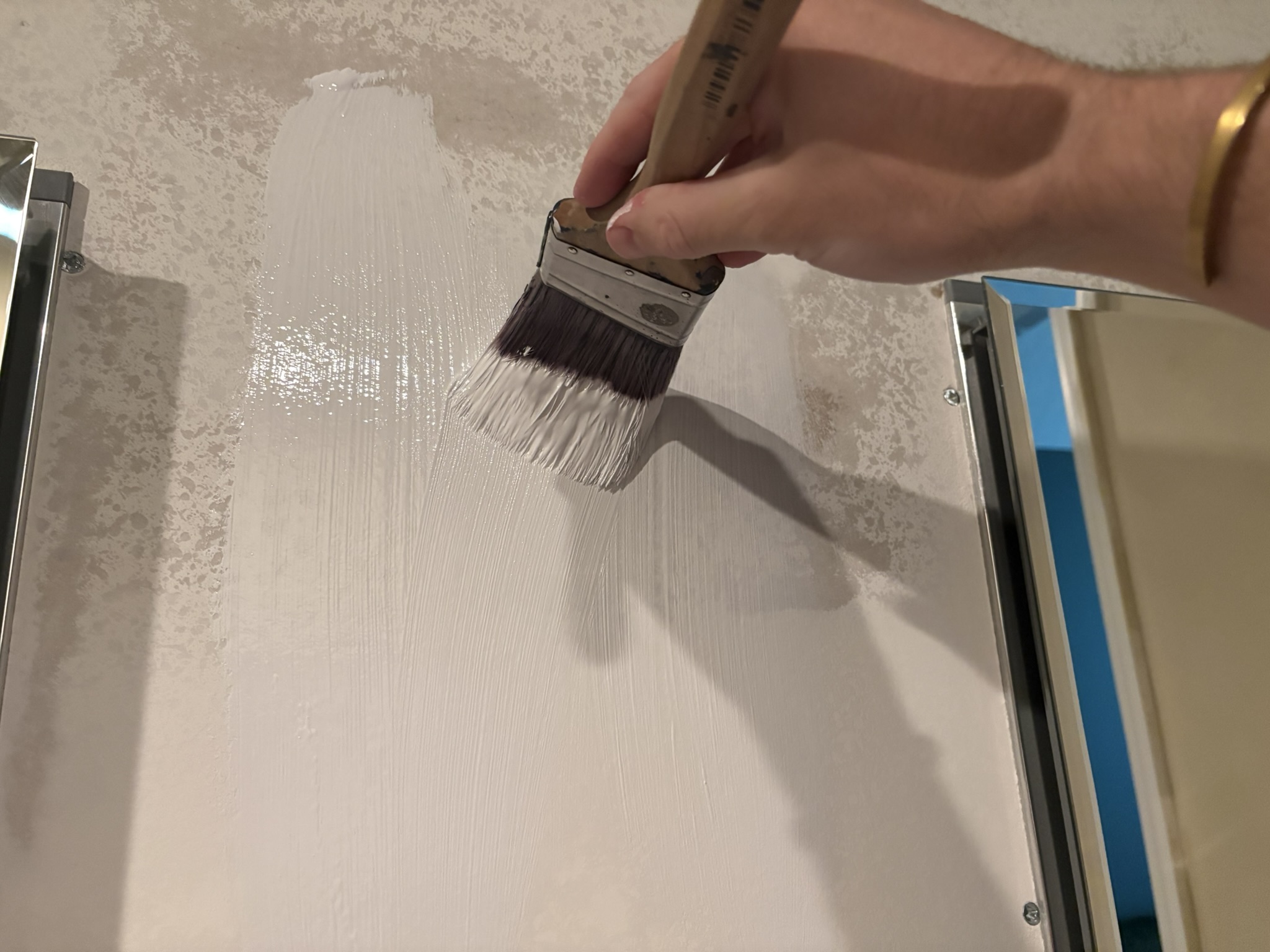
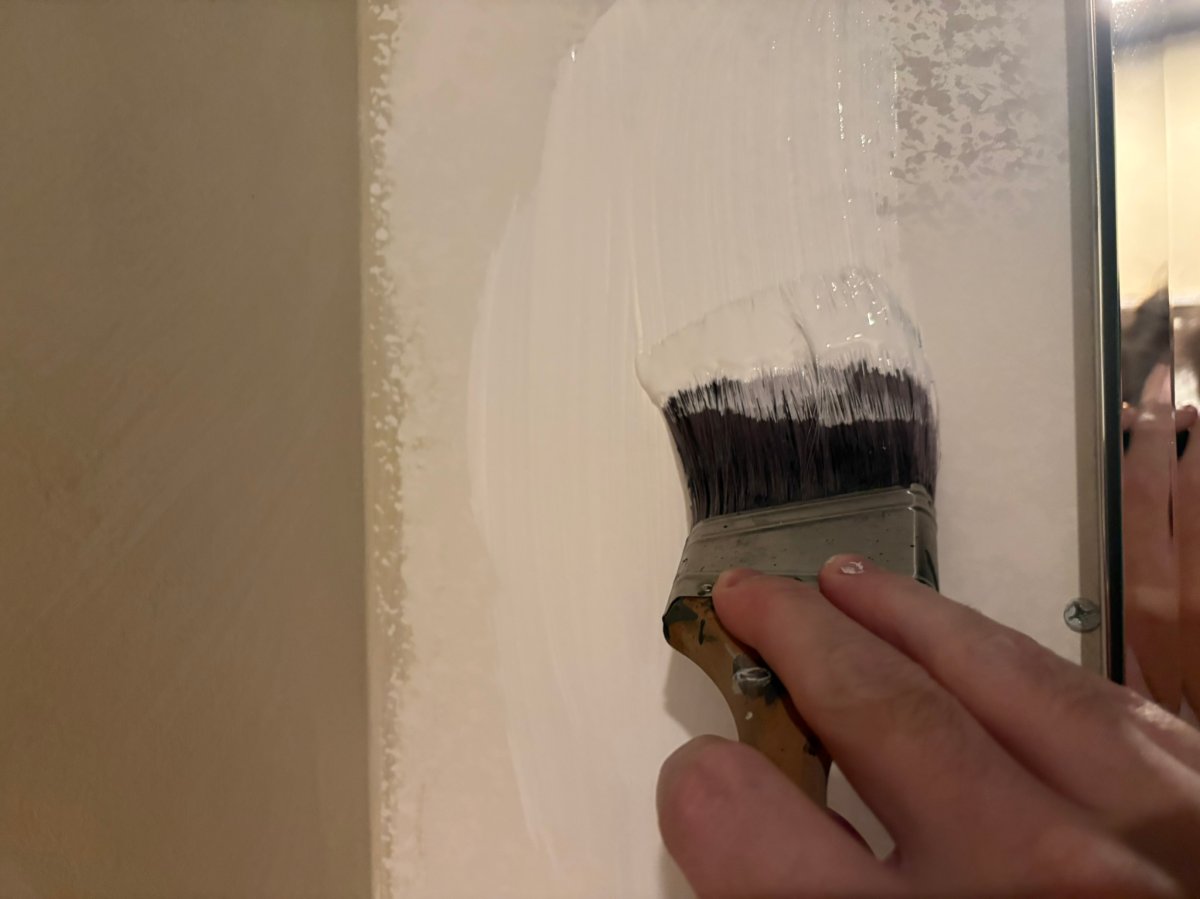
For hands-on testing, we sanded one interior wall in our home down to bare drywall to simulate a real-world renovation scenario. Any larger dents or holes were filled with joint compound and sanded smooth before testing began. Each primer was then applied directly to the wall using both a brush and a roller to evaluate how each product performed with different application methods. We paid close attention to consistency straight from the can, how easy each primer was to stir, how smoothly it spread across the drywall surface, and how well the first coat covered both bare drywall paper and areas with joint compound.
After the primers dried, we compared the finish across the wall sections and applied a coat of paint over the primed areas to see how evenly the surface accepted the topcoat and whether any seams or patches showed through.
What to Consider When Choosing a Drywall Primer
Knowing the different types of primer is a good start, but choosing a high-quality drywall primer requires a bit more background. Below are some of the most important considerations to keep in mind when comparing drywall primers. Some shopping considerations will apply more to certain types of primers than to others.
Type
Primer is primer is primer, right? Not exactly. There are many types of primers, and they’re not all ideal for every job. The following sections include primers that a DIYer could use, with some tips on when they should (or shouldn’t) use certain types.
Oil-Based
Oil-based primers, like Kilz’s Odorless Primer, are excellent for covering stains and sealing wood, but they’re not always ideal for drywall. They will seal the surface, but oil-based primers contain high levels of VOCs (volatile organic compounds), and they don’t accept latex paint well. However, they’re a good choice for priming drywall before wallpaper or paneling.
Water-Based and Latex
The terms “water-based” and “latex” describe the same primers. Most drywall primers are water-based products, and there are a lot of benefits to these primers. First, they’re low-VOC, so breathing around them is safer than oil-based primers. Also, they’re inexpensive and spread easily. They seal fresh drywall well, and they’re a great base for latex paints.
Polyvinyl Acetate (PVA)
Polyvinyl acetate (PVA) primer is a good drywall primer for new installs. This primer seals the pores of drywall surfaces quickly and easily, and it’s also highly sandable, so it is simple to fine-tune the surface with a sanding block or stick after a primer coat. Since PVA primer is water-based, it’s an ideal base coat for latex paints; it also emits low levels of VOCs.
Shellac
For stained drywall, there’s always a shellac-based primer like Zinsser BIN. These primers cover stains well, dry relatively quickly, and leave behind a tacky surface that grabs paint. Shellac primer serves as a solid base for oil and latex paints, but it often contains higher levels of VOC than latex or PVA primers.
Drying Time
Drywall is a very dry, porous surface and can quickly soak up any coating applied, resulting in faster drying times. However, some drywall primers—or just primers in general—dry at different rates, which could be a factor when shopping. Water-based primers dry relatively quickly, while oil-based primers take much longer.
If the project needs to go from drywall to finish coat in a weekend, go with a fast-drying primer. A good rule is to look for a drywall primer that states that it’s top-coat-ready in 1 hour. This time frame will allow the painter time to coat the room with primer and switch almost immediately to painting, maintaining a speedy workflow.
VOCs and Odor
Paints and primers contain volatile organic compounds, or VOCs, and they’re emitted through noxious gases. These gases contain chemicals with varying short- and long-term effects on a person’s health.
Oil-based and shellac primers are typically heavily laden with VOCs, which makes it dangerous to work with them in small rooms with poor ventilation. Should DIYers choose one of these primers, they should open windows and use fans to ventilate the room. They should also wear a respirator mask.
For those who would prefer a potentially less dangerous priming experience, go with latex or water-based primers. These primers contain some VOCs, but at much lower concentrations. Those who are particularly sensitive might still prefer to wear a respirator and open a window.
Moisture and Stain Resistance
In some environments—such as in a bathroom or another damp space—a DIYer might need to protect the drywall by sealing against moisture. When this is the case, shellac and oil-based primers are often the most effective, though some latex primers are suitable for damp applications. Just be sure to check the manufacturer’s label.
Much of the same information applies to hiding stains. Shellac is excellent at hiding existing stains on drywall, and oil-based primers are also suitable for hiding stains. However, certain water-based primers are also up for the task, though basic PVA primers are not. Check the manufacturer’s label to ensure that a specific primer has stain-hiding properties.
Tips for Using Drywall Primers
The following priming tips will help with most drywall projects.
For best results, sweep the newly installed drywall surface with a brush to remove any sanding dust that might lie on the surface. While the primer can blend this dust in, the primer won’t flow as far, and some areas can appear thicker than others.
If the weather is humid, primer will take longer to dry. Promote fast drying by turning on a ceiling fan or positioning a box fan in the room to circulate the air.
It’s not necessary to be overly exact while priming, but it does help to cut in along the ceilings and corners. With about 6 inches of painted surface to overlap, the roller won’t bump into the ceiling or adjacent wall and create high spots.
- Brush the drywall surface with a broom to remove sanding dust before priming.
- Turn on a ceiling fan or box fan to promote faster drying in humid weather.
- Cut in along the ceilings and corners to prevent high spots.
FAQs
If your head is still spinning with all that information about the best drywall primers, don’t fret. The following sections include some common questions about drywall primers. Be sure to check for an answer to your question listed below.
Yes. If you don’t prime first, the drywall will soak up the paint, resulting in an uneven, dull finish. Priming the drywall first will leave an even finish and allow the painter to stretch a gallon of paint further.
Shellac-based primers can dry very quickly, often in just 20 minutes or so. Water-based primers might take 30 to 60 minutes, and oil-based primers can take even longer. Be sure to check the stated drying time and ready time for the top coat in the product instructions.
In most cases, one coat of drywall primer is all that is necessary. However, how many coats are actually necessary depends on the condition of the drywall, especially if there are stains and other discolorations.
Yes—most water-based drywall primers are tintable, but it depends on the specific product.
Yes. Drywall primer is specially designed for drywall. It contains the same chemicals as a typical white glue, and it seals the pores without a heavy coat. Paint primer can also seal the pores, but it’s often thicker and more expensive.
No—standard primers are a better choice for wood. They’ll adhere better and promote a better finish in the long run than a standard PVA primer.
Meet the Tester
Paul Rankin is a Tampa-based DIY product tester covering home, garden, and improvement projects, with a hands-on, detail-oriented approach focused on real-world performance and practical results.
Additional research provided by Tom Scalisi.