We may earn revenue from the products available on this page and participate in affiliate programs. Learn More ›
Growing a thick, lush lawn begins with choosing the right grass seed. However, the seemingly endless variety of available products can make it hard to know which one to choose. Your local climate, specific yard conditions, and maintenance desires must all be considered.
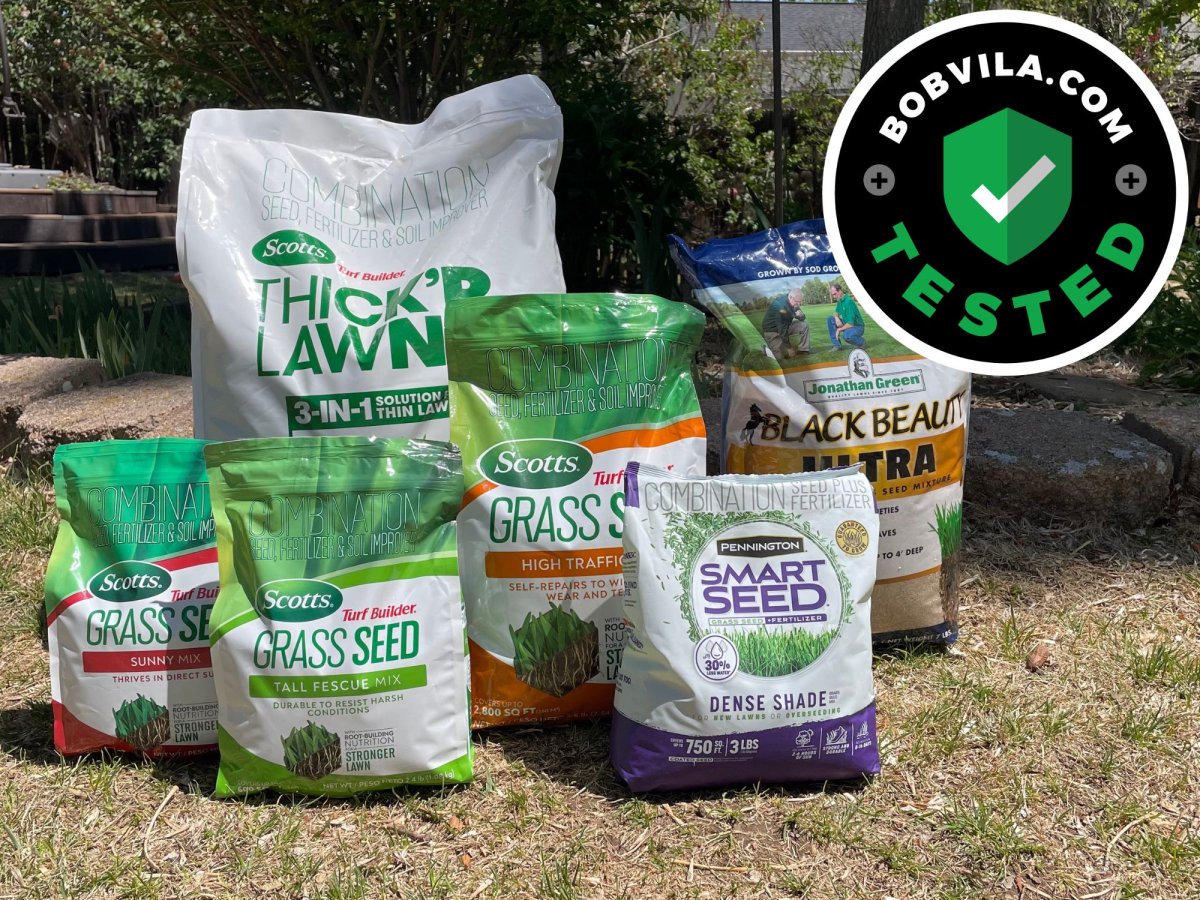
After testing eight popular options for a month in late spring/early summer, our top pick is Scotts Turf Builder Thick’R Lawn Sun/Shade Grass Seed. It contains a mix of drought- and shade-tolerant grasses and includes a fertilizer and soil improver for thick, green lawns. In our tests, it germinated quickly and filled in bare spots despite being marketed for overseeding rather than new lawns. However, each of the following products has aspects that impressed us, so read on to find the best grass seed for your lawn care needs.
- BEST OVERALL:Scotts Turf Builder Thick’R Lawn Sun/Shade Grass Seed
↓ Jump to Review - BEST BANG FOR THE BUCK:Scotts Turf Builder Sunny Mix Grass Seed
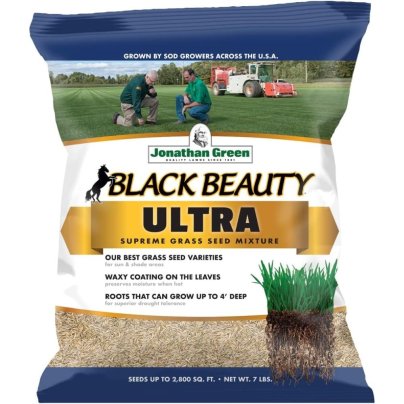
↓ Jump to Review - BEST COOL-SEASON: Jonathan Green Black Beauty Ultra Grass Seed
↓ Jump to Review - BEST FOR DENSE SHADE: Pennington Smart Seed Dense Shade Grass Seed
↓ Jump to Review - BEST FOR HIGH-TRAFFIC:Scotts Turf Builder High-Traffic Mix Grass Seed
↓ Jump to Review - BEST BERMUDA GRASS: Scotts Turf Builder Bermudagrass Grass Seed Bermudagrass
↓ Jump to Review - BEST LOW-MAINTENANCE: Scotts Turf Builder Tall Fescue Mix Grass Seed
↓ Jump to Review - BEST FOR FLORIDA: Everwilde Farms Buffalo Grass Native Grass Seeds
↓ Jump to Review
Grass Seed Comparison Chart
| Product | Ideal season | Reseeding vs. new planting | Single seed vs. mix | Our Rating |
| Scotts Turf Builder Thick’R Lawn Sun/Shade Grass Seed | Cool | Reseeding | Mix | 4.9/5 |
| Scotts Turf Builder Sunny Mix Grass Seed | Cool | Both | Mix | 4.6/5 |
| Jonathan Green Black Beauty Ultra Grass Seed | Cool | Both | Mix | 4.8/5 |
| Pennington Smart Seed Dense Shade Grass Seed | Cool | Both | Mix | 4.9/5 |
| Scotts Turf Builder High-Traffic Mix Grass Seed | Cool | Both | Mix | 4.3/5 |
| Scotts Turf Builder Bermudagrass Grass Seed | Warm | Both | Single seed | 4.9/5 |
| Scotts Turf Builder Tall Fescue Mix Grass Seed | Cool | Both | Single seed | 4.5/5 |
| Everwilde Farms Buffalo Grass Native Grass Seeds | Warm | New planting | Single seed | 3.9/5 |
Our Top Picks
You can find good lawn grass seed for sunny areas, shade, high traffic, hot and cold climates, and more. These top-rated grass seed picks cover many lawn and grass types for various uses.
Best Overall
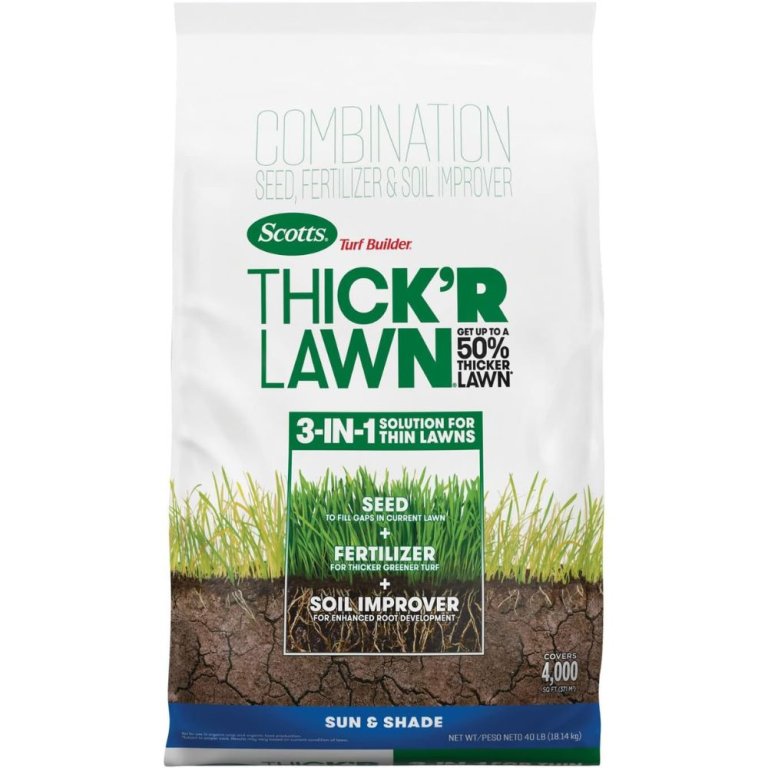
Scotts Turf Builder Thick’R Lawn Sun/Shade Grass Seed
Buy at Amazon Buy at Lowe's Buy at Tractor Supply Co.What We Like
- 3-in-1 seed, fertilizer, and soil improver
- Also repairs bare patches despite being sold for overseeding only
- Effective in both sunny and shady areas
What We Don’t Like
- Scotts recommends 2 applications per year
- More comprehensive formula comes at a higher price
Product Specs
- Ideal season: Cool
- Reseeding vs. new planting: Reseeding
- Single seed vs. mix: Mix
Our Ratings
| Germination rate | 4.5/5 | Growth | 5/5 | Value | 5/5 |
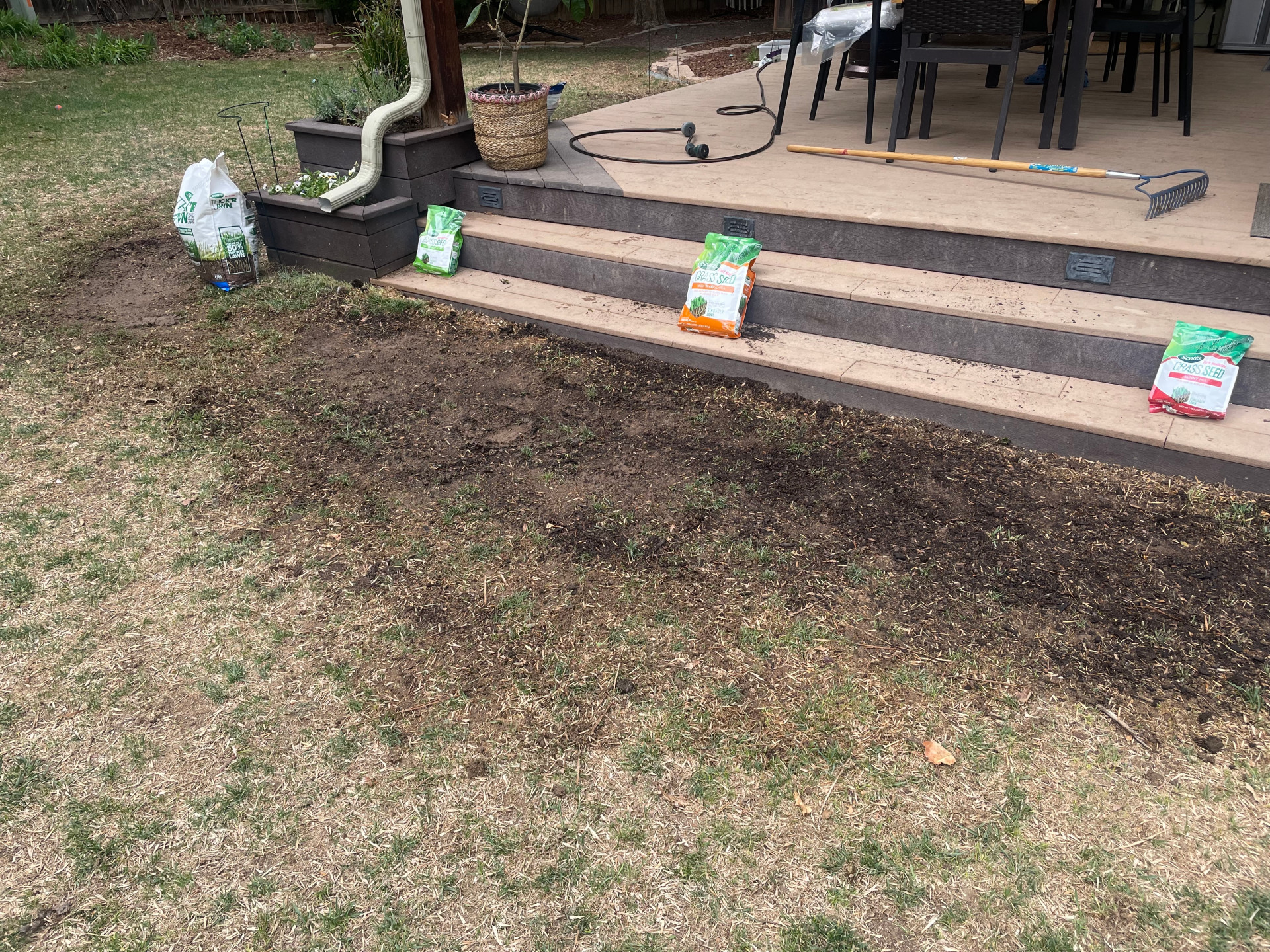
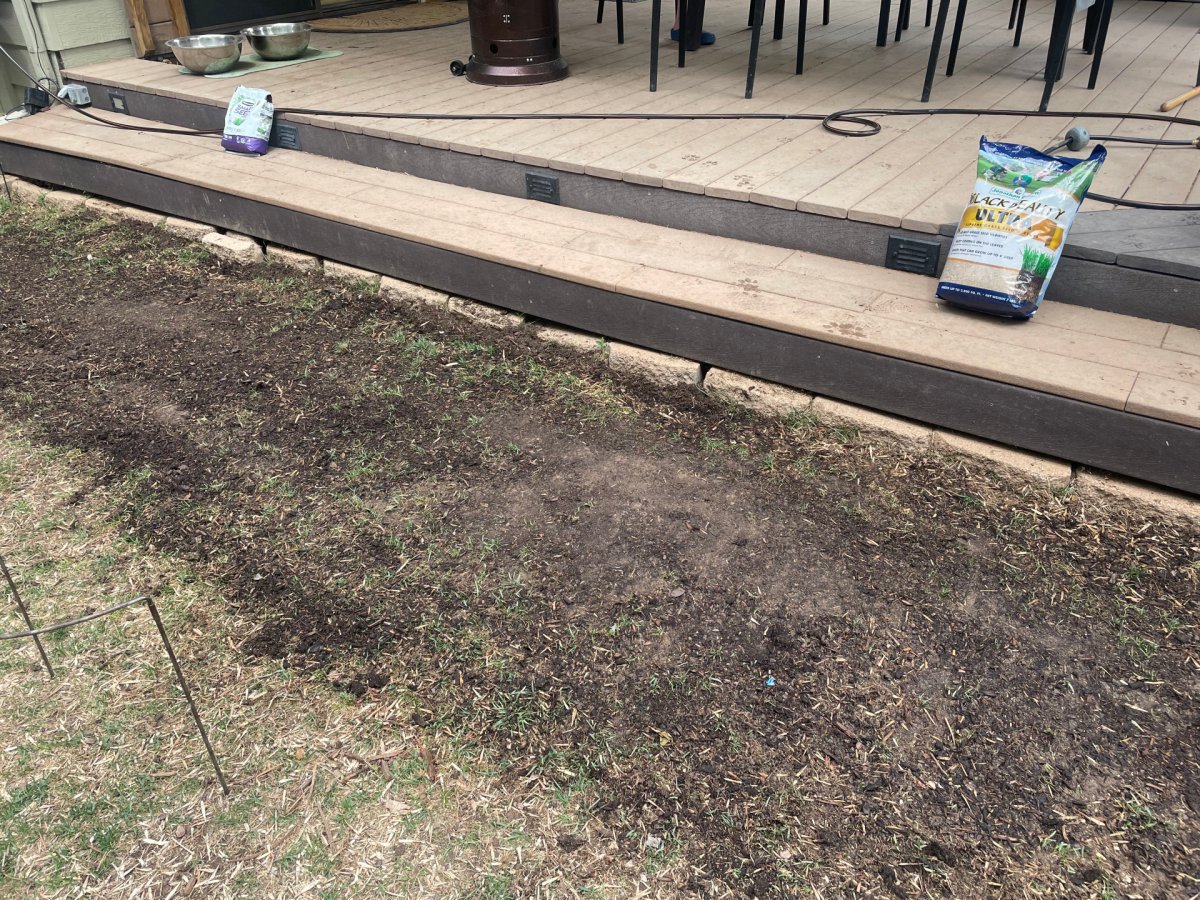
Successfully overseeding a lawn typically means mowing and raking first, spreading the seed second, and fertilizing and watering to finish. But by combining grass seed, fertilizer, and a soil improver that enhances root development into a single product, Scotts Thick’R lawn allows you to omit an entire step. We gave it the biggest challenge in our tests (regrowing grass in a completely bare patch next to our covered deck that’s half in full sun and half in mostly shade), and it wasn’t just one of the easiest grass seeds to use, it also gave us one of the best end results.
Although Scotts Thick’R Lawn sun and shade grass seed wasn’t the first to germinate—which made me wonder if it even would, since it’s meant for overseeding rather than starting new lawns—once the drought- and shade-tolerant grass seed got going (just over 2 weeks in), there was no turning back. At the end of the month, the section that was definitely the worst at the start had turned into easily one of the best. And when used on other areas of our yard where the grass has been pretty patchy for the last couple of years, it led to noticeably thicker, greener grass without excess watering.
What our tester says: “Scotts Thick’R lawn may not have germinated the fastest, but what it lacked in initial impressiveness it made up for in its ease of use and overall end result.”—Michelle Larson, Product Reviews tester and writer
Get the Scotts Turf Builder Thick’R Lawn grass seed (various sizes) at Amazon, Lowe’s, Tractor Supply Co., Ace Hardware, The Home Depot, Walmart, Target, or Scotts.
Best Bang For The Buck
Photo: Amazon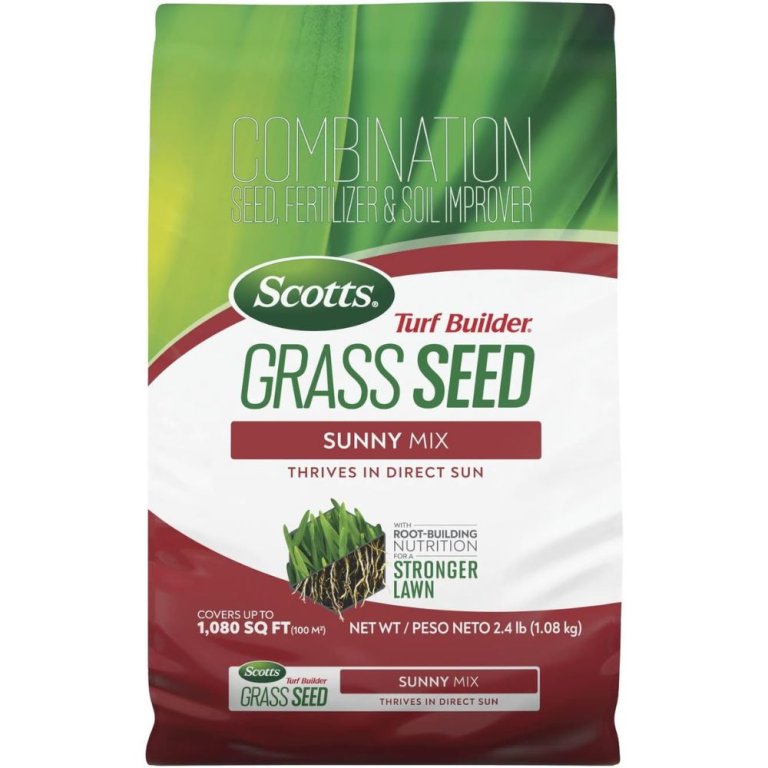
What We Like
- Works for overseeding and planting new lawns
- Beautiful mix of Kentucky bluegrass and perennial ryegrass
- One of the quickest tested products to germinate
What We Don’t Like
- Very bare spots may require a second application
- Requires frequent watering
Product Specs
- Ideal season: Cool
- Reseeding vs. new planting: Both
- Single seed vs. mix: Mix
Our Ratings
| Germination rate | 4.5/5 | Growth | 4.5/5 | Value | 4.8/5 |
Growing grass in the dog days of summer (or an unseasonably warm stretch in the middle of spring) can be a challenge, but it’s one Scotts Sunny Mix is designed to meet. Made with a beautiful blend of Kentucky bluegrass and perennial ryegrass, this cool-season grass seed and lawn fertilizer can be used to overseed patchy spots or start a brand new lawn from scratch—and in our tests, it did both. Although our main testing area for this product measured only about 15 square feet, it contained a mix of bare dirt plus a few sad clusters of barely there grass.
Like Scotts Thick’R lawn, the brand’s Sunny Mix contains seeds alongside fertilizer and soil improver. But even with that built-in nutrition, we found that getting the seeds started in direct sun and high heat required a commitment to consistent watering (about 3 times a day initially and twice a day once we saw real growth). We also had to spread a second layer of seed to fill in what were initially the completely bare patches, though that could have been due to insufficient watering at first. After a month, there’s still a bit of room for improvement, but based on how well the part that grew after the first round of seeds is doing, we know we’ll end up with a thick, strong lawn that stands up to consistent traffic.
Get the Scotts Sunny Mix grass seed at Amazon, Lowe’s, Ace Hardware, The Home Depot, Target, or Scotts.
Best Cool-Season
Photo: Amazon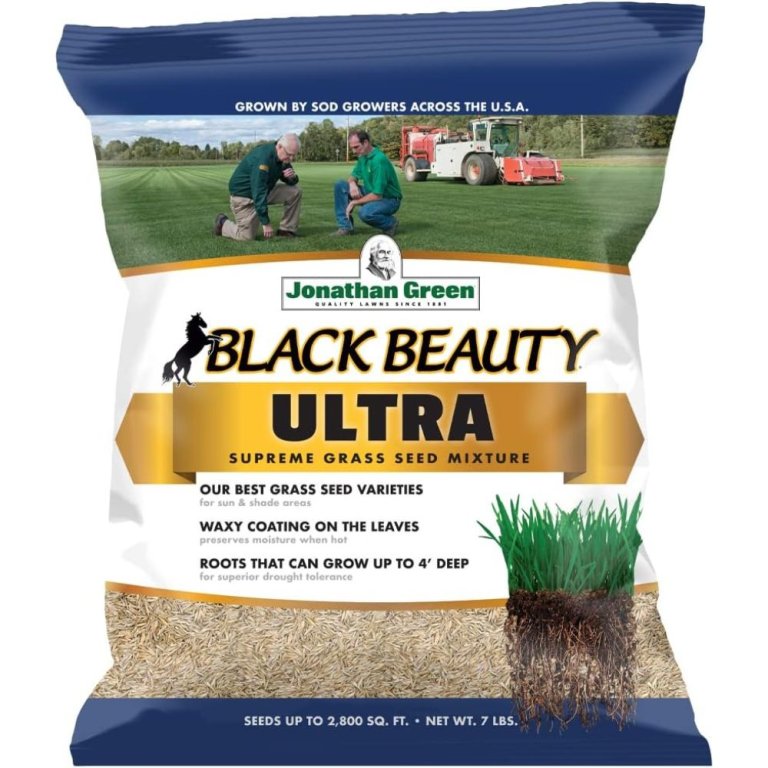
What We Like
- Quick germination and uniform growth
- Develops deep roots for increased drought resistance
- Hearty mix of tall fescue, Kentucky bluegrass, and perennial ryegrass
What We Don’t Like
- Seed only; does not contain fertilizer
- Some reports of lack of germination, though that wasn’t our experience
Product Specs
- Ideal season: Cool
- Reseeding vs. new planting: Both
- Single seed vs. mix: Mix
Our Ratings
| Germination rate | 4.5/5 | Growth | 5/5 | Value | 4.8/5 |
Good cool-season blends like Jonathan Green Black Beauty Ultra are designed specifically for cooler temperatures and northern climates, and this one offers a mix of 80 percent tall fescue, 10 percent Kentucky bluegrass, and 10 percent perennial ryegrass. In our tests, it was the second-fastest to germinate (between about a week and a half to 2 weeks), quickly filling in bare spots and making the existing grass noticeably thicker and greener.
Unlike many of the Scotts’ formulas, Black Beauty Ultra doesn’t contain built-in fertilizer, but the seeds do have a waxy coating that protects against disease and preserves moisture. In fact, the grass grew equally well across our entire test plot, even though one section sees substantially more sun than the other (and we didn’t adjust our watering to account for that). We also noticed some online reviews mentioning poor growth, but that was definitely not our experience in this head-to-head lineup.
Get the Jonathan Green grass seed (various sizes) at Amazon, Ace Hardware, Walmart, Target, or Jonathan Green.
Best For Dense Shade
Photo: Amazon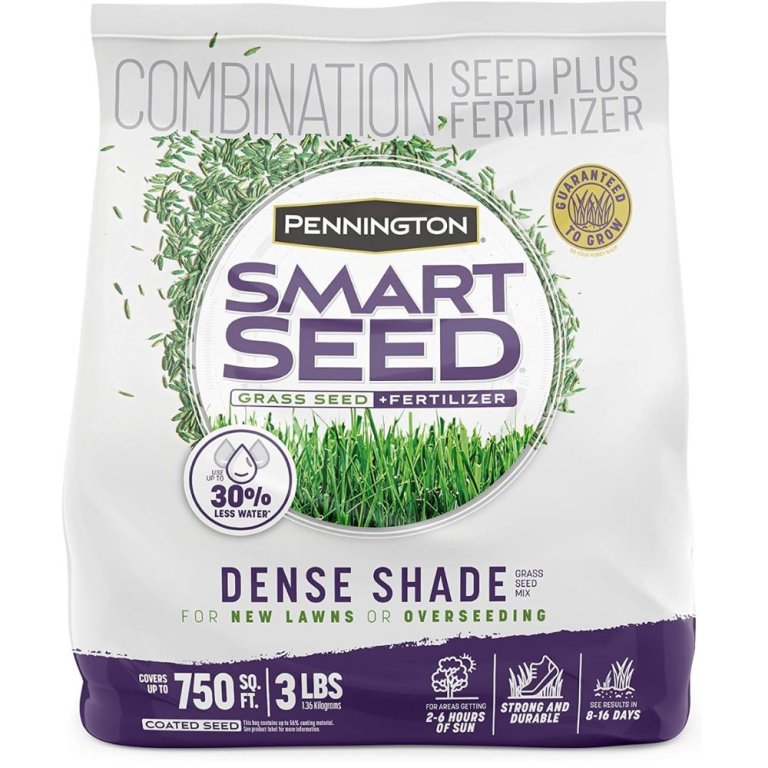
What We Like
- Only needs between 2 and 6 hours of sun per day
- Fastest germination of all tested products
- Added calcium nitrate for quicker greening and growth
What We Don’t Like
- Largest size available is only 7 pounds
Product Specs
- Ideal season: Cool or warm
- Reseeding vs. new planting: Both
- Single seed vs. mix: Mix
Our Ratings
| Germination rate | 5/5 | Growth | 5/5 | Value | 4.8/5 |
Most grasses require a good daily dose of sunlight, which is why growing a thick lawn under a tree or along a covered deck can sometimes be difficult—unless you find a quality grass seed for shaded areas. Designed for lawns that get only 2 to 6 hours of sun per day, Pennington Smart Seed Dense Shade blend features a mix of tall and fine fescue seeds and was the first to germinate in our tests, sending up bright green sprouts in just over a week. After multiple attempts to repair this badly damaged, full-shade section with another product last season, we couldn’t have been more excited.
Pennington’s impressive performance is partly due to the inclusion of calcium nitrate in the seed coating, which spurs early development and promotes quick greening. Once established, this drought-tolerant variety is designed to resist disease and withstand heavy foot traffic while also requiring up to 30 percent less water. The only downside is that the largest bag available is only 7 pounds, so you may need more than one if a lot of your lawn sits in the shade.
What our tester says: “This is the seed that sprouted first, which instantly made it a favorite. But I also love it because it filled in a large full-shade section next to our deck that multiple rounds with a different product couldn’t fix.”—Michelle Larson, Product Reviews tester and writer
Get the Pennington grass seed at Amazon, Lowe’s, Ace Hardware, The Home Depot, or Walmart.
Best For High Traffic
Photo: Amazon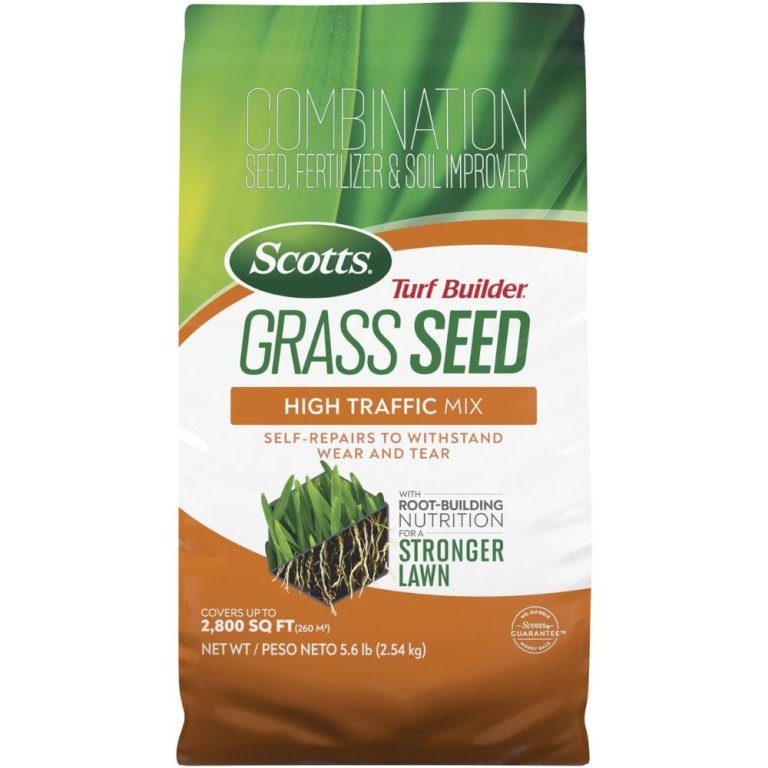
What We Like
- Self-repairs; stands up to heavy traffic
- Added fertilizer and soil improver help establish deep roots
- Can use to overseed or start a new lawn
What We Don’t Like
- Requires frequent watering to germinate
Product Specs
- Ideal season: Cool
- Reseeding vs. new planting: Both
- Single seed vs. mix: Mix
Our Ratings
| Germination rate | 4/5 | Growth | 4.5/5 | Value | 4.3/5 |
Whether from pets, people, or parties, there are likely parts in your yard that simply see more foot traffic than others, and for those areas, Scotts Turf Builder High-Traffic Grass Seed Mix is the seed you need. With its combination of Kentucky bluegrass and perennial ryegrass seeds, fertilizer, and soil improver, this resilient blend is designed to put down deep roots and self-repair wear and tear to stay looking good and growing strong.
In our tests, this mix was one of the last to germinate and show significant growth. To be fair, that’s likely at least partly our fault, as the grass may be moderately drought-resistant once it’s established, but the seeds need watering two to three times a day to germinate (true for any full-sun variety). Once we got more consistent with our sprinkler schedule and got through the initial growth phase, we ended up with a durable section of turf right where we (and our dogs) go up and down our deck the most.
Get the Scotts High-Traffic grass seed (various sizes) at Amazon, Lowe’s, Ace Hardware, The Home Depot, Walmart, or Scotts.
Best Bermuda Grass
Photo: Amazon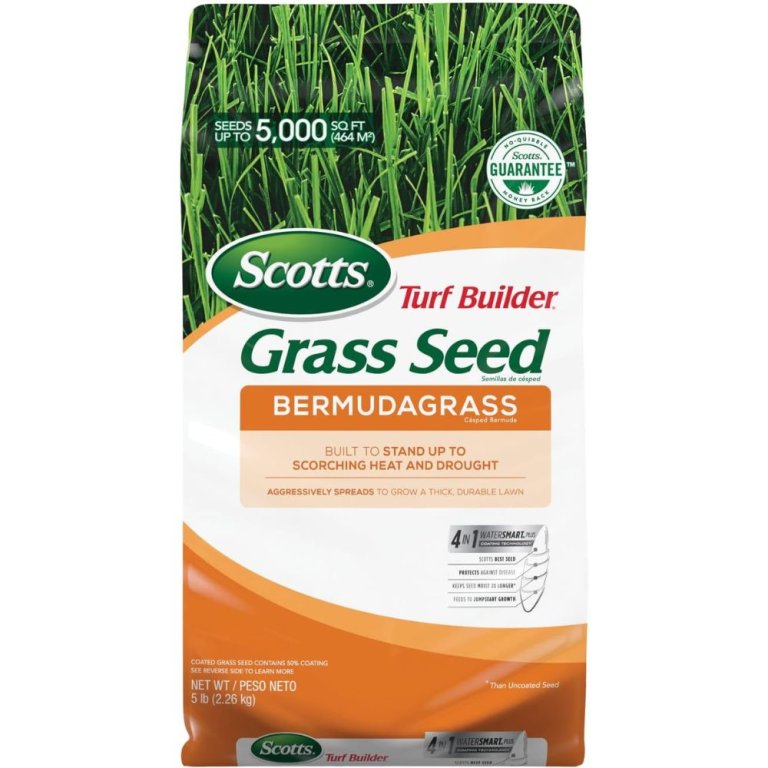
What We Like
- Rapid germination in as few as 5 days
- Provides great coverage for new lawns
- Heat-tolerant and fast-growing grass seed
What We Don’t Like
- Saw some weed growth in our test areas
Product Specs
- Ideal season: Warm
- Reseeding vs. new planting: Both
- Single seed vs. mix: Single seed
Our Ratings
| Germination rate | 4.5/5 | Growth | 5/5 | Value | 5/5 |
Bermuda grass is generally quite resilient, and in our tests of the best Bermuda grass seeds, this Scotts option won our top award for its quick germination, thick coverage, and ability to survive 2 full weeks of heat indexes well above 100 degrees Fahrenheit.
A big part of why the Scotts Bermuda grass grows so well is the brand’s 4-in-1 WaterSmart Plus coating, which feeds the seed, increases its disease resistance, and retains two times as much moisture (compared to uncoated seeds). The only downside we saw was that a few weeds did manage to grow up through the seedlings in our test plot. Still, the fact that it was ready for a mow after just 4 weeks makes it perfect for anyone looking for grass seed that grows quickly.
Get the Scotts Bermudagrass grass seed (various sizes) at Amazon, Lowe’s, Ace Hardware, The Home Depot, Target, or Scotts.
Best Low-Maintenance
Photo: Amazon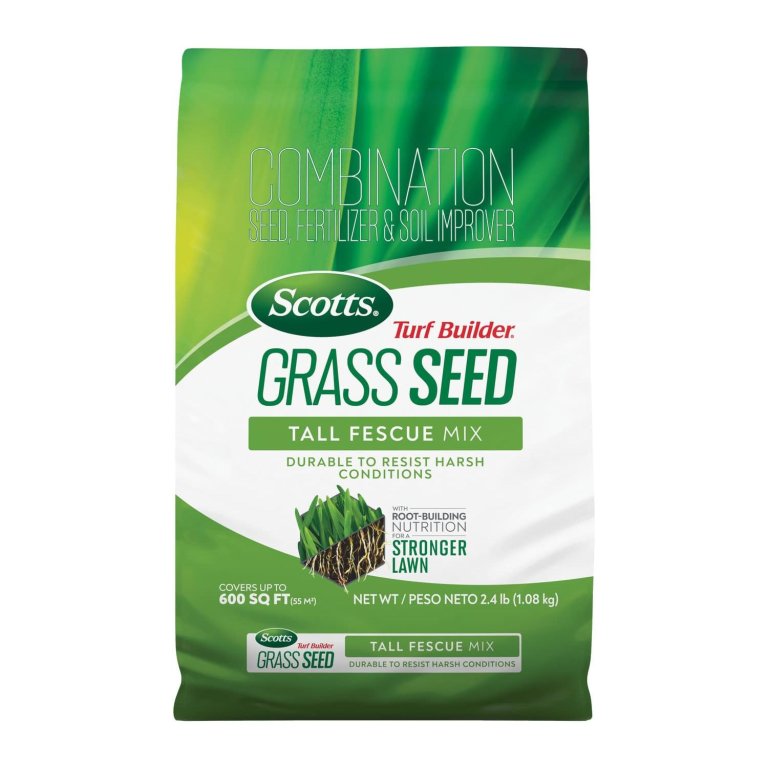
What We Like
- Tough fescue seed resists heat and drought
- Works in full sun to moderate shade
- Has fertilizer and soil improver for even greater resilience
What We Don’t Like
- Needs regular watering to get growing
Product Specs
- Ideal season: Cool
- Reseeding vs. new planting: Both
- Single seed vs. mix: Single seed
Our Ratings
| Germination rate | 4/5 | Growth | 4.5/5 | Value | 4.8/5 |
All lawns require some degree of maintenance to stay healthy, but a highly drought-resistant grass seed option like Scotts Turf Builder Tall Fescue Mix is resilient enough to make life a little easier—and less expensive—during especially hot summers. This cool-season mix is suitable for most regions (other than the extreme north or deep south), thrives in everything from full sun to partial shade, and can be used for both overseeding and starting a new patch of grass from scratch.
Once established, this mix is built to withstand summer heat, but getting the seedlings to that point will require a bit more effort. In our tests, the seeds were some of the last to germinate, and even then, growth was on the slow side. As with other options we planted in this particular area, it’s entirely possible we weren’t consistent enough with our watering, as once we upped the schedule to three times a day, we saw much better results. The downsides of that learning curve were that a few weeds sprouted up (early moisture gaps can invite competition), and we ended up sowing another round of seed to fill things in. Still, given that this mix lives in one of the sunniest spots in our yard, we expect its eventual heat tolerance to be entirely worth the early effort.
Get the Scotts Tall Fescue grass seed (various sizes) at Amazon, Lowe’s, Ace Hardware, The Home Depot, Walmart, or Scotts.
Best For Florida
Photo: Amazon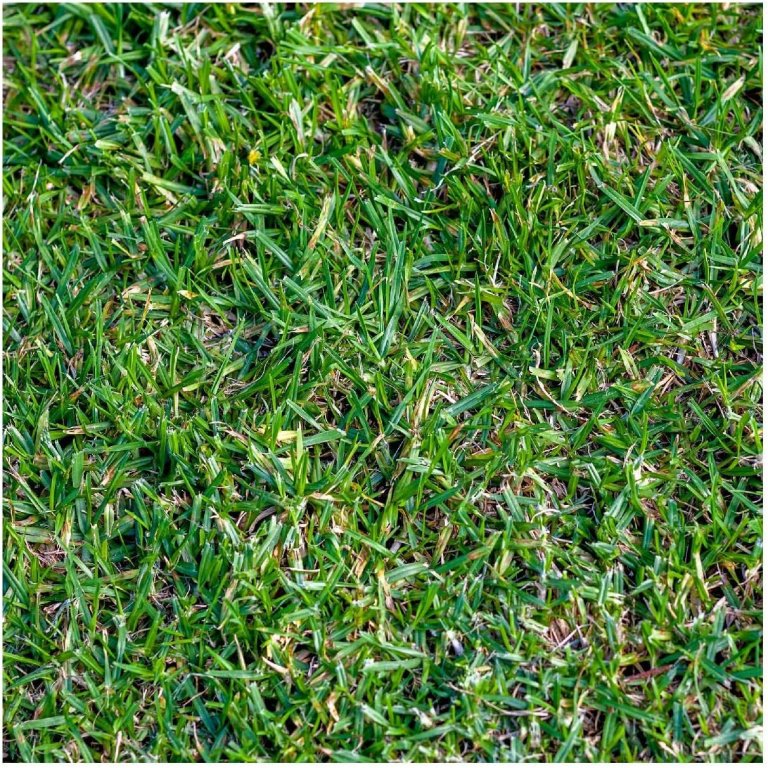
What We Like
- Tolerates heat, drought, and poor soils well
- Fast and vigorous growth
- Thick coverage
What We Don’t Like
- Not a good option for overseeding into different lawn grass types
Product Specs
- Ideal season: Warm
- Reseeding vs. new planting: New planting
- Single seed vs. mix: Single Seed
Our Ratings
| Germination rate | 4/5 | Growth | 3.5/5 | Value | 4/5 |
Everwilde Farms Buffalo Grass Seed earned the top spot in our tests of the best grass seeds for Florida lawns because it produced the fastest and most vigorous growth of all the varieties we tested. This warm-season variety is highly durable and thrives in heat, drought, and poor soils, making it an excellent low-maintenance lawn grass for challenging climates.
Even before planting, the Everwilde seeds were noticeably larger and greener than the competition, and we noticed they did best when kept lightly moist during the 14- to 21-day germination period. After about a month, they had the thickest coverage across our test pots and were already about 3 to 4 inches tall. While the blades themselves were on the wispy side, the grass spreads efficiently via stolons and rhizomes and will likely thicken as the roots develop, provided you maintain a mowing height of 2 to 3 inches.
What our tester says: “In our lineup of grass seed for Florida, the Everwilde seed was the fastest and most vigorous grower. After a month, the grass was almost 4 inches tall and noticeably thicker than the others.”—Paul Rankin, Product Reviews tester and writer
Get the Everwilde grass seed at Amazon, Walmart, or Everwilde.
Jump to Our Top Picks
How We Tested the Best Grass Seed
| Products tested | 8 |
| Time spent testing | 1 month |
| Tests performed | 3 |
| Price range | $15 to $75 |
To choose a variety of good lawn grass seed options for testing, we interviewed Ryan Farley, CEO of LawnStarter, to see what to look for. “Climate and how shady vs. sunny your yard is are both essential considerations. Foot traffic is another important one, since if you do have a lawn that’s getting lots of traffic, you will want to pick a grass seed that can ultimately stand up to that.”
We then researched dozens of popular grass seed varieties developed to meet the needs of a range of conditions. When our selected options arrived, we ensured our test areas were properly prepared, distributed the seeds using either the Scotts Whirl Hand-Powered Spreader (for smaller spaces) or the Scotts Elite Spreader (for larger ones), and created a barrier to keep our dogs out. Over the next month, we watered the seeds consistently so they didn’t dry out, then evaluated each grass seed on germination rate, grass height, and blade thickness.
Our Testing Scores
| Product | Germination rate | Growth | Value |
| Scotts Turf Builder Thick’R Lawn Sun/Shade Grass Seed | 4.5/5 | 5/5 | 5/5 |
| Scotts Turf Builder Sunny Mix Grass Seed | 4.5/5 | 4.5/5 | 4.8/5 |
| Jonathan Green Black Beauty Ultra Grass Seed | 4.5/5 | 5/5 | 4.8/5 |
| Pennington Smart Seed Dense Shade Grass Seed | 5/5 | 5/5 | 4.8/5 |
| Scotts Turf Builder High-Traffic Mix Grass Seed | 4/5 | 4.5/5 | 4.3/5 |
| Scotts Turf Builder Bermudagrass Grass Seed | 4.5/5 | 5/5 | 5/5 |
| Scotts Turf Builder Tall Fescue Mix Grass Seed | 4/5 | 4.5/5 | 4.8/5 |
| Everwilde Farms Buffalo Grass Native Grass Seeds | 4/5 | 3.5/5 | 4/5 |
What to Consider When Choosing Grass Seed
When deciding which grass seed is best for front yard or backyard landscaping, it’s crucial to consider several important factors, including climate, maintenance, and sun requirements. A good grass seed for a lawn should thrive in the specific conditions of your yard. Check below for some elements you should consider when purchasing the right grass seed.
Types of Grass Seed
Grass seed types fall into two main categories: warm-season and cool-season. Warm-season grasses endure hot southern climates much better than cool-season grasses. During cold winters, warm-season grasses turn brown as they go dormant. Cool-season grasses grow quickly in the cool weather of fall and spring before going dormant in the summer heat. Warm-season grasses can be reseeded during the spring and summer, while spring and fall are the optimal times to reseed cool-season grasses.
Warm-Season Grass
- Bahia: This warm-season grass is popular in hot climates because of its heat tolerance and drought-resistant qualities. While other grasses burn to a crisp in the hot sun, with its broad leaves and coarse texture, Bahia grass thrives. This makes it an attractive grass species in the Deep South.
- Bermuda: As with many other warm-season grasses, Bermuda grass thrives in hot climates thanks to its exceptional ability to tolerate heat and withstand high traffic. Bermuda grass requires good drainage, full-sun exposure, and plenty of nutrients. The grass does not tolerate cold weather well, making it a good option in the southern part of the country.
- Buffalo: Even though it is considered a warm-season grass, buffalo grass thrives in a broad range of climates and is quite common in states such as Montana that experience harsh winters. Like other warm-season grasses, it goes dormant and turns brown in colder weather. The planting season for buffalo grass is from April to May.
- Centipede: Centipede grass is known for being heat-tolerant and very low-maintenance. This makes it a popular grass for those who don’t enjoy spending a lot of time managing their lawns. Centipede grass thrives in full sun but will tolerate some shade. Due to those requirements, it does best in the Southeast. Plant centipede grass seed in the spring when all danger of frost has passed.
- St. Augustine: One of Florida’s most popular grasses, St. Augustine can tolerate high heat and humidity. It features blue-green grass blades that spread quickly through a lawn. St. Augustine also can tolerate salt water, which makes it a popular option for coastal yards. Since it spreads rapidly, one of the most effective ways to establish St. Augustine grass is by planting plugs. Plant St. Augustine grass seed in the spring or the summer.
- Zoysia: Zoysia is a durable, dense variety of grass that’s known for its ability to stand up to heat, drought, and high foot traffic. Possibly the softest grass for bare feet, zoysia forms a dense lawn that chokes out weeds with very little maintenance required. Although some types of zoysia can only be grown from sod or plugs, some grass seed companies offer a variety that can grow from seed. Zoysia grass should be planted in the spring once the threat of frost has passed.
Cool-Season Grass
- Fescue: Tall, fine fescue grass seed is perhaps the most common grass type in the country. This is because it adapts well to many different climates as it tolerates heat, cold, shade, and drought reasonably well. This is primarily due to its deep roots that can reach as deep as 2 to 3 feet. Tall fescue is perhaps the easiest grass to grow, but it can suffer under heavy traffic. Plant and reseed fine fescue grass seed in the fall and spring. Shoppers will sometimes see fescue sold in all-season grass seed mixes, which claim they’re good year-round.
- Kentucky bluegrass: This is the type of grass most people imagine when they consider the perfect lawn. With its lush, deep-green appearance, Kentucky bluegrass is a prized species. This grass is not easy to grow, requiring a high level of maintenance and care. Its shallow root system does not tolerate heat well, making it more suitable for northern lawns. Kentucky bluegrass should be planted and reseeded in the spring and fall.
- Perennial ryegrass: Perennial ryegrass should not be confused with annual ryegrass, which is a temporary grass used for erosion control. Perennial ryegrass comes back year after year. Ryegrass germinates quickly, making it popular for new lawns. It does best in colder climates with mild summers; however, it can still be found in the southern part of the country. Perennial ryegrass should be planted or reseeded in the fall.
Climate
With enough determination and money, you can grow most of the above grass seeds for a lawn anywhere in the country. It’s not uncommon to see beautiful Kentucky bluegrass lawns in the baking heat of the Southwest. Going against climate guidelines will make the job much harder and more expensive, requiring significant investments in irrigation systems, water, and fertilizers. Paying attention to the climate will make establishing a lawn much more manageable. Consider where you live and what grass types will thrive in your region with minimal maintenance and watering.
Reseeding vs. New Planting
How you go about reseeding a lawn versus planting a new lawn is quite different. When seeding a new lawn, you’ll apply seed to the bare dirt you’ve prepared for new planting. According to Farley, applying grass seed for overseeding is a much easier process. “Pretty much all I recommend here is raking or dethatching to remove any layer of debris so your seed can reach the soil directly, then watering thoroughly to ensure the seeds get into the soil and have the moisture they need to germinate.”
With that in mind, you typically need about twice as much seed to start a new lawn as you need to overseed an existing lawn.
Traffic Level
Different types of grass vary in how well they tolerate foot traffic. If you have kids or pets and plan to use your backyard extensively as an area for play, consider selecting grass types that can take some abuse and still keep on growing. Zoysia and Bermuda grasses are the most tolerant of foot traffic, while fescue does poorly with heavy traffic.
Required Maintenance
While some property owners enjoy fussing over their lawns, many homeowners dread long hours spent maintaining a yard. Consider which types of grass require the least care and how much work you’re willing to put into a lawn. Zoysia grass, for example, requires annual dethatching, while perennial ryegrass will not self-repair and requires patching. Bermuda grass, in comparison, is a low-maintenance lawn grass.
Also, keep in mind that regardless of the type, newly planted grass seed needs frequent watering. The best time to water grass is early morning, but many varieties require twice per day waterings until germination.
Sun Exposure
Various grasses tolerate different levels of sun exposure. Some grasses, such as Bermuda grass, demand full sun, but other varieties, such as tall fescue, do well with partial shade. Assess the sun exposure of your lawn to determine a good lawn grass seed for the lighting conditions there. Some seed companies produce specific seed mixes, such as grass seed for shade, full sun, or lawns with shaded areas and full sun areas.
Single Seed vs. Mix
When selecting a type of grass seed, you can choose one specific seed type or a blend that combines several different species. Go for a single seed type if you’re trying to achieve a particular look for your lawn. While single seeds are more difficult to maintain, the effect of a single-species lawn can be well worth it.
Mixes are easier to grow and maintain because companies blend the mixes for improved drought or heat tolerance. They also generally grow more uniformly with little need for patching. However, your lawn will lack the attractive, uniform look of a single-species lawn.
Germination Percentage
Despite your best efforts to prepare your yard for seeding, some seeds simply weren’t meant to become plants. This is where germination percentage comes into play. Germination percentage is a measure of the viability of a collection of seeds. It is calculated by dividing the number of seeds that germinate by the total number of seeds.
Given how much grass seed can cost, the higher the germination percentage, the better, and it mostly relates to seed quality. Although you might be tempted to buy the cheapest grass seed on the shelf, chances are it will have a lower germination percentage, resulting in significant waste. High-quality grass seed has a 90 to 95 percent germination rate, making it worth the additional investment.
Grass typically germinates within 5 to 30 days. However, if you’re wondering how long it takes for grass to grow to maturity, that depends on the variety. Cool-season varieties grow faster than warm-season grasses. No matter what you choose, you’re likely to have a mowable lawn within 2 months of planting.
FAQs
If you’re still wondering what product is best for you, read on for answers to your most pressing grass-seed questions.
The best month for planting grass seed is September for cool-season grasses and May for warm-season grasses, although when to plant grass seed can vary depending on where you live. For cool-season grasses, you want a combination of warm soil, moderate temperatures during the day, and cool temperatures at night. Warm-season grasses should be planted when temperatures exceed 80 degrees Fahrenheit during the day and remain warm through the night.
Once you’ve purchased your seed, you’ll need to prepare the soil. If reseeding to fill in the lawn or patches of dead grass, cut the grass to a height of 1.5 to 2 inches. Lightly rake the area to break up the soil’s surface, so it can receive the seeds. For new lawns, prepare the ground, making sure to even out the surface. Then, apply grass seed with a spreader to distribute the recommended amount for reseeding or planting a new lawn.
If possible, use a soil test kit to determine the pH of your soil. Depending on the results, you might need to add organic matter such as lime, compost, topsoil, or peat moss to your soil. Once you’ve completed that step, break up the top ½-inch of the earth with a rake. The soil needs to be loose to accept the seeds.
Mixing grass seed with topsoil is not a good idea. By combining the two, it’s difficult to spread the seeds evenly throughout the yard. It also might cause some seeds to be buried too deep into the soil to germinate and grow. For better results, spread the seed after mixing topsoil into the yard.
It’s best not to cover the grass seed with topsoil. Grass seeds are not strong enough to push through heavy earth after germinating. Covering the seeds with topsoil suffocates them, preventing them from growing.
Common mistakes include planting the wrong seed for your climate, skipping soil prep, burying the seed too deep, and letting it dry out or watering it too much.
You should sow grass seed very shallowly, usually about 1/4 inch deep or less (see the manufacturer’s directions to be sure). Grass seed needs to be near the surface for good germination and seed-to-soil contact and may struggle to grow if buried too deeply.
No, grass seed needs to be consistently moist, not constantly wet. Watering to the point of puddles or soggy soil can cause the seed to rot, whereas watering lightly so the top layer stays damp provides the right amount of hydration for germination.
Meet the Tester
Michelle Larson has been a writer and editor for more than 10 years in the fields of health, business, and the home. Because she prefers investing in long-term quality over buying a less-expensive product twice, she strongly believes in the power of testing to see what’s really worth her money. From working in a greenhouse during college to spending the last month literally watching grass grow in her yard, there’s little she loves more than seeing plants thrive.
Additional research provided by Tony Carrick.