We may earn revenue from the products available on this page and participate in affiliate programs. Learn More ›
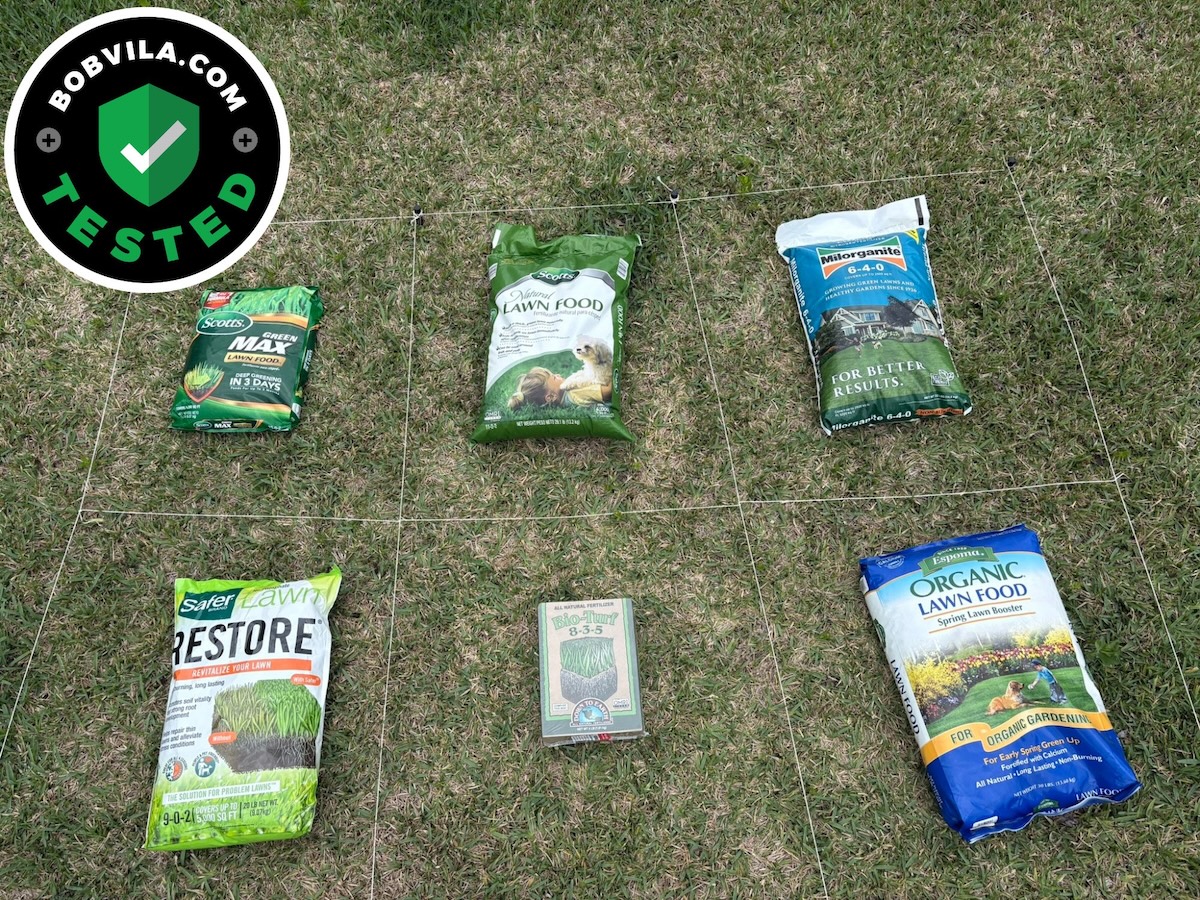
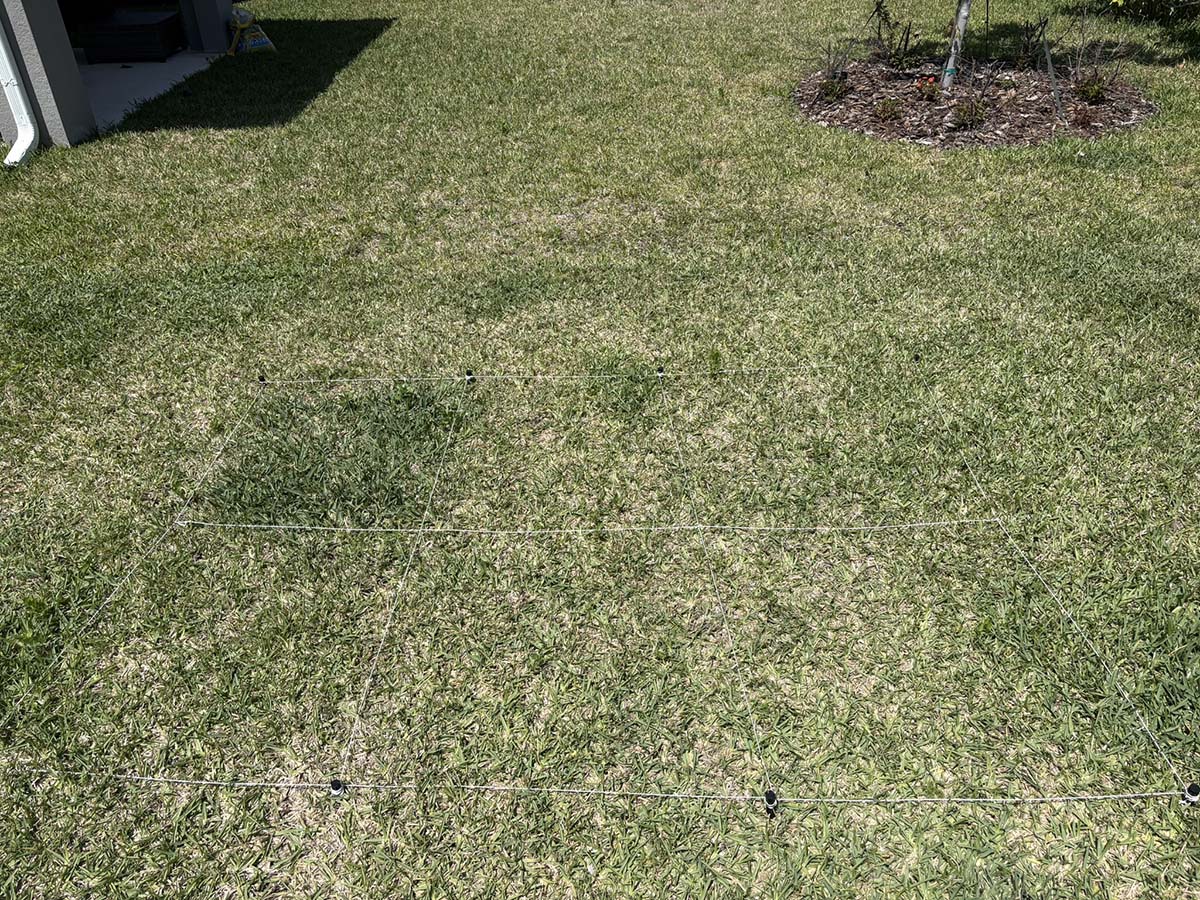
Lawn fertilizer is one of the most effective ways to turn thin, patchy grass into a thick, healthy lawn, and we tested seven lawn fertilizers hands-on to find out which ones actually deliver. Whether you’re dealing with dull color, slow growth, or bare spots, the right formula can make a visible difference in just days.
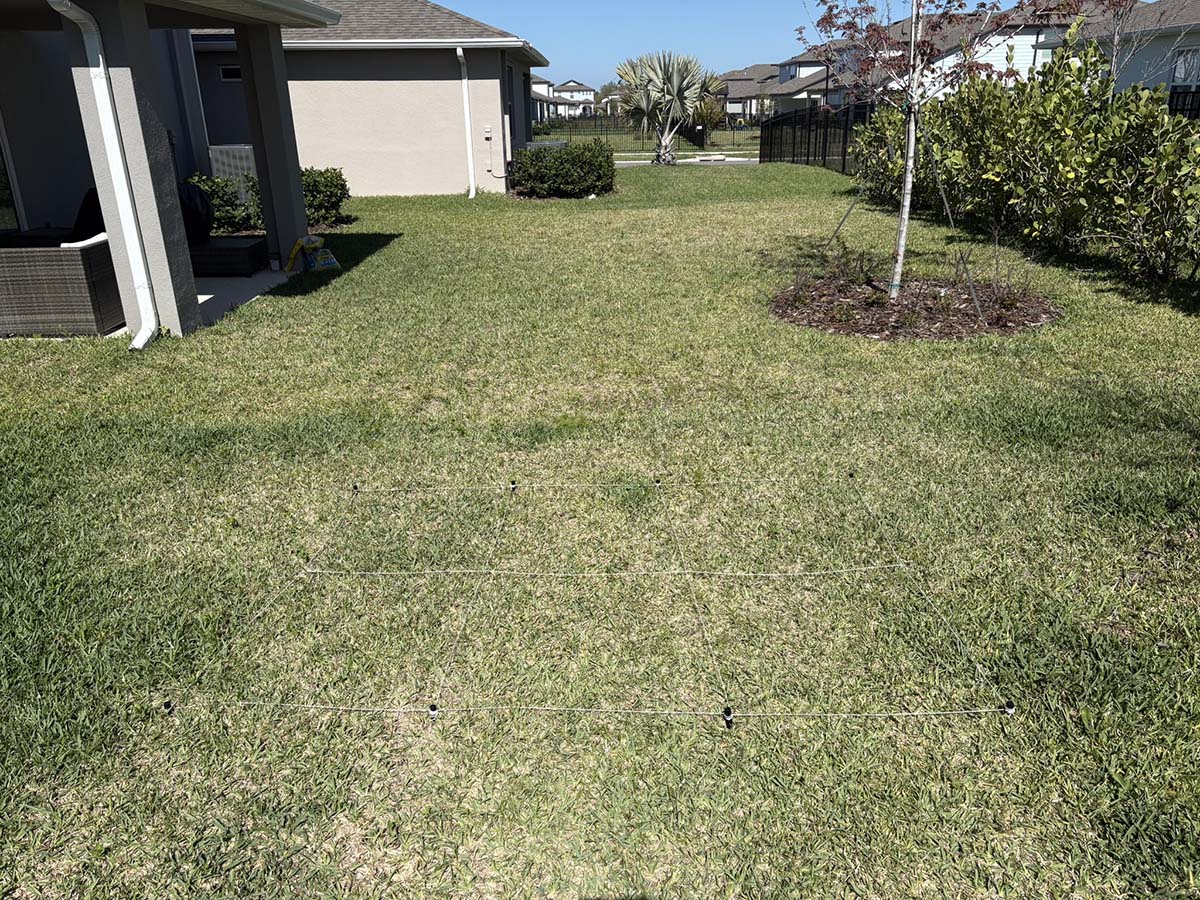
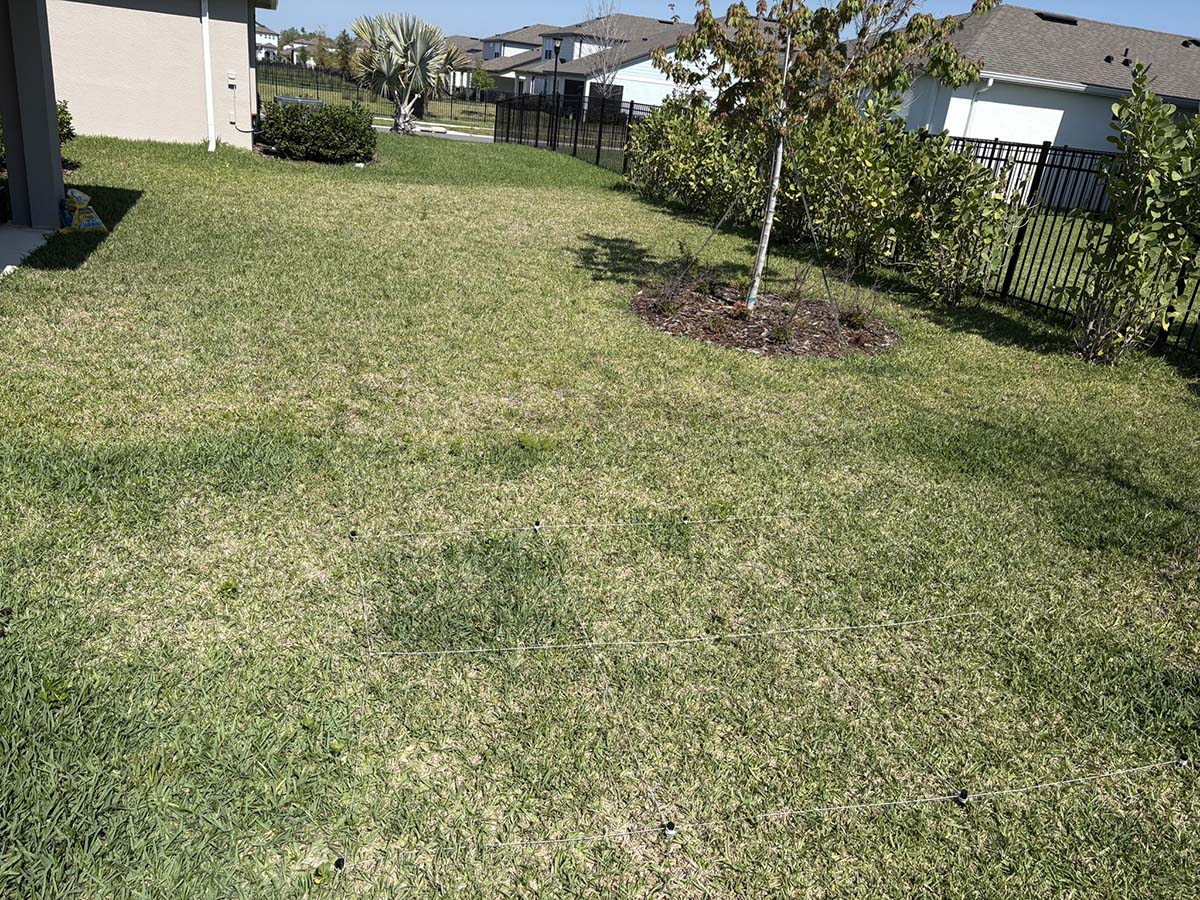
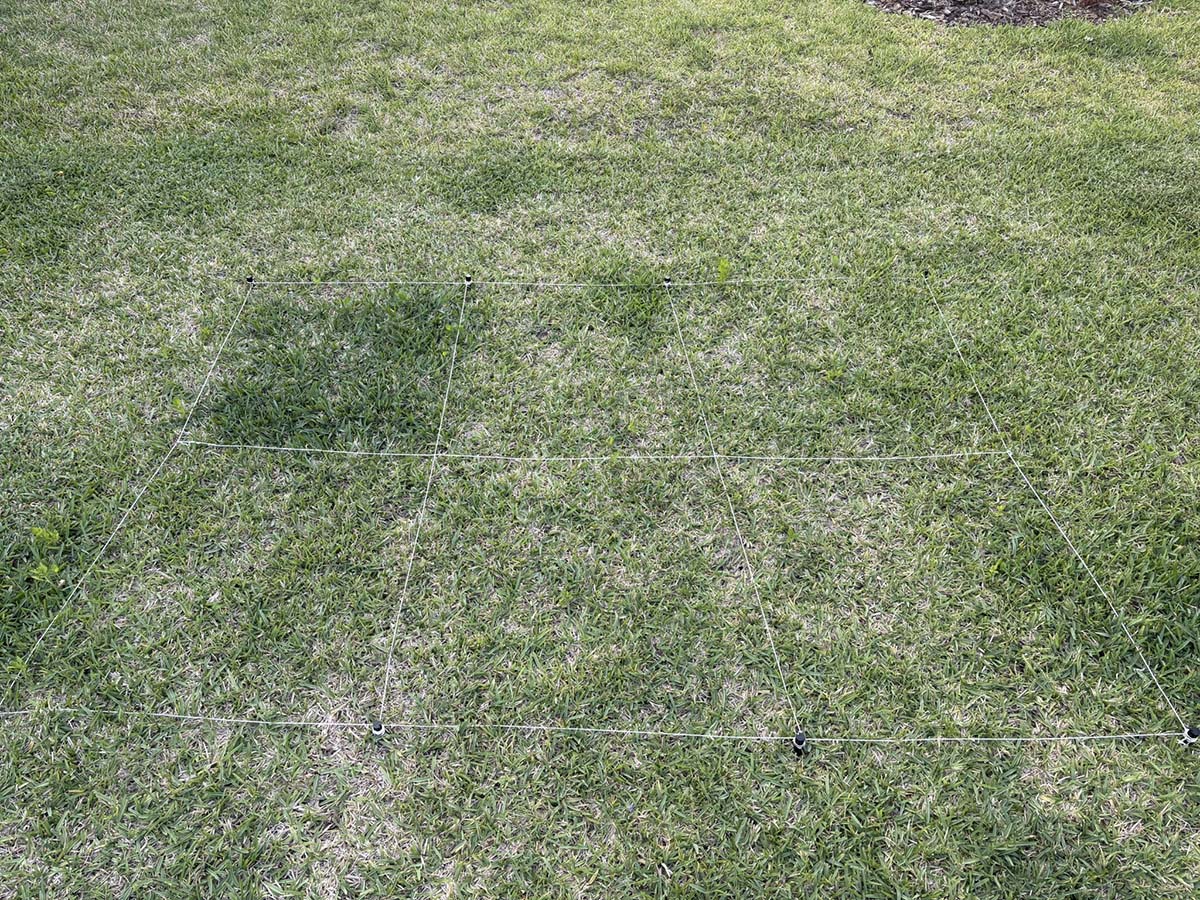
Not all fertilizers perform the same, though. Some prioritize fast greening, while others focus on long-term soil health or weed control. In our testing, Scotts Green Max Lawn Food stood out as the clear winner, giving us a noticeably deeper green color faster than anything else we tried on our St. Augustine test lawn in Florida. That said, results can vary widely depending on your location, climate, and grass type, so what worked best for us may not be the perfect match for every yard.
Choosing a quality fertilizer matters because the wrong mix can lead to uneven growth, wasted product, or even lawn damage. Below, we break down what to look for, how different formulas compare, and which options are worth your money, starting with the best lawn fertilizers we tested.
Key Takeaways
- Scotts Green Max Lawn Food is the top choice. It delivers fast greening with added iron for a deeper color.
- Milorganite offers great value. A slow-release option providing steady growth without burning.
- Espoma’s organic approach focuses on soil health. Safe for kids and pets, it supports long-term lawn resilience.
- Liquid fertilizers like Simple Lawn Solutions offer quick results. Easy application with a built-in sprayer for balanced nutrition.
Bottom line: Choosing the right lawn fertilizer depends on your grass type, climate, and desired results. Our tests highlight top performers for various needs, from fast greening to organic options.
- BEST OVERALL: Scotts Green Max Lawn Food
↓ Jump to Review - BEST BANG FOR THE BUCK: Milorganite 0636 Organic All-Purpose Lawn Fertilizer
↓ Jump to Review - BEST ORGANIC BOOSTER: Espoma EOLB30 Organic Spring Lawn Booster Fertilizer
↓ Jump to Review - BEST LIQUID: Simple Lawn Solutions 16-4-8 Complete Balanced NPK
↓ Jump to Review - BEST NATURAL FORMULA: Scotts Natural Lawn Food
↓ Jump to Review - BEST AROUND PETS: Safer Brand Lawn Restore Natural Lawn Fertilizer
↓ Jump to Review - MOST VERSATILE: Down to Earth Organic Bio-Turf 8-3-5 Lawn Fertilizer
↓ Jump to Review
Before You Buy Lawn Fertilizer
With the rise of lawn-care culture over the past century, a stream of science and marketing has arisen promising ”the perfect lawn.” Use caution. While these truly amazing products can support a beautiful, healthy patch of grass, the same products used improperly can kill the grass, make people sick, and aggravate a host of environmental problems.
Before buying and applying lawn fertilizer, find out which kind and how much fertilizer the grass needs. A soil test, either a do-it-yourself kit or a mail-in packet through a local extension service, will provide the information you need. Avoid any temptation to apply more than the test results recommend. Doing so could screw up the soil chemistry, and maybe worse.
Our Top Picks
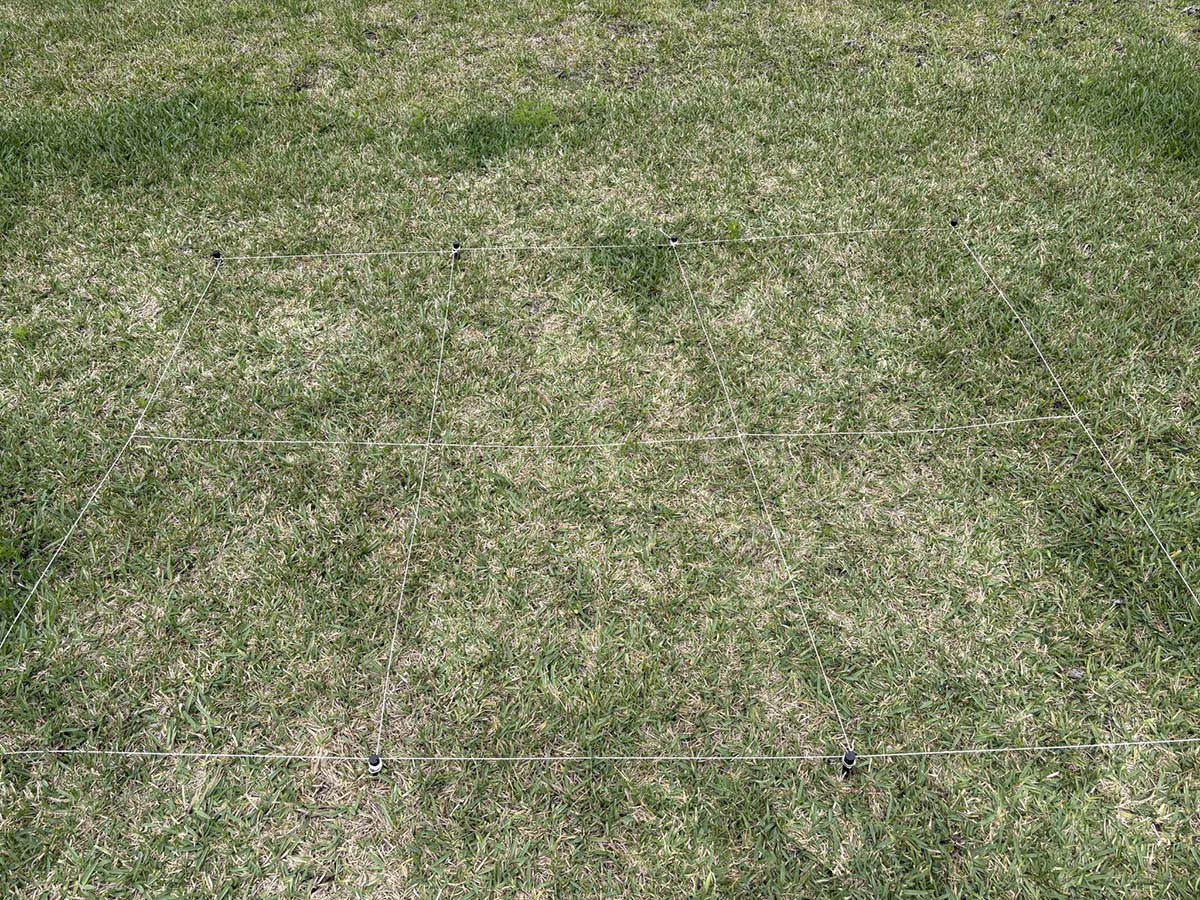
After hands-on testing across a range of formulas, we narrowed down the top performers based on visible results, ease of application, and overall value. The picks below include trusted brands, fast-acting options, and longer-term solutions to suit different lawn types, climates, and feeding schedules.
Best Overall
Photo: Amazon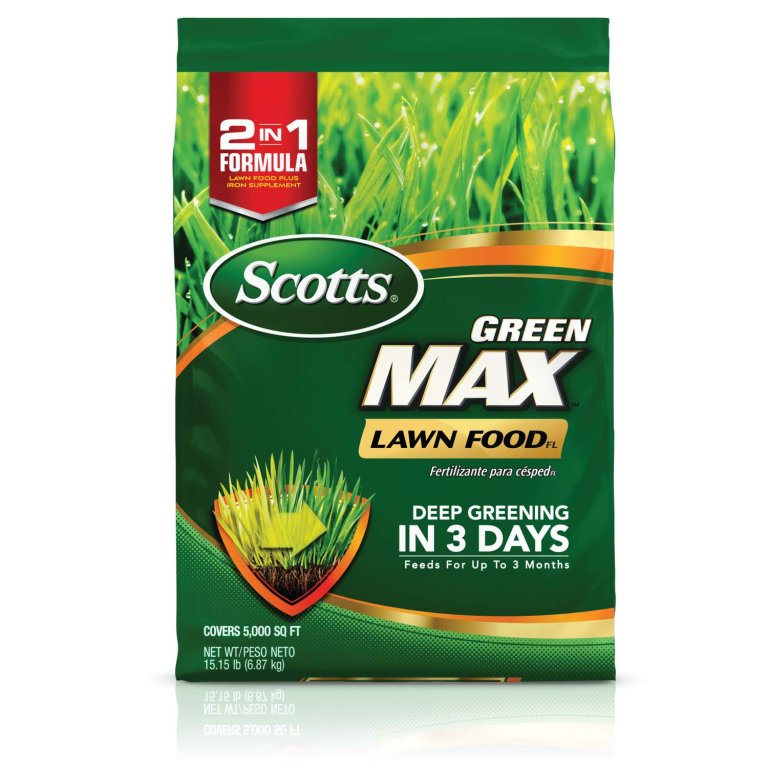
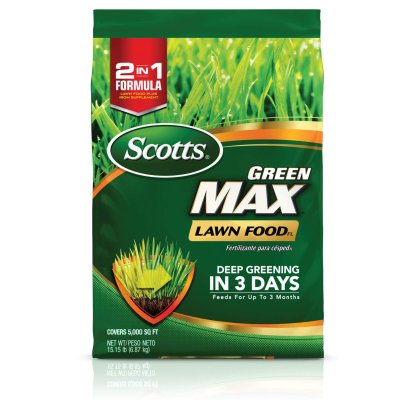
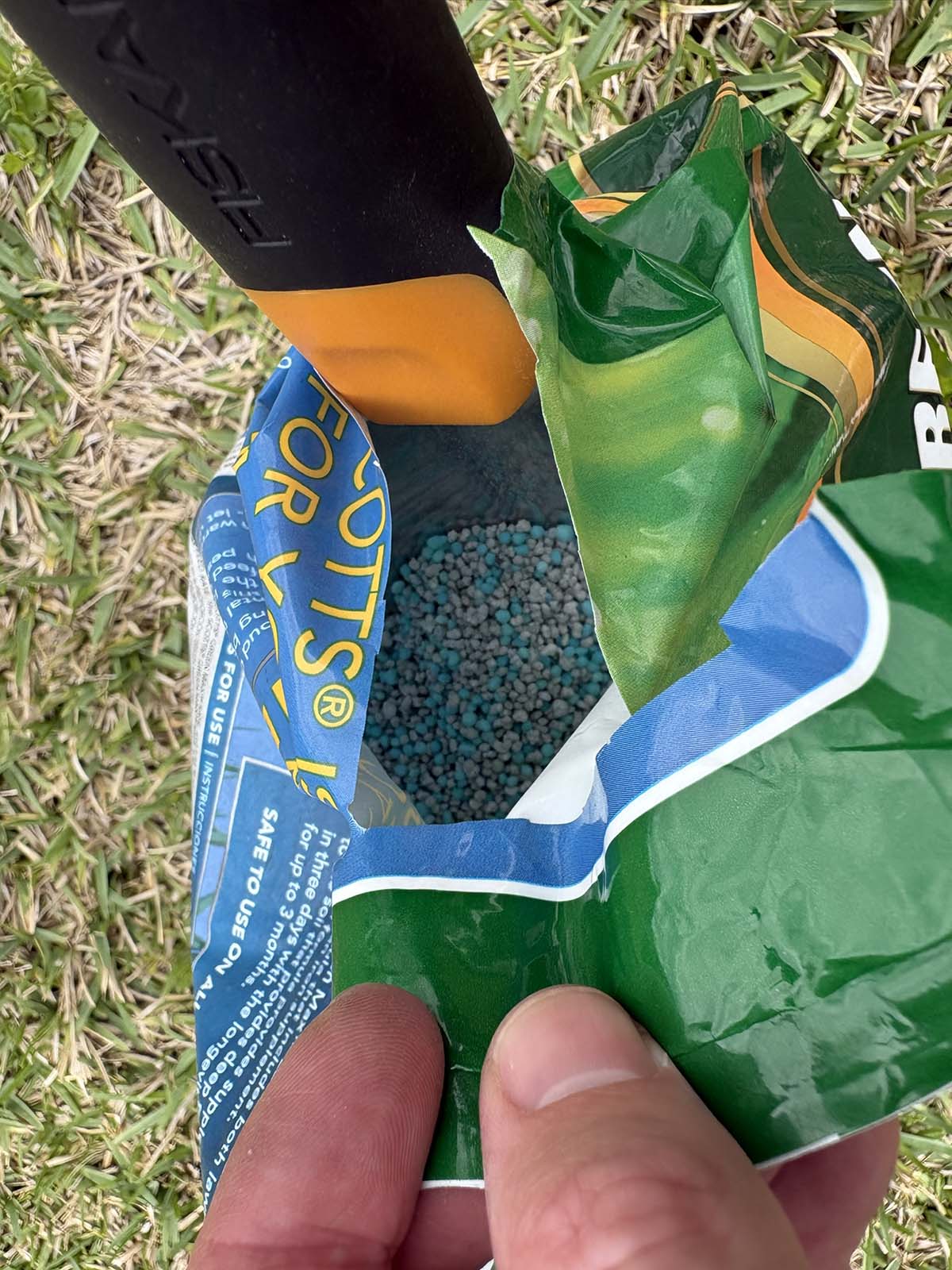
Scotts Green Max Lawn Food is a fast-acting granular fertilizer designed to deliver visible greening in just a few days. Its standout feature is the added 5 percent iron, which enhances color without excessive growth, making it a great option for homeowners who want a quick visual boost. The formula can be applied to any grass type throughout the growing season, and like most granular fertilizers, it’s simple to spread using a standard broadcast or drop spreader.
In our testing on a St. Augustine lawn in Florida, this was the only product that produced an immediate, noticeable color change. Within the first week, the grass turned a richer green, and it continued to deepen in color while also thickening over time. Application was straightforward, and with consistent watering, the results clearly outperformed the other fertilizers we tested.
The main drawback is that results may vary depending on grass type and region, and the rapid greening effect may not be necessary for every lawn. Still, for fast, dramatic results with minimal effort, this one is the best fertilizer for lawns according to our tests.
Best Bang for the Buck
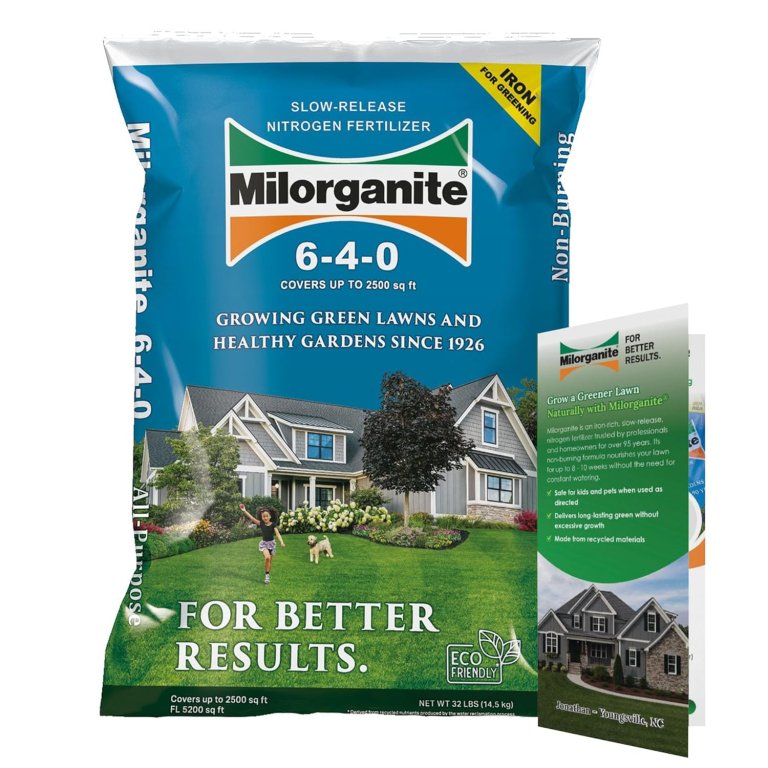
Milorganite 0636 Organic All-Purpose Lawn Fertilizer
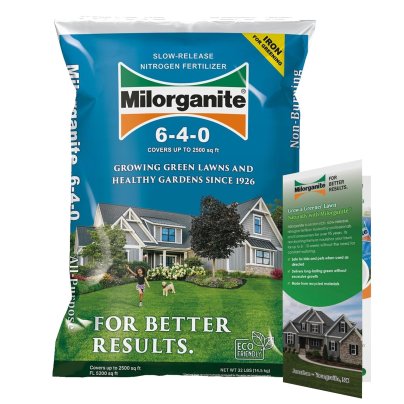
Buy at Amazon Buy at Lowe’s Buy at Ace HardwareMilorganite has long been a go-to option for homeowners who want an affordable, no-fuss way to feed their lawn. This slow-release fertilizer is designed to provide steady nitrogen over 8 to 10 weeks, helping support gradual growth without the risk of burning. It’s also versatile enough for use beyond the lawn, including gardens, trees, and shrubs, which adds to its overall value.
In our testing, Milorganite was one of the easiest products to apply, with clear instructions and a forgiving formula. After about 3 to 4 weeks, we noticed slightly thicker grass and a modest improvement in color, though the results were far less dramatic than faster-acting fertilizers. That said, its slow-release nature means it’s playing more of a long game.
For the price, it’s hard to beat. While it won’t deliver instant transformation, Milorganite is a reliable, budget-friendly choice for steady, low-maintenance lawn care over time.
Best Organic Booster
Photo: Amazon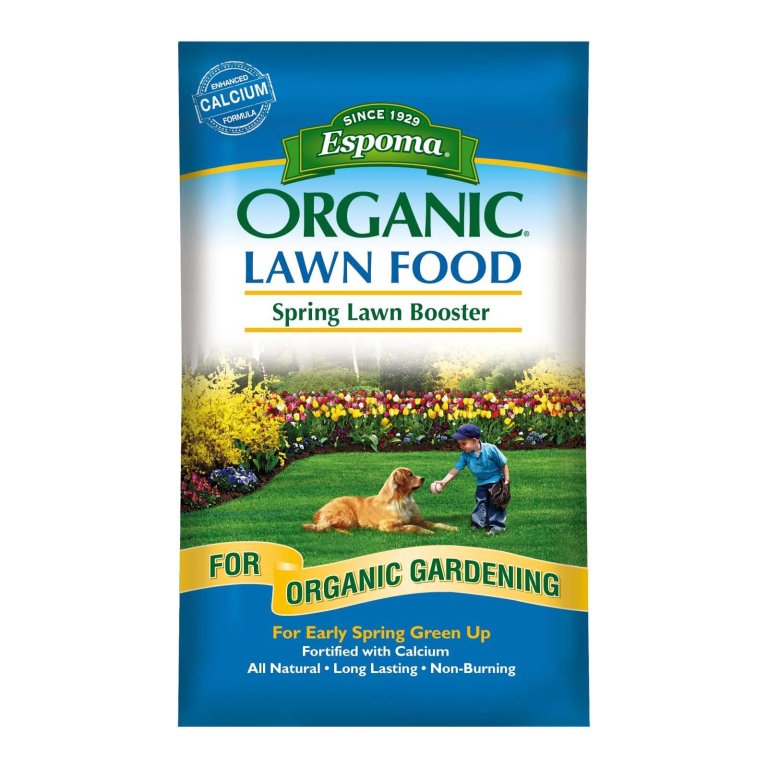
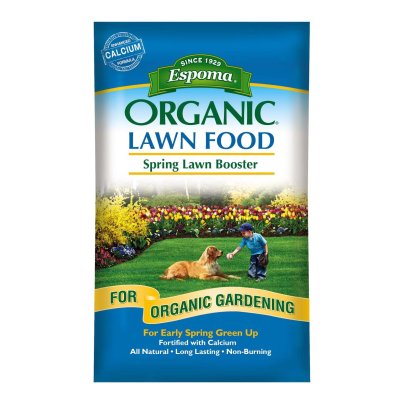
Espoma’s Spring Lawn fertilizer is an organic, slow-release formula designed to strengthen lawns early in the growing season. Its 8-0-0 formula relies on natural ingredients like feather meal and poultry manure, along with added calcium to support stronger roots and improve overall lawn resilience. It’s also part of Espoma’s seasonal feeding program, making it a good fit for homeowners who want a more structured, organic approach to lawn care.
In our testing, application was simple and straightforward, with clear instructions on the bag. After a few weeks, we saw slight thickening and a modest improvement in color compared to untreated areas. The results weren’t dramatic, but that aligns with its slow-release, soil-building focus rather than quick visual impact.
Where this fertilizer stands out is in its long-term, organic approach. It’s safe for kids and pets, won’t burn the lawn, and is designed to improve soil health over time. For those prioritizing sustainability and steady lawn improvement, it’s a solid pick.
Best Liquid
Photo: Amazon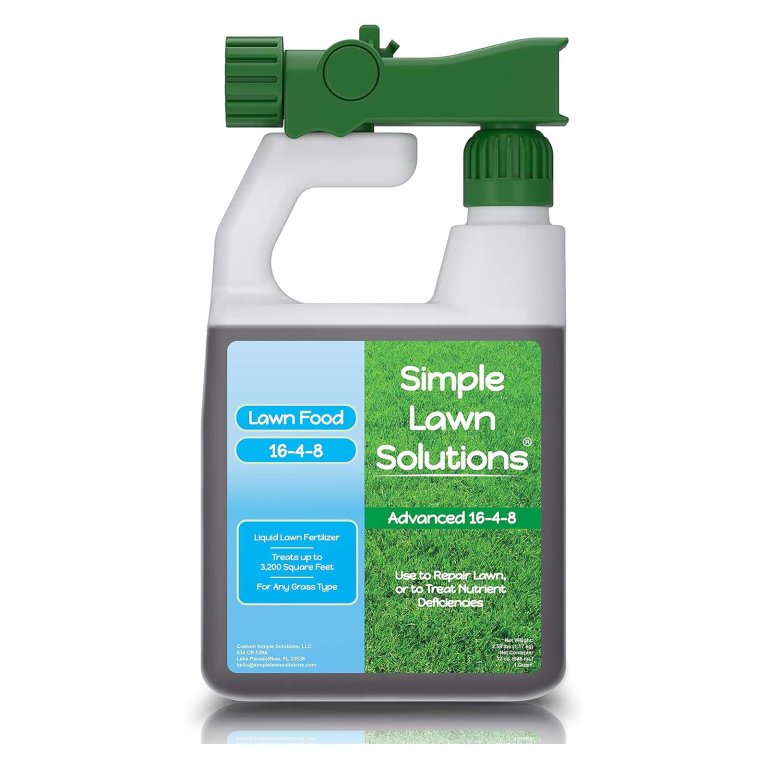
Simple Lawn Solutions 16-4-8 is a liquid fertilizer designed to deliver fast, balanced nutrition with minimal effort. Its NPK ratio provides a strong dose of nitrogen for greener grass, while phosphorus and potassium support root development and overall lawn resilience. Added ingredients like seaweed and fish emulsion help improve nutrient absorption, making this a well-rounded option for maintaining healthy turf across a variety of grass types.
Application is about as easy as it gets. The built-in hose-end sprayer eliminates any need for mixing or measuring, just attach it, spray evenly, and you’re done. In testing, we liked how quickly it worked compared to granular options, with noticeable improvements in color and thickness after consistent use. The monthly application schedule is also convenient for ongoing maintenance.
The main downside is cost per use, which can be higher than granular fertilizers, especially for larger lawns. Still, for ease of use and quick, balanced results, it’s one of the best liquid options we tested.
Best Natural Formula
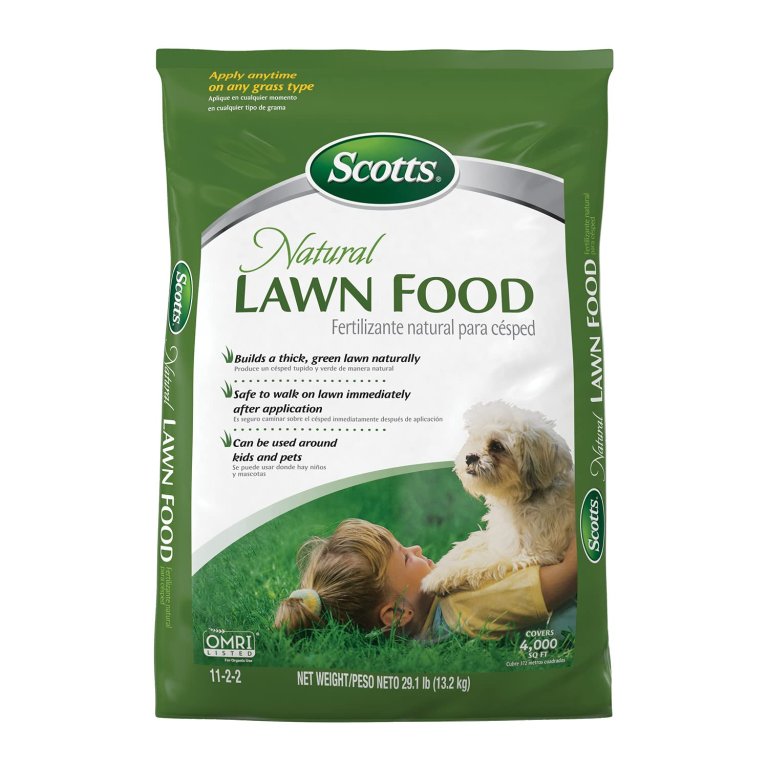
Scotts Natural Lawn Food
Buy at AmazonScotts Natural Lawn Food is designed for homeowners who want a more natural approach to lawn care without sacrificing ease of use. This granular fertilizer can be applied to any grass type throughout the year and is safe for kids and pets immediately after application. Like other Scotts products, it’s compatible with standard spreaders, making it a straightforward option for routine feeding.
In our testing, application was quick and simple, with clear instructions and even coverage across the lawn. After a few weeks, we noticed slightly thicker grass and a mild improvement in color compared to untreated areas. However, like most slower-release formulas, the results were subtle—especially when compared to faster-acting options like Scotts Green Max.
Where this product shines is in its steady, low-impact feeding approach. It’s not designed for instant transformation, but rather gradual improvement over time. For homeowners looking for a natural, easy-to-use fertilizer for ongoing lawn maintenance, it’s a dependable choice.
Best around Pets
Photo: Amazon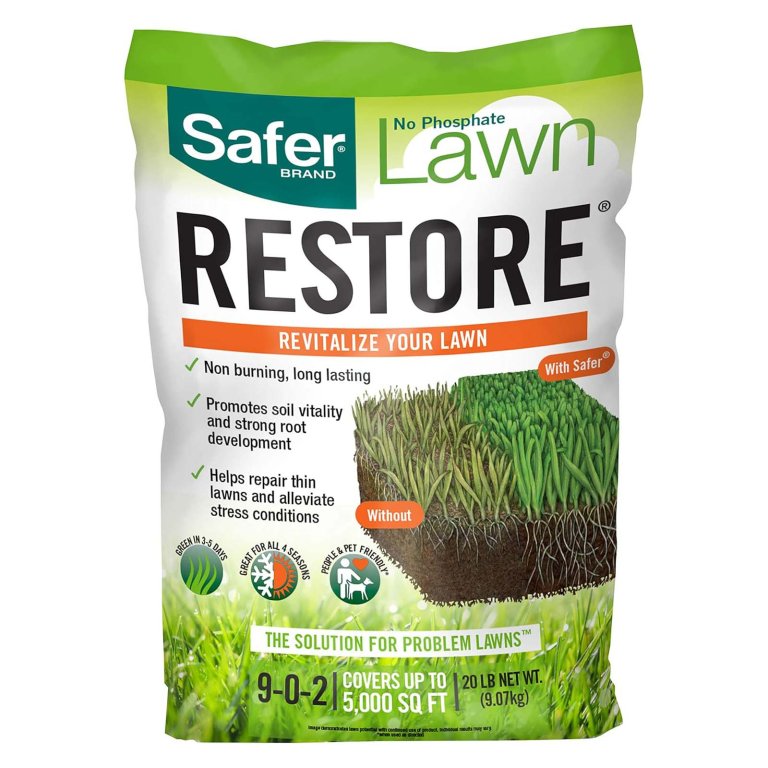
Safer Brand Lawn Restore is formulated to help revive thin, struggling lawns with a blend of naturally derived ingredients like feather meal and blood meal. Designed for all grass types, it focuses on improving root health and encouraging thicker, more resilient turf over time. The granular format is easy to apply with a standard spreader, and one bag covers a sizable area, making it a practical option for larger lawns.
In testing, this fertilizer gave our lawn a noticeable uptick in overall color, with grass appearing slightly greener and a bit thicker after a few weeks. Application was straightforward, with clear instructions and even distribution. We also appreciated that it’s pet-friendly, which is a big plus for households with active dogs.
While it didn’t produce dramatic, fast results, it offered solid, steady improvement. For lawns that need a boost in thickness and overall health (especially in pet-friendly yards) this is a reliable option.
Most Versatile
Photo: Amazon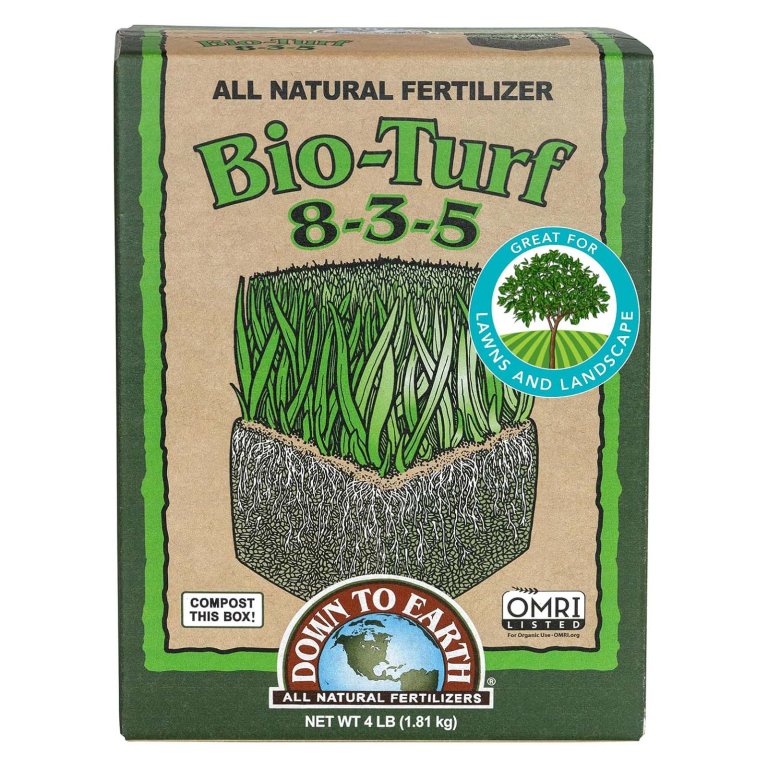
Down to Earth Bio-Turf is a versatile, organic fertilizer designed for more than just lawns. Its 8-3-5 formula supports early growth, strengthens roots, and helps plants better handle stress from heat and drought. It’s OMRI-listed and made with natural ingredients, making it a good fit for homeowners who want a more eco-conscious option that can also be used in garden beds.
In our testing, performance was similar to other slow-release organic fertilizers. We saw slight improvements in both thickness and color over a few weeks, but nothing dramatic compared to faster-acting products. Application was easy, and we appreciated the thoughtful packaging—a biodegradable box instead of a plastic bag.
This fertilizer stands out more for its versatility than its immediate results. While it won’t deliver a quick transformation, it’s a solid option for those looking to feed both their lawn and garden with a single, organic product over time.
Or, DIY Your Own Lawn Fertilizer
Making your own organic lawn fertilizer is a cost-effective and eco-friendly way to keep your lawn healthy. To make a basic DIY organic fertilizer, mix equal parts of bone meal, blood meal, and kelp meal in a large container. All of these ingredients can be found online or at a well-stocked garden supply store.
For every 100 square feet of lawn, spread around 5 pounds of the mixture evenly. The bone meal provides phosphorus for root growth, the blood meal adds nitrogen for leaf development, and the kelp meal contains a range of trace minerals that improve soil health. Water your lawn well after applying the fertilizer to help the nutrients penetrate the soil. Alternatively, you can also use compost tea, made by soaking compost in water for a few days and using the liquid as a fertilizer.
Jump to Our Top Picks
What to Consider When Choosing Lawn Fertilizer
Shopping for fertilizer for grass is anything but intuitive. Just ahead, find out more about what a lawn really needs and the best way to provide lawn fertilization.
Nutrients
Three digits are printed on all lawn fertilizer labels. Known as the NPK ratio, the numbers stand for the percentage of basic nutrients (N for nitrogen, P for phosphorus, K for potassium) the fertilizer contains. If a fertilizer’s NPK ratio is 12-0-10, for example, it contains 12 percent nitrogen, no phosphorus, and 10 percent potassium.
Generally speaking, nitrogen helps plants stay green, phosphorus promotes root growth, and potassium guards against drought and disease. Depending on the type of turf, the soil’s native chemistry, and the climate, one combination will be better than others. The best way to determine the exact needs for a lawn is by beginning the fertilization program with a soil test and then finding the fertilizer that best fills in what’s missing.
Organic vs. Synthetic
Once the best NPK number has been determined, it’s time to decide between a synthetic or organic fertilizer.
- Synthetic varieties are engineered from minerals, gases, and even waste with the intent of delivering fast results—sometimes within a matter of days. The downsides to synthetic fertilizers are their reputation for “burning” (i.e., killing) grass if used in too heavy-handed a manner. They can also pose environmental damage and health risks if they leach into the local water supply, which is why we opted not to include any synthetic fertilizers among our recommendations.
- Organic fertilizers are made from living organisms—anything from cottonseed or peat moss to bat guano and blood or bone meal. They can take a bit longer to work their magic—it’s often a few weeks before results are visible. Although they require a bit of patience, the environmental and health risks are low.
Formula
There are two fertilizer formulas: liquid and granular.
- Liquid fertilizer, which comes as either a fluid (requiring dilution in water) or a powder (to which water should be added), tends to require more frequent application than granular. It can also pose an environmental risk if it contaminates the local water supply in large amounts, leaking lead, cadmium, and arsenic via storm drain runoff and causing algae blooms as well as long-term public health risks. That said, it’s an effective way to see quick results, so it’s only recommended when truly rapid results are needed.
- Granular fertilizer tends to operate in a slow-release fashion, taking up to a month or longer to deliver results but requiring less frequent follow-up. It also poses far less of a health risk overall, so it’s generally a better option for those who aren’t in a major hurry.
Fast vs. Slow Release
The decision between fast- and slow-release fertilizer formulas comes down to grass metabolism. Two instances when fast-release lawn food can be beneficial are during early spring and when planting a new lawn. A quick dose of nitrogen fertilizer for lawns helps overwintered grass produce new leaves early in the season, which helps it to grow more roots faster. Similarly, quick-release lawn starter can help young grass seedlings or newly installed sod become established more quickly.
On the other hand, slow-release lawn food is best for long-term maintenance. This type of plant food ensures a steady supply of the right nutrients throughout the season. Slow-release grass fertilizer is like a meal for the lawn, but fast-release is more like a snack.
Grass Type
Most warm- and cool-season grasses share many of the same nutritional requirements. They thrive on a steady supply of nitrogen throughout the growing season to support fast-growing foliage. Phosphorus may not be necessary and should only be applied based on the guidance of a soil test. Potassium needs to be replenished regularly to support drought resistance and overall health. The usual healthy ratio is on the order of 4-0-2.
Two grass types that buck this trend are centipede and St. Augustine grasses. These warm-climate species consume greater amounts of potassium than other grasses. They need roughly equal amounts of nitrogen and potassium but near-zero phosphorus. Look for 15-0-15, or a similar summer fertilizer, for these grasses.
Tips for Using Lawn Fertilizer
The first and most important step in fertilizing your lawn is to find out what the lawn is lacking. By testing the soil chemistry, nutrient imbalances that can be corrected with targeted applications become apparent. Otherwise, you’ll risk over applying nutrients that are already present or neglecting a nutrient deficiency. Once the test results are in hand, then match the results to the best available fertilizer.
- For even coverage, apply with a fertilizer spreader.
- With the spreader calibrated at half the recommended rate, apply in parallel lines going one direction, then again in lines running perpendicular to the first application.
- Avoid broadcasting fertilizer onto pavement or landscape beds.
- Blow or sweep fertilizer off pavement immediately after application.
- Apply fertilizer ahead of rain or run sprinklers within 24 hours after application.
FAQs
Still wondering about the best lawn fertilizers? Here are some lawn care and fertilization tips to help you grow the healthiest, greenest grass possible.
For cool-season grasses like tall fescue and Kentucky bluegrass, fertilize when the soil reaches 55 degrees Fahrenheit or when it has begun active growth. For warm-season grasses like Bermuda grass, zoysia, and centipede grass, fertilize when the grass has turned at least 50 percent green after the winter months.
An ideal lawn fertilizer schedule depends on the fertilizer formula, type of grass, climate, weather, and soil nutrient levels. Overfertilization is a far greater risk to the lawn itself and to the environment than not fertilizing. With organic lawn fertilizers, two applications are typically adequate, unless directed otherwise by soil-test results.
The best way to know what your lawn needs is to test the soil. Avoid using balanced analysis plant foods like 10-10-10 or 15-15-15 fertilizer for lawns. Although these products hold some of the nutrients that grass needs, they do not offer them in the right amounts. Instead, use a recommended lawn fertilizer with an analysis that equates a 4-0-2 or 4-1-2 ratio.
Natural fertilizers for grass are made with animal and/or plant byproducts as the nutrient source rather than mined minerals or chemical products. The nutrient analysis of natural fertilizer tends to be lower than that of conventional fertilizer, but natural products offer additional benefits such as increasing soil organic matter, boosting beneficial soil microbes, providing for an extended feed, and minimizing nutrient runoff.
Mow before fertilizing to ensure even coverage and better soil contact with the nutrients.
Yes (usually). Watering helps activate nutrients, though some slow-release fertilizers don’t require immediate watering. Always check the label.
Fast-acting fertilizers can green up grass in a few days. Slow-release formulas may take 2 to 4 weeks.
Early morning or evening is best to avoid heat stress and allow nutrients to be absorbed effectively.
Meet the Tester
Paul Rankin is a Florida-based product tester who evaluates lawn care tools and fertilizers on his own St. Augustine grass, delivering straightforward, hands-on insights homeowners can trust.
Additional research provided by Mark Wolfe and Amy Lynch.