We may earn revenue from the products available on this page and participate in affiliate programs. Learn More ›
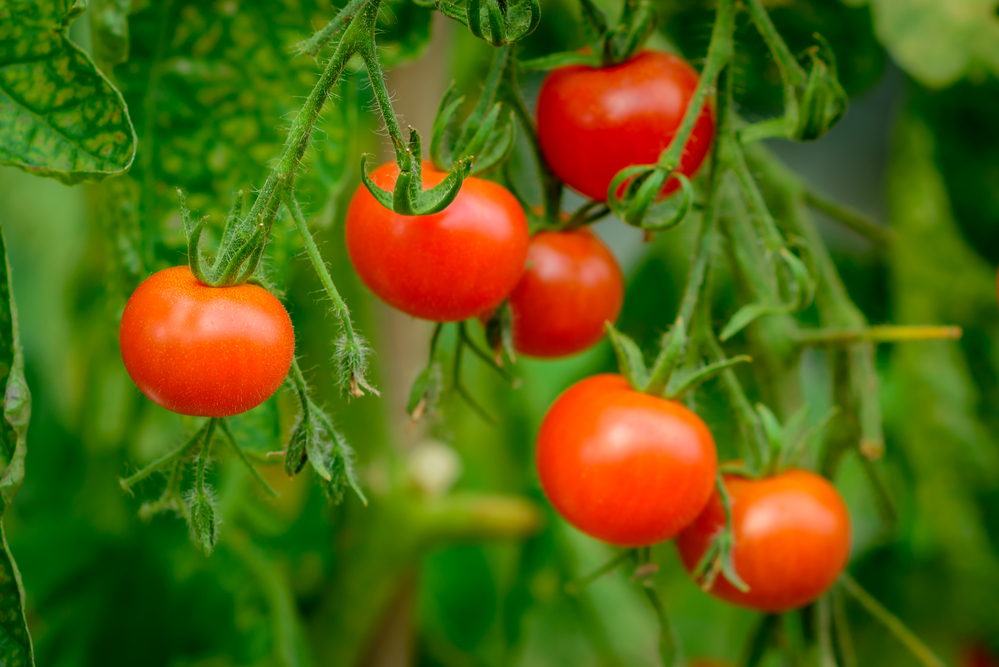
Sweet, juicy, homegrown tomatoes are the epitome of backyard gardening produce, and they don’t happen by accident. It takes a combination of diligence, patience, sunshine, and soil fertility to grow tomatoes successfully. In fact, plant nutrition is one of the primary contributors to tomato flavor and quality.
Tomatoes need fertilizer to grow to their full potential. The best fertilizer for tomatoes supports overall plant growth, flowering, fruit development, and disease resistance. Our top pick is Dr. Earth fertilizer for tomatoes for its organic formula packed with minerals and other nutrients.
Choosing the best fertilizer for tomato plants and growing conditions involves fairly deep research and exploration. Check out some of the top contenders.
Key Takeaways
- Top pick for tomato fertilizers. Dr. Earth is praised for its organic formula and nutrient-rich composition.
- Consider soil conditions before fertilizing. Test soil and amend as needed for optimal tomato growth.
- Fertilizer types vary in application and benefits. Options include granular, liquid, and water-soluble forms.
- Organic fertilizers support soil health. They offer micronutrients and are less harmful to ecosystems.
Bottom line: Choosing the right fertilizer is crucial for a successful tomato harvest, with organic options like Dr. Earth leading the way. Consider soil testing and the type of fertilizer for best results.
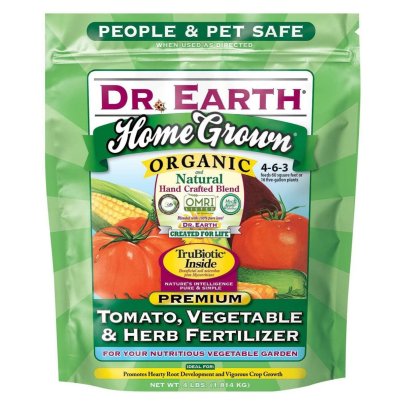
- BEST OVERALL: Dr. Earth Home Grown Tomato Fertilizer
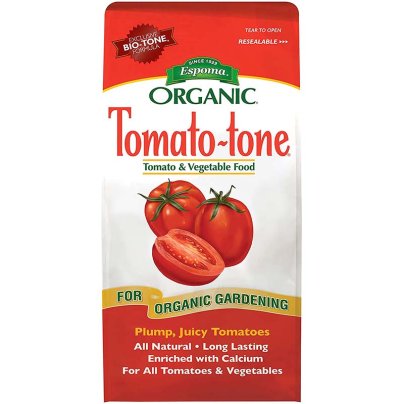
↓ Jump to Review - BEST BANG FOR THE BUCK: Espoma Tomato-tone Organic Fertilizer
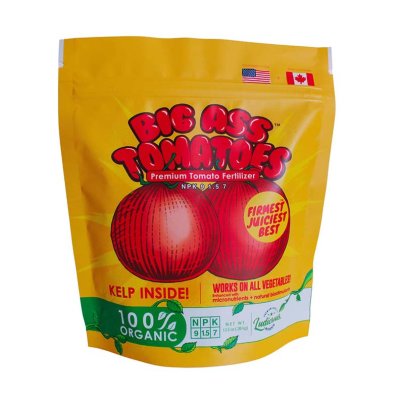
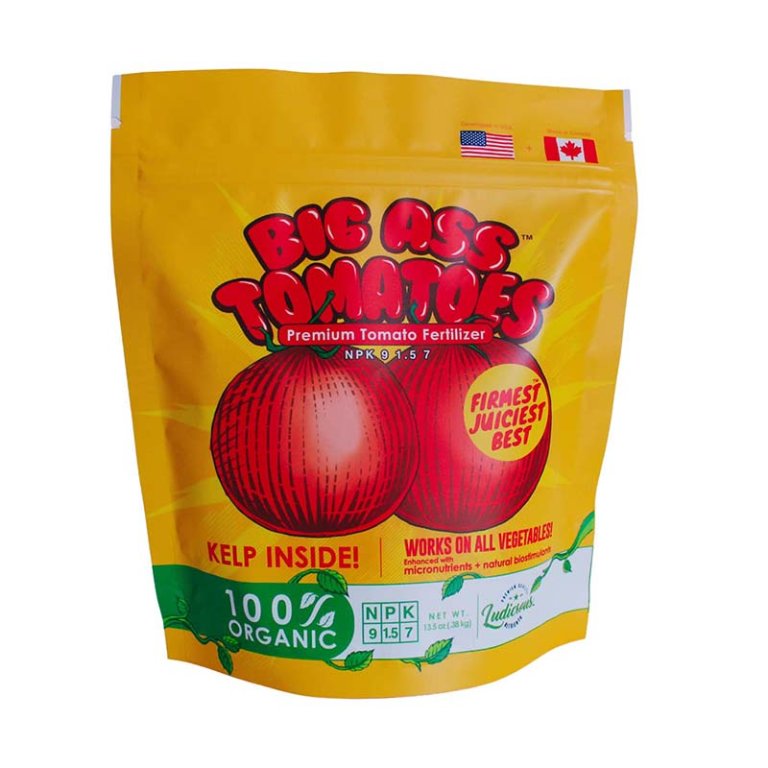
↓ Jump to Review - ORGANIC PICK: Big A Tomato Fertilizer
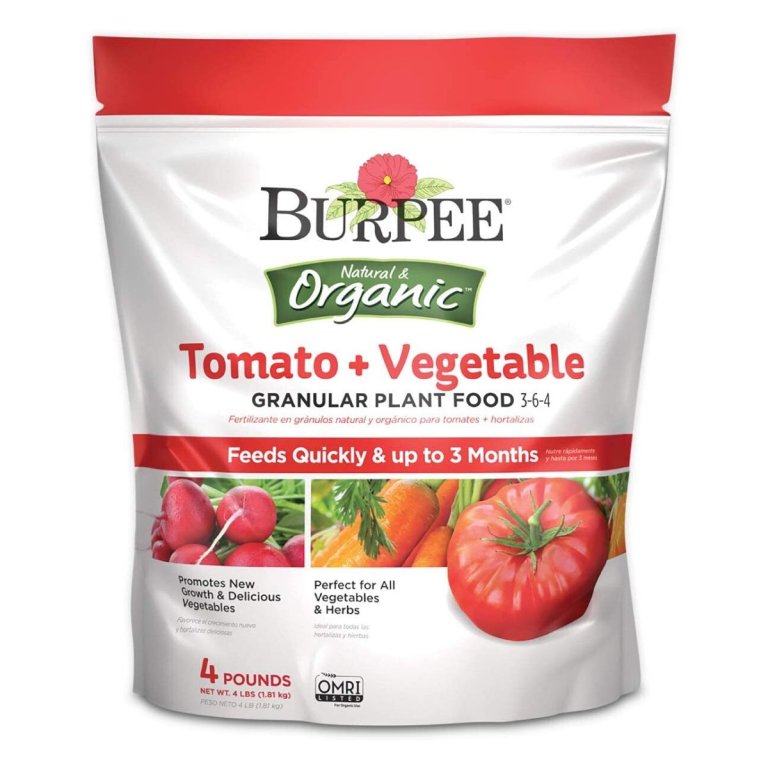
↓ Jump to Review - GRANULAR PICK: Burpee Organic Tomato and Vegetable Plant Food
↓ Jump to Review - LIQUID PICK: Miracle-Gro LiquaFeed Tomato Plant Food
↓ Jump to Review - WATER-SOLUBLE PICK: Greenway Biotech Tomato Fertilizer 4-18-38
↓ Jump to Review
| Type | Organic? | NPK | |
| Dr. Earth Home Grown Tomato Fertilizer | Granular | Yes | 4:6:3 |
| Espoma Tomato-tone Organic Fertilizer | Granular | Yes | 3:4:6 |
| Big A Tomato Fertilizer | Water-soluble | Yes | 9:1.5:7 |
| Burpee Organic Tomato and Vegetable Plant Food | Granular | Yes | 3:6:4 |
| Miracle-Gro LiquaFeed Tomato Plant Food | Liquid | No | 9:4:9 |
| Greenway Biotech Tomato Fertilizer 4-18-38 | Water-soluble | No | 4:18:38 |
Before You Buy Fertilizer for Tomatoes
There are a few things to understand about gardening before buying tomato fertilizer. For one, even truly high-quality fertilizer will fall short if the soil isn’t suitable for planting. For the soil to be as good as possible for tomatoes, it may need to be amended with nutrients prior to planting, so be sure to have a sample tested before planting or fertilizing tomatoes.
Also note that overuse of fertilizer can have negative impacts on ecosystems. The runoff can cause algae blooms, which can starve aquatic life of important nutrients. Fertilizer, whether it’s organic or not, requires careful use, so it’s important to read the label to know how often to fertilize tomatoes with a given product.
It’s also worth understanding basic tomato plant care. There are different ways to plant tomatoes as well as when to plant and how to prune them—all keys to the health of the crop.
Our Top Picks
Check out this list of recommendations to help choose the best fertilizers for tomatoes. These products have excellent reputations for quality and value for growing big, healthy, great-tasting tomatoes.
Best Overall
Photo: amazon.com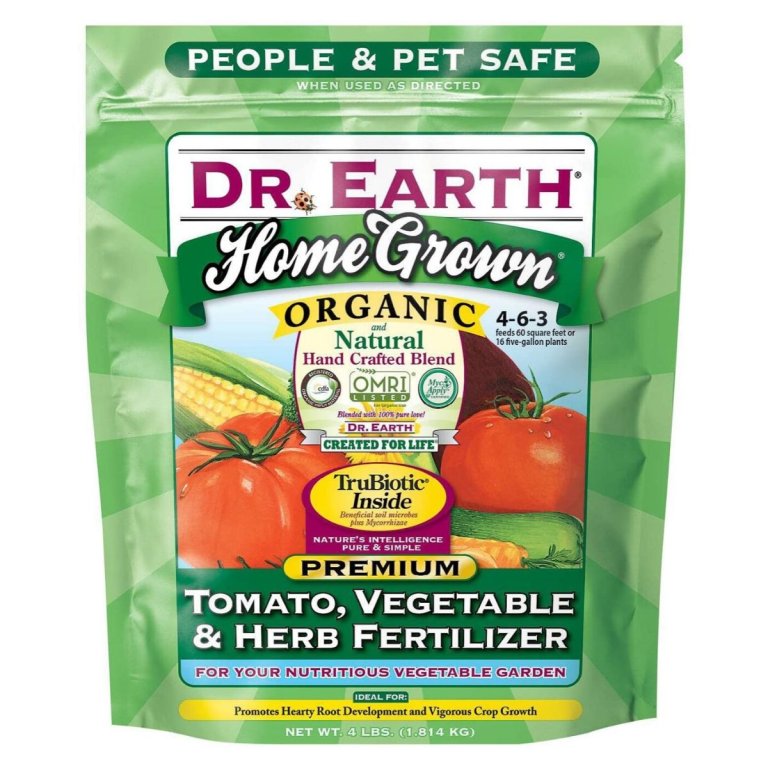
What We Like
- Compatible with containers, garden beds, or native soil
- Enriched with minerals, proteins, and other nutrients
- 100% organic and non-GMO
What We Don’t Like
- Granules can be harder to apply than liquid fertilizers
Product Specs
- Type: Granular
- Organic: Yes
- NPK: 4:6:3
Dr. Earth Homegrown Tomato, Vegetable, and Herb fertilizer comprises high-quality feed-grade ingredients and is enriched with multiminerals, proteins, carbohydrates, humic acids, and trace elements. It promotes healthy soils that help grow tasty, nutritious vegetables at home, whether in container plantings, garden beds, or native soil, though it’s not quite as easy to apply as a liquid fertilizer.
Dr. Earth fertilizer is legitimately organic. It makes the list of Non-GMO Project-verified fertilizers and the Organic Material Review Institute (OMRI) list for organic gardening. It also contains TruBiotic beneficial soil microbes to ensure that nutrients are broken down and released into the soil effectively. The manufacturer also claims it makes the product sustainably in the U.S.
Get the Dr. Earth fertilizer for tomatoes at Lowe’s, Ace Hardware, or Walmart.
Best Bang for the Buck
Photo: amazon.com
What We Like
- Increases soil’s biological activity for healthier plants
- Thousands of beneficial microbes for improved nutrient delivery
- Contains 5 percent calcium to prevent blossom end rot
What We Don’t Like
- Understanding application amount and timing is a bit complicated
Product Specs
- Type: Granular
- Organic: Yes
- NPK: 3:4:6
Organic gardeners know that the key to long-term sustainable soil health is to feed the soil. Espoma Tomato-tone is an all-natural organic plant food that increases the soil’s biological activity and delivers organic nutrients efficiently to plants. Thousands of beneficial microbes enhance the product’s effectiveness, and it contains 15 essential nutrients.
When incorporated into the soil at planting time, Espoma Tomato-tone provides a continuous balanced feed. It supports strong root development, healthy foliage, overall plant vigor, and fruit set. Plus, the 5 percent calcium content helps Tomato-tone fertilizer prevent blossom end rot (a common tomato problem). However, the amounts and timing to use can be complicated, so be sure to read the directions carefully.
Get the Espoma fertilizer for tomatoes at Amazon or Walmart.
Organic Pick
Big A Tomato Fertilizer
Buy at AmazonWhat We Like
- All organic ingredients, including amino acids and humic acid
- Highly water-soluble, making it easy to mix and apply
- Suitable for all vegetable plants
What We Don’t Like
- Requires reapplication about once a week
Product Specs
- Type: Water soluble
- Organic: Yes
- NPK: 9:1.5:7
Finding a high-quality tomato fertilizer that is both organic and easy to apply can be a challenge, but Big A tomato fertilizer might be just the ticket. This organic powder is highly soluble, allowing users to mix it with water and apply it to gardens easily, and the plants can absorb the nutrients quickly.
This organic tomato fertilizer features a nutrient-rich formula that contains amino acids and humic acid. These important nutrients allow tomatoes to increase water infiltration and retention, promoting stronger, healthier plants. And while it’s designed for tomatoes, Big A is suitable for all veggies. It must be mixed with water and can wash away, so it does require frequent feedings—once a week in most cases.
Get the Big A fertilizer for tomatoes at Amazon.
Granular Pick
Burpee Organic Tomato and Vegetable Plant Food
Buy at AmazonWhat We Like
- Slow-release formula delivers nutrients up to 3 months
- Easy-to-follow application instructions
- Suitable for young bedding plants, established vegetables, and containers
What We Don’t Like
- Not as fast-acting as a liquid fertilizer
Product Specs
- Type: Granular
- Organic: Yes
- NPK: 3:6:4
Burpee organic tomato and vegetable plant food offers a slow-release organic fertilizer that comes in granular form. Tilling the granules into the ground or incorporating them into container soil at planting time provides the nutrients plants need to start the season. Gardeners can apply the fertilizer again as a top dressing 8 to 12 weeks later for a full season of strong, healthy growth and large, colorful, tasty tomatoes.
While not as fast acting as a liquid, the easy-to-spread granules release essential nutrients quickly and continue to feed for up to 3 months. This product also follows an easily understood formula for each linear or square foot of garden space, making it simple to apply the right amount. This formula contains beneficial microbes and nutrients throughout the season and makes the OMRI list for organic use. The slow-release granular fertilizer helps young bedding plants, established vegetables, and container plantings.
Get the Burpee fertilizer for tomatoes at Amazon.
Liquid Pick
Photo: Amazon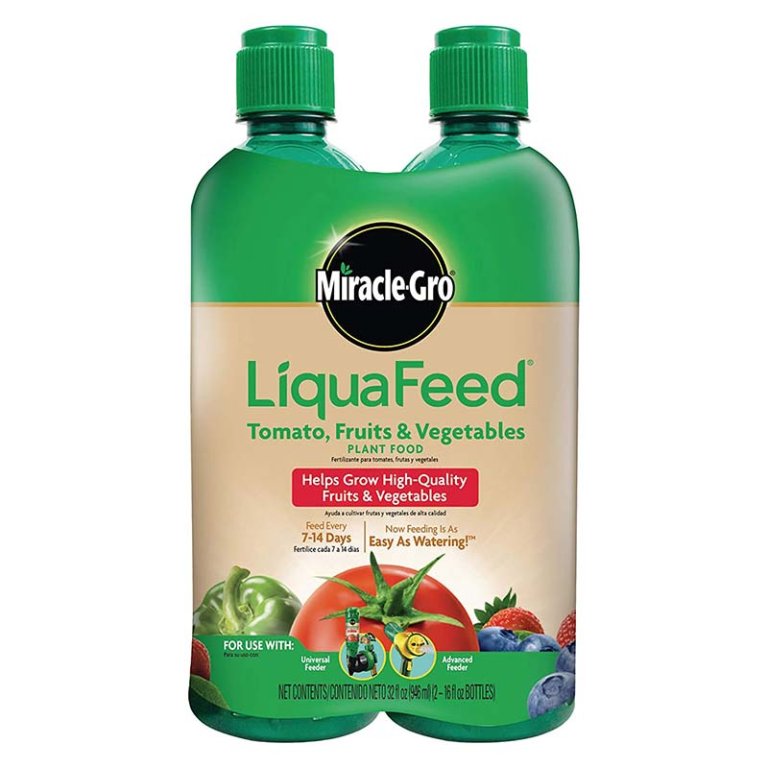
What We Like
- Each cartridge covers up to 400 square feet
- Easy to distribute with hose-end feeder
- 2-pack provides value and convenience over
What We Don’t Like
- Each application only lasts 1 to 2 weeks
- Feeder is sold separately
Product Specs
- Type: Liquid
- Organic: No
- NPK: 9:4:9
Miracle-Gro is a name synonymous with gardening success for decades. The brand built a strong reputation on highly effective fertilizers that are easy to use, and Liquafeed tomato plant food is no exception. Gardeners can apply this liquid fertilizer through the hose-end Liquafeed feeder (sold separately): Simply insert the fertilizer cartridge into the feeder and turn on the water to distribute the liquid.
This kit comes in a two-pack of cartridges for value and convenience. Each refill cartridge feeds up to 400 square feet, and the company recommends feeding every 2 weeks through the growing season. A downside to this convenient method of fertilizing tomatoes is that the product does not come with instructions for manually mixing the solution in a watering can, so it requires the purchase of the feeder.
Get the Miracle-Gro fertilizer for tomatoes at Amazon or Walmart.
Water-Soluble Pick
Photo: amazon.com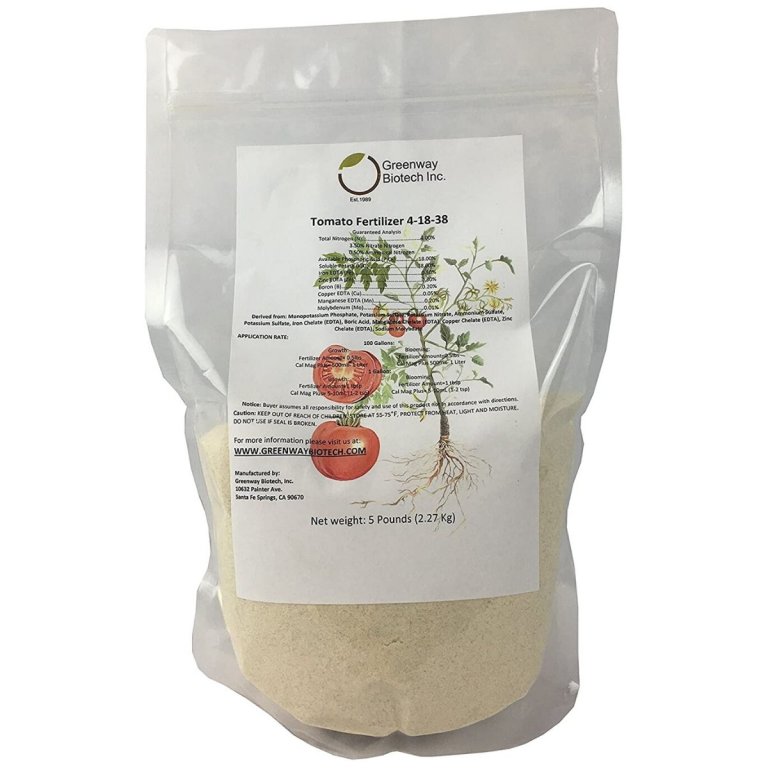
What We Like
- Water-soluble; works for hydroponic gardening
- Makes 1,000 gallons of liquid fertilizer
- Free of heavy metals and harmful materials
What We Don’t Like
- Formula isn’t organic
Product Specs
- Type: Water-soluble
- Organic: No
- NPK: 4:18:38
Folks looking for a high-quality, water-soluble fertilizer will want to consider Greenway Biotech tomato fertilizer. This professional formula consists of quality ingredients specifically designed for tomatoes, including nitrogen, phosphorus, potassium, boron, copper, and more. This combination creates healthy and strong tomato plants for folks who prefer a water-soluble formula or who grow tomatoes hydroponically.
A 5-pound package of Greenway Biotech tomato fertilizer makes 1,000 gallons of liquid fertilizer. The package includes instructions for application as a foliar fertilizer or as a dry product to side-dress tomatoes in the garden. This fertilizer contains no heavy metals or harmful materials.
Get the Greenway Biotech fertilizer for tomatoes at Amazon or Walmart.
Or, DIY Your Own Tomato Fertilizer
For those who would prefer to DIY their own tomato fertilizer, the process is fairly simple. All that’s necessary is the right ingredients and biological activity to create a high-quality fertilizer that’s sure to be organic.
The base of the fertilizer should be compost, as it’s packed with nutrients. Then add items like wood ash, kelp meal, blood meal, and bone meal to the mix. DIYers can even add the likes of coffee grounds, ground egg shells, or pet and human hair (all of which can also keep pests away). Mix this combination until it’s evenly distributed and apply it to the garden soil, native soil, or container tomatoes. As the microorganisms and worms work this mix over, they’ll be putting nutrients back into the soil.
The tomato-fertilizer ratio here will depend on the plant’s needs and the soil’s condition. Start by taking a soil sample to the local extension to determine the fertilizer’s needs.
Jump to Our Top Picks
How We Chose the Best Fertilizer for Tomatoes
We know how essential growing tomatoes is to the ultimate edible garden, so we took our job of assembling a lineup of the best tomato fertilizers seriously. We drew upon all our experience in DIY gardening to come up with the most important features or formulas to look for in a fertilizer.
Once we knew what to look for in tomato food, we performed extensive product research to come up with a group of products to vet. We compared them based on formula, type, and price to ensure they offered real value. Products that didn’t pass muster were tossed aside, while those that did were given awards based on their strengths.
What to Consider When Choosing the Best Tomato Fertilizers
Each garden is unique. Differences in soil structure, natural fertility, drainage, pH, and other factors mean that no single fertilizer works best in all cases. It helps to have different options at hand for nutrient levels that can fill plants’ needs at different stages of development. Consider these factors while shopping for the best tomato fertilizer.
Types of Fertilizer for Tomatoes
Tomato fertilizers come in three basic forms: granular, liquid, and water-soluble. Each form should be available in both inorganic and organic fertilizer choices. The time of year, plant health, weather conditions, user convenience, and other factors influence which formulation will best serve the gardener’s needs.
Granular
Granular fertilizer is easy to apply, requires no preparation time, and stores indefinitely in a cool, dry location. Gardeners apply granular fertilizer either by incorporating it into the soil before planting or by spreading it over the root zone of established plants. Granular fertilizers come in quick-release or slow-release formulas.
Slow-release fertilizer breaks down slowly for a long, steady feed, for up to a full growing season. Gardeners can find slow-release formulas as organic or inorganic products. Quick-release fertilizers are made of inorganic ingredients that run through the soil as they dissolve by water. This provides a quick burst of nutrients.
Liquid
Liquid fertilizer comes in a concentrated form that must be diluted with water. It comes in both inorganic and organic options and is immediately available to plants. In addition to the normal application method of drenching soil around plants with liquid fertilizer, many gardeners apply weak liquid fertilizer solutions (half-strength or less) directly to plant foliage.
There are numerous ways of applying liquid fertilizer, from a simple watering can to calibrated hose-end sprayers that mix the concentrate with the flow of water as it is discharged. Liquid fertilizer provides a quick burst of nutrients and must be reapplied often. It has a long shelf life if unopened and stored properly.
Water-Soluble
Water-soluble fertilizer combines the storage convenience of granular fertilizer with the fast-acting capability of liquid forms. It becomes available to plants immediately upon application. Like the other types of fertilizers, water-soluble ones come in both organic and inorganic options.
Water-soluble fertilizer is available in a microgranular or powdered form that easily dissolves in water. The uses of water-soluble fertilizer mirror those of liquids.
Soil Condition
The surest way of knowing if a garden is up to the task of growing tomatoes is to have the soil tested. A soil analysis shows the current levels of all major nutrients and micronutrients in the soil. The results will include recommendations for soil amendments to add that help bring the soil into the proper range for gardening.
Every state in the U.S. operates a cooperative extension service that assists farmers and home gardeners with growing crops. Soil testing is one of the services they provide for a small fee, typically between $15 and $20. Simply type a state’s name and the words “extension service” into the browser to get started.
Chemical Fertilizer Content
Fertilizer is made up of three major nutrients: nitrogen (N), phosphorus (P), and potassium (K). Nitrogen is the element responsible for foliage growth. Phosphorus helps with root, flower, and fruit production. Potassium builds strong stems and overall plant health. Manufacturers list the major nutrients prominently on the label in a ratio, such as 4-6-4, always in the order of N-P-K. The ratio tells each nutrient’s percentage share of the fertilizer’s volume. Fertilizer with a 4-6-4 ratio is 4 percent N, 6 percent P, and 4 percent K.
In addition to including the major nutrients, fertilizers may or may not contain micronutrients. Micronutrients typically appear in a less prominent location on the packaging. Micronutrients play smaller but crucial roles in various plant processes. Tomatoes notably benefit from calcium, magnesium, sulfur, manganese, zinc, boron, and copper.
Growing Stages of Tomato Plants
Early in life, as the plants become established and grow rapidly before flowering, tomato plants need nutrients that support root, stem, and leaf development. A balanced ratio of nitrogen, phosphorus, and potassium works best at this stage. Slow-release fertilizer applied at planting time can provide all the necessary major nutrients needed for the growing season.
During and after flowering, tomato plants need slightly different resources for flower production, fruit development, and disease resistance. During the fruiting phase, mature tomato plants benefit from lower nitrogen levels and higher levels of phosphorus, potassium, and some micronutrients. Calcium is especially important in promoting fruit set and preventing blossom end rot.
Organic Options
Organic tomato fertilizers are derived from certified organic ingredients. These formulations have a lower concentration of nitrogen, phosphorus, and potassium and provide higher levels of micronutrients than inorganic products. Organic fertilizers are less likely to damage plants or contribute to water pollution in the event of a spill or other accident.
Most organic fertilizers become available to plants through microscopic organisms in the soil, like fungi and bacteria. The microbes consume the fertilizer components and then release the nutrient compounds that plants can metabolize. Organic fertilizers support broader soil ecology compared with inorganic fertilizers.
FAQs
Those who still want more info about tomato fertilizer may find what they’re looking for in the answers to these frequently asked questions.
Timing, frequency, and application rates vary by product. Be sure to follow the application instructions on the fertilizer label.
Apply granules either by incorporating them into the soil before planting or by spreading them on the soil surface after planting. Prepare liquids according to the label instructions and drench the soil around the tomato plant.
Each fertilizer product breaks down or is used by the tomato plant a little differently. If using granules, applying two or three applications through the growing season usually suffices. Apply a liquid fertilizer every 2 or 3 weeks. Always use caution and read product labels.