We may earn revenue from the products available on this page and participate in affiliate programs. Learn More ›
Key Points
- Traditional, transplanting, potting, digging, and planting blades each serve different tasks, so choosing the right style can make your gardening work faster and easier.
- Look for a trowel that weighs less than 3 pounds and has a handle at least 4 inches long. These specs deliver the best balance of control, comfort, and reduced hand strain during repetitive digging.
- Serrated edges and V-notch tips make a meaningful difference when cutting through roots, weeds, and compacted soil.
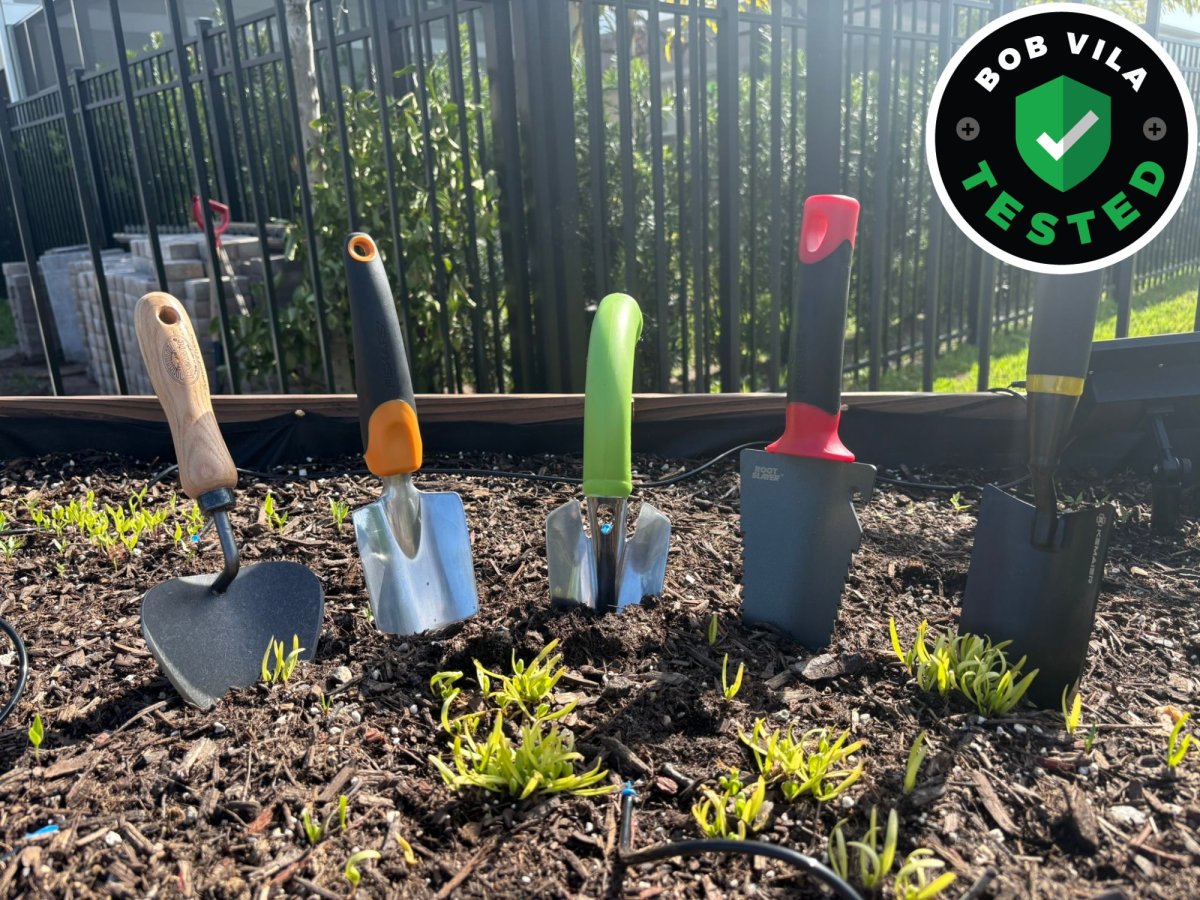
Garden trowels are one of the most essential tools for digging small holes, transplanting seedlings, and tackling everyday lawn care and gardening tasks. To find the models that perform best in real gardens, we tested six popular garden trowels, evaluating each for its comfort, durability, and ability to dig through compacted soil and roots. Whether you’re planting bulbs, filling containers, or weeding around delicate plants, a dependable trowel makes these tasks faster and far less frustrating.
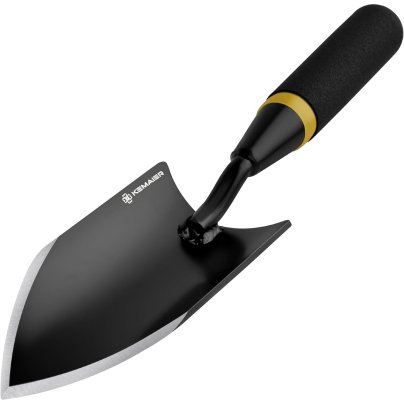
While gardening itself offers plenty of benefits—from light exercise in the fresh air to stress relief and improved mood—the experience is even better when you’re wielding comfortable tools built to last. A poorly made trowel can bend in tough soil, feel awkward in the hand, or wear out after just one season. During testing, the Kemaier Heavy-Duty Carbon Steel Hand Trowel stood out as the most versatile option thanks to its sturdy construction and sharp, pointed blade that easily sliced through compacted soil and hidden weeds.
For shoppers looking to upgrade their gardening toolkit, a few key features can make a big difference in performance. The following guide explains what to look for when choosing a quality tool and highlights the best garden trowels for a variety of gardening tasks.
- BEST OVERALL: Kemaier Heavy-Duty Carbon Steel Hand Trowel
↓ Jump to Review - BEST BANG FOR THE BUCK: Fiskars Rust-Resistant Ergo Trowel
↓ Jump to Review - BEST FOR POTTING: DeWit Heavy-Duty Wood Handle Potting Trowel
↓ Jump to Review - MOST AGGRESSIVE: Radius Garden Root Slayer Trowel
↓ Jump to Review - BEST HORI HORI KNIFE: Barebones Hori Hori Classic Knife
↓ Jump to Review
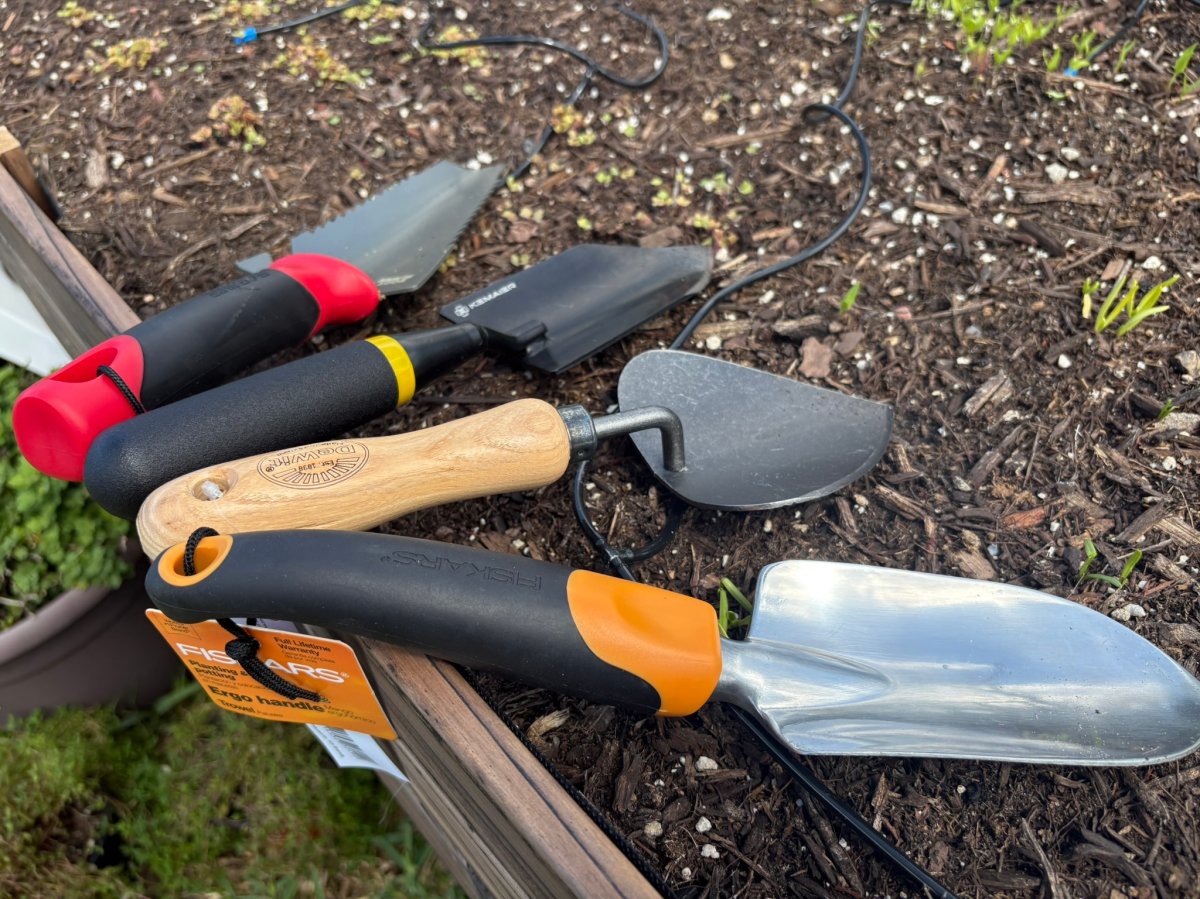
Quick Comparison: Best Garden Trowels
| Product | Blade Material | Handle Material | Blade Length | Handle length | Weight |
|---|---|---|---|---|---|
| Kemaier Heavy-Duty Carbon Steel Hand Trowel | Carbon-manganese steel | Rubber | 6.3 inches | 6.3 inches | 0.76 pounds |
| Fiskars Rust-Resistant Ergo Trowel | Aluminum | Plastic | 6.25 inches | 5.5 inches | 0.4 pounds |
| DeWit Heavy-Duty Wood Handle Potting Trowel | Steel | Wood | 4.5 inches | 6.5 inches | 0.5 pounds |
| Radius Garden Root Slayer Trowel | Powder-coated carbon steel | Thermoplastic grip with polypropylene core | 6.75 inches | 6 inches | 0.63 pounds |
| Barebones Hori Hori Classic Knife | Stainless steel | Walnut | 6.75 inches | 5.25 inches | 0.8 pounds |
Our Top Picks
Choosing a trowel is the fun part. The picks below highlight some of the best gardening trowels for different needs and gardening styles, from everyday digging to tougher tasks that require a more capable digging tool. Once you find a favorite, it may even earn a permanent spot in your garden tool organizer.
Best Overall
Kemaier Heavy-Duty Carbon Steel Hand Trowel
Buy at AmazonWhat We Like
- Strong manganese steel blade Sharp tip cuts through roots
- Includes depth markers on the blade
- Comfortable non-slip rubber handle
- Excellent all-around garden performance
What We Don’t Like
- Slightly heavier than basic trowels
- Blade edges are very sharp
Product Specs
- Blade material Carbon-manganese steel
- Handle material Rubber
- Blade length 6.3 inches
- Handle length 6.3 inches
- Weight 0.76 pounds
Our Ratings
| Functionality | 5/5 | Ergonomics | 4.5/5 | Durability | 5/5 | Value | 5/5 |
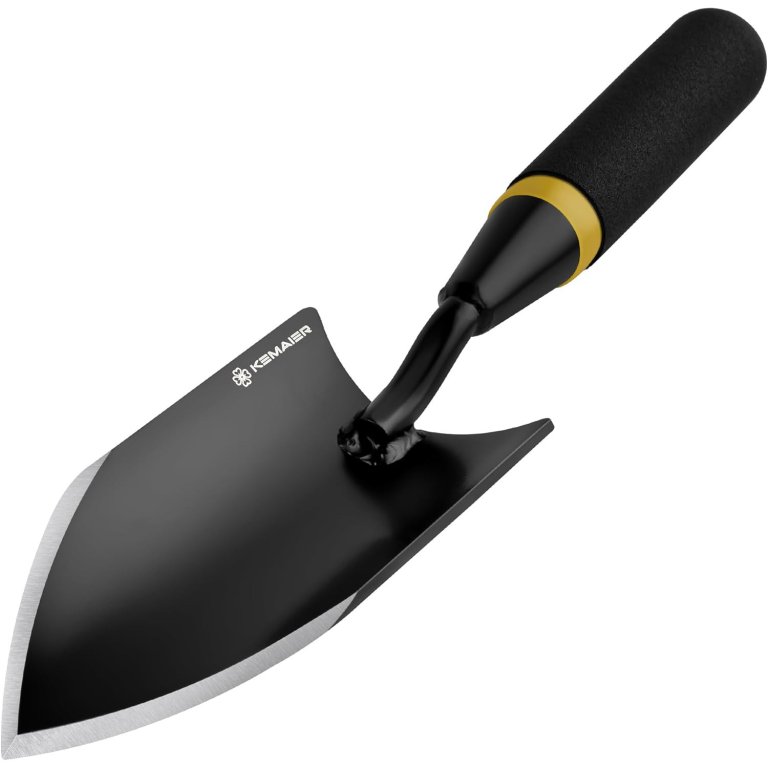
The Kemaier hand trowel stood out as the most versatile tool in our tests and quickly became our go-to option for nearly every gardening task. Built from quenched 65-manganese steel, the blade feels noticeably sturdier than many standard garden trowels. The pointed tip easily penetrates compacted soil, while the slightly curved scoop holds a decent amount of dirt when transplanting plants or filling containers. During testing, this combination made it an especially effective hand tool for digging planting holes, loosening soil, and moving small amounts of potting mix without the need for constant re-scooping.
We used this trowel for a full day of garden work, including removing old plants from raised beds, loosening compacted soil, and transplanting new seedlings. The sharp edges helped slice through stubborn roots and weeds that often slow down planting. Despite the heavy-duty steel construction, the rubber-wrapped handle felt comfortable and secure throughout extended use. Its non-slip grip made it easy to maintain control, even when working in damp soil or while wearing gardening gloves.
Durability was another highlight. The full-tang steel construction and solid weld between the handle and blade give the tool a rugged, long-lasting feel that should hold up to years of digging. As a small bonus, the trowel also comes with a protective plastic sheath to cover the sharp edges during storage. While it’s slightly heavier than some lightweight options, that added weight contributes to its strength and overall performance, making it an excellent all-around choice for most gardeners.
What our tester says: “Easily my favorite trowel now—it can handle just about anything. Plus, I love the sharp, pointy shape for slicing through roots and soil.”—Paul Rankin, Product Reviews tester and writer
Get the Kemaier garden trowel at Amazon.
Best Bang For the Buck
Photo: Amazon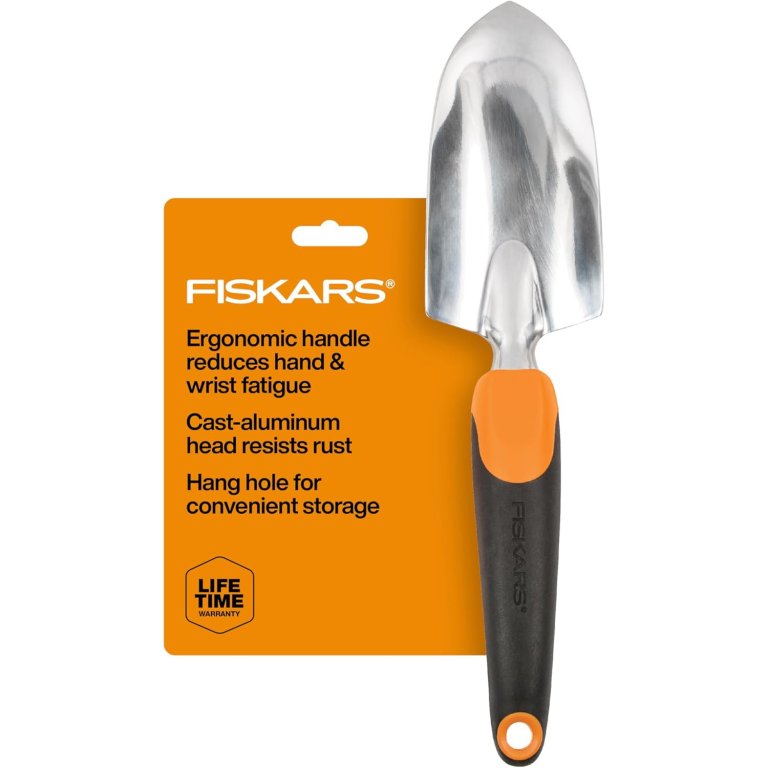
What We Like
- Lightweight yet sturdy aluminum blade
- Affordable and widely available
- Good for everyday gardening tasks
- Rust-resistant cast aluminum
What We Don’t Like
- Plastic handle is less comfortable
- Not ideal for heavy root cutting
Product Specs
- Blade material Aluminum
- Handle material Plastic
- Blade length 6.25 inches
- Handle length 5.5 inches
- Weight 0.4 pounds
Our Ratings
| Functionality | 4.7/5 | Ergonomics | 4/5 | Durability | 4/5 | Value | 5/5 |
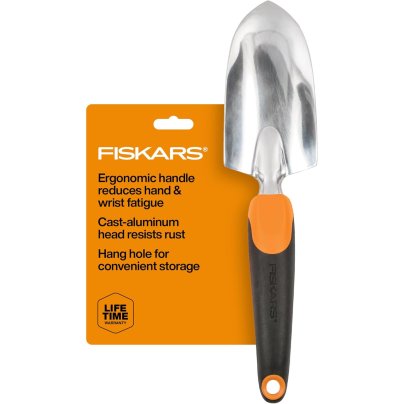
The Fiskars ergonomic garden trowel earned its spot thanks to its solid performance and affordable price. This lightweight tool features a polished cast-aluminum head designed for durability and rust resistance, making it a practical option for everyday garden tasks. The slightly pointed blade works well for digging small planting holes, loosening soil, and transplanting flowers or vegetables. Despite its light weight, the aluminum head felt sturdy during testing and handled tougher soil conditions without bending or flexing.
During our tests, the Fiskars trowel performed reliably while digging out older plants with thicker roots and compacted soil. The blade stayed sharp and moved through soil easily, and the lightweight design made it comfortable to use for longer stretches without causing arm fatigue. For general garden work like planting seedlings, turning soil, or working in raised beds, it checked most of the boxes we look for in a dependable trowel.
The main trade-off comes with the handle. While Fiskars designed it with an ergonomic shape to reduce wrist strain, the rigid plastic grip isn’t as comfortable as the rubberized handles found on more expensive models. That said, considering the excellent price and durable aluminum construction, this tool offers impressive value. It may not feel as premium as some competing trowels, but for gardeners looking for a reliable, budget-friendly option, it’s a practical tool to keep in the shed.
Get the Fiskars garden trowel at Amazon, Lowe’s, Ace Hardware, Target, or Walmart.
Best For Potting
DeWit Heavy-Duty Wood Handle Potting Trowel
Buy at Amazon Buy at The Home Depot Buy at Gardener’s Supply Co.What We Like
- Wide blade scoops lots of soil
- Excellent for potting plants
- Strong forged steel blade
- Classic hardwood handle
What We Don’t Like
- Less versatile than standard trowels
- Not ideal for cutting roots
Product Specs
- Blade material Steel
- Handle material Wood
- Blade length 4.5 inches
- Handle length 6.5 inches
- Weight 0.5 pounds
Our Ratings
| Functionality | 4/5 | Ergonomics | 4/5 | Durability | 5/5 | Value | 4.7/5 |
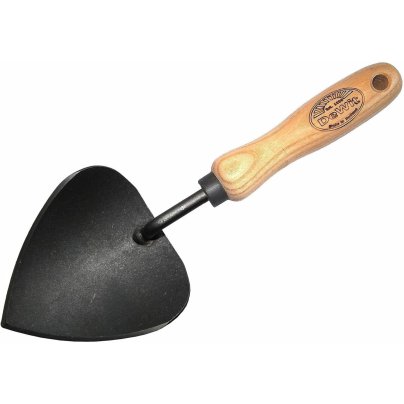
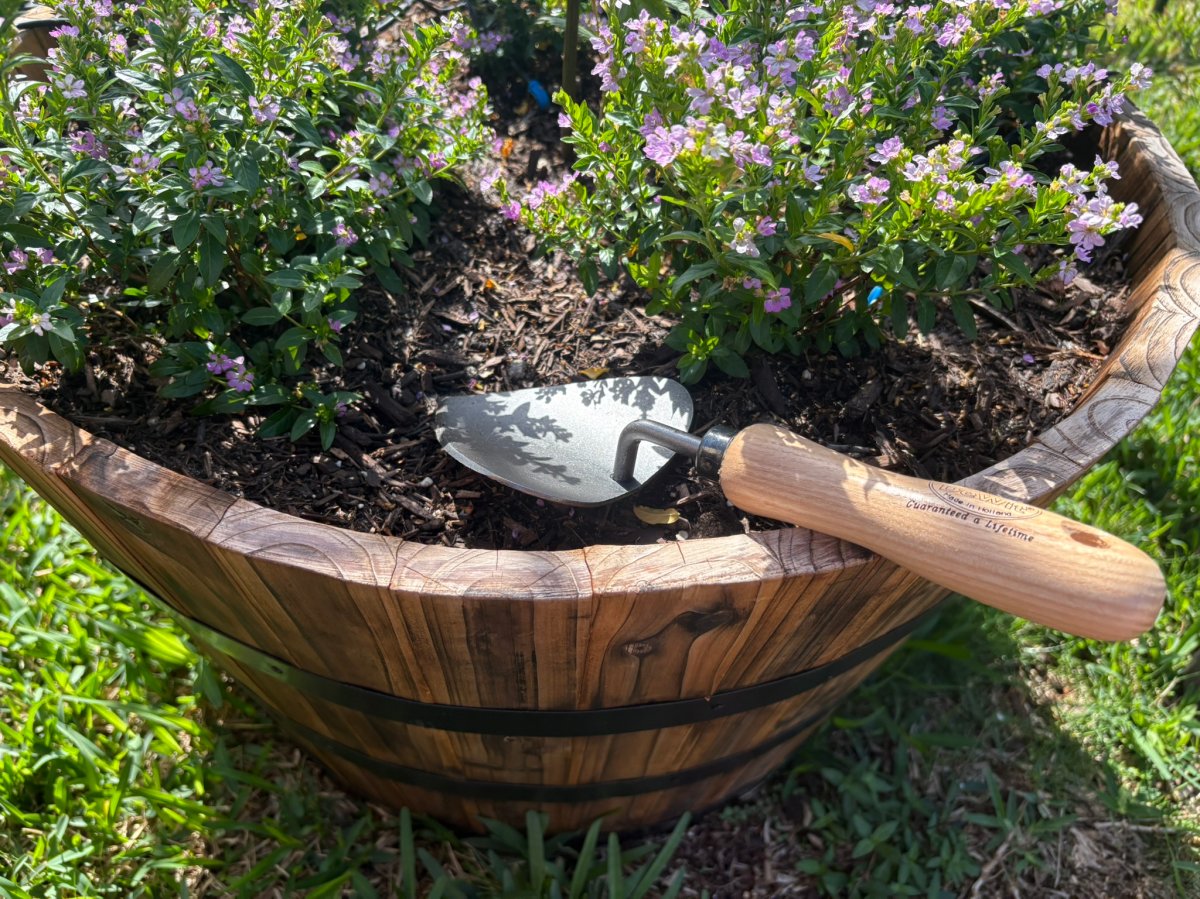
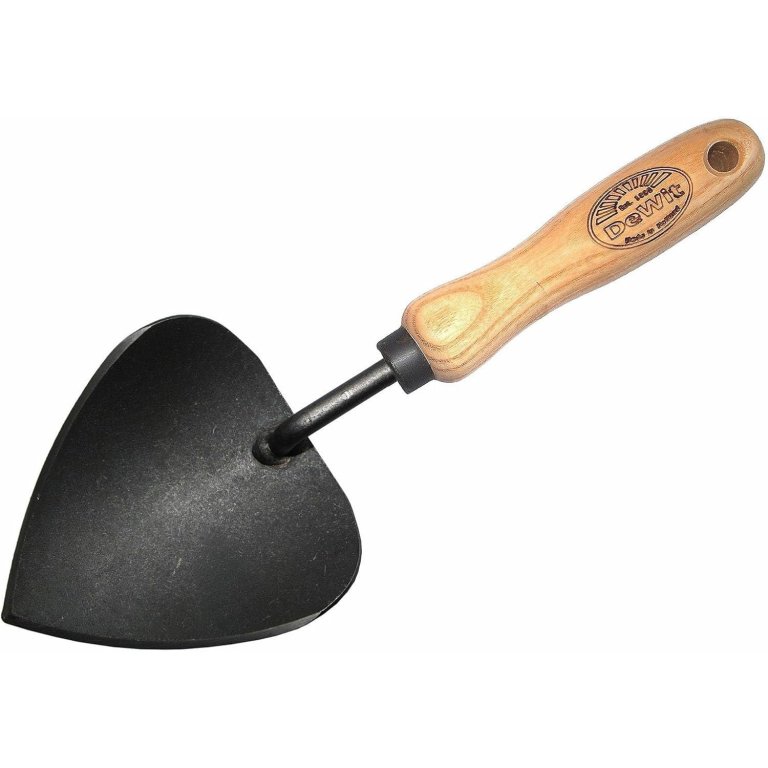
The DeWit potting trowel is designed specifically for potting and transplanting, and its unique blade shape makes that purpose immediately clear. Instead of the narrow scoop found on many garden trowels, this model features a short, wide blade that resembles the shape of a spade from a deck of cards—broad at the top and tapering quickly to a point. The curved design helps hold a generous amount of soil while reducing spills, making it especially useful when filling pots or containers with potting mix.
During testing, this blade shape was excellent for working with bags of potting soil and filling planters. The wide scoop moved more soil with each pass than a traditional trowel, which made container planting noticeably faster. The sturdy forged-steel blade felt strong and durable while digging or scraping along the inside edge of pots to loosen root-bound plants. The handle is made from European ash wood, giving the tool a classic feel that many gardeners will appreciate. It’s comfortable to hold and provides a solid grip while working with soil.
While it’s an excellent tool for potting tasks, the wide blade makes it a bit more specialized than a standard garden trowel. It works best for scooping soil and filling containers rather than digging narrow holes or cutting through dense roots. For gardeners who frequently work with planters, though, this thoughtfully designed tool is a standout addition to the gardening kit.
What our tester says: “I really liked the look of this one. I love a wooden handle; they just look so sophisticated. The blade shape is definitely only suited for specific tasks, though, but it’s a great addition to my gardening lineup.”—Paul Rankin, Product Reviews tester and writer
Get the DeWit garden trowel at Amazon, The Home Depot, or Gardener’s Supply Co.
Most Agressive
Photo: Amazon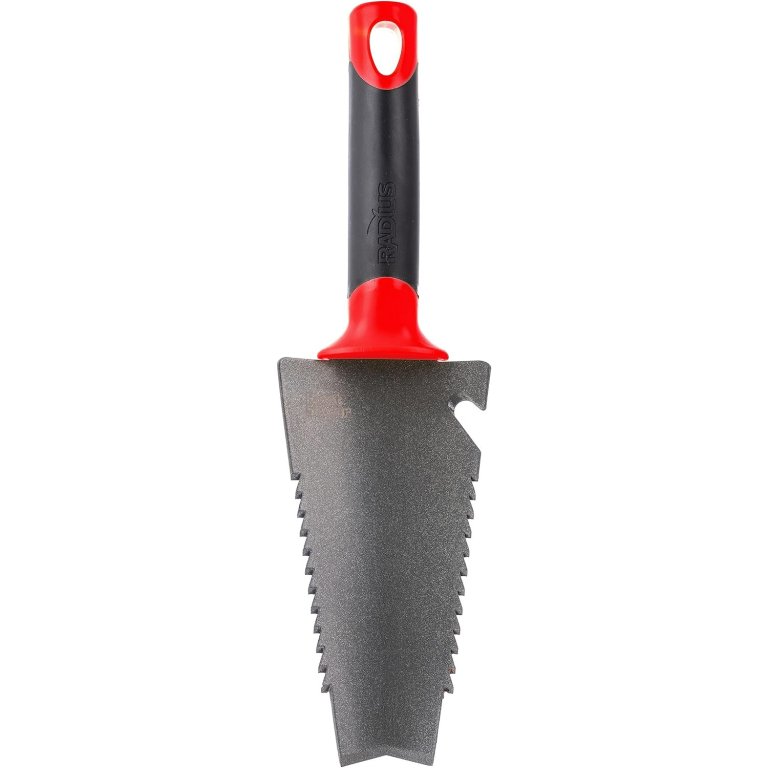
What We Like
- Serrated blade cuts through roots
- Excellent for tough soil
- Heavy-duty carbon steel blade
- Twine cutter and bottle opener
What We Don’t Like
- Handle feels somewhat plasticky
- Less suited for delicate planting tasks
Product Specs
- Blade material Powder-coated carbon steel
- Handle material Thermoplastic grip with polypropylene core
- Blade length 6.75 inches
- Handle length 6 inches
- Weight 0.63 pounds
Our Ratings
| Functionality | 4.3/5 | Ergonomics | 4/5 | Durability | 5/5 | Value | 4/5 |
The Radius Garden Root Slayer trowel is built for gardeners who regularly deal with tough roots, compacted soil, or stubborn plants that resist removal. Unlike traditional garden trowels, this model has aggressive serrated edges along the blade and an inverted V-shaped cutting tip designed to slice through roots rather than simply push past them. The heavy-duty carbon steel blade feels extremely sturdy and is powder-coated to help resist rust and wear. It also includes a twine-cutting notch at the base of the blade that doubles as a bottle opener—an unexpected but fun bonus feature.
In testing, this tool proved to be one of the most capable options for demanding garden work. The ripsaw-style teeth easily cut through thick roots and compacted soil that would normally slow down a standard trowel. It felt especially useful when removing older plants or digging in beds where roots had spread throughout the soil. The blade design gives the tool a rugged, almost intimidating appearance, but that aggressive design translates directly into real performance when tackling tough garden conditions.
The handle has a polypropylene core with a rubberized thermoplastic grip that feels comfortable in the hand and provides good control. However, the plastic handle construction doesn’t feel quite as durable as the heavy-duty blade, especially considering the tougher tasks this trowel is designed to handle. While it performs exceptionally well for cutting roots and digging through compacted soil, gardeners who frequently push tools hard may wish the handle felt a bit more robust.
Get the Radius Garden garden trowel at Amazon, The Home Depot, Lowe’s, Tractor Supply Co., or Gardener’s Supply Co.
Best Hori Hori Knife
Photo: Amazon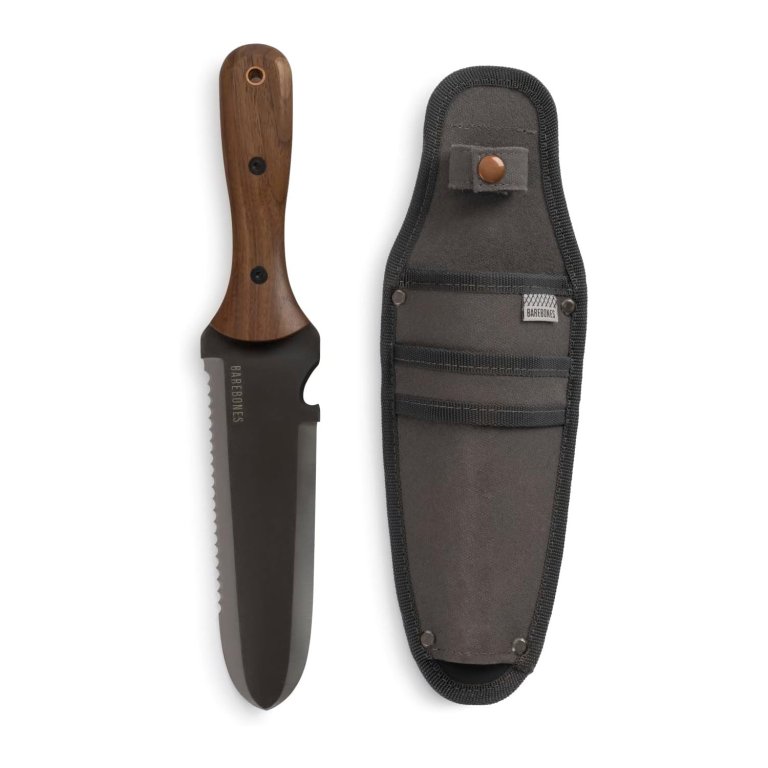
What We Like
- Durable full-tang stainless steel blade
- Double-riveted walnut handle
- Flat knife edge and serrated knife edge
- Built-in twine cutter doubles as a bottle opener
- Heavy-duty sheath, belt loop, and belt clip included
What We Don’t Like
- Expensive
- Does not include a knife sharpener
Product Specs
- Blade material Stainless steel
- Handle material Walnut
- Blade length 6.75 inches
- Handle length 5.25 inches
- Weight 0.8 pounds
Our Ratings
| Functionality | 4/5 | Ergonomics | 4/5 | Durability | 5/5 | Value | 3.8/5 |
The Barebones Hori Hori Classic Knife is technically a hori hori knife rather than a traditional stainless steel garden trowel, but its versatility earns it a spot in many gardeners’ toolkits. Built with a thick, heat-tempered steel blade, this tool handles a wide range of garden tasks, from digging small planting holes and transplanting seedlings to cutting roots and prying out stubborn weeds. The spear-shaped blade is wide enough to move soil like a narrow trowel, while the sharp serrated edge makes quick work of tough roots or thick stems.
During testing, this knife proved extremely capable for multiple gardening tasks. The blade’s weight and thickness gave it a very sturdy feel, making it useful for digging into compacted soil or levering out deeply rooted weeds. The serrated edge was particularly effective when slicing through roots that would normally slow down a standard trowel. Similar to the Root Slayer, the base of the blade features a small notch for cutting twine. The notch also doubles as a bottle opener—a welcome feature after a long day of garden work.
The walnut handle wraps smoothly around the full-tang blade and gives you a comfortable grip with a classic look that stands out among many plastic-handled tools. It also comes with a molded nylon sheath that protects the blade and makes it easy to carry on a belt while working around the garden. While it’s heavier and more expensive than a basic trowel, its durability and multi-purpose design make it a compelling alternative for gardeners who want a single tool that can dig, cut, and pry.
Get the Barebones garden trowel at Amazon or Barebones Living.
Jump to Our Top Picks
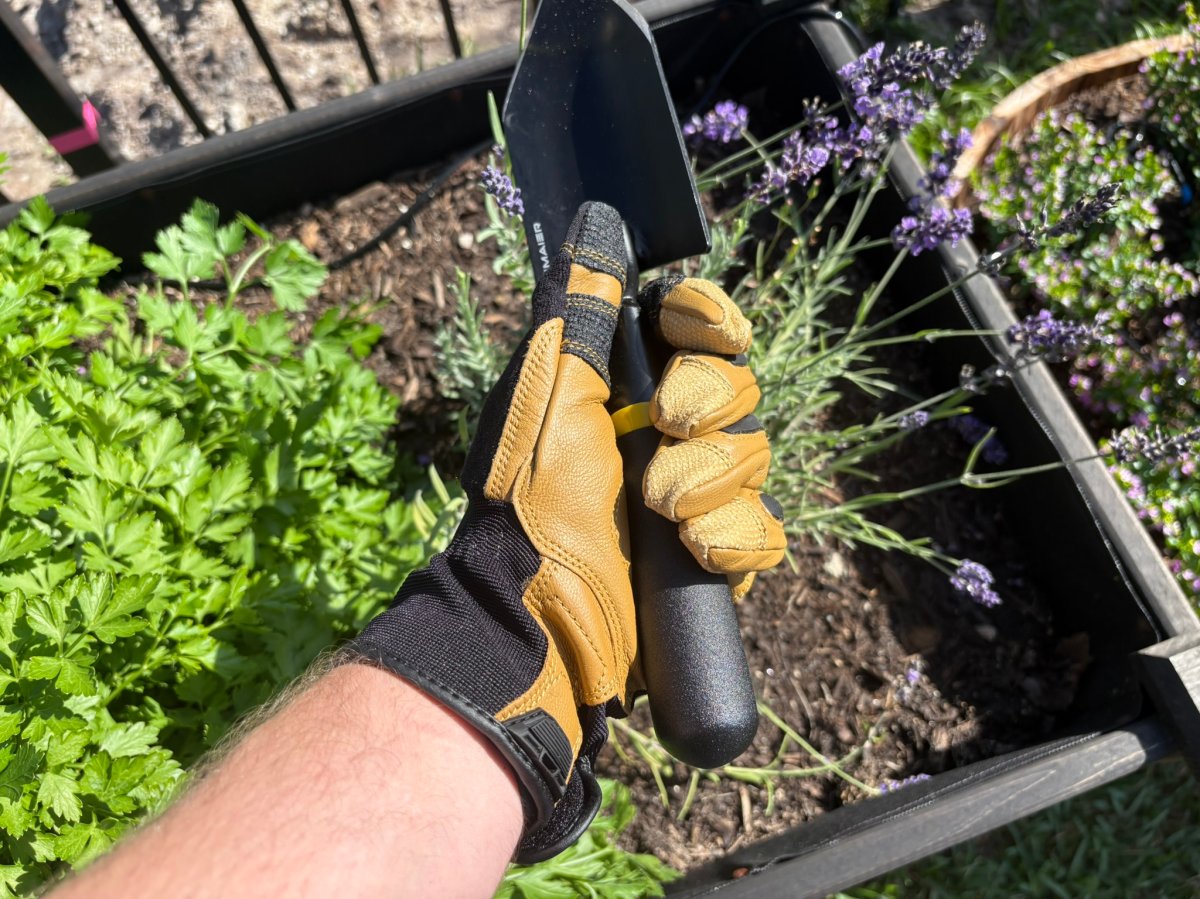
How We Tested the Best Garden Trowels
| Products tested | 6 |
| Time spent testing | 1 week |
| Tests performed | 8 to 10 |
| Price range | $8 to $55 |
To find the best garden digging tools, we researched more than a dozen models from well-known gardening tool brands and chose six promising options for hands-on testing. We considered factors like blade material, handle design, durability, ergonomics, and overall value. Trowels with sturdy metal blades, comfortable grips, and practical designs that could handle a range of common gardening tasks were prioritized. We also included a mix of traditional trowels, ergonomic designs, and specialty tools to see how different styles performed in real garden conditions.
Each trowel was inspected upon arrival to evaluate build quality, including blade thickness, handle construction, and overall sturdiness. During testing, each tool was used continuously for at least 15 minutes to assess comfort and ergonomics. We used the trowels to turn compacted soil in garden beds, transplant seedlings and small plants, remove weeds, and scoop or move soil. Tools designed for specific tasks, like potting or root cutting, were tested in those scenarios first. Finally, we dropped each trowel onto a hard surface and inspected it for bending, cracking, or other damage to help gauge long-term durability. Performance, comfort, and durability ultimately determined which tools earned a spot among the best garden trowels.
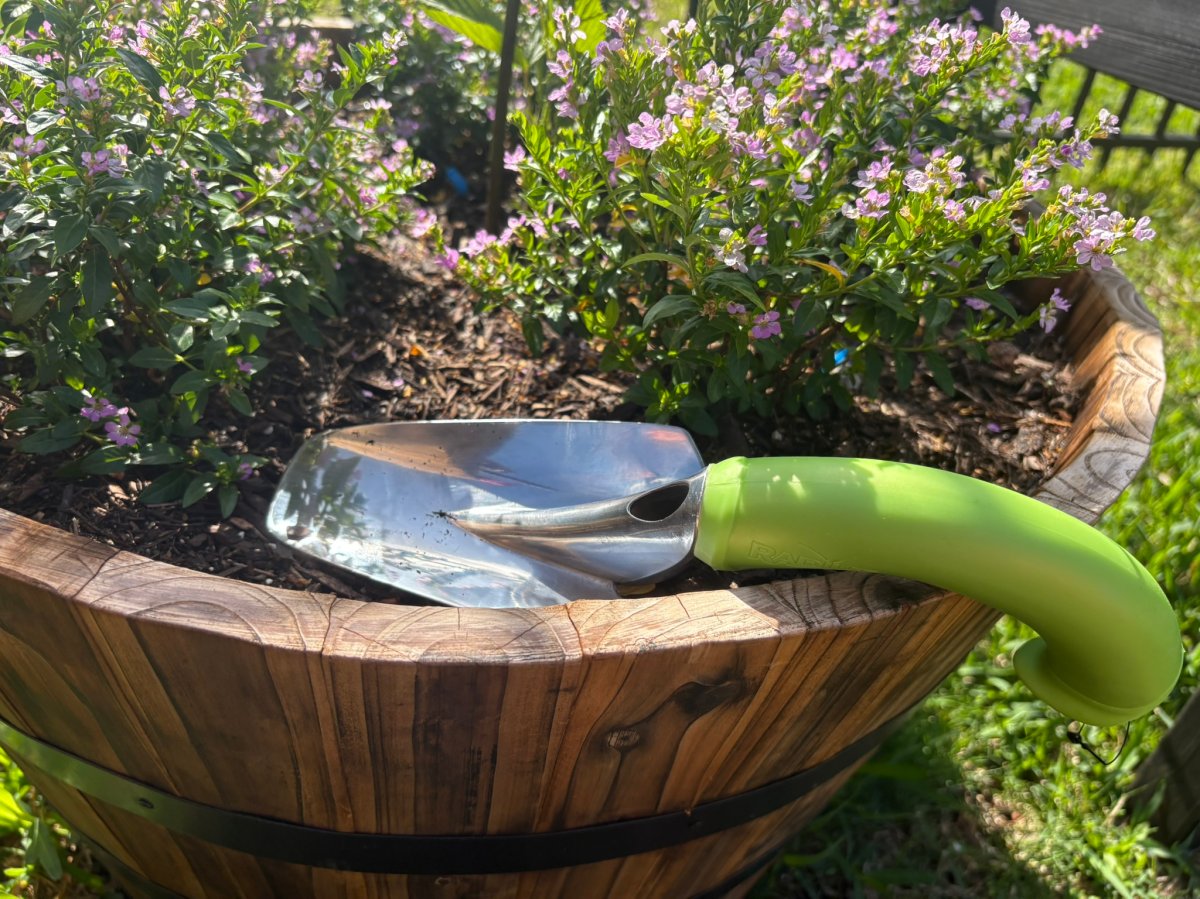
Our Testing Scores
| Product | Functionality | Ergonomics | Durability | Value |
|---|---|---|---|---|
| Kemaier Heavy-Duty Carbon Steel Hand Trowel | 5/5 | 4.5/5 | 5/5 | 5/5 |
| Fiskars Rust-Resistant Ergo Trowel | 4.7/5 | 4/5 | 4/5 | 5/5 |
| DeWit Heavy-Duty Wood Handle Potting Trowel | 4/5 | 4/5 | 5/5 | 4.7/5 |
| Radius Garden Root Slayer Trowel | 4.3/5 | 4/5 | 5/5 | 4/5 |
| Barebones Hori Hori Classic Knife | 4/5 | 4/5 | 5/5 | 3.8/5 |
What to Consider When Choosing a Garden Trowel
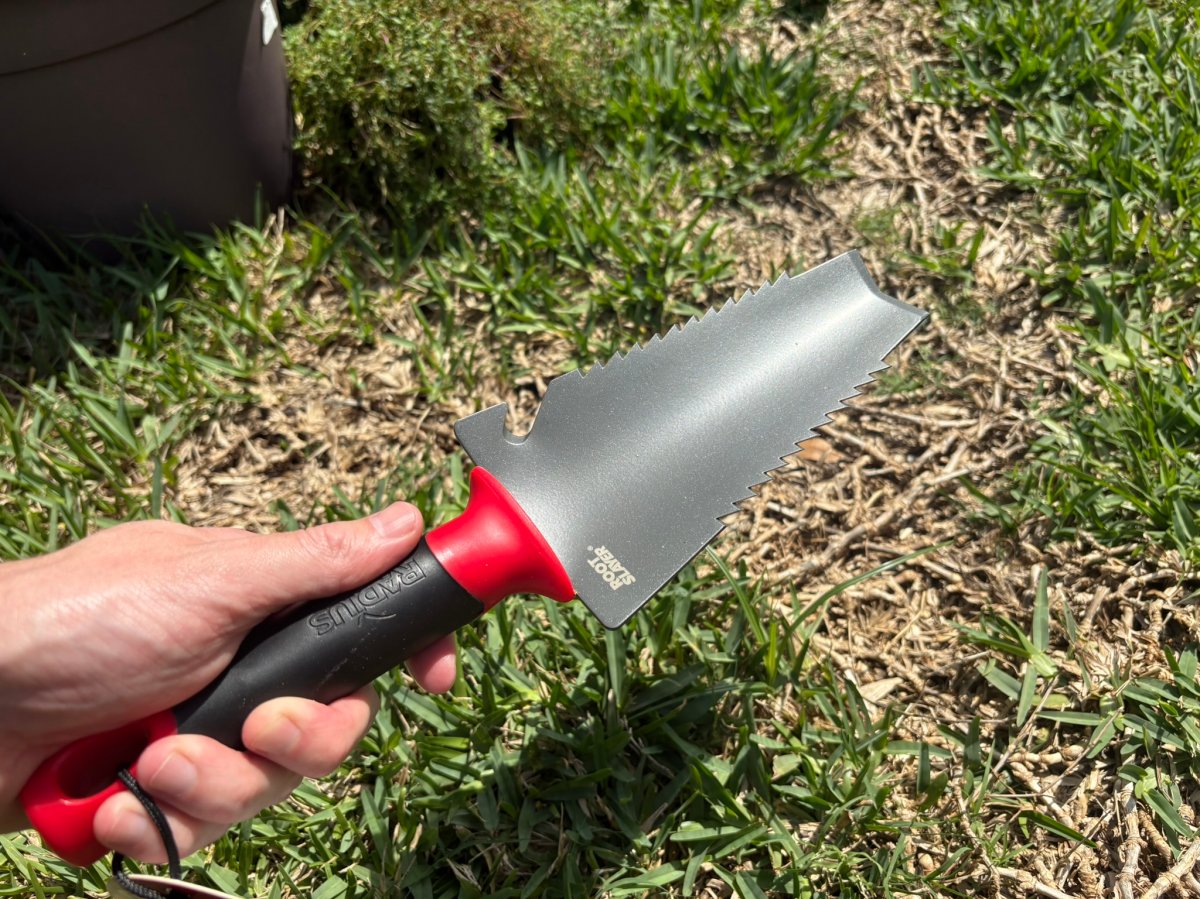
Selecting the best garden trowel is easier when you follow a few helpful tips. The plethora of different shapes and material options can overwhelm even the most dedicated gardener. This list contains some considerations to keep in mind when choosing a quality garden trowel.
Material
Trowel blades are made of stainless steel, carbon steel, or aluminum. Stainless steel blades are often formed as a single piece of metal, which makes the blade strong and more resistant to bending, breaking, and rusting. Carbon steel, one of the strongest materials, doesn’t rust and is virtually impossible to break. Aluminum is lighter, which makes it better suited to light tasks, such as potting, rather than digging into rocky ground.
Garden trowel handles are made of wood, plastic, or fiberglass. Wood handles are sturdy, and if the wood is high-quality and kept out of the elements, they can last a long time. Plastic handles are available with a plastic-layered metal blade or a separate plastic blade. Over time, plastic handles and parts can break off the trowel. Fiberglass handles are made with tough fiberglass resin. Unlike wood, this material doesn’t shrink or expand with changes in humidity.
Blade
The shape of the blade, which may be flat, curved, or scooped, helps gardeners complete various garden tasks. Blade styles include traditional, transplanting, potting, digging, and planting.
- Traditional blades have a rounded or slightly pointed end.
- Transplanting blades are longer and narrower so that they can get deep enough to remove a plant and its roots.
- Potting blades, which have a pronounced concave curve, help transfer soil from one location to another.
- Digging blades generally have a wider trowel blade with a scoop shape for digging up plants or digging holes.
- Planting blades traditionally have a pointier tip for digging and planting in tighter places.
Handle
The best garden trowels have a good length and decent grip, and they offer an ergonomic design to provide the best performance in every type of soil condition.
Handle length affects how the tool feels in the hand and can contribute to or decrease pressure on the palm. Too short, and the handle causes pressure on the hand and leaves less room to grip. A handle should be at least 4 inches long, but closer to 5.5 inches provides the best ergonomic benefits. The grip makes the trowel more comfortable and easier to hold. Handles with cylindrical or oval shapes instead of flat edges typically offer the best grip.
Ergonomic handles help gardeners perform repetitive tasks more easily and safely. They also help reduce muscle injury or strain. Ergonomic handles minimize flexion, extension, and radial deviation of the wrist (bending or twisting of the wrist toward the thumb) by creating a neutral wrist posture.
Additional Features
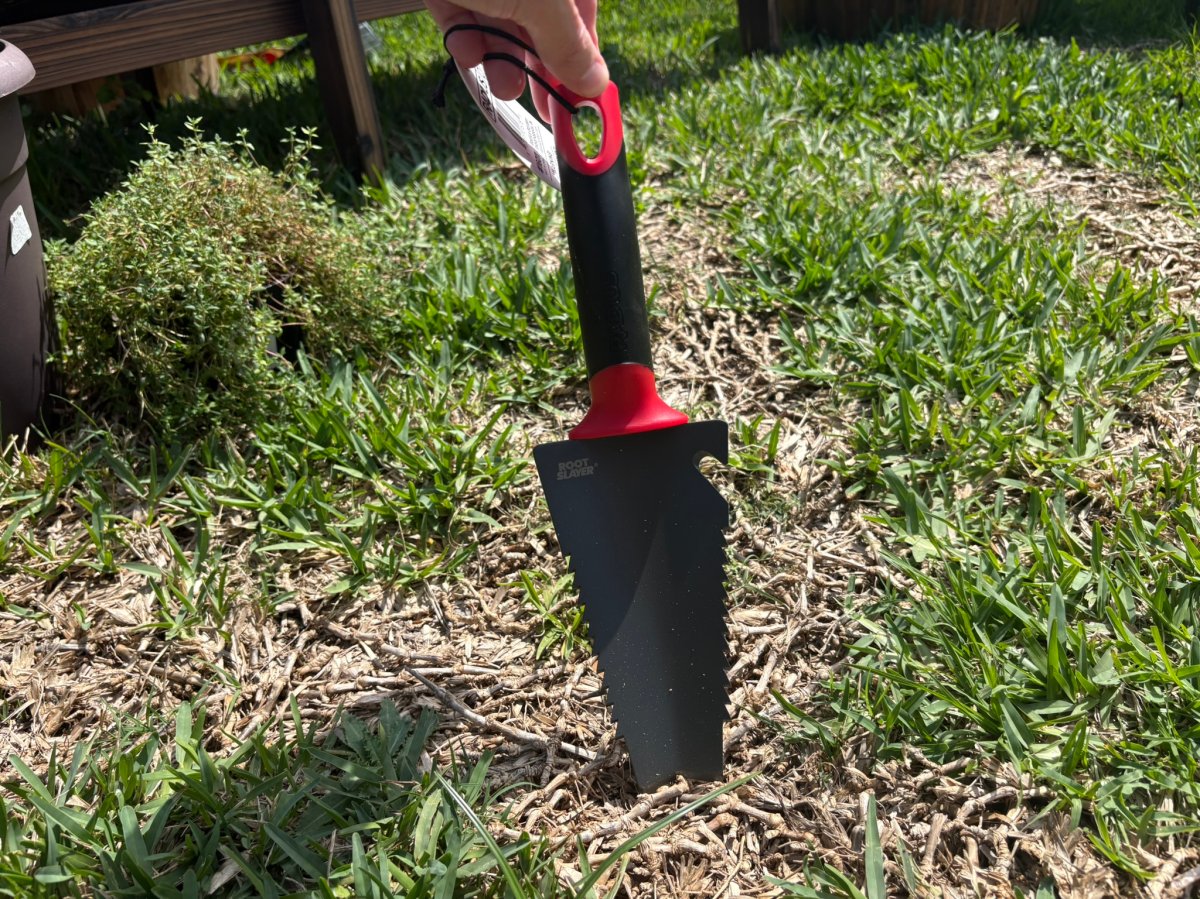
Some additional features affect garden trowel capabilities, including weight, handle holes, and sharpening. Trowel weight affects how gardeners use the tool. Look for a trowel that weighs 3 pounds or less; ideally, a trowel should weigh less than 1 pound. Some trowel handles have holes at the bottom for storage that make it easy to hang the trowel on a hook in the garden shed or garage. The metal construction of most trowels makes it easy to sharpen, so gardeners can keep them in working order when the edges start to dull.
FAQs
After purchasing the best garden trowel, you might have questions about how to use and care for it to ensure the tool lasts a long time. Keep reading to find some frequently asked questions and answers about trowels.
A garden trowel is like a handheld shovel or spade that’s used for potting, planting, transplanting, weeding, digging, and more.
While very similar to a trowel, a transplanter has a longer, narrower blade for precise digging under plant roots. This allows a gardener to dig up a plant and move it to another location for replanting.
Trowels are primarily used for digging, such as when planting, transplanting, or weeding. Insert the tip of the blade into the soil of a garden bed or pot and scoop it out. For transplanting, the trowel needs to dig deeply enough to lift out the plant and its roots.
Quality garden trowels can last a decade or longer with proper care. To ensure a longer life, clean, sanitize, and wipe the blades dry after each use. Also, remember to store the trowel safely out of the elements.
A V-notch trowel helps cut through roots and tough soil, while a notched edge can help cut twine or measure planting depth.
Yes. Serrated edges help slice through roots, weeds, and compacted soil, making digging and transplanting easier in tougher garden conditions.
Most gardeners prefer a blade around 6 to 7 inches long, which gives you a good balance of digging power and control.
Meet the Tester
Paul Rankin is a Florida-based product reviewer who tests gardening tools in raised beds and garden plots, focusing on durability, comfort, and real-world performance.
Additional research provided by Kat Hodgins.