We may earn revenue from the products available on this page and participate in affiliate programs. Learn More ›
Whether you’re growing beautiful blooms, tasty veggies, or trees and shrubs, organic fertilizer can give your soil the TLC it needs to help your garden thrive.
When it comes to fertilizers, “organic” means the product comes from natural, plant or animal-based sources rather than synthetic chemical compounds. Unlike chemical fertilizers, which are manmade and designed to act quickly on soil and boost plant growth in a short period of time, organic fertilizers work more gradually, feeding your soil in a way that supports long-term plant health and sustainability.
Unlike food labels, the term “organic” isn’t strictly regulated on fertilizer labels, so not every product that uses it truly meets organic standards. However, reputable, independent organizations offer organic certifications for many fertilizers.
You may also come across fertilizers labeled as “natural.” “Natural,” like “organic,” is not a regulated term, but there is also no third-party verification for what makes a product “natural.” If you’re looking for the most natural (materials like compost, manure, or fish meal with minimal processing) fertilizer possible, a certified organic fertilizer is the way to go.
After researching several top-performing fertilizers—all third-party certified—our favorite is Brut Worm Castings for its versatility and thousands of positive customer reviews. Below, we’ve rounded up more of the best organic fertilizers for your needs, including ones for flowers, veggies, and multi-purpose picks for all-around good growing.
Key Takeaways
- Organic fertilizers support long-term plant health. They work gradually, enhancing soil sustainability compared to synthetic options.
- Certification matters for true organic quality. Look for OMRI or other third-party certifications to ensure standards.
- Brut Worm Castings top the list. Versatile and highly rated, it’s suitable for flowers, veggies, and houseplants.
- DIY options offer sustainable alternatives. Compost and worm castings can be homemade for eco-friendly fertilization.
Bottom line: Organic fertilizers offer a sustainable way to nourish plants, with certified options ensuring quality. DIY methods provide eco-friendly alternatives.
- BEST OVERALL: Brut Organic Worm Castings for Plants
↓ Jump to Review - BEST BANG FOR THE BUCK: Grow Queen All-in-One Complete Organic Plant Food
↓ Jump to Review - BEST LIQUID: Neptune’s Harvest Fish & Seaweed Liquid Fertilizer
↓ Jump to Review - BEST FOR VEGETABLES: True Organic Tomato & Vegetable Food
↓ Jump to Review - BEST FOR FLOWERS: Jobe’s Organics Granular Rose Fertilizer
↓ Jump to Review - BEST FOR STARTING PLANTS: Espoma Organic Bio-Tone Starter
↓ Jump to Review - BEST VEGAN: Back to the Roots Organic All-Purpose Plant Food
↓ Jump to Review
Our Top Picks
Our top picks include exclusively organic fertilizers with ingredients sourced from plants and animals rather than synthetic chemical compounds like ammonium nitrate. From their simple ingredients to their natural approach to soil health, these are some of the best organic fertilizers for your garden.
Best Overall
Photo: Amazon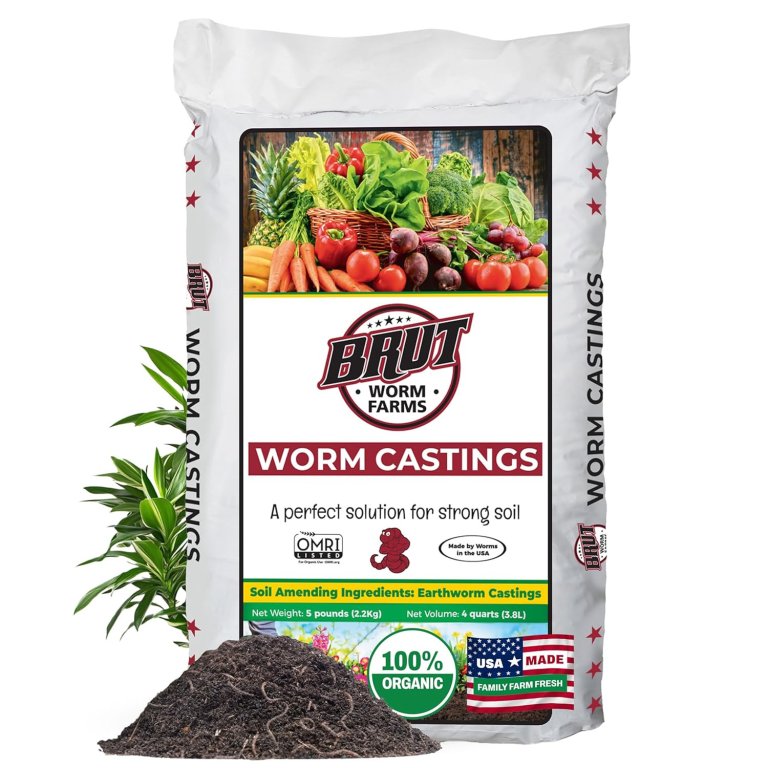
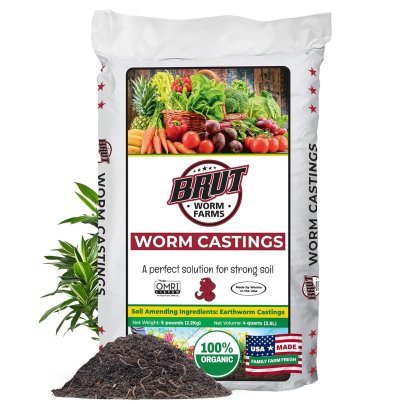
This versatile organic fertilizer made our top pick for Best Overall because it can be used for flowers, vegetables, and houseplants, simplifying the fertilizing process no matter what you’re growing. It can even be used to help fertilize your lawn.
Brut Organic Worm Castings is also listed by the Organic Materials Review Institute (OMRI), meaning the product has been vetted and approved by an independent non-profit to meet certified organic gardening standards. As a family-owned business, Brut ships directly from their farm, meaning the castings arrive fresh and packed with beneficial microbes, minerals, and nutrients, including magnesium, potassium, calcium, and nitrogen.
Reviewers love the richness of this fertilizer, which is easy to blend with regular soil and has no strong odor—a common concern with animal-based fertilizers. The slow-release formula means there’s no risk of burning your plants, and results in healthier, more vibrant growth over time.
Best Bang for the Buck
Photo: Amazon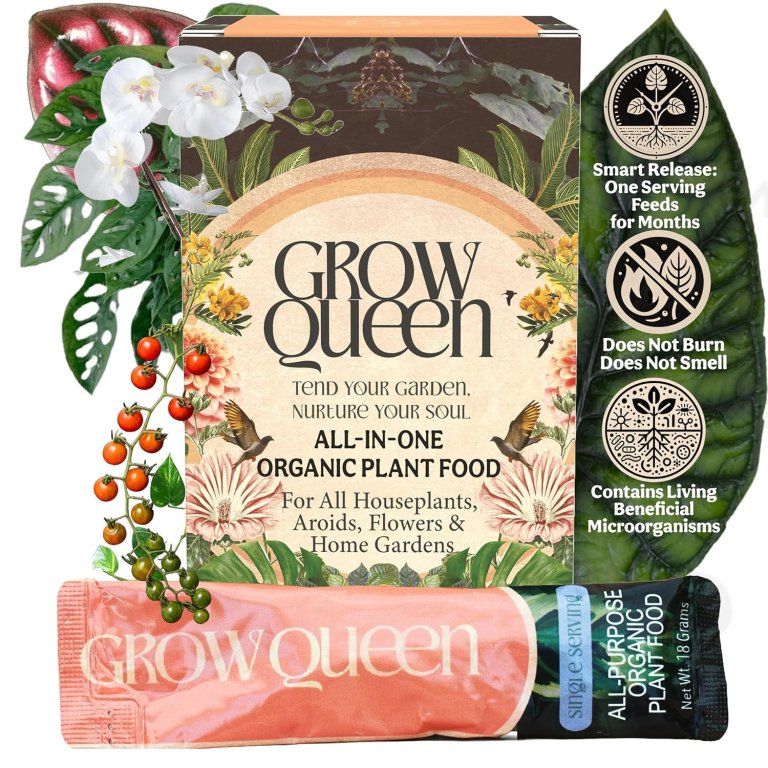
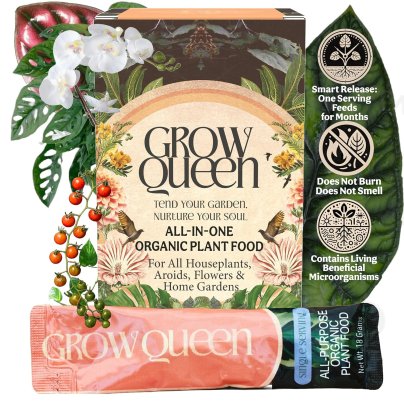
Grow Queen’s single-serving packs make it easy for growers to nourish plants for months without worry about re-application. It can be used for both indoor plants and outdoor gardens, and a single serving feeds any size pot or plant for months.
Like our top pick, this organic fertilizer for plants is also OMRI-listed. It contains a mix of plant- and animal-based ingredients, including BioChar—a carbon-rich material that helps loosen soil, improve drainage, and retain proper moisture for healthy root growth—and living microbes, which help break down nutrients in the soil and make them more available to plants.
This organic fertilizer takes the award for Best Bang for the Buck because at $13.99 for seven single-serving packs—each feeding a plant or pot for up to six months—it offers one of the lowest costs per application on our list without skimping on quality or ingredients.
Best Liquid
Photo: Amazon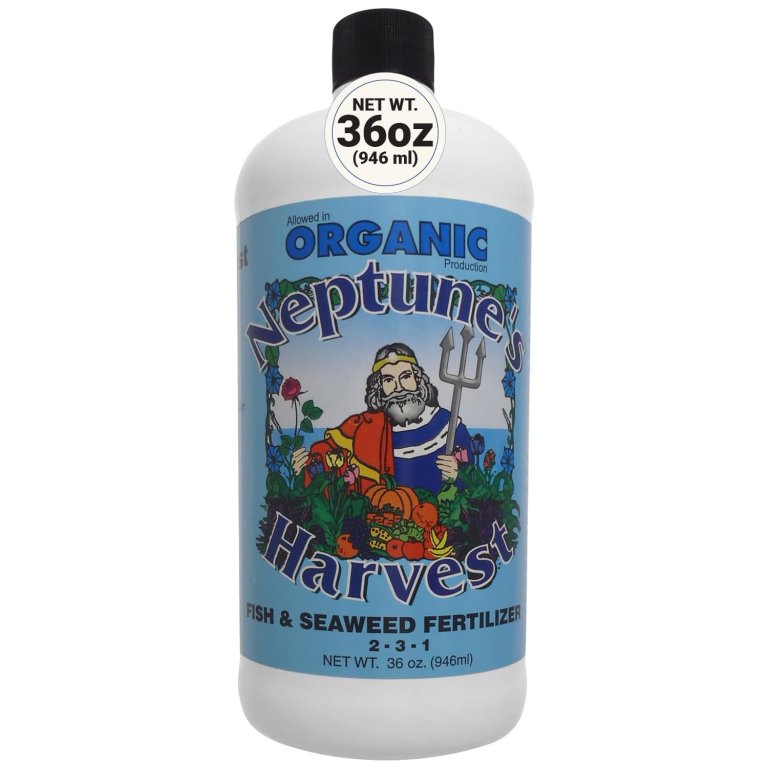
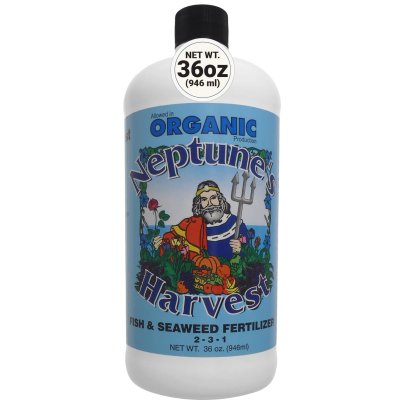
Looking for an organic liquid fertilizer? Neptune’s Harvest Fish & Seaweed Liquid Fertilizer works for vegetables, fruits, flowers, trees, and lawns. The product does need to be mixed with water (1 ounce of fertilizer per 1gallon of water) and applied every 2 to 3 weeks to plants in the morning, making it a bit more labor-intensive than our other picks on this list.
OMRI-listed, this liquid fertilizer is a favorite among growers. With a 2-3-1 NPK ratio, it’s higher in phosphorus than many all-purpose fertilizers, making it especially effective for flowering plants, fruits, and vegetables. Although it can be a bit expensive, reviewers say the increased blooms and garden yields are well worth the price.
One con is the smell—while some reviewers said it smells faintly like the ocean, others say the fish smell is strong due to the fact that the product is made with a blend of hydrolyzed fish and seaweed.
Best for Vegetables
True Organic Tomato & Vegetable Food
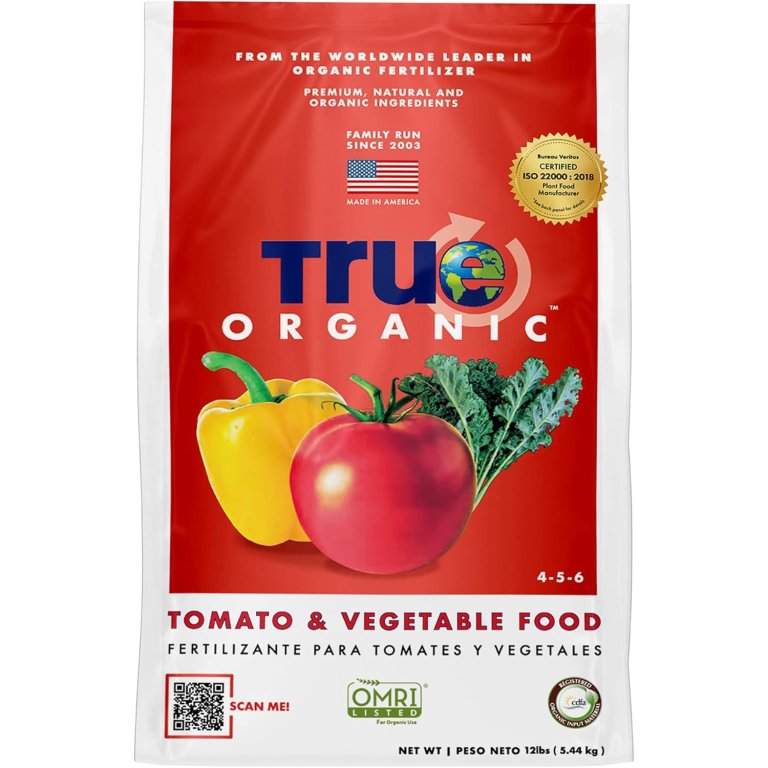
Buy at AmazonFor growers looking for fertilizer for gardening tomatoes or vegetables, True Organic Tomato & Vegetable food delivers a well-rounded nutrient profile, including nitrogen for leafy growth, phosphate for strong roots and flowering, potassium for overall plant health, and calcium to support strong, healthy fruit development.
Designed to be used for both in-ground and in-container plants, this organic fertilizer is animal-product-based, using poultry manure and seabird guano as its first two ingredients. Growers can apply the product monthly for best results.
Although some growers say the smell is strong, people love the price point and notice significant results in their blooms and vegetable yields, especially tomato and pepper plants. It comes in multiple sizes to cover your garden beds, whether you need to fertilize 70 square feet or 230-plus square feet.
Best for Flowers
Photo: Amazon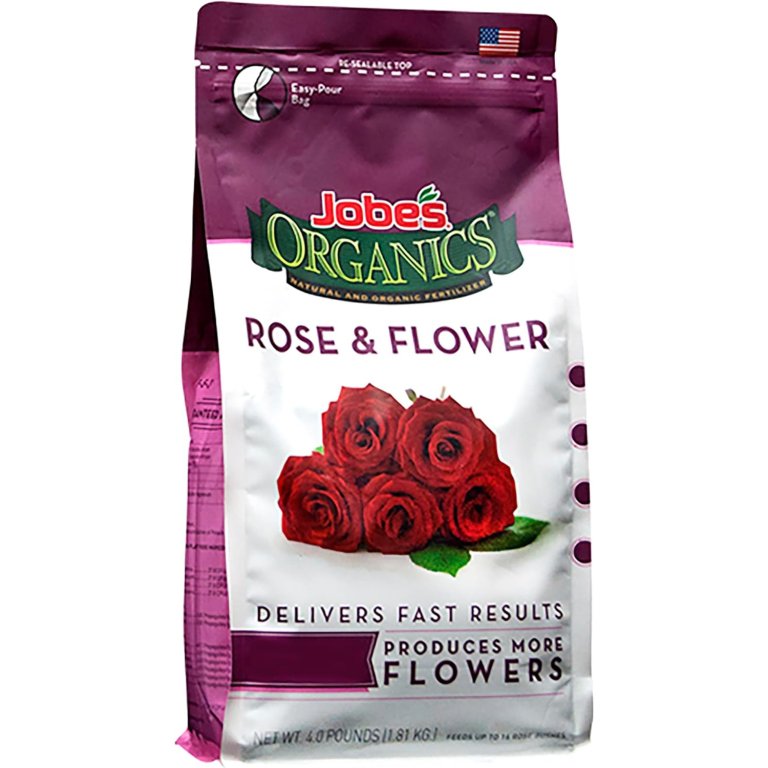
For beautiful blooms, Jobe’s Organic Granular Rose Fertilizer is a popular pick for roses, hydrangeas, azaleas, hibiscus, and other flowering plants and shrubs. Formulated with a 3-4-3 NPK ratio, it’s higher in phosphorus to encourage abundant blooms and vibrant leaves. Growers have the option to mix it with soil before planting, or use it on established flowers and shrubs to increase plant health and encourage blooming.
Application is needed every 6 weeks during the blooming season. Flower growers appreciate the product’s ease of use, as well as its OMRI certification and cost-effectiveness. Many reviewers say they have used the product on seemingly dead rose or flower plants, and the fertilizer has helped them come back to life.
Best for Starting Plants
Photo: Amazon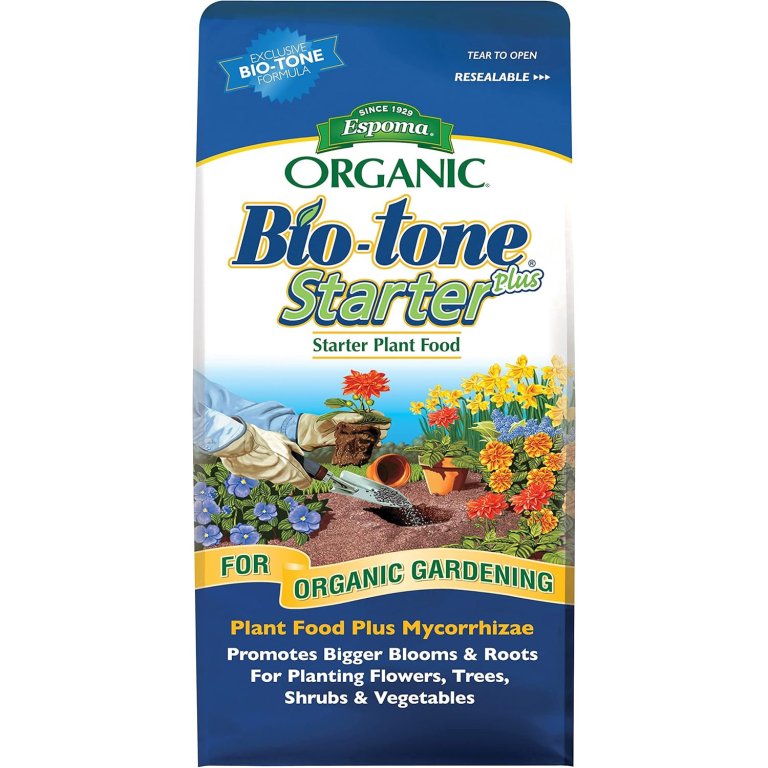
For growers just starting plants—whether from clippings, seeds, or transplants—Epsoma’s Organic Bio-Tone Starter is a versatile starter fertilizer featuring an organic nitrogen fertilizer base. Growers use it for bulbs and established plants, and it’s gentle enough to mix with soil for seeds or new plants without inhibiting germination.
This animal-based fertilizer is enhanced with both endo and ecto mycorrhizae—two types of beneficial fungi that attach to plant roots and help them absorb water and nutrients more efficiently from the soil. With a 4-3-3 NPK ratio and 5 percent calcium, it delivers a well-rounded nutrient profile.
Registered as an Organic Input Material (OIM) by the California Department of Food and Agriculture, it also has no toxic ingredients, making it a safe and gentle choice for new plants at their most vulnerable stage.
Best Vegan
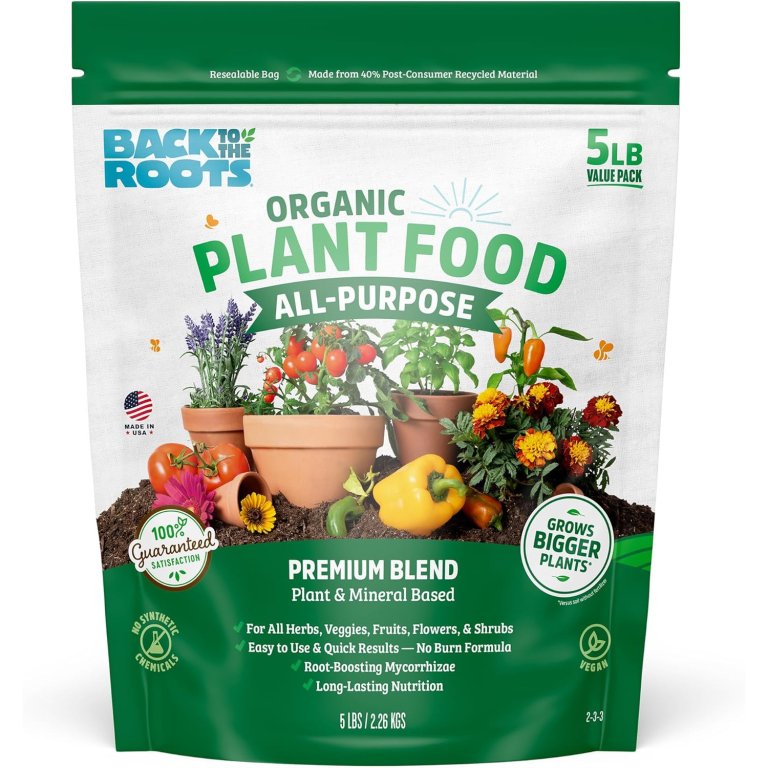
Back to the Roots Organic All-Purpose Plant Food
Buy at Amazon Buy at Walmart Buy at Back to the RootsFor growers looking for vegan fertilizer for the garden or indoor plants, Back to the Roots offers an organic, all-purpose plant food that’s exclusively plant- and mineral-based with alfalfa, soybean, and kelp meal, along with limestone and rock phosphate.
Designed to work well for house plants as well as vegetables, herbs, flowers, shrubs, and fruits, this organic food fertilizer is pet-safe and can be used for starting or transplanting new plants as well as established plants for healthier growth. With a 2-3-3 NPK ratio and root-boosting mycorrhizae, this fertilizer supports steady, balanced growth across a wide range of plants.
Reviewers appreciate that this organic fertilizer does not use any animal products and doesn’t have an unpleasant smell, making fertilizing their indoor plants and garden beds a more pleasant experience.
Or, DIY Your Own Organic Fertilizer
Did you know you can make your own organic fertilizer? Creating a natural nitrogen fertilizer at home is a simple and effective way to nourish plants and reduce waste.
Compost is the most common DIY option, made by layering kitchen scraps like fruit peels, vegetable trimmings, and coffee grounds with yard waste like grass clippings and dried leaves. Over time, these materials break down into a rich, nutrient-dense fertilizer that feeds your soil naturally (and for free!). Even something as simple as banana peels can be repurposed into a potassium-rich plant boost.
Other easy homemade options include worm castings—which you can produce at home with a small worm bin—or compost tea, made by steeping finished compost in water to create a liquid fertilizer you can apply directly to your plants. While homemade fertilizers take more patience than store-bought options, they’re an incredibly low-waste and rewarding way to nourish your garden.
Jump to Our Top Picks
What to Consider When Choosing an Organic Fertilizer
Choosing an organic fertilizer isn’t quite as simple as picking one off the shelf at the store (or online). It depends on the type of plants you want to grow, your current soil health, and whether you’re okay using animal products, as many organic fertilizers use certain animal products in their ingredients.
Types of Organic Fertilizer
Several different types of fertilizers are available, including ones that are exclusively plant-based, ones that use animal products or byproducts, and mineral-based options. The right pick for you depends on what you’re growing and what you’re comfortable using.
Animal-Based
Animal-based organic fertilizers use animal byproducts such as bone meal (ground animal bones), blood meal (dried animal blood), and fish emulsion (a liquid made from processed fish). However, just because a fertilizer is labeled organic doesn’t necessarily mean the animals it came from were raised organically or humanely, so it’s worth researching the brand and source if that matters to you.
Plant-Based
Plant-based organic fertilizers may or may not use some animal products, but some of them exclusively use plant products, such as our vegan option from Back to the Roots. These fertilizers allow people to reap the benefits of healthy and balanced plant growth without relying on by-products from the animal industry to do so.
Some growers prefer plant-based fertilizers because they lack a strong smell (no fish or animal waste smells that can come with some organic fertilizers). Others like knowing their fertilizer was not the result of animal harm or unethical farming practices in the industry.
Mineral-Based
Mineral-based fertilizers are derived from naturally occurring minerals mined from the earth, such as rock phosphate and limestone. Unlike plant or animal-based fertilizers, they don’t come from living organisms, but they’re still considered organic because they are naturally sourced rather than synthetically produced.
These fertilizers are typically slow-releasing and are best used to address specific nutrient deficiencies in the soil rather than as an all-purpose feed, which is why none of our top picks fall exclusively into this category. For most home gardeners, a plant or animal-based fertilizer will cover all the bases.
Organic Certification
When shopping for organic fertilizer, it helps to understand what “organic” actually means in this context. Organic fertilizers are derived from plant or animal sources (like manure, compost, or bone meal) while conventional (or synthetic) fertilizers are manufactured products, even if they’re made using naturally occurring mineral deposits. The key difference is that organic fertilizers work with your soil’s natural ecosystem, while synthetic ones deliver nutrients directly in manufactured chemical form.
That said, neither “organic” nor “natural” is a strictly regulated term on fertilizer labels, which means some products use these terms loosely. A product can be made entirely from natural ingredients and still not meet the standards required to be considered truly organic–and because the term “organic” isn’t strictly regulated on fertilizer labels the way it is on food, some products use it loosely.
The most reliable way to verify a fertilizer’s organic credentials is to look for a third-party certification seal, such as OMRI-listed or Registered Organic Input Material (OIM). These indicate that the product has been reviewed and approved by an independent organization to meet certified organic standards, so you can feel confident about what you’re putting in your soil.
Nutrient Content (NPK Ratio)
Every fertilizer label features three numbers known as the NPK ratio, which represents the percentage of nitrogen (N), phosphorus (P), and potassium (K) in the product. Nitrogen supports leafy green growth, phosphorus encourages strong roots and flowering, and potassium helps with overall plant health and disease resistance.
Organic fertilizers tend to have lower NPK numbers than synthetic ones, which isn’t necessarily a bad thing—it just means nutrients are released more gradually. When choosing a fertilizer, match the NPK ratio to what you’re growing. Leafy vegetables like lettuce benefit from higher nitrogen, while flowering plants and vegetables like tomatoes do better with more phosphorus and potassium.
Soil Compatibility and Plant Needs
Not all fertilizers work equally well for every plant. The right choice depends on both your soil and what you’re growing. Before buying a fertilizer, it’s worth doing a basic soil test to identify any nutrient deficiencies or imbalances. This helps you avoid over-fertilizing (which can actually harm your plants), and tailor your fertilizer to your specific soil’s needs.
Different plants also have very different nutritional needs. Roses, for example, require a different nutrient balance than tomatoes or houseplants. Many of the best organic fertilizers are formulated with specific plants in mind, so paying attention to the label can make a real difference in your results.
Release Speed
One of the benefits of organic fertilizer is that there’s less of a risk of damaging plants since it comes in a lower concentration and releases nutrients slowly as soil microbes break it down. This process can take anywhere from a few days to several weeks.
Some organic fertilizers are formulated to speed this up—for example, products made with hydrolyzed ingredients have already been partially broken down before reaching the soil, making nutrients available to plants more quickly than a standard organic formula.
This is a bit different from synthetic fertilizers, which deliver nutrients almost immediately. However, this also means you’re unlikely to get the same dramatic growth you’d see with synthetic fertilizers, which deliver nutrients to plants much more quickly.
FAQs
If you’re just starting out with organic fertilizer for gardens, you may have a few questions and concerns. Here are our answers to some of the most frequently asked questions we get about buying and using these products.
Organic fertilizer ingredients vary widely but can be categorized as plant-based, animal-based, and mineral. Most organic fertilizers contain a combination of these types to provide a balance of essential macro- and micronutrients plus beneficial microbes that help make the nutrients available. Dry or granular fertilizers feed all season, while liquids provide a quick burst of nutrients.
The easiest way to tell if fertilizer is organic is to check the back label, which usually contains an ingredient list. Organic ingredients are the byproducts of plant and animal processing, including alfalfa meal, soybean meal, cottonseed meal, blood meal, bone meal, feather meal, composted manure, and others. Organic fertilizer does not include ammonium nitrate, superphosphate, potassium sulfate, or other synthetic ingredients.
The most volatile and most commonly lacking nutrient in soil is nitrogen, as it quickly turns into a gas and is released into the atmosphere. Other nutrients may persist in the soil for longer periods of time. However, nitrogen, phosphorus, and potassium are all needed in such quantities that they are considered macronutrients that must be replenished for healthy plant growth.
Organic fertilizer can be applied a few different ways. It can be mixed into the soil, sprinkled on to the soil of existing plants, or sprayed in a liquid mixture to the leaves or soil. Beneficial microbes within the soil release the nutrients from the fertilizer, making them available for plants to use.
Yes, using excess product or using it too often is a common fertilizer mistake. Although many organic fertilizers are promoted as nonburning, other problems can arise from excess nutrient loads, including insect and disease infestations. Following fertilizer recommendations based on soil sample results is a good idea. In the absence of a soil sample, gardeners may want to follow the directions on the fertilizer label.
Organic fertilizers’ nutrient levels aren’t always as precise as those from synthetic fertilizers. Depending on the ingredients, they can also take longer to be absorbed by the plant, and some may have a bad odor.
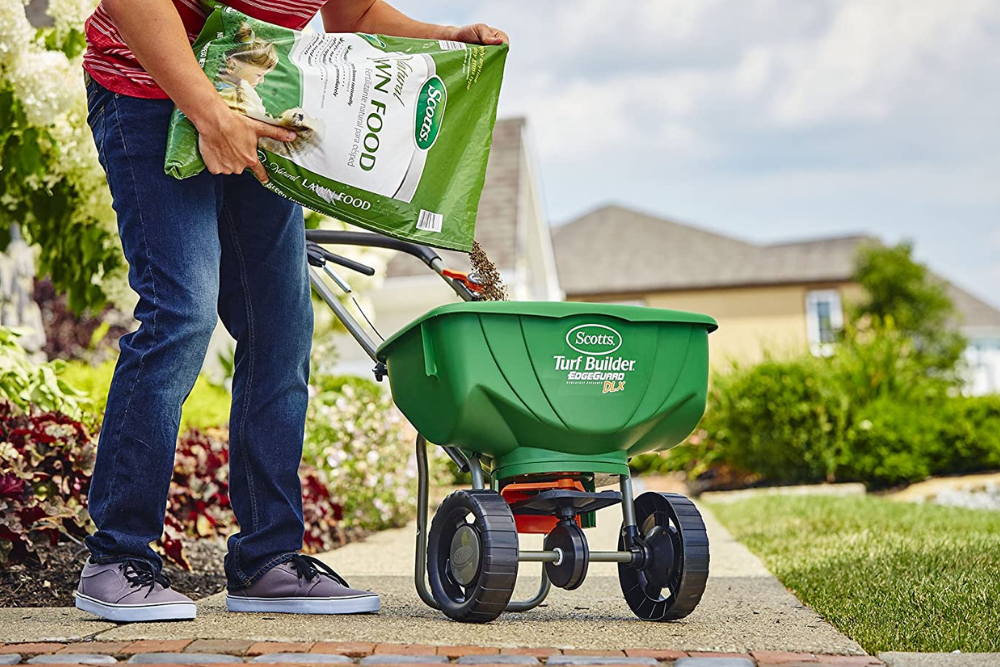
Over the long run, an organic lawn fertilizer is better for lawn health as it will work to improve soil quality. However, synthetic fertilizers provide much faster results in boosting grass growth.
Depending on the type of fertilizer, soil health, and weather, it can take an organic fertilizer anywhere from a couple of weeks to a couple of months to work.
Mostly, yes. Many brands use “plant food” and “fertilizer” interchangeably, and for everyday gardening purposes, they refer to the same thing. Technically speaking, plants actually produce their own food through photosynthesis. What fertilizers actually do is supply the nutrients—like nitrogen, phosphorus, and potassium—that support that process. But whether a product calls itself plant food or fertilizer, it’s doing the same job for your garden.