We may earn revenue from the products available on this page and participate in affiliate programs. Learn More ›
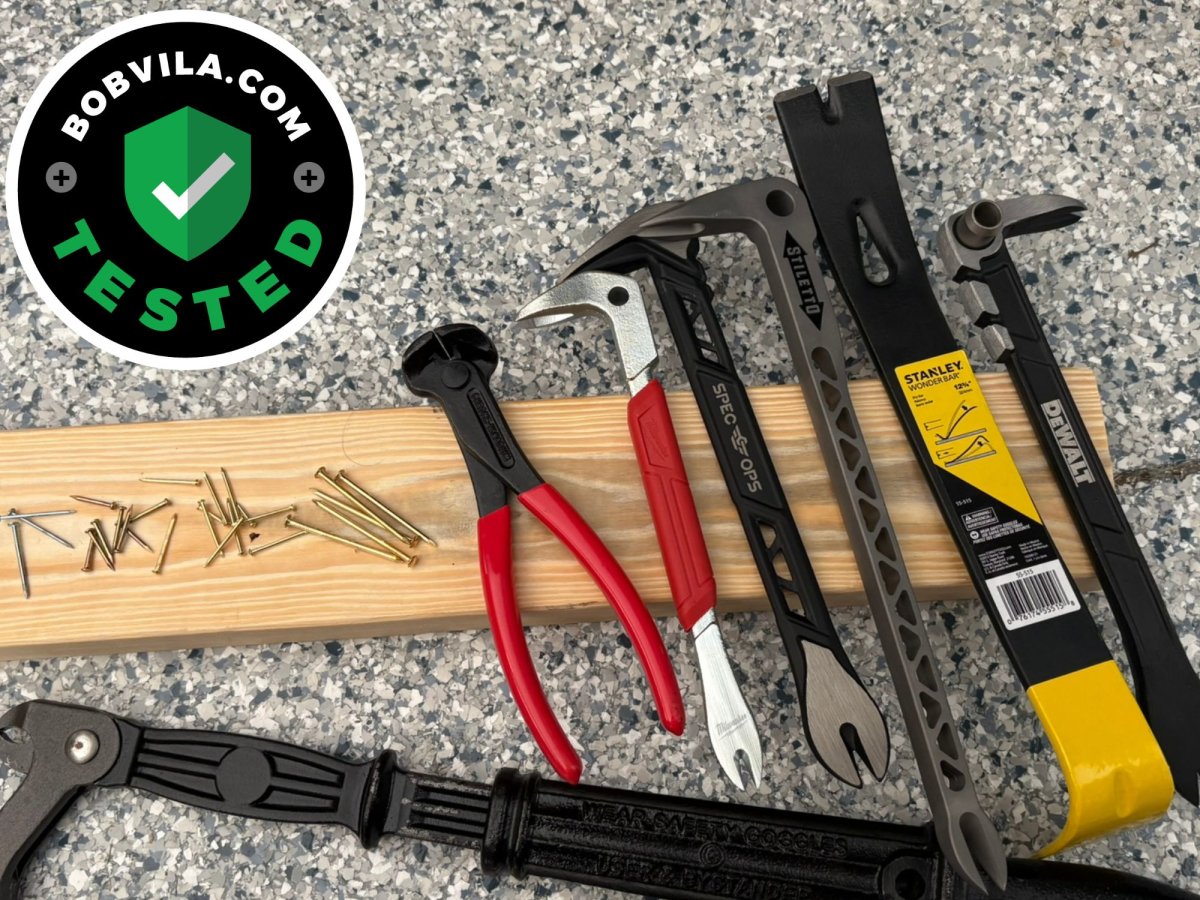
A claw hammer can remove an ordinary nail, but it might struggle when the head is buried, damaged, or surrounded by material you don’t want messed up. Dedicated nail pullers are designed to reach difficult fasteners, grip them securely, and give you more leverage than a standard hammer claw. They can make everything from finish carpentry and flooring removal to pallet breakdown and major demolition faster and less frustrating.
Finding the best nail puller depends largely on the job. Compact pincers can give you the precision needed to remove finish nails with minimal surface damage, while cat’s paws dig into wood to reach embedded fasteners. Longer gooseneck bars generate the leverage needed for framing nails and heavy demolition. Traditional sliding puller tools can grip deeply buried nails, though they are typically heavier and less portable.
Regardless of style, a quality nail puller should feature a durable construction, sharply defined gripping surfaces, and enough leverage for its intended fasteners. Comfortable grips, multiple pulling positions, hammer-ready strike zones, and corrosion-resistant finishes can further boost usability.
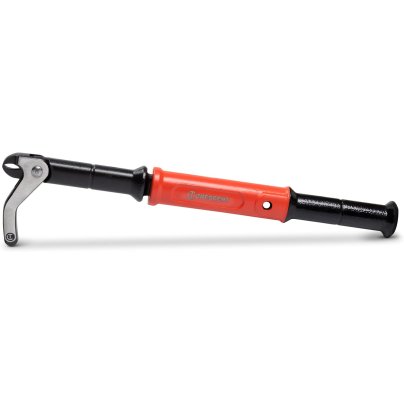
- BEST OVERALL: Crescent 19-Inch Sliding Nail Puller
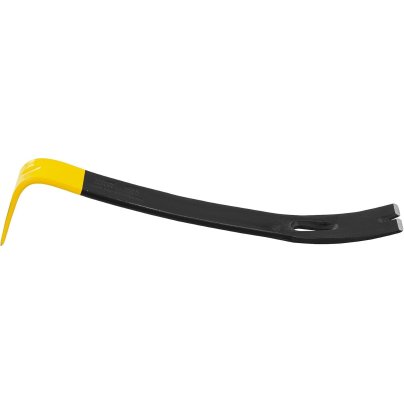
↓ Jump to Review - BEST BANG FOR THE BUCK: Stanley 12-Inch Wonder Bar Pry Bar
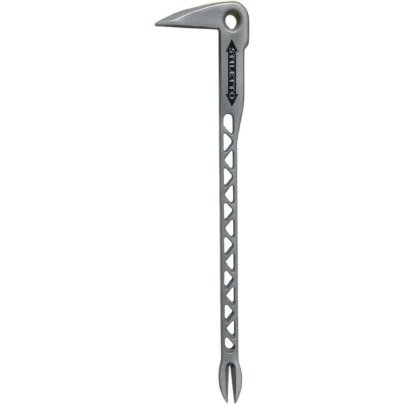
↓ Jump to Review - UPGRADE PICK: Stiletto 11.5-Inch Titanium Clawbar
↓ Jump to Review - BEST DUAL CLAW: Spec Ops Tools 11-Inch Nail Puller
↓ Jump to Review - BEST PLIERS: Bates 7-Inch Nail Puller
↓ Jump to Review - BEST FOR FINISH NAILS: Milwaukee 9-Inch Finish Nail Puller with Dimpler
↓ Jump to Review - BEST FOR DEMOLITION: Estwing Pro Series Gooseneck Wrecking Bar
↓ Jump to Review
Best Nail Pullers Compared
| Product | Type | Material | Length | Weight | Our Rating |
| Crescent 19-Inch Sliding Nail Puller | Sliding joint | Alloy steel | 19 inches (24 inches fully extended) | 4.2 pounds | 4.9/5 |
| Stanley 12-Inch Wonder Bar Pry Bar | Pry bar | Carbon steel | 12.75 inches | 0.7 pounds | 4.7/5 |
| Stiletto 11.5-Inch Titanium Clawbar | Pry bar | Titanium | 11.5 inches | 8.5 ounces | 4.4/5 |
| Spec Ops Tools 11-Inch Nail Puller | Pry bar | Carbon steel | 10 inches | 11.2 ounces | 4.3/5 |
| Bates 7-Inch Nail Puller | Pliers | Carbon steel with plastic grips | 7 inches | 6.3 ounces | 4.4/5 |
| Milwaukee 9-Inch Finish Nail Puller with Dimpler | Claw bar | Forged steel | 9 inches | 0.52 pounds | 4.7/5 |
| Estwing Pro Series Gooseneck Wrecking Bar | Gooseneck crowbar | Steel | 36 inches | 8 pounds | 4.5/5 |
Our Top Picks
We chose a range of nail puller tools for different fasteners and projects, comparing their materials, claw designs, leverage, portability, versatility, and value. Each recommendation has a distinct advantage, from protecting finished trim to producing maximum demolition power.
Best Overall
Photo: Paul Rankin for BobVila.com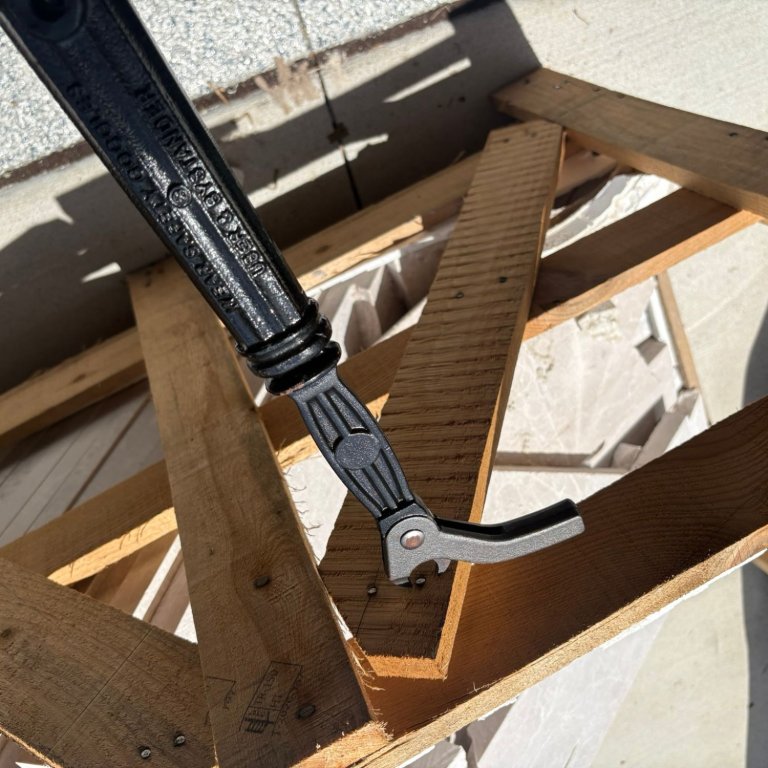
The Crescent was the most heavy-duty nail remover tool I tested. It worked especially well on nails that were flush with the wood or driven below the surface. The sliding handle helps drive the jaws around the nail, and the long handle gives you plenty of leverage once the tool has a good grip.
There was a bit of a learning curve at first. I had to reposition it a few times before I got the jaws lined up properly, especially with smaller or headless nails. Once I figured it out, though, it made stubborn nails much easier to remove.
This is a large, fairly heavy tool, so it’s not something I would use for small trim jobs. It can also leave marks in the wood. For removing lots of nails, breaking down boards, or working on demolition projects, however, it was the most capable option I tried.
Best Bang for the Buck
Photo: Paul Rankin for BobVila.com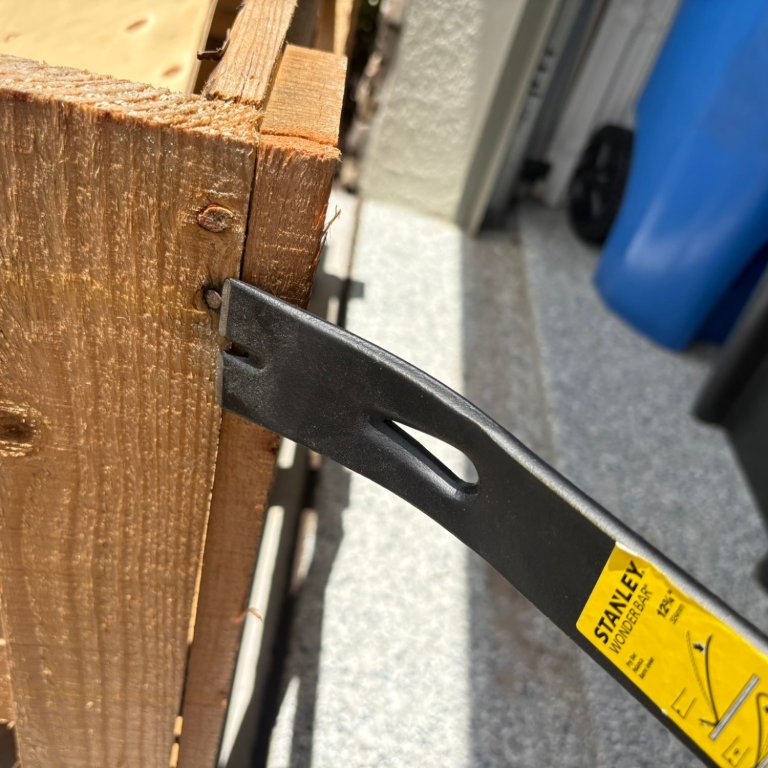
The Stanley Wonder Bar is a simple, affordable tool that can do more than pull nails. I used it to pry apart boards, lift material, scrape surfaces, and remove nails that were already partly exposed. Both ends have nail slots, which made it easy to try a different angle when one side did not work.
It’s small enough to keep in a toolbox and light enough to carry around without thinking about it. For basic home projects, flooring, molding, and light demolition, it gives you a lot of usefulness for the price.
It didn’t work as well on nails buried deeply in the wood because the ends are wider than the claws on a dedicated nail puller. The short handle also doesn’t provide a huge amount of leverage. I would place a thin piece of scrap wood underneath it when working around trim to prevent dents.
Upgrade Pick
Photo: Paul Rankin for BobVila.com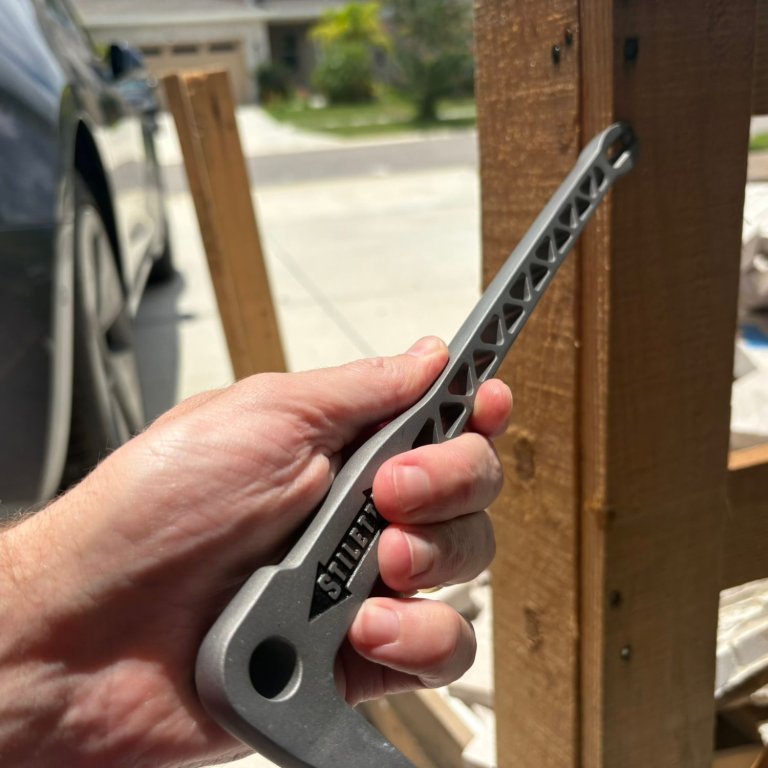
The Stiletto immediately felt different from the other claw bars because it was so light. It weighs less than many steel tools but still gave me enough leverage to remove common nails without much trouble. It would be especially convenient for someone who carries tools on a belt all day.
The claws were super sharp and worked their way around embedded nail heads well. I also liked the dimpler, which helps create a small space around the nail so you can get the claw underneath it. The side nail puller gave me another option when the main claw was not at the right angle.
The downside is the price. It costs much more than a basic steel nail extractor, and I’m not sure an occasional DIYer needs to spend that much. I would also avoid using it for the roughest demolition work. Its low weight and thoughtful design are its biggest selling points.
Best Dual Claw
Photo: Paul Rankin for BobVila.com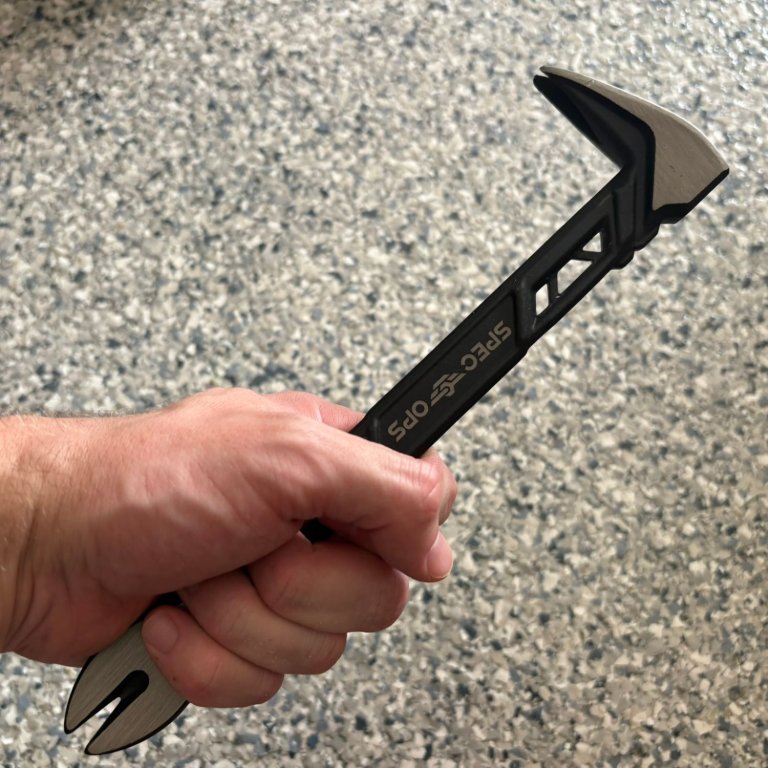
The Spec Ops Tools nail puller was light, compact, and easy to move around. Its main advantage is having a different claw on each end. I could flip the tool around and try another angle instead of forcing one claw into a spot where it didn’t fit.
The claws were sharp enough to get around nails and staples, and both ends can be tapped with a hammer when you need help getting underneath a nail head. Its 11-inch size also made it easier to use in tighter areas than a long pry bar.
It doesn’t give you enough leverage for large nails or serious demolition, and I found the open, skeleton-style handle a little uncomfortable when I had to pull hard. Still, it’s a useful all-round option for smaller construction and repair jobs, especially when you want more versatility than a basic single-claw puller provides.
Best Pliers
Photo: Paul Rankin for BobVila.com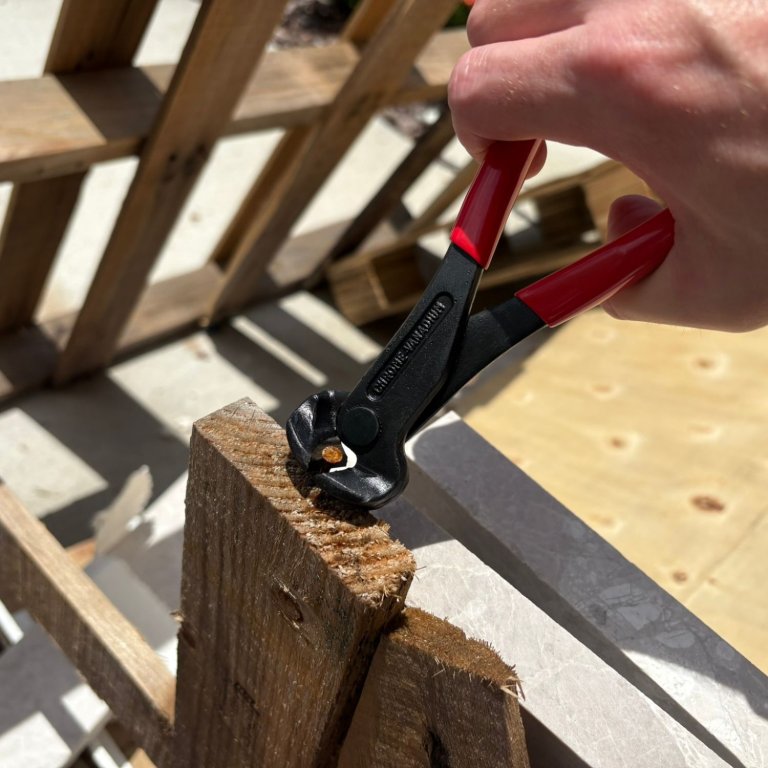
The Bates nail puller looks more like pliers than a traditional nail puller. I used the jaws to grab exposed nails and staples, then rolled the rounded head of the tool against the wood to pull them out. The process was simple and gave me good control.
The tool is small, affordable, and easy to store. The coated handles were comfortable enough for short jobs, and the jaws can also cut nails or wire. I found it most useful on finish nails and staples that were already sticking out far enough for the pliers to grab.
It won’t help much with nails buried below the surface, and the short handles limit how much leverage you can create. Cutting thicker nails also required more hand pressure than I expected. For small repairs and exposed fasteners, though, these nail puller pliers are a handy and inexpensive option.
Best For Finish Nails
Milwaukee 9-Inch Finish Nail Puller with Dimpler
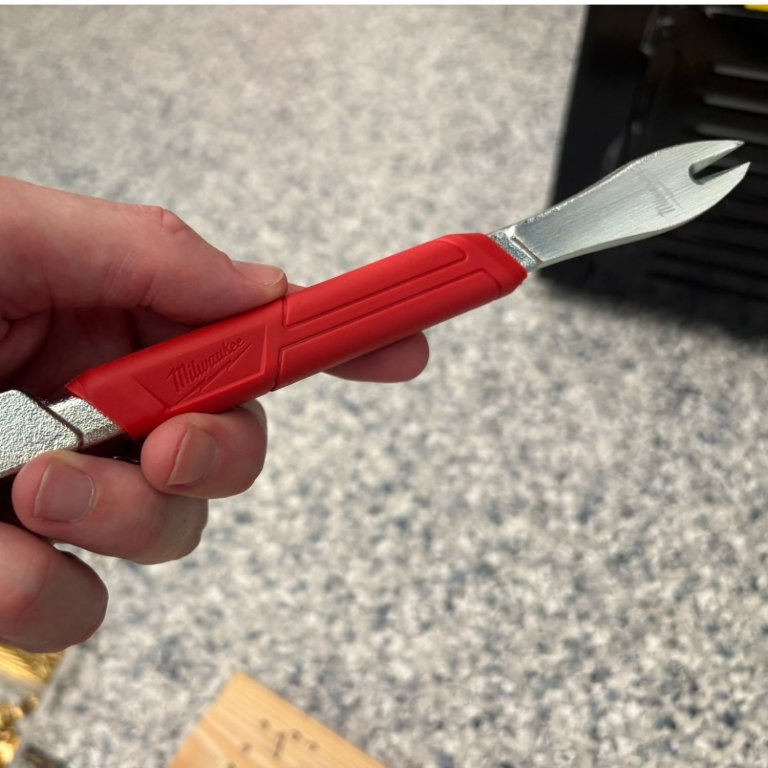
Buy at The Home DepotThe Milwaukee was one of the easiest tools to control during testing. It’s only 9 inches long, so it fits into tighter spaces around molding, flooring, and other finished areas. The small claws worked well on finish nails and other smaller fasteners.
I liked the built-in dimpler, which helps expose a nail head when it’s slightly below the surface. The handle also has a cushioned grip that makes it more comfortable when striking the tool with a hammer. Despite its small size, it offered a surprising amount of leverage.
It’s not meant for large framing nails, and the short handle became a limitation when I tried using it on tougher fasteners. The dimpler can also leave a small dent in the wood. For smaller nails and more controlled work, however, this was one of the better tools I tested.
Best For Demolition
Estwing Pro Series Gooseneck Wrecking Bar
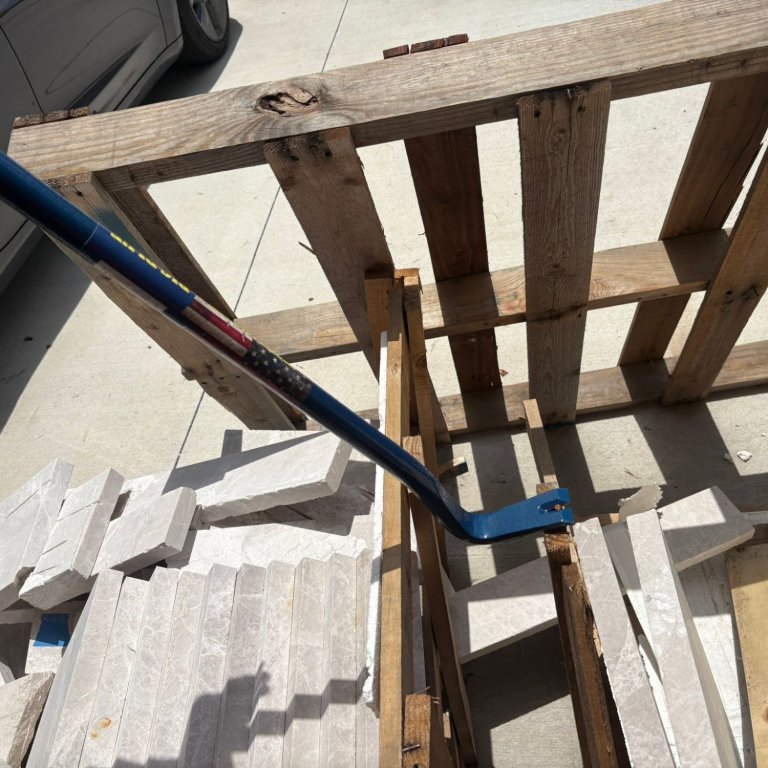
Buy at AmazonThe Estwing was easily the biggest and heaviest tool in the group. Its long handle created much more leverage than the smaller pullers, which helped when removing large nails and separating boards. It felt more like a full demolition tool than a dedicated nail puller. This is essentially a big, heavy crowbar.
The curved end has a nail slot for grabbing stubborn fasteners, while the angled end worked well for prying, lifting, and opening gaps between materials. The solid steel construction felt extremely sturdy, and I didn’t notice any flex when putting pressure on the bar.
This tool is too large for small jobs or tight spaces. It can also do a lot of damage to the wood, so I wouldn’t use it on trim or material I wanted to keep looking nice. For breaking things apart and tackling stubborn framing nails, though, the extra weight and length were helpful.
How We Tested the Best Nail Pullers
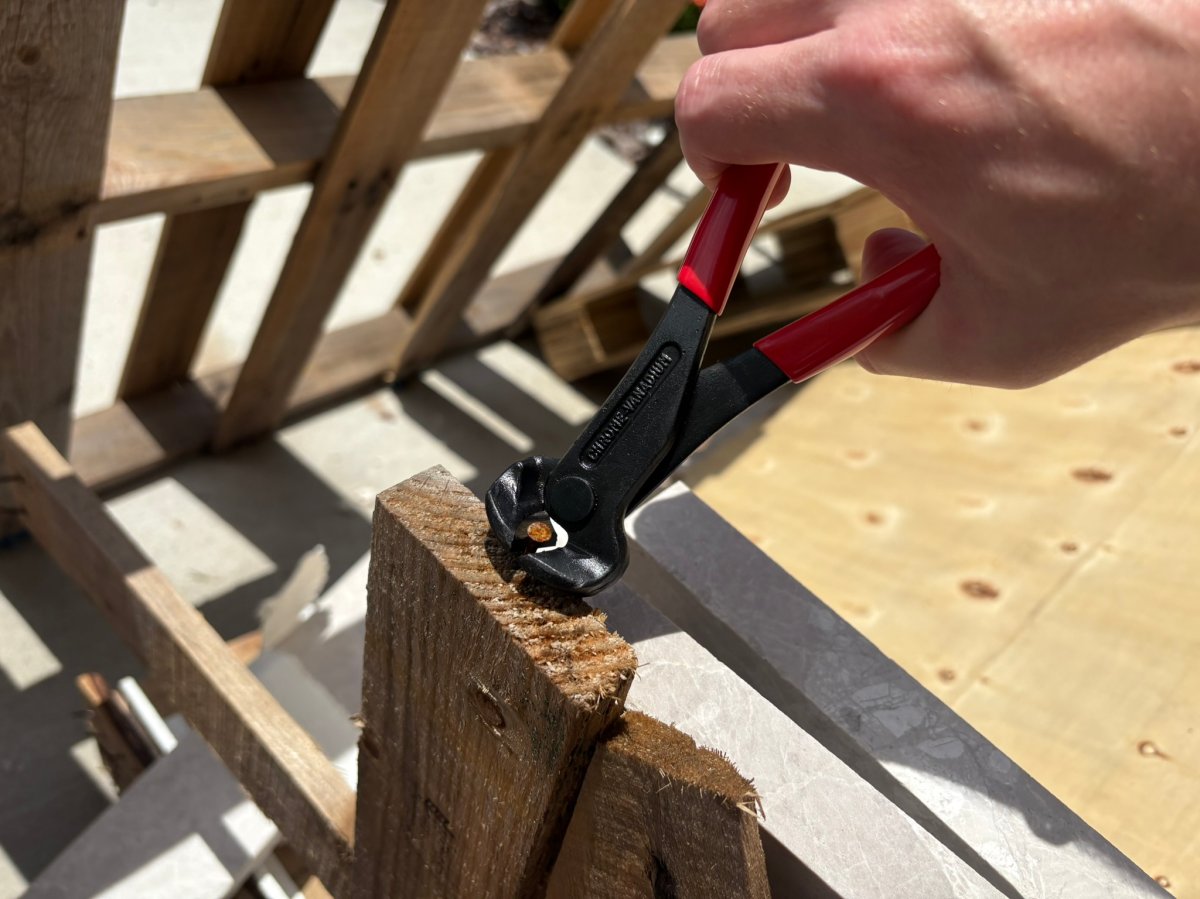
We tested these nail pullers by driving multiple nail types and sizes into spare pieces of lumber we had lying around from other DIY projects. We tested nails with exposed heads as well as fasteners driven flush and beneath the surface. We assessed each compatible tool for how easily it engaged the nail, how much effort extraction required, whether its grip slipped, and how much damage it left around the fastener. We also considered weight, balance, handle comfort, portability, construction quality, and versatility. We evaluated specialized tools by their intended fastener sizes rather than penalizing them for tasks outside their stated purpose.
Our Testing Scores
| Product | Ease of Use | Performance | Durability | Value |
| Crescent 19-Inch Sliding Nail Puller | 4.5/5 | 4.8/5 | 5/5 | 5/5 |
| Stanley 12-Inch Wonder Bar Pry Bar | 4.5/5 | 4.5/5 | 5/5 | 4.8/5 |
| Stiletto 11.5-Inch Titanium Clawbar | 4/5 | 5/5 | 5/5 | 4/5 |
| Spec Ops Tools 11-Inch Nail Puller | 4/5 | 4/5 | 4/5 | 4.7/5 |
| Bates 7-Inch Nail Puller | 4/5 | 4.5/5 | 4/5 | 4.5/5 |
| Milwaukee 9-Inch Finish Nail Puller with Dimpler | 4.5/5 | 4.8/5 | 5/5 | 4.7/5 |
| Estwing Pro Series Gooseneck Wrecking Bar | 4/5 | 3.8/5 | 5/5 | 5/5 |
Types of Nail Pullers
Nail pullers come in several forms, each suited to different fasteners and working conditions. Traditional sliding pullers grip deeply embedded nails, claws use leverage to pry them out, and pliers provide greater control around delicate material. Pneumatic tools are available for high-volume lumber reclamation.
Claws
Claw-style pullers use a V-shaped slot to catch underneath a nail head. A cat’s paw is a short pry bar with sharpened claws that can be driven into the wood around a buried fastener. Many have a claw at each end, with the two ends positioned at different angles to improve access and leverage.
Cat’s paws are compact, portable, and effective on nails that an ordinary hammer cannot reach. However, driving their claws into the wood usually leaves an indentation, making them better suited to framing, remodeling, and demolition than delicate finish work.
A gooseneck bar is essentially a larger claw puller with a long shaft. Its curved claw and extended handle generate substantial leverage for removing framing nails, spikes, and fastened boards. The tradeoff is increased weight and reduced maneuverability.
Pliers
Pincer pliers have rounded end-cutting jaws that close around a nail, brad, or staple. After securing the fastener, you roll the rounded head against the wood to pull it upward. The rolling motion provides good control and can limit damage to the underlying surface.
Pincers are particularly useful for pulling finish nails through the back of removed molding. This prevents the nail head from tearing through the finished face. Many models can also cut nails and wire.
Puller pliers resemble standard pliers but add a rounded roller or fulcrum near the jaws. The jaws grip the nail while the roller provides leverage against the wood. Puller pliers can handle larger nails than compact pincers, though they may leave more surface damage and still require part of the fastener to be exposed.
Pneumatic
Pneumatic nail pullers use compressed air to make quick work of tougher, nail-pulling jobs, but they don’t all work the same way. Some models, called air punches, are essentially pneumatic nail guns in reverse. They eject a small metal rod from the nose of the gun to “punch” the head of the nail all the way through the board. Other models grip the nail and pull it free. Some provide dual function as both a nail puller and nail gun.
Compared to handheld tools that rely on manual leverage, pneumatic nail pullers can save a lot of time and effort, particularly when handling a large number of wooden boards to be reclaimed. However, air punch models aren’t as useful for removing fastened boards that require pulling the nail head out—not through—the wood.
FAQs
Choosing the right nail puller can reduce the effort required to remove stubborn fasteners and help limit unnecessary damage. These answers cover basic use, storage, cost, and overall value.
Secure the claw or jaws around the nail, then use the curved head, roller, or handle to apply steady leverage.
Clean off debris and moisture, lightly oil exposed steel or moving joints, and keep the tool in a dry toolbox.
Basic hand pullers are generally inexpensive (around $10), while premium titanium and pneumatic models command a significantly higher price (over $100).
Yes. They provide better access, grip, and leverage than a hammer claw when removing buried, damaged, or repetitive fasteners.
Meet the Tester
Paul Rankin is a Scotland native now living in Florida and has been testing products and writing reviews since 2021. He tests tools through practical DIY projects, focusing on comfort, leverage, durability, and value to help you choose confidently.
Additional research provided by James Fitzgerald.