
We may earn revenue from the products available on this page and participate in affiliate programs. Learn More ›
Shoveling decomposing leaves, twigs, and other debris out of a home’s gutters while teetering on a ladder is no one’s idea of a fun Saturday afternoon. Gutter guards offer an alternative. These accessories fit over or inside your gutters, blocking leaves, twigs, and other debris while allowing water to flow through to the gutters. While you can hire a professional to install gutter guards, there are many DIY versions you can install yourself. They range from micromesh options that catch tiny particles to heavy-duty metal guards that can endure ice and large branches. Gutter guard installation can usually be completed in a day and doesn’t require specialized tools.
Benefits of Gutter Guards
Gutter guards don’t just make it easier for you to clean and maintain your gutters; they also offer other benefits:
- Prevent clogged gutters: By keeping leaves out of your gutters, gutter guards prevent clogs from blocking gutters and downspouts, which in turn means no overflows that can damage soffits, siding, and landscaping and enable water to get into basements and crawl spaces.
- Less gutter cleaning: Gutter guards mean less time spent cleaning gutters or less money spent hiring someone to clean them. Not only does this free up your weekend for other activities (or household chores), but it also keeps you off a ladder, reducing fall risks.
- Longer gutter life: When wet leaves collect in gutters, they add weight that can cause gutters to bow and sag. Gutter guards prevent debris from accumulating in the gutters, extending their lifespan.
- Fewer pest issues: Gutters clogged with wet decomposing leaves are a breeding ground for all kinds of pests, including mosquitoes, ants, and even rodents. Gutter guards make your gutters less attractive to these pests.
How to Choose the Right Gutter Guards for Your Home
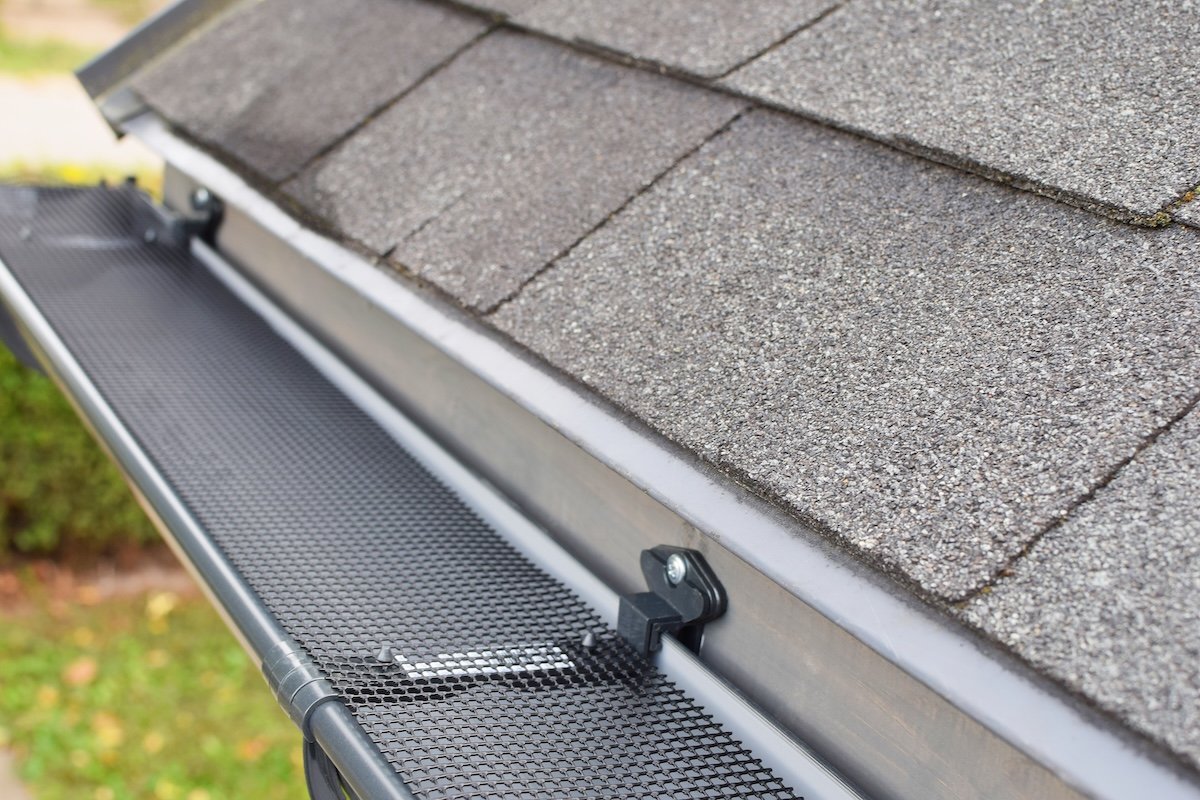
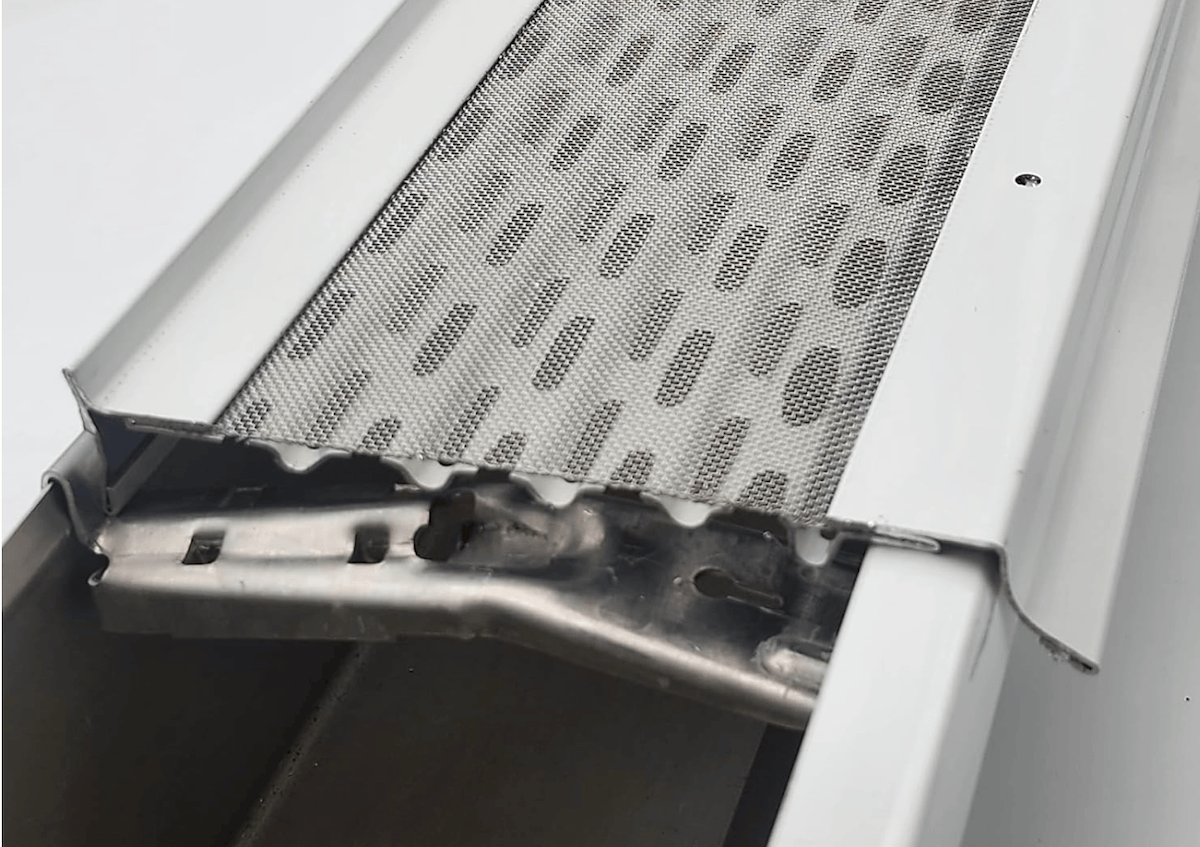
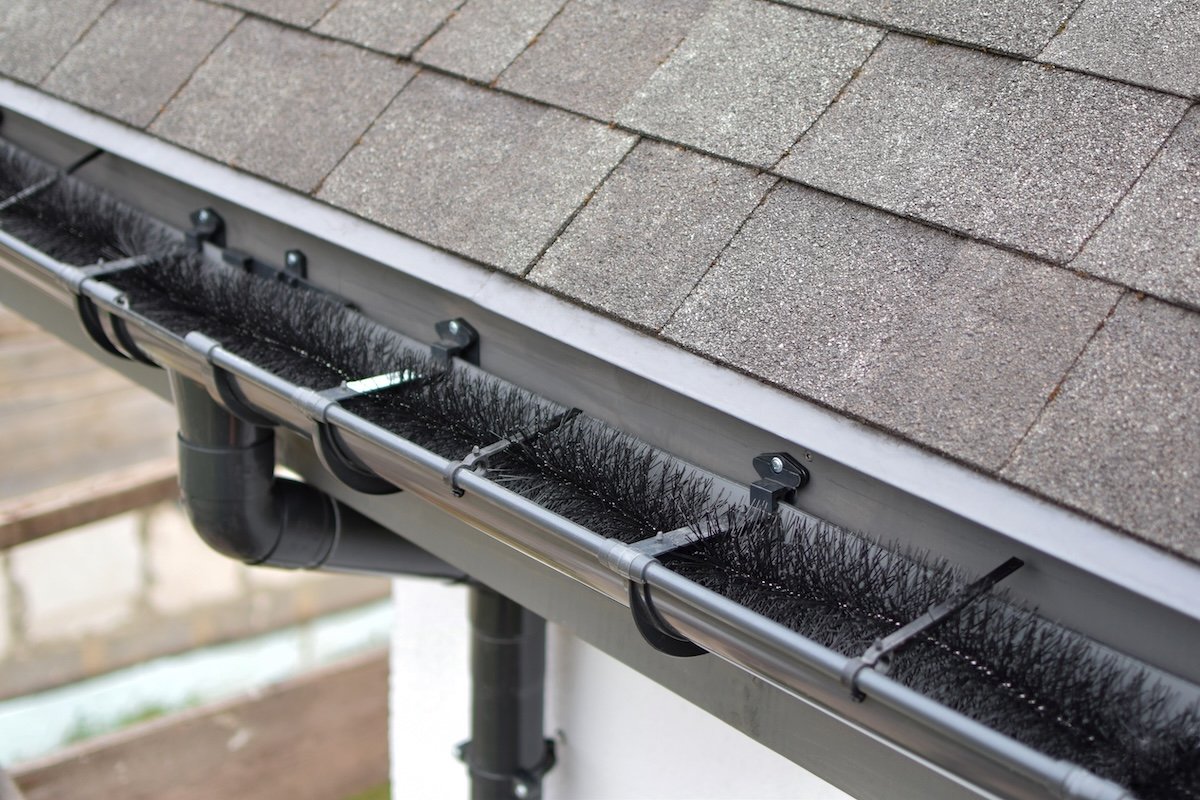
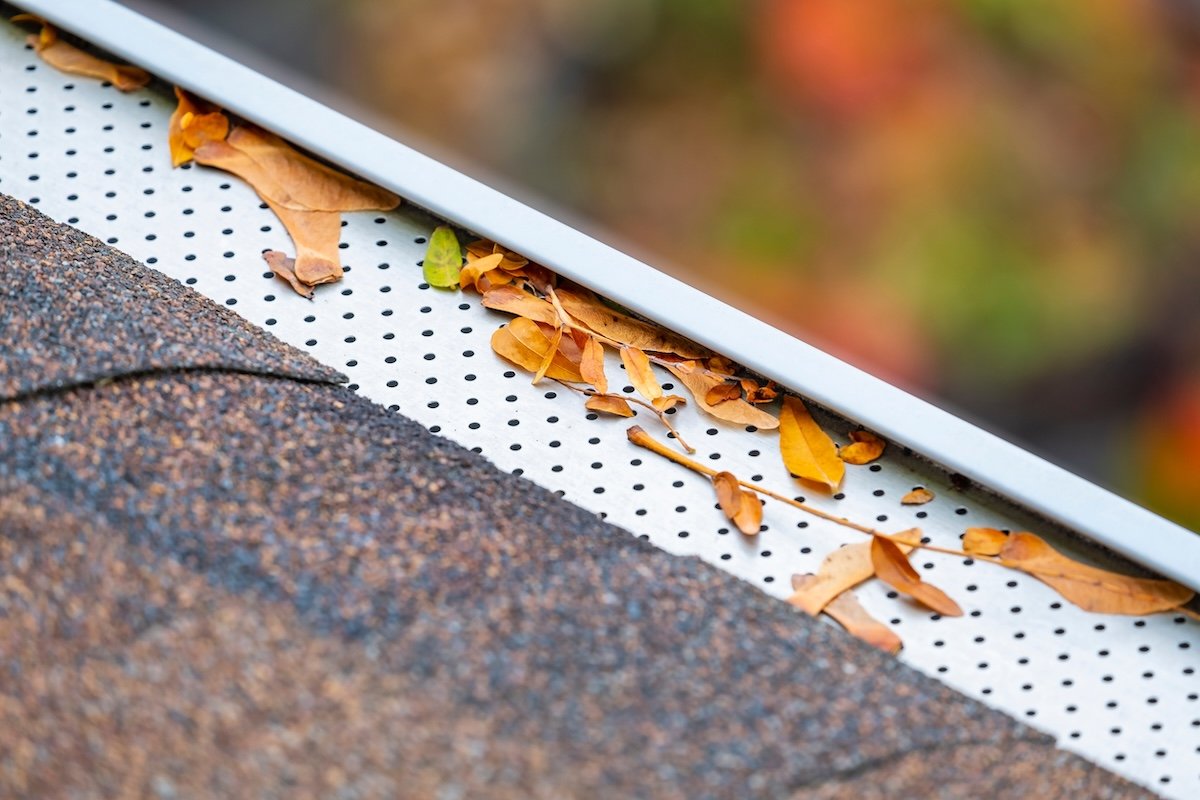
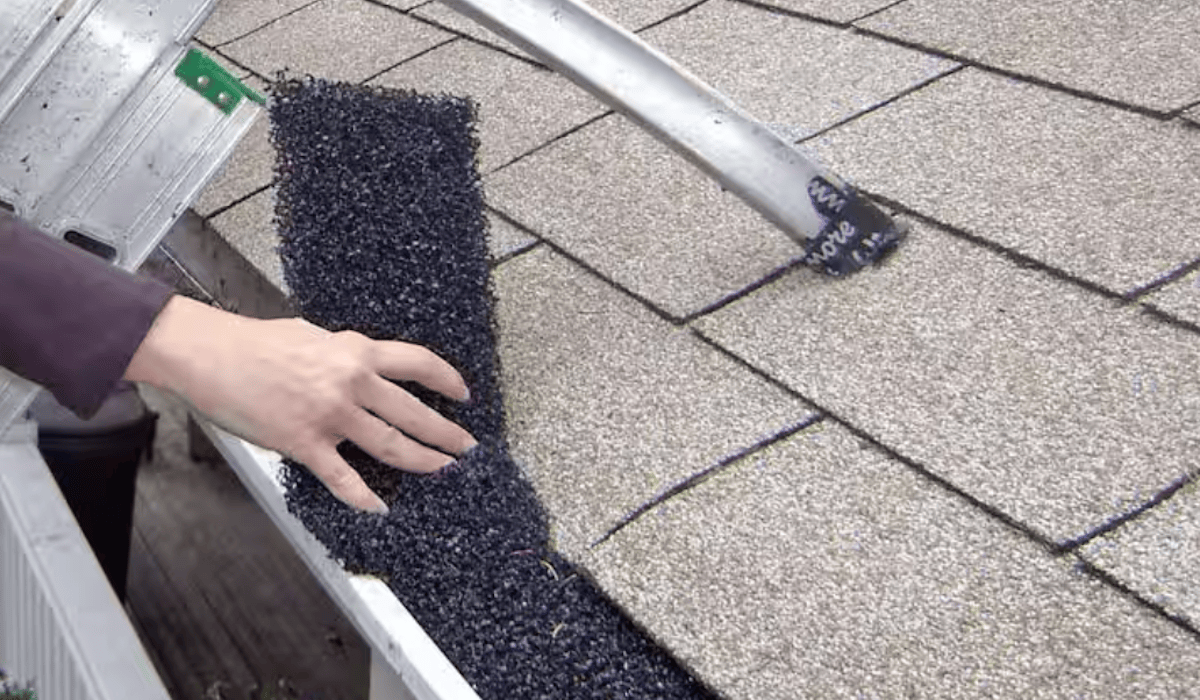
There are five different types of guards for rain gutters, which range in cost, durability, and ease of installation. The gutter guard types are:
- Screen: This consists of a metal or plastic grid that blocks larger debris. They’re affordable and easy to install but won’t block smaller debris, such as seeds and pine needles. Screens are budget-friendly gutter guards for homes with mostly broadleaf trees.
- Micro-mesh: As its name indicates, this gutter guard uses fine stainless steel mesh that filters out material. It’s capable of blocking fine material, such as pine needles and shingle grit. They cost more and require more surface cleaning to maintain flow. Though pricier than other gutter guard types, mesh is worth the investment for homes with pine trees.
- Brush guard: This type of gutter guard consists of a cylindrical-shaped brittle brush that sits inside the gutter. The bristles catch debris while allowing water to flow through. It’s inexpensive and easy to install. However, over time debris can become entangled in the brushes, requiring them to be removed and cleaned. Brush guards are a good budget-priced option for those who don’t mind cleaning them regularly.
- Perforated metal: Metal gutter guards consist of rigid sheet metal with small holes that allow water to enter while blocking out larger debris. These guards are very durable, making them a good pick for homes that experience harsh winter weather or have trees that shed larger branches and debris.
- Foam: Foam gutter guards have triangular-shaped porous foam blocks that fills the gutter. It allows water to pass through while blocking debris. Foam gutter guards are affordable and easy to install. Over time, though, they trap seeds and sediment and remain moist, allowing mold to grow. With that in mind, foam is best limited to drier climates on homes with few overhanging trees.
Tools & Materials
Bobvila.com may earn a commission from purchases made through these links.
How to Install Gutter Guards
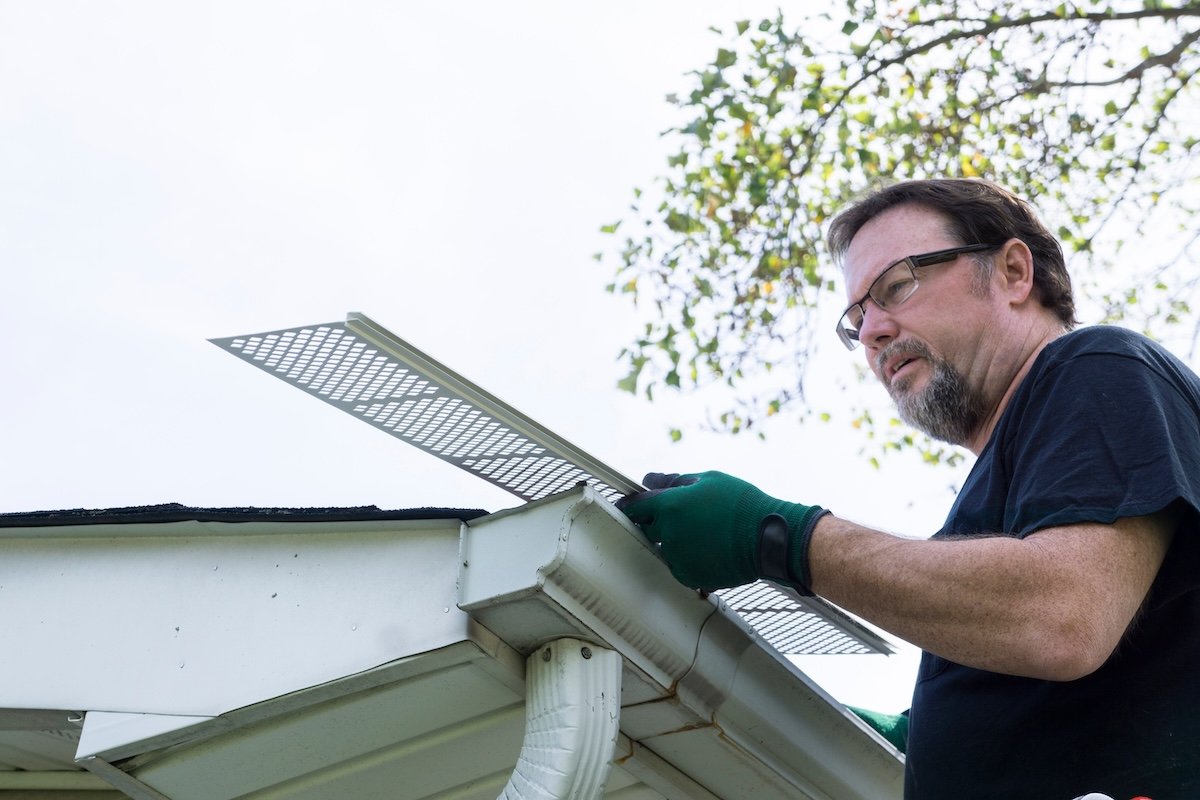
Installing gutter guards correctly is key if you want them to protect your gutters from debris—and limit the amount of time you spend cleaning them. Here’s the proper procedure.
Step 1: Set up the ladder.
Set up a step ladder or extension ladder so you can access your rain gutters. Climbing a ladder is inherently dangerous, so take precautions. Set the ladder on even ground. If you’re using an extension ladder, follow the 4-to-1 rule and extend the base a foot away from the house for every 4 feet of height. Make sure you have a spotter to hold the ladder while you’re working.
Best Ladder
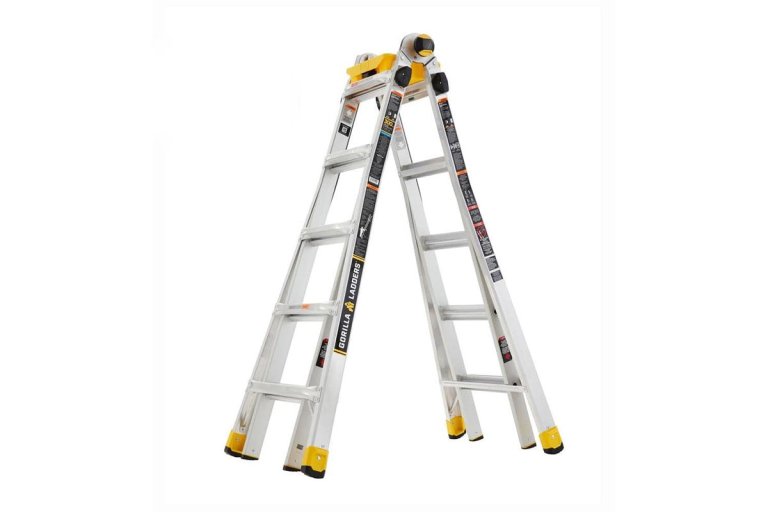
Gorilla 22-Foot MPXA 2.0 Multi-Position Ladder
The Gorilla ladder has a 300-pound capacity and transforms into a step ladder, extension ladder, scaffold base, and more. Read the review.
See ItStep 2: Clean the gutters.
You don’t want any debris trapped inside the gutters when you install the gutter guard. With that in mind, clean the gutters thoroughly and check the downspouts for clogs. The gutters should be completely clear of any debris before you add the gutter guards.
Step 3: Inspect and repair the gutters if needed.
Test the gutters by running water through them using a garden hose. Check to make sure the water is flowing toward a downspout. If it stalls or is going the wrong direction, you’ll need to realign the gutters. Next, determine whether the gutters are leaking, paying particular attention to seams. Repair any leaks using a waterproof sealant designed specifically for gutters.
Step 4: Measure the gutters.
Using a tape measure, measure the length of your gutters to determine how many linear feet of gutter guards you need. Use the calculation to purchase the right length of gutter guards.
Best Gutter Guards
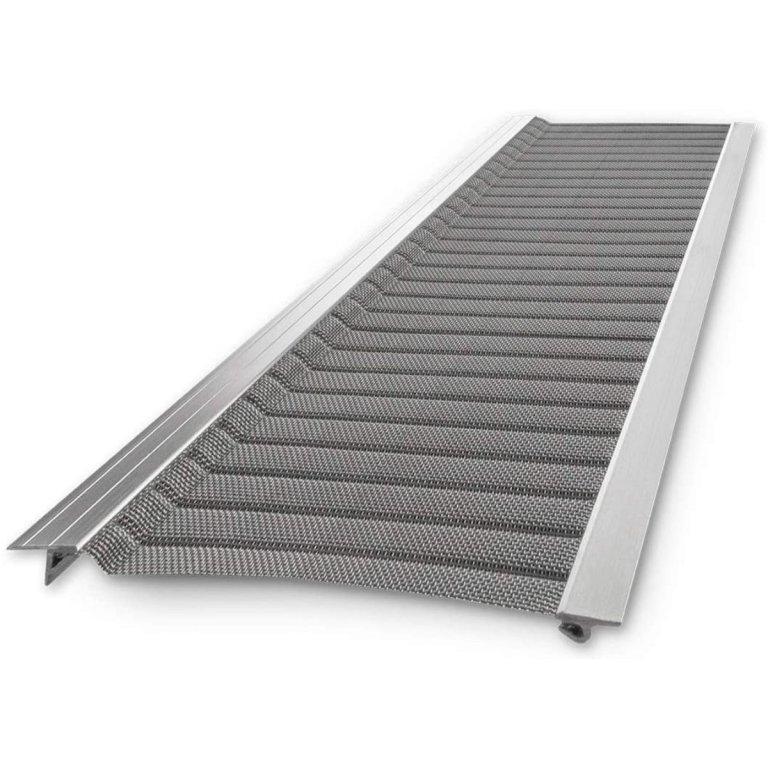
Raptor Stainless Steel Micro-Mesh Gutter Guard
Raptor micro-mesh gutter guards are stainless steel, block everything from leaves and pine needles, and fit different rooflines. Read the review.
See ItStep 5: Install the gutter guards.
Gutter guards typically come in 3-foot or 4-foot sections. Starting at one end of the gutter, install each section per the manufacturer’s instructions. Position each section either by pushing the edges together or by overlapping them. Installation will vary depending on the type of gutter guard:
- Slide in: Carefully slide the flat edge of the gutter guard under the first row of shingles without lifting or damaging them. Secure the front edge of the guard to the lip of the gutter either by snapping it into place, for snap-on gutter guards, or by securing it with the included screws. Follow the manufacturer’s instructions for spacing the screws.
- Inside fit: Place the guard entirely inside of the gutter. Secure the guard’s mounting flange to the back wall of the gutter using the included hardware. You may need to predrill a pilot hole with a cordless drill before driving in the screw. Snap the front edge of the gutter guard onto the front lip of the gutter, if it’s a snap-on gutter guard, or attach it using the included hardware.
- Brush: Slide the cylindrical brush inside the gutter, working it under the gutter hangers. Position each brush end to end, trimming the last section to fit.
- Foam: Unpack the gutter guards and give them time to expand before installing them. Compress the foam guard slightly then slide it under the hangers and into place, positioning its angled side so that it faces the bottom of the gutter. Cut the last section of foam to fit.
FAQ
Q. Can I install gutter guards myself?
Yes, assuming you have the correct tools, supplies, and DIY skills to do it correctly. Improper installation could lead to roof damage or other issues. Hiring a professional gutter guard installer may be a more prudent choice.
Q. How hard is it to install gutter guards?
If you consider yourself a handy person or have completed a number of DIY tasks, you should be able to take on gutter guard installation. However, if you’re not comfortable or unable to work on a ladder, this may be a job for a professional. Homes with multiple floors or steeply pitched roofs may also create more difficult installation situations that are better for a professional to handle.
Q. How are gutter guards attached?
Some gutter guards simply snap into place, while others require screwing or nailing to the fascia with reinforcement hangers.
Q. Should gutter guards lay flat?
No. Flat gutter guards could create a shelf for debris to sit on, depending on the roof’s pitch. The better the guards’ pitch, the less likely they are to hold leaves, dirt, and sticks.
Q. What is the easiest gutter guard to install?
In general, brush, foam, and snap-on are the easiest gutter guards to install.
Q. Do I need to clean gutters if I have gutter guards?
Yes. It’s best to clean your gutters at least once a year since they can still collect leaves and other debris on top of them that can prevent the water from flowing through the guard and into the gutter.
Q. Should gutter guards be installed under shingles?
That depends. Some gutter guards are installed by sliding them under the first row of shingles, while other gutter guards attach entirely to the gutter. That said, you should never force gutter guards under sealed shingles nor should you ever puncture shingles to install guards. Doing so can void your shingle warranty.