We may earn revenue from the products available on this page and participate in affiliate programs. Learn More ›
Coconut oil consumption in the U.S. has increased by about 40 percent over the past 20 years. Though many of the most popular coconut oil uses are culinary (in spite of the controversy surrounding its high saturated fat content and detrimental effects on cholesterol levels), Americans are learning that the oil is also dead useful around the house: Coconut oil has antimicrobial properties, won’t go rancid, and its high fat content actually makes it an excellent household conditioner and lubricant.
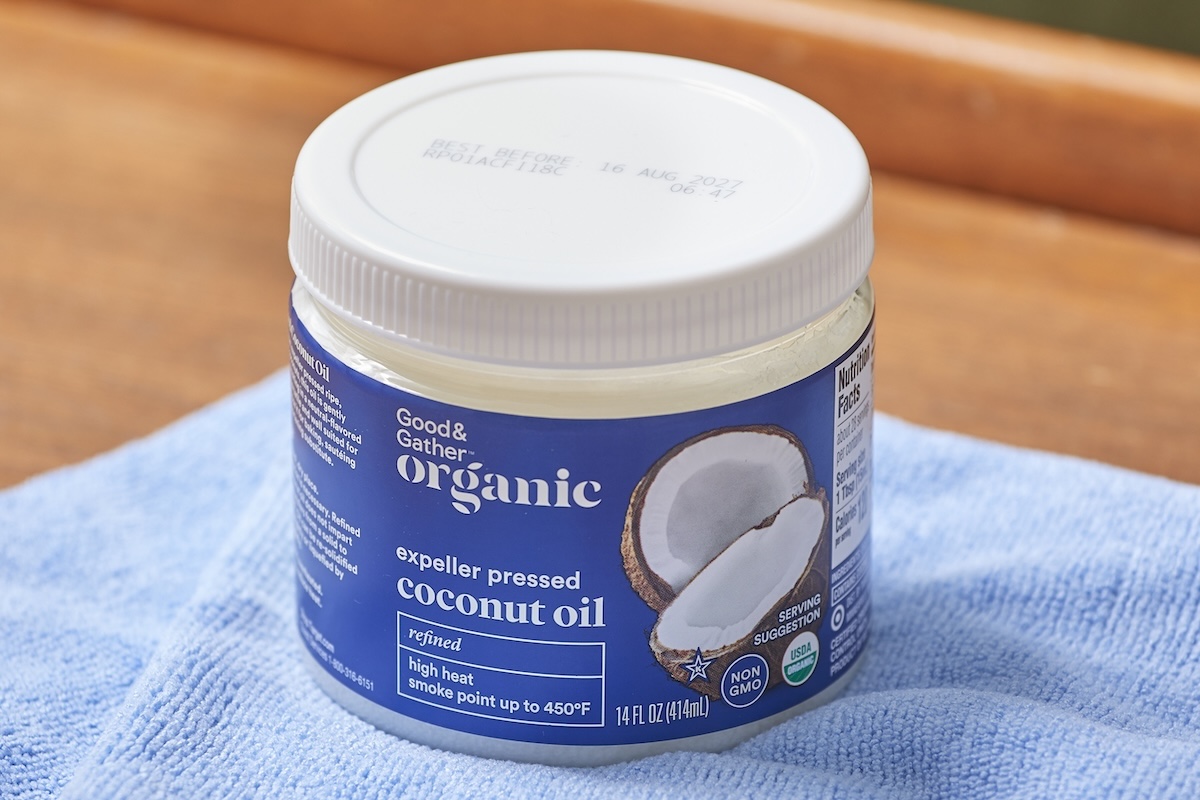
When shopping for coconut oil, avoid cheap processed versions of the product. Instead, seek out virgin, unrefined coconut oil, which retains the essential fatty acids that contribute to its overall effectiveness around the house. (The purer stuff, like all saturated fats, is solid at room temperature.) Below, learn how a single jar of coconut oil can help you speed through a laundry list of housekeeping chores.
1. Erase Stickiness and Unwanted Marks
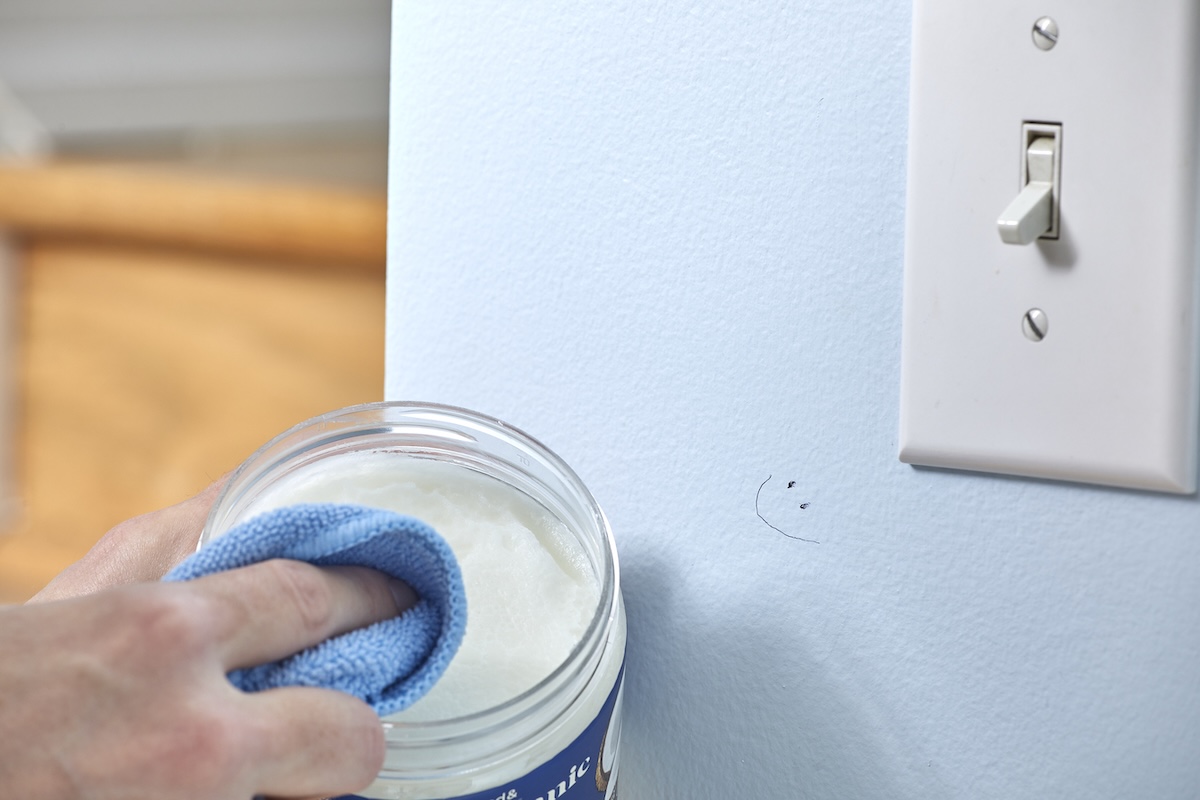
Coconut oil is great for lifting residue from almost any surface, including hard-to-remove sticker residue, gum in carpeting, skid marks on linoleum, and crayon on walls. Simply dab a little oil onto the offending sticky or waxy mess, let it sit for a few minutes, and wipe clean with a cloth or paper towel.
2. Condition and Restore Wood
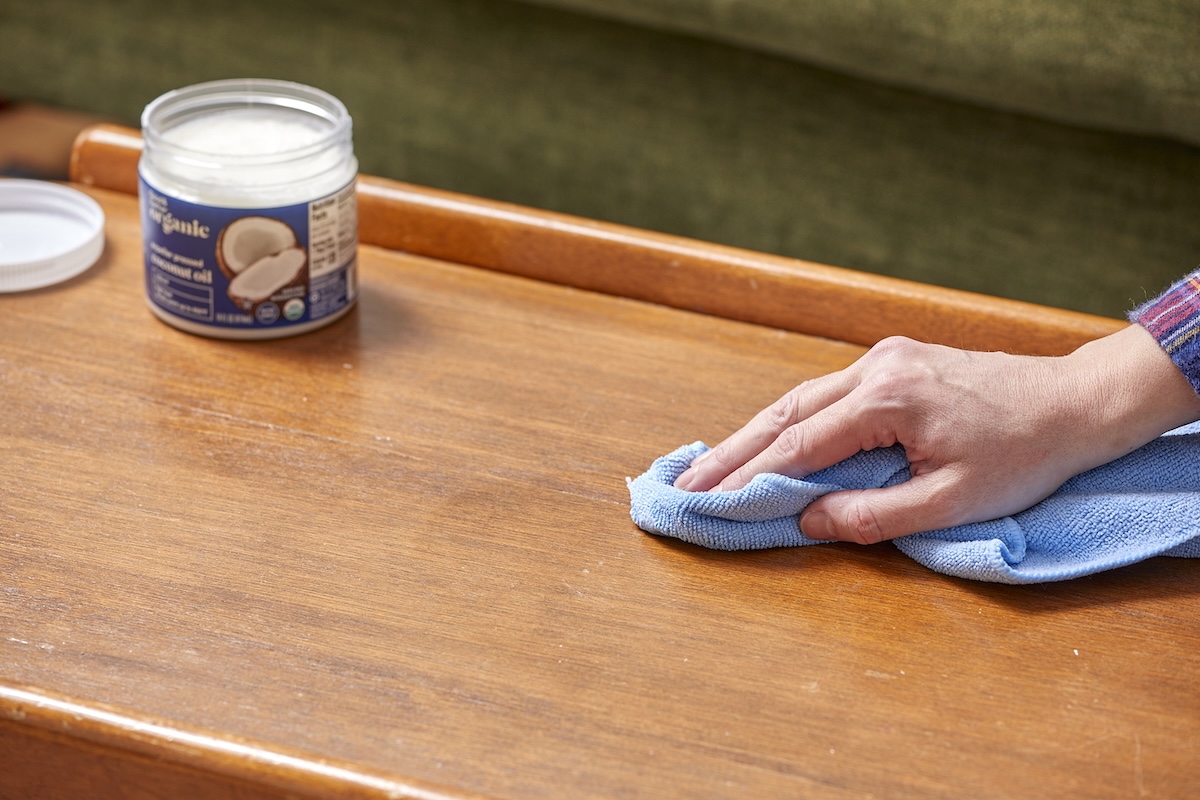
Coconut oil makes a high-quality conditioner for wood and keeps it supple, preventing warping, and minimizing the effects of daily use. Here’s how to keep your wood furnishings in good shape: Clean the wooden surface with a damp towel or dust cloth, then rub a small amount of oil into the surface using circular motions and a clean cloth. Let the oil soak in for 15 minutes before wiping clean. If wood doesn’t shine up as much as you’d like, try this natural cleaner: Combine the juice of half a lemon to a quarter cup of coconut oil. Mix well, rub into wood, and wipe clean after 2 minutes. Note: To condition cutting boards, use only pure coconut oil for its antimicrobial properties.
3. Polish Stainless Steel Appliances
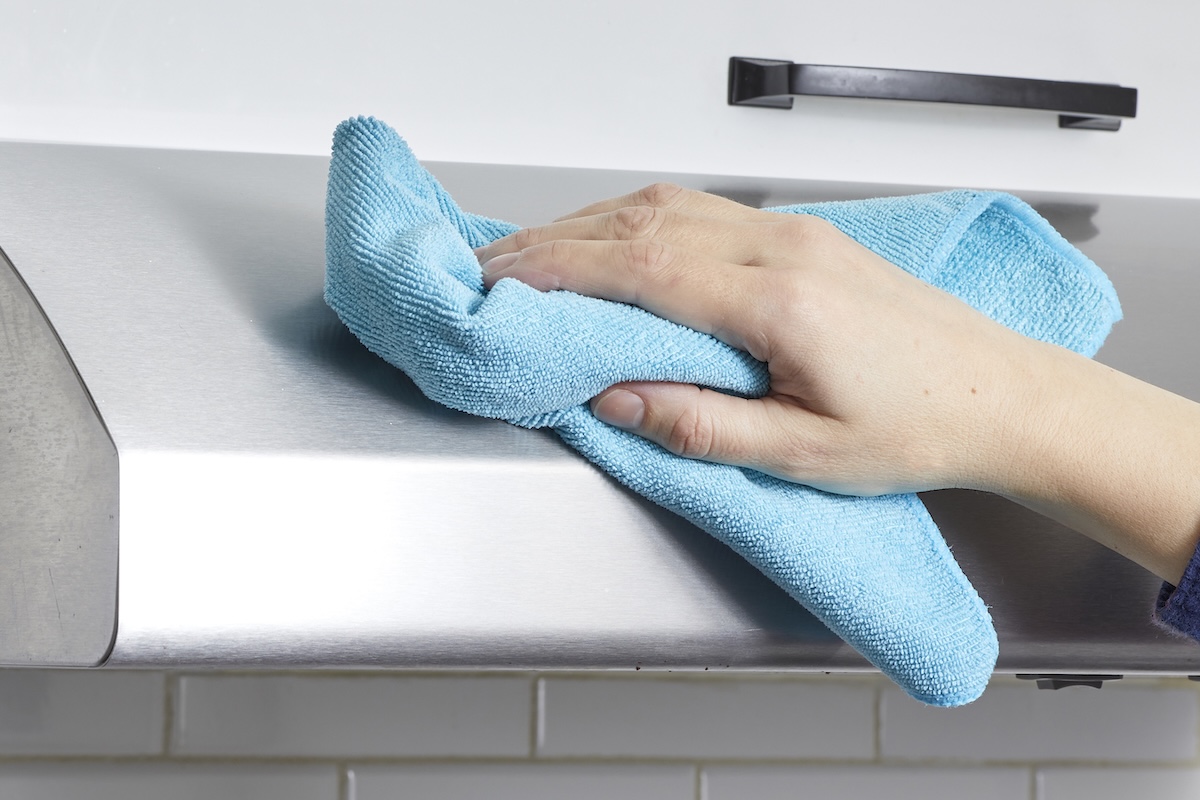
Tired of fingerprints and streak marks on your stainless steel appliances? Simply rub a teaspoon of coconut oil into the surface with a soft, dry cloth. Rub in a circular motion, starting at the top and moving downward. Once you’ve covered the whole surface, run a fresh cloth over it in the same direction as the grain for a bright, mark-free shine. The same application technique will deter unsightly water marks on stainless steel sinks and faucets.
4. Stop Squeaks and Rust
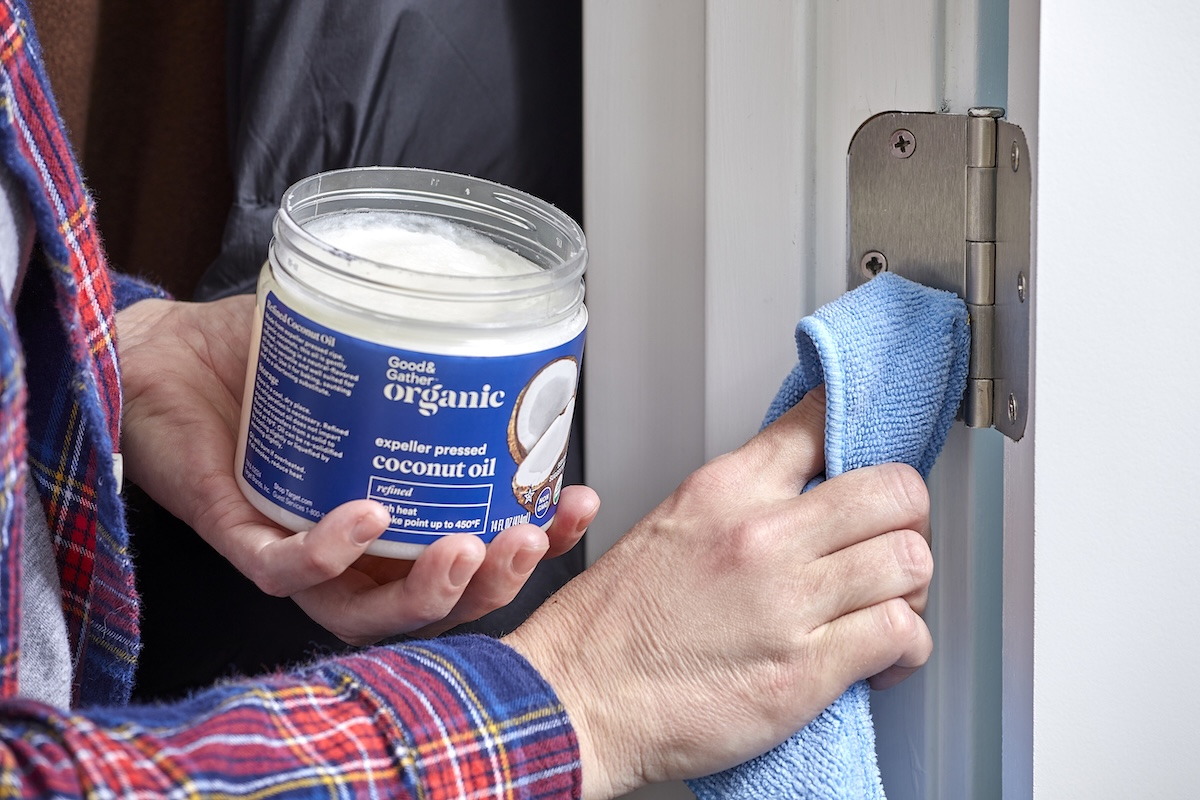
A teaspoon of coconut oil will quiet a squeaky door hinge in mere seconds. Rub the oil into the hardware using a clean cloth, then open and shut the door several times to work it in for silent, smooth functioning. Get the same results outside on your outdoor gate hinges, and smaller hinges on kitchen cupboards and cabinets indoors. This natural door hinge lubricant also prevents rust and dust buildup, so you may want to dab some onto your hinges before they start squeaking.
5. Maintain Your Garden Tools

Consider keeping a second jar of coconut oil in your garden shed or potting bench, within easy reach of your outdoor tools. In summer, rub a thin layer over clean metal lawnmower blades before running it to prevent grass from sticking, caking, and causing deterioration over time. Do the same to garden tools like shovels and trimmers to keep them in tip-top shape.
RELATED: How to Sharpen Lawn Mower Blades
6. Season Cast Iron Skillets
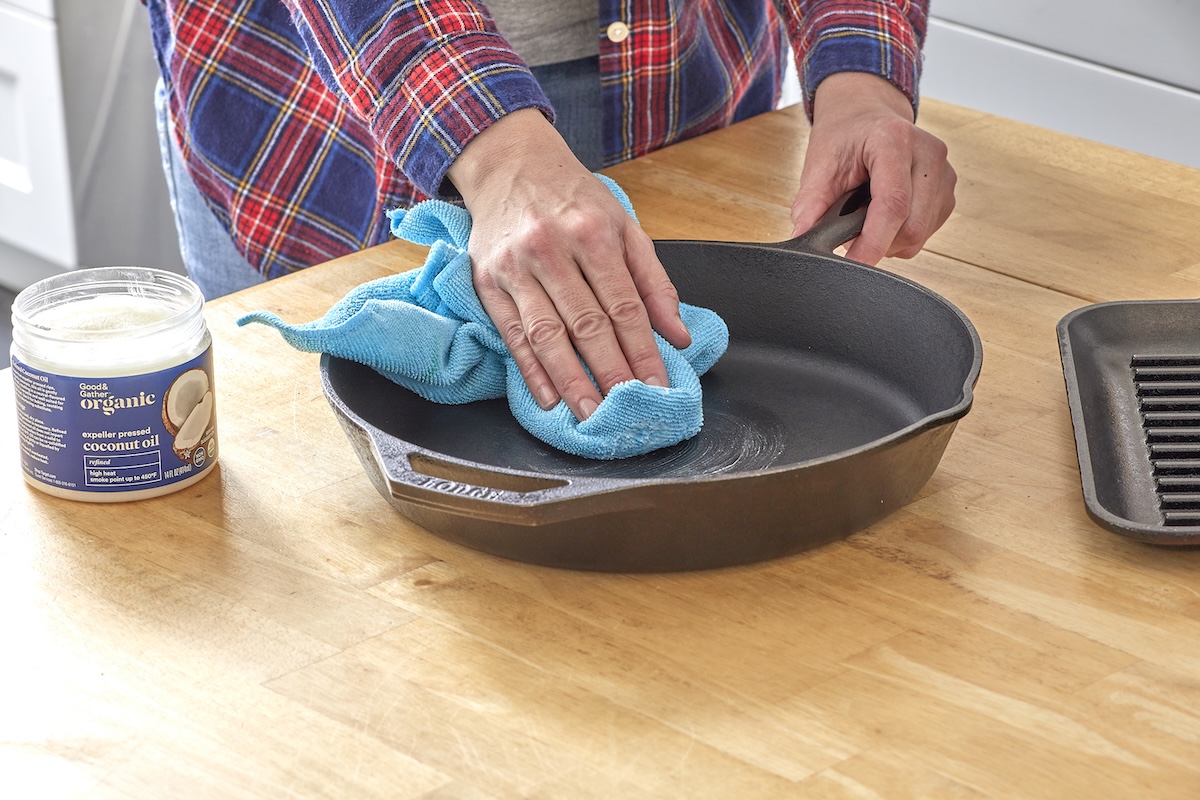
A cast-iron skillet needs to be seasoned to prevent rust and retain its cooking abilities. Coconut oil is the ideal agent. To season cast iron with coconut oil, apply a thick coat all over the pan, inside and out, and place it in a cool oven. Set the oven to 325 degrees, and when it reaches that temperature, let the skillet bake for 30 minutes. Turn off the oven and allow the skillet to cool completely before wiping away, but not washing off, the oil. Repeat two or three times.
7. Dust Your Dashboard

When a film forms on your car’s dashboard panel, it’s hard to see your speedometer, map, and other crucial navigation information. To keep your dashboard dust-free, apply a small amount of coconut oil to a clean microfiber cloth and buff gently. While it’s unlikely that a natural oil will cause any harm to dashboard glass, you may wish to test a small, inconspicuous area first before wiping down the rest of the surface.
8. Keep Fan Blades From Attracting Dust

Ceiling fans are dust magnets, and cleaning their blades is a pretty inconvenient task. The next time you climb a ladder to clean your ceiling fan blades, take a jar of coconut oil with you. Dust the blades first to remove dirty buildup, then dab a little oil onto a clean microfiber cloth and apply directly to each fan blade to help prevent the static electricity that attracts dust.
9. Unstick a Zipper
10. Kill Weeds
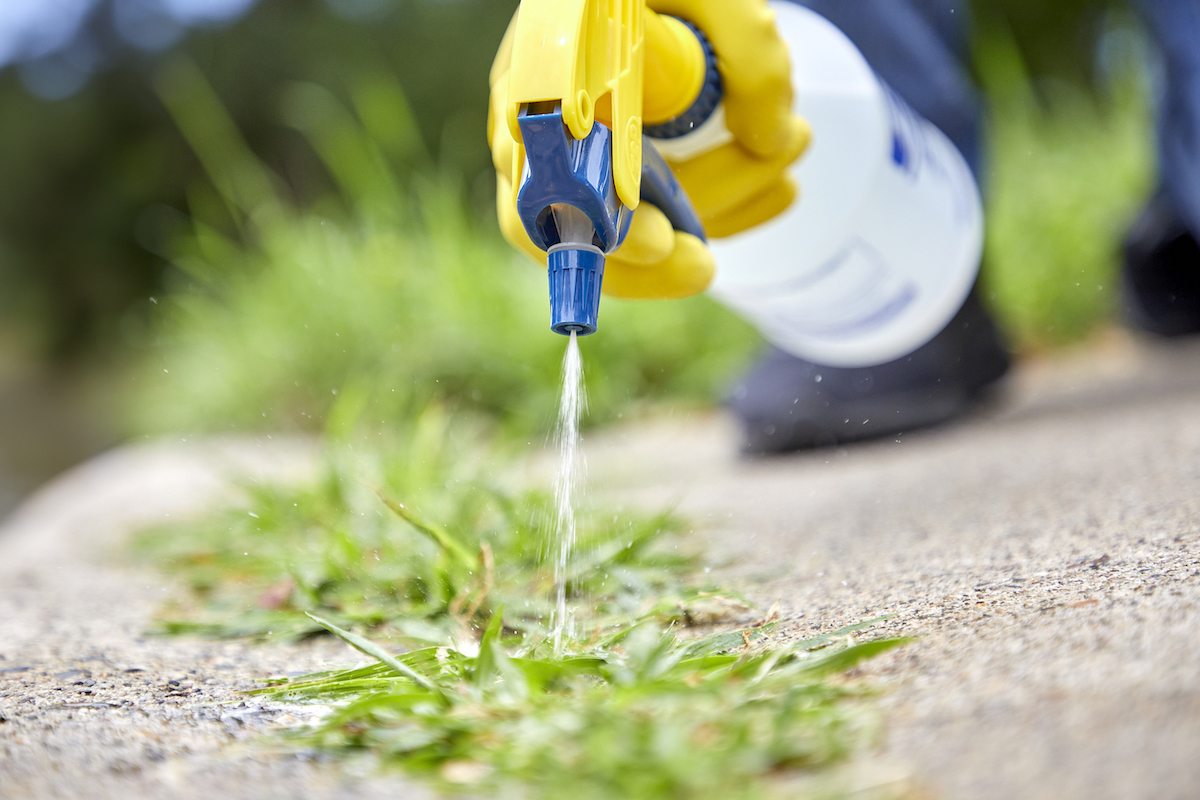
When hand-pulling weeds isn’t doing the trick, coconut oil can help safely kill weeds in your garden without harming the soil. Coconut oil contains fatty acids that inhibit a weed’s ability to photosynthesize and eliminate waste, causing it to die off.
Warm equal parts coconut oil and cheap vegetable oil in a saucepan on low. Whisk to combine the oils and prevent the coconut oil from solidifying. Pour the mixture into a spray bottle and let it cool. Spray the natural homemade weed killer on the weeds daily for about 2 weeks, making sure to shake the bottle before each use.
11. Remove Sap

You know how troublesome sap can be if you’ve parked under a pine tree or left your patio set too close to the backyard maple. Hand-washing the spot with soap and water can sometimes take care of the sticky goo, but sap can be very stubborn. Clean the sap off before it hardens with a liberal application of coconut oil. Allow it to sit for at least 5 minutes before wiping it away with a cloth soaked in hot water.
If it doesn’t work the first time, repeat the process as necessary to remove the sap. Once it’s gone, wash the area with soap and water to ensure the surface is clean.
12. Keep Snow From Sticking to a Shovel

Shoveling the driveway in the winter is enough of a workout, but the chore becomes even worse when the snow sticks to the shovel and you have to expend yet more energy shaking it loose. Fortunately, a little bit of coconut oil can make things easier and potentially reduce strain and fatigue.
The process is simple: Use a cloth to rub a layer of coconut oil to your snow shovel before each use. The oil lubricates the shovel, helping snow glide right off it as you clear the driveway.