
We may earn revenue from the products available on this page and participate in affiliate programs. Learn More ›
Water is good for much more than just cooking, cleaning, and bathing, especially if it’s really hot. Try a few of these ingenious ideas for tackling household tasks using little more than a pot or two of boiling water. But be careful: Boiling water can burn the skin, so use it cautiously. Wear closed-toe shoes, appropriate clothing, and gloves to protect yourself from splashes.
1. Clean Candle Wax Out of Jars
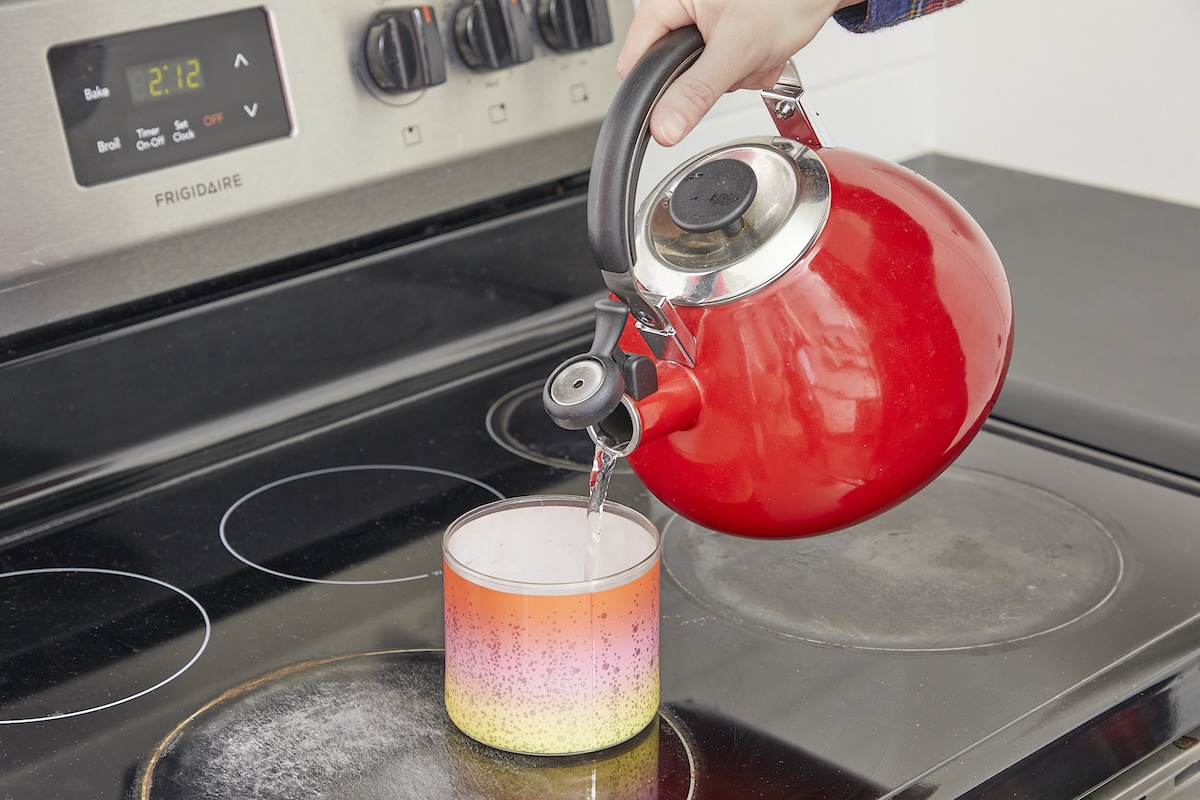
Boiling water can help remove leftover wax from an old candle jar so you can reuse or recycle it. After you clear out any loose wax, pour boiling water into the jar, filling it to within an inch of the top. The wax will start to melt and float to the top. Let the jar sit until the water cools, and then remove large pieces of wax and strain out the smaller bits.
2. Kill Ants
Pouring boiling water directly on an ant mound will kill fire ants as well as other types of ants. It’s important to use very hot water (at least 150 degrees Fahrenheit) and to pour at least 2 to 3 gallons over the colony. This method works best for small colonies that don’t extend too deep into the ground, and it’s about 60 percent effective. Be careful when handling hot water, and be sure to keep it off nearby plants.
Best Ant Killer
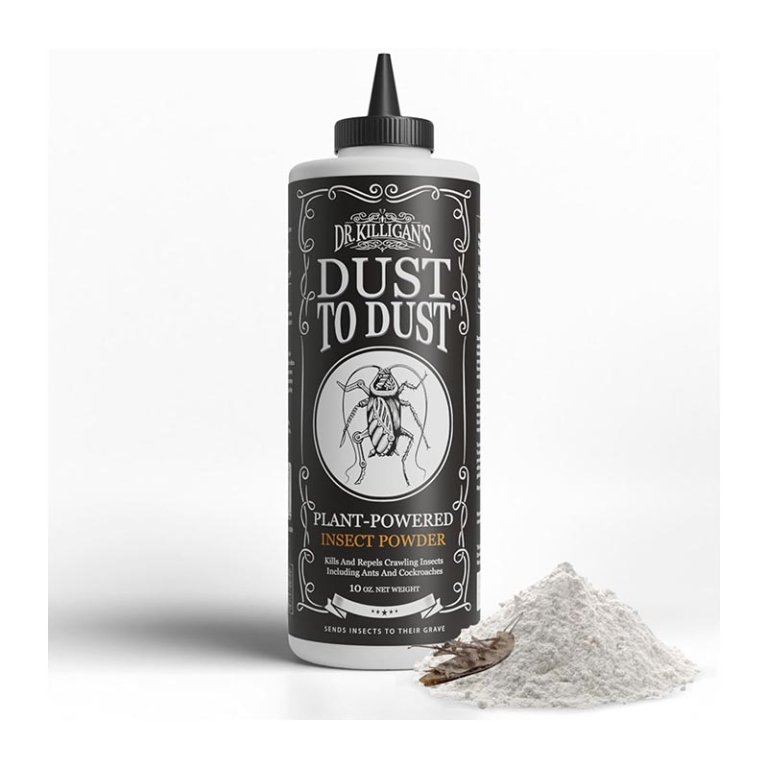
Dr. Killigan’s Dust to Dust Insect Powder
Dr. Killigan’s insect killer uses essential oil nanotechnology to kill insects without harming people or pets. Read the review.
See It3. Disinfect Plastic Cutting Boards
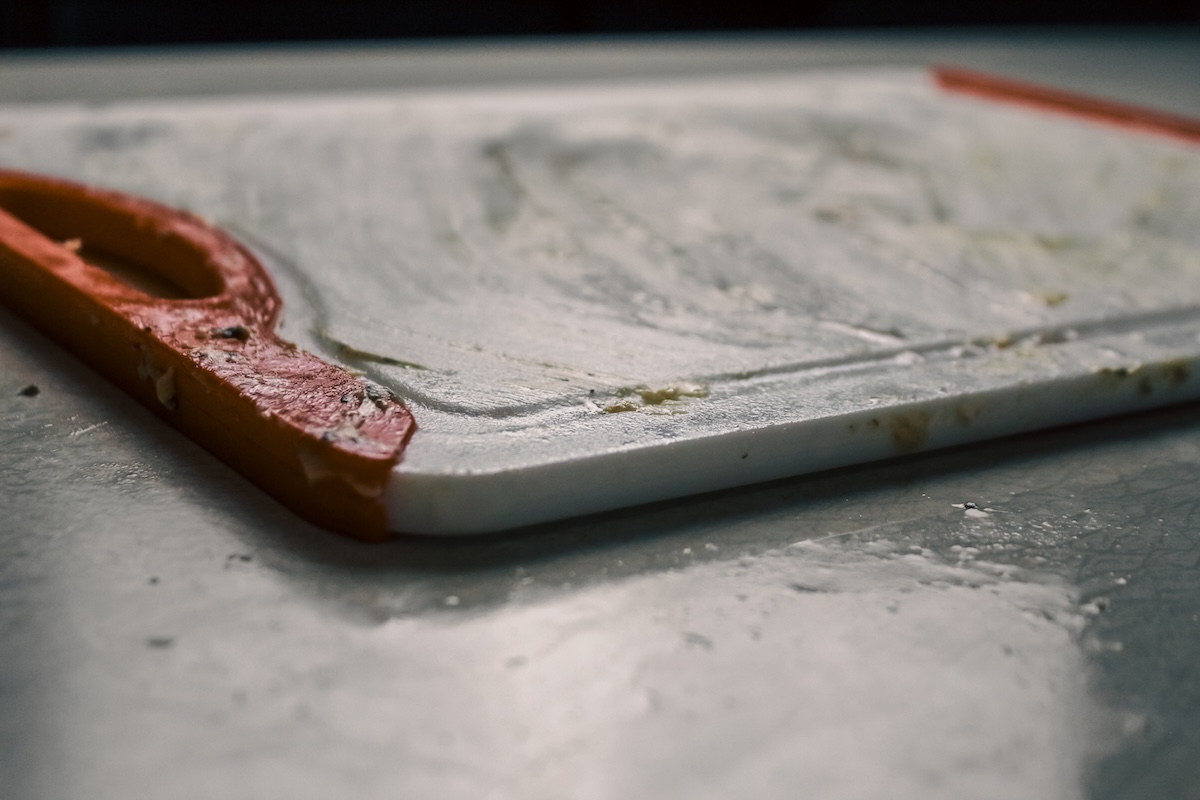
Even if you practice good kitchen hygiene and use separate cutting boards for meat and veggies, these surfaces can still be a source of cross-contamination. A quick dunk in a tub of boiling water, or even pouring boiling water over the board, can clean and disinfect the surface. Boiling water can warp or damage cheaper, thinner boards, so check the manufacturer’s instructions first.
4. Scent the Home
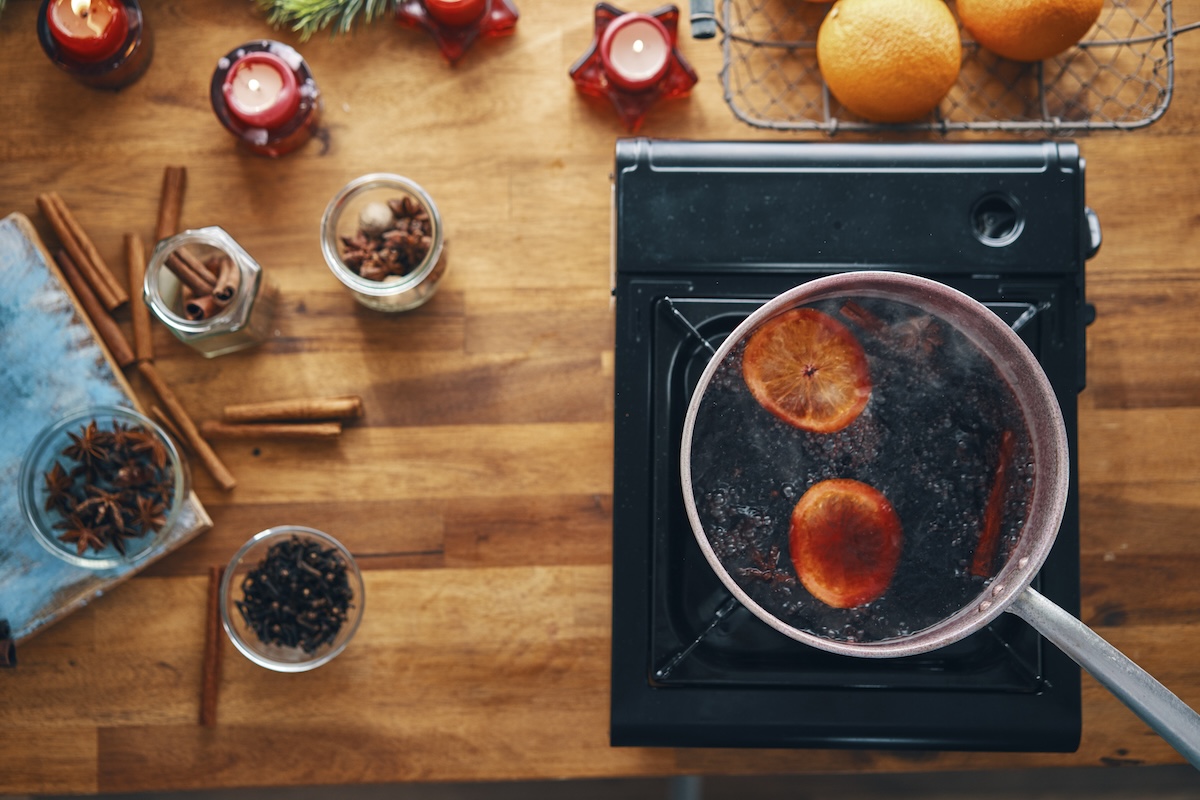
Does your living area smell less than fresh? Spread pleasant scents throughout the house by adding vanilla, cinnamon sticks, lemon peels, or a few of your favorite aromatic herbs to a pot of water on the stove. Bring it to a boil, and then turn it down and let it simmer away, emitting fragrance into the air. Add water to the pot as needed so it doesn’t boil dry.
5. Remove Laundry Stains
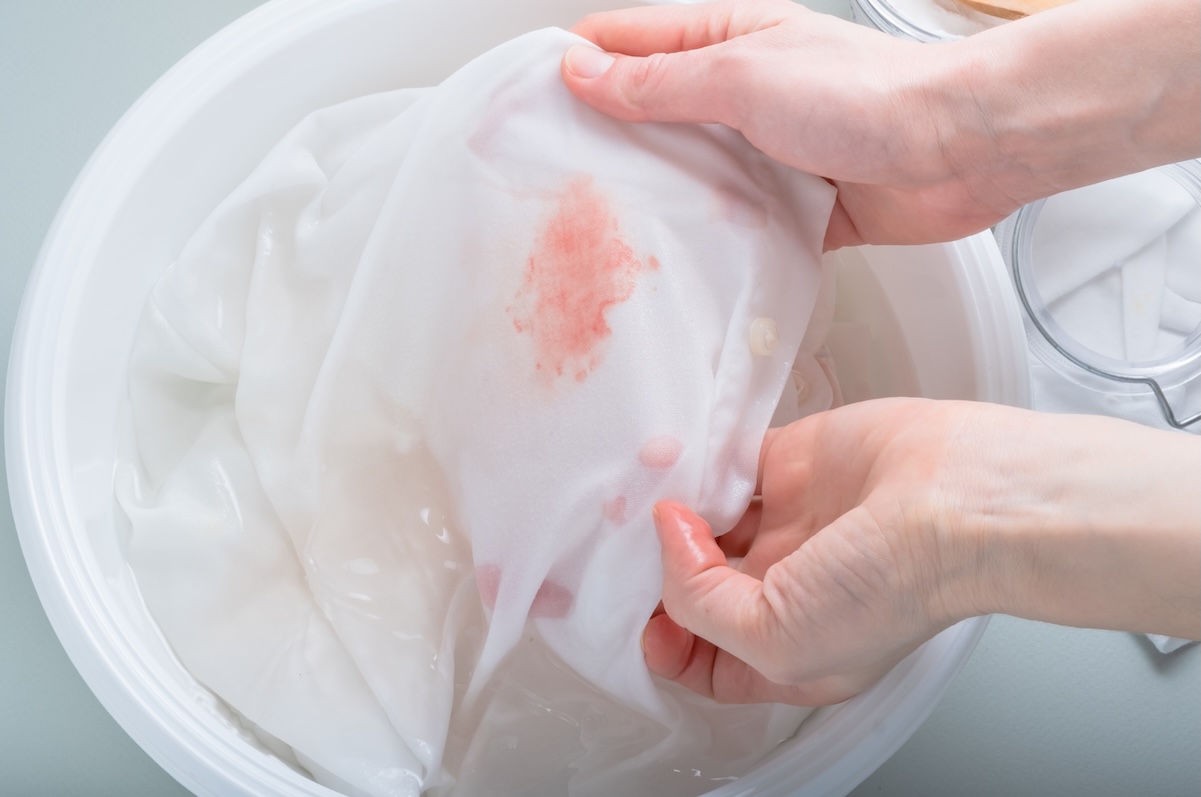
Certain types of stains (and fabrics) respond well to being treated with boiling water. Good candidates include fruit stains from raspberries, blueberries, blackberries, strawberries, watermelon, and grapes. For table linens or clothing, immerse the stained area in a pot of boiling water until the stain is gone.
6. Kill Weeds in Sidewalks and Patios
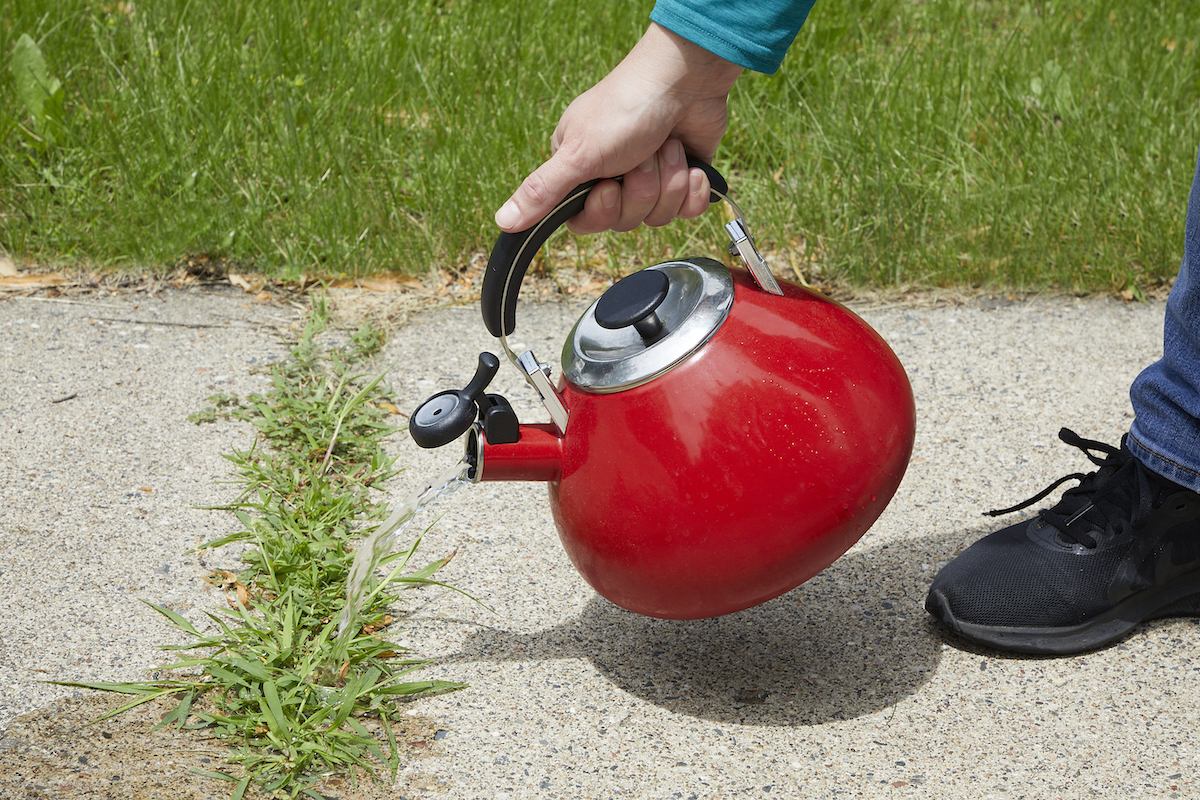
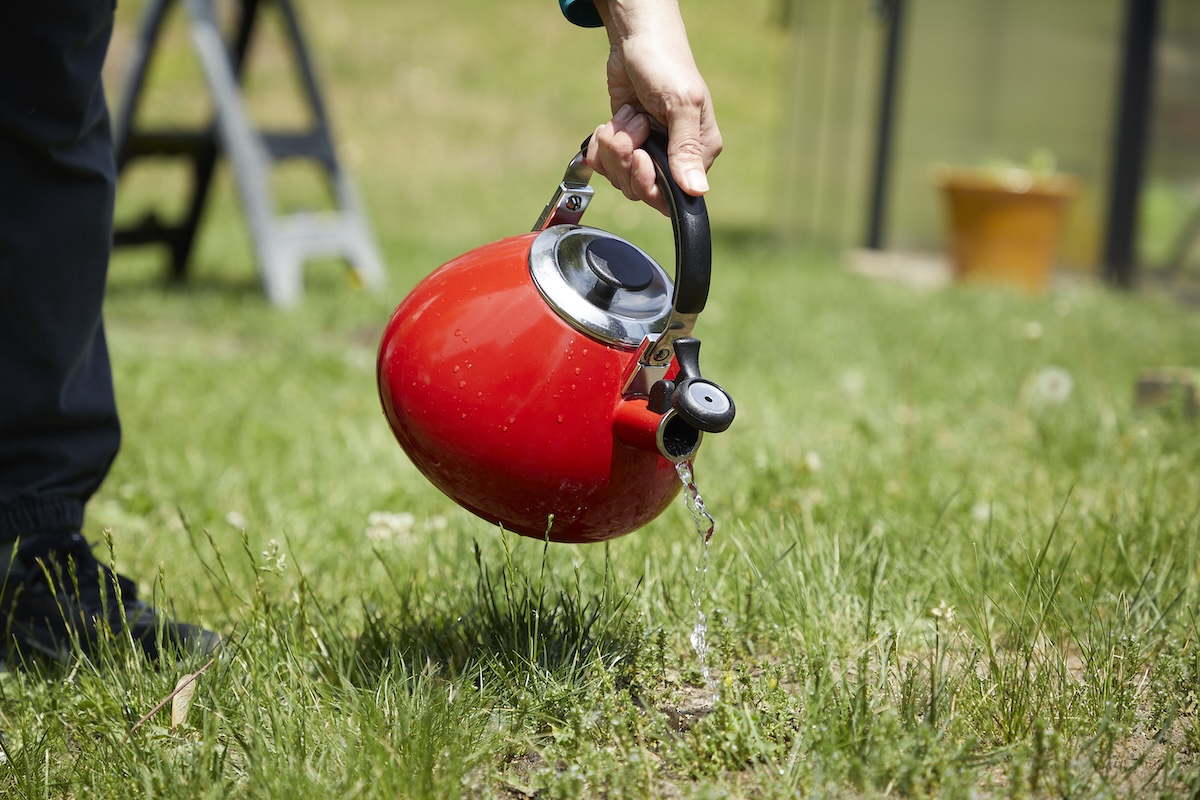
Many common weeds that grow through the cracks in your sidewalk or driveway can be killed by applying boiling water. This method of weed removal is especially effective against annual weeds, such as meadow grass, groundsel, creeping wood sorrel, chickweed, and willow herb. Some perennial weeds with long taproots and broad leaves, such as dandelions, thistles, mallow, and dock weeds, may need additional treatments. Boiling water also works for small-scale weed control in the yard. Pour the water directly on the weed, and re-treat in 7 to 10 days. This approach works best for newly emerged, lightly rooted weeds. To protect desirable plants, pour carefully.
7. Remove Grease Stains From the Garage Floor
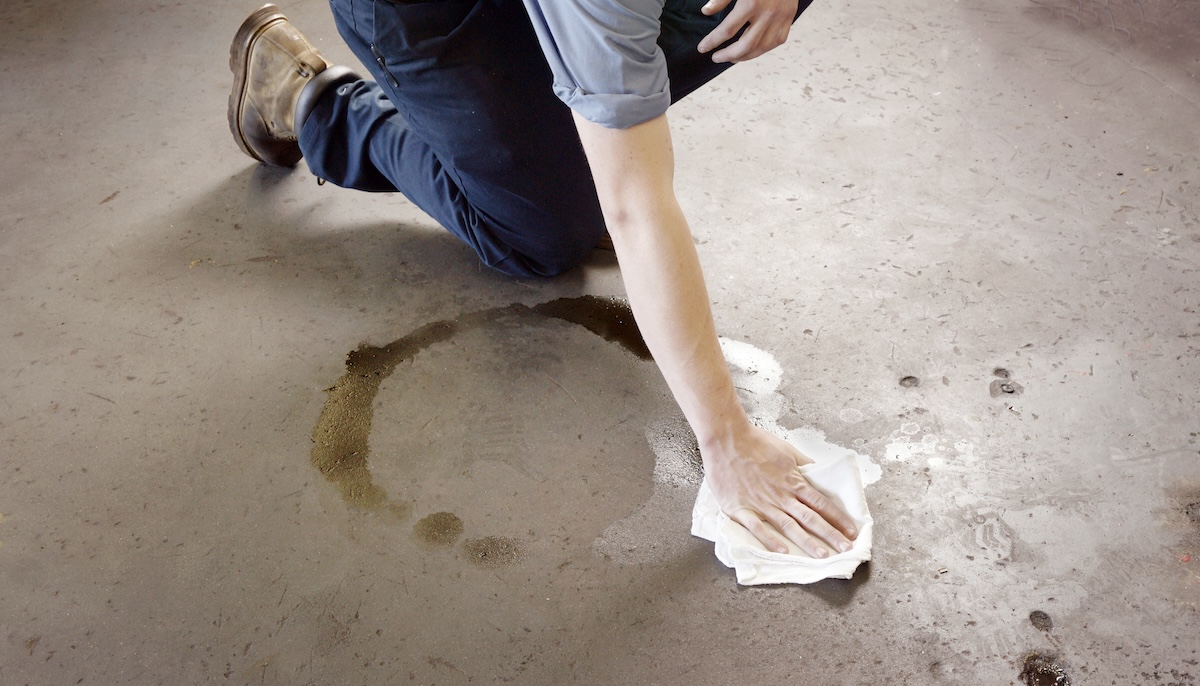
Drops of oil from your car’s engine can leave an unsightly mess on your driveway or garage floor. Regular dousing with boiling water can help minimize or remove these stains from concrete, although older stains might require extra scrubbing with a stiff brush.
Best Concrete Cleaner
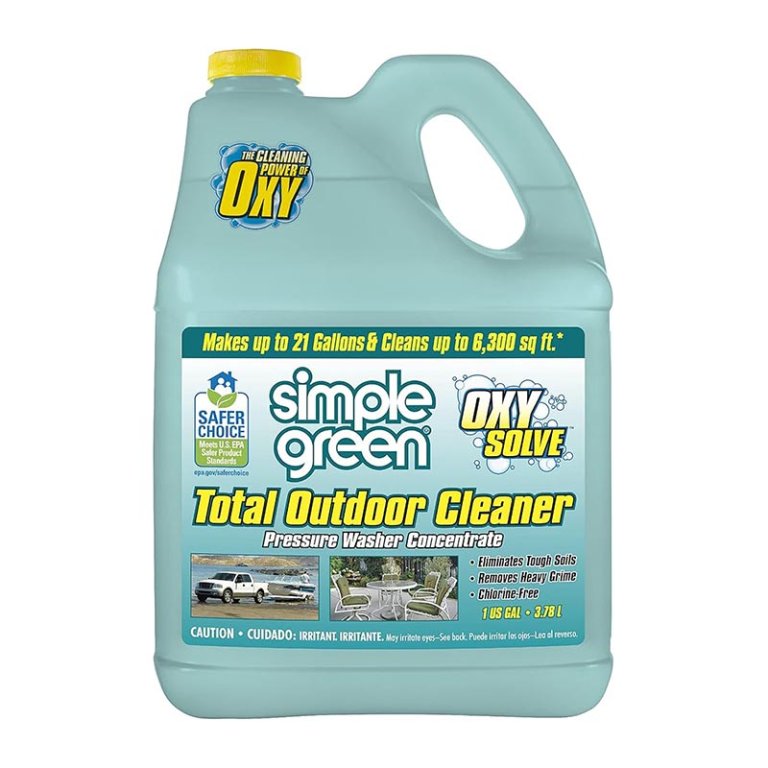
Simple Green Oxy Solve Total Outdoor Cleaner
EPA Safer Choice product Simple Green can be used with a scrub brush to remove oil stains that boiling water alone can’t remove. Read the review.
See It
8. Sterilize Canning Jars
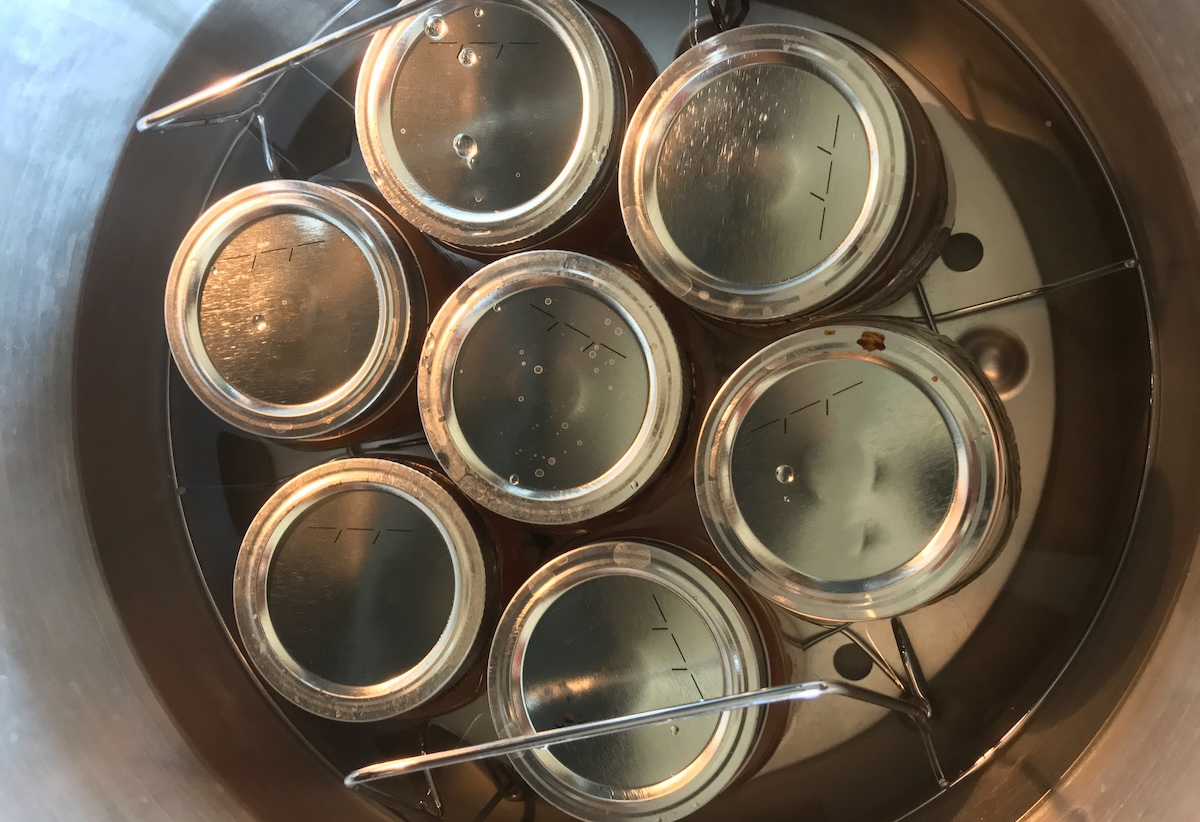
If you preserve your fruits and veggies via water bath canning, it’s generally recommended to sterilize the jars before use. To do this, immerse the jars right side up in boiling water for 10 minutes, then remove and drain the jars before filling. (Boil them 1 additional minute for each additional 1,000 feet of elevation.) Note that sterilizing isn’t required if the processing time (the amount of time the filled jars will spend in the water bath for safe sealing) is more than 10 minutes.
9. Disinfect Water in an Emergency
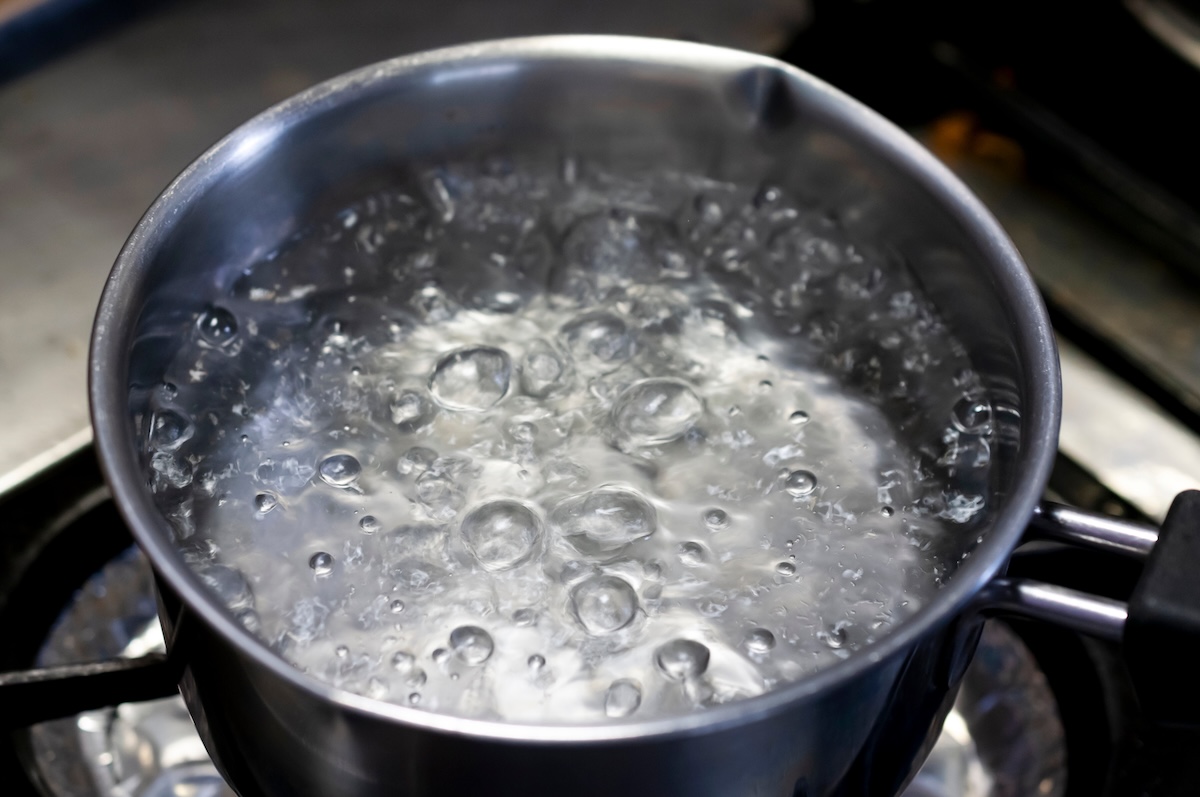
Sometimes storms, accidents, or even routine maintenance can contaminate a municipal water supply. When this happens, bring water to a rolling boil for at least 1 minute (3 minutes at high altitudes) to remove disease-carrying organisms from the water, making it safe for drinking, cooking, and bathing. Typically, if the water supply has been adversely affected, your local municipality will issue a boil water advisory and let you know when the problem has been corrected.
10. Remove Paint From Metal
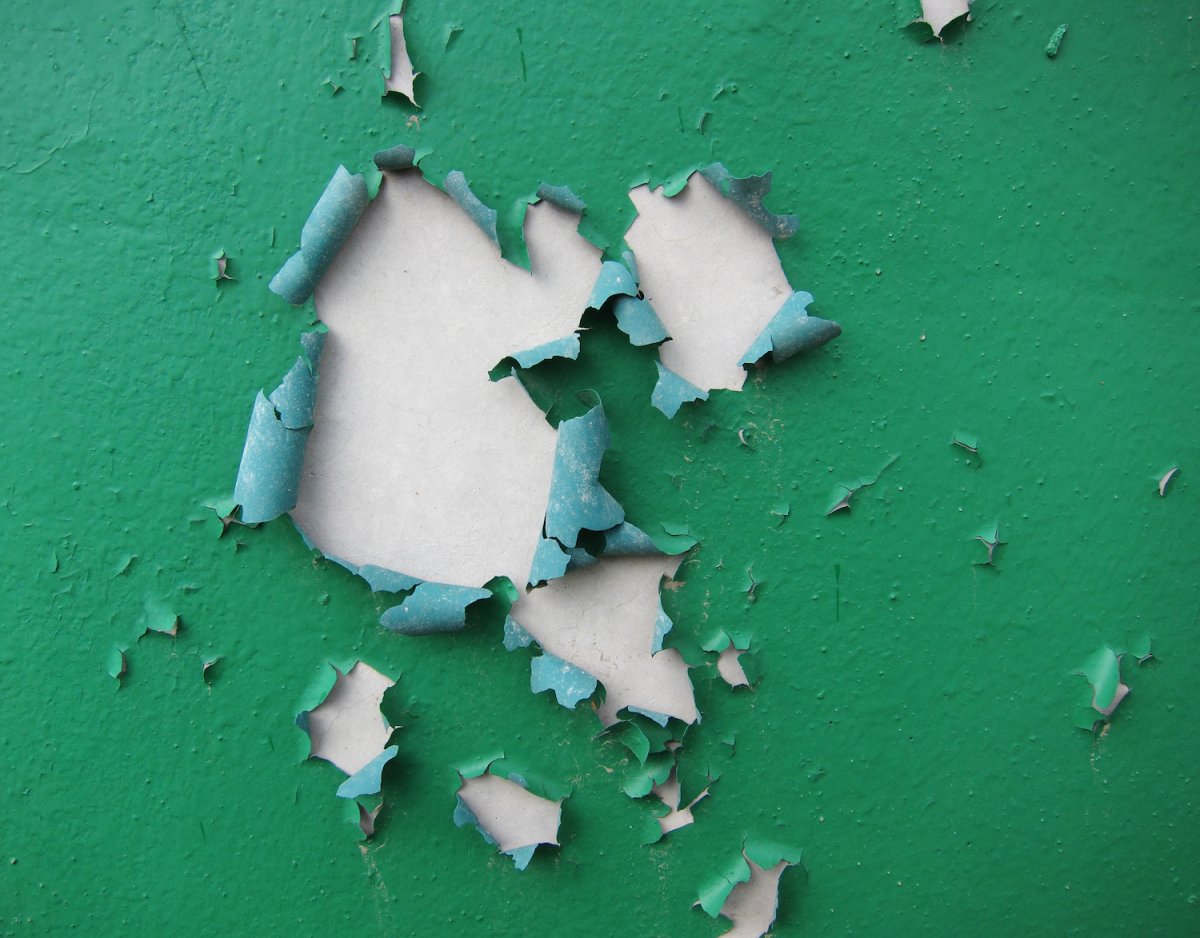
To remove paint from small metal objects like doorknobs, backplates, and cabinet hardware, boil water and then either submerge the painted items in the water, or put them in a heat-safe container and pour boiling water over them. Wait about 15 minutes, or until the paint bubbles up a little. Don heat-resistant gloves, remove the pieces, and then take off the paint with a paint scraper. Wipe them dry with a clean cloth. If you’ve soaked painted objects directly in a cooking pot, stop using that pot for cooking.