We may earn revenue from the products available on this page and participate in affiliate programs. Learn More ›
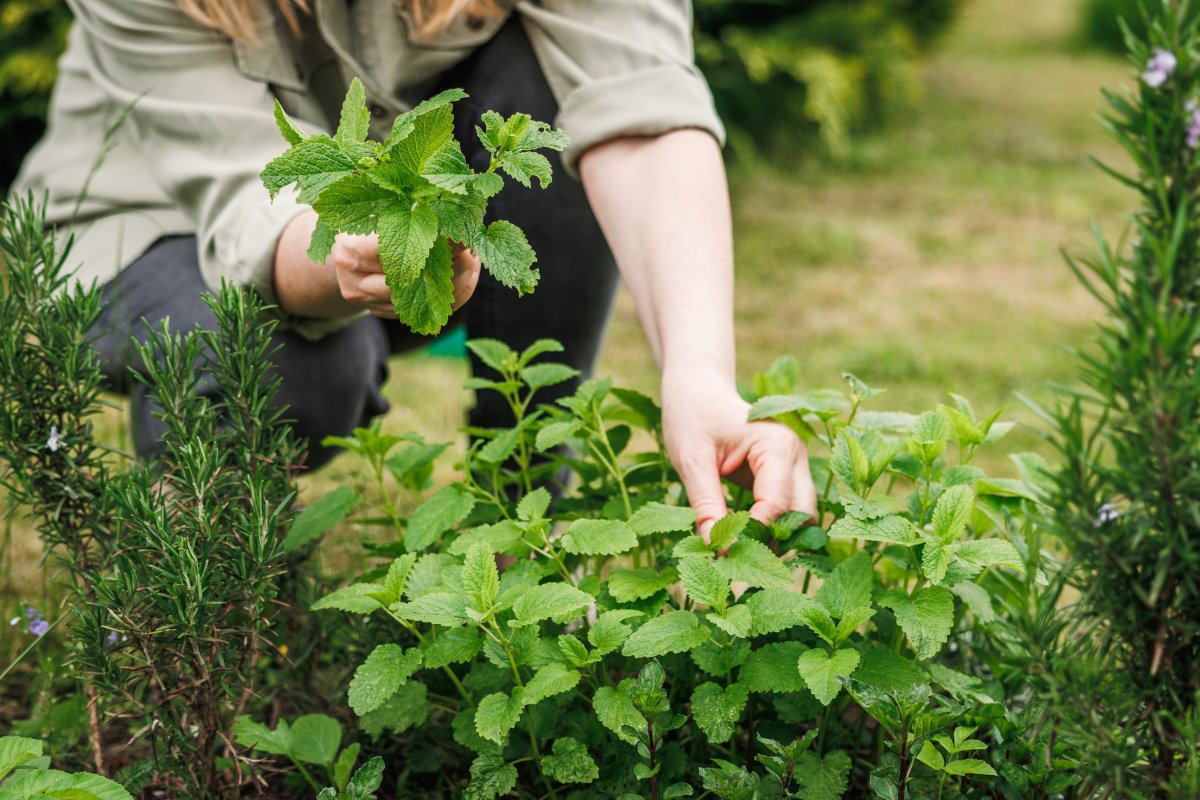
Most traditional herb gardens need a minimum of 6 hours of direct sunlight daily to flourish, but even if you have dappled light or north-facing plots, you can still enjoy a homegrown harvest. Many low-maintenance favorites, such as parsley, cilantro, and mint, thrive in partial shade, which is typically defined as 3 to 6 hours of sun per day. By selecting shade-tolerant herbs and ensuring they are planted in well-draining soil to prevent root rot, you can maximize every corner of your outdoor space. Here is a list of our favorite herbs that grow in shade so you can cultivate a lush, fragrant herbal garden even with minimal sun exposure.
1. Chives (Allium schoenoprasum)
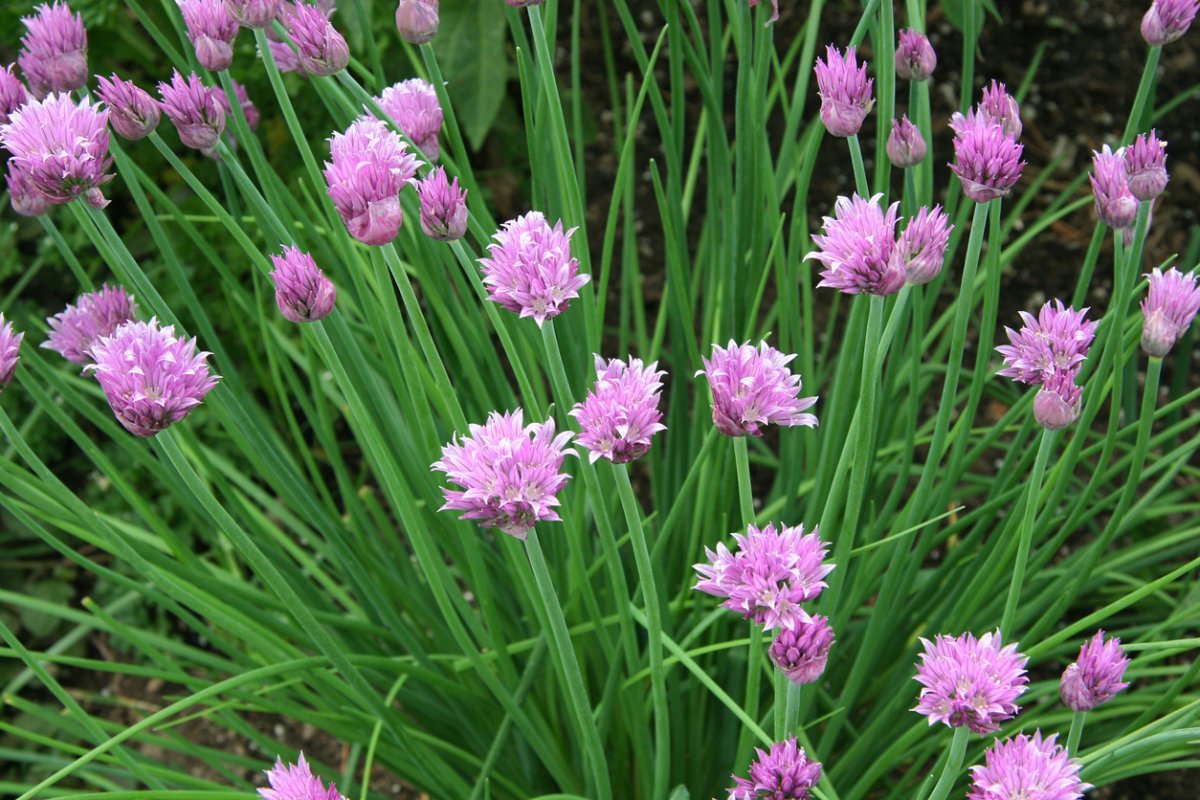
As a resilient and low-maintenance member of the onion family, chives are a perennial herb that grow in USDA zones 3 through 9. While they flourish in full sun, chives are known to be shade-tolerant and adaptable. They are hardy, cool-season herbs that are typically the first to emerge in early spring. Their slender green stalks and vibrant purple pom-pom blossoms can both be used for adding savory flavor to soups, salads, and egg dishes. You can easily grow chives from seed, purchase starter plants from a nursery, or plant divisions from friends. It’s best to divide them every few years to keep them productive.
2. Cilantro (Coriandrum sativum)
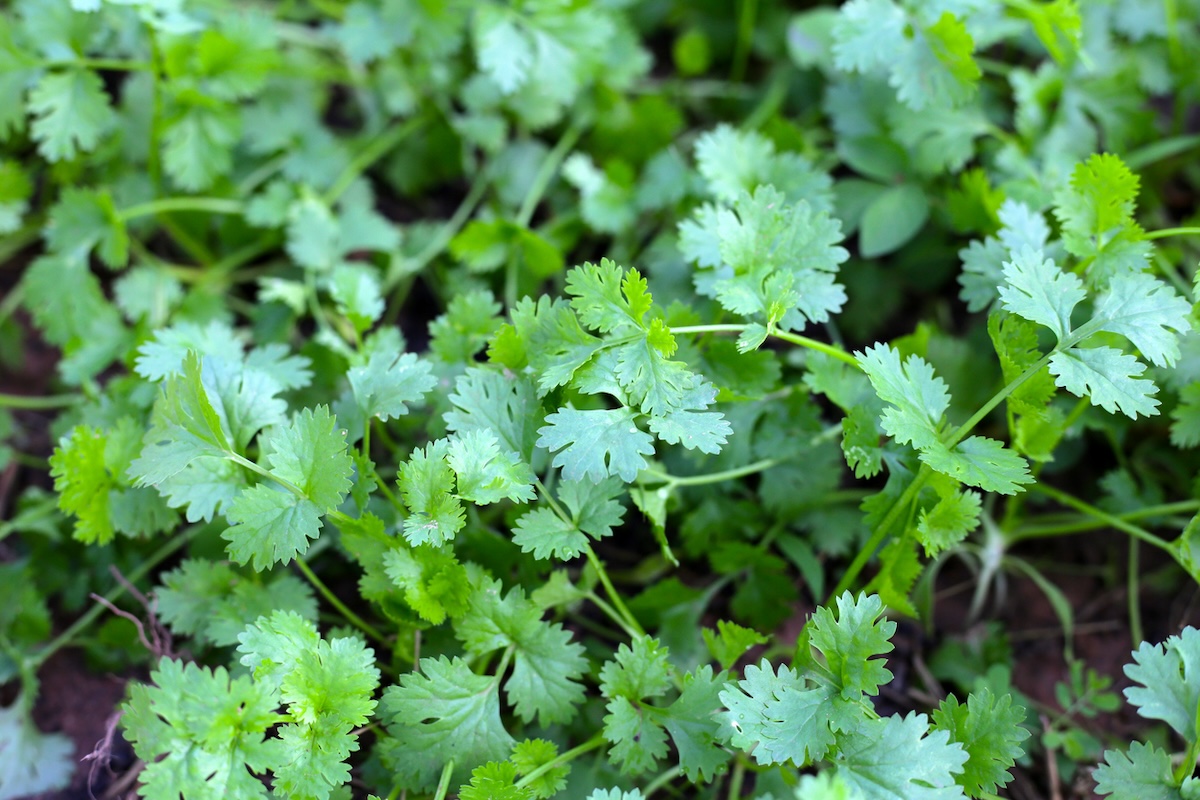
Cilantro is a fast-growing, short-lived annual that produces citrusy-peppery leaves, tangy roots, and pungent seeds known as coriander. This cool-season crop prefers dappled shade or partial sun, especially as temperatures reach 70 degrees Fahrenheit. At that time, the natural process in which the plant flowers and goes to seed in response to heat, called bolting, occurs. Sow seeds a half-inch deep in well-drained, slightly acidic soil in early spring, ensuring they are fully covered to provide the darkness required for germination. By planting new rows every few weeks and harvesting only a few leaves at a time, you can maintain productive growth throughout the cooler months of the growing season.
3. Lemon Balm (Melissa officinalis)
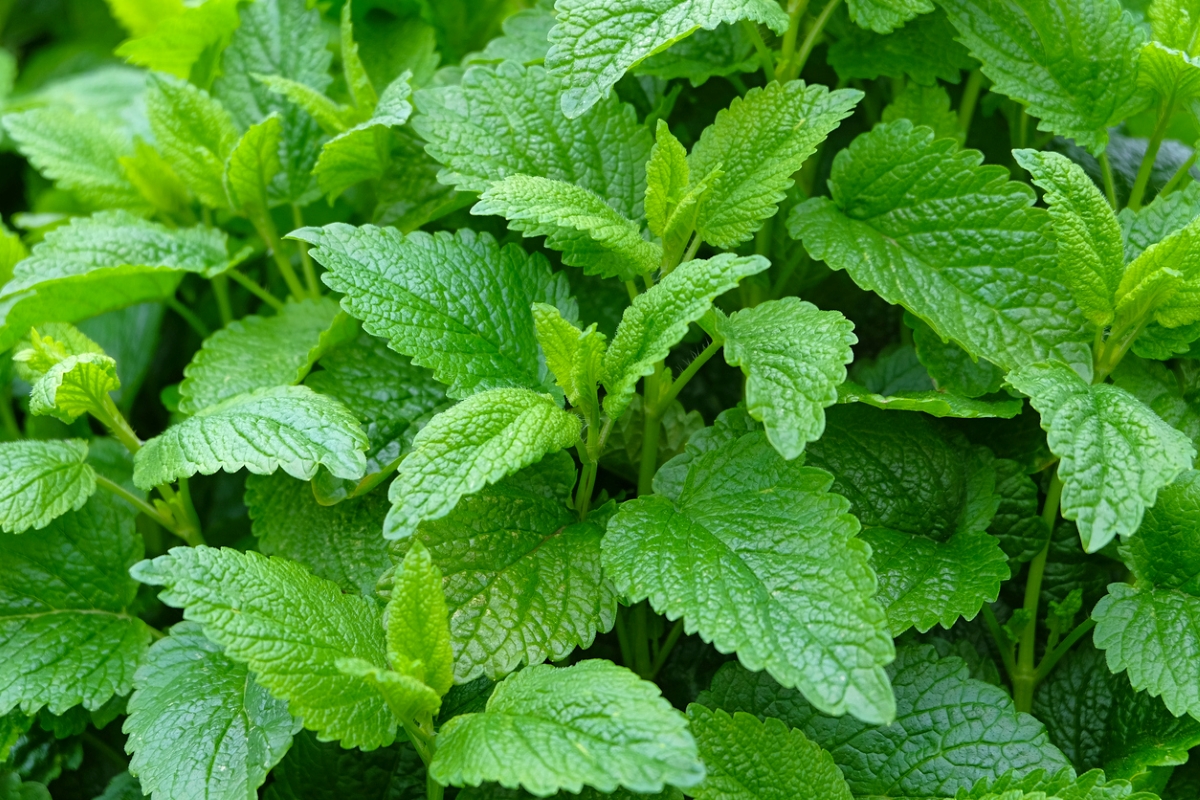
A fragrant relative of the mint family, lemon balm is a hardy perennial sought after for its serrated, heart-shaped foliage and refreshing citrus scent. Grown in USDA zones 3 through 7, this low-maintenance herb prefers temperate climates and partially shaded locations with moist, well-drained soil. While it has attractive blue, yellow, or white flowers, the plant is primarily grown for its flavorful leaves and stems that can be used in teas, salads, sauces, vegetables, and soups. Prune the shrub frequently to stimulate aromatic new growth and manage its aggressive nature, as it spreads via both rhizomes and self-seeding. The best news is it will continue to produce for years in your herb garden once established in the spring.
4. Mint (Mentha spp.)
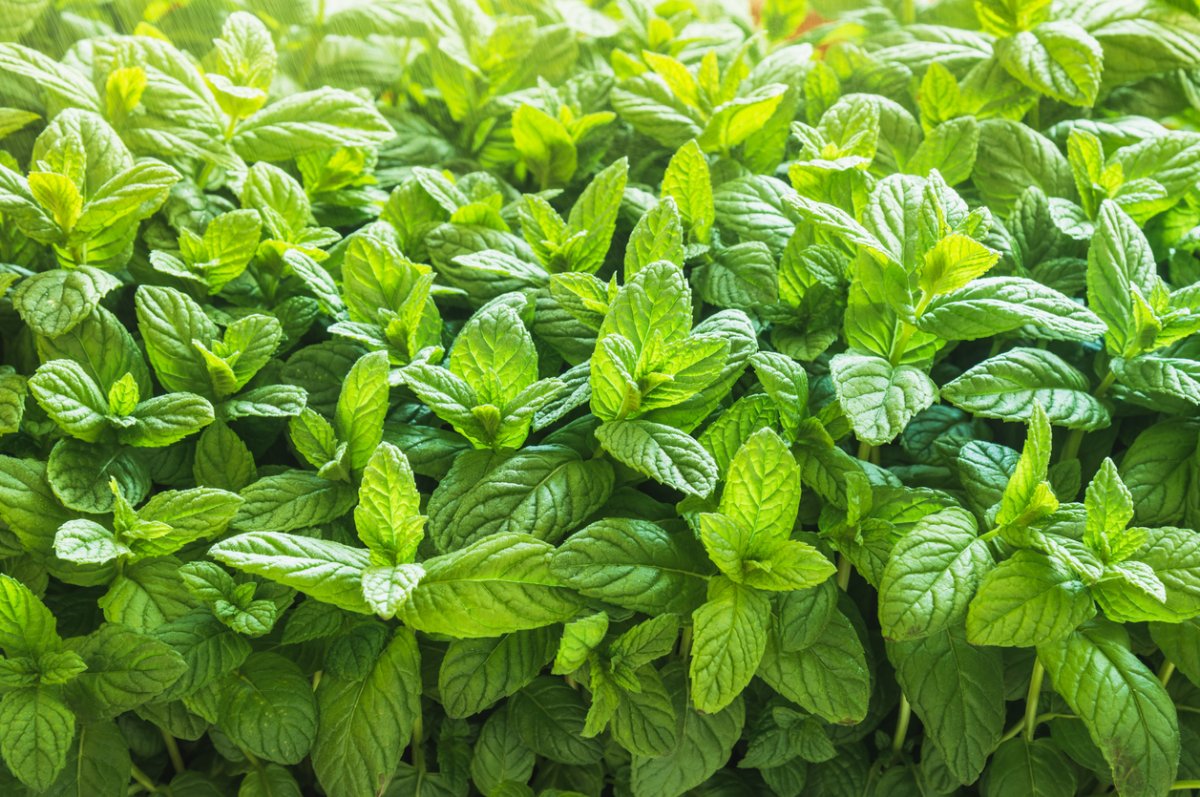
In addition to being an effective bug repellent, mint is a vigorous, hardy perennial with purple or white blossoms that can be used as an aromatic edible ground cover. Thriving in USDA zones 3 through 9, mint prefers rich, moist soil and easily tolerates partial shade. However, it is notoriously aggressive, so it is a good idea to grow it in pots or behind physical barriers to prevent it from becoming invasive. There are a number of different varieties, such as the popular peppermint and spearmint, that can be used to add a refreshing flavor to teas and other beverages, desserts, and salads. Mint is incredibly easy to establish from nursery starter plants or root divisions. Once the roots take hold, this plant will grow consistently.
5. Parsley (Petroselinum spp.)
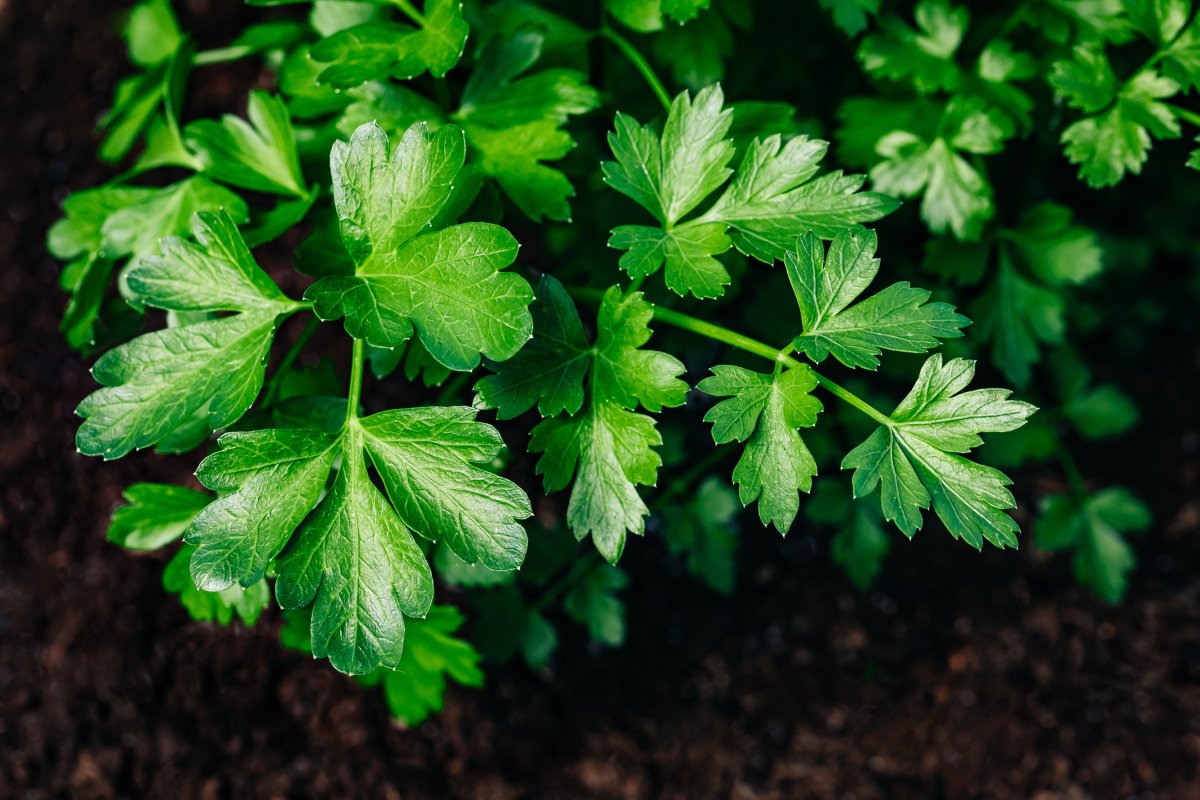
Available in both curly and flat-leaved Italian varieties, parsley is an adaptable biennial that flourishes in USDA zones 4 through 11. While it can handle full sun, it benefits from light or afternoon shade in hot, humid climates. Because parsley seeds are slow to germinate, many gardeners prefer starting them indoors in small containers 8 to 10 weeks before the final frost or using nursery-grown transplants. Once established in rich, consistently moist, and well-drained soil, the parsley plants spend their first year producing flavorful leaves before transitioning to flowers in the second year. If you have limited space, grow parsley in containers in partially shaded spots of your yard.
6. Sage (Salvia officinalis)
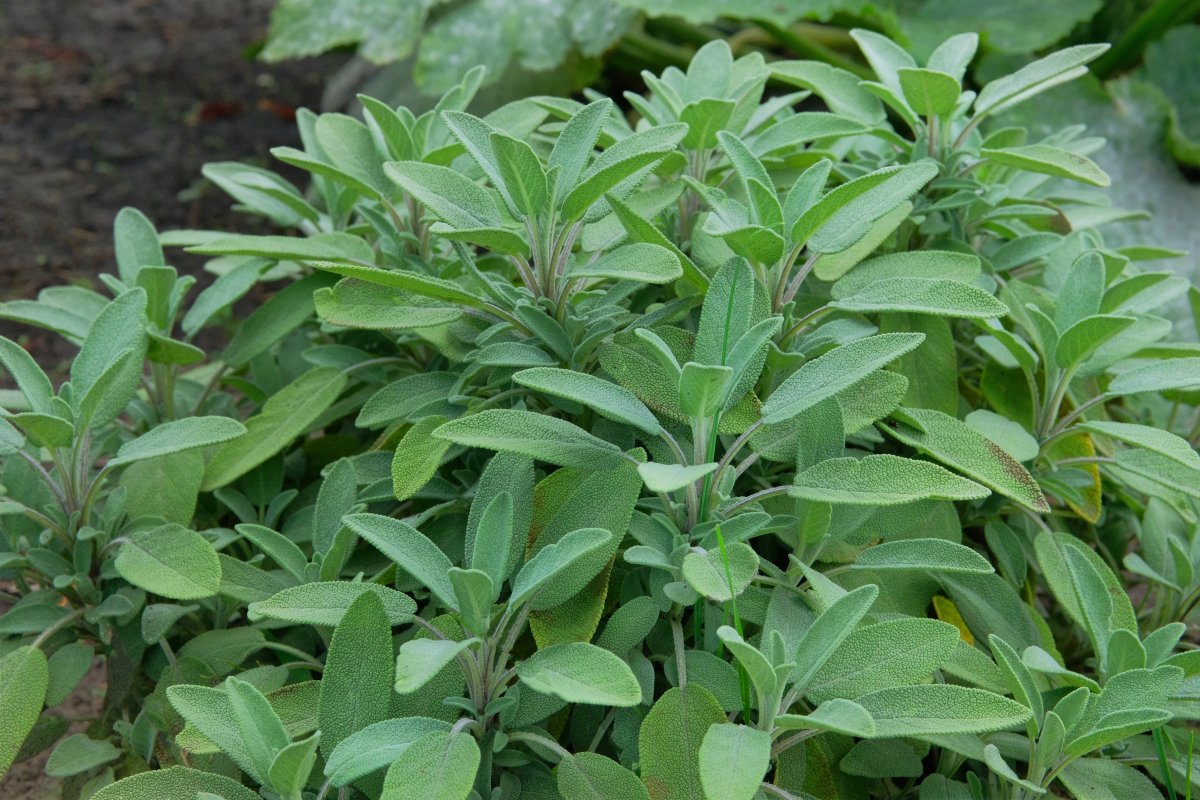
Able to tolerate light shade, culinary sage is a hardy perennial that thrives in USDA zones 4 through 8. It produces aromatic gray-green leaves and edible lavender-blue flowers. The leaves are commonly used fresh or dried in cooking to add a slightly peppery taste. Purple or blue blooms appear on the woody stems in the summertime. It can be planted in the spring or fall, and it has a moderate growth rate.
7. Tarragon (Artemisia dracunculus)
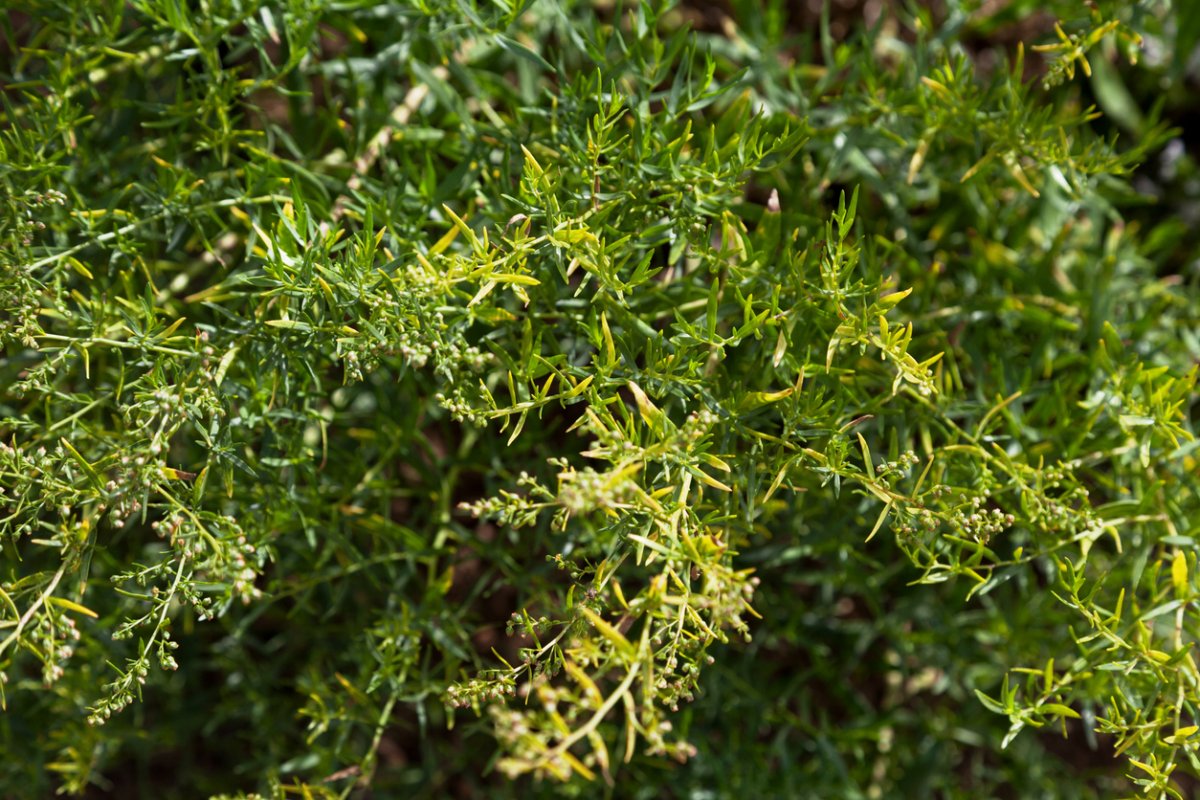
As the rarest herb on this list, tarragon, often called French tarragon, is a perennial herb with leaves that have a distinct, mild licorice flavor. This herb can enhance poultry, meat, and seafood dishes. It struggles in intense summer heat and actually prefers partial shade. Because it typically doesn’t produce viable seeds, it needs to be established using nursery-grown starter plants or by rooting stem cuttings from a friend’s garden. To maintain a tidy, productive plant that reaches about 2 feet in height, prune it regularly. Tarragon will return to the garden bigger and better each year.