We may earn revenue from the products available on this page and participate in affiliate programs. Learn More ›
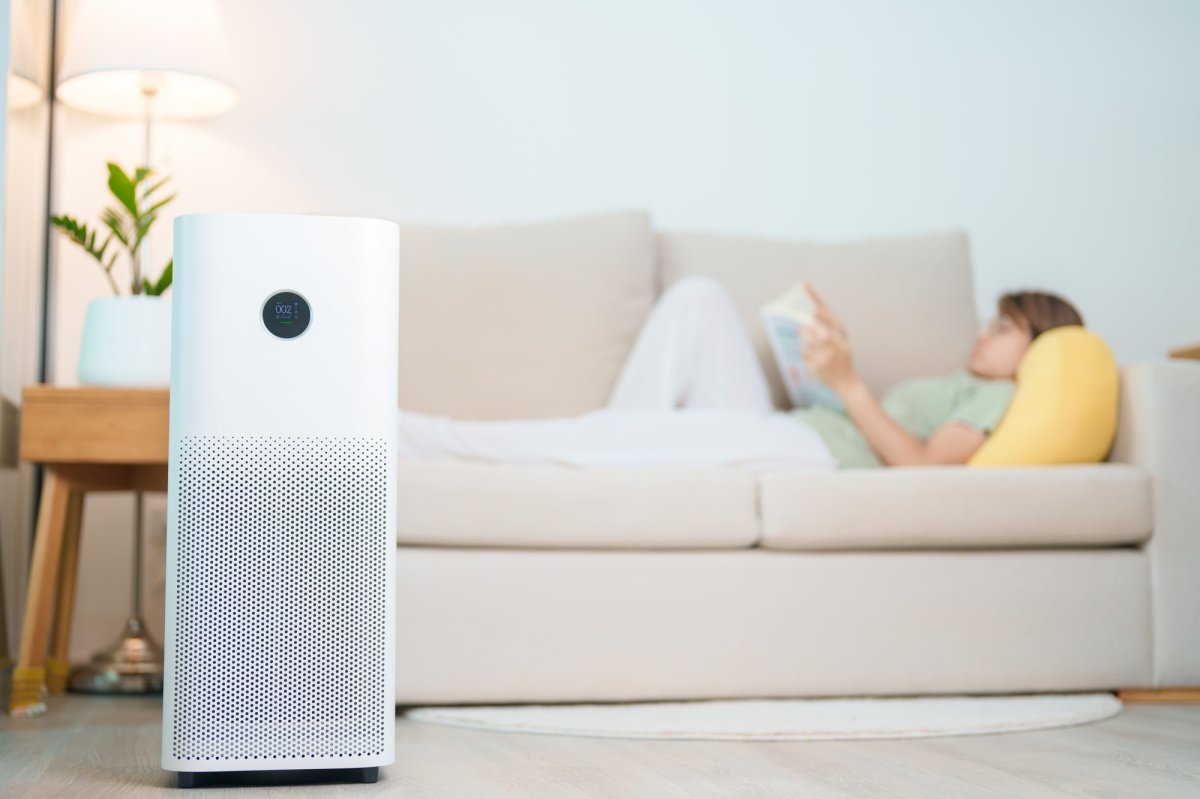
Whether you are dealing with wildfires; cigarette smoke; pet odors; or common irritants like pollen, mold spores, or other airborne pollutants, an air purifier can be a valuable addition to your home. These devices quickly remove pollutants from the air, making your home feel fresher and more comfortable, while helping you breathe easier and preventing allergic symptoms. In addition to knowing which type of air purifier to choose—such as HEPA, activated carbon, UV, negative ion, and ozone—we wanted to identify the best tips for how to use an air purifier. We spoke to two experts who shared their insights so you can quickly tackle any unpleasant odors and irritants lingering throughout your home.
Best Overall
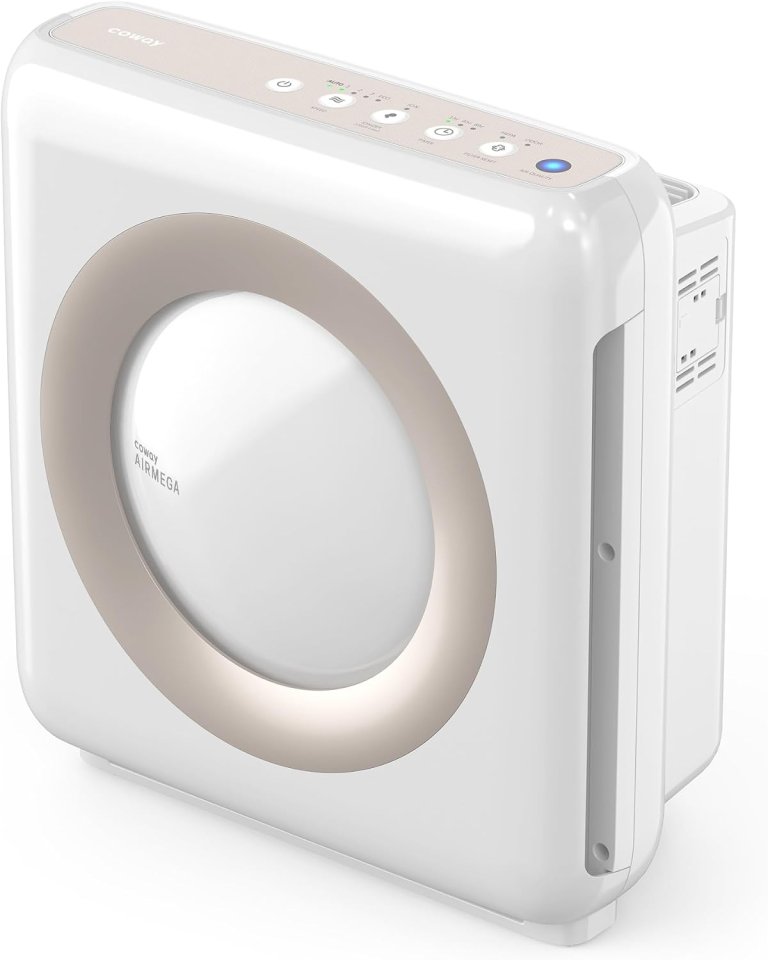
Conway Airmega Mighty AP-1512HH Air Purifier
This low-profile home air purifier earned the top spot in our product tests.
Buy NowFirst, evaluate whether your home needs an air purifier.
According to Michael Rubino, a mold and air quality expert, environmental wellness advocate, founder of HomeCleanse, and chair of the Change the Air Foundation based in Tampa, Florida, every home needs an air purifier. “Air is one of the greatest routes of exposure we face, and we spend around 90 percent of our time indoors, meaning that the air inside plays a significant role in our health,” explains Rubino. “With more tightly built homes and an increasing number of airborne contaminants, improving indoor air quality is critical to supporting our wellness. He believes that air purifiers are a piece of the puzzle in improving the air we breathe every day.
Rubino recommends placing air purifiers in the rooms in which you spend the most time and in highly trafficked areas to help reduce your daily exposure. Other reasons for using an air purifier include the following:
- High levels of dust indoors
- Working in a home office
- Owning pets
- Having a large family with lots of coming and going
- Living where outdoor air pollution is often high
- Having someone in the home with allergies or underlying conditions
- After a recent renovation or construction in the home
- Poor ventilation in the home
- Experiencing temporary problems from wildfire smoke
Determine the correct size for your needs.
Correctly sizing an air purifier involves matching its capacity to the square footage of the space and evaluating its overall air turnover rate, says Edwin Cheung, co-founder and vice president of business development at Rabbit Air in Pasadena, California.
First, measure the length and width of the room to determine the total area, ensuring the air purifier is rated for at least that square footage. “For effective performance, select a purifier capable of exchanging the total volume of room air at least two times an hour,” says Cheung. For allergy sufferers, he recommends four air changes per hour. “Choosing an air purifier rated for a larger space than your actual room is a great strategy, as it allows you to operate the device on lower fan speeds while still achieving the necessary air turnover.” Look for an air purifier’s recommended space capacity on the product packaging or in the product description.
There might be additional factors to consider as well, adds Rubino. “The goal is to ensure the purifier can keep up with the amount of air in the room; otherwise, you won’t get the full impact of the filtering benefits,” says Rubino. Rooms with high ceilings, for example, will need an air purifier designed for larger spaces because there’s more air to purify. “Also, if something actively impacts the air quality inside, such as multiple pets, renovation, or lots of traffic, a stronger purifier may be needed to keep up with them,” he explains.
Understand how to best place an air purifier in a room.
Putting your air purifier in the right spot depends on various factors, including the specific unit’s space requirements, the unit’s size, and the location of power sources, says Rubino. “The goal is to place the air purifier in highly trafficked areas, near sources of pollution, away from clutter and obstructions, and/or in rooms where you spend the most time,” Rubino explains.
According to Cheung, the primary bedroom is a natural starting point because people spend roughly a third of their time sleeping, making clean air essential during rest. “High-traffic family rooms, particularly those adjacent to kitchens or shared with pets, benefit greatly from continuous air turnover, as do dedicated home offices if you spend extended working hours in a single enclosed room,” notes Cheung.
Here are some additional guidelines for how to situate air purifiers in your home:
- Place the air purifier on a flat surface with sufficient clearance, recommends Cheung.
- Never place it directly against a wall or behind furniture, says Rubino. “Opt for a more central location in the room.”
- Keep it at breathing height, which is about 3 to 5 feet off the floor.
- “To maximize airflow and overall filtration efficiency, ensure there is at least 1 to 2 feet of open space around the intake and outlet vents,” notes Cheung.
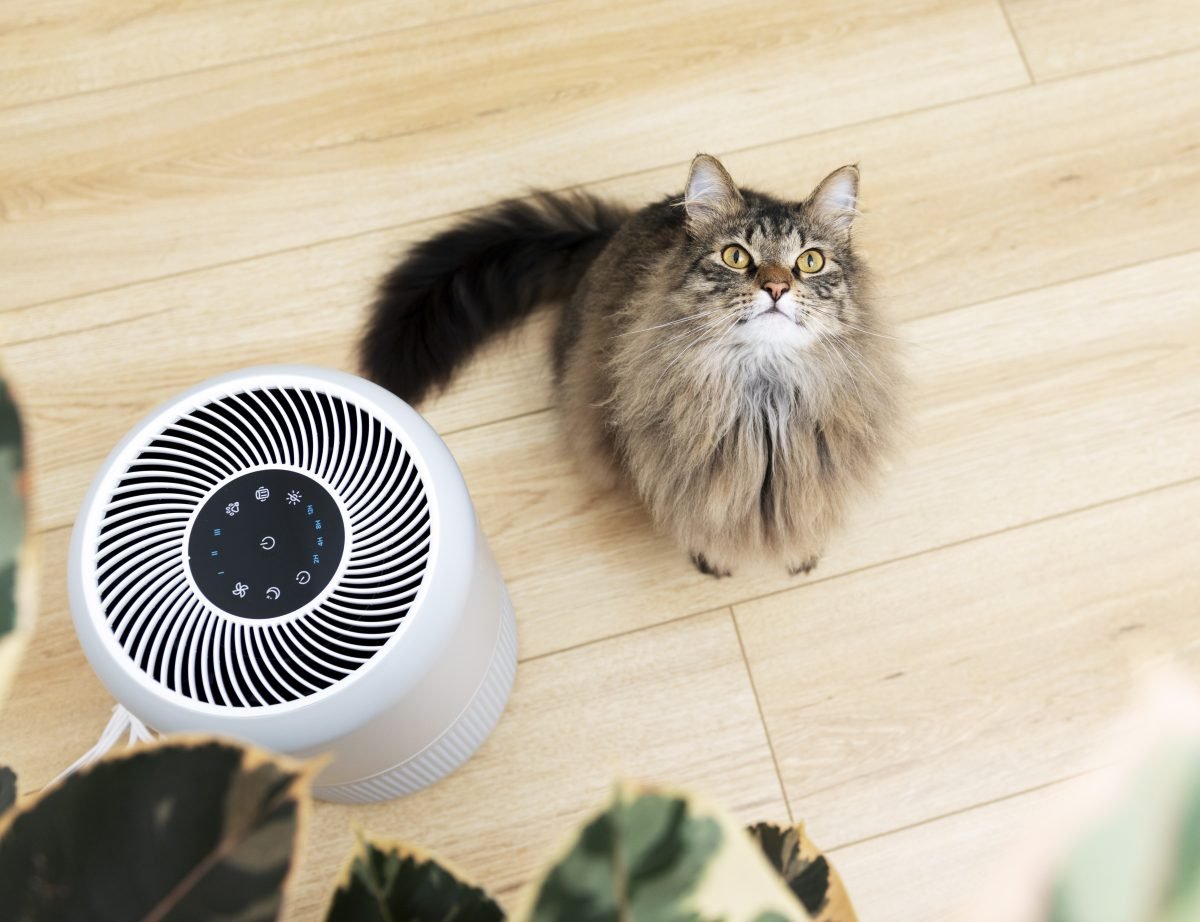
- In homes with pets, place the air purifier near primary pet resting spots to help capture dander at the source, advises Rubino.
- Put air purifiers for smoke near (just behind) the spots where cigarette smokers often sit.
- Avoid placing an air purifier near electronics and sources that produce heat or moisture.
Follow these steps for setting up a new air purifier.
Setting up an air purifier is usually pretty straightforward, but always review the manufacturer’s instructions. With that in mind, the general steps typically include the following:
- Remove all packaging, including all protective plastic wrap from each individual filter. “Running an air purifier with wrapped filters restricts airflow, produces excess noise, and strains the fan motor,” warns Cheung.
- Make sure to install all filters properly. “Most already come with the filters pre-installed, so check the manufacturer’s guide on whether or not a filter needs to be placed inside the unit,” suggests Rubino.
- Choose the right location in the room where it will receive maximum airflow and meet the specifications mentioned above.
- Plug it in, turn it on, and then let it run. “Air filtration is an ongoing strategy, so keep the purifier running continuously,” notes Rubino.
Keep up with maintenance.
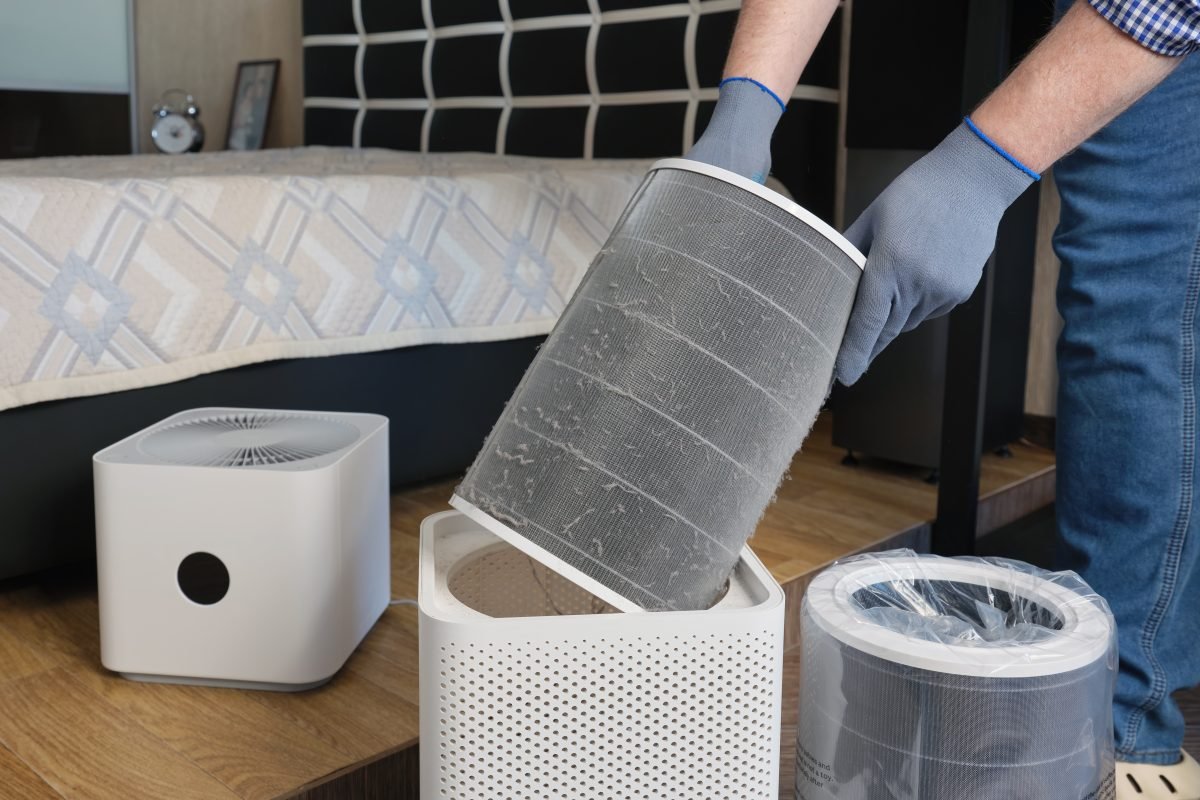
Proper maintenance ensures sustained performance and extends the lifespan of the device, according to Cheung. Keep up with the following tasks:
- Using a HEPA vacuum, remove lint, dust, and pet hair from pre-filters approximately every month to help protect the primary filter.
- Wash any reusable pre-filters regularly.
- Change filters on time based on the manufacturer’s recommendations. “Most units come with a light or some sort of alert system that will tell you when the filters need to be replaced,” notes Rubino. However, be sure to routinely examine filters for excessive dirt and odor, which might indicate they need to be replaced earlier than scheduled.
- Routinely clean the base of the purifier as well.
Avoid these common mistakes.
Here are the mistakes that homeowners often make when it comes to air purifiers:
- Placing it in an obstructed space or not allowing enough clearance on the front, sides, and top.
- Turning it on only for short periods of time. “Air purifiers are engineered for continuous operation, so running the air purifier 24/7 yields far better results than turning it on intermittently,” says Cheung.
- Getting a machine that is not equipped for the space.
- Forgetting to change the air filters. “Neglecting filter maintenance allows dust to clog the system, which constricts airflow, decreases efficiency, and increases sound levels,” warns Cheung.
- Assuming one purifier can handle the entire home.
- Ignoring sources and relying solely on air purifiers. “These machines aren’t perfect, so eliminating sources of contamination should also be a priority,” says Rubino. “This includes eliminating microbial growth, opting for low-VOC products, swapping out harsh cleaning products for botanical ones, and cleaning frequently.”