We may earn revenue from the products available on this page and participate in affiliate programs. Learn More ›
Every spring my husband and I head to local garden centers to buy a few plants to fill spots in our garden and buy annuals for summer containers. Like many plant lovers, we always depart from our list and buy a few impulse plants that we spot and decide we need. So our landscape often ends up looking more like a botanical garden display of multiple specimen plants than exuding the purposeful but natural garden design principles we prefer.
Joe Raboine, vice president of design at Oldcastle APG in Atlanta, Georgia, says that instead of scattering multiple single shrubs throughout the garden, planting small groups of the same three, five, or seven plants creates a more unified yet natural look. “When homeowners plant things as single elements, it lacks interest and pattern,” he says.
“This is a pretty simple change that immediately gives the landscape more presence and intention,” says Raboine. He and other landscape designers from around the country explain how the rule of threes works, and also when it doesn’t.
What is the rule of threes?
Despite its name, the rule of threes is more a guide than a hard and fast design principle and is often used in a variety of design trades like interior design and landscape design. Marci Bonner, senior associate at Richardson and Associates Landscape Architecture in Washington, D.C., agrees that groups of three are more natural and visually dynamic.
“In landscape design, it’s really the broader use of odd-number groupings, or natural-looking masses of plants, that matters more than strictly using groups of three,” explains Bonner. In general, planting in threes or similar odd-numbered groupings helps avoid symmetry and create a look similar to the randomness of nature right in your backyard.
William Winiecki, general manager of Hicks Landscapes at Hicks Nurseries in Westbury, New York, says the goal is to avoid precise, even spacing and perfect lines. “Our brains naturally try to organize objects into straight lines or grid patterns,” he says. Breaking up lines and perfect spacing leads to a more relaxed design rather than a stiff one, he adds.
What are some examples of using the rule of threes in garden design?
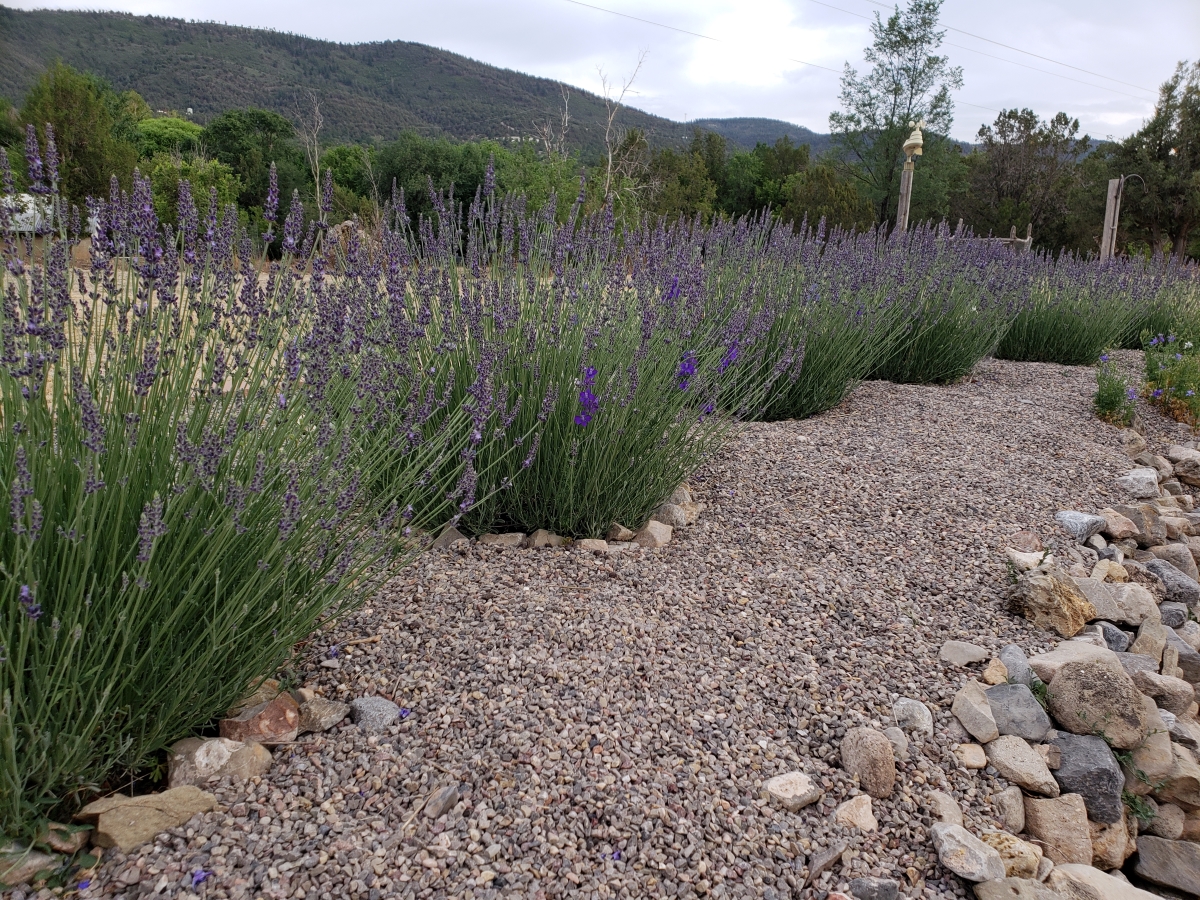
Despite my impulse purchases and plantings, I’ve aimed for odd numbers in plenty of plant groupings. For example, I planted six lavenders in an upper bed because of its size, but later added five in the attached bed below. This achieved a row-like look similar to a lavender field but not a symmetrical one. “Odd-numbered groupings make it easier to stagger plants,” says Winiecki. He says if you increase the number toward double digits, you can create “small groupings of plants that are flowing and lead the eye through the garden.”
Raboine offers simple examples of rule of threes in landscapes like “three hydrangeas or ornamental grasses planted in a loose triangle or a grouping of three small ornamental trees that create a natural-looking grove.” Some of the best native and xeriscaped landscapes include staggering three of the same shrub throughout a rock garden, for example, but within the same general view.
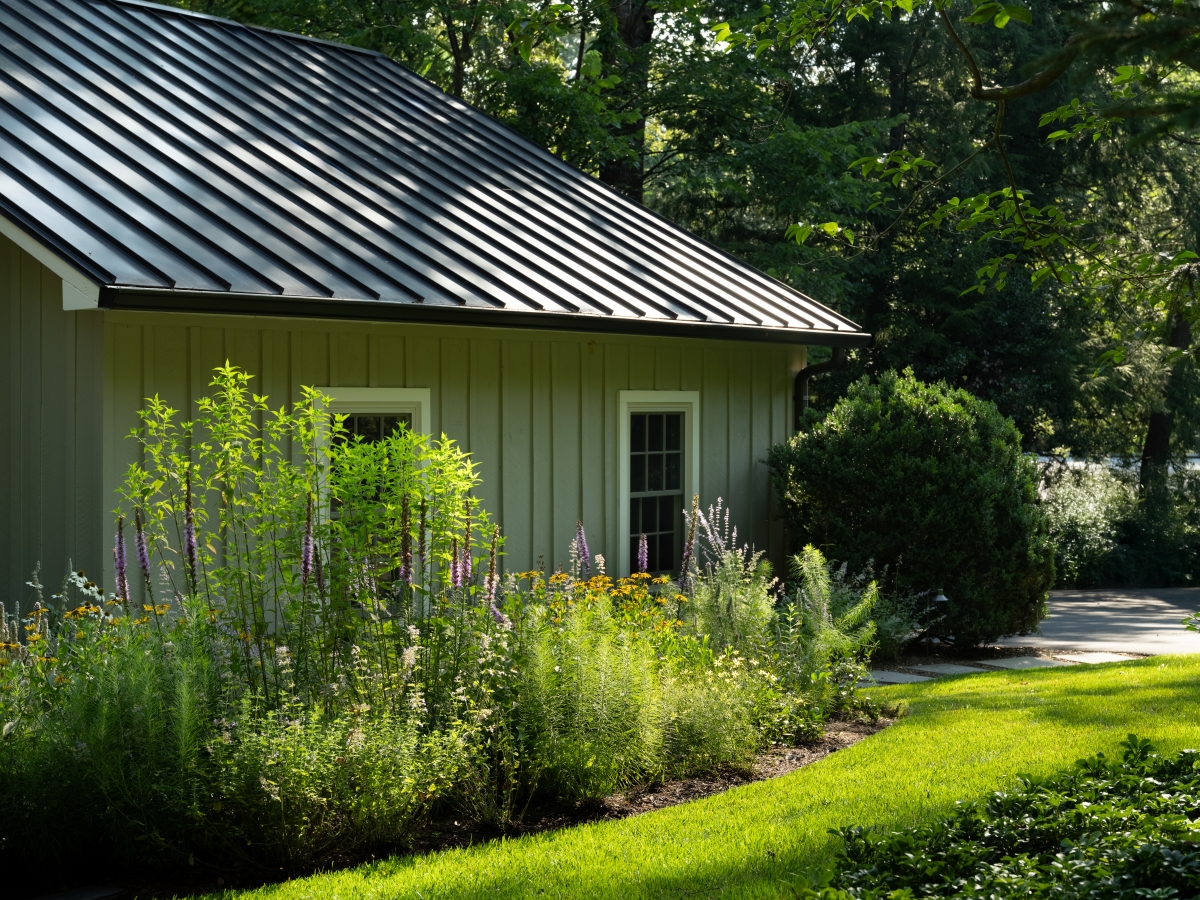
You can achieve a similar natural effect no matter the garden style by mixing plant heights, textures, or flower colors together in small groupings, as long as you avoid symmetry and obvious patterns. Winiecki says you can make a layered effect in a garden bed design by “placing taller plants in the back and shorter plants like groundcovers in the front.” Bonner adds that grouping smaller plants “in masses rather than strictly counted” creates a similar natural look and balance.
Does the rule of threes apply to just plants?
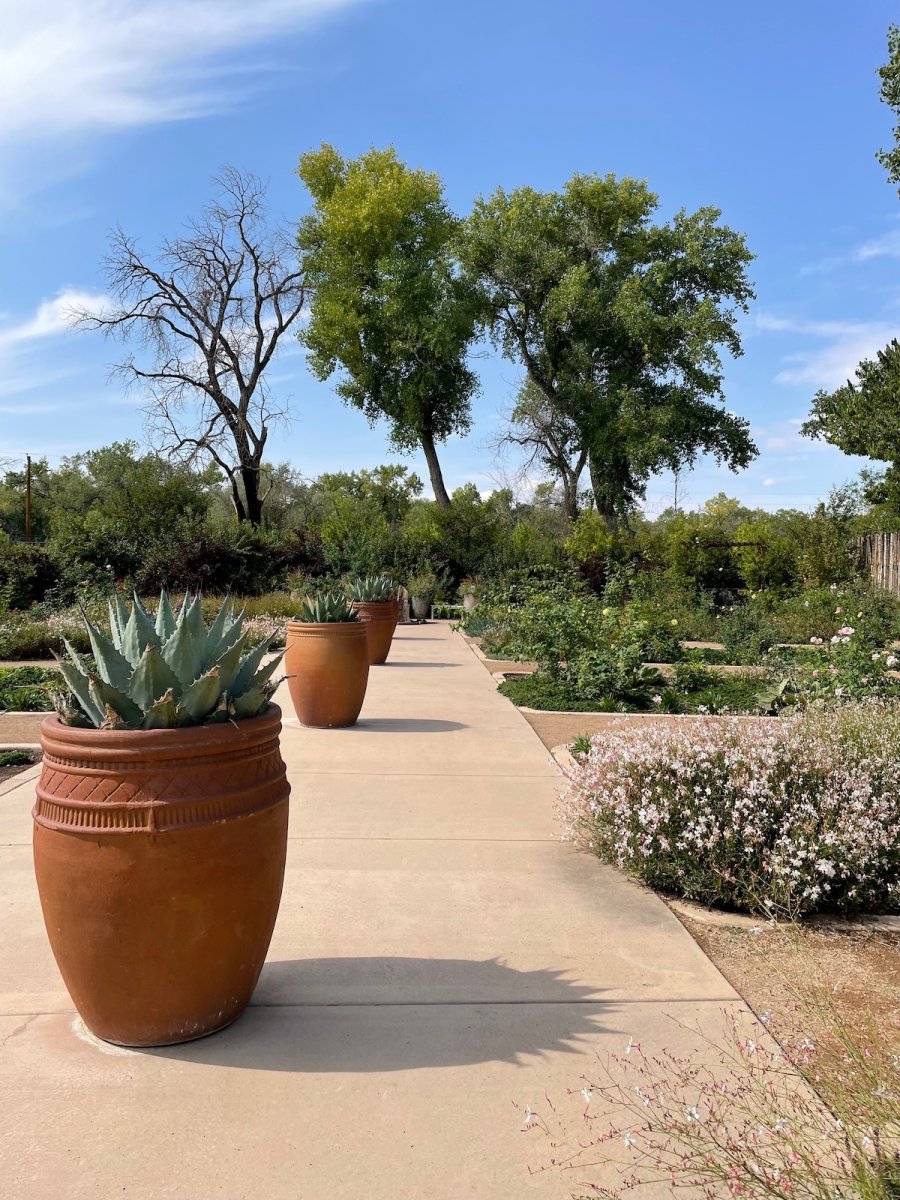
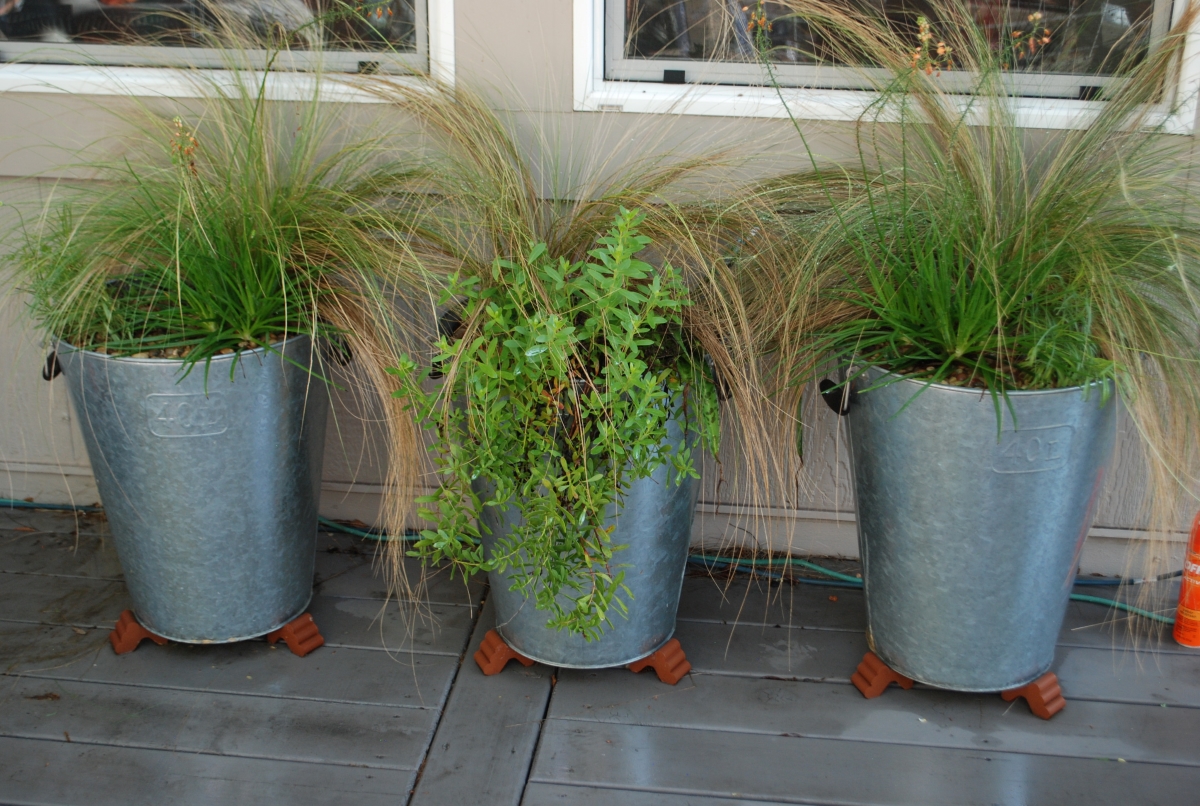
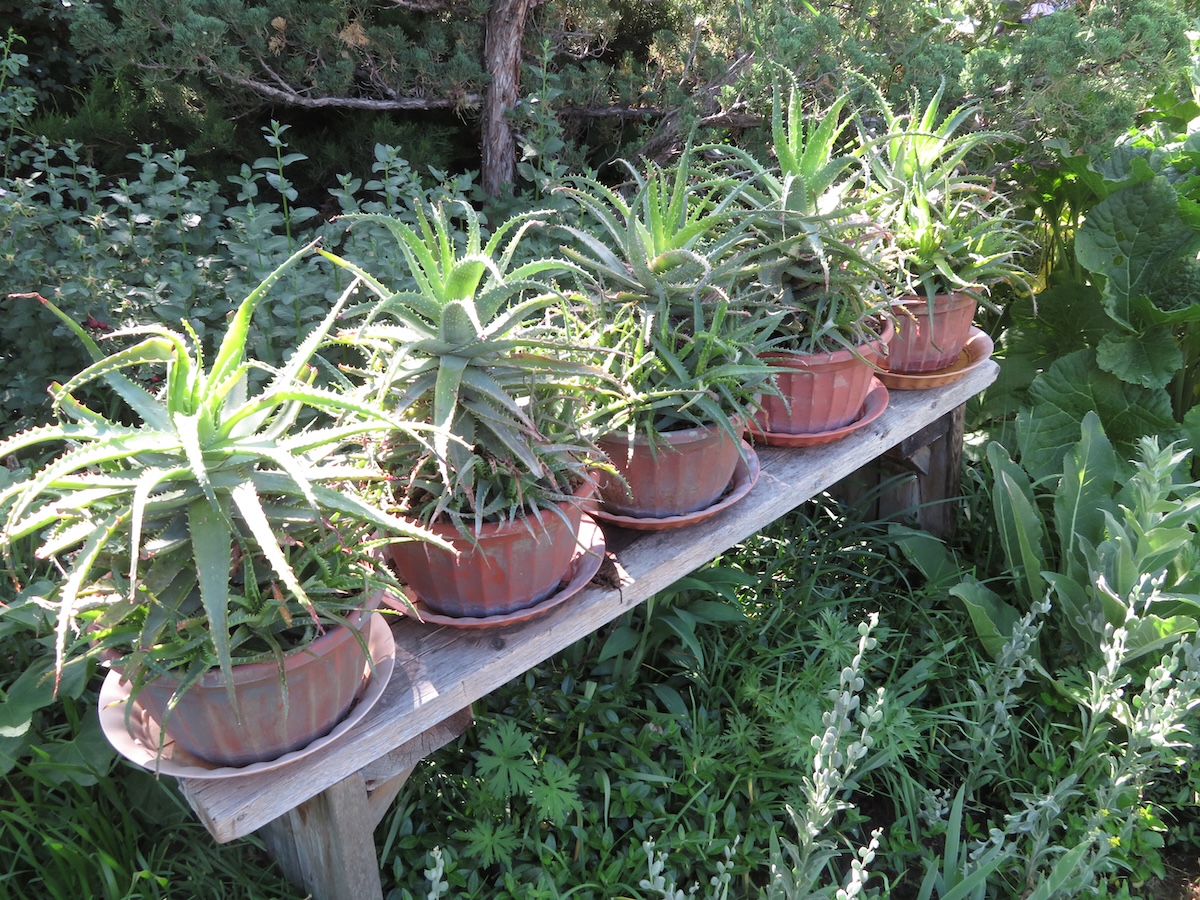
“Grouping containers or garden pots in odd numbers can also create a more natural and harmonious arrangement,” says Bonner. She adds that arranging them in groups of three with varying heights adds visual interest. Raboine suggests repeating elements like boulders or stepping stones “in groups of three along a pathway.” Larger single features like fountains work well as a visual anchor, adds Bonner, but “repeating smaller elements in groups of three or five can add rhythm to the landscape.”
You also can use the rule of threes “with designing the layout of hardscaping elements in your yard,” says Steve Corcoran of Lawn Love in Austin, Texas. “It also helps when the three items you are using aren’t exactly the same,” like with hardscaping elements, he says. For example, a three-container grouping can consist of the same pot design and color but of varying heights or different plants inside. Bonner says that “garden accents such as trellises, lights, or sculptures can also be placed in groups of three to add structure and balance without making the landscape feel too formal.”
When shouldn’t you use the rule of threes?
Planting in odd numbers isn’t always the best solution. “Like most design principles, it can fall apart if it’s used too literally,” says Raboine. For example, if you plant shrubs or display containers only in sets of three or five around your property, the randomness can become a pattern instead. Likewise, you don’t have to take the odd-number principle to extremes, counting out 15 or 21 plants, for example. “Once you get into larger numbers above 10 plants, then the plants become more of a drift planting,” says Winiecki. This minimizes the natural effect.
Winiecki adds that if you want to include something like a pollinator plant, place it where it can best perform that function. Maybe you have an herb garden and need only one of each culinary herb to supply your kitchen; scatter them intermittently with your odd-number groupings. “Lastly, if your garden is very small, then you probably want to be careful with how many plants you place within an area,” Winiecki adds.
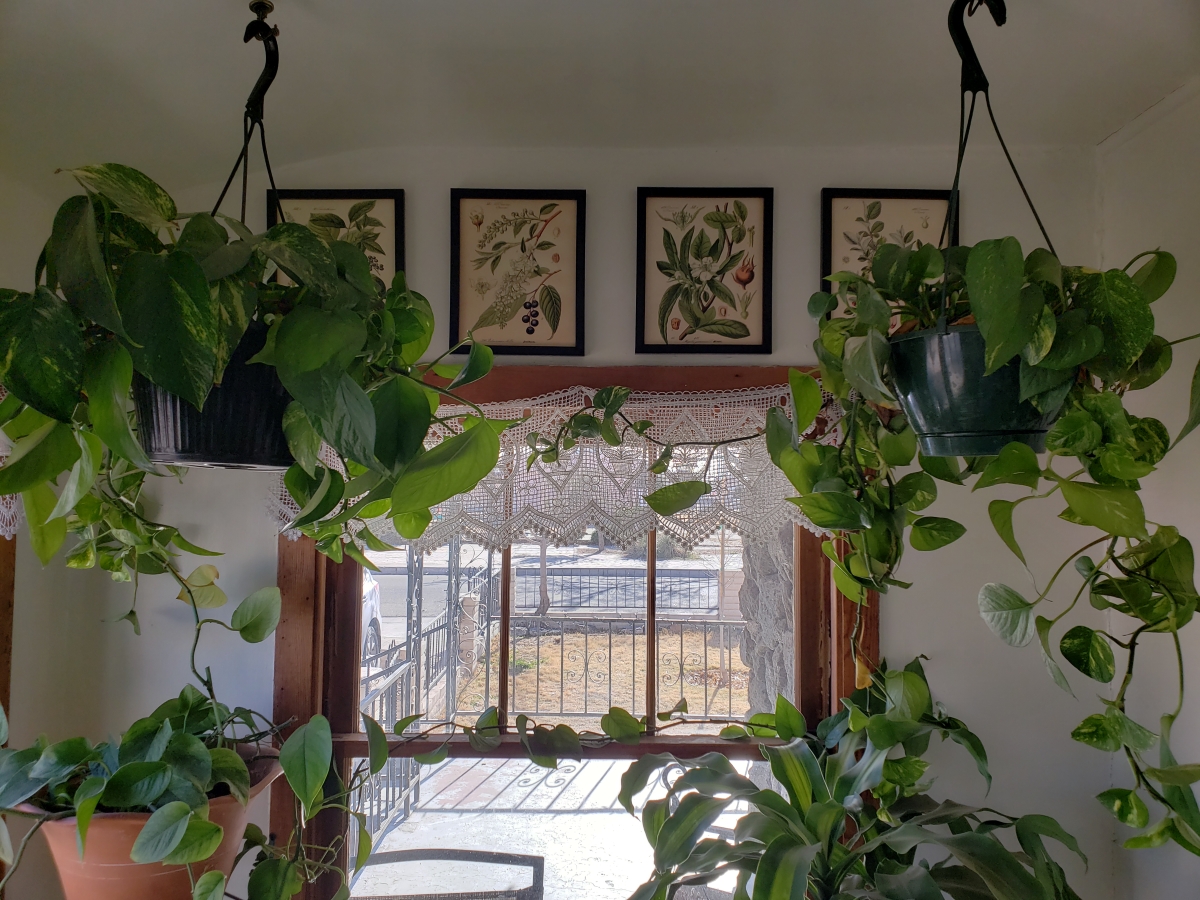
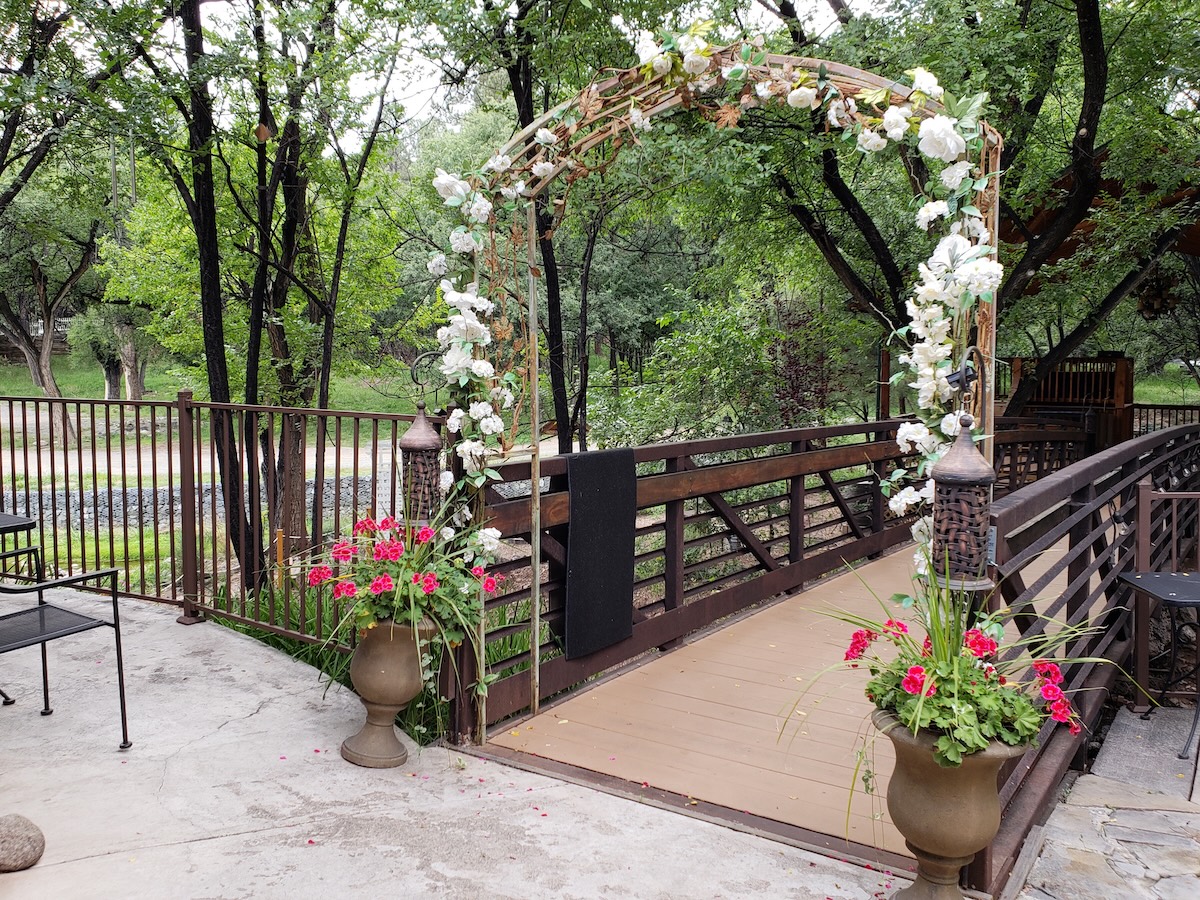
The best time to abandon the rule of threes is when you want a more formal and even symmetrical look. “For example, if you want to flank a front entrance or walkways, placing a tree or pot on each side often makes more sense because it frames the entry and creates balance,” says Bonner. For more formal spaces like a front door or walkway, “two matching elements often make more sense because they reinforce symmetry,” says Raboine.
Final Thoughts
Corcoran says that the rule of threes is a popular concept in design that isn’t going anywhere. “I would maybe even argue that it’s especially popular in landscape design right now, when style trends and preferences are leaning toward creating yards that feel more natural, free, or whimsical.” In fact, Raboine points out its similarity to a trend toward biophilic design. “Nature rarely grows in perfect rows,” he says.
New gardeners, in particular, can use the rule of threes as a guide to choosing and placing plants as a garden design principle. Although planting multiples of a shrub might limit plant diversity to a point, it also means learning to care for fewer plant types. And nothing stops us from interspersing a few of our favorite annual flowers or natives for pollinators. “At the end of the day, the goal isn’t really to follow a rule. It’s to create a landscape that feels balanced, natural, and welcoming,” says Raboine.