We may earn revenue from the products available on this page and participate in affiliate programs. Learn More ›
Homeowners continue to show a strong interest in upgrading spaces that connect their indoor and outdoor lives, according to the 2026 State of American Home Renovation report. Respondents said that landscaping (34 percent) and outdoor living (31 percent) remain top priorities for home projects. This emphasis on outdoor projects reflects an evolving view of whole-home living, as more people prioritize wellness, sustainability, connection to nature, and making the most of available space.
“Recent years have seen homeowners wanting to bring more of the outside in, and the inside out, in an attempt to harmonize indoor and outdoor spaces—a trend also known as biophilic living,” said Rachel Sugalski, regional operations manager of Patio Enclosures, in the report. Biophilic design is all about recognizing people’s innate need to connect with the outdoors and seeking solutions to encourage that connection. This is achieved by merging the beauty of nature with a manufactured outdoor space. By doing so, people enjoy benefits such as improved physical and mental health.
If you are looking to create a continuous flow between the inside and outside, consider adding the following features to your home.
1. Screen In Your Porch
A screened-in porch transforms a traditional porch into a semi-enclosed retreat that extends a home’s living space without the expense of a full addition. By enclosing the area, you can enjoy fresh air while keeping out insects, leaves, and other debris. The added protection also shields flooring, furniture, and décor from weather damage and critters.
Screening in a porch is typically faster and more affordable than fully enclosing it, yet delivers similar lifestyle benefits. The space can function as a second family room, casual dining area, or relaxed spot for entertaining. Adding ceiling fans, outdoor speakers, or a mounted TV enhances comfort and usability. You can also elevate the space by including a hammock, porch swing, hanging bed, or even a hot tub to sit back and relax while enjoying the tranquil views.
2. Create a Glass Door Wall
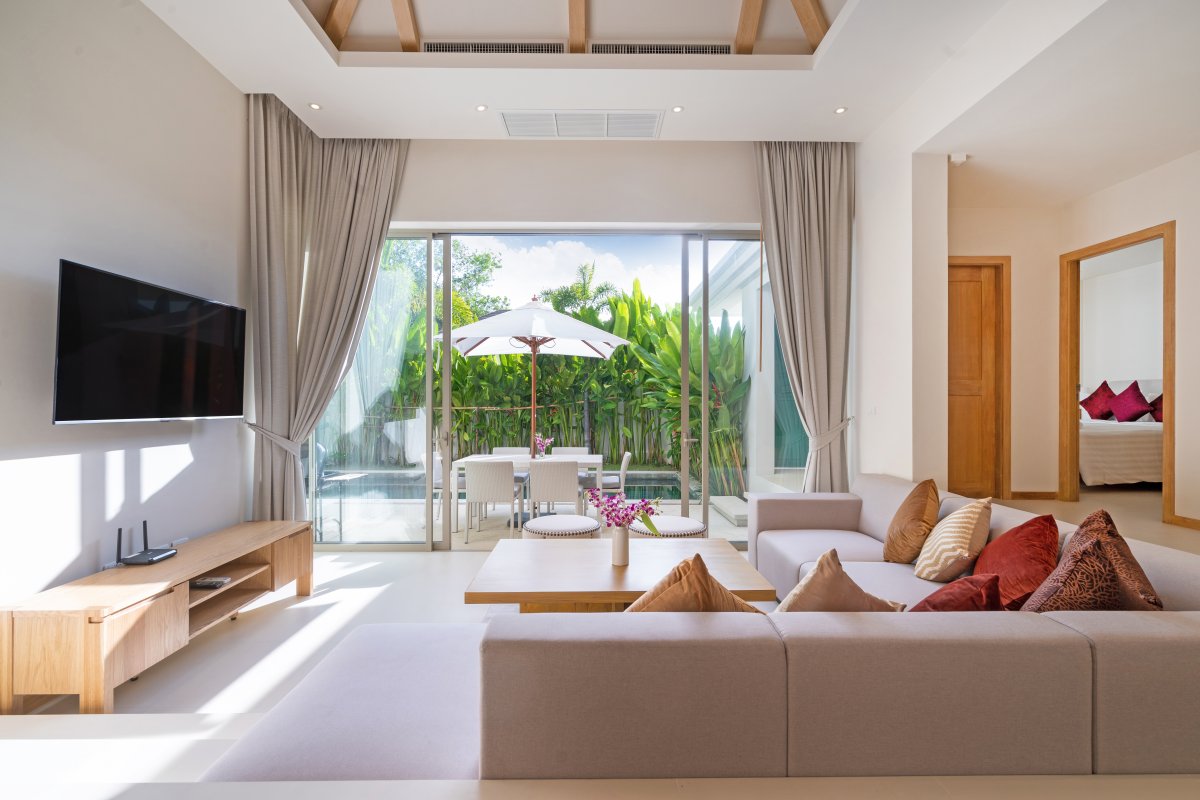
Based on biophilic design principles, strategically placed and oversized doors can create a glass wall that captures lush views, invites in sunlight, improves airflow, and dissolves the barrier between home and landscape. One option is to install multi-panel sliding patio doors, sometimes with three or four panels, to provide a wide-angle view of the colorful yard. For classic charm, a series of French doors can create a seamless connection between inside and outside, providing an easy way to access a backyard deck, patio, or pool.
Another option is to add pocketing or a wall-to-wall door gliding system that redefines open-concept living by tucking panels out of sight and merging patios, yards, and interiors into one continuous space. Finally, floor-to-ceiling glass and retractable walls evoke an airy, almost floating ambiance. All of these design options offer stunning views and make a home feel more expansive and connected to nature.
Our Recommendation
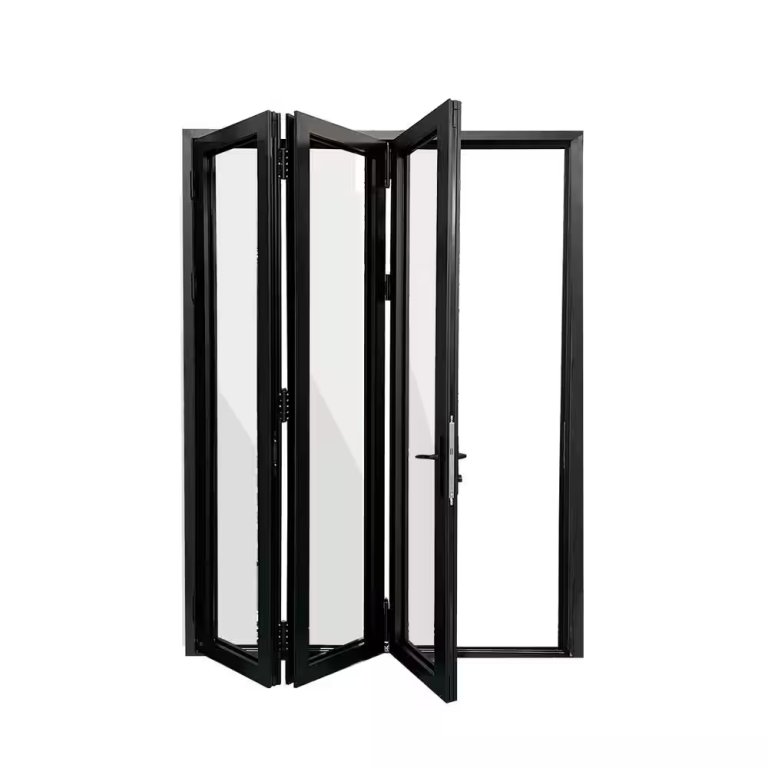
Eris 108-in. x 80-in. Black Aluminum Folding Patio Door
This 108-in. x 80-in. right swing/outswing aluminum and glass door earned “Best Bifold” in our guide to the best patio doors.
Buy Now3. Add a Pass-Through Window
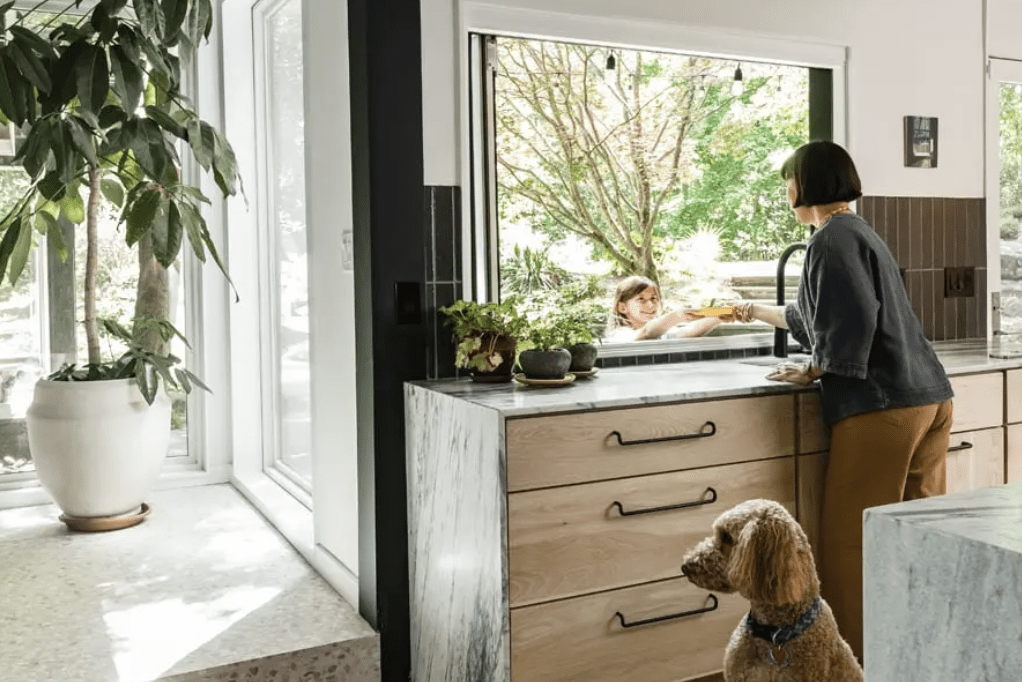
Another interesting way to blend your kitchen and patio is to install a pass-through window (pictured at the top of this article). Also known as a servery window, serving hatch, or concession window, kitchen pass-through windows are making a comeback as a smart way to link indoor kitchens with patios, decks, and backyard entertaining areas. Once popular in mid-century homes, these functional openings create a seamless visual and physical connection between cooking and outdoor living, making it easy to hand out drinks, snacks, and meals without having to step outside.
Beyond convenience, pass-through windows enhance natural light, ventilation, and the sense of openness in a kitchen. They can even double as an outdoor bar or prep station, especially when there is bar seating on the exterior side. They come in several different styles, including fold-up or bi-fold windows that stack neatly to one side for a wide opening; sliding windows that offer a sleek space-saving option; and an outswing awning with hinged windows that provides maximum clearance. You can elevate this feature with awnings for shade, retractable screens to deter insects, decorative glass for privacy, or integrated shelving for potted plants.
4. Install a Pergola
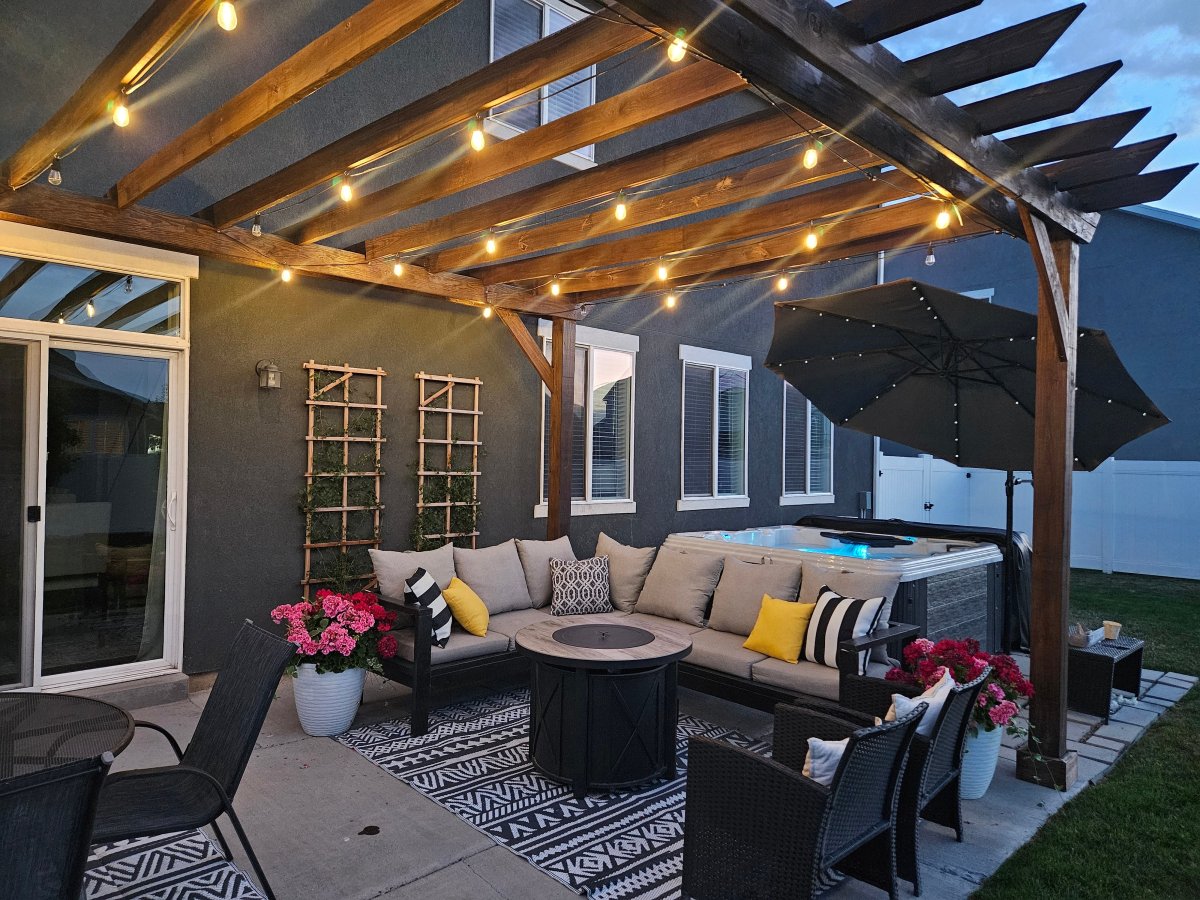
Pergolas are another inviting way to extend indoor living areas. A pergola’s open framework provides filtered sunlight, airflow, and architectural interest while creating a sheltered transition space that softens the divide between the house and patio. Available in wood, metal, or vinyl, these structures range from classic designs to sleek, modern models that can be adjusted to regulate light and ventilation. Retractable fabric pergolas offer motorized flexibility to easily adapt shade coverage as the weather changes.
In addition to providing comfort, pergolas enhance visual appeal and can even increase property value. They work beautifully as standalone focal points or integrated with decks, outdoor kitchens, and patios to create cohesive, functional environments for dining, lounging, and entertaining. Accessories such as curtains, privacy screens, lighting, outdoor rugs, and outdoor furniture add personality to the space, while vines and hanging plants introduce natural elements.