We may earn revenue from the products available on this page and participate in affiliate programs. Learn More ›
Many homeowners don’t realize the importance of keeping their roof clean, even though a well-maintained roof boosts curb appeal and protects the rest of the home. “Unfortunately, the roof is often overlooked until a leak develops or visible damage appears,” says Ryan Westfall, president of Westfall Roofing in Tampa, Florida. Yet, your roof is one of the most important investments you’ll make in your home, and regular cleaning helps protect it.
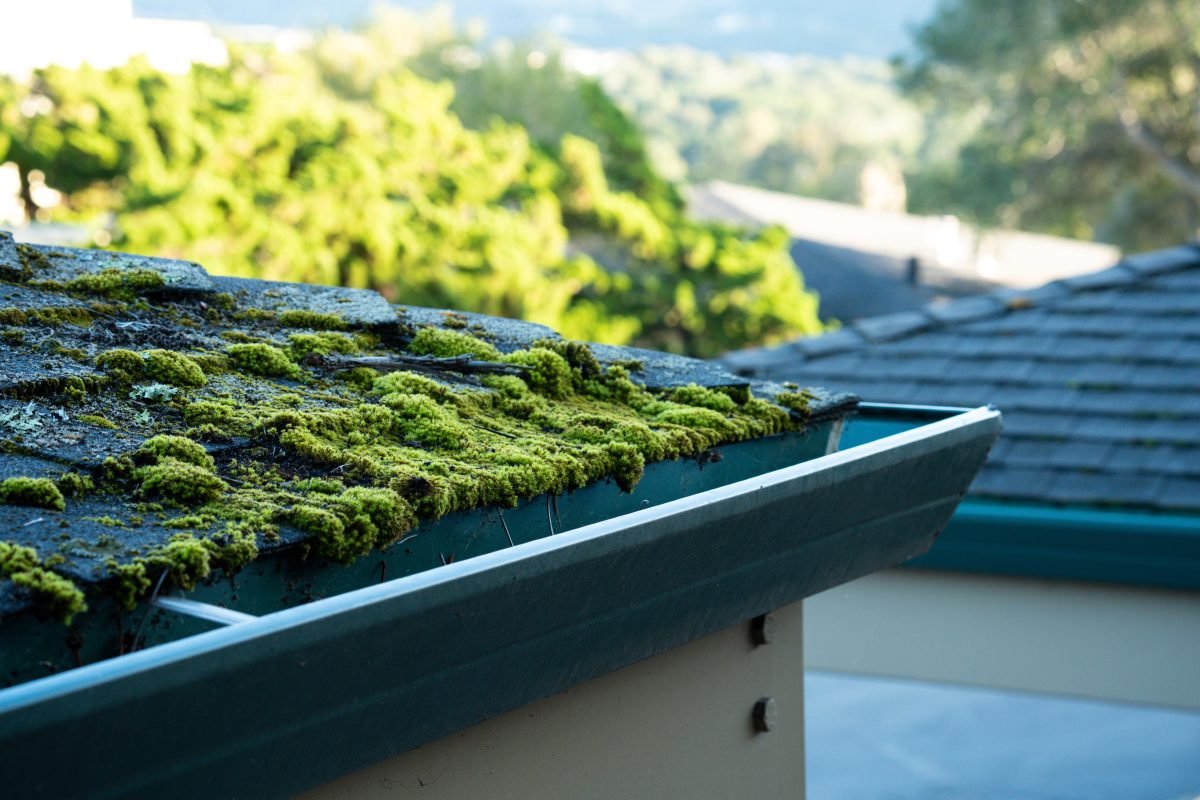
Over time, moss, algae, lichen, leaves, and debris build up and trap moisture against the roofing material. “That constant moisture can accelerate deterioration, shorten the roof’s lifespan, and even lead to leaks if it’s ignored,” warns Westfall. “A clean roof also allows homeowners and contractors to spot small issues like cracked tiles, lifted shingles, or damaged flashing before they turn into expensive repairs.”
Routine maintenance—including debris removal, gutter cleaning, and proper roof cleaning—can help maximize the life of your roof and ensure you maintain your manufacturer’s warranty coverage. Here are expert roof cleaning strategies that will help you get started.
Clean your roof in the fall and/or spring.
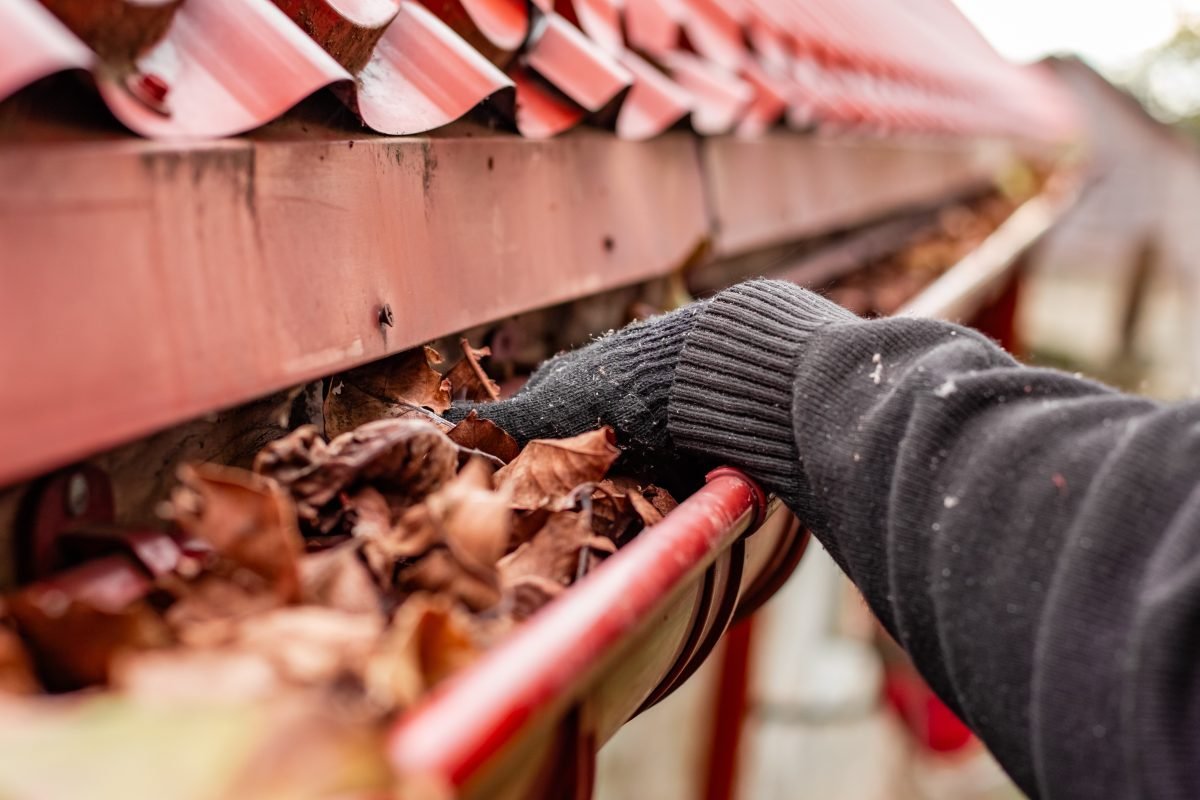
In general, fall and spring are typically considered ideal times to clean a roof, according to Renee Ramey, executive director of the Metal Roofing Alliance (MRA) in Longview, Washington. “That’s because, after fall leaves drop, it’s a good idea to prepare your roof for the winter ahead, especially in areas susceptible to ice and snow,” says Ramey. Cleaning gutters is particularly important for proper water drainage, and in the case of ice, to help prevent ice damming. “Additionally, spring is important, especially in wildfire-prone areas to help remove as much organic material that could potentially ignite ahead of peak wildfire seasons.” Plus, those seasons have milder weather, making it easier for homeowners to remove debris that has built up, adds Westfall.
However, if you have a lot of trees around your home, you may need additional cleaning throughout the year to remove leaves and branches that collect in roof valleys and gutters, says Westfall. “Homeowners should not wait for a scheduled inspection if they notice debris accumulation or suspect storm damage; leaves or limbs should be removed as soon as it is observed.”
How often you clean your roof depends on several factors.
In most cases, it’s recommended to schedule a professional roof inspection and cleaning every 1 or 2 years. However, the right schedule depends on your environment, says Westfall. “Homes surrounded by oak trees or heavy vegetation may need more frequent cleaning because organic debris and shade create ideal conditions for algae and moss growth,” he explains. What you don’t want to do is wait until you spot black streaks or heavy buildup, since that usually means the roof is already damaged.
The region where you live also plays a role in how often your roof needs to be cleaned. “If you live in a region that has a lot of trees, pollen, saltwater spray, or conditions that promote organic matter growth (such as moss that can thrive in humid, mild and wet conditions), then you need to plan accordingly as your roof may require more frequent cleaning,” notes Ramey.
Finally, roof material also matters. “Unlike asphalt or other types of roofs (such as clay tile and wood shingles), which can be prone to moss, mildew, and fungus and require harsh chemicals to treat and clean, upkeep for a quality metal roof is very simple and inexpensive thanks to their smoother surfaces and high-performance, protective coatings,” says Ramey.
Roof cleaning can affect your home warranty.
If you are worried about your home warranty, then you’ll want to schedule consistent roof cleaning. “Many roofing manufacturers have specific cleaning guidelines, and using the wrong methods can void portions of your warranty,” warns Westfall. High-pressure washing, for example, can strip protective granules from asphalt shingles or damage tile roofs.
“That’s why homeowners should always hire a qualified roofing contractor who follows the manufacturer’s recommendations, rather than a company that only specializes in pressure washing,” says Westfall. He’s seen cases where improper roof cleaning caused more damage than the dirt itself.
Choose a cleaning method based on the type of roofing material you have.
Different roofing materials require different cleaning techniques, and using the wrong method can cause significant damage, says Westfall.
Asphalt Shingle Roofs
Asphalt shingles should never be cleaned with a pressure washer, since it can remove the protective granules from the shingles, significantly reducing their ability to withstand ultraviolet exposure and weather. “Instead, clean asphalt shingles using manufacturer-approved chemical soft wash treatments only,” recommends Westfall. “These cleaning solutions safely eliminate algae and organic growth without damaging the roofing material when applied properly.”
Concrete Tile and Clay Tile Roofs
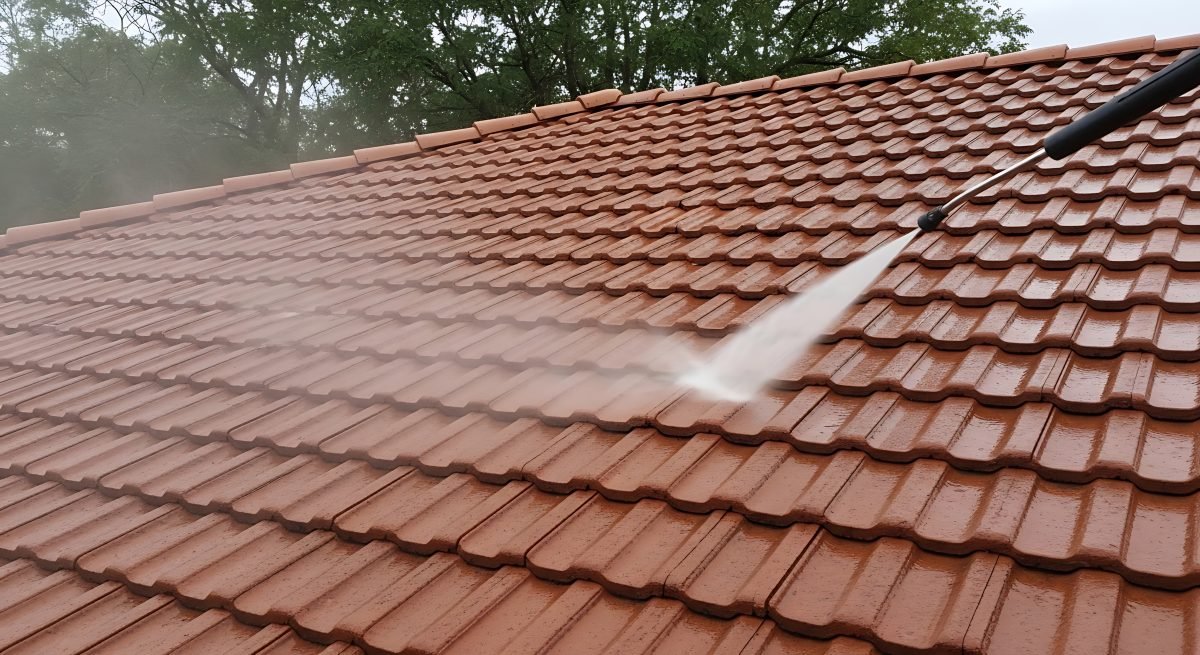
Concrete and clay tile roofs respond well to low-pressure soft washing; however, cleaning tile roofs requires special care, says Westfall. Never walk directly on roof tiles because they can crack or break. “Professional roofing contractors often use aerial lifts or boom lifts to minimize foot traffic on the roof and reduce the risk of damaging tiles during cleaning and inspections.”
Metal Roofs
“Metal roofs are well known for being trouble-free and easy to maintain,” says Ramey. She suggests using a garden hose attachment to spray away common dirt and debris. Never use a power washer. “If water alone isn’t enough to remove common dirt and debris, mix 1/4 cup of mild detergent (including mild laundry detergents, car washing soap, or dish soap) per gallon of water, and always follow the manufacturer’s specific instructions to help protect and maintain roof warranties.”
Apply the solution to the roof surface using a washcloth, sponge, a soft bristle brush, and/or non-abrasive pad. “The goal is to use the lightest touch that will effectively do the job; never use steel wool, wire brushes, scouring powders, paint removers or thinners on a metal roof.” Finally, let the solution stand for 5 to 10 minutes before thoroughly rinsing the surface with plain water.